
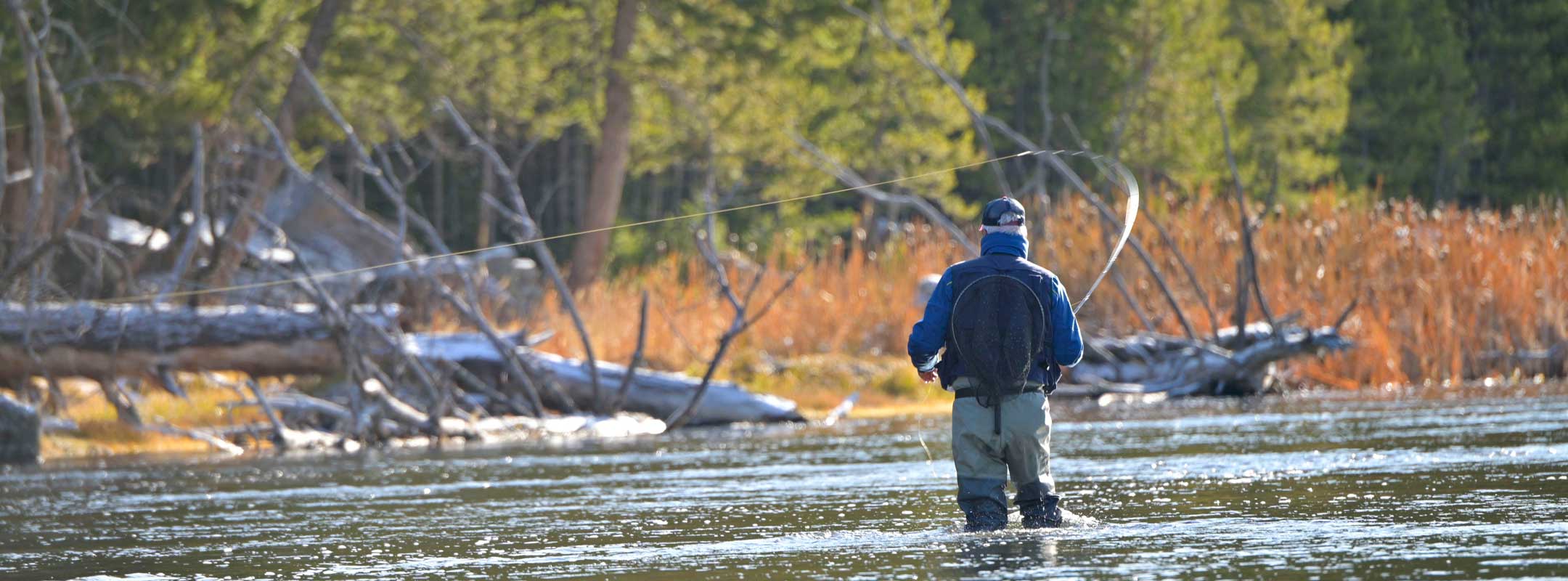
The hopper dropper rig combines a buoyant dry fly with a sub-surface nymph, attracting fish feeding at both the surface and below. It's one of the most effective summer and fall setups in fly fishing — and one of the most fun to fish.
If you're looking to elevate your fly fishing game, the hopper dropper rig is a must-try. This versatile technique pairs a foam grasshopper dry fly with a nymph suspended below, covering two feeding zones simultaneously. Here's everything you need to know to fish it effectively.
What Is the Hopper Dropper Rig?
The hopper dropper is a two-fly setup: a large, buoyant foam hopper on top acts as both an attractor and a strike indicator, while a nymph hangs 18–30 inches below on a tippet tag. Fish can take either fly — and often do. It's particularly deadly in summer and early fall when grasshoppers are active near the banks.
Foam Hoppers Dry Fly Assortment — 10 Flies, 5 Patterns

This assortment includes 10 hand-tied foam hopper patterns in hook size 10 — five proven designs that cover the most common grasshopper profiles:
- Godzilla Hopper
- Water Trout
- Morrish Yellow
- Morrish Tan
- Brown Bicho
Durable foam construction keeps these flies floating through repeated casts and fish strikes. Hook size 10 balances visibility and performance across a wide range of water types — rivers, ponds, and lakes. Effective for trout, bass, and panfish.
How to Fish the Hopper Dropper
Nymph Depth
Attach your nymph 18–30 inches below the hopper on a tippet tag. The nymph should drift just below the surface in the zone where trout commonly feed. Adjust depth based on water depth and current speed.
Presentation
Cast upstream and let the rig drift downstream naturally, replicating the natural flow of insects. A drag-free drift is the goal — mend as needed to keep the hopper from dragging across the current.
Reading the Strike
Watch the hopper closely. Any subtle dip, twitch, or hesitation can mean a fish has taken the nymph below — set the hook immediately. Surface takes on the hopper itself are usually unmistakable.
Frequently Asked Questions
When is the best time to use the hopper dropper rig?
Mid-summer through early fall, when grasshoppers are active near the water's edge. Warm, windy days that blow hoppers onto the water are prime conditions.
What nymph should I use as the dropper?
A tungsten bead nymph works well — the weight helps the nymph sink quickly without adding split shot that can affect the hopper's drift. Hare's Ears, Pheasant Tails, and Czech nymphs are all solid choices.
What types of fish can I catch with this rig?
Trout are the primary target, but bass and panfish will readily take both the hopper and the nymph in the right conditions.
Is foam more durable than deer hair for hoppers?
Yes — foam holds up better through multiple fish and repeated casts, and it floats more reliably without dressing. Deer hair patterns have a more natural profile but require more maintenance on the water.
Want to explore more hopper and terrestrial patterns? Browse our full Hoppers & Terrestrial Flies Collection — 146 patterns perfect for summer and fall fishing when the bugs are on the bank.