
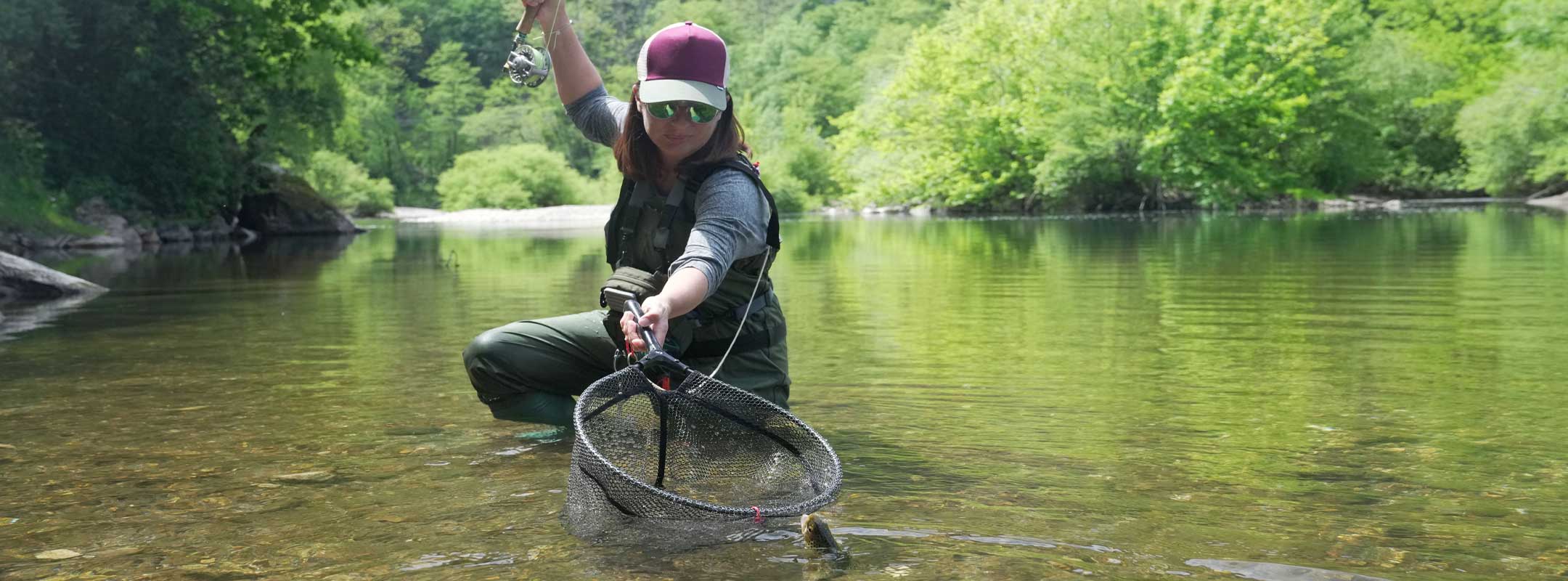
If you're building your first fly box or restocking after a big trip, one pattern should top your list: the Woolly Bugger. This iconic fly has earned legendary status among anglers because it simply works - often when nothing else does. Versatile, durable, and deadly across species and water types, Woolly Buggers deserve a permanent spot in every angler's arsenal.

Woolly Bugger Origins: The History Behind the Legendary Fly
The Woolly Bugger story begins in 1967 with Pennsylvania fly tier Russell Blessing. He crafted the original pattern to imitate hellgrammites (dobsonfly larvae) while targeting smallmouth bass. Starting with the classic Woolly Worm, Blessing added a flowing marabou tail that gave the fly incredible movement in the water. His young daughter Julie, just seven years old, reportedly named the bushy creation "Woolly Bugger." What began as a local secret spread quickly thanks to its proven fish-catching power on waters like Pennsylvania's Little Lehigh River.
Today, the Woolly Bugger stands as one of the most popular streamer flies in the world, used by beginners and experts alike for everything from trout to bass, panfish, and even some saltwater species.
Why the Woolly Bugger Catches Fish Year-Round
The real magic lies in its versatility. The marabou tail pulses and undulates with every twitch, mimicking the natural swimming motion of leeches, baitfish, crayfish, hellgrammites, and large nymphs. The chenille body feels lifelike when a fish strikes, and palmered hackle along the body creates bulk and extra action without overcomplicating the pattern.
This "something edible" profile triggers strikes even when fish aren't focused on a specific hatch. Woolly Buggers shine in clear rivers, murky lakes, fast currents, and stillwater - year-round, from spring runoff to winter tailwaters, making them a go-to searching pattern when conditions are tough.
Woolly Bugger Variations: Popular Styles to Match Any Situation
While the classic black Woolly Bugger remains a staple, there are several effective variations worth carrying:
- Beadhead or conehead — sink faster for deeper water or faster currents
- Olive, brown, white, purple, or chartreuse — match local forage or stand out in stained water
- Flash-enhanced tails — Krystal Flash or tinsel for extra sparkle in low light
- Rubber-leg versions — increased movement for big predators like bass or pike
Carry a mix of sizes — #12 micro buggers for trout streams up to #2 or #4 for big smallmouth or stillwater - and you'll be prepared for almost any scenario.
How to Fish the Woolly Bugger
One of the best things about Woolly Buggers is how flexible they are on the water. Here are four proven techniques:
- Strip retrieve — cast across or downstream and strip back with short, sharp pulls to imitate fleeing baitfish; add occasional pauses for a dying-prey effect
- Swing and pulse — let the current swing the fly while twitching your rod tip for lifelike action
- Dead drift — fish it nymph-style under an indicator or high-stick it along the bottom to imitate drifting leeches or stoneflies
- Jigging in stillwater — use sink-tip lines or weighted versions and jig vertically near structure or drop-offs
In rivers, a floating line with mends lets you control depth and speed. In lakes or ponds, slow hand-twist retrieves often produce the most strikes. Use a heavier leader (0X–3X) to handle aggressive takes and snags.
Frequently Asked Questions
What does a Woolly Bugger imitate?
The Woolly Bugger doesn't imitate one specific creature - that's part of its genius. Depending on size, color, and how it's fished, it can suggest leeches, baitfish, crayfish, hellgrammites, large stonefly nymphs, or just about anything else a fish might want to eat. Its pulsing marabou tail and chenille body create a "something alive" profile that triggers predatory instincts.
What size Woolly Bugger should I use?
Size depends on your target species and water conditions. Hook size 10–12 works well for trout in smaller streams and clear water. Size 6–8 is a versatile all-around choice for most trout and bass fishing. Size 2–4 is best for big smallmouth, largemouth bass, pike, or large stillwater trout. When in doubt, start with a size 6 black beadhead and adjust from there.
What's the best color Woolly Bugger?
Black is the universal starting point - it's visible in almost any water clarity and works year-round. Olive is a close second, especially in clear water where it better matches natural prey. White or chartreuse shines in off-color or stained water. Brown works well when crayfish are the primary forage. Carry at least black, olive, and one bright color and you'll be covered in most situations.
Can you fish a Woolly Bugger on a dry fly rod?
Yes - a standard 5-weight dry fly rod handles most Woolly Bugger fishing just fine. For larger sizes (#2–4) or when using sink-tip lines, a 6- or 7-weight gives you better turnover and control. The heavier the fly and the faster the water, the more rod you'll want.
Final Tips: Make the Woolly Bugger Your Secret Weapon
The Woolly Bugger proves you don't need fancy materials or complicated patterns to catch fish consistently. Its simple design, lifelike action, and endless variations make it one of the most reliable flies ever created. Next time the hatch is off or you're exploring new water, tie on a Woolly Bugger and watch what happens.
Ready to stock up? Browse our full Streamer Collection — including a huge variety of Woolly Buggers in every color, size, and style.