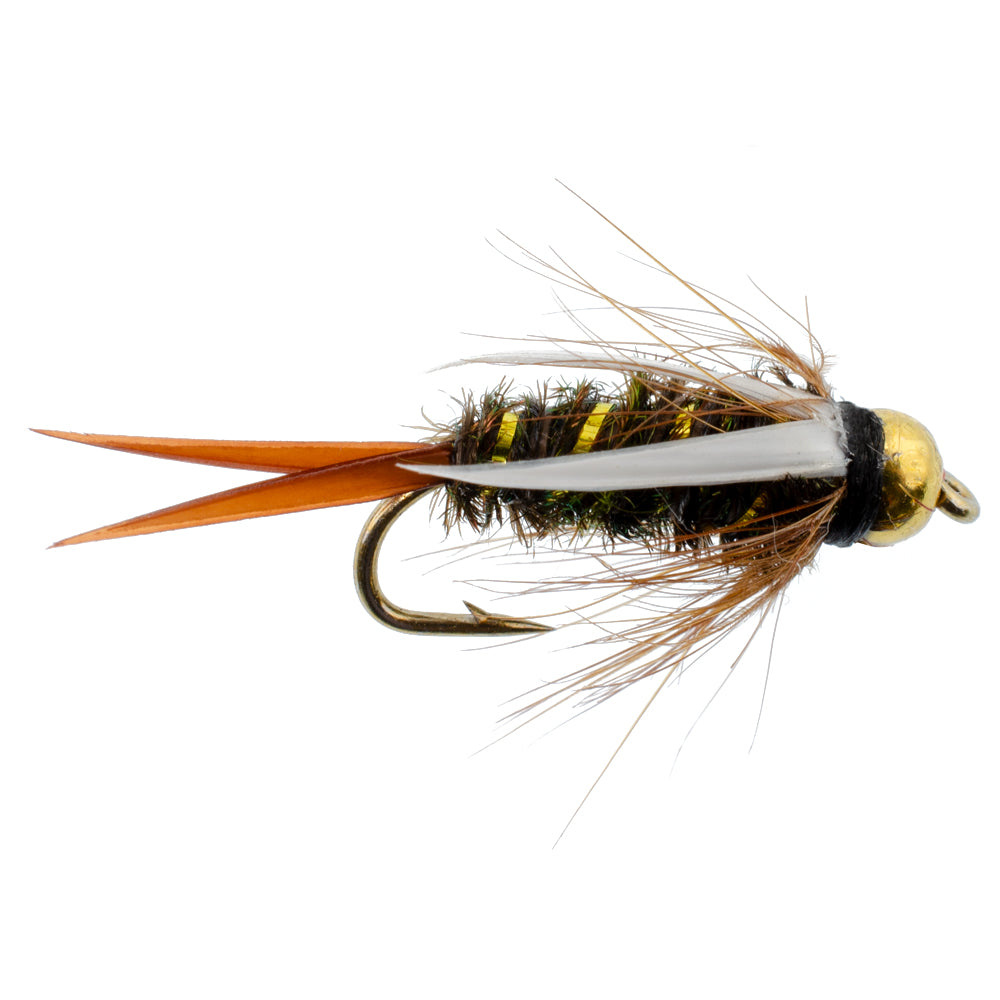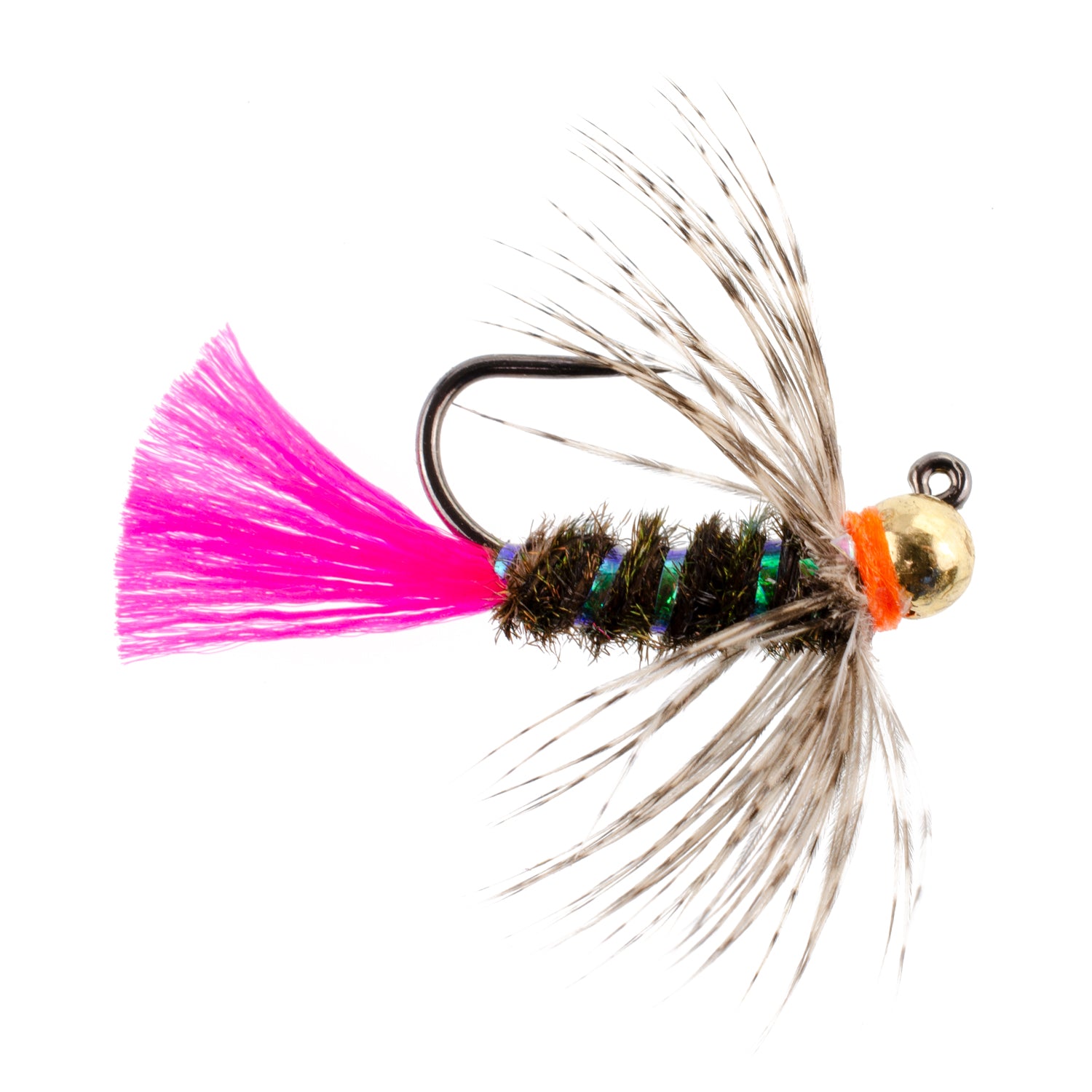
Bighorn River Montana Hatch Chart
South-central Montana, below Afterbay Dam near Fort Smith. The Bighorn is one of the great tailwaters of the West: cold, clear, and rich, running the high plains of the Crow Reservation toward the Yellowstone. Yellowtail Dam and its Afterbay keep the temperature honest and the trout growing through the year. Wild browns and rainbows average a handsome fish, and fish over 20 inches are not a surprise. Scuds, sowbugs, and midges feed them when nothing is hatching. That is the river’s secret, and it works in January as well as June.
Check current Montana FWP regulations before you go.
A Montana fishing license is required on the Bighorn, including the miles inside the Crow Reservation. In 2026 a tribal fishing permit is not required to fish the river itself. A tribal recreation permit is required if you step above the high-water mark onto reservation land. Stay in the wet unless you have that permit.
From the cable 600 feet below Afterbay Dam downstream to Bighorn Fishing Access Site: artificial lures only. The short water immediately below the dam, and the river below Bighorn Access, follow different bait rules. Harvest limits on this tailwater are often tighter than the district standard. Read the current pamphlet for the mile you intend to fish.
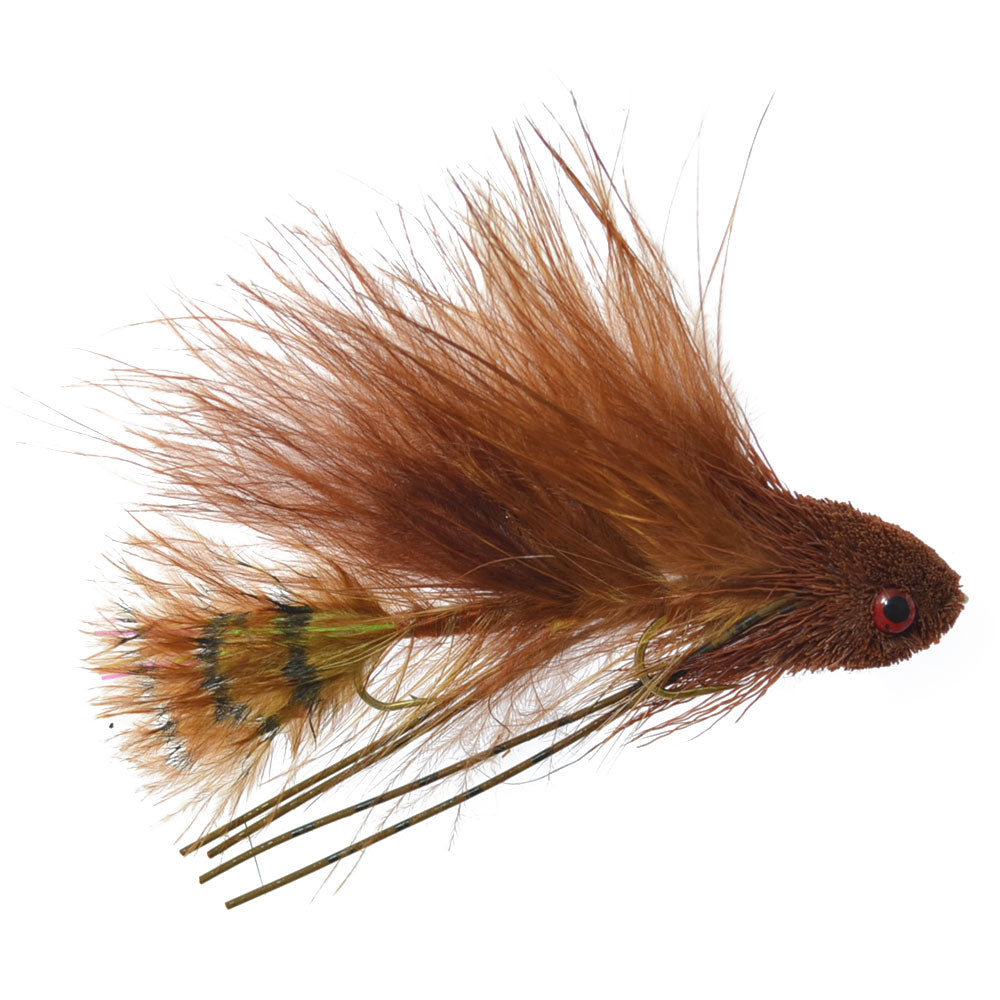
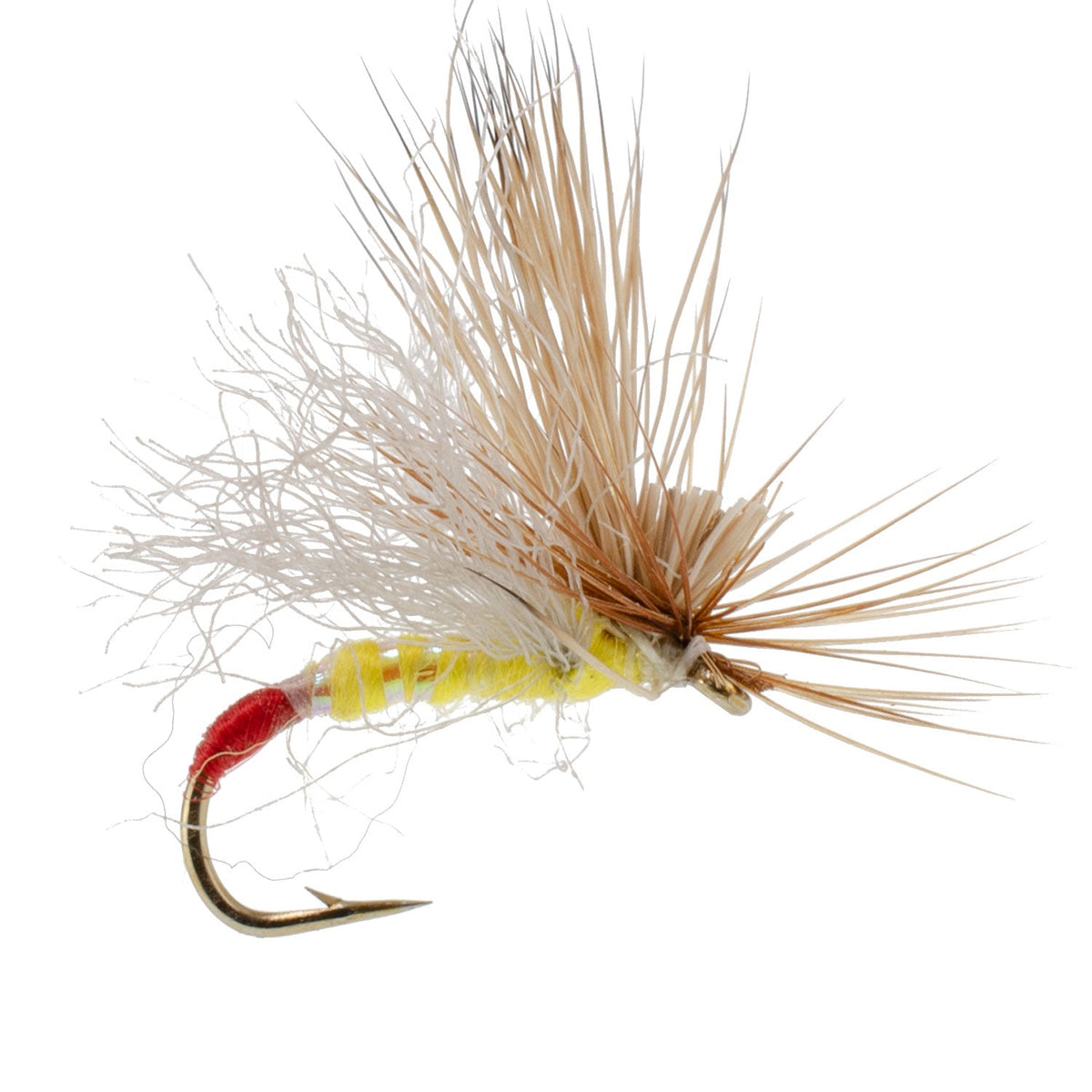
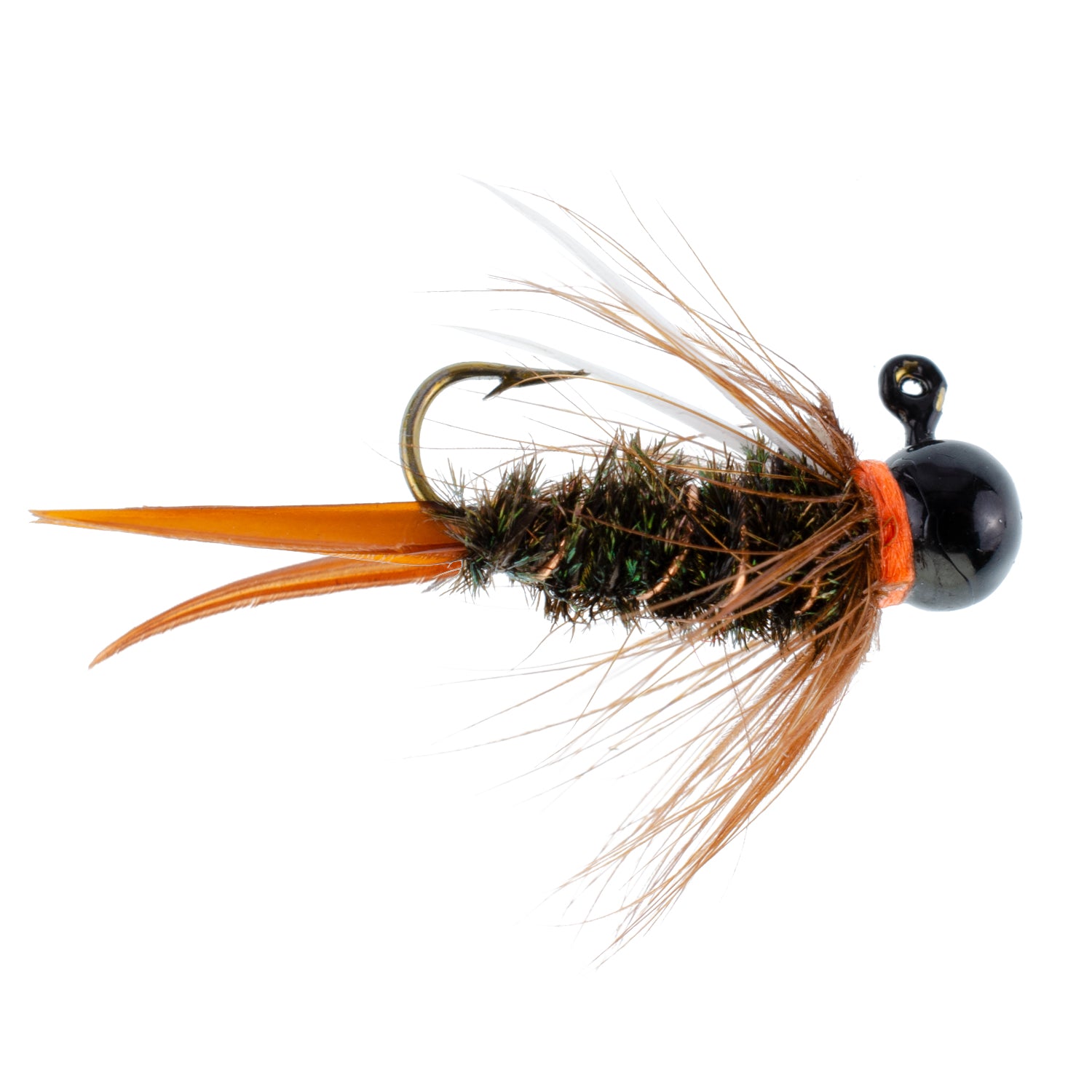
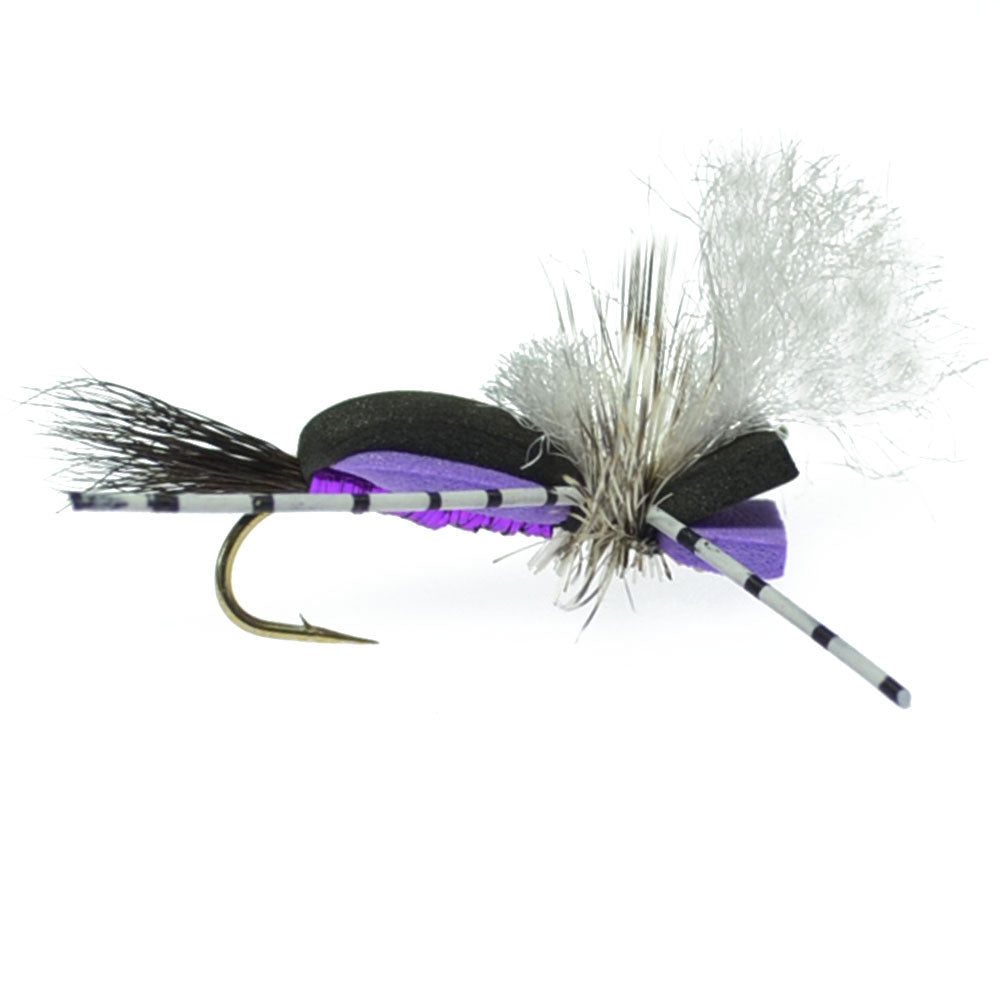
Shop by type: dry flies, nymphs, Euro nymphs, hoppers and terrestrials, streamers.
The river
The Bighorn fishes best in its first 13 miles, from Afterbay Dam to Bighorn Access. Three Mile Access splits that water. The upper miles hold the coldest current and the greatest number of large fish. A drift boat covers it as it should be covered. A careful wader can still do honest work from the public ramps, if he watches the slick weed and the rising water from a generation change.
The river is wide, relatively shallow, and wade-fishable throughout much of its length - though a drift boat dramatically increases access to the best water. The bottom is slick and wading can be demanding. Studded boots are strongly recommended.
Scuds, sowbugs, and midges are the year-round foundation of the Bighorn food base - always have imitations available regardless of what else is hatching. The river's exceptional productivity stems from this constant invertebrate availability rather than reliance on any single hatch.
Year at a glance
| Month | Primary hatches | Also carry | Typical sizes |
|---|---|---|---|
| Jan | Midges | Scuds, sowbugs | Midge 20-26, scud 14-18 |
| Feb | Midges | Scuds, sowbugs | Midge 20-26, scud 14-18 |
| Mar | Midges, BWO | Scuds, early caddis | Midge 20-24, BWO 18-20 |
| Apr | BWO, midges, caddis | Scuds, PMD start late month | BWO 16-20, caddis 14-16 |
| May | PMD, caddis, BWO | Scuds, midges | PMD 16-18, caddis 14-16 |
| Jun | PMD, caddis, pale morning dun | Scuds, yellow sally | PMD 16-18, caddis 14-16 |
| Jul | PMD, caddis, yellow sally | Hoppers start, scuds | PMD 16-18, hopper 8-12 |
| Aug | Caddis, hoppers, PMD | Ants, beetles, scuds | Hopper 8-12, caddis 14-16 |
| Sep | BWO, caddis, hoppers | Scuds, mahogany dun | BWO 16-20, hopper 8-12 |
| Oct | BWO, midges | Scuds, October caddis | BWO 16-20, midge 20-24 |
| Nov | Midges, BWO | Scuds, sowbugs | Midge 20-26, BWO 18-20 |
| Dec | Midges | Scuds, sowbugs | Midge 20-26, scud 14-18 |
January
The Bighorn is one of the few rivers in the West that fishes well year-round, and January is no exception. Midges are the primary food source - the river's constant cold temperatures from the dam keep conditions stable and fish active even in the coldest months. Focus on slow to moderate-speed water 2-4 feet deep. Fish hold tight to the bottom and will move for a well-presented midge cluster or larva.
- Midges - 20-26. Red zebra midge and small Euro nymphs subsurface. Midge cluster dry in size 18-20 when fish are dimpling.
- Scuds - 14-18. Pink, orange, and olive scud patterns are year-round producers. Fish them on a long dropper below a midge.
- Sowbugs - 14-16. Slow, dead-drifted in the weedy sections.
February
Same midge and scud program as January. February can produce exceptional midge dry-fly fishing on mild afternoons - look for dimpling fish in the flat tailouts and fish a small cluster or Griffith's Gnat above a midge larva dropper. The upper catch-and-release section holds the most fish and is worth the extra effort to reach in February.
- Midges - 20-26. Red zebra midge and Euro nymphs. Griffith's Gnat 18-20 when fish are rising.
- Scuds and sowbugs throughout.
March
March brings the first BWO activity on the Bighorn - gray overcast days trigger afternoon hatches that can produce excellent dry-fly fishing on the flatter sections. Midges continue throughout the day. Early caddis begin on the warmer spring afternoons by late month. Scuds and sowbugs remain the subsurface foundation.
- BWO - 18-20 on overcast afternoons. Parachute BWO when fish are rising to the surface.
- Midges - 20-24 throughout. Red zebra midge subsurface.
- Scuds and sowbugs - year-round staples.
April
April is a transition month - BWO hatches strengthen and caddis begin in earnest by mid-month. PMDs can start on the Bighorn as early as late April in warm years, earlier than most Montana rivers due to the tailwater's stable temperatures. The dry-fly season is building and April can produce excellent mixed-hatch fishing with BWO in the morning and caddis in the afternoon and evening.
- BWO - 16-20. Parachute BWO on overcast days.
- Caddis - 14-16. Elk hair caddis afternoons and evenings.
- Scuds and sowbugs subsurface throughout.
- Late April: first PMD - 16-18. Pale Morning Dun.
May
The prime season opens in May. PMDs are the centerpiece - morning hatches that can last several hours with large fish rising across the flats. Caddis continue into the evening. The combination of PMDs, caddis, and BWO on overcast days makes May one of the best months on the Bighorn. Crowds begin building by late May - book guides and lodging well in advance.
- PMD - 16-18. Pale Morning Dun mornings. Add a PMD nymph dropper on a two-fly rig.
- Caddis - 14-16 afternoons and evenings. Elk hair.
- BWO on overcast days. Parachute BWO.
- Scuds and sowbugs as the subsurface baseline.
June
June is peak season on the Bighorn. PMDs continue strong through the month - the Bighorn's PMD hatch is one of the most reliable and dense in Montana. Caddis evenings are excellent. Yellow sallies begin in the riffles. The river sees heavy pressure in June - fish early and late, focus on the upper catch-and-release section for the best fish-to-angler ratios.
- PMD - 16-18. Pale Morning Dun mornings. One of the best PMD rivers in the West.
- Caddis - 14-16 evenings. Elk hair.
- Yellow sally - 14-16 in the riffles on warm afternoons. See dry flies.
- Scuds year-round subsurface.
July
PMDs continue into July - one of the longer PMD windows in Montana. Hoppers begin along the grassy banks and cottonwood-lined shores by mid-month. Caddis evenings remain strong. The Bighorn's wide, open character means hoppers can draw strikes from a long distance - fish them with confidence along the cut banks and weed edges. July is the busiest month on the river.
- PMD - 16-18. Pale Morning Dun mornings.
- Caddis - 14-16 evenings. Elk hair.
- Yellow sally - 14-16 in the riffles.
- Early hoppers along the banks - hoppers and terrestrials. Hopper-dropper with a scud or nymph dropper.
August
Hopper fishing is at its peak in August - the Bighorn is one of Montana's premier hopper rivers. Fish them tight to the cut banks and along weed lines. Caddis evenings continue. PMDs linger into early August on the upper section. Ants and beetles fill the midday window. Monitor water temperatures - the Bighorn can warm in August and fish may become sluggish midday. Fish early morning and evening for the best action.
- Hoppers - 8-12. Hoppers and terrestrials along the banks. Hopper-dropper with a scud or small nymph.
- Caddis - 14-16 evenings. Elk hair.
- Ants and beetles midday from hoppers and terrestrials.
- Scuds year-round subsurface.
September
September is arguably the best month on the Bighorn. Crowds thin after Labor Day, BWO return with the cooling temperatures, hoppers continue through mid-month, and the fish are in prime condition before winter. The fall BWO hatch on the Bighorn is outstanding - dense afternoon hatches on gray days over fish that are more willing than during the pressured summer months. Mahogany duns add variety on overcast afternoons.
- Hoppers through mid-September. Hoppers and terrestrials.
- BWO - 16-20. Parachute BWO and CDC Baetis emerger on overcast afternoons.
- Mahogany dun - 14-16 on overcast afternoons.
- Scuds and sowbugs subsurface throughout.
October
Fall BWO fishing continues and strengthens through October - the best dry-fly hatches of the fall season. Midges begin reasserting themselves as the primary food source as temperatures drop. October caddis add a large dry-fly option on warmer afternoons. Streamers produce well in October as brown trout begin pre-spawn aggression - big articulated patterns and sculpin imitations draw strikes from the largest fish of the year.
- BWO - 16-20. The dominant dry-fly hatch. Parachute BWO.
- Midges - 20-24 picking back up. Red zebra midge.
- October caddis - 8-10 on warmer afternoons.
- Streamers for pre-spawn browns - streamers. Articulated patterns and sculpin imitations in the deeper runs.
November
Midges and BWO dominate as the season winds down. November is underrated on the Bighorn - very few anglers, stable tailwater temperatures, and fish that are less pressured than any other time of year. The midge dry-fly fishing on mild afternoons can be outstanding. Scuds and sowbugs produce subsurface throughout the month.
- Midges - 20-26. Red zebra midge and small nymphs. Midge cluster dry when fish are rising.
- BWO - 18-20 on overcast afternoons. Parachute BWO.
- Scuds and sowbugs - 14-18 subsurface.
December
Back to the winter midge and scud program. The Bighorn's tailwater character keeps the fishery productive year-round - December on the Bighorn is better than June on many other Montana rivers. Focus on the slower water adjacent to the main channel, present midges slowly and naturally, and expect fish from 15 inches to over 20 throughout the winter.
- Midges - 20-26. Red zebra midge and Euro nymphs subsurface. Midge cluster or Griffith's Gnat dry when fish are dimpling.
- Scuds - 14-18. Pink and olive. Year-round Bighorn staple.
- Sowbugs - 14-16 in the weedy sections.
A western dry and nymph assortment covers the core season. Supplement with a dedicated midge selection for the winter months, scud and sowbug patterns year-round, and a hopper box for August and September. The Bighorn rewards the angler who knows the subsurface game - scuds and midges catch fish every day of the year, and the PMD and hopper windows are as good as anything in Montana.