Blue River Colorado Hatch Chart
North-central Colorado, flowing south from its headwaters in Summit County through the Dillon Reservoir and then north through Silverthorne and Kremmling before joining the Colorado River. The Blue River below Dillon Reservoir is one of Colorado's most accessible Gold Medal tailwaters - cold, clear dam releases through a forested canyon immediately below Silverthorne provide exceptional populations of trophy brown and rainbow trout within an hour of Denver and the Front Range. The Gold Medal section from Dillon Dam downstream through Silverthorne is the primary destination - productive year-round midge and BWO fishing with consistent hatches and the kind of large, educated tailwater trout that reward precise presentation and fine tippet.
Check current Colorado Parks and Wildlife regulations before you go. The Blue River Gold Medal section from Dillon Dam downstream has special regulations including artificial flies and lures only and catch-and-release for brown trout on designated reaches - verify current rules for your specific target section. The upper Blue above Dillon Reservoir and the lower Blue below Kremmling have different regulations from the Gold Medal section. Interstate 70 corridor access makes the Silverthorne section extremely popular on weekends - weekday fishing is strongly recommended for the best experience. A Colorado fishing license is required.
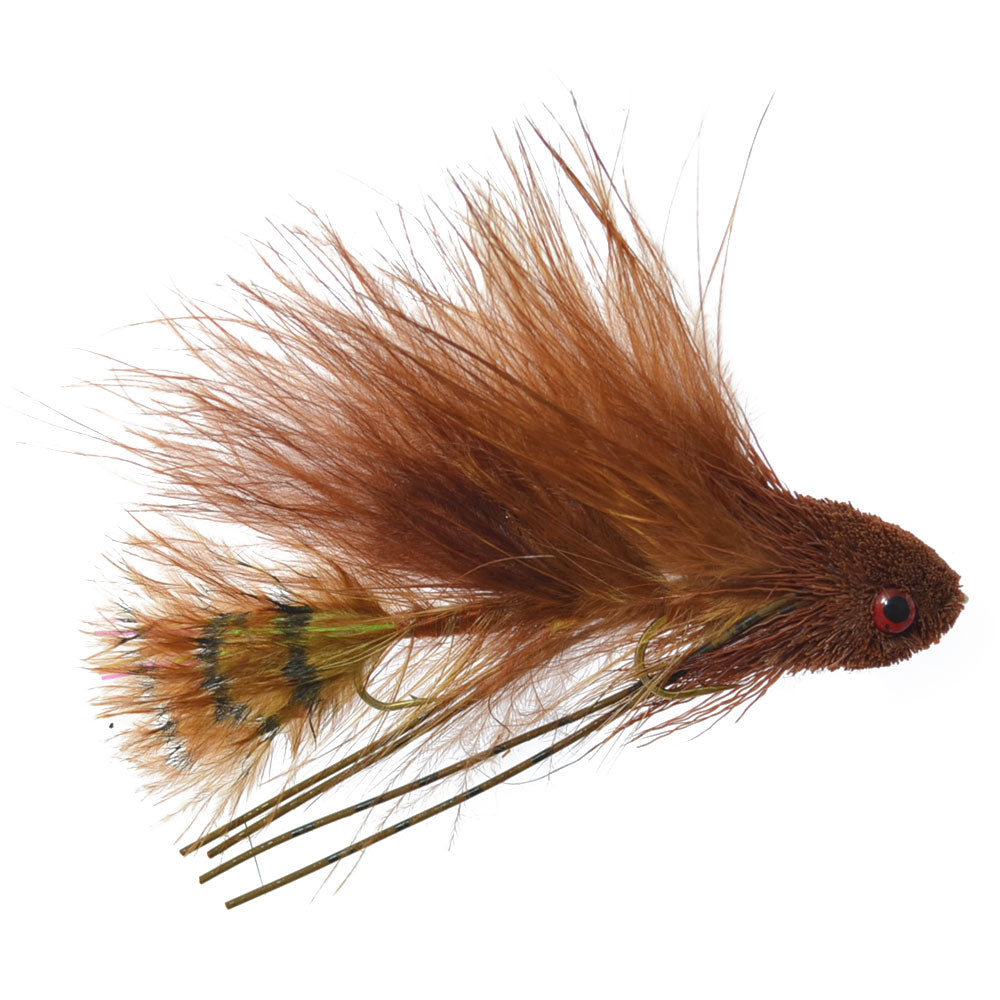
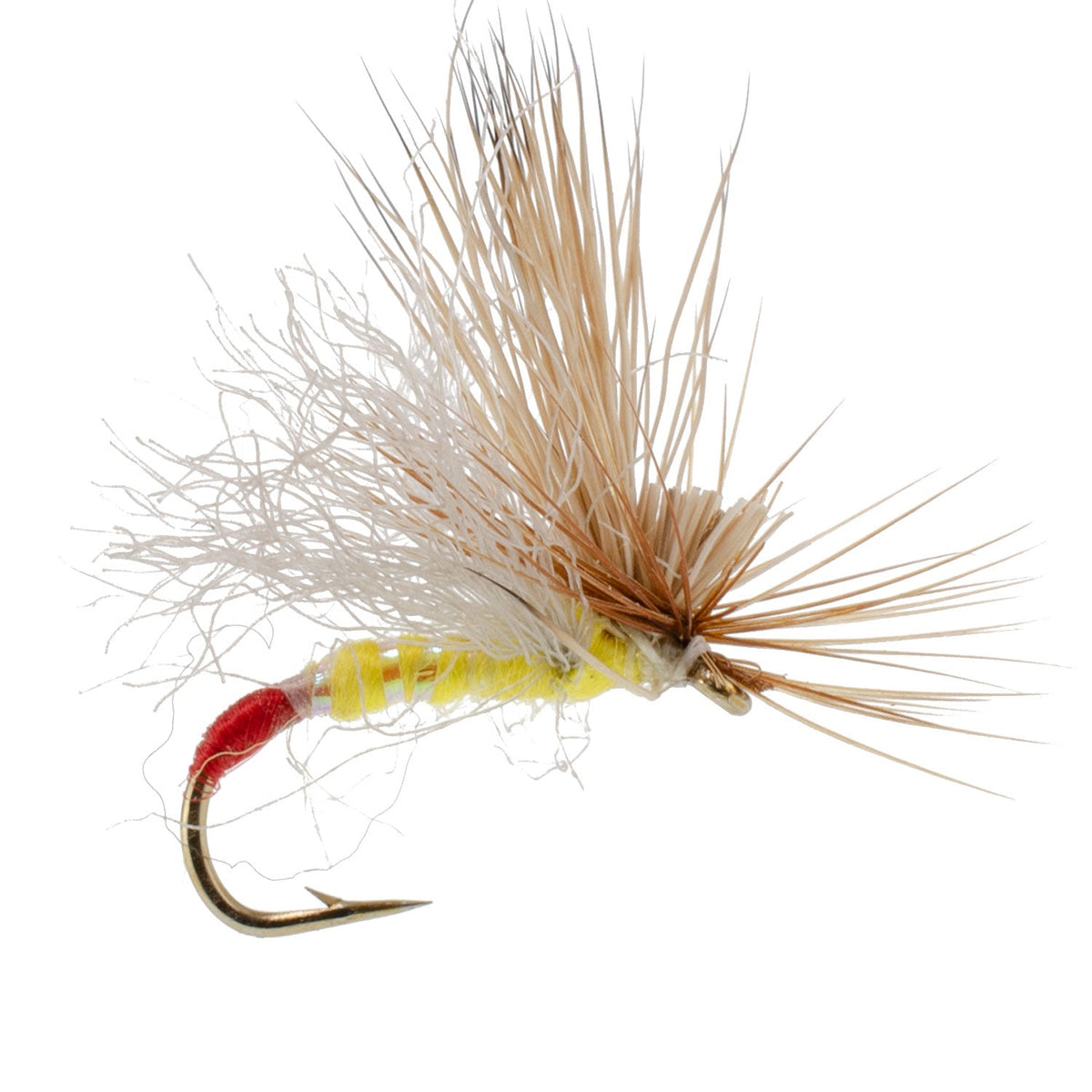
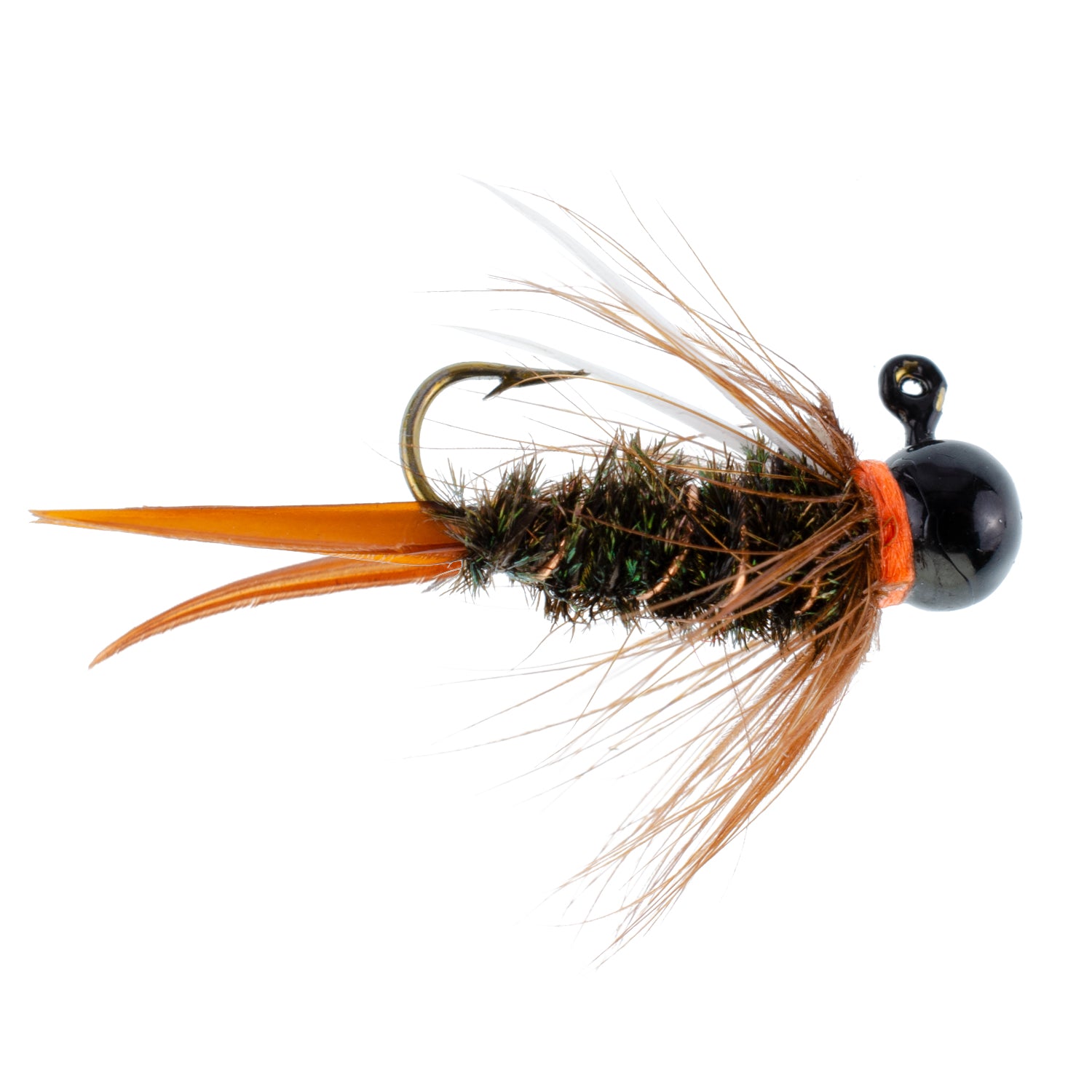
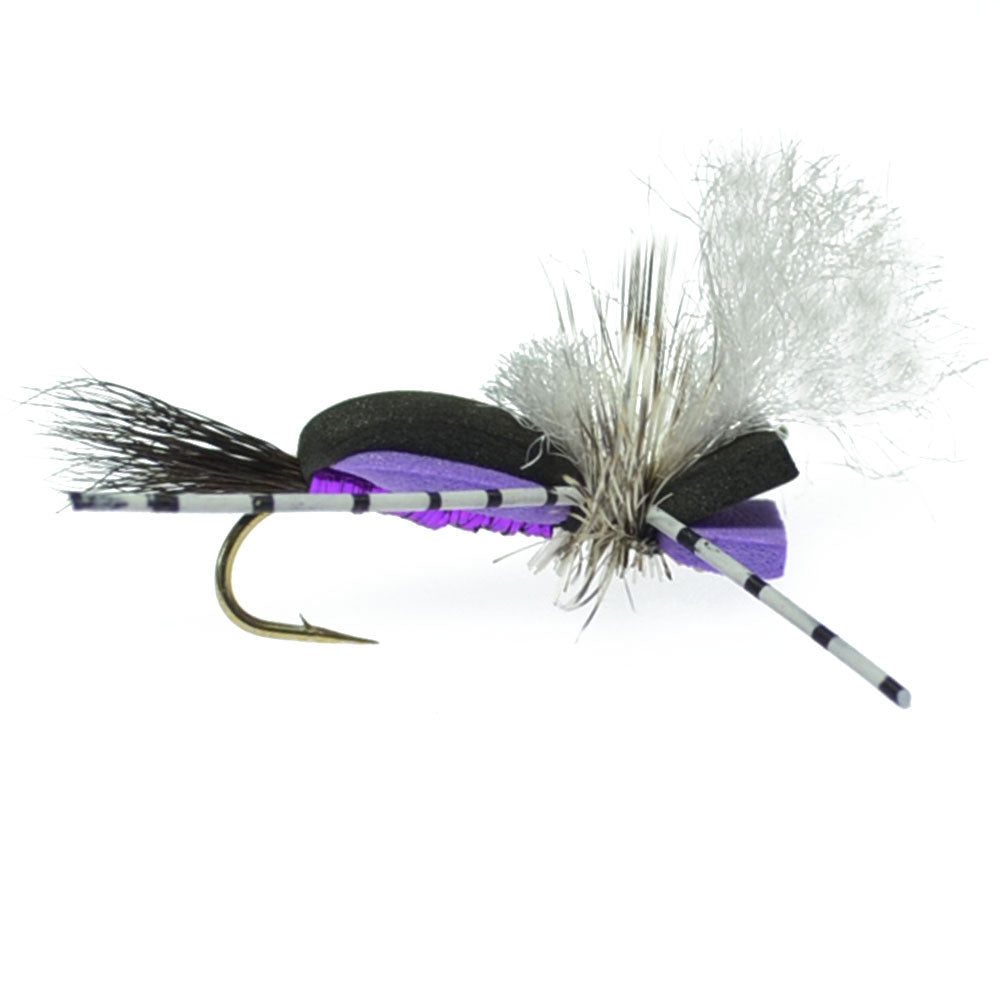
Shop by type: dry flies, nymphs, Euro nymphs, hoppers and terrestrials, streamers.
The river
The Blue River below Dillon Dam is a classic Front Range tailwater - the cold, consistent flows from Dillon Reservoir produce the stable conditions that allow trophy trout to grow to exceptional size in a relatively short river corridor. The Gold Medal section flows through a narrow canyon with lodgepole pine and blue spruce lining the banks before opening into the broader Silverthorne valley - varied in character with deep pools behind boulders, productive riffle edges, and the kind of flat glassy sections where fish rise predictably to midge and BWO hatches on calm afternoons.
The Blue's proximity to Denver and Summit County is its defining characteristic as a fishery - the combination of exceptional tailwater trout fishing, year-round access, and easy reach from the Front Range and ski areas makes it one of the most visited Gold Medal rivers in Colorado. The fish reflect that pressure - Blue River browns and rainbows are among the most educated tailwater trout in the state. Fine tippet (5X minimum, 6X-7X for midges), precise fly selection, and long drag-free drifts are the fundamentals. The angler who treats the Blue like a technical spring creek will outfish the angler who fishes it like a freestone river.
The lower Blue below Kremmling is a completely different river - a broader, warmer, more freestone character with different fish populations and less pressure than the Gold Medal section. The lower Blue is worth knowing for the angler who wants to explore beyond the Silverthorne corridor and is particularly good for summer hopper fishing along the broad lower valley sections. Together the upper tailwater and the lower freestone river give the Blue River system a range that extends the productive season and the variety of fly fishing on offer.
Year at a glance
| Month | Primary hatches | Also carry | Typical sizes |
|---|---|---|---|
| Jan | Midges, BWO | Small nymphs | Midge 20-26, BWO 18-22 |
| Feb | Midges, BWO | Small nymphs | Midge 20-26, BWO 18-22 |
| Mar | BWO, midges, blue quill | Small nymphs | BWO 16-20, midge 20-24 |
| Apr | BWO, midges, caddis | Blue quill, small nymphs | BWO 16-20, midge 20-24 |
| May | BWO, caddis, PMD | Midges, yellow sally | BWO 16-20, caddis 14-16 |
| Jun | PMD, caddis, BWO | Yellow sally, ants | PMD 16-18, caddis 14-16 |
| Jul | PMD, caddis, midges | Hoppers, ants, beetles | PMD 16-18, caddis 14-16 |
| Aug | Midges, caddis, PMD | Hoppers, ants, trico | Midge 20-26, caddis 14-16 |
| Sep | BWO, midges, caddis | Mahogany dun, hoppers | BWO 16-20, midge 20-24 |
| Oct | BWO, midges | Mahogany dun, streamers | BWO 16-20, midge 20-26 |
| Nov | Midges, BWO | Small nymphs, streamers | Midge 20-26, BWO 18-22 |
| Dec | Midges, BWO | Small nymphs | Midge 20-26, BWO 18-22 |
January - February
The Blue River tailwater fishes year-round and January and February are genuinely productive for the angler willing to work in cold conditions. The Gold Medal section below the dam holds fish through winter - midge hatches on calm afternoons and BWO on overcast days bring fish to the surface even in the coldest months. The canyon is sheltered from the worst Summit County winds and the tailwater flows remain consistent regardless of weather. Winter weekdays on the Blue are among the most peaceful Colorado tailwater experiences available - excellent fishing with minimal competition.
- Midges - 20-26. The year-round Blue River staple. Subsurface midge pupa and larva patterns throughout; surface on calm afternoons when fish are dimpling. 6X-7X tippet.
- BWO - 18-22 on overcast afternoons. Parachute and CDC emerger styles. Long fine leader essential on the flat tailwater sections.
- Small nymphs subsurface - midge pupa and emerger patterns in the deeper runs.
March - April
BWO hatches strengthen through March as the canyon warms toward spring - the Blue River spring olive hatches on overcast afternoons are reliable and productive. Blue quill begin on the warmer March afternoons. Caddis begin building in April on the lower Gold Medal sections. The spring Blue before the summer crowds is excellent fishing - the best time of year for pressure-free access to the most productive canyon sections. Monitor flows in late April and May as Dillon Reservoir begins filling from snowmelt - dam releases can vary and flows in the Gold Medal section are managed by reservoir operations.
- BWO - 16-20 on overcast afternoons. The dominant spring dry-fly hatch. CDC emerger and parachute styles.
- Midges throughout - 20-26. Year-round relevance on the Blue.
- Blue quill - 16-18 on the warmer March afternoons.
- April: caddis beginning - 14-16 on the lower Gold Medal sections.
- Small nymphs subsurface throughout.
May - June
PMDs begin building through May on the Blue River - the tailwater temperature stability allows an earlier PMD start than nearby freestone rivers. Caddis evenings strengthen through May and June. BWO on overcast days through May. The post-runoff Blue in June with PMD mornings and caddis evenings is the river at its seasonal best. The Summit County crowds build significantly through June as ski season transitions to summer - weekday fishing is essential for the best experience on the Gold Medal section through the summer months.
- BWO through May - 16-20 on overcast afternoons.
- PMD - 16-18 mornings building through May and June. CDC and parachute styles. 5X-6X tippet on the flat sections.
- Caddis - 14-16 evenings. Building strongly through May and June.
- Yellow sally - 14-16 in the faster riffle sections.
- Midges throughout - 20-26. Still essential between hatches.
July - August
The tailwater character of the Blue keeps PMDs going through July when nearby freestone rivers have transitioned fully to hopper season. Midges remain the constant. Caddis evenings. Hoppers along the canyon margins in smaller sizes - the narrow Silverthorne canyon limits hopper opportunity compared to the open lower Blue below Kremmling, where hopper fishing is excellent along the broad valley margins. The lower Blue in July and August is worth the drive for the angler who wants hoppers in a setting completely different from the technical tailwater section. Beat the summer weekend crowds on the Gold Medal water by fishing early morning and being on the water before 8 AM.
- PMD - 16-18 mornings through July. Extended by the tailwater temperature stability.
- Midges - 20-26 throughout. The reliable constant on any Blue River day.
- Caddis - 14-16 evenings.
- Hoppers - 10-14 along the canyon margins in the Gold Medal section; 6-10 on the lower Blue below Kremmling.
- Ants and beetles midday - 16-18.
September - October
Fall is the finest season on the Blue River - BWO return strongly with the cooling temperatures and the Summit County crowds thin dramatically after Labor Day. The Gold Medal section produces excellent fall olive hatches on overcast afternoons with the aspens turning gold on the canyon slopes and the river returning to something approaching weekday solitude even on weekends. Mahogany duns on overcast days. Streamers for large pre-spawn browns in October. The Blue in October with BWO hatches and fall color and minimal pressure is the river at its most rewarding.
- BWO - 16-20 on overcast afternoons. The dominant fall hatch. CDC emerger and parachute styles. 5X-6X tippet.
- Mahogany dun - 14-16 on overcast afternoons in September and October.
- Caddis evenings through September - 14-16.
- Midges - 20-26 throughout. Year-round importance intensifies as fall hatches taper.
- Streamers - October into November for large pre-spawn browns in the deeper canyon pools.
November - December
The Blue River tailwater fishes productively through November and December - one of its great advantages over nearby freestone rivers. BWO through mid-November on overcast afternoons. Midges year-round. The Gold Medal section below the dam stays open through winter and December midge fishing on the Blue is a legitimate option for the Front Range angler who wants quality winter tailwater fishing within easy reach. Weekday visits in November and December provide the best access to the most productive sections with minimal competition.
- Streamers through mid-November for large browns in the canyon pools.
- BWO - 18-22 on overcast afternoons through November. CDC emerger and parachute styles.
- Midges - 20-26 year-round. The winter anchor on the Blue River tailwater. 6X-7X tippet. Subsurface and surface when fish are dimpling.
- Small nymphs subsurface - midge pupa patterns throughout winter.
The Blue demands fine tippet - 5X for caddis and PMD, 6X-7X for midges and BWO on the flat Gold Medal sections. A western dry and nymph assortment provides the foundation - supplement with dedicated midge patterns in sizes 20-26 for year-round use and a full PMD selection for May through July. The Blue River is the most accessible Gold Medal tailwater in Colorado - exceptional wild trout within an hour of Denver, year-round hatches, and the kind of demanding technical fishing that makes every good day on the water feel genuinely earned.