Cache la Poudre River Colorado Hatch Chart
Northern Colorado, flowing east from Rocky Mountain National Park and the Cameron Pass area through the Poudre Canyon west of Fort Collins before emerging onto the plains. The Cache la Poudre is Colorado's only federally designated Wild and Scenic River - a freestone river with exceptional wild brown and rainbow trout populations in a dramatic granite canyon setting accessible within an hour of Fort Collins and the Denver metro area. Despite its proximity to a major population center, the Poudre Canyon offers genuine wild trout fishing in beautiful mountain water.
Check current Colorado Parks and Wildlife regulations before you go. The Cache la Poudre has special regulations including gold medal sections with artificial flies and lures only and catch-and-release requirements - the river has multiple management sections with different rules, so verify current regulations for your target section before fishing.
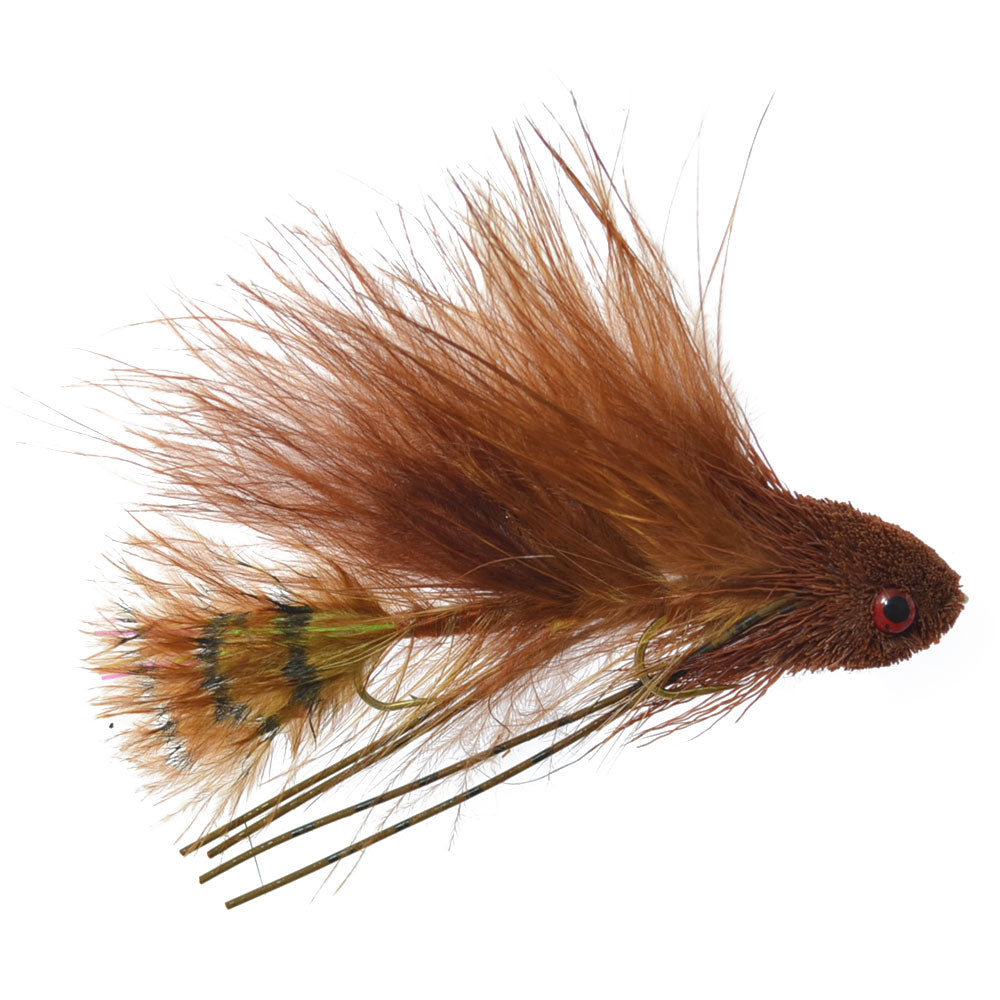
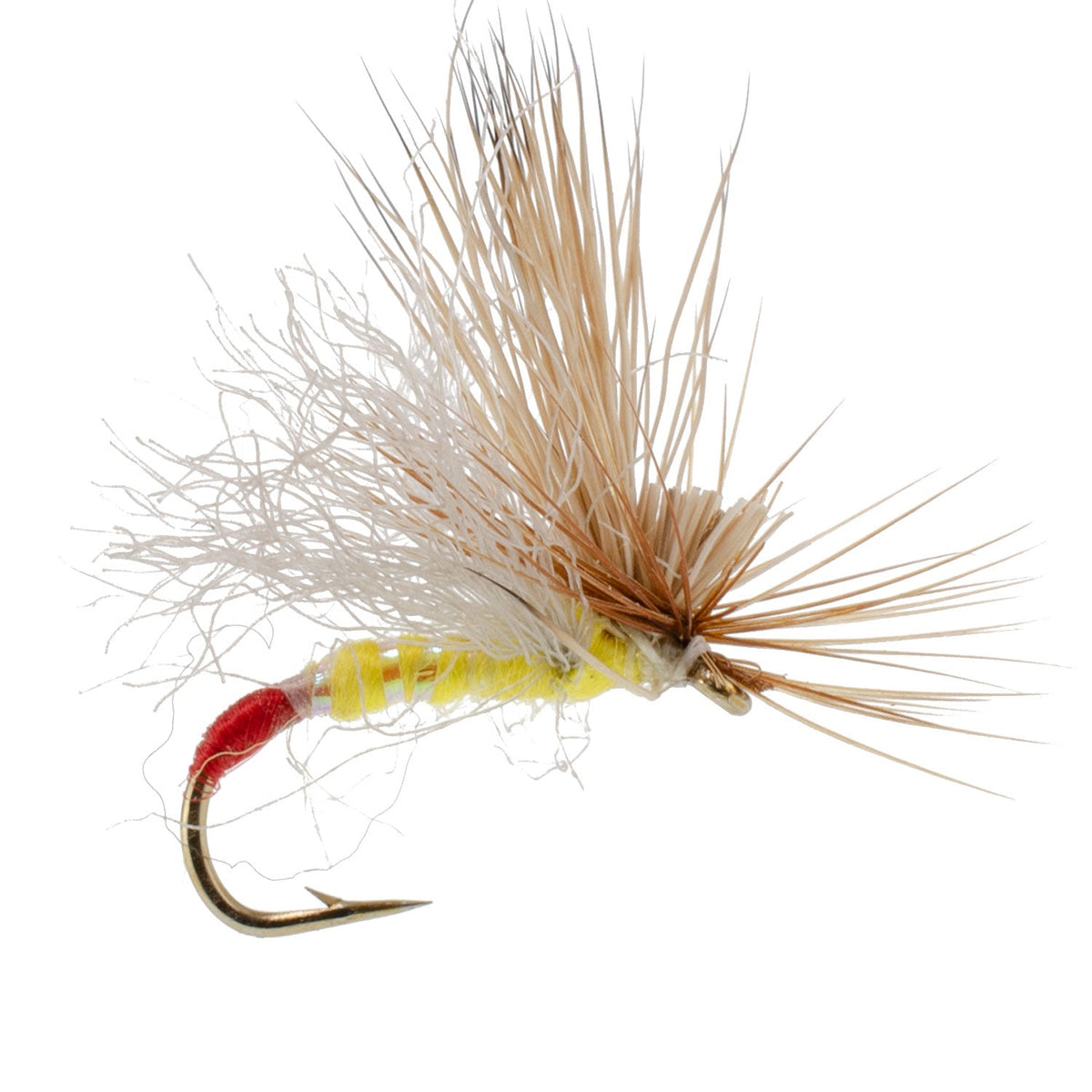
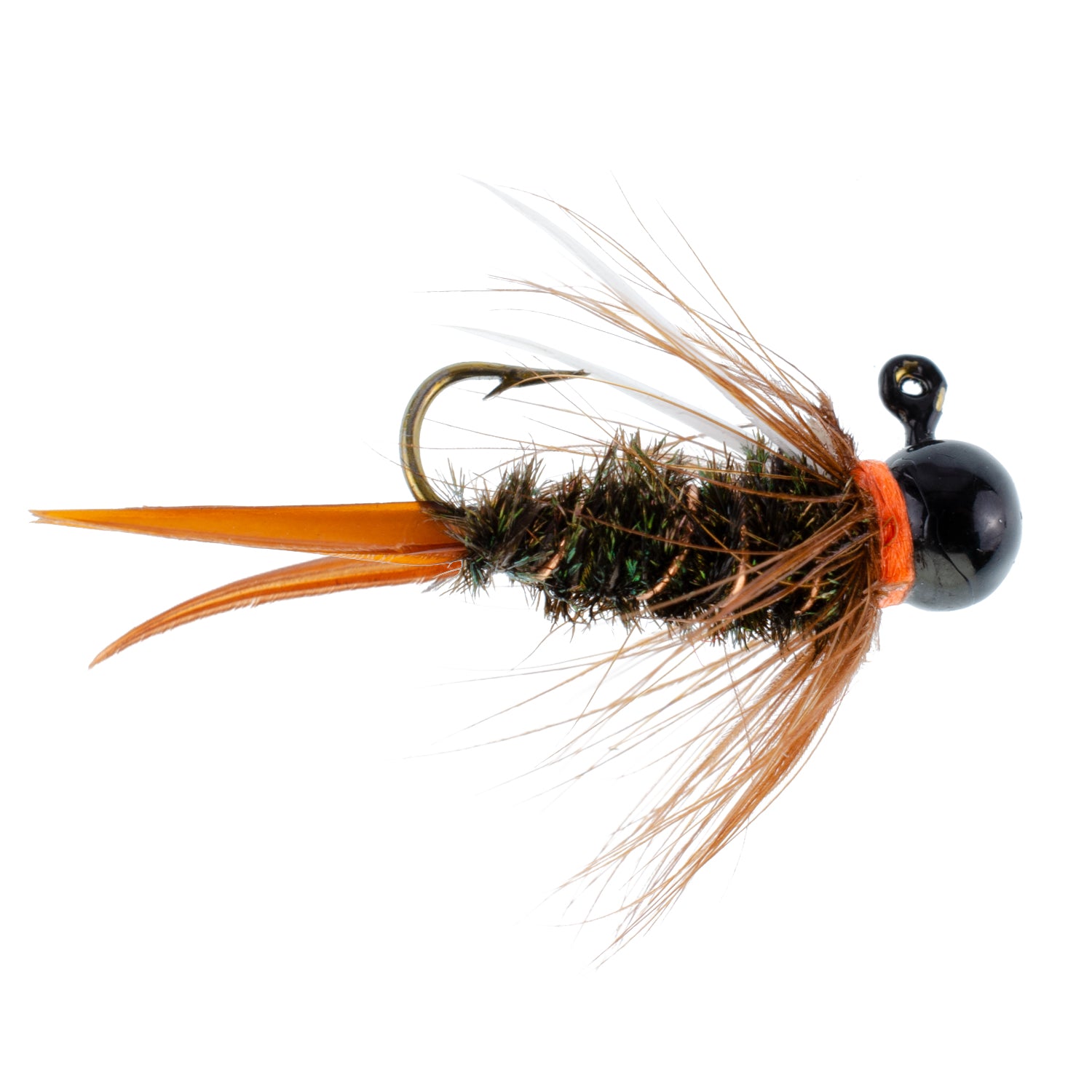
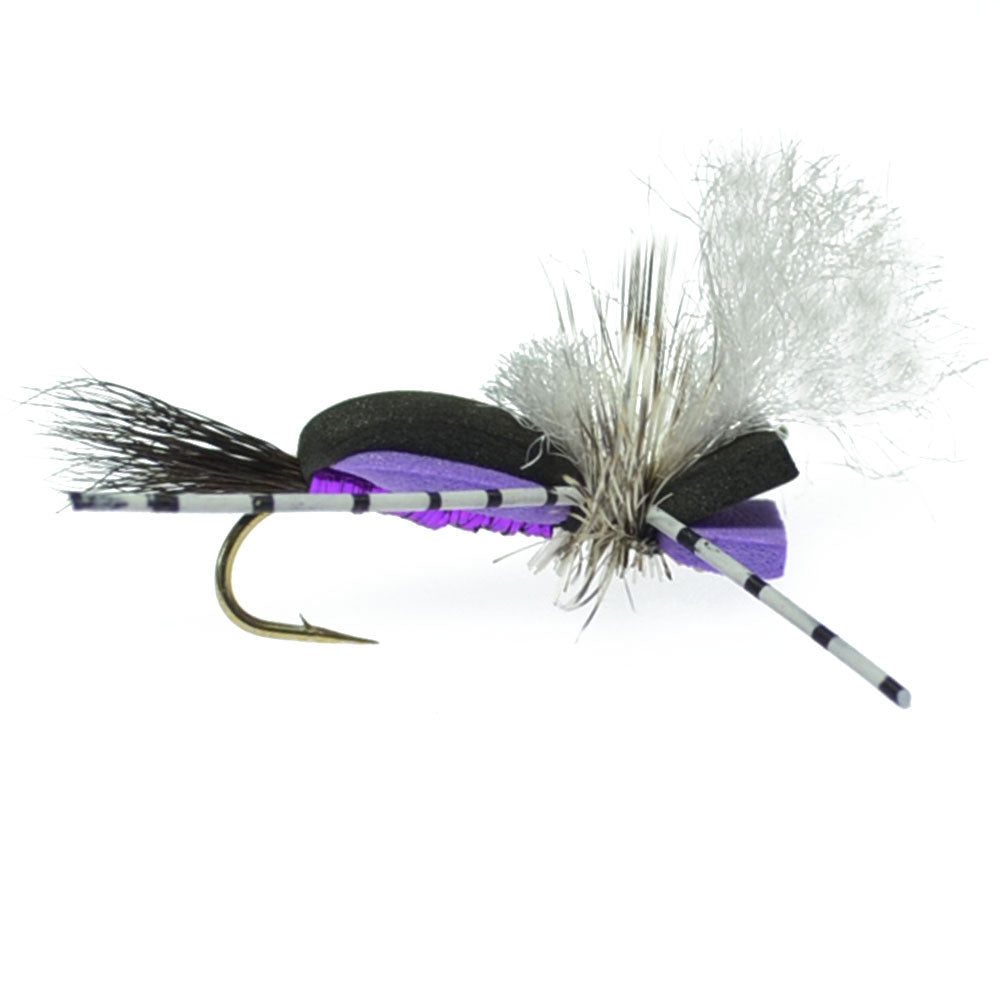
Shop by type: dry flies, nymphs, Euro nymphs, hoppers and terrestrials, streamers.
The river
The Poudre Canyon reach from the mouth of the canyon west through the Wild and Scenic corridor is the primary trout fishery - a classic freestone river with pocket water, riffles, and pools carved through granite and gneiss with good public access along Highway 14. The upper canyon above Rustic holds the highest concentrations of wild trout and the most technical dry-fly water. The lower canyon below the Narrows widens and transitions to a more accessible character with excellent brown trout populations.
Brown trout are the dominant species in the lower and middle canyon sections, with rainbow trout more prevalent in the upper canyon and tributary reaches. The Poudre is known for producing large wild browns - fish over 18 inches are present throughout the system and the fall brown trout fishing in October and November is among the finest in northern Colorado. The river sees significant pressure on summer weekends due to its proximity to Fort Collins - weekday and early morning visits produce dramatically better fish-to-angler ratios.
The Cache la Poudre has one of the best salmonfly hatches in Colorado. The combination of the salmonfly in late May and June, summer hopper fishing, and fall BWO hatches makes the Poudre a three-season destination worth the drive from anywhere along the Front Range or beyond.
Year at a glance
| Month | Primary hatches | Also carry | Typical sizes |
|---|---|---|---|
| Jan | Midges | Small nymphs, streamers | Midge 20-26 |
| Feb | Midges, BWO | Small nymphs, streamers | Midge 20-26, BWO 18-22 |
| Mar | BWO, midges | Early stonefly nymphs | BWO 16-20, midge 20-24 |
| Apr | BWO, caddis, midges | Stonefly nymphs, March brown | BWO 16-20, caddis 14-16 |
| May | Salmonfly, caddis, BWO | Golden stone, PMD start | Salmonfly 2-6, caddis 14-16 |
| Jun | Salmonfly, golden stone, PMD | Caddis, yellow sally | Salmonfly 2-6, PMD 16-18 |
| Jul | PMD, hoppers, caddis | Yellow sally, ants, golden stone | PMD 16-18, hopper 8-12 |
| Aug | Hoppers, PMD, caddis | Ants, beetles, trico | Hopper 8-12, PMD 16-18 |
| Sep | BWO, hoppers, caddis | Mahogany dun, ants | BWO 16-20, hopper 8-12 |
| Oct | BWO, midges, streamers | Mahogany dun | BWO 16-20, midge 20-24 |
| Nov | Midges, BWO | Streamers, small nymphs | Midge 20-24, BWO 16-20 |
| Dec | Midges | Small nymphs, streamers | Midge 20-26 |
January - February
The Poudre fishes year-round and January is the midge and nymph season. The canyon stays accessible on most winter days with Highway 14 maintained through. Fish hold in the deeper pools and slower runs - midge larvae and pupae on a tight-line Euro rig is the most productive winter approach. Streamer fishing for large browns in the deeper lower canyon pools is excellent in January with minimal pressure. BWO begin on overcast afternoons in February - the canyon's sheltered south-facing walls make it an early BWO reach by Colorado standards. February afternoon rises with no other anglers is one of the underrated pleasures of northern Colorado fly fishing.
- Midges - 20-26 throughout both months. Two-fly rig subsurface in the deeper pools. Midge cluster dry when fish are dimpling in the flat tailouts.
- BWO - 18-22 on overcast February afternoons. Parachute and CDC emerger styles.
- Streamers for large browns in the deeper canyon pools through both months.
March - April
BWO hatches strengthen through March and early stonefly activity begins on warm afternoons. The Poudre can run clear and fishable in March before snowmelt begins - excellent dry-fly fishing with strengthening hatches and minimal pressure. Caddis begin building through April and overlap with continuing BWO. March browns appear on the broader lower sections. Snowmelt begins pushing flows by late April - fish the early April window before high water arrives as it can be outstanding with multiple hatches and no crowds.
- BWO - 16-20 on overcast afternoons through March and April. Parachute and CDC emerger styles.
- Midges throughout - 20-24 subsurface.
- Early stonefly nymphs building subsurface through March.
- April: caddis - 14-16 afternoons and evenings. March brown on the broader lower sections.
May - June
The salmonfly hatch is the defining event of the Poudre calendar - one of the best in Colorado and the primary reason serious dry-fly anglers plan trips to the canyon in late May and early June. Giant stonefly adults bring the largest brown trout to the surface. Timing varies with snowpack and temperatures - the hatch typically moves up the canyon from lower to upper reaches over a 2-3 week window. Flows drop and clear from peak runoff through June - the lower canyon becomes fishable earlier and the upper canyon clears by mid-month in most years. Golden stones follow the salmonfly through June. PMDs build on the flatter middle canyon sections.
- Salmonfly - 2-6. The signature hatch. Large adult stonefly dries when the hatch is active. Stonefly nymphs below the hatch front.
- Golden stone - 6-10 in the faster riffles and pocket water through June.
- Caddis - 14-16 evenings through both months.
- Yellow sally - 14-16 in the riffles on warm June afternoons.
- Late May - June: PMD - 16-18 mornings on the flatter sections.
July - August
Full summer season. PMDs remain the anchor morning hatch through July. Hoppers build along the canyon walls and grassy margins from mid-July - the Poudre Canyon concentrates hoppers along its rocky margins and the wild browns respond well. Caddis evenings throughout. Trico spinner falls on the flatter lower sections by mid-August. Ants and beetles midday. Weekend pressure through both months is heavy due to proximity to Fort Collins - fish weekdays or early mornings for the best experience.
- July: PMD - 16-18 mornings. Yellow sally 14-16 in the riffles.
- Caddis - 14-16 evenings through both months.
- Hoppers - 8-12 from mid-July through August along the canyon walls and grassy margins. Hopper-dropper with a nymph dropper.
- August: trico - 20-24 early morning on the flatter lower sections. Fine tippet essential.
- Ants and beetles midday through both months.
September - October
September is the finest month on the Poudre. Summer crowds evaporate after Labor Day, BWO return strongly with the cooling temperatures, and the canyon is at its most beautiful with turning aspens on the walls. Hoppers continue through mid-September with mahogany duns on overcast days. October strengthens the BWO hatches and shifts the focus to streamers - the largest browns of the year become aggressive as pre-spawn instincts kick in. October brown trout fishing on the Poudre is some of the finest in northern Colorado - large fish in accessible canyon water with excellent hatches and minimal pressure.
- Hoppers through mid-September along the canyon margins.
- BWO - 16-20 on overcast afternoons through September and October. Parachute and CDC emerger styles.
- Mahogany dun - 14-16 on overcast days through September and October.
- Caddis evenings through September - 14-16.
- Streamers for trophy pre-spawn browns through October in the deeper canyon runs and pools.
- Midges - 20-24 reasserting through October as temperatures drop.
November - December
BWO and midges as the season winds down through November. Streamers remain excellent for large post-spawn browns. The canyon stays accessible via Highway 14 in most November weather and very few anglers are on the water - November streamer and BWO fishing for large wild browns is one of northern Colorado's best-kept fly fishing secrets. December returns to the winter midge and nymph program. The granite canyon fishes year-round and December with active wild trout and no other anglers is a genuinely rewarding experience for the Front Range fly angler.
- BWO - 16-20 on overcast November afternoons. Parachute and CDC emerger styles.
- Midges - 20-26 throughout both months. Two-fly rig subsurface. Midge cluster dry when fish are dimpling.
- Streamers for large post-spawn browns through November in the canyon pools and deeper runs.
- Small nymphs subsurface through December.
A western dry and nymph assortment covers the core season. Add a salmonfly pattern for May and June, a hopper and terrestrial selection for summer, and a streamer box for fall browns. The Cache la Poudre is Colorado's most accessible wild canyon trout fishery - year-round fishing, excellent hatches from salmonfly through BWO, and large wild browns in a designated Wild and Scenic River corridor within easy reach of the Front Range.