Fall River Oregon Hatch Chart
The Fall River sits in the Deschutes National Forest south of Bend, near Sunriver and La Pine. It is one of the finest spring creeks in the Pacific Northwest: a short, cold, gin-clear stream that rises from springs along its upper reaches and flows northeast to the Deschutes River. Consistent spring-fed flows hold water temperatures near 48-52 degrees year-round. There is no runoff pulse, no summer warming, and no winter freeze. What you get is cold, clear spring water and selective trout twelve months a year in a ponderosa pine setting.
Check current Oregon Department of Fish and Wildlife regulations before you go. Fall River is fly fishing only with barbless hooks. Above Fall River Falls the river is open year-round. Below the falls it is open May 22 through September 30. Wild rainbow trout must be released. Hatchery rainbows, brown trout, and brook trout may be kept within the general stream limits. An Oregon fishing license is required. Handle fish with care.
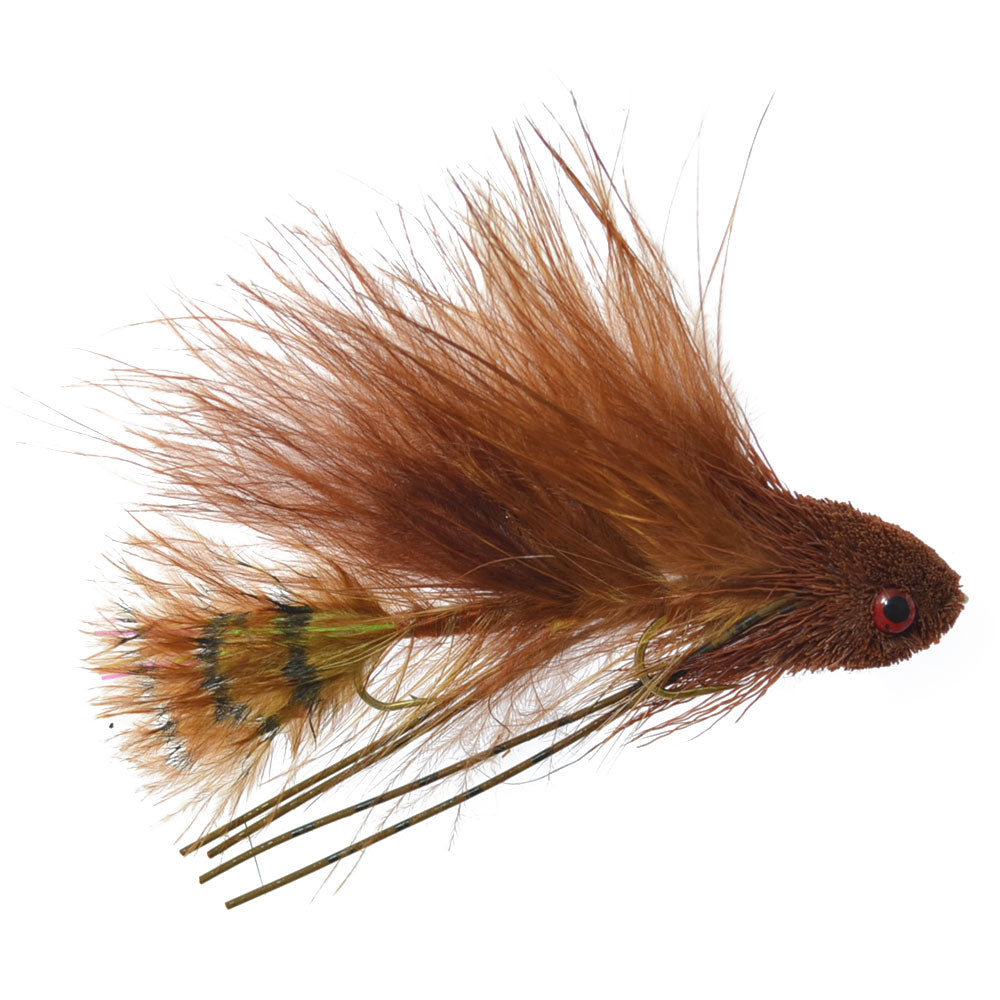
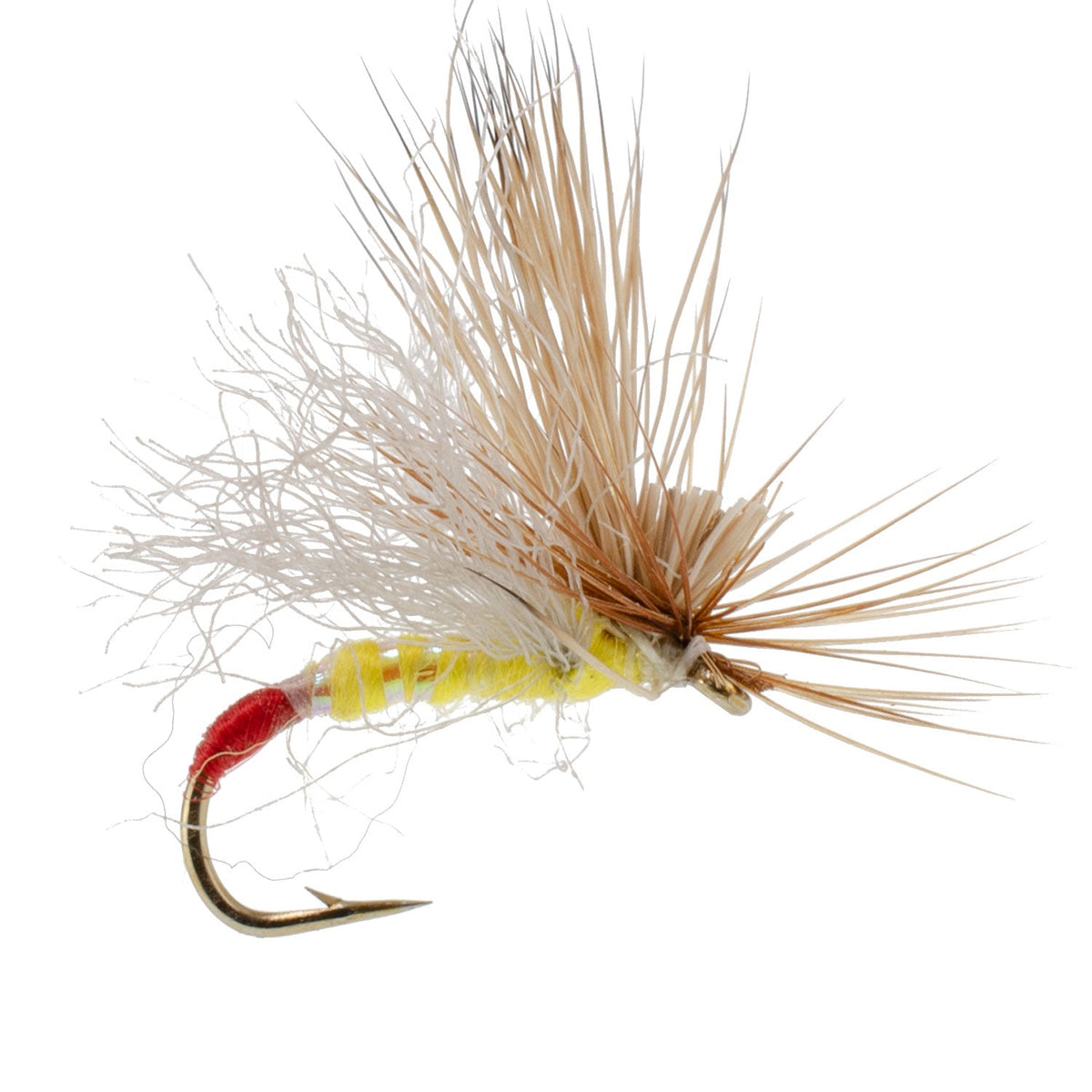
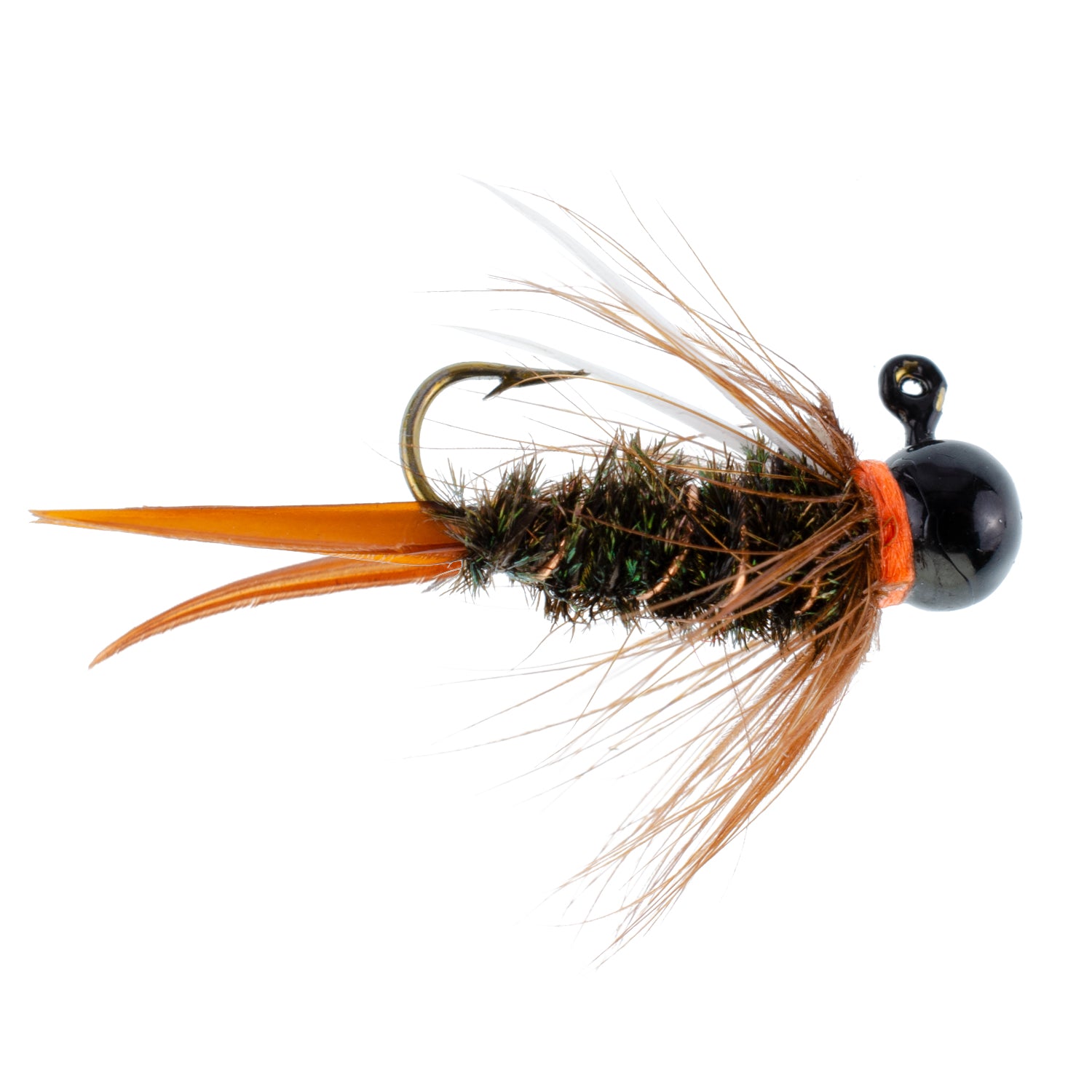
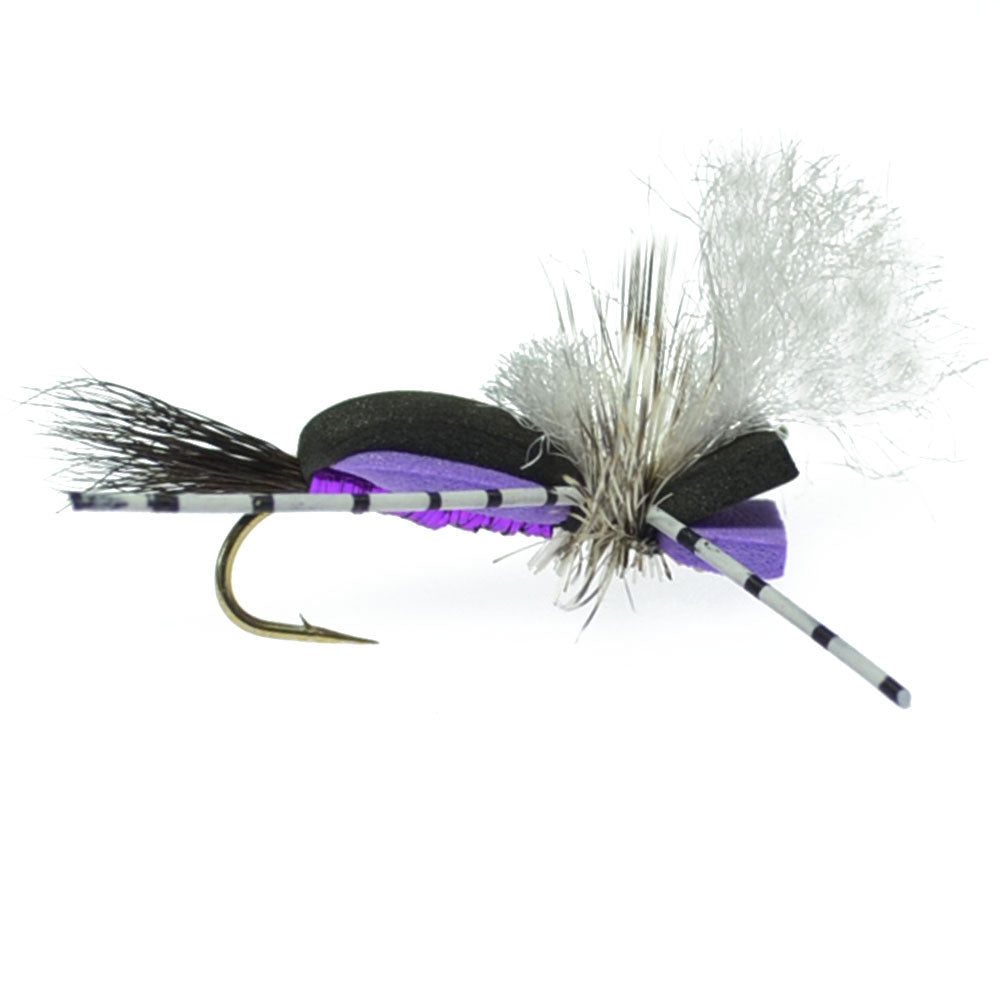
Shop by type: dry flies, nymphs, Euro nymphs, hoppers and terrestrials.
The river
The Fall River is short, about 12 miles from its spring headwaters to the Deschutes confluence, and intimate, averaging 30-50 feet wide through most of its fishable length. The upper river above Fall River Falls has classic spring-creek character: slow, flat, crystal-clear water over weed beds, with fish that can see everything and refuse most offerings. The lower river below the falls is slightly faster and more varied, but it still demands a precise presentation. There is a hatchery on the Fall River. The fishery is a mix of stocked hatchery rainbows and naturally reproducing fish, with an occasional brown and brook trout.
The Fall River's defining characteristic is its clarity. In the flat upper sections you can see individual fish holding in the current lanes and watch them respond to your fly - or decline it. Long fine tippets (5X minimum, 6X and 7X for the fussiest fish in the flattest water), precise presentations, and the patience to observe before casting are the keys to consistent success. Approach from downstream, stay low, and cast to specific fish rather than covering water. A 12-inch Fall River rainbow that has inspected and refused a dozen fly changes before finally eating a size 22 midge cluster is worth more than most fish twice its size on easier water - which is exactly the mindset the Fall River requires and rewards.
The trico hatch is the river's most distinctive event - an early morning spinner fall over the flat upper sections from June through September that draws serious dry-fly anglers from throughout the Pacific Northwest. BWO in spring and fall, PMDs through the summer mornings, pale evening duns at last light, and midges year-round round out a complete spring creek hatch calendar that rewards the angler willing to size down and slow down. The ponderosa pine forest along the river is one of the most pleasant settings in central Oregon regardless of season.
Year at a glance
| Month | Primary hatches | Also carry | Typical sizes |
|---|---|---|---|
| Jan | Midges | Small nymphs | Midge 20-26 |
| Feb | Midges, BWO | Small nymphs | Midge 20-24, BWO 18-22 |
| Mar | BWO, midges | Early caddis lower sections | BWO 16-20, midge 20-24 |
| Apr | BWO, caddis, pale evening dun | Midges | BWO 16-20, caddis 14-16 |
| May | PMD, caddis, pale evening dun | BWO, midges | PMD 16-18, caddis 14-16 |
| Jun | Trico, PMD, pale evening dun | Caddis, midges | Trico 20-24, PMD 16-18 |
| Jul | Trico, PMD, caddis | Ants, beetles, midges | Trico 20-24, PMD 16-18 |
| Aug | Trico, caddis, pale evening dun | Ants, beetles, midges | Trico 20-24, caddis 14-16 |
| Sep | BWO, trico, mahogany dun | Caddis, midges | BWO 16-20, trico 20-24 |
| Oct | BWO, mahogany dun | October caddis, midges | BWO 16-20, midge 20-24 |
| Nov | BWO, midges | Small nymphs | BWO 18-22, midge 20-24 |
| Dec | Midges | Small nymphs | Midge 20-26 |
January - February
The Fall River is a year-round fishery and January and February are among the most rewarding months for the angler who appreciates solitude and technical midge fishing in a beautiful winter forest. The constant spring creek temperature keeps fish active and feeding through the coldest months - a significant advantage over nearby freestone streams that slow dramatically in winter. Fish hold in the slower current lanes and weed bed edges, sipping midge pupae and adults with minimal energy expenditure. BWO begin on overcast February afternoons earlier than on most Oregon rivers due to the spring-fed stability - February olive hatches on the flat upper sections with fish rising and no other anglers present are one of the Fall River's quiet rewards.
- Midges - 20-26. Two-fly midge rig through the slow current seams and weed bed edges. Midge cluster or Griffith's Gnat dry when fish are dimpling. The year-round constant on the Fall River.
- BWO - 18-22 on overcast February afternoons. Parachute and CDC emerger styles. Earlier than neighboring freestone streams due to stable spring temperatures.
- Small nymphs 18-22 in the slower current seams on a tight-line rig.
March - April
BWO hatches strengthen through March and become the primary dry-fly event. The ponderosa pine canopy along the river creates shade that extends hatch duration even on partially sunny days - the Fall River fishes well on days when other Oregon streams are too bright. Early caddis arrive on the lower sections by late March. April adds pale evening duns beginning mid-month on the flatter upper sections - the Fall River is one of the earlier PED rivers in Oregon due to its spring temperatures. Caddis build on the lower sections through April evenings. Multiple overlapping hatches with lighter pressure than summer make April one of the most productive months on the Fall River for the prepared angler.
- BWO - 16-20 on overcast afternoons through March and April. Parachute and CDC emerger styles. The dominant spring hatch on the Fall River.
- Midges throughout both months - 20-24 subsurface through the day.
- Late March: first caddis - 14-16 on the lower sections on warm afternoons.
- April: caddis building - 14-16 evenings on the lower sections.
- Mid-April: pale evening dun beginning - 16-18 on the flat upper sections at last light.
May - June
Prime season opens in May with PMDs becoming the Fall River's signature summer morning hatch - large fish rising selectively to pale duns in the flat upper sections in clear water that shows every refusal and every mistake. Pale evening duns at last light on the upper flats. Caddis evenings on the lower sections. June adds the trico spinner fall, which quickly becomes the most important hatch of the summer calendar - an early morning event over the flat upper sections with dense spinner falls and extremely selective fish on 6X-7X tippet. By mid-June the daily rhythm is set: trico mornings, PMD mid-morning, caddis and pale evening dun evenings.
- May: PMD - 16-18 mornings on the flat upper sections. Fine tippet essential - 5X-6X fluorocarbon.
- Pale evening dun - 16-18 evenings on the flat upper sections through May and June.
- Caddis - 14-16 evenings on the lower sections.
- BWO on overcast days through May.
- June: trico - 20-24 early morning spinner fall on the upper flats. 6X-7X tippet required. Be on the water before the fall begins.
- PMD continuing mid-morning after the trico spinner fall through June.
July - August
Trico season peaks through July and August - the spinner falls on the upper Fall River on a calm summer morning are extraordinary, with dense clouds of spinners and fish rising consistently across the flat for hours. Arrive early, locate your fish before the fall begins, and be ready with a spent-wing pattern on fine tippet. The cold spring water keeps the Fall River fishing well through summer heat when nearby rivers struggle - fish remain active and feeding throughout the day, though the best dry-fly windows remain early morning for the trico and evening for the pale evening dun and caddis. Ants and beetles fill the midday window.
- Trico - 20-24. The peak of the summer season. Early morning spinner fall on the upper flat sections. Spent-wing patterns on 6X-7X tippet. Fish specific rising fish.
- PMD - 16-18 mid-morning through July, fading through August.
- Caddis - 14-16 evenings on the lower sections throughout July and August.
- Pale evening dun - 16-18 on calm evenings on the flat upper sections through August.
- Ants and beetles midday - 14-16 in the foam lines and along the banks.
- Midges subsurface throughout - 20-26 in the slower seams year-round.
September - October
September is the finest month on the Fall River. Tricos continue through mid-month. BWO return strongly with the cooling air temperatures and produce outstanding afternoon hatches in the flat upper sections. Mahogany duns add a second afternoon option on overcast days. Crowds drop sharply after Labor Day. The combination of trico mornings, BWO afternoons, and caddis evenings in September with essentially no pressure makes the Fall River one of the best single-destination rivers in Oregon for a multi-day fall trip. October extends the BWO season and adds October caddis on the lower sections - the Fall River in October with dense olive hatches and the ponderosa forest in fall light is one of central Oregon's finest quiet-season experiences.
- Trico through mid-September - 20-24 early morning spinner fall on the upper flats. Fine tippet.
- BWO - 16-20 on overcast afternoons through September and October. The dominant fall hatch. Parachute and CDC emerger styles.
- Mahogany dun - 14-16 on overcast afternoons through September and October.
- Caddis evenings through September - 14-16 on the lower sections.
- October caddis - 8-10 on warmer October afternoons on the lower sections.
- Midges reasserting through October - 20-26 subsurface through the day.
November - December
BWO and midges as the season completes its cycle - and the Fall River remains fishable long after neighboring freestone streams have gone cold. November BWO hatches on the upper flats with rising fish and complete solitude are the Fall River's most underrated experience. December returns to the midge program. The constant spring temperature keeps fish active year-round and December on the Fall River is quiet, meditative, and productive for the angler willing to make the drive into the ponderosa forest in winter light.
- BWO - 18-22 on overcast November afternoons. Parachute and CDC emerger styles on the flat upper sections.
- Midges - 20-26 throughout both months. Two-fly rig through the slow current seams and weed bed edges. Midge cluster dry when fish are dimpling.
- Small nymphs on a tight-line rig through the slower current seams.
A western dry and nymph assortment covers the core season - supplement with a dedicated midge and trico selection in sizes 20-26, pale evening dun patterns in sizes 16-18, and bring 5X, 6X, and 7X fluorocarbon tippet. Size down consistently: the Fall River rewards anglers who err toward smaller flies and finer tippet in every season. The river is not forgiving of sloppy presentations or heavy tackle, but for the angler willing to slow down and fish it on its own terms it is one of the finest spring creek dry-fly experiences in the Pacific Northwest.