Green River Wyoming Hatch Chart
Western Wyoming, from Green River Lakes under the Wind River Range south through Sublette County, Fontenelle Reservoir, Seedskadee, and on toward Flaming Gorge. The Wyoming Green is a big freestone of sage valleys and occasional canyon, a different river from the famous tailwater in Utah. Cutthroat, brown, and rainbow trout live in it. Snowmelt shortens the upper season. July through October is the window most visiting anglers should keep.
Check current Wyoming Game and Fish regulations before you go. From Warren Bridge (U.S. 191) downstream to Swain's (Wood's) Bridge: artificial flies and lures only. From Fontenelle Dam downstream about one mile to the USGS gauge at Weeping Rocks Campground: closed to fishing October 1 through December 31. From the Sweetwater County Road 8 Bridge, 4.5 miles below Fontenelle Dam, downstream to the Big Sandy River: flies and lures only, one trout per day, none under 20 inches. Elsewhere, statewide stream limits apply unless a walk-in area or refuge rule says otherwise. Stay off private banks. A Wyoming fishing license is required.
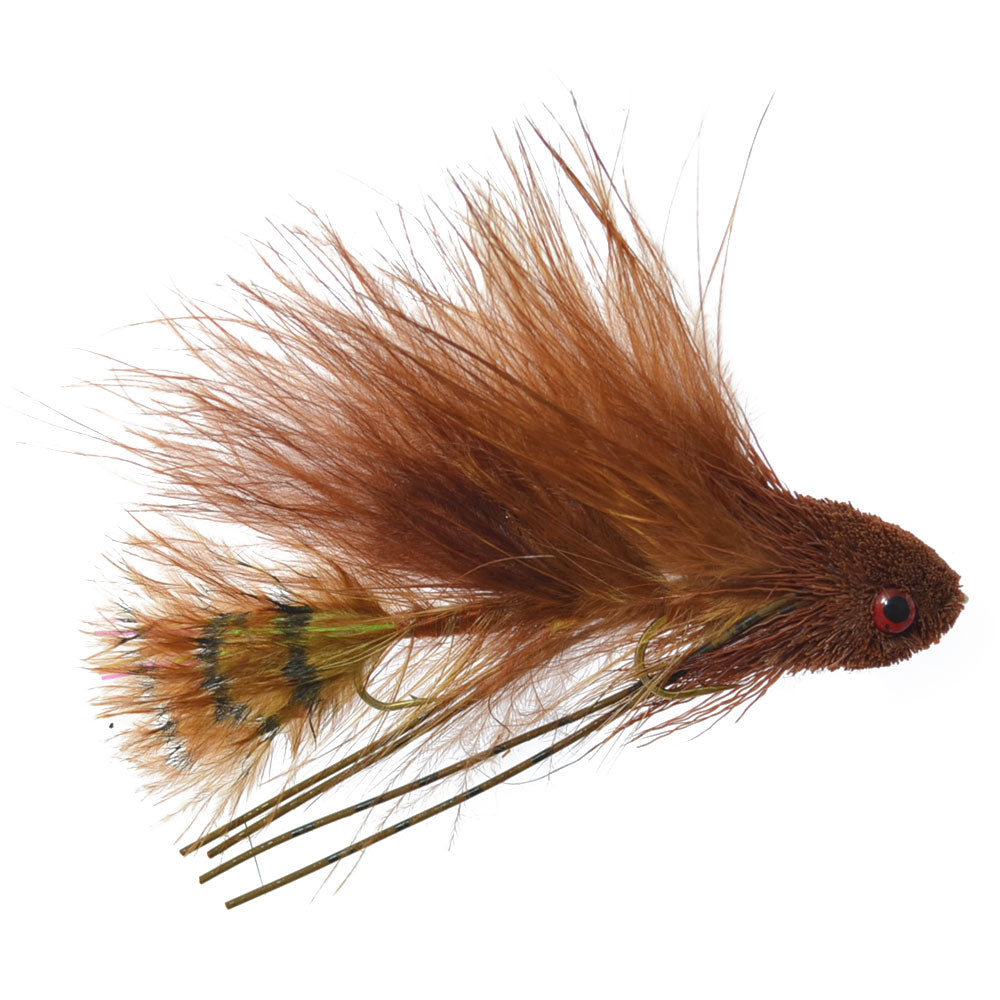
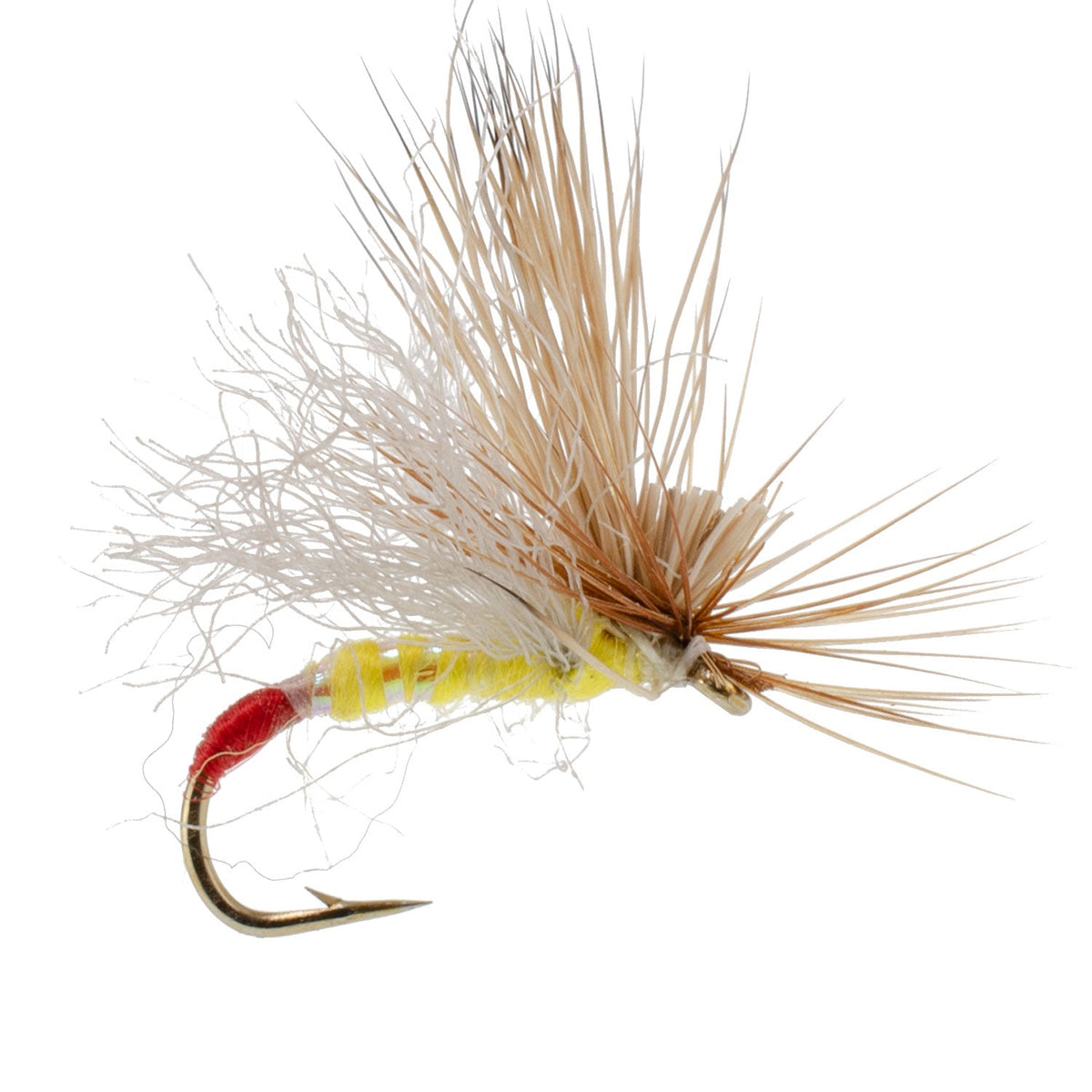
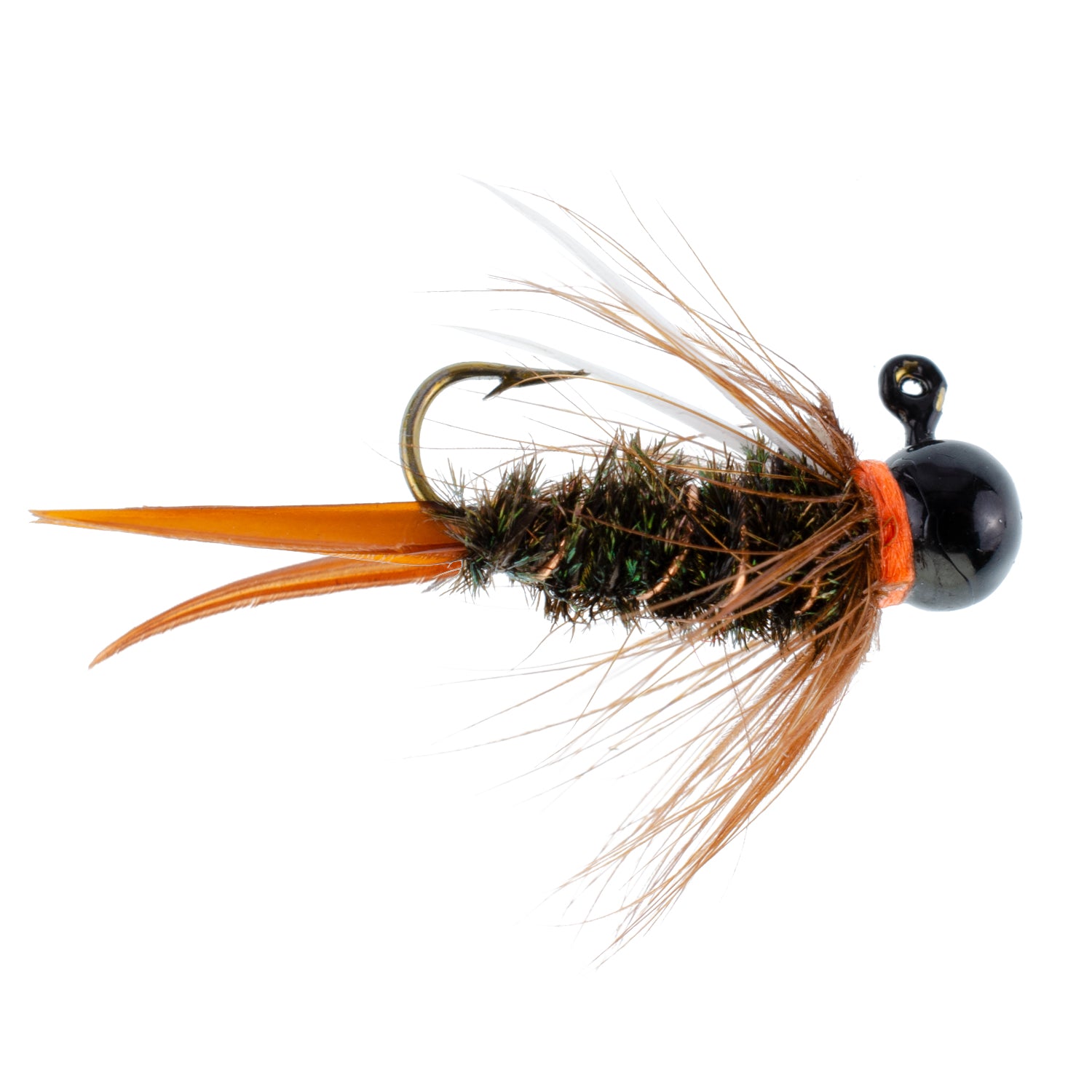
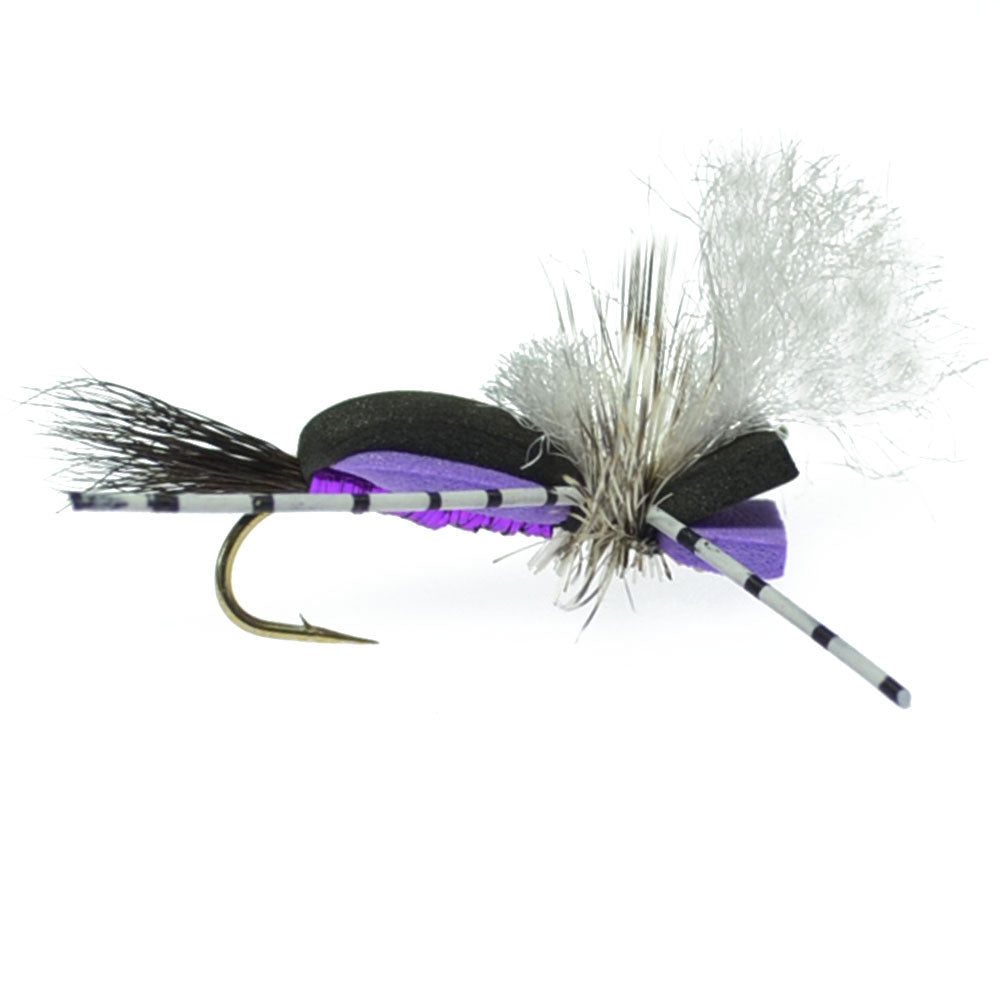
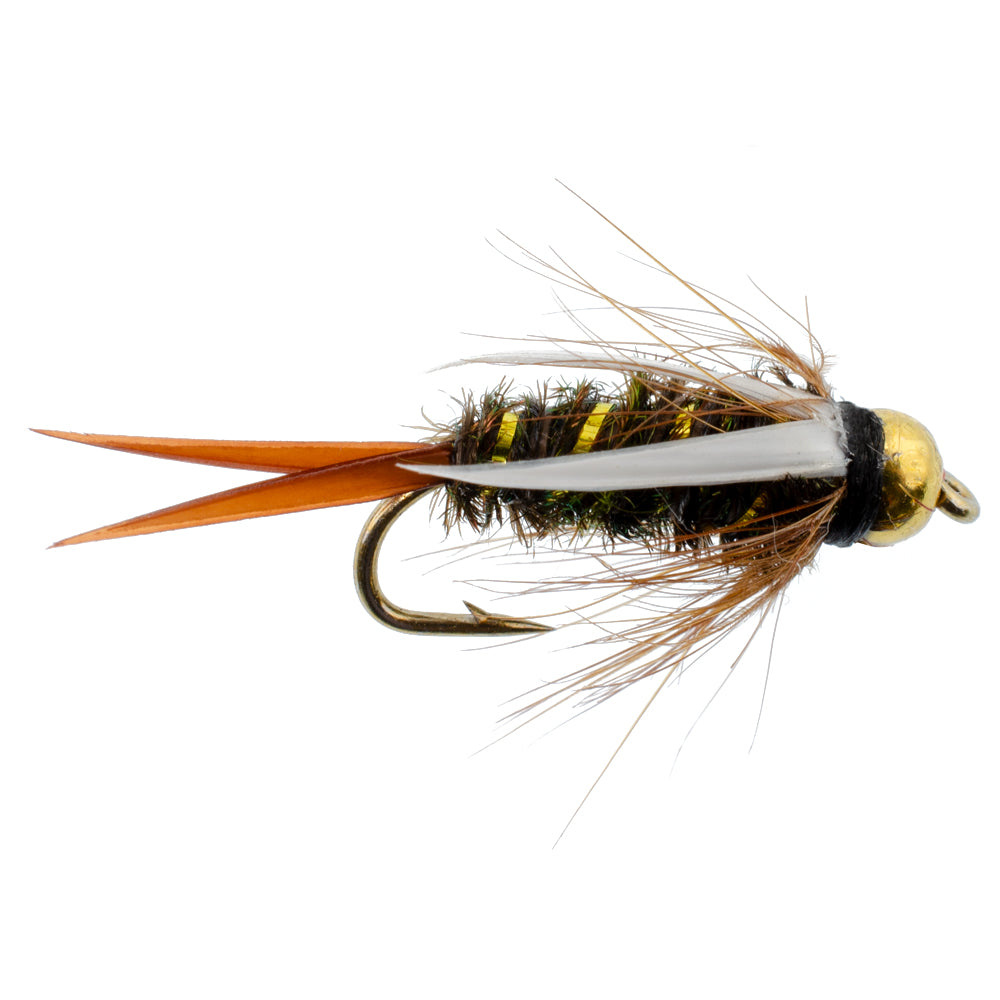
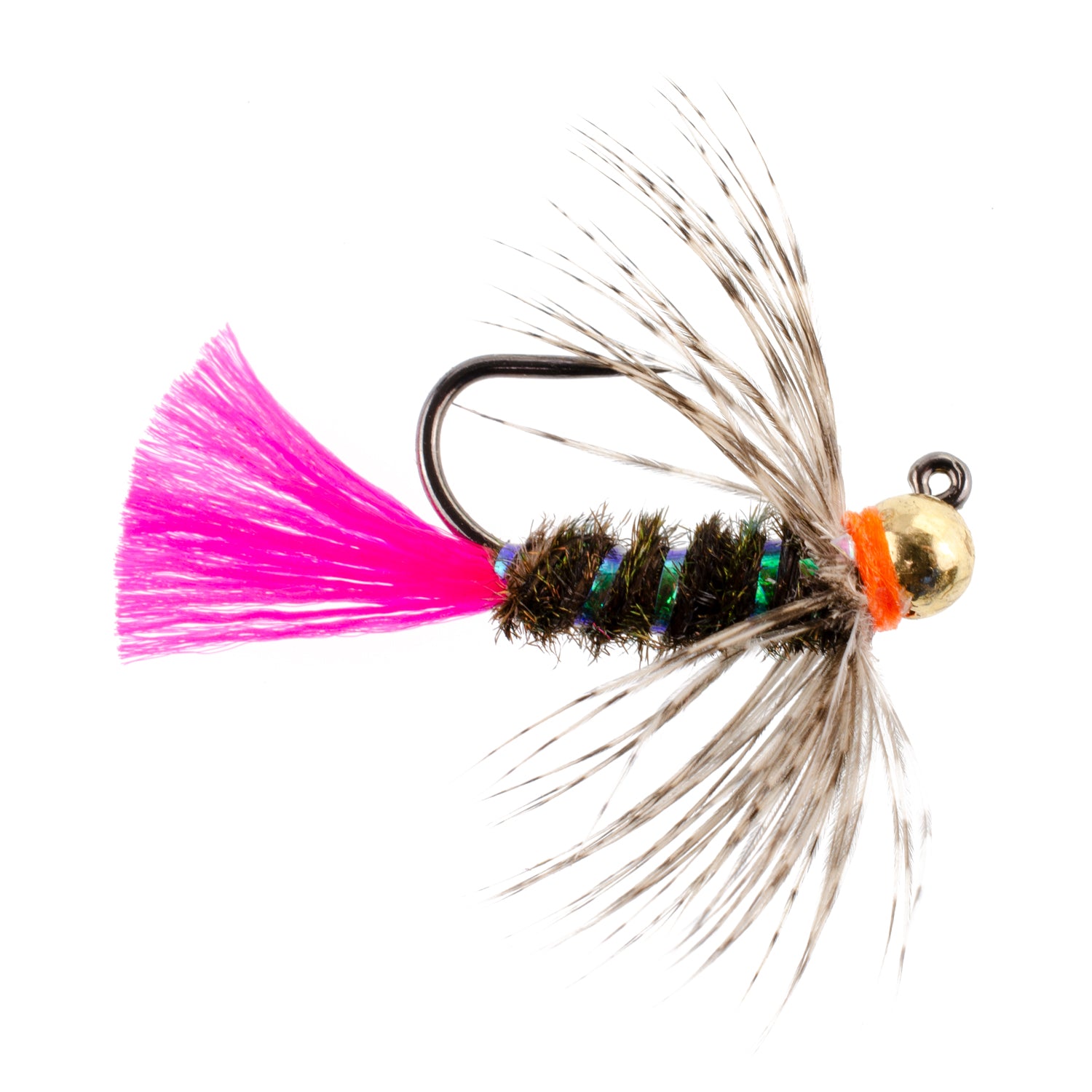
Shop by type: dry flies, nymphs, Euro nymphs, hoppers and terrestrials, streamers.
The river
The Green rises on the west slope of the Wind Rivers, gathers in Green River Lakes, and flows south through one of the widest high-desert valleys in the West. Above Warren Bridge the river is meadow and willow, braided in places, with Snake River fine-spotted cutthroat and browns that come to a dry fly when the water drops. That is the water this page is written for. Below Fontenelle the river changes again: a tailwater, then the long Seedskadee refuge run, then the lake. Those miles have their own fish and their own rules - do not fish them by the upper-river calendar.
The season on the Wyoming Green is compressed compared to lower-elevation rivers. Runoff from the Wind River Range typically clears by late June or early July, and the prime fishing window runs from July through October. The short season concentrates excellent hatches - particularly hoppers, caddis, and PMDs - into a 12-16 week window. Plan accordingly and do not arrive expecting prime conditions before mid-July in most years.
Access is via Wyoming Highway 191 and forest roads in the upper drainage. The stretch from Warren Bridge downstream through the BLM corridor offers significant wade and float access. Respect private land boundaries - much of the valley floor is privately owned and wade access may be limited to the river corridor.
Year at a glance
| Month | Primary hatches | Also carry | Typical sizes |
|---|---|---|---|
| Jan - Apr | Midges, BWO (limited access) | Small nymphs | Midge 20-26, BWO 18-22 |
| May - Jun | Runoff - salmonfly late Jun | Stonefly nymphs, streamers | Stone 4-10 |
| Jul | Caddis, PMD, golden stone | Hoppers start, yellow sally | PMD 16-18, caddis 14-16 |
| Aug | Hoppers, caddis, PMD | Ants, beetles, trico | Hopper 8-12, caddis 14-16 |
| Sep | Hoppers, BWO, caddis | Mahogany dun, ants | BWO 16-20, hopper 8-12 |
| Oct | BWO, midges | October caddis, streamers | BWO 16-20, midge 20-24 |
| Nov - Dec | Midges (lower sections only) | Small nymphs | Midge 20-26 |
January - April
The upper Wyoming Green is largely inaccessible and unfishable January through April due to snow, ice, and extreme cold in the high basin. The river holds fish year-round but access roads are often impassable and conditions are severe. Midges and BWO provide limited dry-fly opportunities on mild days in March and April for the angler willing to make the effort - but these months are not worth planning a dedicated trip around. Wait for runoff to clear in late June or July for the prime season.
- Midges - 20-26. Small nymphs subsurface on accessible lower sections.
- BWO - 18-22 on overcast April afternoons. Parachute and CDC emerger styles.
May - June (runoff and salmonfly)
Snowmelt from the Wind River Range pushes the Green into full runoff from May through mid-June in most years - flows can be dangerously high and visibility near zero. Not a fishable window for most visiting anglers. Nymphs and streamers on the lower, more protected sections can produce fish for locals who know the water. The river begins clearing from runoff in late June - timing varies year to year depending on snowpack and spring temperatures. When flows drop and clarity returns the salmonfly hatch can be extraordinary on the upper Green. Golden stones follow close behind. This is one of the most underrated salmonfly hatches in Wyoming - far less pressure than nearby fisheries, and fish that have seen few flies respond aggressively. Check flow data on the USGS gauge at Warren Bridge before making the drive.
- May - mid June: stonefly nymphs 4-10 in the slower margins if visibility allows. Streamers on the lower sections for aggressive fish.
- Late June: salmonfly - 4-8. Large stonefly dries hard against the banks and undercut willows.
- Golden stone - 6-10 following the salmonfly. Drop a stone nymph below a golden stone dry.
- Caddis - 14-16 evenings as the river clears.
July - August
The prime season opens in July. Flows stabilize, the river clears, and the full hatch sequence gets underway. PMDs begin on the flatter meadow sections and caddis dominate the evening fishing. Hoppers start along the willow and sage banks by mid-July. Hopper season peaks in August and the Wyoming Green is one of the finest hopper rivers in the Rocky Mountain West - the combination of sage flats, willow banks, and large cutthroat and brown trout makes for exceptional terrestrial fishing. Fish hoppers tight to the banks with confidence. August is the best single month on the Wyoming Green.
- July: PMD - 16-18 mornings on the flatter meadow sections. Yellow sally 14-16 in the riffles.
- Caddis - 14-16 evenings through both months.
- Early hoppers mid-July building through August - hoppers 8-12 along the willow and sage banks. Hopper-dropper with a nymph dropper.
- August: ants and beetles midday. Trico early morning on the slower sections.
September - October
September rivals August as the best month on the Wyoming Green. Hoppers continue through mid-month. BWO return strongly with the cooling temperatures - the fall olive hatches on the big meadow water are outstanding. Fewer anglers than August and fish in prime condition. October strengthens the BWO fishing and shifts the focus to streamers as brown trout begin pre-spawn movement. October caddis add a large dry-fly option on warmer afternoons. The upper river can see early snow in October - check conditions and access road status before making the trip.
- Hoppers through mid-September - 8-12 along the sage and willow banks.
- BWO - 16-20 on overcast afternoons through September and October. Parachute and CDC emerger styles.
- Mahogany dun - 14-16 on overcast afternoons through September.
- Caddis evenings through mid-September - 14-16.
- October caddis - 8-10 on warmer October afternoons.
- Streamers for pre-spawn browns through October in the deeper runs and undercut banks.
- Midges - 20-24 reasserting through October.
November - December
The upper Wyoming Green closes down for the season in November as snow and cold return to the high basin. Access roads may be impassable. The lower sections near the reservoir remain fishable on mild days with a midge program, but these months are not worth a dedicated trip to the upper river. The Wyoming Green is a summer and fall fishery - plan your visit for July through October.
- Midges - 20-26 on accessible lower sections.
- BWO - 18-20 on mild overcast days. Parachute style.
A western dry and nymph assortment covers the core season. Add a salmonfly pattern for late June and a full hopper and terrestrial selection for August and September. The Wyoming Green rewards anglers who time their visit correctly - arrive after runoff clears and before the first October snow, and you will find one of the most productive and least crowded big freestone rivers in the Rocky Mountain West.