Greys River Wyoming Hatch Chart
Western Wyoming, flowing north through the Wyoming Range in Lincoln County before joining the Snake River near Alpine. The Greys River is one of the most remote and unspoiled wild trout streams in Wyoming: a freestone river in Bridger-Teton country with exceptional populations of native Snake River finespotted cutthroat. It sees a fraction of the pressure of nearby fisheries and rewards the angler willing to make the drive with genuine mountain dry-fly fishing in spectacular country.
Check current Wyoming Game and Fish Department regulations before you go. On the Greys, as on other Area 1 streams, the limit is three trout, only one longer than 16 inches, and only one cutthroat longer than 12 inches. From Corral Creek downstream to the Murphy Creek Bridge, fishing is by artificial flies and lures only. Much of the drainage is reached by the Greys River Road, Forest Road 10138, which follows the river for most of its length - a scenic and largely unpaved route through the Wyoming Range. Verify current rules and road conditions before your trip. A Wyoming fishing license is required.
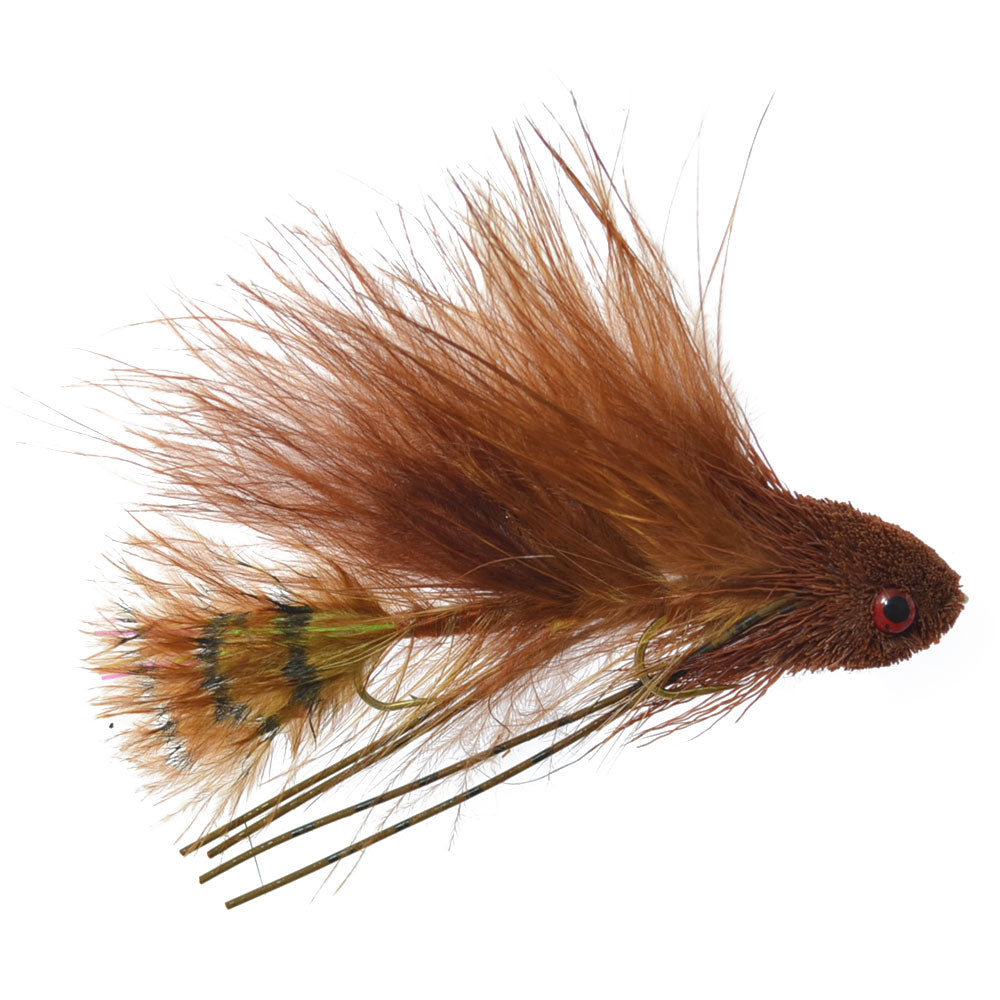
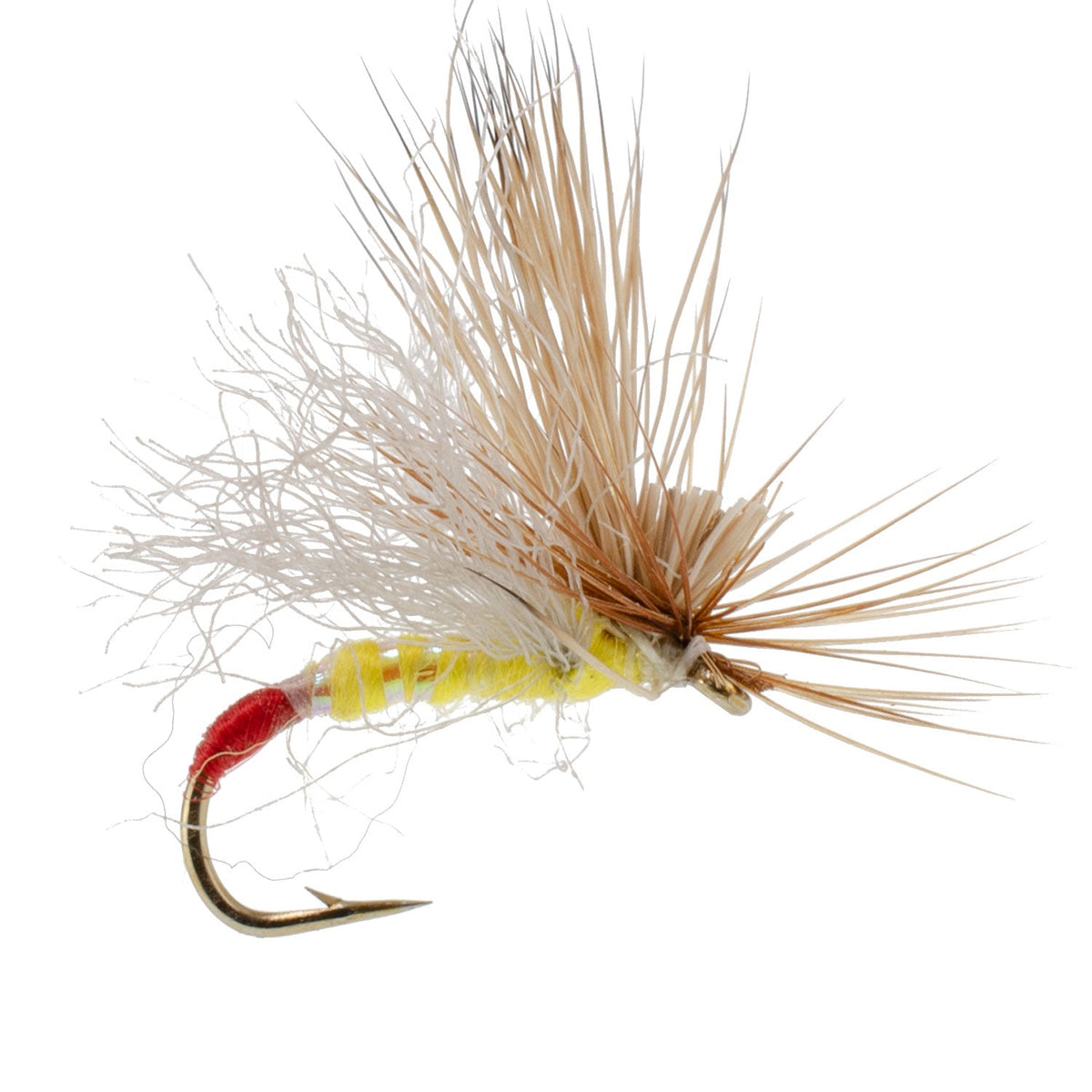
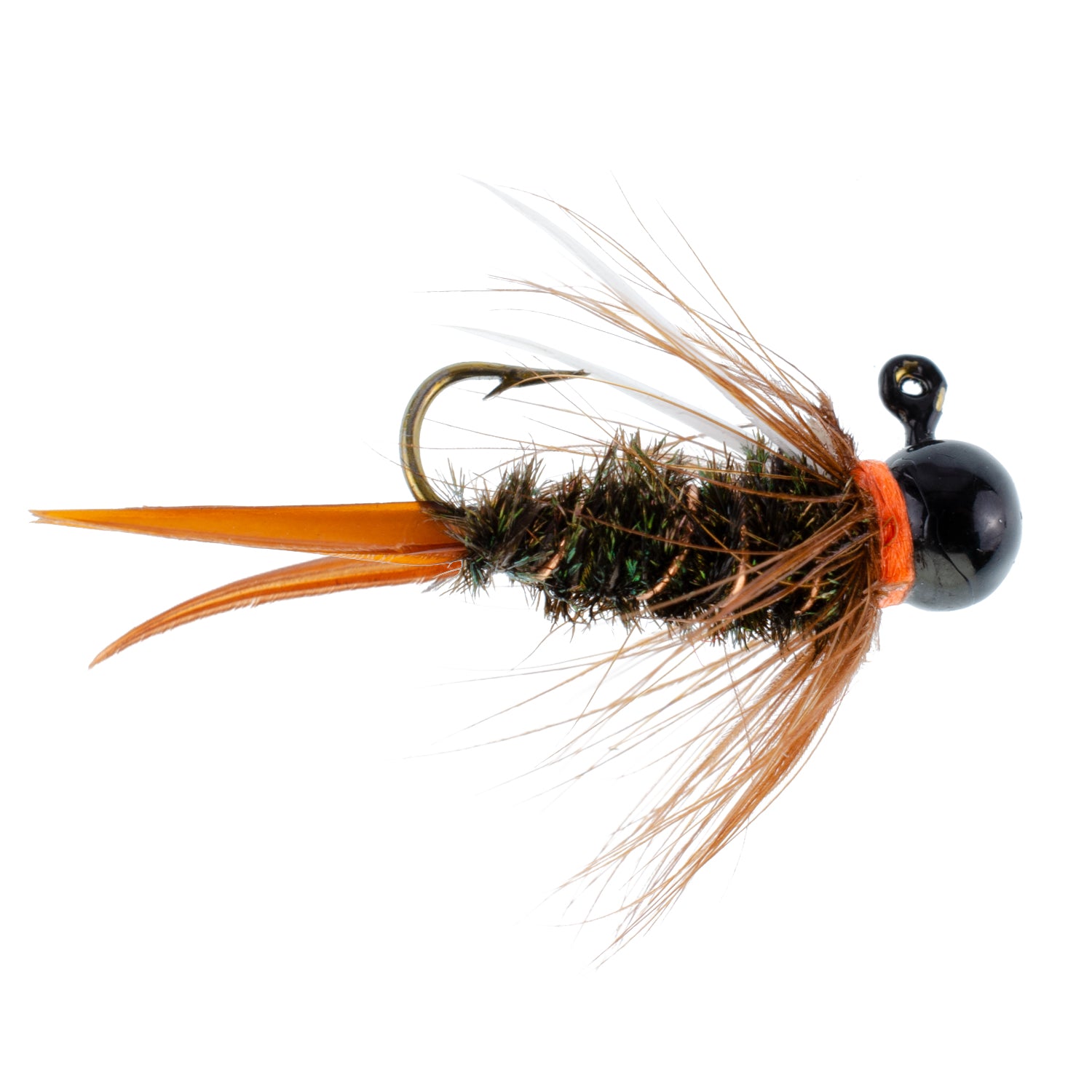
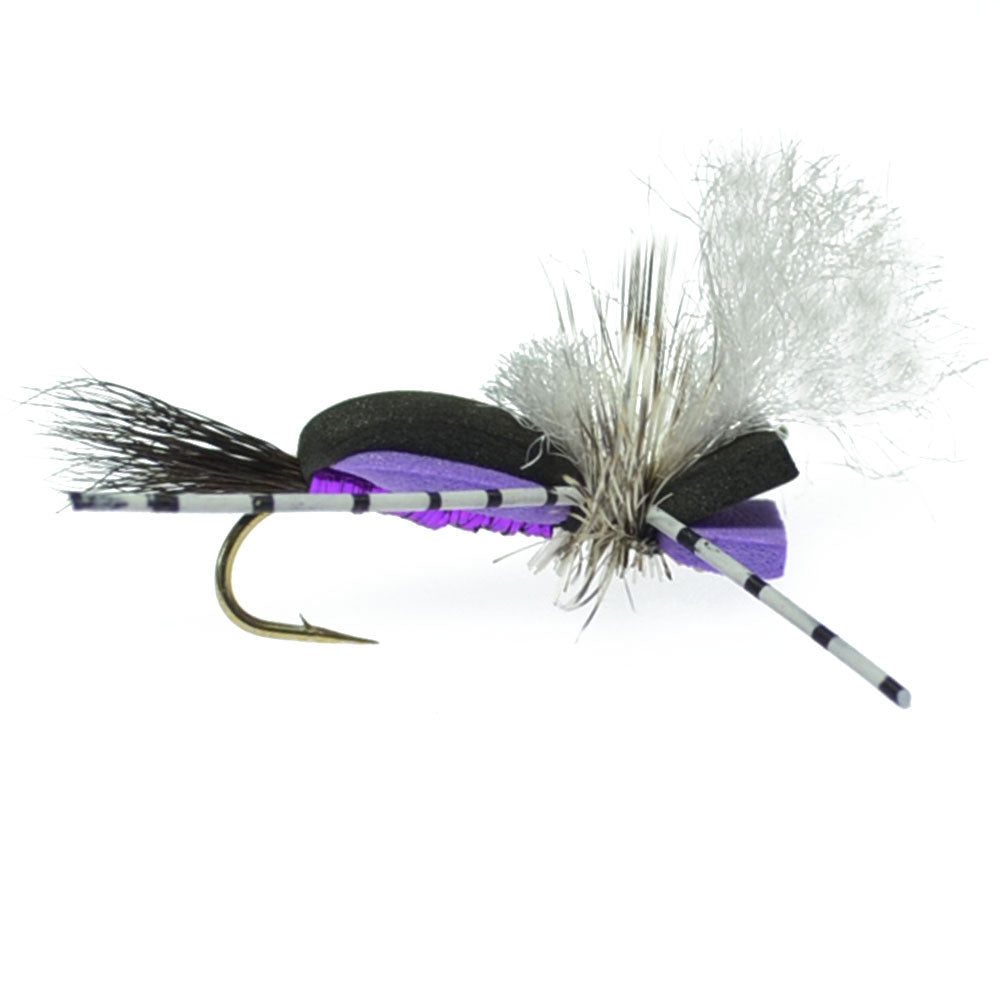
Shop by type: dry flies, nymphs, Euro nymphs, hoppers and terrestrials, streamers.
The river
The Greys River flows some 62 miles from its headwaters at the Tri-Basin Divide to the Snake near Alpine and Palisades Reservoir. The Greys River Road stays with the main river for most of that distance, so the drive-up fishing is better than the word wilderness might suggest. The middle river along that road is the water most anglers fish: good cutthroat in the riffles, pools, and undercut banks. The forks and the walk-in tributaries above the road are the quietest miles. Near the reservoir the river widens and deepens - the fish can be larger there, and the dry-fly character a little less.
Snake River finespotted cutthroat are the primary species throughout - a subspecies of cutthroat trout native to the upper Snake River drainage, distinguished by their fine spotting pattern and aggressive surface feeding behavior. These are wild, unhatchery-influenced fish that rise freely to dry flies and rarely require the technical presentations demanded by tailwater trout. The Greys is a river where a well-presented elk hair caddis or parachute hopper will catch fish consistently throughout the season.
This is freestone wilderness fishing - flows vary with snowmelt and summer rain, the river can be high and off-color in May and early June, and conditions improve dramatically as summer progresses. The best fishing window runs from late June through September with peak dry-fly action in July and August. No guides, no drift boats, minimal crowds - just wild cutthroat trout in the Wyoming Range.
Year at a glance
| Month | Primary hatches | Also carry | Typical sizes |
|---|---|---|---|
| Jan - Feb | Midges (limited access) | Small nymphs | Midge 20-24 |
| Mar - Apr | BWO, midges | Early stonefly nymphs | BWO 16-20, midge 18-22 |
| May | Runoff - nymphs and streamers | Stonefly nymphs | varies |
| Jun | Salmonfly, golden stone, caddis | PMD start, yellow sally | Salmonfly 2-6, golden 6-10 |
| Jul | Caddis, PMD, hoppers | Yellow sally, golden stone, ants | Caddis 14-16, hopper 8-12 |
| Aug | Hoppers, caddis, PMD | Ants, beetles, yellow sally | Hopper 8-12, caddis 14-16 |
| Sep | BWO, hoppers, caddis | Mahogany dun, ants | BWO 16-20, hopper 8-12 |
| Oct | BWO, midges | Streamers, mahogany dun | BWO 16-20, midge 20-24 |
| Nov - Dec | Midges (limited access) | Small nymphs | Midge 20-24 |
January - April
The Greys River Road can be snow-covered and impassable in winter - access to most of the river is limited by road conditions rather than fishing regulations. The lower river near Palisades Reservoir remains accessible and holds fish year-round. Midges are the primary food source in winter. BWO begin on overcast afternoons in April and the pre-runoff window in late March and early April can offer excellent fishing on the lower and middle sections - worth the trip for early-season cutthroat on BWO and midges with no other anglers. Snowmelt begins in earnest by late April and flows rise through the month. Check road conditions before attempting access.
- Midges - 20-24 throughout. Two-fly rig subsurface in the slower pools near the lower river.
- BWO - 18-22 on overcast April afternoons. Parachute and CDC emerger styles.
- Early stonefly nymphs subsurface as flows rise through April.
- Check road conditions before attempting access - the Greys River Road is not maintained for winter travel.
May - June
Peak runoff on the Greys River in May - snowmelt from the Wyoming Range pushes flows to their highest and most turbid levels. Typically unfishable for dry-fly anglers through most of May. Most anglers skip May and wait for the June clearing. The salmonfly hatch is the opening event of the dry-fly season and one of the finest in western Wyoming - as flows drop and clear in late May into June, the giant stoneflies begin hatching and the cutthroat respond with abandon. Golden stones and large caddis overlap. PMDs begin on the flatter sections by late June. This is the most exciting and most weather-dependent month on the Greys - worth building a trip around when timing works out.
- May: stonefly nymphs 6-10 in the deeper pools during moderate flows. Streamers in the deeper lower river when flows are high.
- Late May - June: salmonfly - 2-6. The signature early-season hatch. Large adult stonefly dries when the hatch is on.
- Golden stone - 6-10 in the faster riffles and pocket water through June.
- Caddis - 14-16 evenings as flows drop and clear through June.
- Yellow sally - 14-16 in the riffles on warm June afternoons.
- Late June: first PMD - 16-18 on the flatter sections.
July - August
July is the heart of the Greys River season. Flows have dropped to ideal wading levels, the river is running clear, and the full hatch sequence is underway. Caddis evenings are outstanding. PMDs in the mornings on the flatter sections. Hoppers begin along the meadow banks and canyon margins by mid-July and the cutthroat respond eagerly. Hopper season peaks in August - the meadow sections of the middle river concentrate grasshoppers and the Snake River cutthroat are among the most willing hopper-eating trout in Wyoming. Fish hoppers tight to the grassy banks and undercut edges with confidence - these are not selective tailwater fish. August on the Greys is as good as Wyoming wilderness dry-fly fishing gets.
- July: PMD - 16-18 mornings on the flatter sections. Yellow sally 14-16 in the riffles. Golden stone 6-10 in the faster pocket water.
- Caddis - 14-16 evenings through both months.
- Hoppers - 8-12 along the meadow banks and canyon margins from mid-July through August. These cutthroat eat hoppers with enthusiasm.
- Ants and beetles midday through both months.
September - October
September is the finest month on the Greys River. Crowds are minimal after Labor Day, BWO return with the cooling temperatures, hoppers continue through mid-month, and the Wyoming Range turns gold. The combination of hopper mornings, BWO afternoons, and caddis evenings with no other anglers on the water is what the Greys River is all about. October extends the BWO fishing with road access becoming variable as early snowstorms affect the Greys River Road - the lower river near Palisades remains accessible and produces good BWO fishing on overcast days. Check conditions before making the drive.
- Hoppers through mid-September - 8-12 along the grassy meadow banks.
- BWO - 16-20 on overcast afternoons through September and October. Parachute and CDC emerger styles.
- Mahogany dun - 14-16 on overcast afternoons through September and October.
- Caddis evenings through September - 14-16.
- Midges - 20-24 reasserting through October.
- Streamers in the deeper lower river pools through October.
November - December
The Greys River Road closes or becomes impassable in most years by November - access is limited to the lower river near Palisades. The Greys is a summer and fall fishery at its best. Plan visits for late June through September for the full hatch experience and reliable road access throughout the drainage.
- Midges on the lower accessible sections - 20-24 subsurface.
- BWO on overcast afternoons when accessible. Parachute style.
A western dry and nymph assortment covers the core season. Add a salmonfly pattern for June and a hopper and terrestrial box for July through September. The Greys River does not require technical presentations or fine tippets - these are willing wild cutthroat that respond to well-presented dry flies throughout the season. The reward is genuine Wyoming Range wilderness fishing with native Snake River cutthroat in some of the most beautiful mountain country in the West.