Henry's Fork River Idaho Hatch Chart
Eastern Idaho, in Island Park country, from Big Springs and Island Park Reservoir south to the Snake River near Rexburg. The Henry’s Fork is one of the most famous trout rivers in North America: clear spring water, layered hatches, and wild rainbows that refuse a sloppy drift. It is not one river. Box Canyon below Island Park Dam is fast tailwater. Last Chance and the Harriman Ranch are the flat spring-creek water that built the reputation. Cardiac Canyon below the Ranch is hike-in water. Below Ashton the river warms, slows, and holds more browns. The green drake hatch on the Ranch in late June and early July is the event most anglers plan around.
Check current Idaho Fish and Game rules before you go. Limits change by section.
From Big Springs upstream to the Henry’s Lake Outlet: closed to fishing.
Harriman State Park / Railroad Ranch, lower park boundary to upper park boundary: closed December 1 through June 14. Open June 15 through November 30. Catch-and-release. Fly fishing only. Barbless hooks. Wade only. No boats.
From the lower Harriman boundary downstream to the posted boundary above Riverside Campground: catch-and-release except brook trout. No bait. Barbless hooks.
Other Henry’s Fork sections have their own limits. Some allow 2 trout with no cutthroat harvest. Some switch between catch-and-release and harvest by date. Do not assume Ranch rules apply in Box Canyon or below Ashton. An Idaho fishing license is required. Harriman State Park has its own access hours and entry rules.
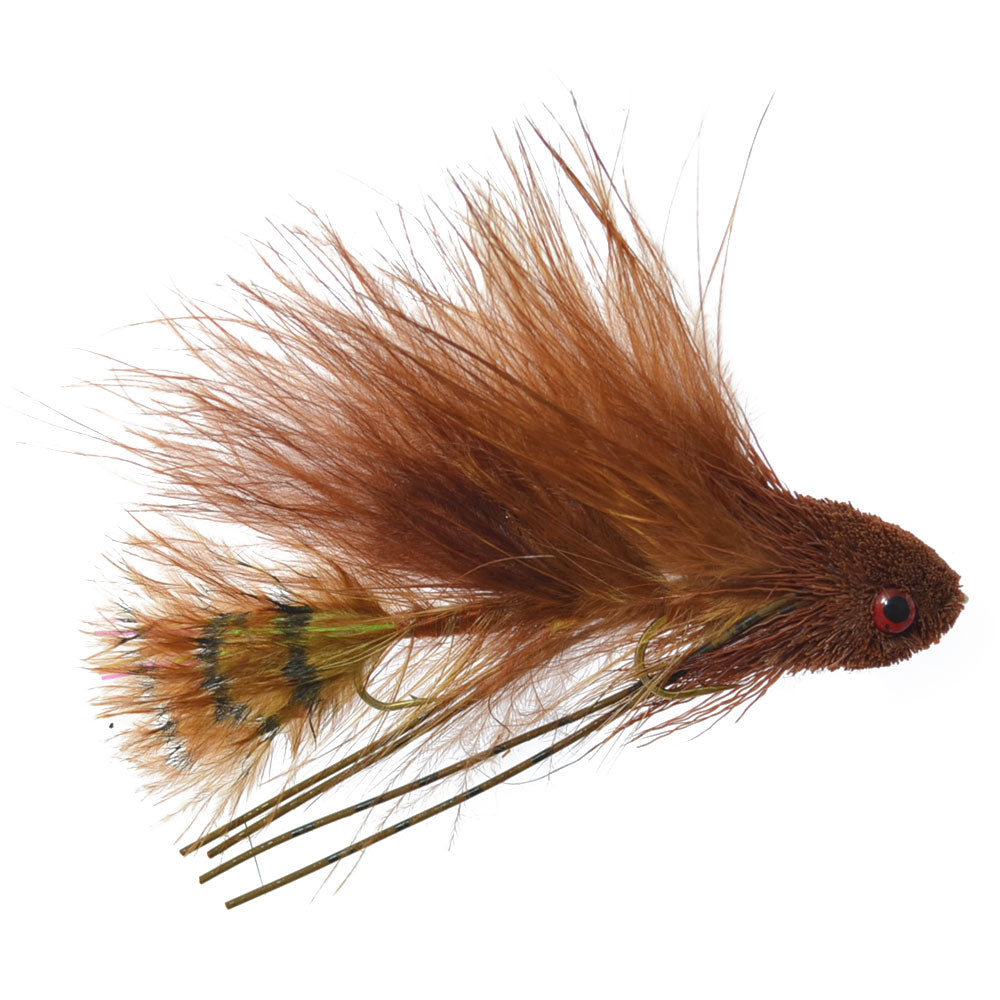
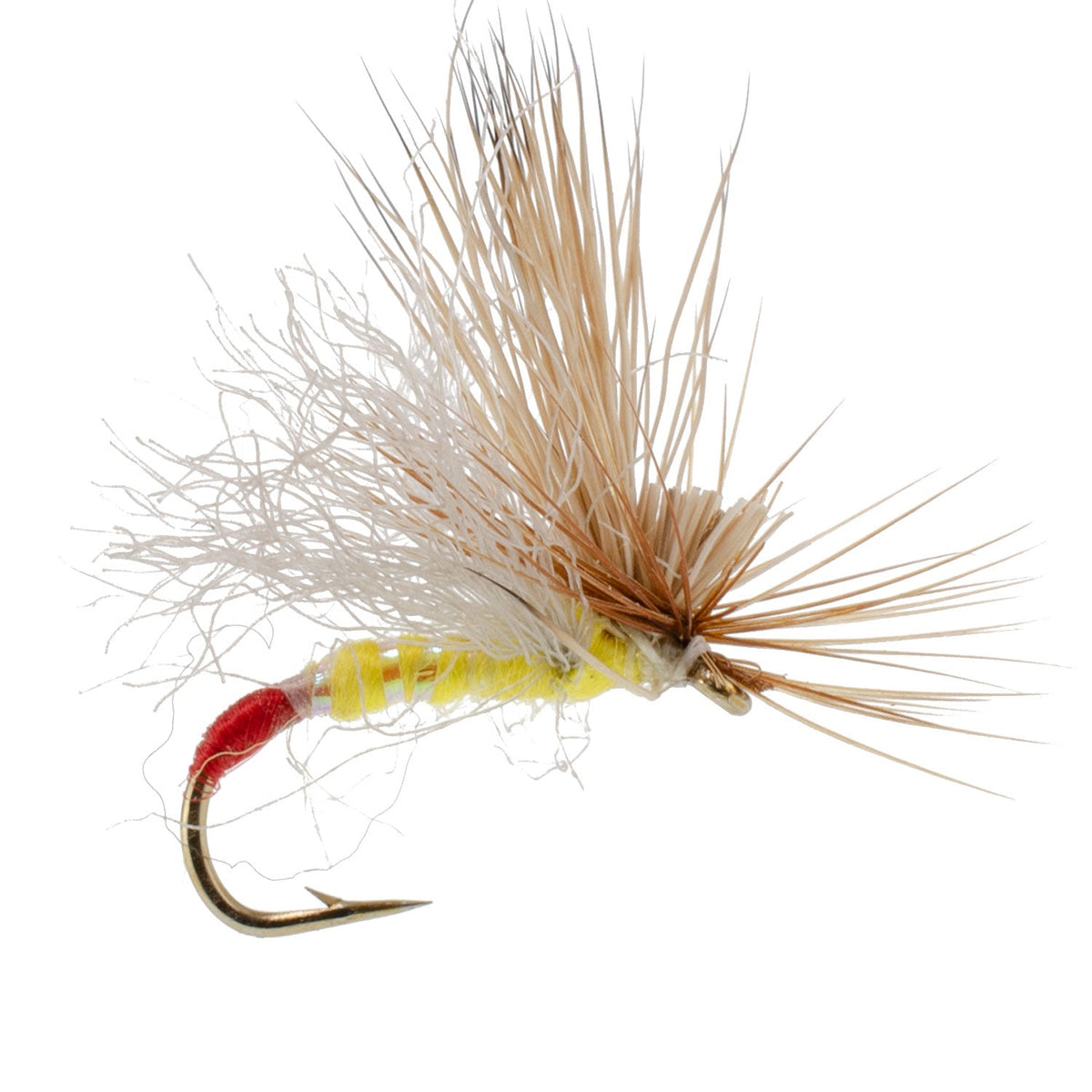
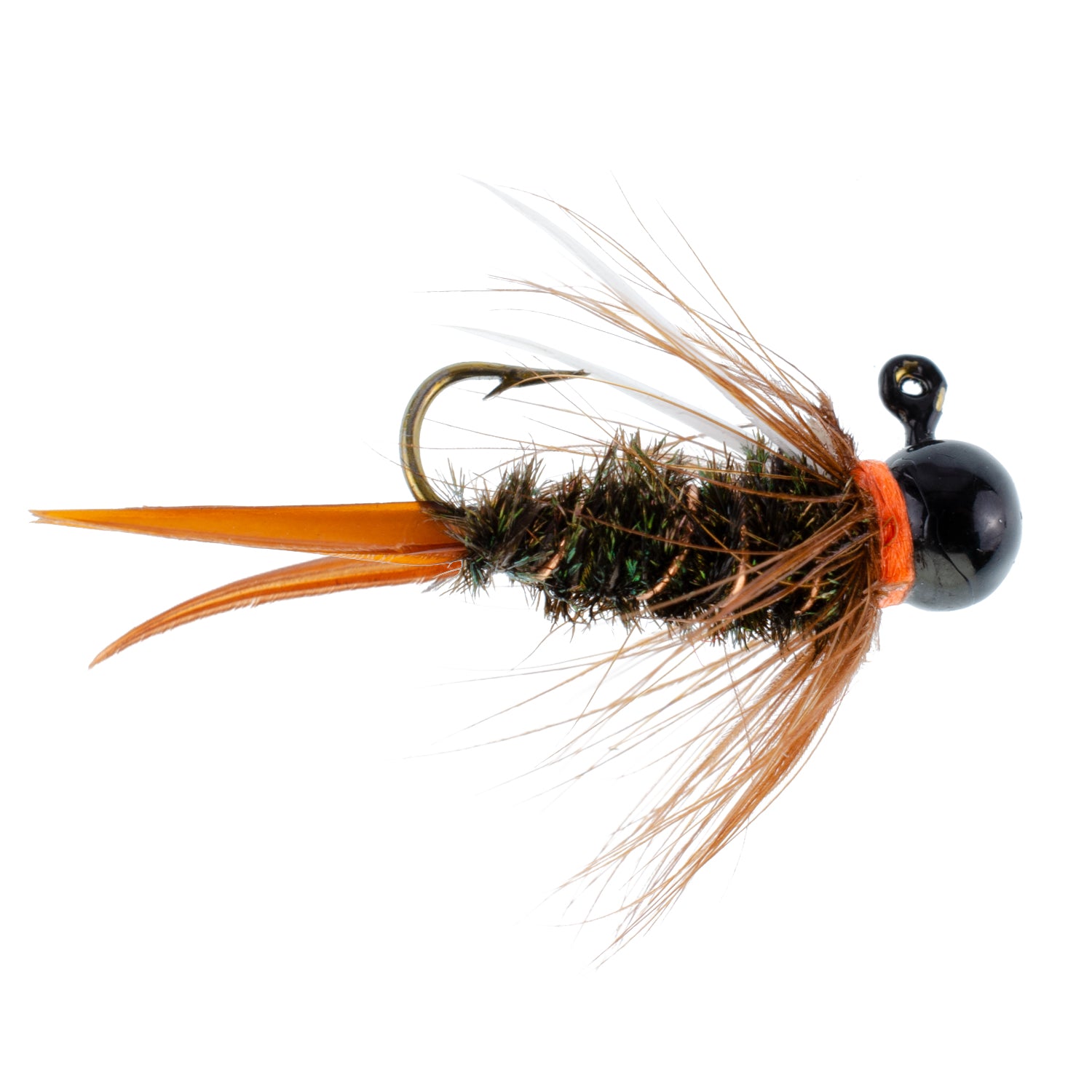
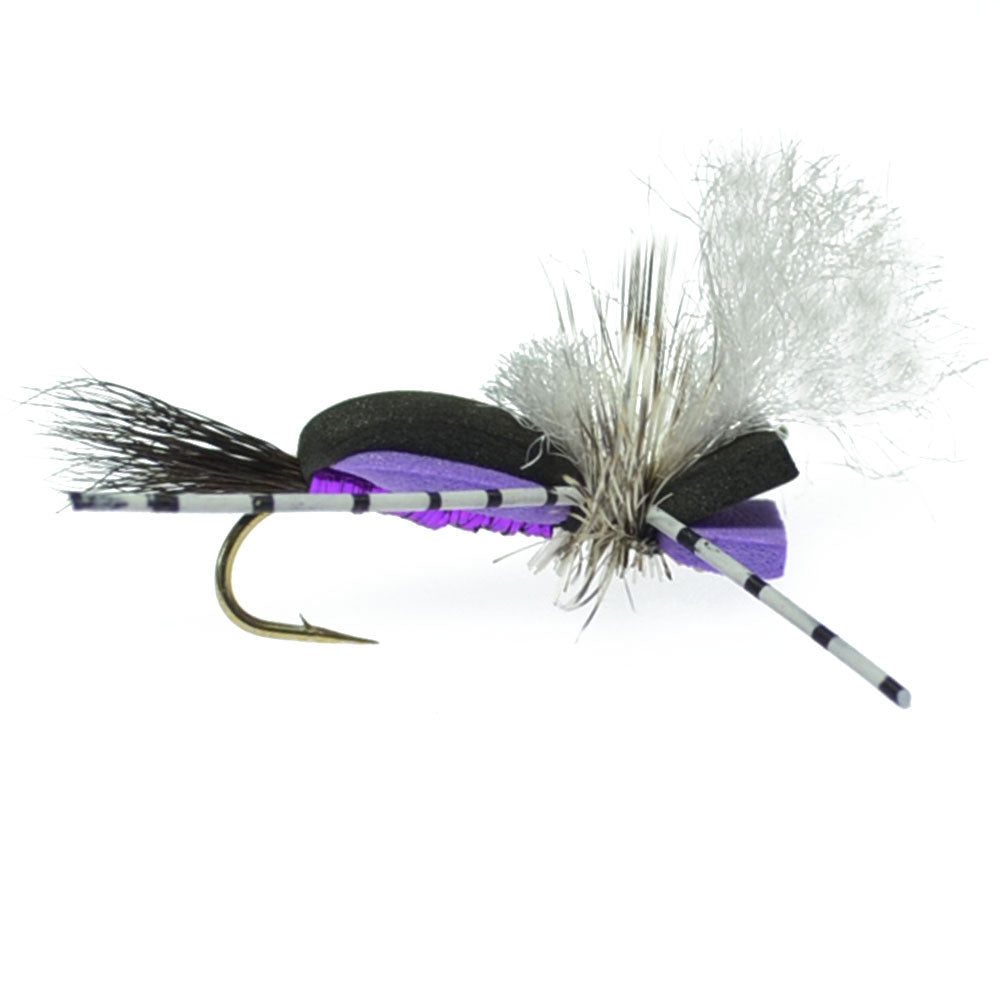
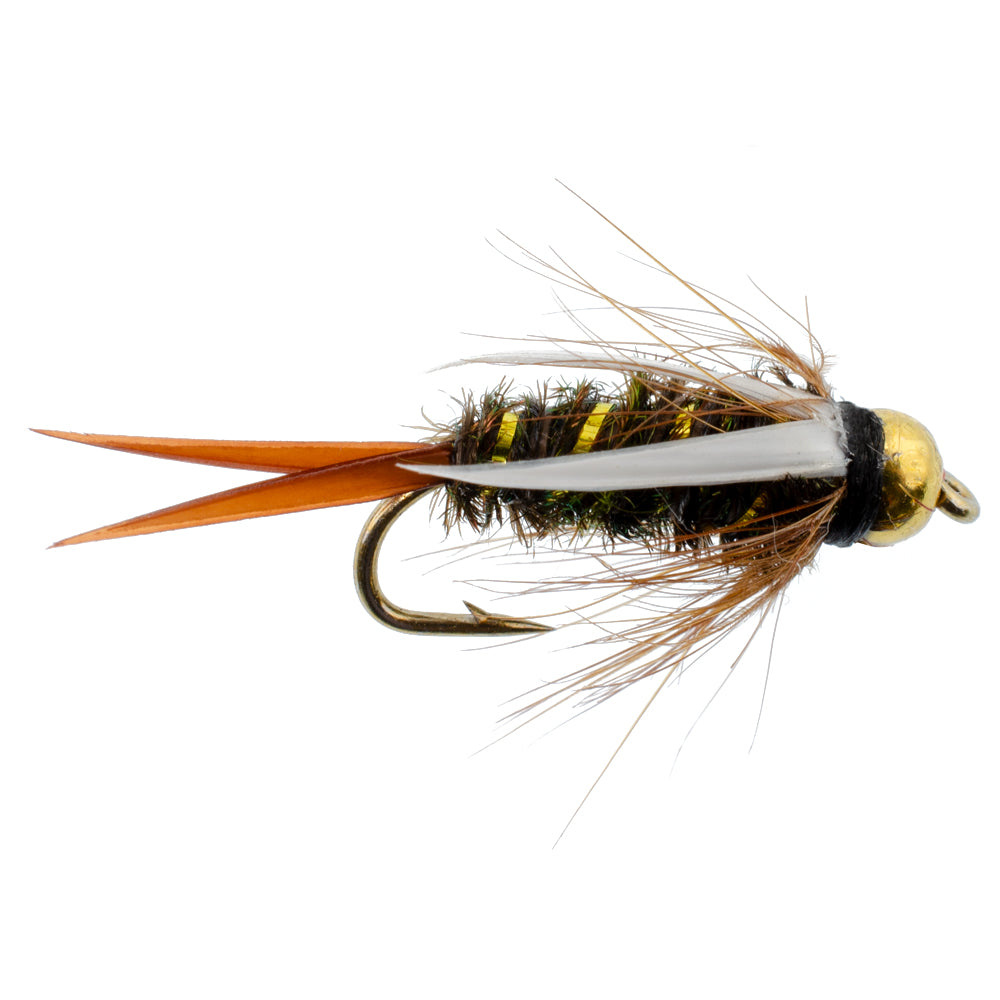
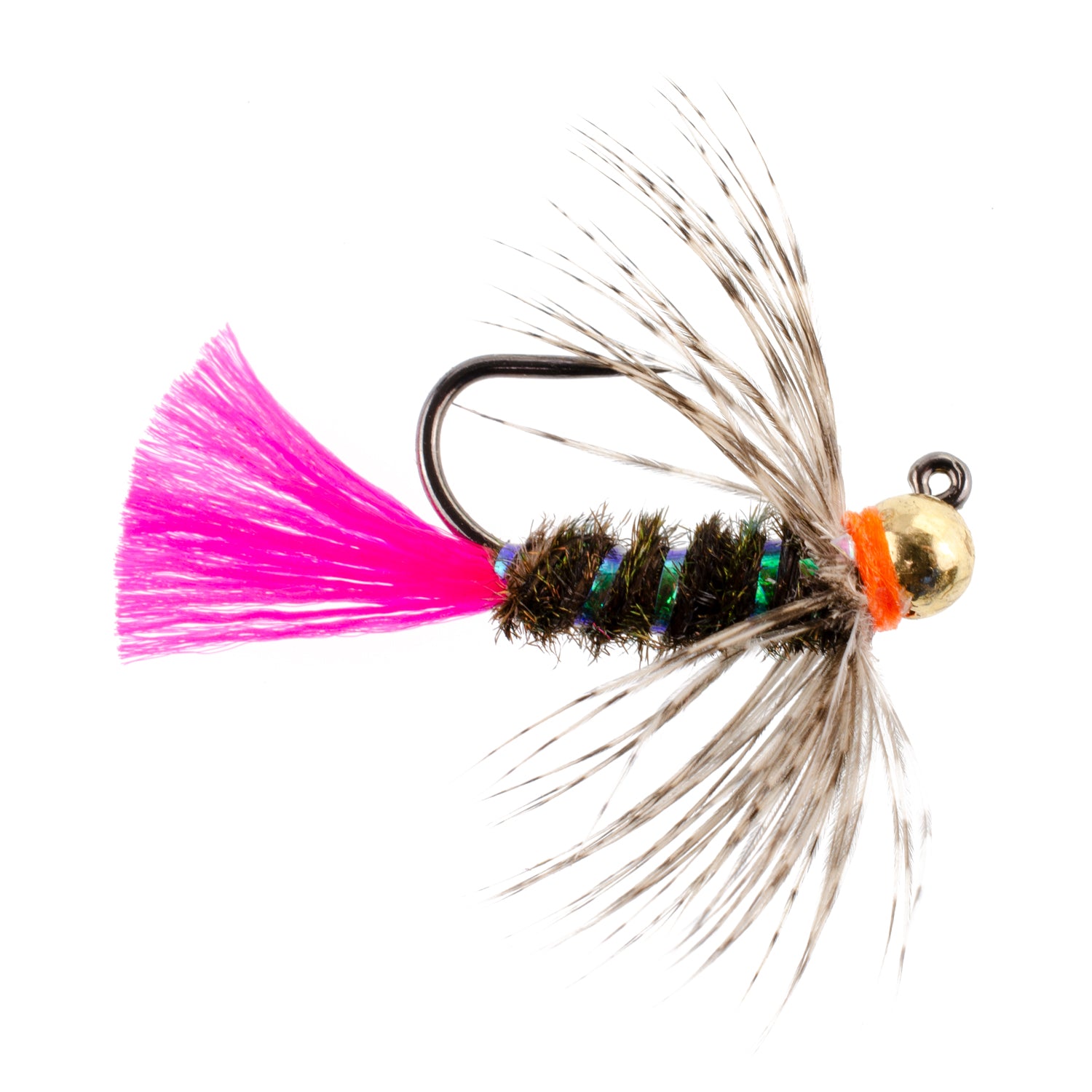
Shop by type: dry flies, nymphs, Euro nymphs, hoppers and terrestrials, streamers.
The river
Box Canyon - Island Park Dam to Last Chance
Cold tailwater through a tight basalt canyon. Fast pocket water, big rocks, hard wading. Wild rainbows often run 14-18 inches, with larger fish in the slots. Nymphs and streamers do most of the work. Salmonflies and golden stones in June are the dry-fly exception. Confirm the current IDFG limit for this reach.
The Harriman Ranch demands the finest spring creek presentation skills - long leaders of 12-16 feet, 5X tippet as a starting point with 6X standard for PMDs and tricos, accurate casting, and the patience to observe before presenting. The fish on the Ranch are large, visible, and have seen every pattern available - they will refuse a fly that lands six inches off target or drags a millimeter at the wrong moment. The green drake hatch in late June is the moment when even the most demanding Ranch fish become catchable on larger patterns, and it is the event that defines the Henry's Fork year for most serious dry-fly anglers. Plan to be humbled, plan to learn, and plan to return.
Cardiac Canyon - below the Ranch
Below Osborne Bridge the river drops into canyon toward Mesa Falls. Fewer people. Strong rainbows and some browns. Hoppers and streamers fish well. The hike is the filter. Check the section boundary so you know whether you are still on Ranch rules or have left them.
Lower Henry’s Fork - Ashton to the Snake
Below Ashton Reservoir the river is slower, warmer, and more agricultural. Browns show more here. Fall caddis can be good. Harvest rules are more liberal than on the Ranch. Still no cutthroat. This is not a substitute for the Ranch in June.
The green drake hatch
The Harriman Ranch green drake hatch is the defining event of the Henry's Fork year and one of the most anticipated hatch windows in American fly fishing. Western green drakes emerge in large numbers from late June into mid-July on the Railroad Ranch and Last Chance water - large flies in sizes 10-14, clear slow water, and fish that are selective even by Henry's Fork standards. The combination of large, visible flies and large, visible fish rising throughout the Ranch makes this one of the most visually spectacular and technically demanding dry-fly experiences available anywhere. Fish the emerger first as fish key on the emerging dun in the film, then switch to the dun as fish begin taking confidently off the surface. Long leaders, fine tippet, and reach casts are essential - the fish have seen every pattern available and will refuse anything that drags. The Ranch is closed until June 15
- Time your trip for the last week of June through the first week of July for peak green drake activity on the Ranch.
- Fish the emerger first, then transition to the dun as the hatch progresses and fish come up confidently.
- Long leaders (12-16 feet), 5X-6X tippet, and reach casts are essential on the flat Ranch water.
- Flavs (small western green drakes, size 14-16) overlap with the larger drakes and can be the key pattern when fish seem to be refusing the larger dun.
Year at a glance - Harriman Ranch and Last Chance
| Month | Primary hatches | Also carry | Typical sizes |
|---|---|---|---|
| Jan | Midges | Small nymphs | Midge 18-24 |
| Feb | Midges, BWO | Small nymphs | Midge 18-24, BWO 18-22 |
| Mar | BWO, midges | Early caddis | BWO 16-20, midge 18-22 |
| Apr | BWO, caddis | March brown, nymphs | BWO 14-20, caddis 14-16 |
| May | BWO, caddis, PMD start | March brown | BWO 16-20, PMD 16-18 |
| Jun | PMD, green drake, caddis | Flavs, yellow sally | PMD 16-18, drake 10-14 |
| Jul | Green drake, PMD, trico | Callibaetis, hoppers start | Drake 10-14, trico 20-24 |
| Aug | Trico, PMD, hoppers | Callibaetis, ants, beetles | Trico 20-24, hopper 8-12 |
| Sep | BWO, trico, hoppers | Mahogany dun, callibaetis | BWO 16-20, trico 20-24 |
| Oct | BWO, mahogany dun | October caddis, midges | BWO 16-20, caddis 8-10 |
| Nov | BWO, midges | Small nymphs | BWO 18-22, midge 18-24 |
| Dec | Midges | Small nymphs | Midge 18-24 |
Year at a glance - Box Canyon
| Month | Primary hatches | Also carry | Typical sizes |
|---|---|---|---|
| Jan | Midges | Stonefly nymphs | Midge 18-24 |
| Feb | Midges, BWO | Stonefly nymphs | Midge 18-24, BWO 16-22 |
| Mar | BWO, early stonefly | Stonefly nymphs | BWO 16-22, stone 6-10 |
| Apr | BWO, caddis, stonefly nymphs | March brown | BWO 14-20, caddis 14-16 |
| May | Caddis, BWO, stonefly nymphs | PMD late month | Caddis 14-16, stone 6-10 |
| Jun | Salmonfly, golden stone, caddis | PMD, yellow sally | Salmonfly 4-8, caddis 14-16 |
| Jul | Caddis, PMD, yellow sally | Hoppers start, streamers | PMD 16-18, caddis 14-16 |
| Aug | Caddis, hoppers, ants | Streamers, trico | Hopper 8-12, caddis 14-16 |
| Sep | BWO, caddis, hoppers | Streamers, mahogany dun | BWO 16-20, hopper 8-12 |
| Oct | BWO, October caddis | Streamers, midges | BWO 16-20, caddis 8-10 |
| Nov | BWO, midges | Stonefly nymphs | BWO 18-22, midge 18-24 |
| Dec | Midges | Stonefly nymphs | Midge 18-24 |
January - February
Harriman Ranch and Last Chance: Midge fishing on the flat spring creek water through January and February. The Ranch is quiet in winter but fishable on mild days - the spring creek character keeps water temperatures stable and fish hold in the deeper channels and along undercut banks through the coldest months. BWO begin appearing on gray February afternoons. One of the few rivers where February can produce rising fish on the right overcast day. Technical presentations on fine tippet throughout.
Box Canyon: Midge program and stonefly nymphs. The canyon holds fish year-round but winter is slow - focus on slower water adjacent to fast runs and fish the midday window when temperatures moderate.
- Midges - 18-24. Two-fly midge rig through the slow seams and tailouts on the Ranch. 6X tippet minimum.
- BWO - 18-22 on overcast February afternoons on the Ranch water. Parachute and CDC emerger styles.
- Stonefly nymphs 6-10 in the Box Canyon subsurface.
March - April
Harriman Ranch and Last Chance: BWO hatches strengthen through March and become reliable on overcast afternoons - the spring creek sections produce consistent hatches when conditions are right, with low wind and overcast skies the key variables. Early caddis begin on the warmer sections by late March. April brings caddis and BWO overlapping, March brown on the broader water, and PMDs beginning in late April in warm years. The pre-season Ranch in March and April is an excellent time to visit - fish are active, crowds are minimal, and the hatches are manageable compared to the complex multi-hatch summer days.
Box Canyon: BWO and early stonefly in March; caddis, BWO, and stonefly nymphs in April. The Box Canyon wakes up significantly in April as flows stabilize after winter.
- BWO - 16-20 on overcast afternoons. The dominant spring hatch on both sections. CDC emerger and parachute styles.
- March brown - 12-14 on overcast April afternoons on the Ranch water.
- Caddis - 14-16 afternoons and evenings building through April on both sections.
- Stonefly nymphs 6-10 in the Box Canyon throughout.
May - June
Harriman Ranch and Last Chance: The season builds quickly through May - BWO on overcast days, caddis evenings, and PMDs beginning mid-to-late month on the Ranch water. May is an excellent time to visit before the summer crowds arrive. June is the most anticipated month on the Henry's Fork - PMDs in earnest in early June, then the green drake hatch arriving in the last week of the month on the Railroad Ranch and Last Chance water. The Harriman Ranch in late June is the premier dry-fly event in American fly fishing - book accommodation well in advance, arrive with long leaders and fine tippet, and expect the most challenging and rewarding dry-fly fishing available anywhere. Flavs overlap with the larger drakes. Check the green drake hatch section above for detailed tactics.
Box Canyon: Caddis dominate through May with stonefly nymphs subsurface - check flows before planning a May Box Canyon trip as runoff timing affects wading access. The salmonfly hatch hits the Box Canyon in June, typically mid-to-late month after the canyon warms from spring runoff. Golden stones follow. June in the Box Canyon with salmonfly dries against the canyon walls is the best month for big fish on big dries on this section.
- May: BWO on overcast mornings; caddis 14-16 afternoons and evenings; stonefly nymphs 6-10 in the Box Canyon.
- Late May: PMD start on the Ranch - 16-18 mornings.
- June Ranch: PMD - 16-18 mornings. Green drake - 10-14 late June. Fish the emerger first, then the dun.
- June Box Canyon: Salmonfly - 4-8. Large foam and deer hair patterns hard against the canyon walls. Golden stone - 6-10 overlapping and following.
- Caddis - 14-16 evenings on both sections throughout June.
July - August
Harriman Ranch and Last Chance: The green drake continues into the first week of July then transitions to tricos and continuing PMDs - the classic mid-summer Ranch program. Trico spinner falls on the flat Ranch water are early morning, size 20-24, and require the finest presentation skills on the river. Callibaetis on the slower sections and adjacent ponds. Hoppers along the bank vegetation from mid-July. July is the busiest month on the Ranch - the best fishing is early morning before the crowds arrive. August trico spinner falls are often the most reliable rising fish of the day - early morning tricos followed by hoppers in the afternoon is the classic August Henry's Fork day.
Box Canyon: Caddis, PMDs, and yellow sallies in July with hopper fishing along the canyon walls building through August. Streamers for big fish in the deeper canyon slots - August can produce excellent streamer fishing as fish become more aggressive ahead of fall.
- Early July Ranch: green drake continuing - 10-14 dun and emerger.
- Trico - 20-24. Early morning spinner falls on the Ranch through July and August. Spent-wing pattern on 6X-7X tippet. Be on the water at first light.
- PMD - 16-18 mornings on the Ranch through July and into August.
- Callibaetis - 14-16 on slower water and ponds through July and August.
- Hoppers - 8-12 along the Ranch banks and Box Canyon walls mid-July through August.
- Ants and beetles midday on the Ranch - 16-18.
- Streamers in the Box Canyon for aggressive August fish.
September - October
Harriman Ranch and Last Chance: September is one of the finest months on the Ranch - crowds thin dramatically after Labor Day and the fall fishing improves. BWO return strongly as nights cool and the fall olive hatches on the Ranch rival the spring in density and fish activity. Tricos continue into mid-September. Mahogany duns add an afternoon option. Hoppers through mid-month. October brings exceptional BWO fishing on gray afternoons with a nearly empty Ranch - one of the least crowded and most productive months of the year. Mahogany duns overlap with the olives. October caddis in the lower and Box Canyon sections.
Box Canyon: BWO and caddis with hoppers through mid-September. Streamer fishing strengthens through September and October as big fish become more aggressive ahead of fall. October caddis add a large dry-fly option on the Box Canyon and lower sections.
- Trico through mid-September on the Ranch - 20-24 early morning spinner falls.
- Hoppers and ants through mid-September on both sections - 8-12 and 16-18.
- BWO - 16-20 on overcast afternoons through September and October. The dominant fall hatch on the Ranch. CDC emerger and parachute styles.
- Mahogany dun - 14-16 on overcast afternoons in September and October on the Ranch.
- Callibaetis - 14-16 on the slower Ranch sections through September.
- October caddis - 8-10 in the Box Canyon and lower river in October.
- Streamers in the Box Canyon for fall fish through September and October.
November - December
Harriman Ranch and Last Chance: BWO and midges on the Ranch through November - quiet, productive on mild days, and completely uncrowded. The spring creek character keeps the Ranch fishable through the coldest months. December midge fishing on the flat Ranch water is a genuine option for the dedicated angler - check Harriman State Park access conditions before making the trip in winter as park hours and access can be limited.
Box Canyon: Midges and stonefly nymphs through November and December. The Box Canyon holds fish year-round and provides accessible winter water near Island Park for the local angler.
- BWO - 18-22 on overcast afternoons through November on the Ranch. CDC emerger and parachute styles.
- Midges - 18-24 throughout on both sections. Two-fly rig through slow seams and tailouts. 6X tippet standard.
- Small nymphs subsurface in the Ranch channels and tailouts.
- Stonefly nymphs 6-10 in the Box Canyon throughout winter.
A western dry and nymph assortment covers the core season on both sections - add trico patterns in sizes 20-24 and callibaetis imitations for the Ranch in summer, a western green drake dun and emerger in sizes 10-14 for late June and early July, and a salmonfly pattern for the Box Canyon in June. Go one tippet size finer than you think you need on the Ranch - 6X is standard, 7X is normal for midges and tricos. The Henry's Fork rewards patience, preparation, and the humility to accept refusals from the most educated trout in Idaho.