Hot Creek California Hatch Chart
Eastern Sierra, California, a short drive from Mammoth Lakes. Hot Creek is born as Mammoth Creek in the high lakes, takes its warmer name at the hatchery springs, and finds the Owens above Crowley. It is a narrow, clear spring creek, famous for wild rainbows and browns that have seen too many flies. The public meadow below the gorge is the water this page is written for. Fine tippet and a true drift are not optional. The combination of consistent flows, exceptional water clarity, and highly selective wild trout makes Hot Creek one of the most technically demanding and rewarding spring creek fisheries in California.
Check current California Department of Fish and Wildlife regulations before you go.
From the state hatchery property line downstream to the Owens River: open all year. Artificial flies with barbless hooks only. Confirm the current bag limit in the pamphlet. The water is fished as if every trout must go back.
Hot Creek Ranch is private and arranged separately. The Geologic Site is for looking at the springs. Do not enter the boiling water. Fish the creek below it if you fish there at all. A California fishing license is required.
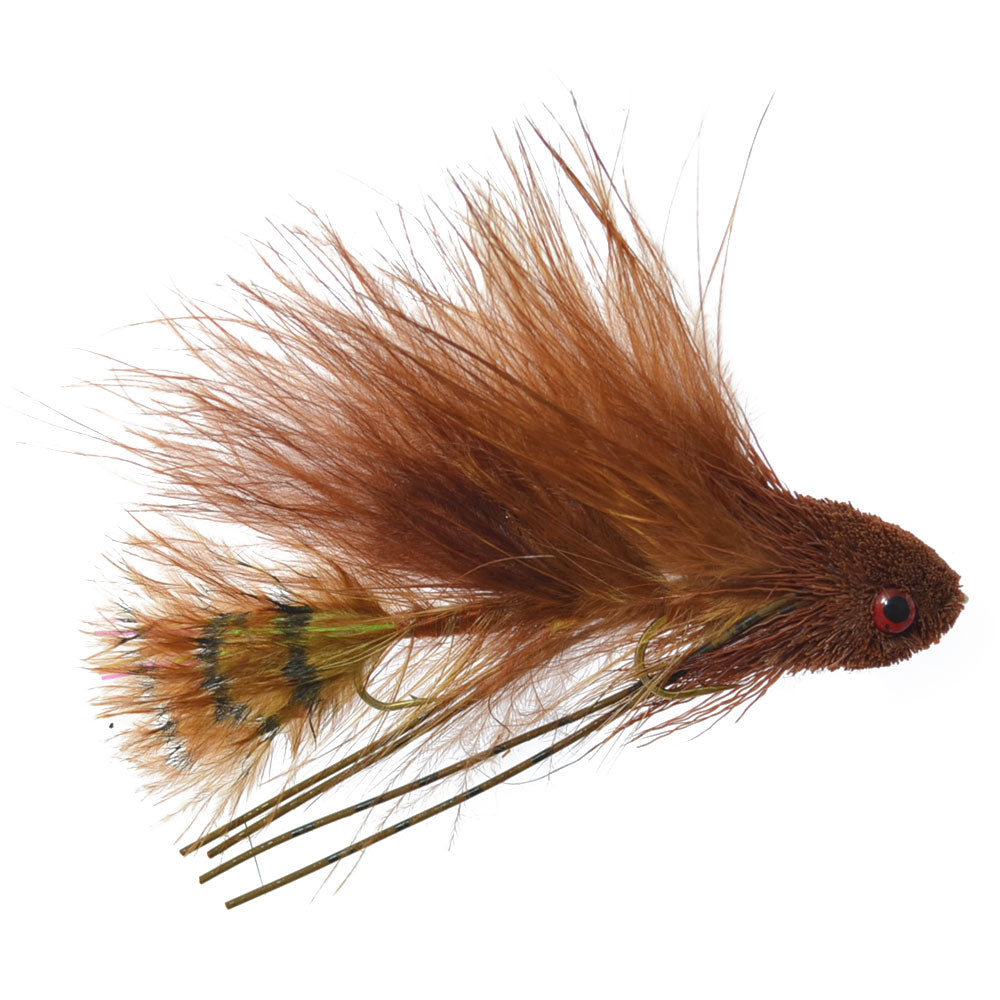
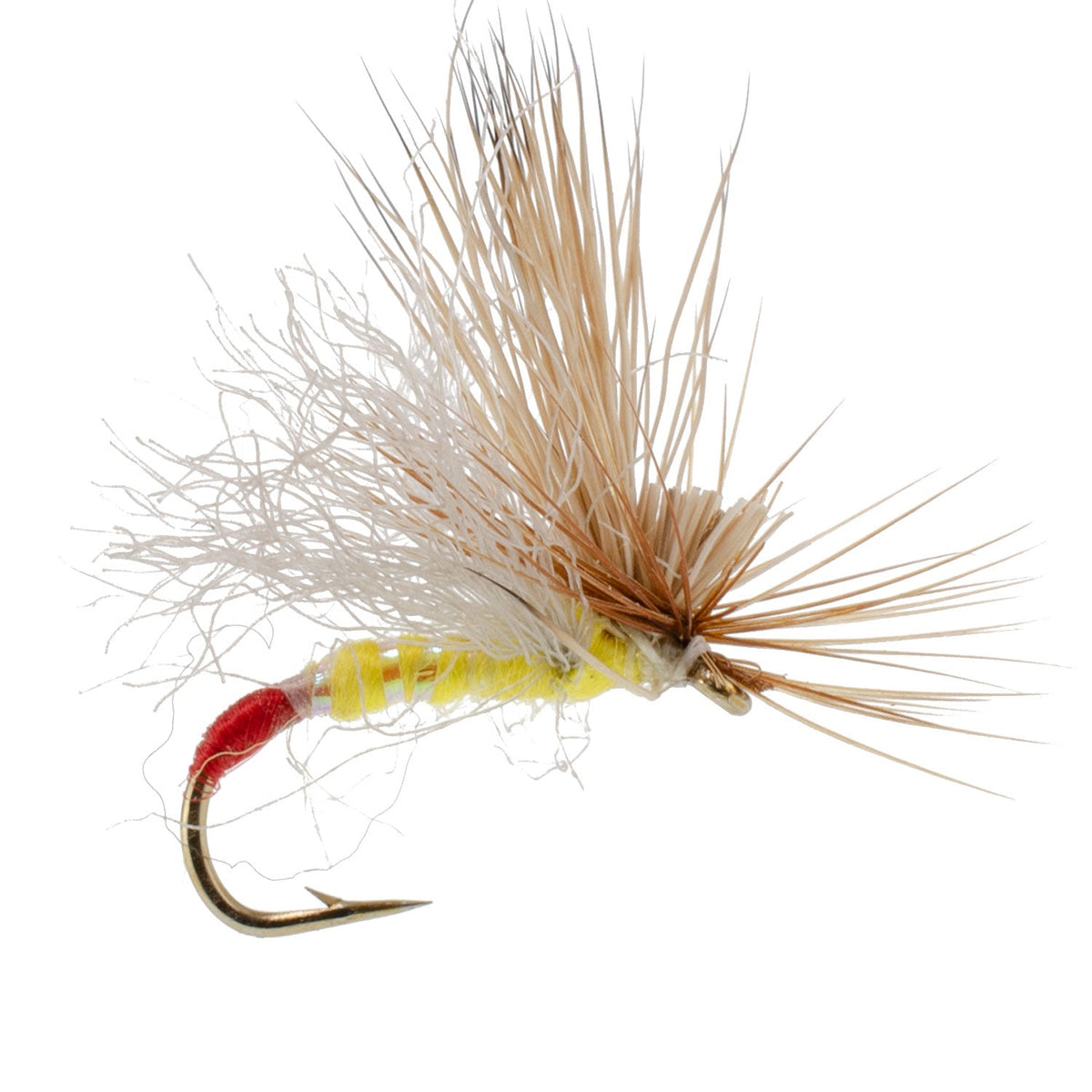
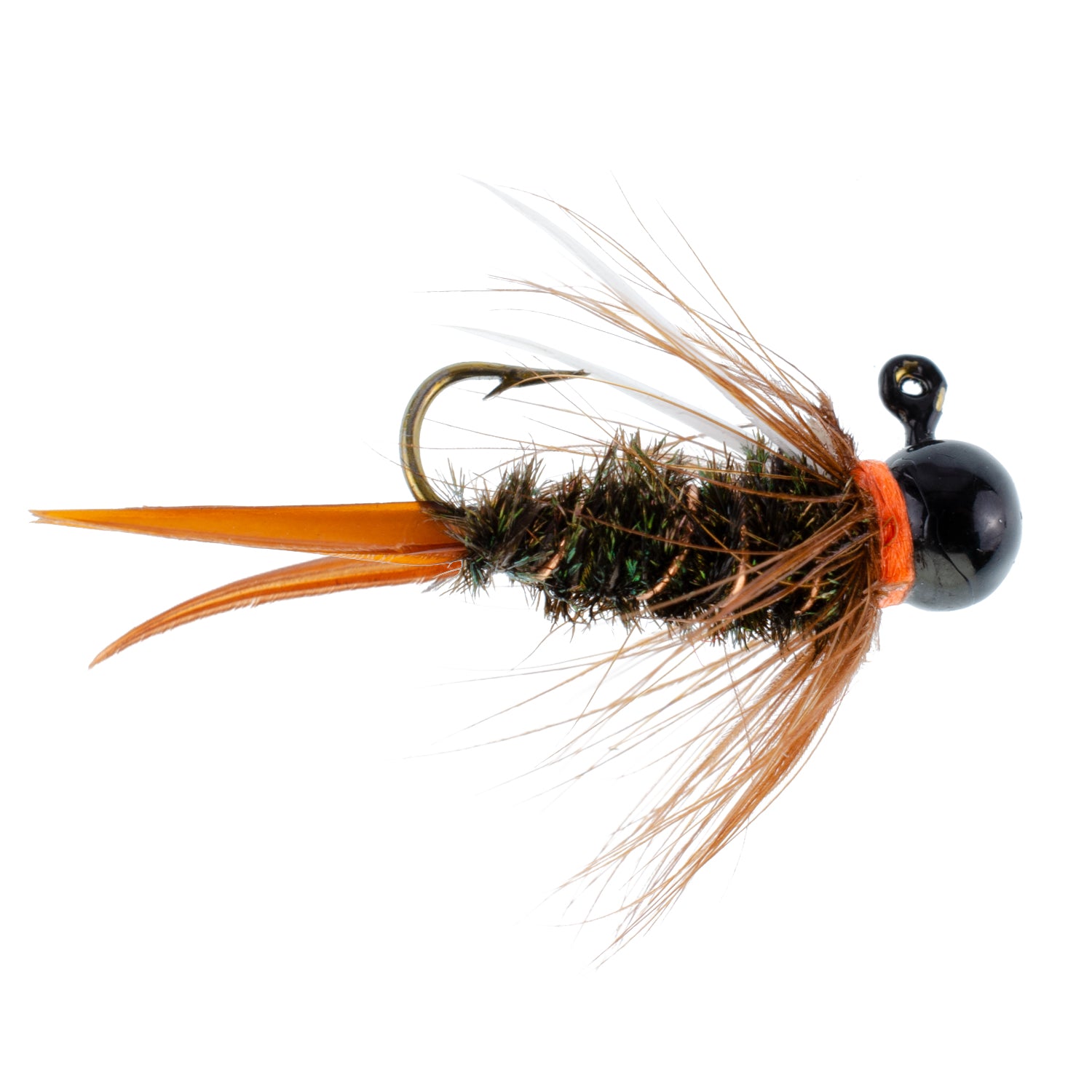
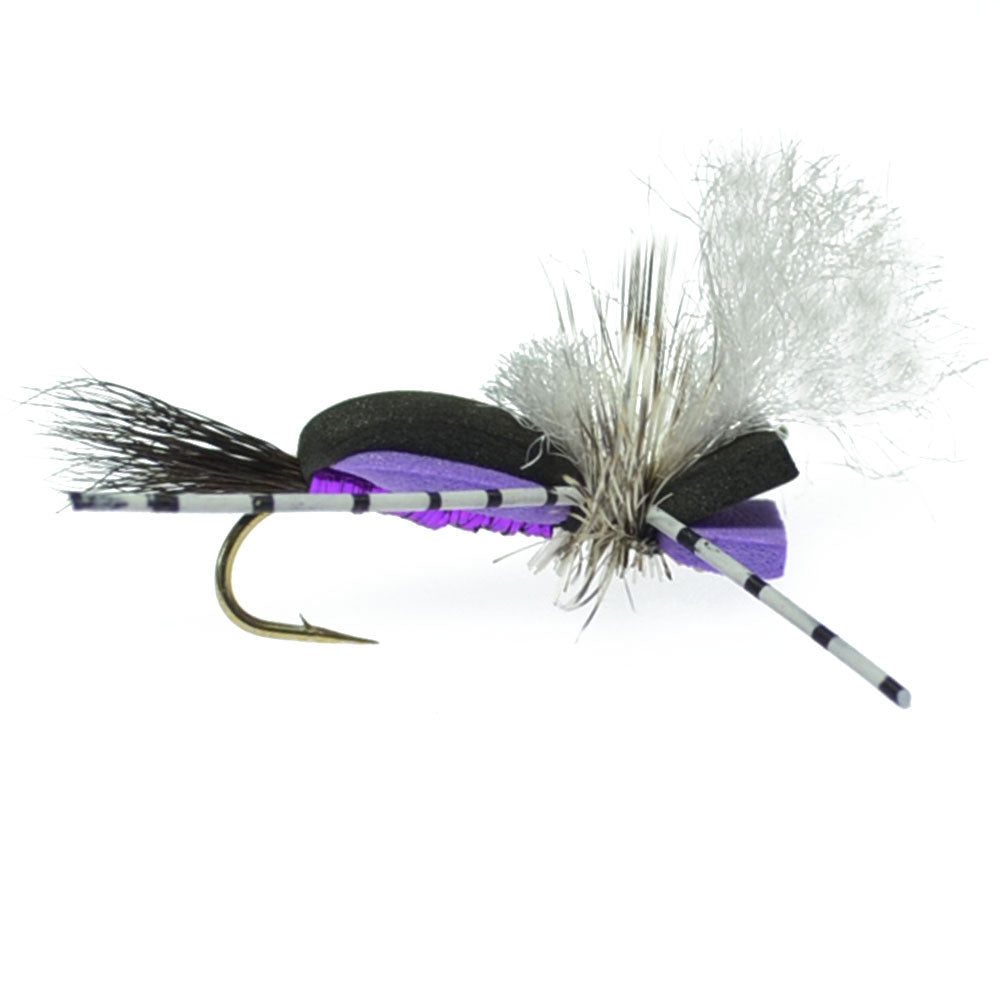
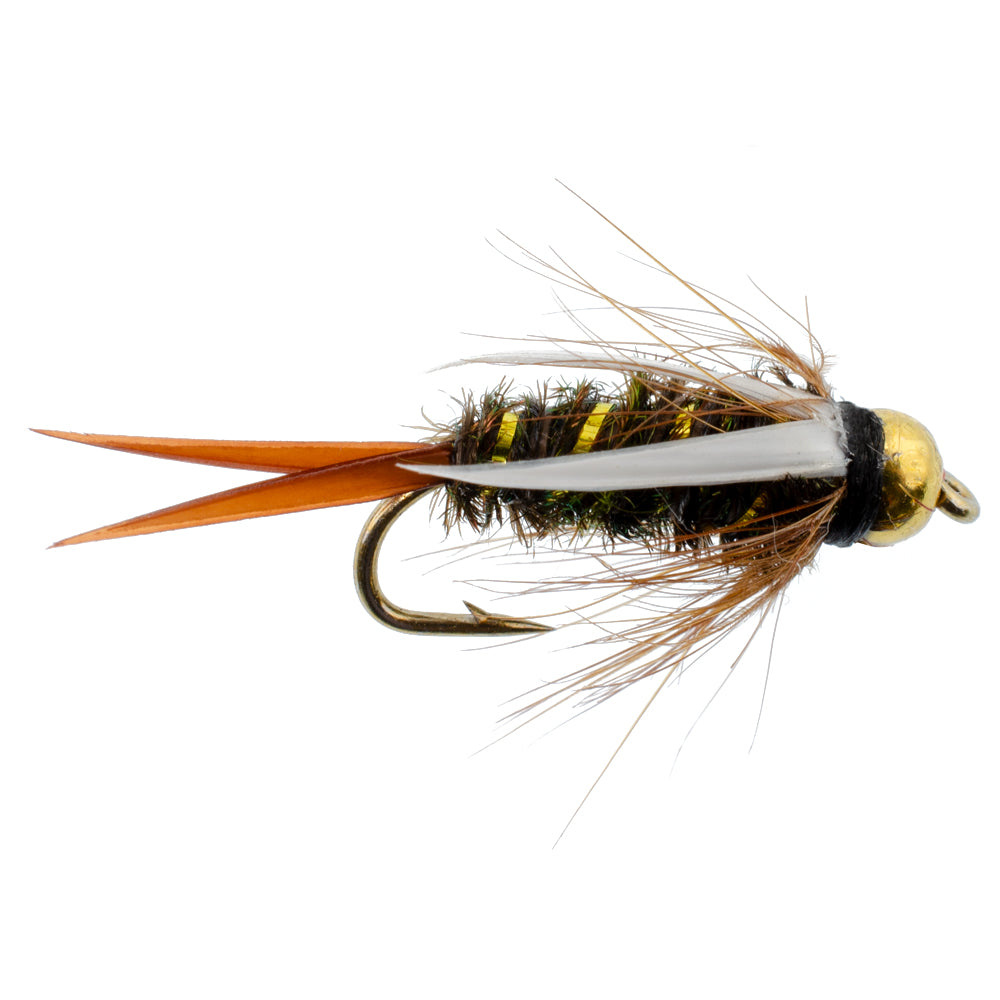
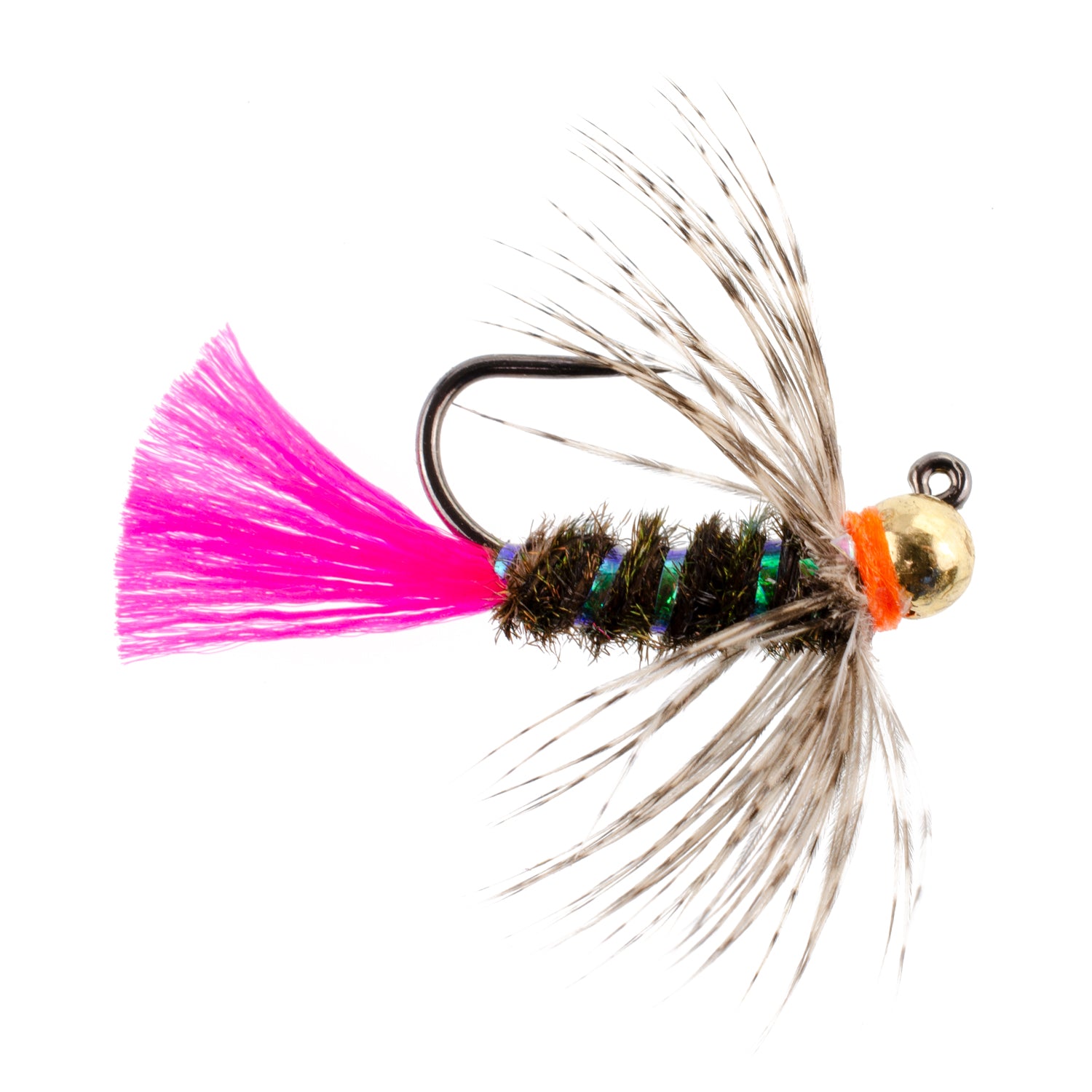
Shop by type: dry flies, nymphs, Euro nymphs, hoppers and terrestrials.
The creek
The public fishing section of Hot Creek runs approximately one mile through a geothermally influenced meadow below the gorge. The spring creek character is immediately apparent - stable flows year-round regardless of drought or snowpack, exceptional water clarity that allows trout to inspect every fly in detail, and a flat, slow-moving surface that punishes sloppy casts and heavy tippet. This is not a river where a size 14 elk hair caddis slapped on the water will produce consistent results. Hot Creek demands precise presentations, fine tippet, and accurate imitations of the insects the fish are feeding on.
Hot Creek Ranch is private water. The Geologic Site is for looking at the springs. Do not enter the boiling water. Fish the creek below it if you fish there at all. A California fishing license is required.
Wild rainbow trout are the primary species, with brown trout present in good numbers. Both species are wild, long-lived fish that have seen every fly in the catalog. The trout in the public section are among the most educated in California - they are accustomed to constant angling pressure and require the kind of presentation refinement that most anglers spend years developing. The reward is spring creek dry-fly fishing of the highest order in a beautiful Eastern Sierra setting at 7,000 feet elevation with the Sierra Nevada visible in every direction.
The geothermal inputs that give Hot Creek its name moderate water temperatures and produce exceptional year-round insect life. The creek fishes every month and the trico hatch is legendary - one of the finest in California and the primary reason serious dry-fly anglers make the pilgrimage to Mammoth Lakes in late summer and fall. BWO hatches in spring and fall are equally significant.
Year at a glance
| Month | Primary hatches | Also carry | Typical sizes |
|---|---|---|---|
| Jan | Midges, BWO | Small nymphs | Midge 20-26, BWO 18-22 |
| Feb | Midges, BWO | Small nymphs | Midge 20-26, BWO 18-22 |
| Mar | BWO, midges | Early caddis, small nymphs | BWO 16-20, midge 20-24 |
| Apr | BWO, caddis, midges | PMD start, small nymphs | BWO 16-20, caddis 14-16 |
| May | PMD, caddis, BWO | Yellow sally, midges | PMD 16-18, caddis 14-16 |
| Jun | PMD, caddis, trico start | Yellow sally, ants | PMD 16-18, trico 20-24 |
| Jul | Trico, PMD, caddis | Ants, beetles, hoppers | Trico 20-24, PMD 16-18 |
| Aug | Trico, hoppers, caddis | Ants, beetles, PMD | Trico 20-24, hopper 10-14 |
| Sep | Trico, BWO, caddis | Hoppers, mahogany dun | Trico 20-24, BWO 16-20 |
| Oct | BWO, trico, midges | Mahogany dun, small nymphs | BWO 16-20, trico 20-24 |
| Nov | BWO, midges | Small nymphs | BWO 16-20, midge 20-24 |
| Dec | Midges, BWO | Small nymphs | Midge 20-26, BWO 18-22 |
January - February
Hot Creek fishes year-round and winter is a genuine option for the dedicated spring creek angler. The geothermal inputs keep water temperatures stable and fish active through the coldest Mammoth Lakes winters. Midges and BWO on overcast afternoons are the primary surface food sources. Small nymphs subsurface throughout. The creek in winter with rising fish and no other anglers is a compelling experience - the Eastern Sierra in January is cold and beautiful and the trout are active and surprisingly catchable on fine tippet and small flies.
- Midges - 20-26. Red zebra midge subsurface. Midge cluster or spent midge dry when fish are dimpling.
- BWO - 18-22 on overcast afternoons. Parachute BWO and CDC Baetis emerger.
- Small nymphs subsurface throughout. Nymphs.
March - April
BWO hatches strengthen significantly through March and into April - this is the spring olive season on Hot Creek and the fish respond well to well-presented BWO patterns on overcast afternoons. Caddis begin in April. PMDs begin on the warmer afternoons by late April. The spring season before the summer crowds arrive is an excellent time to fish Hot Creek - good hatches, fish in prime condition, and manageable pressure compared to the peak summer weeks.
- BWO - 16-20. The dominant spring hatch. Parachute BWO and CDC Baetis emerger on overcast afternoons.
- Midges throughout. Red zebra midge subsurface.
- April: caddis - 14-16. Elk hair caddis afternoons.
- Late April: first PMD - Pale Morning Dun on warm afternoons.
May - June
Prime season begins in May. PMDs build through May and June and the flat spring creek surface of Hot Creek in a PMD hatch with large selective rainbows rising is one of the finest technical dry-fly experiences in California. Caddis evenings throughout. Yellow sallies in the faster inlet sections. Trico spinner falls begin by late June - the first sign of the summer trico season that will dominate through fall. The combination of PMD mornings and trico evenings in late June makes it one of the most productive months on the creek.
- PMD - 16-18. Pale Morning Dun mornings and midday. Use CDC or parachute patterns with 5X or 6X tippet on the flat sections.
- Caddis - 14-16 evenings. Elk hair.
- Yellow sally - 14-16 in the faster sections.
- Late June: trico - 20-24 early morning spinner falls. Fine tippet essential.
July - August: trico season
The trico hatch is the defining event of the Hot Creek summer and one of the finest in California. Dense early morning spinner falls over the flat meadow sections produce the most demanding dry-fly fishing on the creek - tiny size 20-24 trico spinners in a thick fall with large, selective fish rising everywhere requires fine tippet, accurate presentation, and a well-tied spent-wing pattern. This is technical fishing at its most rewarding and most frustrating. Arrive early - the spinner fall is often finished by 9am. Hoppers along the meadow margins in August provide afternoon relief from the technical trico work.
- Trico - 20-24. The signature summer hatch. Spent-wing trico spinner early morning. 6X tippet minimum, 7X preferred on the flat sections. From nymphs - carry spent-wing patterns.
- PMD - 16-18 continuing through July. Pale Morning Dun mornings.
- Caddis - 14-16 evenings. Elk hair.
- August: hoppers - 10-14. Hoppers and terrestrials along the meadow margins. Smaller sizes than most western rivers - the flat water demands a more refined presentation.
- Ants and beetles midday from hoppers and terrestrials.
September - October
September and October are arguably the finest months on Hot Creek. Tricos continue through mid-September. BWO return strongly as temperatures cool - the fall olive hatches on the flat spring creek sections produce outstanding afternoon fishing with large fish rising selectively in the low-angle Eastern Sierra light. Mahogany duns add variety on overcast days. Crowds drop sharply after Labor Day. The combination of morning tricos, afternoon BWO, and minimal pressure makes fall the most complete season on the creek.
- Trico through mid-September. Spent-wing trico spinner early morning. 6X-7X tippet.
- BWO - 16-20. Parachute BWO and CDC Baetis emerger on overcast afternoons. The dominant fall hatch.
- Mahogany dun - 14-16 on overcast afternoons.
- Midges building through October. Red zebra midge subsurface.
November - December
BWO and midges as the season winds toward winter. The creek remains fishable year-round and November is excellent uncrowded fishing with strengthening BWO hatches and virtually no other anglers. The Eastern Sierra in November with the Sierra Nevada dusted in early snow and rising fish on a warm afternoon is a uniquely beautiful experience. Mammoth Mountain is open for skiing by mid-November in most years - combine a ski trip with early morning creek fishing for a complete Eastern Sierra weekend.
- BWO - 16-20 on overcast afternoons. Parachute BWO and CDC Baetis emerger.
- Midges - 20-26 throughout. Red zebra midge subsurface. Midge cluster dry when fish are dimpling.
- Small nymphs subsurface. Nymphs.
A western dry and nymph assortment is a starting point, but Hot Creek demands supplementing with dedicated trico and midge patterns in smaller sizes than most western rivers require. Bring 5X, 6X, and 7X tippet - the flat spring creek surface and educated wild trout will find every flaw in a coarser presentation. Hot Creek is one of the defining spring creek experiences in the American West. Fish it in September with tricos in the morning and BWO in the afternoon and you will understand why generations of California dry-fly anglers have made the drive to Mammoth Lakes.