Klickitat River Washington Hatch Chart
South-central Washington, rising on the eastern Cascades and the Yakama high country and flowing south through a deep basalt canyon to the Columbia at Lyle. The Klickitat is one of the more complete canyon rivers in the state: wild rainbows, and bull trout that must be released, in the upper water; hatchery steelhead and salmon in the lower gorge when those seasons are open. Much of the lower river runs through Yakama Nation Reservation land. That fact governs access and permits as surely as any hatch. The upper river is the quiet trout water. The lower canyon is the steelhead water, on the days WDFW and the Nation allow it.
Check current Washington Department of Fish and Wildlife rules and Yakama Nation fishing regulations before you go. A state license is not enough on reservation water.
From the mouth (BNSF / Burlington Northern bridge) to Fisher Hill Bridge: game fish Saturday before Memorial Day through January 31. Trout daily limit 2, minimum 14 inches. Hatchery steelhead Saturday before Memorial Day through June 30, daily limit 3. Steelhead closed July 1 through October 31. Hatchery steelhead again November 1 through January 31, daily limit 3. Release wild steelhead. Night closures and anti-snagging rules apply in listed months. Salmon limits change by emergency rule.
From Fisher Hill Bridge to 400 feet above the Lyle Falls fishway: closed waters.
Upstream sections have their own trout and salmon lines, including closures near the hatchery. Carry the Yakama Nation permit where the signs and the map require it. A Washington fishing license is required.
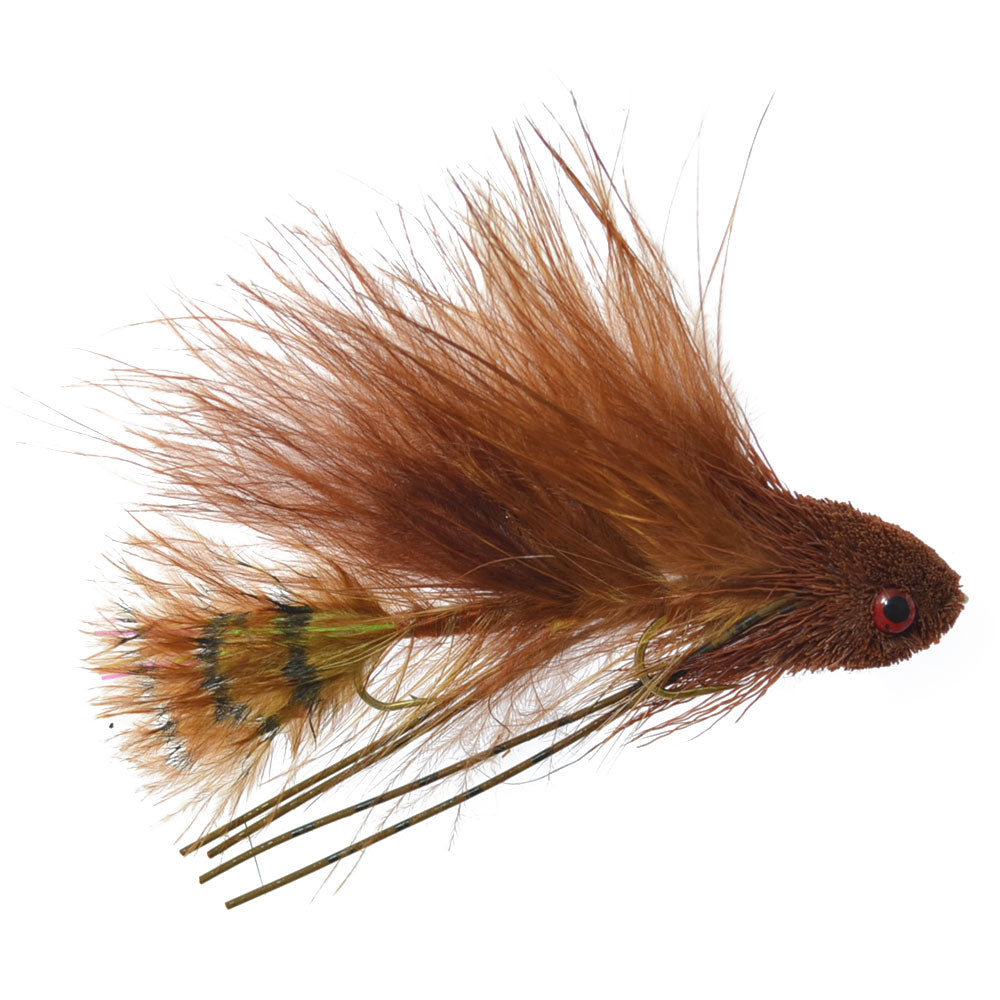
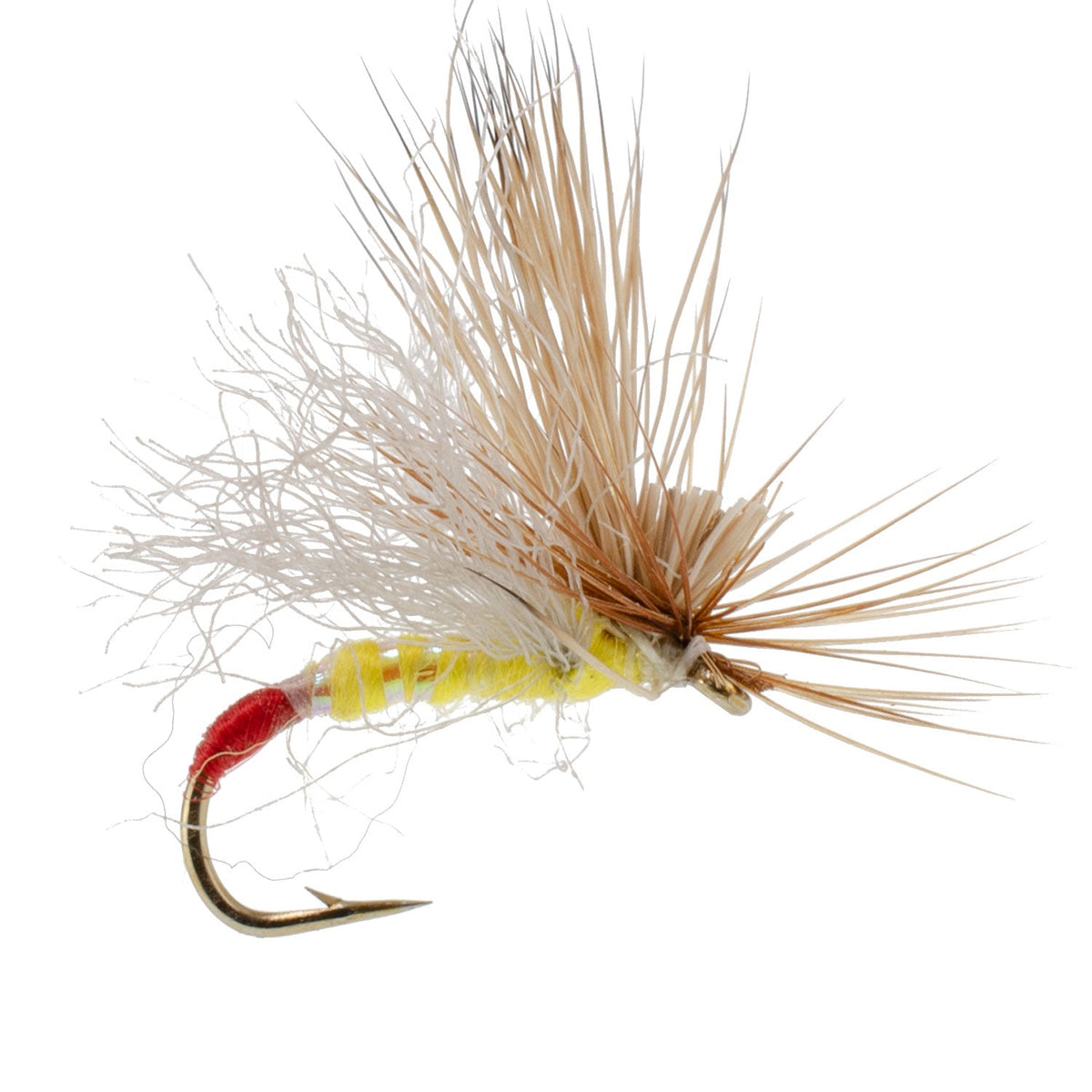
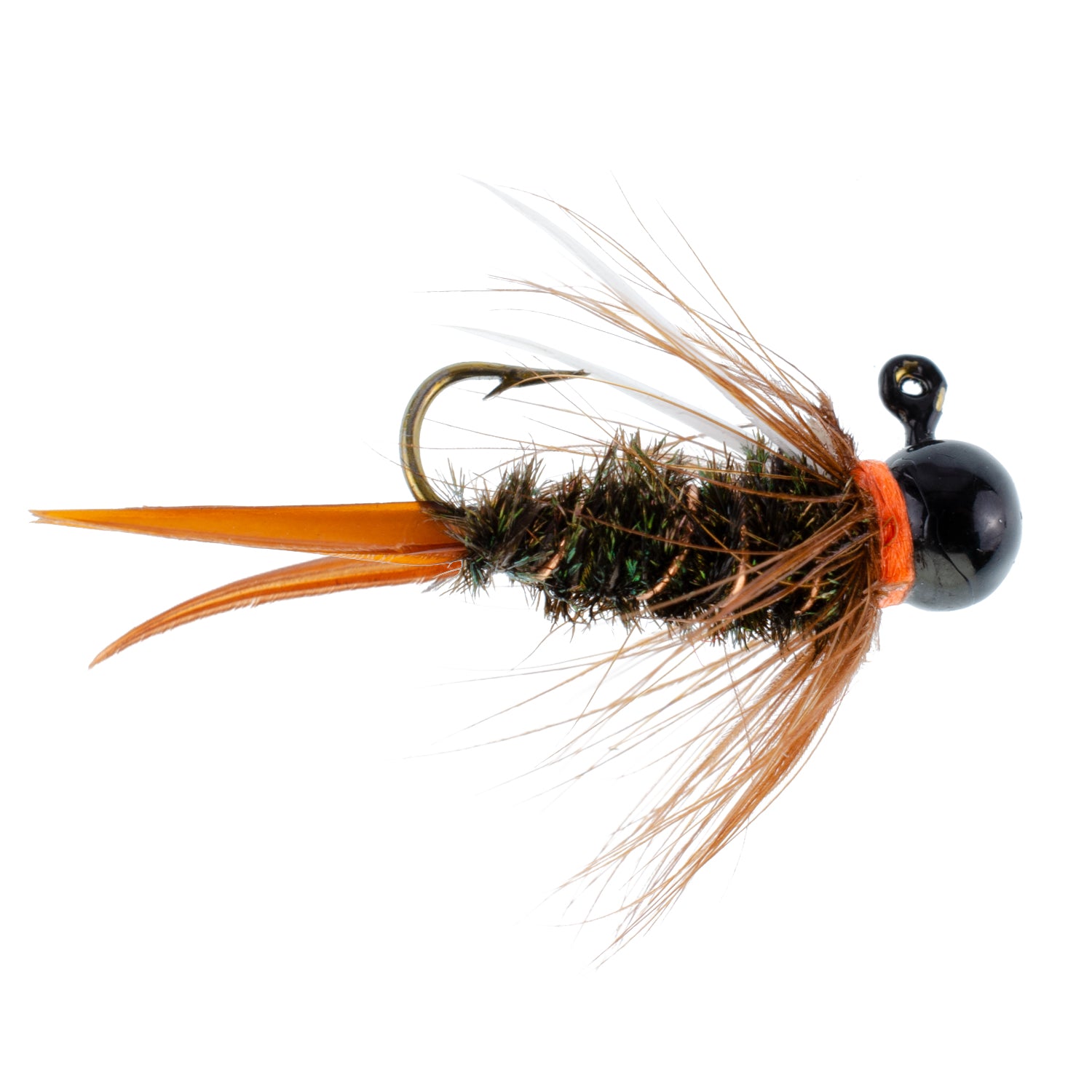
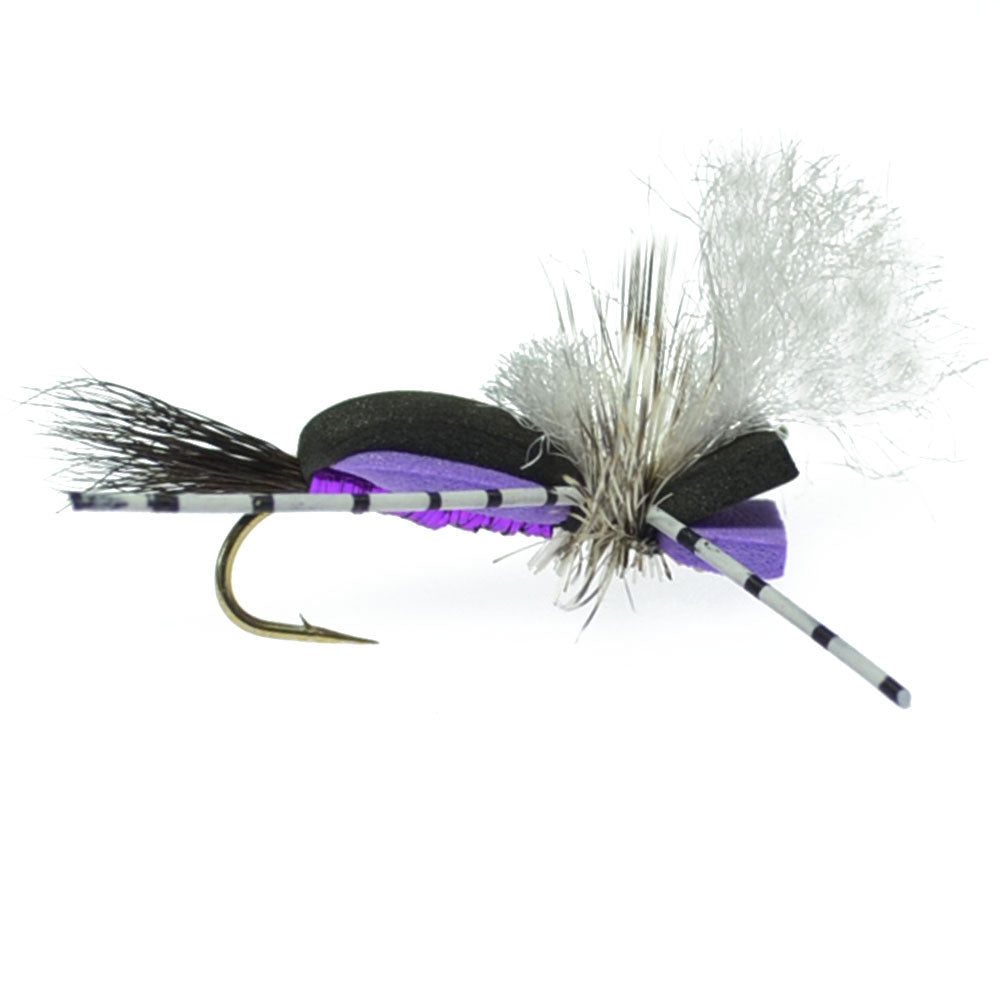
Shop by type: dry flies, nymphs, Euro nymphs, hoppers and terrestrials, streamers.
The river
The Klickitat falls through three countries on its way to Lyle. Above Glenwood the river is meadow and ponderosa, cold and small, with wild rainbows and a summer dry-fly season for those who like quiet water. From Glenwood down through the wildlife area toward the town of Klickitat the canyon road gives honest wade fishing and the full freestone calendar, from spring caddis to fall olives. Below town the gorge steepens toward the Columbia. That is steelhead and salmon water when it is open, trail and road access in pieces, and some of the finest basalt scenery in the Gorge.
The Yakama Nation land ownership through much of the lower canyon is the most important logistical consideration for any Klickitat trip. The river corridor passes through reservation land in sections of the lower canyon - fishing in these sections without a Yakama Nation permit is a serious violation. The permit requirement and access situation is clearly delineated by signage on the ground but verifying current access conditions with the Yakama Nation tribal fisheries office or a local fly shop in Goldendale or White Salmon before your trip is strongly recommended. Access to the lower canyon has varied over the years and current conditions should be confirmed directly.
When the lower river is open, hatchery steelhead come in from the Columbia in two windows: late spring into June, then again from November into winter. Midsummer and early fall, that same water is often closed to steelhead even while trout fishing continues upstream. Plan the day by the pamphlet, not by the rumor of a July peak. The upper canyon will still give you hoppers and evening caddis while you wait for a legal steelhead month.
Year at a glance - upper and middle river trout
| Month | Primary hatches | Also carry | Typical sizes |
|---|---|---|---|
| Jan | Midges | Small nymphs | Midge 18-24 |
| Feb | Midges, BWO | Small nymphs | Midge 18-24, BWO 18-22 |
| Mar | BWO, Skwala, midges | Early caddis | Skwala 8-12, BWO 16-20 |
| Apr | BWO, caddis, March brown | Skwala, stonefly nymphs | BWO 14-18, caddis 14-16 |
| May | Caddis, PMD, BWO | Stonefly nymphs, March brown | Caddis 14-16, PMD 16-18 |
| Jun | PMD, caddis, golden stone | Yellow sally, BWO | PMD 16-18, stone 6-10 |
| Jul | PMD, caddis, hoppers | Yellow sally, ants | PMD 16-18, hopper 8-12 |
| Aug | Hoppers, caddis, ants | Beetles, late PMD | Hopper 8-12, caddis 14-16 |
| Sep | BWO, hoppers, caddis | Mahogany dun, steelhead | BWO 16-20, hopper 8-12 |
| Oct | BWO, mahogany dun | October caddis, steelhead peak | BWO 16-20, caddis 8-10 |
| Nov | Midges, BWO | Small nymphs, steelhead | Midge 18-24, BWO 18-22 |
| Dec | Midges | Small nymphs | Midge 18-24 |
January - February
The upper and middle Klickitat holds fish year-round but fishes slowly through the depths of winter. Midges are the primary food source through January and BWO begin on overcast February afternoons on the middle canyon sections. The lower canyon steelhead fishery continues through winter when the season is open - check current regulations for the lower river as winter steelhead rules can differ from the fall season. The upper canyon road can be affected by snow and ice in January and February - check conditions before making the drive. Winter on the Klickitat is quiet, uncrowded, and productive for the patient angler willing to work a methodical nymph presentation through the deeper pools.
- Midges - 18-24. Two-fly rig through the deeper pools and slower runs throughout both months.
- BWO - 18-22 on overcast February afternoons on the middle canyon sections. Parachute and CDC emerger styles.
- Small nymphs on a tight-line rig through the deeper slots and tailouts.
- Lower canyon: streamers and heavy nymphs for steelhead when the season is open through winter.
March - April
March opens the dry-fly season with Skwala stoneflies on the middle canyon sections when water temperatures reach the mid-40s - typically mid-to-late March in average snowpack years. BWO strengthen through March and April. The Klickitat Skwala is less celebrated than the Yakima's but produces excellent early-season fishing with aggressive winter-conditioned rainbows responding to large dries on warm afternoons. April shifts the focus to caddis and BWO overlapping, with March brown on the broader canyon sections and evening caddis building toward the peak spring season. Monitor snowmelt on the upper drainage in April - the middle canyon clears faster than the upper sections after runoff peaks. The lower canyon steelhead season for summer-run fish typically opens in June - check current opening dates before targeting steelhead in the spring months.
- Skwala - 8-12 on warm March afternoons. Stimulator-style dry along the canyon walls; Skwala nymph subsurface all day before and after the hatch window.
- BWO - 16-20 on overcast afternoons through March and April. Parachute and CDC emerger styles.
- March brown - 12-14 on the broader middle canyon sections in April.
- April: caddis building - 14-16 evenings on the lower and middle sections.
- Stonefly nymphs 6-10 subsurface through both months.
May - June
The prime trout season opens in May with overlapping caddis and PMDs through the canyon - one of the most productive dry-fly periods on the Klickitat. PMDs hatch in the morning on the flatter sections and caddis dominate the evenings throughout the canyon. Yellow sallies in the fast pocket water from mid-May. June adds golden stones in the heavier riffles and pocket water. The first summer steelhead begin entering the lower Klickitat in June from the Columbia - typically a few early fish before the main push arrives in July and August. Monitor snowmelt timing on the upper Klickitat in May - high runoff years can affect the middle canyon sections through early June.
- PMD - 16-18 mornings through May and June. The dominant spring hatch on the middle canyon sections.
- Caddis - 14-16 afternoons and evenings through May and June. The reliable evening hatch throughout the season.
- BWO on overcast mornings through May.
- Stonefly nymphs 6-10 subsurface through May.
- June: golden stone - 6-10 in the heavier pocket water and riffles.
- Yellow sally - 14-16 in the faster pocket water through May and June.
- June lower canyon: first summer steelhead - begin swinging streamers in the lower canyon pools and runs.
July - August
Full summer dry-fly season on the upper and middle canyon - PMDs in the morning, yellow sallies in the fast water, caddis evenings, and hoppers building along the canyon walls and grass margins from mid-July through August. The Klickitat is excellent terrestrial water and the wild rainbows respond well to hoppers and ants fished tight to the undercut banks. The lower canyon summer steelhead fishery peaks through July and August - fresh fish in the dramatic lower gorge, accessible by trail and road in sections, with an uncrowded experience compared to better-known steelhead rivers in the Pacific Northwest. Verify Yakama Nation permit requirements before fishing the lower canyon steelhead sections in summer.
- July: PMD - 16-18 mornings on the upper and middle canyon sections.
- Yellow sally - 14-16 in the fast riffles and pocket water through July.
- Caddis - 14-16 evenings throughout July and August.
- Hoppers - 8-12 along the canyon walls and grass margins mid-July through August. Hopper-dropper with a small nymph is the standard rig.
- Ants and beetles midday along the banks - 14-16.
- Lower canyon summer steelhead: swing streamers through the pools and runs. Waking or skating flies in low, clear water at first and last light.
September - October
The finest mixed-fishery period on the Klickitat - trout and steelhead overlap in September and October in one of the more satisfying fall fishing experiences in south-central Washington. Hoppers continue through mid-September, BWO return strongly as nights cool, and the lower canyon steelhead fishery enters its fall peak. October BWO on the middle canyon sections are excellent with consistent afternoon hatches and an essentially empty river after Labor Day. October caddis add a large dry-fly option on the lower canyon. The combination of fall olives for trout and fresh steelhead in the gorge below makes October on the Klickitat one of the most versatile and underrated fall fishing destinations in Washington.
- Hoppers through mid-September - 8-12 along the canyon margins.
- BWO - 16-20 on overcast afternoons through September and October. The dominant fall trout hatch on the middle canyon sections.
- Mahogany dun - 14-16 on overcast afternoons in September and October.
- Caddis evenings through mid-September - 14-16.
- October caddis - 8-10 on warmer October afternoons on the lower canyon sections.
- Lower canyon steelhead peak: swing streamers through the day; skate or wake a dry at first and last light in low, clear conditions.
November - December
BWO and midges as the trout season winds into winter on the upper and middle canyon. The lower canyon steelhead season continues through fall and into winter depending on current regulations and run timing - check current WDFW rules for the lower Klickitat steelhead season closing date as it varies by year. The upper canyon road can be affected by snow and ice in November and December. The Klickitat is a spring through fall fishery at its best for resident trout - winter months are for the committed local steelhead angler who knows the lower canyon access and is prepared for variable conditions.
- BWO - 18-22 on overcast November afternoons on the middle canyon sections. Parachute and CDC emerger styles.
- Midges - 18-24 throughout both months. Two-fly rig through the deeper pools and slower runs.
- Small nymphs subsurface in the deeper slots and tailouts.
- Lower canyon: steelhead through the season closing - streamers and heavy nymphs in the deeper gorge pools.
A western dry and nymph assortment covers the core trout season - add Skwala patterns in sizes 8-12 for March, a golden stone dry and nymph for June, a strong hopper selection for July through September, and a deep BWO selection in sizes 16-20 for fall. Add streamers for the lower canyon steelhead fishery and a waking or skating dry for the summer and fall low-water opportunity. The Klickitat is Washington's most diverse canyon river - resident trout in the upper canyon, summer steelhead in the lower gorge, and a Columbia gorge setting that rewards the angler who takes the time to understand both fisheries and navigates the access requirements correctly.