Logan River Utah Hatch Chart
Northern Utah, flowing west through Logan Canyon in the Bear River Range before it reaches Cache Valley and the town of Logan. The Logan is Utah's most complete freestone trout stream: a classic canyon river with wild brown and rainbow trout, an excellent salmonfly hatch, outstanding summer hopper fishing, and strong fall BWO hatches in a limestone canyon thirty minutes from town and an easy drive from Salt Lake City on US-89. The canyon corridor is some of the finest accessible wild trout water in the state.
Check current Utah Division of Wildlife Resources regulations before you go. From Card Canyon Bridge upstream to the highway bridge at Red Banks Campground, including the tributaries between those bridges but not Tony Grove Lake: artificial flies and lures only, limit two trout and whitefish combined. From the Red Banks bridge upstream to the Idaho line, including tributaries but not White Pine Lake: closed January 1 through 6 a.m. on the second Saturday of July - after that date the two-fish combined limit applies. A Utah fishing license is required.
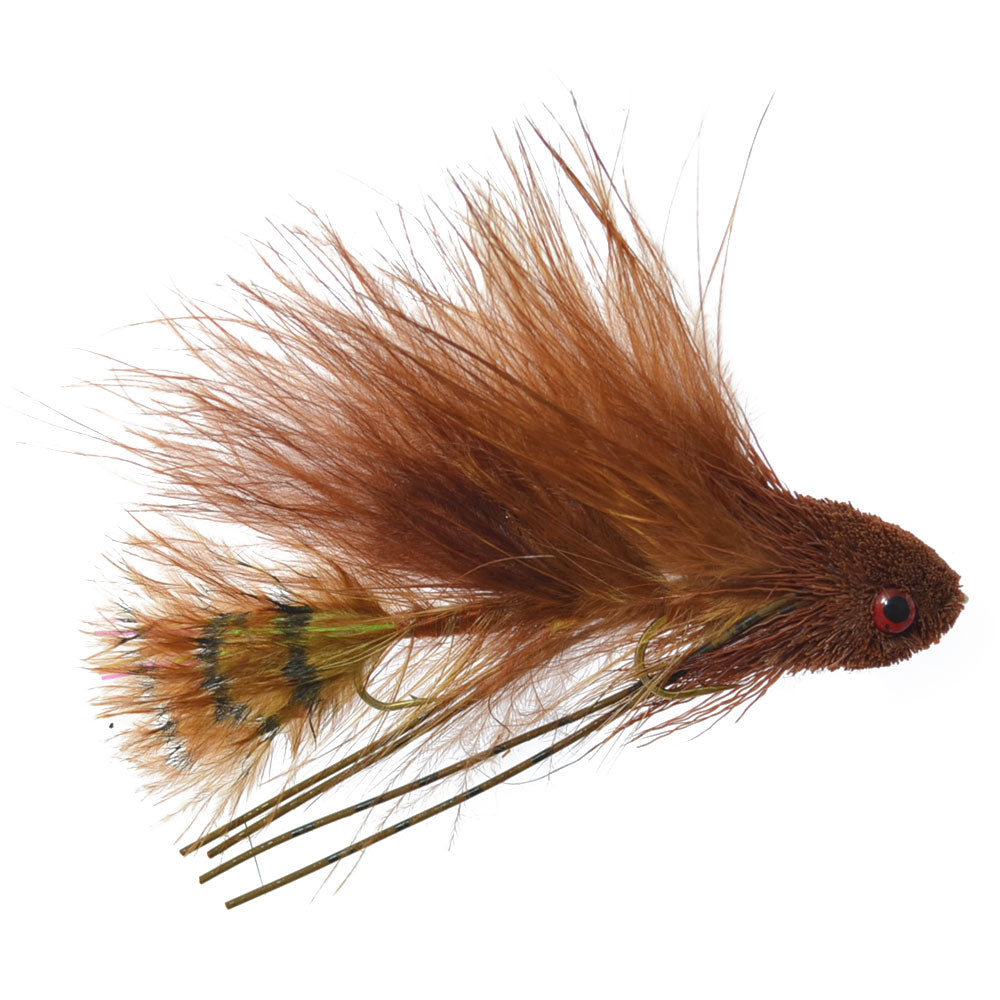
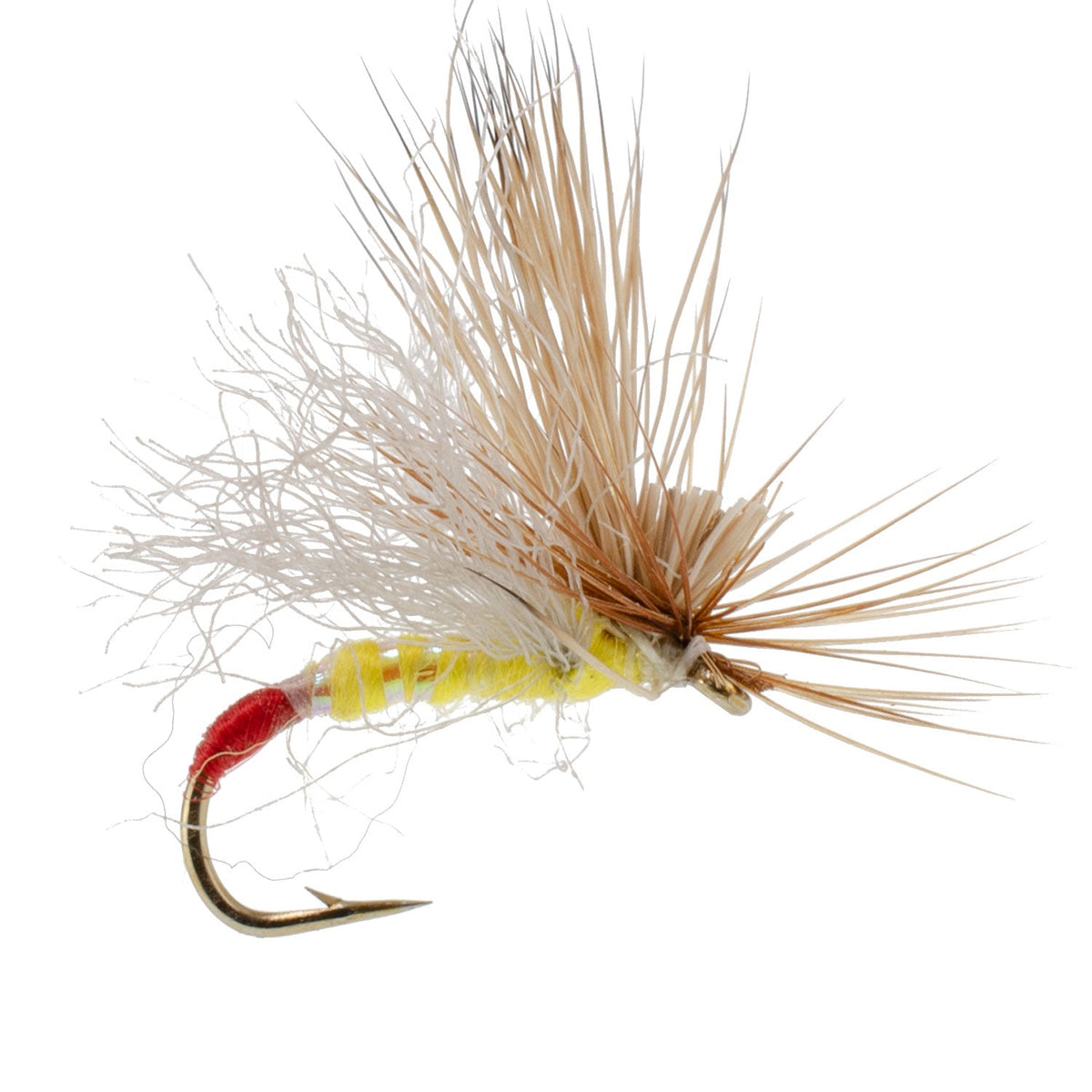
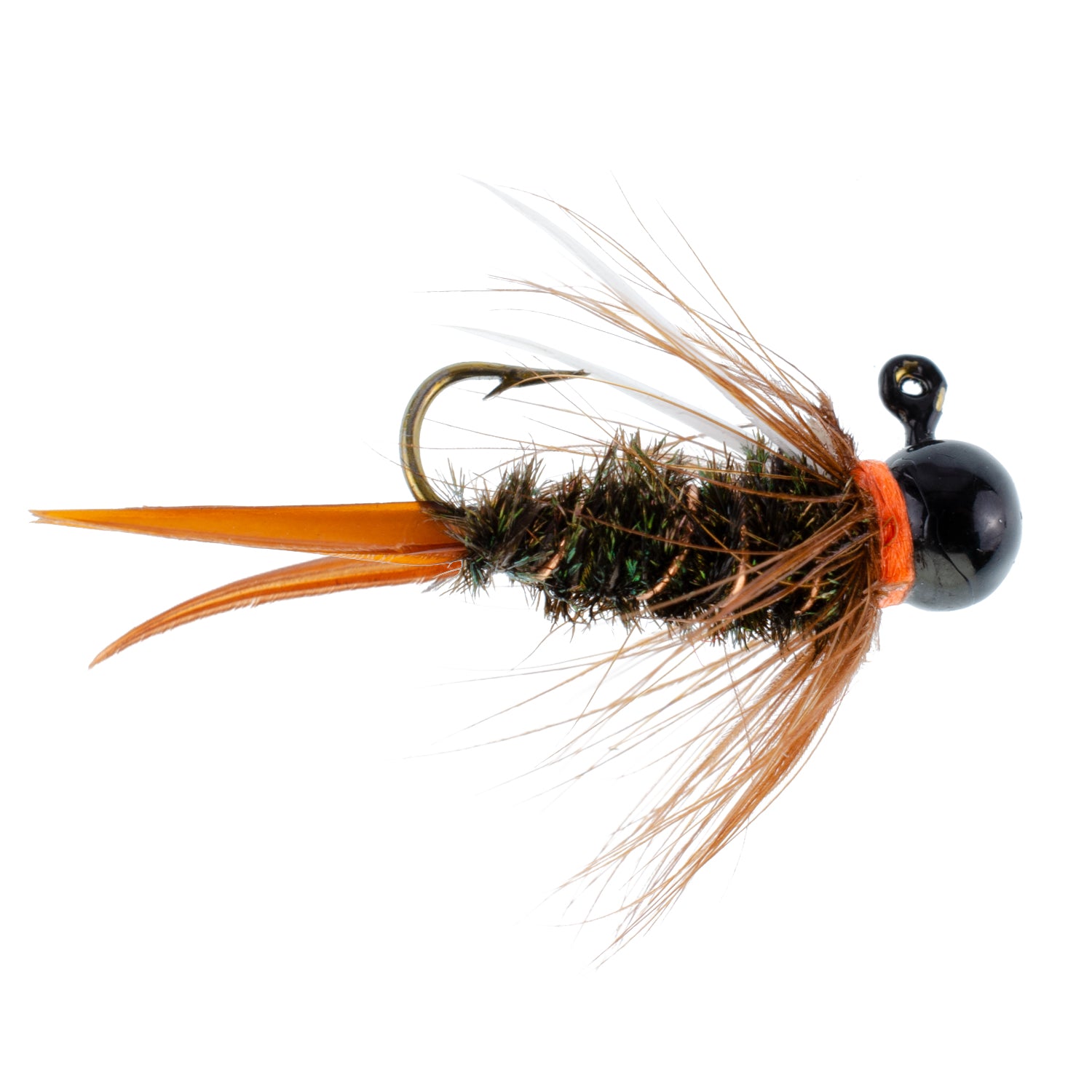
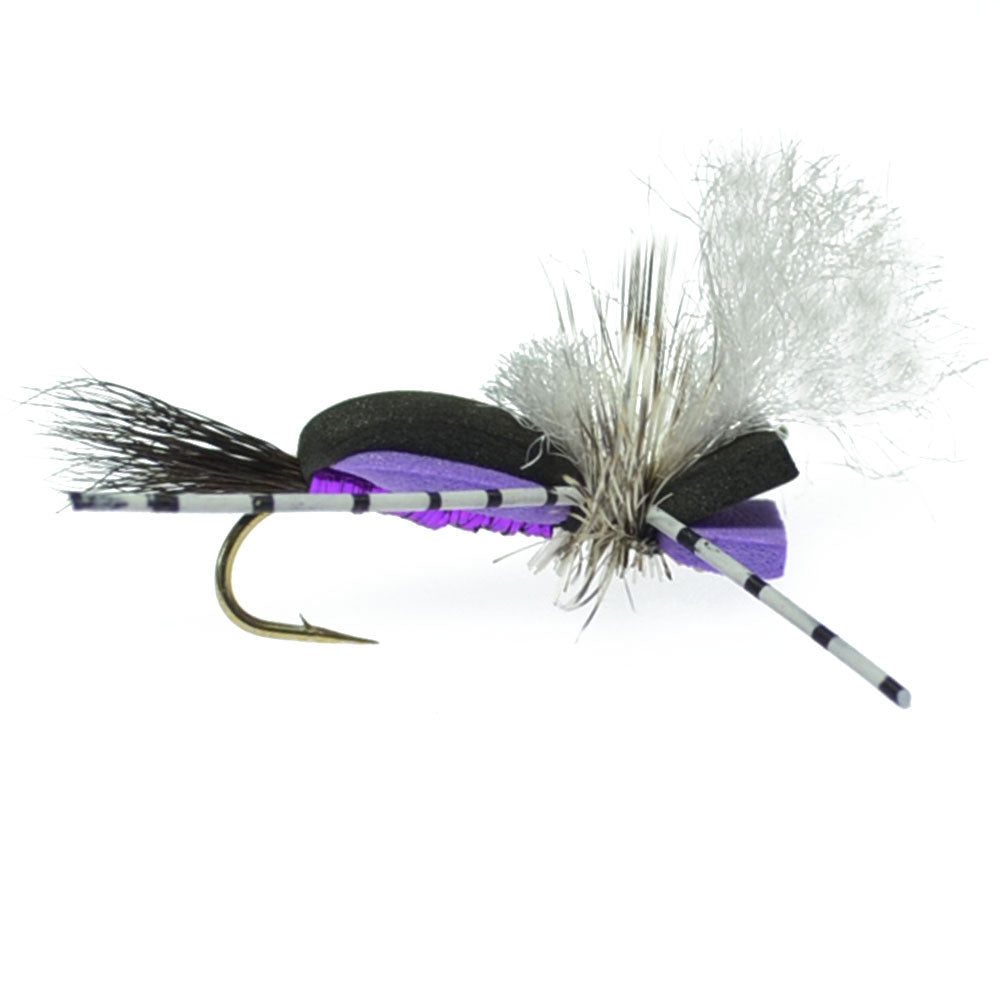
Shop by type: dry flies, nymphs, Euro nymphs, hoppers and terrestrials, streamers.
The river
The Logan River flows approximately 40 miles through Logan Canyon from its headwaters near Bear Lake to the valley floor. The canyon sections along US-89 are the primary fly fishing destination - a classic freestone river with pocket water, riffles, and pools carved through limestone canyon walls with abundant public access from the road corridor. The upper canyon above Tony Grove Road holds the highest concentrations of wild trout with the least pressure. The lower canyon sections below Ricks Spring are more accessible and receive heavier use but remain productive throughout the season.
Brown trout are the dominant species throughout the river with rainbow trout present in the upper canyon and tributary sections. The Logan is known for producing large wild browns - the limestone geology influences water chemistry in ways that support exceptional insect life and fish growth. The canyon receives consistent pressure from Cache Valley anglers and Utah State University students in Logan, but the river is productive enough to absorb the use and still deliver quality fishing for the prepared angler willing to walk away from the road pullouts.
The Logan's salmonfly hatch is one of the finest in Utah - genuinely underappreciated compared to the famous Wyoming and Montana hatches, but producing excellent dry-fly fishing in a beautiful canyon setting. The combination of salmonfly in late May and June, summer hopper fishing, and fall BWO hatches makes the Logan a true three-season destination that rewards anglers who fish it across multiple visits through the year.
Year at a glance
| Month | Primary hatches | Also carry | Typical sizes |
|---|---|---|---|
| Jan | Midges, BWO | Small nymphs, streamers | Midge 20-26, BWO 18-22 |
| Feb | Midges, BWO | Small nymphs, streamers | Midge 20-26, BWO 18-22 |
| Mar | BWO, midges | Early stonefly nymphs | BWO 16-20, midge 20-24 |
| Apr | BWO, caddis, midges | Stonefly nymphs, March brown | BWO 16-20, caddis 14-16 |
| May | Salmonfly, caddis, BWO | Golden stone, PMD start | Salmonfly 2-6, caddis 14-16 |
| Jun | Salmonfly, golden stone, PMD | Caddis, yellow sally | Salmonfly 2-6, PMD 16-18 |
| Jul | PMD, hoppers, caddis | Yellow sally, ants, golden stone | PMD 16-18, hopper 8-12 |
| Aug | Hoppers, PMD, caddis | Ants, beetles, trico | Hopper 8-12, PMD 16-18 |
| Sep | BWO, hoppers, caddis | Mahogany dun, streamers | BWO 16-20, hopper 8-12 |
| Oct | BWO, midges | Streamers, mahogany dun | BWO 16-20, midge 20-24 |
| Nov | Midges, BWO | Streamers, small nymphs | Midge 20-24, BWO 16-20 |
| Dec | Midges | Small nymphs, streamers | Midge 20-26 |
January - February
The Logan Canyon road stays open year-round and the river is fishable through winter. January and February are midge and nymph months - fish hold in the deeper pools and slower runs along the canyon floor. BWO begin on overcast afternoons in February, often producing surprising dry-fly activity in the sheltered limestone canyon. Streamers for large browns in the deeper canyon pools. The Logan in winter is cold and beautiful with almost no other anglers - the limestone canyon walls hold heat and the canyon often fishes warmer than the air temperature suggests.
- Midges - 20-26 throughout both months. Two-fly Euro rig subsurface in the deeper pools.
- BWO beginning in February - 18-22 on overcast afternoons. Parachute and CDC emerger styles.
- Streamers for large browns in the deeper canyon pools year-round.
March - April
BWO hatches strengthen through March and April - the limestone canyon produces strong early spring olive hatches that draw good fish to the surface on overcast afternoons. Caddis begin building in April and overlap with the continuing BWO activity. March brown appears on the broader lower canyon sections. Stonefly nymphs building subsurface toward the May hatch. Snowmelt from the Bear River Range begins pushing flows up by late April - fish the pre-runoff window aggressively for some of the best uncrowded dry-fly fishing of the year.
- BWO - 16-20 on overcast afternoons through March and April. Parachute and CDC emerger styles.
- Midges throughout - 20-24 subsurface.
- April: caddis - 14-16 afternoons and evenings. Stonefly nymphs subsurface building through April.
May - June: salmonfly season
The salmonfly hatch is the defining event of the Logan River calendar and one of the finest in Utah. The hatch moves up the canyon from the lower sections near Logan through the upper canyon over a 2-3 week window in late May and June - timing varies with snowpack and temperatures. Giant stonefly adults on the limestone canyon water bring the largest brown trout to the surface. Golden stones overlap with the salmonfly. PMDs begin on the flatter canyon sections by late May and build through June. The combination of salmonfly and PMD makes May and June the peak months on the Logan.
- Salmonfly - 2-6. Utah's finest salmonfly hatch. Large adult stonefly dries when the hatch is active. Stonefly nymphs below the hatch front.
- Golden stone - 6-10 in the faster riffles and pocket water through June.
- Caddis - 14-16 evenings through both months.
- Yellow sally - 14-16 in the riffles on warm June afternoons.
- Late May - June: PMD - 16-18 on the flatter canyon sections.
July - August: hopper season
Summer on the Logan is hopper season. The canyon walls and roadside margins concentrate grasshoppers and the wild browns respond aggressively - hopper fishing along the limestone canyon walls from July through August is the Logan at its most enjoyable and accessible. PMDs continue through July mornings. Caddis evenings throughout. Yellow sallies in the riffles. Ants and beetles midday. The upper canyon sections above Tony Grove Road fish best in July and August - more wild fish, less pressure, and the canyon at its most spectacular.
- Hoppers - 8-12 along the limestone canyon walls and roadside margins through both months. Hopper-dropper with a nymph dropper.
- PMD - 16-18 mornings through July on the flatter sections.
- Caddis - 14-16 evenings through both months.
- Yellow sally - 14-16 in the riffles through July.
- Ants and beetles midday through both months.
September - October
Fall is the finest season on the Logan. Labor Day marks the transition - summer crowds disappear, BWO return strongly with the cooling temperatures, and the limestone canyon is spectacular in fall color with the maples and aspens turning on the canyon walls. Hoppers continue through mid-September. Mahogany duns on overcast days. Streamers for pre-spawn browns building through October - the Logan's large wild browns become aggressive in fall and the deeper canyon pools hold the best fish of the year. October streamer and BWO fishing with the canyon in fall color and minimal pressure is the Logan at its finest.
- Hoppers through mid-September - 8-12.
- BWO - 16-20 on overcast afternoons through September and October. Parachute and CDC emerger styles. The dominant fall hatch.
- Mahogany dun - 14-16 on overcast afternoons through September and October.
- Caddis evenings through September - 14-16.
- Streamers for pre-spawn browns through October in the deeper canyon pools.
November - December
BWO and midges as the season closes. The canyon road stays open and the Logan fishes into late November with good BWO hatches and virtually no pressure. Streamers for post-spawn browns through November. December is midge and nymph fishing in the deeper winter pools - cold but accessible and genuinely productive for the Cache Valley angler willing to fish on a winter weekday.
- BWO - 16-20 on overcast November afternoons. Parachute style.
- Midges - 20-26 throughout both months. Two-fly rig subsurface.
- Streamers for large browns in the canyon pools through November.
- Small nymphs subsurface through December.
A western dry and nymph assortment covers the core season. Add a salmonfly pattern for May and June and a hopper and terrestrial box for July through September. The Logan River is Utah's finest freestone canyon trout stream - year-round fishing, an excellent salmonfly hatch, outstanding hopper season, and large wild browns in a dramatic limestone canyon 30 minutes from Logan. One of the most complete and underappreciated trout rivers in the Rocky Mountain West.