Lower Owens River California Hatch Chart
Eastern Sierra, California. The Lower Owens leaves Pleasant Valley Dam and runs the valley floor below Bishop: a high-desert tailwater of cold releases, wild browns, and rainbows, at about 4,000 feet. It is a different river from the meadow water of the Upper Owens above Crowley. Year-round access, honest fish, and less crowded than the famous creeks nearby. Bishop is the natural base.
From Pleasant Valley Dam downstream to the footbridge at the lower end of Pleasant Valley Campground, bag and gear change with the season. From that footbridge downstream to Five Bridges Road: all year, artificial lures with barbless hooks only, zero trout. Below Five Bridges the limits ease. There is no fishing in the spawning channel immediately under the dam.
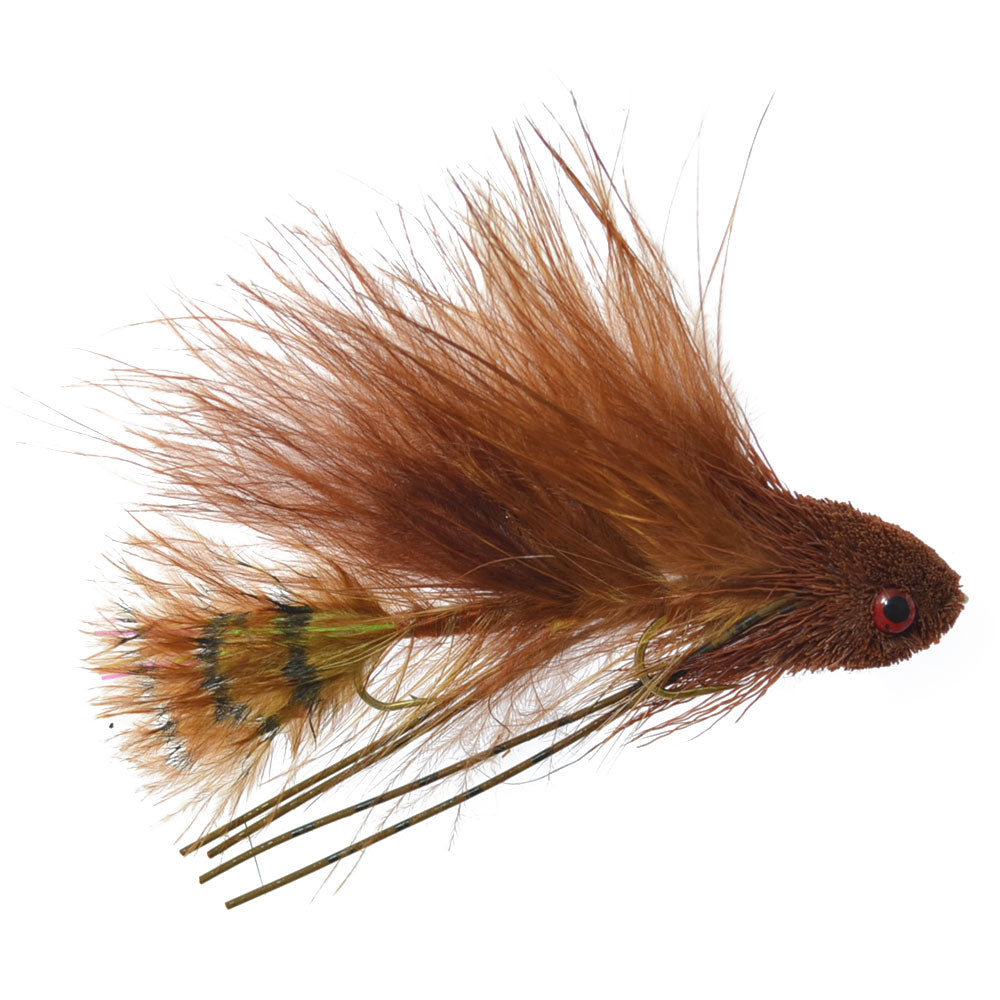
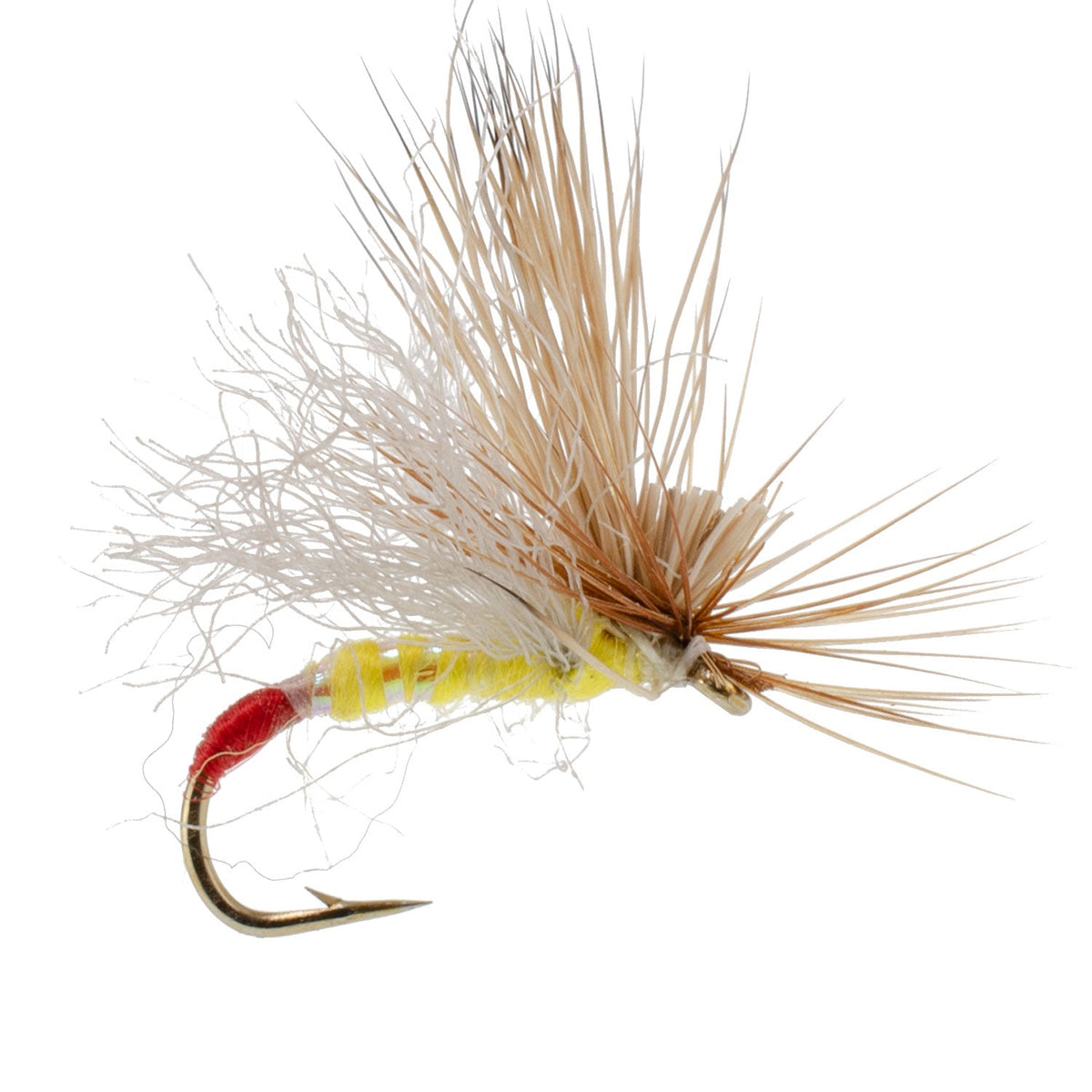
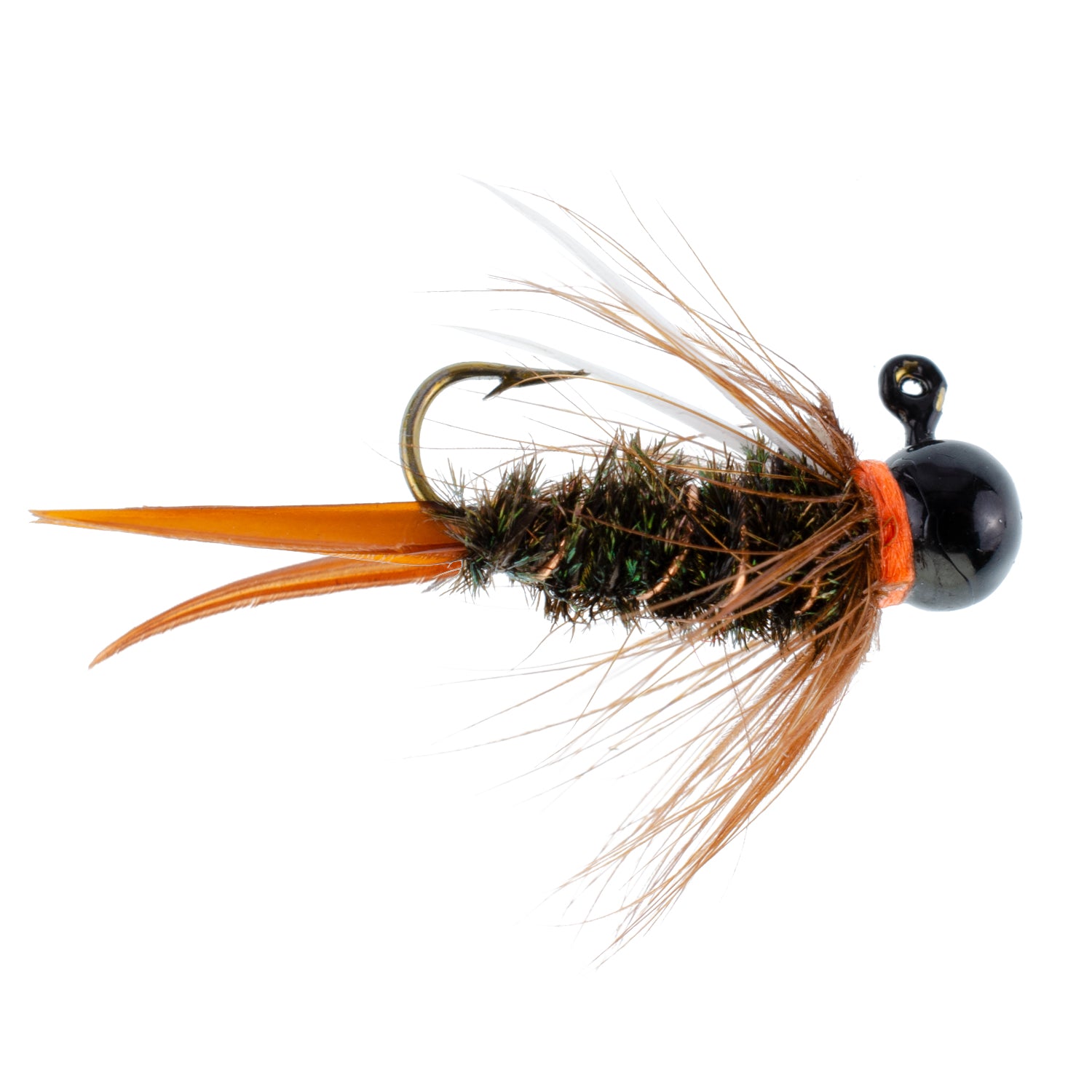
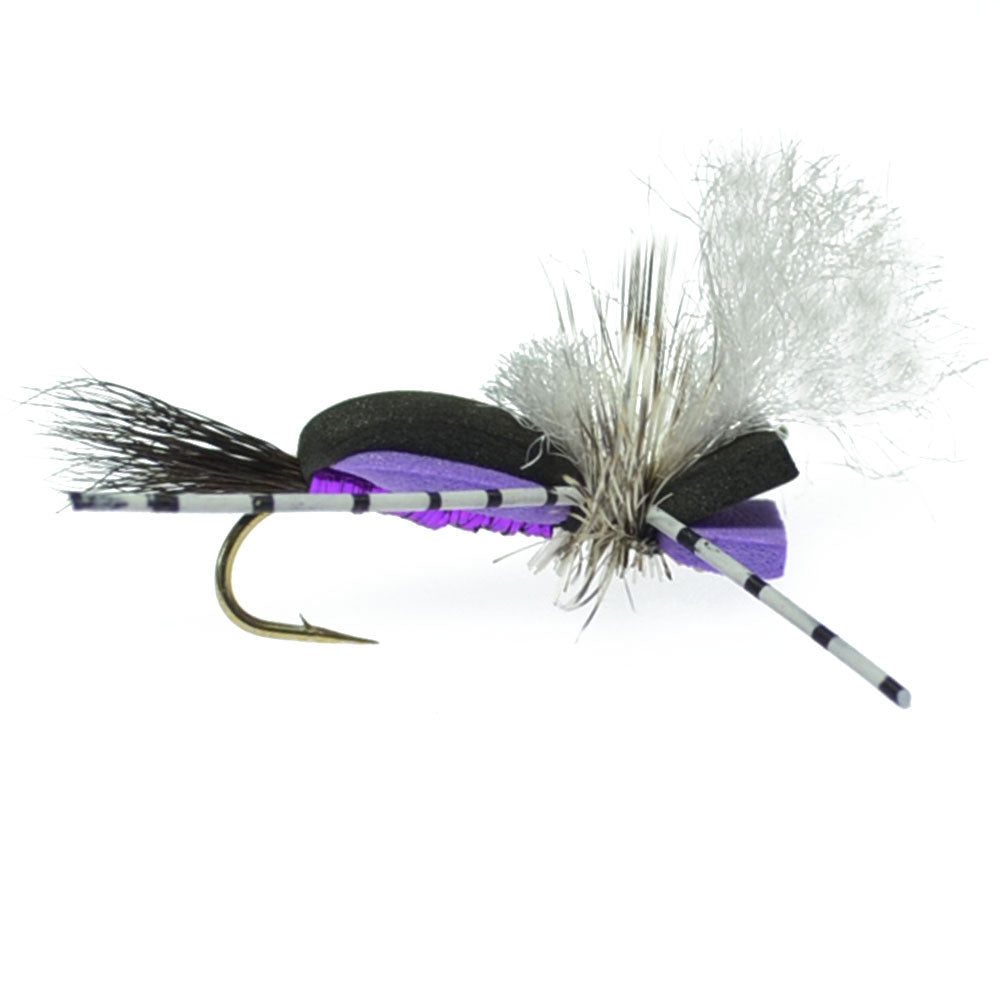
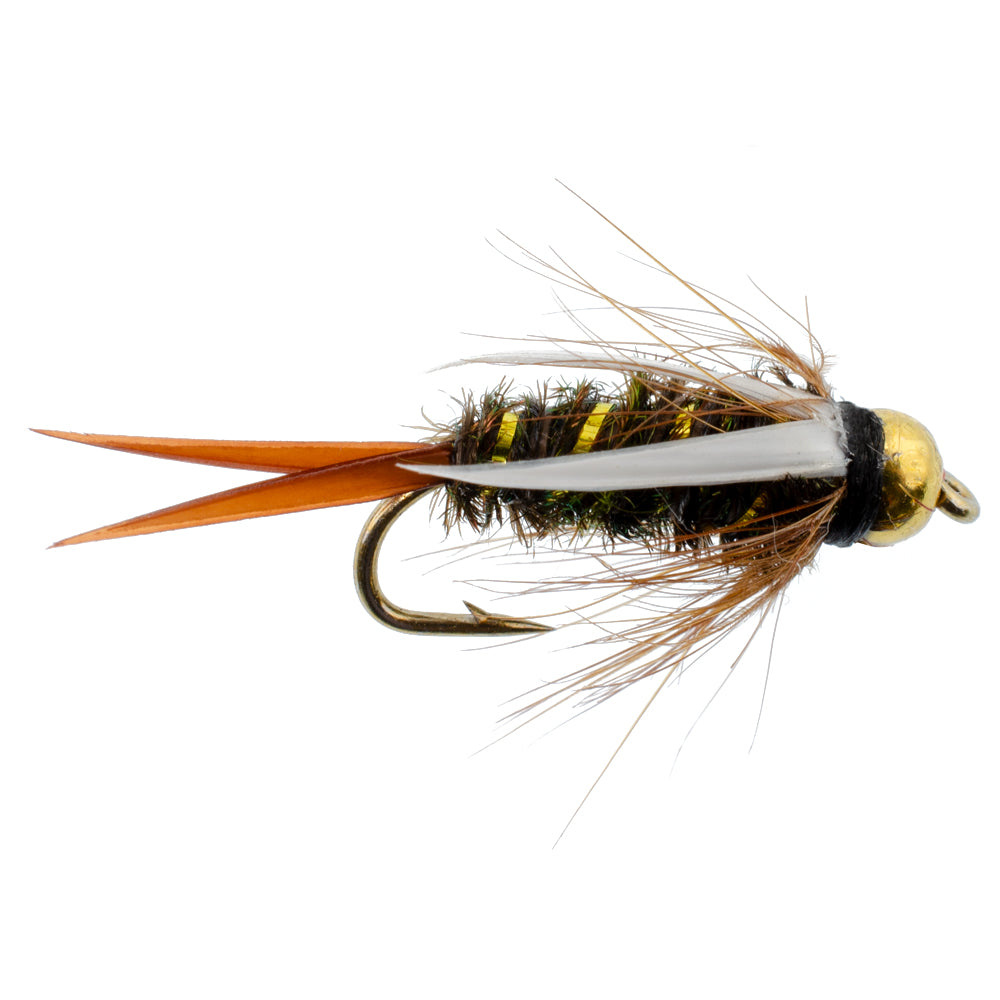
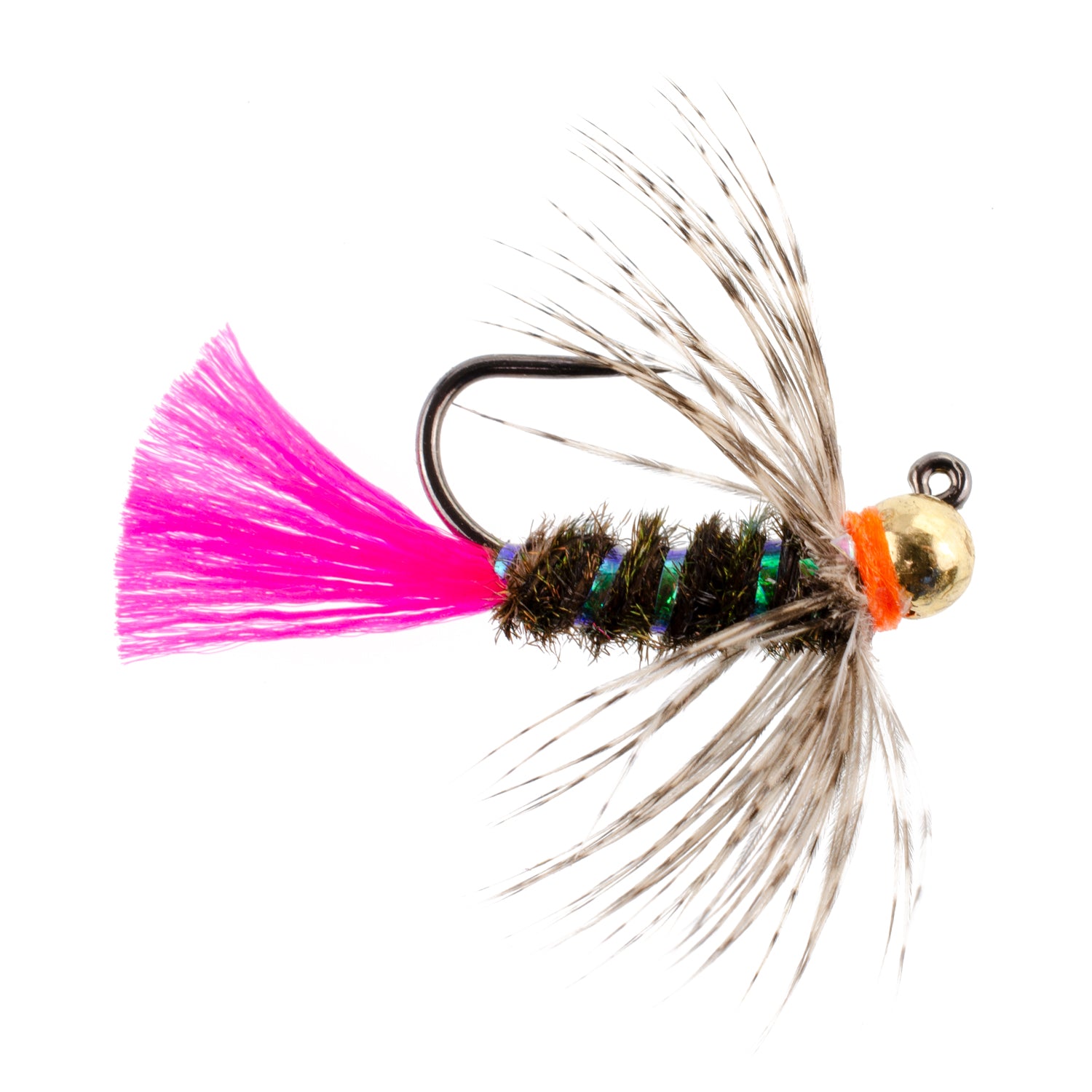
Shop by type: dry flies, nymphs, Euro nymphs, hoppers and terrestrials, streamers.
The river
The Lower Owens below Pleasant Valley Dam is a true tailwater - dam-regulated flows, cold and clear water temperatures year-round, and the consistent conditions that allow dense midge and caddis populations to thrive in a high-desert setting that would otherwise be inhospitable to quality trout habitat. The river in the Laws and Bishop area has a distinct character: wider and more open than the Upper Owens meadow sections, with gravel runs, deeper pools, and the kind of varied structure that holds fish throughout the year across multiple water types.
Brown trout are the dominant species with rainbow trout present throughout. The Lower Owens is known for producing large fish - the tailwater stability and rich midge populations support exceptional growth rates, and browns over 18 inches are caught regularly by anglers who fish the right sections at the right time. The river is less technical on average than the Upper Owens or Hot Creek - the varied water types and somewhat less selective fish make it a good option for the angler who wants quality Eastern Sierra trout fishing without the spring creek precision demands of the meadow sections upstream.
The Lower Owens is one of the most year-round accessible trout rivers in California. The Owens Valley floor is snow-free most winters and the Bishop area has full services year-round - lodging, fly shops, and outfitters that serve the Lower Owens, Upper Owens, Hot Creek, and the surrounding Eastern Sierra lakes as a unified destination. Bishop is a natural base for an Eastern Sierra fly fishing trip that covers multiple waters over several days.
The Owens River Gorge, the basalt canyon between Long Valley Dam and Pleasant Valley Reservoir, is another trip entirely: hike-in water, deep pools, and fish that see fewer flies. The gorge is worth the effort for the angler willing to hike. See also the Upper Owens River for the Mammoth Lakes area hatch chart.
Year at a glance
| Month | Primary hatches | Also carry | Typical sizes |
|---|---|---|---|
| Jan | Midges | Small nymphs, streamers | 20-26 |
| Feb | Midges, BWO | Small nymphs, streamers | Midge 20-26, BWO 18-22 |
| Mar | BWO, midges, caddis | Small nymphs | BWO 16-20, midge 20-24 |
| Apr | Caddis, BWO, midges | PMD start, small nymphs | Caddis 14-16, BWO 16-20 |
| May | Caddis, PMD, BWO | Yellow sally, midges | Caddis 14-16, PMD 16-18 |
| Jun | Caddis, PMD, pale evening dun | Yellow sally, ants | Caddis 14-16, PMD 16-18 |
| Jul | Caddis, pale evening dun, hoppers | Ants, beetles, PMD | Caddis 14-16, hopper 10-14 |
| Aug | Caddis, hoppers, pale evening dun | Ants, beetles, trico | Hopper 10-14, caddis 14-16 |
| Sep | BWO, caddis, hoppers | Mahogany dun, trico | BWO 16-20, hopper 10-14 |
| Oct | BWO, midges, caddis | Mahogany dun, streamers | BWO 16-20, midge 20-24 |
| Nov | Midges, BWO | Small nymphs, streamers | 20-26 |
| Dec | Midges | Small nymphs, streamers | 20-26 |
January - February
The Lower Owens is one of the most accessible winter trout fisheries in California. The Owens Valley floor is snow-free most winters and the tailwater keeps water temperatures consistent through the coldest months. January is midge fishing throughout - dense midge populations in the slower runs and pools with fish rising to midge clusters on calm afternoons. BWO begin on overcast afternoons in February. Streamers for large browns in the deeper pools. The Lower Owens in January with rising fish and no pressure is one of California's best-kept winter fly fishing opportunities.
- Midges - 20-26 throughout. Subsurface in the deeper pools and slower runs. Surface when fish are dimpling on midge clusters.
- BWO beginning February - 18-22 on overcast afternoons.
- Small nymphs and streamers for large browns in the deeper pools.
March - April
Spring arrives early in the Owens Valley. BWO hatches strengthen through March and the caddis season begins building - the Lower Owens caddis hatches are excellent and represent one of the river's signature patterns from March through summer. The warmer Owens Valley temperatures mean spring comes earlier here than at the Upper Owens above Crowley. PMDs begin by late April on the warmer valley sections. The spring Lower Owens with caddis and BWO overlapping is excellent fishing with minimal pressure.
- BWO - 16-20 on overcast afternoons. The early spring dry-fly anchor.
- Caddis - 14-16 afternoons and evenings. Building through March and April into the dominant summer hatch.
- Midges throughout - 20-24 subsurface and surface.
- Late April: PMD start - 16-18 on the warmer valley sections.
May - June
Prime caddis season. The Lower Owens caddis hatches in May and June are among the finest in California - dense evening hatches across the broader river sections with fish working the surface in the runs and along the gravel bar edges. PMDs build through May mornings. The pale evening dun appears in June and becomes an important pattern on the lower valley sections - a hatch that distinguishes the Lower Owens from the upper river and rewards anglers who carry pale evening dun patterns. The combination of PMD mornings, caddis evenings, and pale evening dun in June is the best multi-hatch fishing of the year.
- Caddis - 14-16 evenings. The dominant hatch May through summer. Elk hair and soft hackle emergers.
- PMD - 16-18 mornings through May and June.
- Pale evening dun - 14-16 evenings in June. An important Lower Owens pattern - carry pale yellow comparadun and soft hackle emerger styles.
- Yellow sally - 14-16 in the faster sections.
- BWO on overcast days through May.
July - August
Summer on the Lower Owens is hot in the Owens Valley but the tailwater keeps fish active and caddis hatches strong. Fish earlier and later in the day during peak summer heat - the evening caddis and pale evening dun hatches are most productive from late afternoon into dusk. Hoppers along the valley margins in smaller sizes. Ants and beetles midday. The Lower Owens in August is best fished early morning and evening with a break through the heat of the day.
- Caddis - 14-16 evenings. Reliable through the summer heat - the best surface fishing of the day in July and August.
- Pale evening dun - 14-16 evenings through July.
- Hoppers - 10-14 along the valley margins. Smaller sizes work better on the flat Lower Owens sections.
- Ants and beetles midday - 16-18.
- Trico - 20-24 early morning on the slower flat sections in August.
September - October
Fall is excellent on the Lower Owens. BWO return strongly with the cooling temperatures - the Owens Valley in September and October with good afternoon olive hatches and minimal pressure is some of the best dry-fly fishing of the year. Hoppers through mid-September. Mahogany duns on overcast days. Caddis evenings through September. Streamers for large pre-spawn browns in October in the deeper pools and runs. The Lower Owens in fall with BWO afternoons and virtually no other anglers is the river at its most enjoyable.
- Hoppers through mid-September - 10-14.
- BWO - 16-20 on overcast afternoons. The dominant fall hatch. Parachute and CDC emerger.
- Mahogany dun - 14-16 on overcast afternoons.
- Caddis evenings through September - 14-16.
- Trico - 20-24 early morning through mid-September on the slower reaches.
- October: streamers for large pre-spawn browns in the deeper pools and runs.
November - December
Year-round accessibility is the Lower Owens' defining advantage. November is excellent midge and BWO fishing with no pressure - the valley floor stays accessible long after the mountain fisheries close down. December midge fishing in the deeper tailwater pools is a genuine option for the Bishop-area angler who wants to fish through winter. The combination of year-round access, consistent tailwater flows, and proximity to Bishop services makes the Lower Owens the most reliably fishable river in the Eastern Sierra.
- BWO through mid-November on overcast afternoons - 16-20.
- Midges - 20-26 year-round. The winter anchor pattern. Subsurface and surface when fish are dimpling.
- Small nymphs and streamers for large browns in the deeper pools through winter.
A western dry and nymph assortment covers the core season - add dedicated caddis and pale evening dun patterns for the summer evening hatches and fine tippet down to 5X-6X for the flat sections. The Lower Owens River is California's most accessible year-round wild trout tailwater - outstanding fish, excellent hatches, and a Bishop base that puts multiple Eastern Sierra waters within easy reach. Pair it with the Upper Owens and Hot Creek for a complete Eastern Sierra fly fishing trip.