Methow River Washington Hatch Chart
North-central Washington, rising in the North Cascades and flowing southeast through the Methow Valley to the Columbia at Pateros. The Methow is one of Washington’s finest wild trout valleys: cold, clear water, wild rainbows and westslope cutthroat, and a dry climate in the rain shadow of the mountains. The Skwala hatch in March and April is the first great dry-fly event of the inland year. Summer brings PMDs, caddis, and hoppers through ponderosa and sage. The fishing that most visiting anglers come for lives in the valley from the Burma Road country up through Twisp, Winthrop, and Mazama, not at the closed water near the mouth.
Check current Washington Department of Fish and Wildlife regulations before you go. The Methow changes at almost every named bridge.
From the mouth to County Road 1535 (Burma Road) Bridge: closed waters.
From Burma Road to Gold Creek: Saturday before Memorial Day through September 15. Selective gear rules. Release all fish. Steelhead closed.
From Gold Creek to Foghorn Dam: Saturday before Memorial Day through September 30. Selective gear rules. Release all fish. Steelhead closed. Whitefish only from December 1 through the last day of February, under whitefish gear rules.
The Twisp, Chewuch, and Lost rivers have their own seasons and late-summer closures. Bull trout must be released. A Washington fishing license is required.
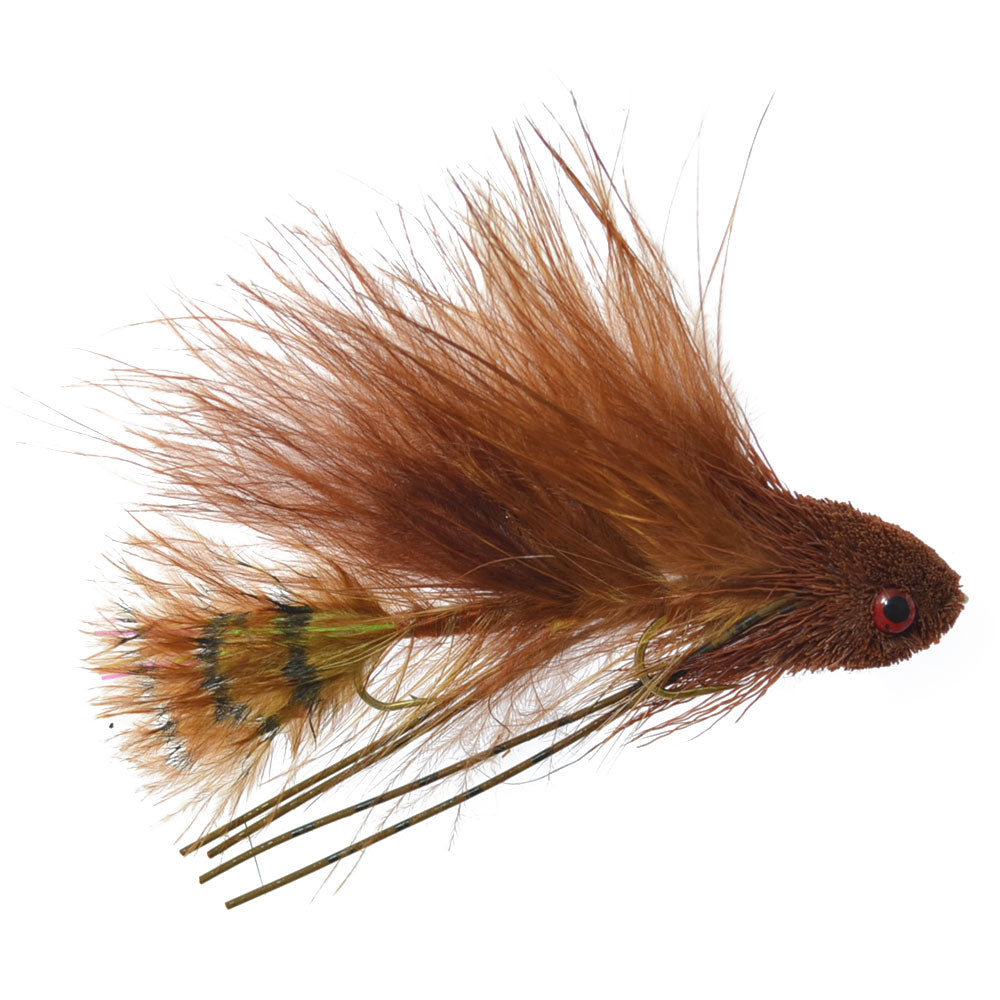
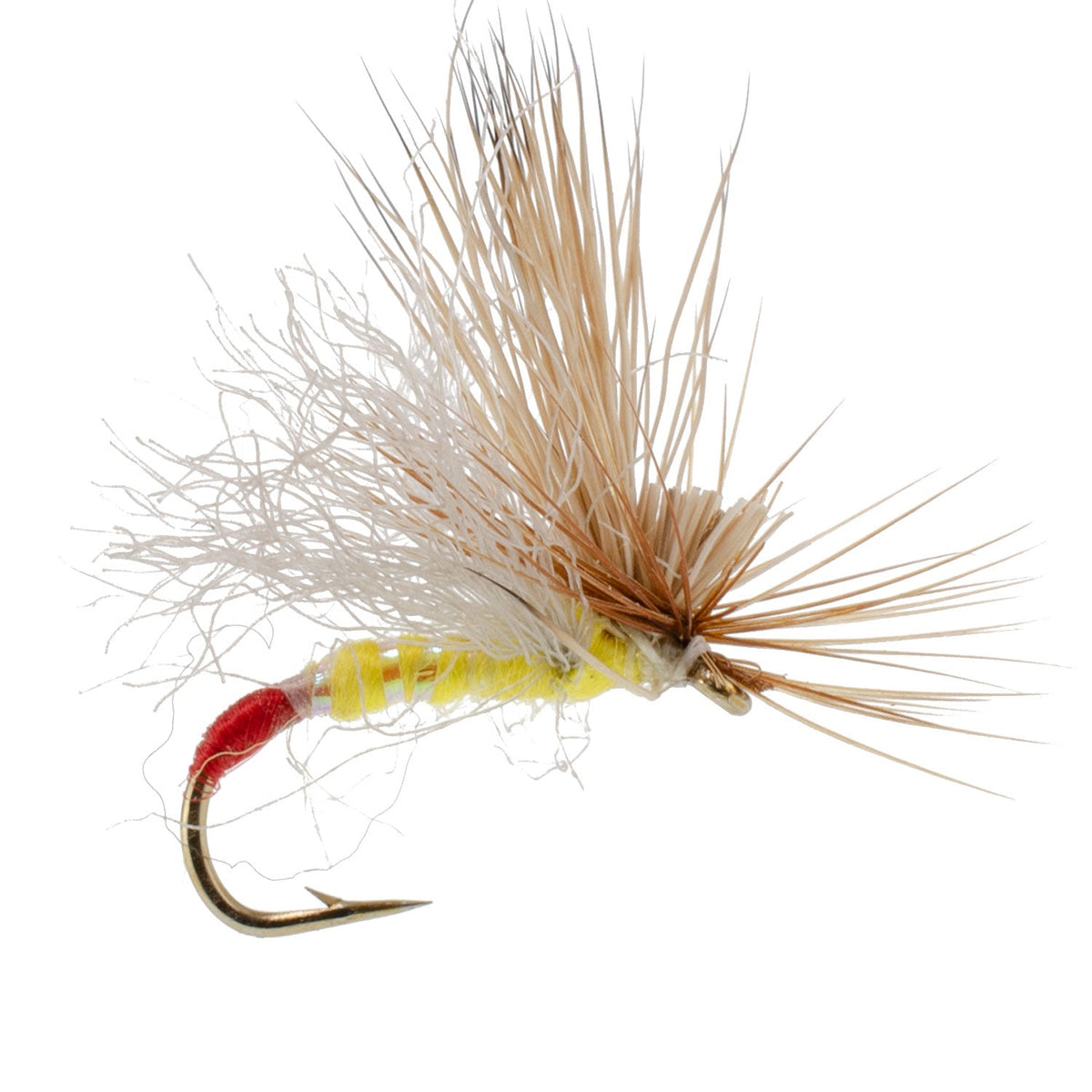
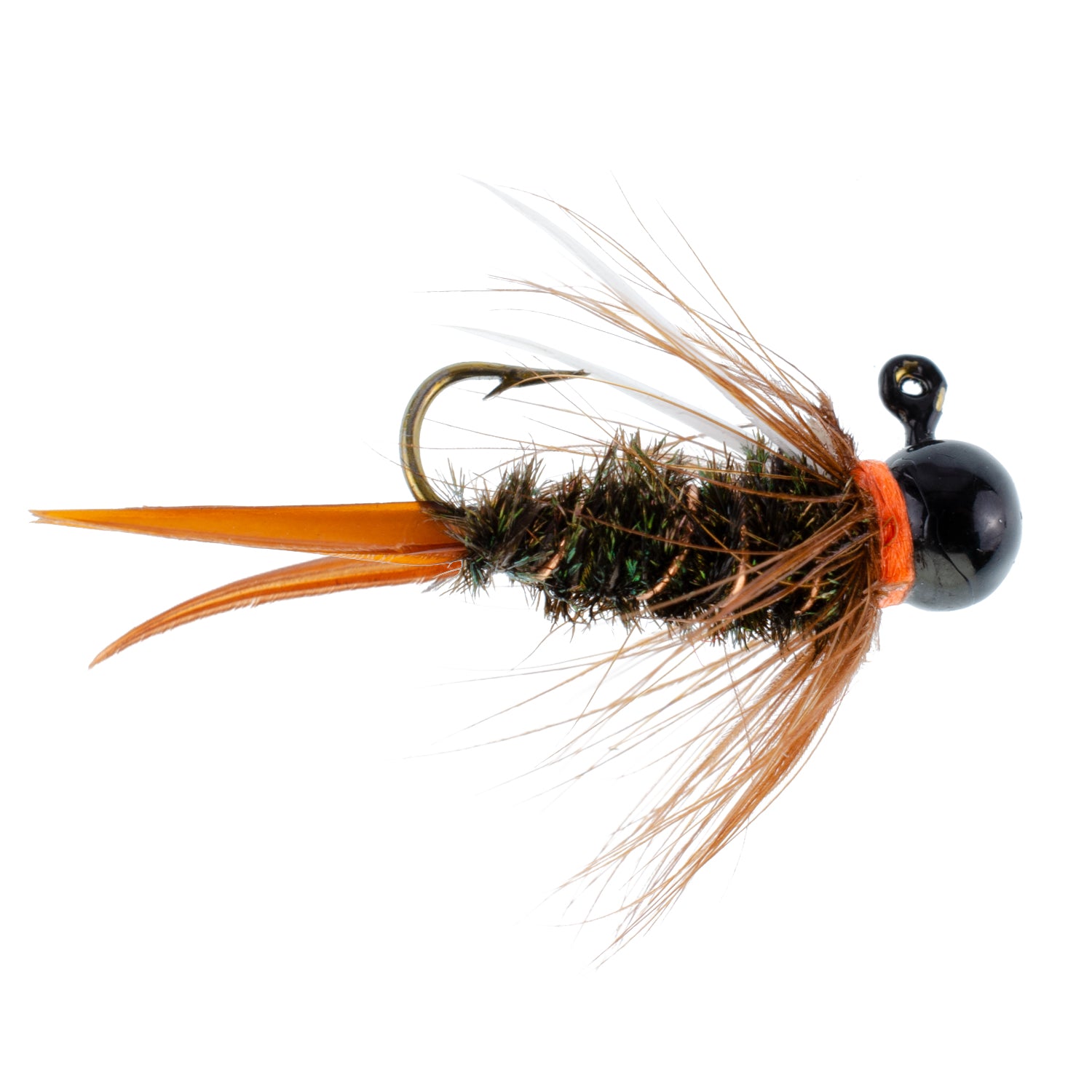
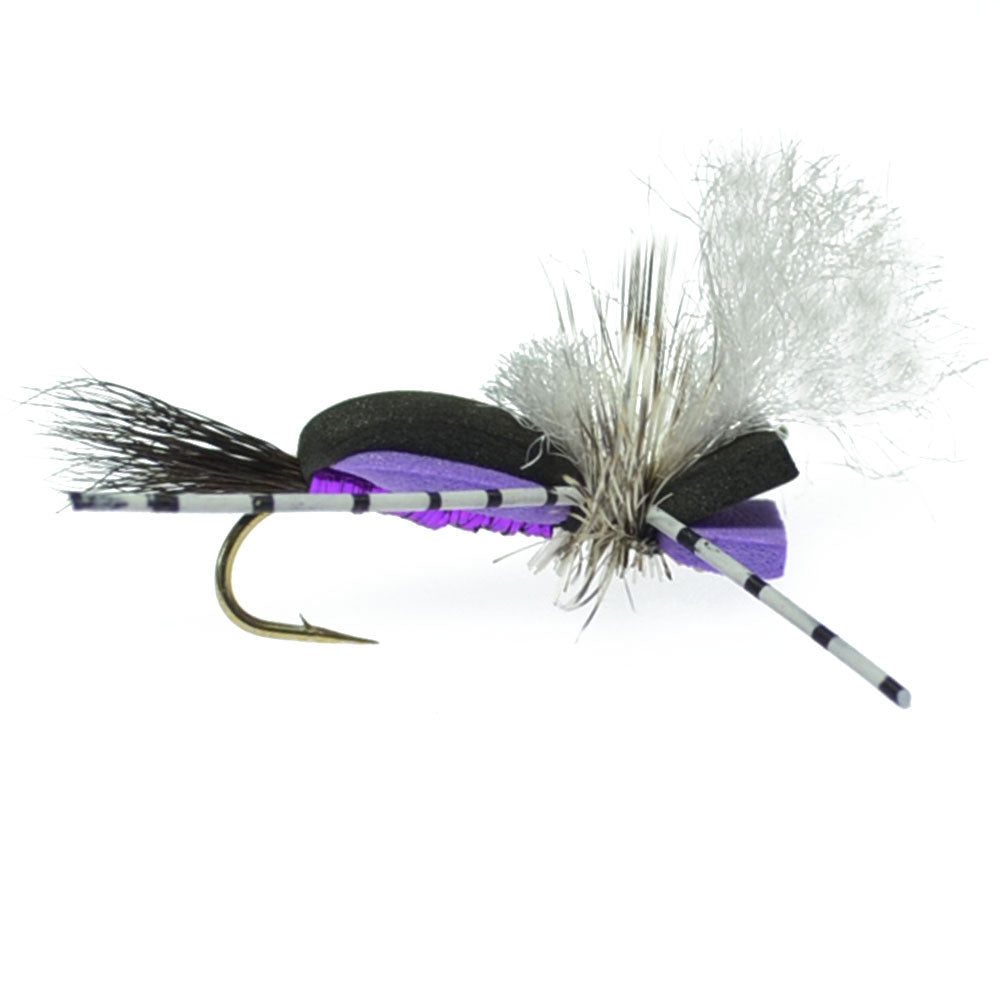
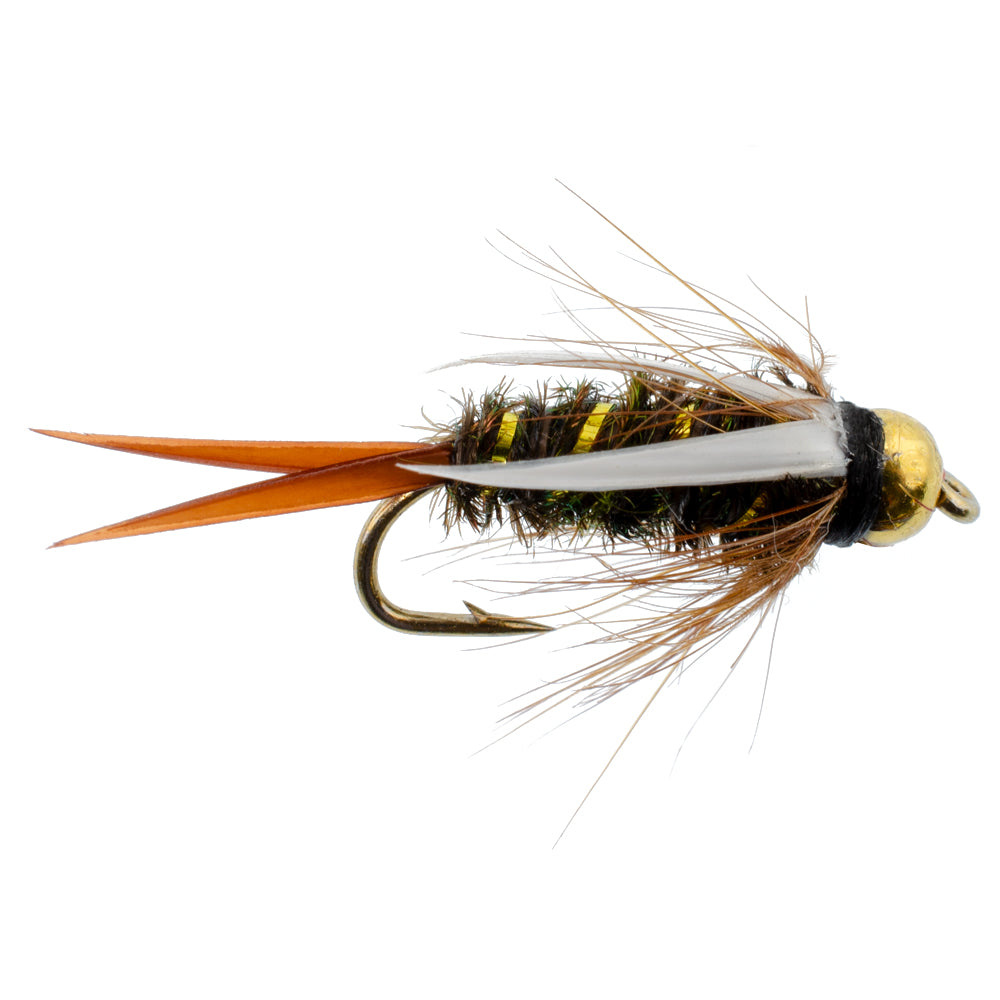
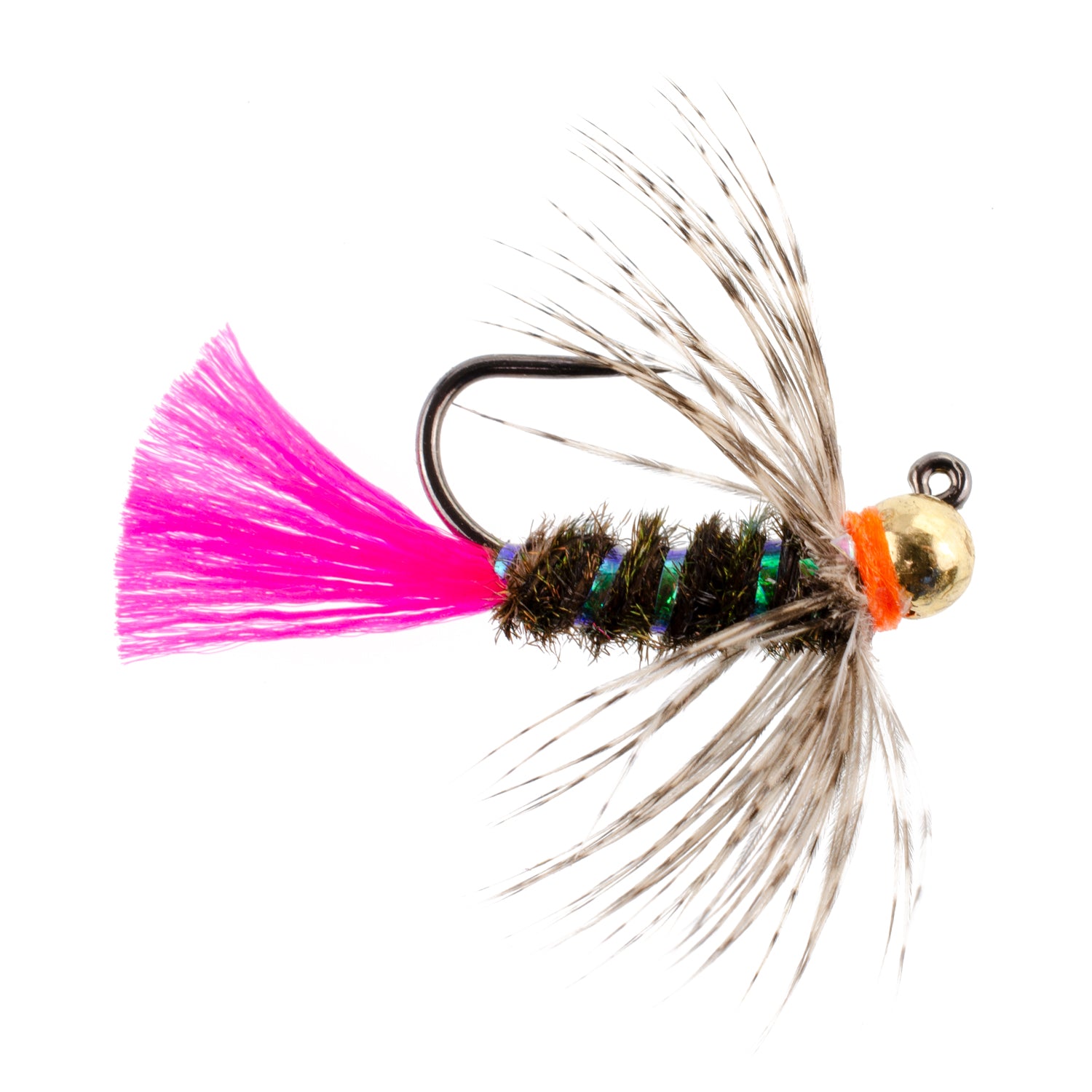
Shop by type: dry flies, nymphs, Euro nymphs, hoppers and terrestrials, streamers.
The river
The Methow Valley runs from the North Cascades toward Pateros in the rain shadow, a dry, bright country that stays fishable when the west slope is still socked in. The upper river above Twisp, through Winthrop and toward Mazama, is the finest resident trout water: ponderosa and sage, wild rainbows and cutthroat that often run 10-14 inches and come readily to a dry fly. The Twisp adds cold water and its own honest little season. Below Twisp the river grows and warms. By the time it nears Pateros the trout trip is over. That lower water is closed.
The Skwala stonefly hatch is the event that most Methow anglers plan their early season around - typically beginning in mid-to-late March on the lower main river and progressing upstream through the valley as temperatures warm. The Methow Skwala is one of the most reliable in Washington, drawing anglers from throughout the state who want the first significant dry-fly fishing of the Pacific Northwest year. The window can be narrow - two to three weeks on any given section - so monitoring water temperatures and local conditions in real time is essential for timing it correctly. Call a local Twisp or Winthrop fly shop for current hatch reports before making the drive.
Water temperature management is important on the Methow in summer - the lower river can warm to stressful levels during the hottest July and August weeks, and some tributary closures are triggered by low flow conditions. Fish early morning and evening in summer, focus on the upper river and the Twisp tributary for the coldest water, and check Washington Department of Fish and Wildlife emergency closure notifications before fishing any tributary in late summer. The Methow rewards anglers who pay attention to conditions and adjust accordingly - the upper valley in optimal conditions is outstanding dry-fly water in a mountain setting that rivals any river in Washington.
Year at a glance
| Month | Primary hatches | Also carry | Typical sizes |
|---|---|---|---|
| Jan | Midges | Small nymphs | Midge 18-24 |
| Feb | Midges, BWO | Small nymphs | Midge 18-24, BWO 18-22 |
| Mar | Skwala, BWO, midges | Early caddis | Skwala 8-12, BWO 16-20 |
| Apr | Skwala, BWO, March brown | Caddis, stonefly nymphs | Skwala 8-12, BWO 14-18 |
| May | Caddis, PMD, BWO | March brown, stonefly nymphs | Caddis 14-16, PMD 16-18 |
| Jun | PMD, caddis, golden stone | Yellow sally, BWO | PMD 16-18, stone 6-10 |
| Jul | PMD, caddis, hoppers | Yellow sally, ants | PMD 16-18, hopper 8-12 |
| Aug | Hoppers, caddis, ants | Beetles, late PMD, trico | Hopper 8-12, caddis 14-16 |
| Sep | BWO, hoppers, caddis | Mahogany dun, ants | BWO 16-20, hopper 8-12 |
| Oct | BWO, mahogany dun | October caddis, midges | BWO 16-20, caddis 8-10 |
| Nov | Midges, BWO | Small nymphs | Midge 18-24, BWO 18-22 |
| Dec | Midges | Small nymphs | Midge 18-24 |
January - February
The Methow holds fish year-round but fishes slowly through the depths of winter. Midges are the primary food source through January and BWO begin appearing on overcast February afternoons - the spring creek character of the spring-fed sections keeps water temperatures more stable than a purely snowmelt freestone river, and fish remain active in the deeper pools and runs through the coldest months. Access to the upper valley is generally good year-round as Highway 20 through the Methow Valley remains open. January and February on the Methow are quiet, uncrowded, and productive for the angler willing to work a slow, methodical nymph presentation through the deeper slots.
- Midges - 18-24. Two-fly rig through the deeper pools and slower runs subsurface throughout both months.
- BWO - 18-22 on overcast February afternoons. Parachute and CDC emerger styles on the slower sections.
- Small nymphs on a tight-line rig through the deeper slots and tailouts.
March - April
March is the month most Methow anglers plan their first trip of the year around - the Skwala stonefly hatch arrives on the lower main river in mid-to-late March when water temperatures climb into the mid-40s and is one of the strongest and most reliable Skwala hatches in Washington. Aggressive winter-conditioned rainbows and cutthroat that have seen no dry flies for months respond to large stonefly dries on warm afternoons with an enthusiasm that makes the Skwala window some of the most exciting early-season dry-fly fishing in the Pacific Northwest. Monitor conditions closely - the hatch window on any given section is typically two to three weeks. BWO strengthen through March and April on overcast days. April extends the Skwala into the upper valley, adds March brown on the broader sections, and sees caddis beginning to build in the evenings.
- Skwala - 8-12. The signature Methow early-season hatch. Stimulator-style or rubber-leg stonefly dry on warm afternoons; Skwala nymph subsurface all day before and after the hatch window.
- BWO - 16-20 on overcast afternoons through March and April. Parachute and CDC emerger styles.
- March brown - 12-14 on the broader main river sections in April.
- April: caddis building - 14-16 evenings on the lower main river.
- Stonefly nymphs 6-10 subsurface through both months.
May - June
Caddis and PMDs overlap through May and June in one of the most productive dry-fly periods of the year on the Methow. The valley greens up through May and the upper river and Twisp tributary fish beautifully with full hatch activity, good water temperatures, and manageable crowds before the summer tourist season arrives. PMDs hatch in the morning, caddis in the evenings, and BWO on overcast days. June adds golden stones in the faster riffles and heavier water - the Methow golden stone hatch is not as dramatic as the Skwala but produces good fish activity in the upper canyon sections. Yellow sallies in the pocket water. Monitor snowmelt timing on the upper river in May - high runoff years can push the best PMD fishing into late May or early June.
- PMD - 16-18 mornings through May and June. The dominant spring hatch on the upper river and Twisp tributary.
- Caddis - 14-16 afternoons and evenings through May and June. The reliable evening constant on both sections.
- BWO on overcast mornings through May.
- Stonefly nymphs 6-10 subsurface through May.
- June: golden stone - 6-10 in the faster riffles and canyon sections.
- Yellow sally - 14-16 in the pocket water and riffle edges in June.
July - August
The full summer dry-fly season through July and August - PMDs in the morning, yellow sallies in the fast water, caddis in the evenings, and hoppers building along the ponderosa margins and sage flats from mid-July through August. The Methow is excellent terrestrial water and the wild rainbows and cutthroat of the upper valley respond aggressively to well-placed hoppers and ants along the banks. Fish the upper river and Twisp tributary for the coolest water and most active fish through the summer - the lower main river toward Pateros warms significantly in July and August and is best avoided during midday heat. Fish early morning and evening in August and monitor water temperatures closely. Check for emergency tributary closures before fishing the Twisp, Chewuch, or Lost rivers in late summer.
- July: PMD - 16-18 mornings on the upper river and Twisp tributary.
- Yellow sally - 14-16 in the fast riffles and pocket water through July.
- Caddis - 14-16 evenings throughout July and August.
- Hoppers - 8-12 along the ponderosa margins and sage banks mid-July through August. Hopper-dropper with a small nymph is the standard rig.
- Ants and beetles midday along the banks - 14-16.
- August: trico - 20-24 early morning on the flatter upper sections.
September - October
September is one of the finest months on the Methow - crowds thin after Labor Day, BWO return strongly with the cooling temperatures, hoppers continue through mid-month, and the upper valley in September with turning larch and ponderosa is one of the most beautiful river settings in Washington. The fall BWO fishing strengthens through October with consistent afternoon hatches and selective but catchable fish on an essentially empty river. Mahogany duns add a second afternoon option on overcast days. October caddis appear on the lower sections. The Methow in October with fall BWO fishing and almost no other anglers is one of the most underrated late-season fisheries in Washington state.
- Hoppers through mid-September - 8-12 along the upper river and valley margins.
- BWO - 16-20 on overcast afternoons through September and October. The dominant fall hatch. Parachute and CDC emerger styles.
- Mahogany dun - 14-16 on overcast afternoons in September and October.
- Caddis evenings through mid-September - 14-16.
- October caddis - 8-10 on warmer October afternoons on the lower main river.
- Streamers at last light through September and October for larger fish.
November - December
Midges and BWO as the season winds into winter. The Methow Valley is accessible year-round via Highway 20 from the east - the North Cascades Highway closes over Washington Pass in winter but the valley itself remains open from the Pateros side. November can produce excellent BWO fishing on overcast afternoons with almost no other anglers on the water. December returns to the midge and nymph program on the deeper pools and slower runs of the upper valley.
- BWO - 18-22 on overcast November afternoons. Parachute and CDC emerger styles.
- Midges - 18-24 throughout both months. Two-fly rig through the deeper pools and slower tailouts.
- Small nymphs on a tight-line rig through the deeper slots.
A western dry and nymph assortment covers the core season - add Skwala patterns in sizes 8-12 for March and April, a golden stone dry and nymph for June, a strong hopper selection for July through September, and a deep BWO selection in sizes 16-20 for the fall season. The Methow River is one of Washington's finest wild trout destinations - a mountain valley river with native fish, spectacular Cascades scenery, and a hatch calendar that produces excellent dry-fly fishing from the first Skwala of March through the last BWO of October.