Metolius River Oregon Hatch Chart
Central Oregon, in the east-side Cascade foothills near Camp Sherman and Sisters. The Metolius is one of the most distinctive trout rivers in the Pacific Northwest: a large spring creek that comes out of the ground at the base of Black Butte, runs north through ponderosa forest, then turns east into Lake Billy Chinook. Source water sits near 48 degrees year-round. There is no real runoff pulse, no summer bake, and no winter freeze on the main stem. What you get is cold, clear spring water and selective wild fish.
Check current ODFW regulations before you go. On the Metolius River, all trout are catch-and-release, including bull trout, redbands, browns, and brook trout. Release bulls immediately and keep them in the water.
From the cable car crossing near the mouth upstream to Bridge 99 (Lower Bridge): open all year, artificial flies and lures only.
From Bridge 99 to Allingham Campground Bridge: open all year, fly fishing only, barbless hooks required.
Above Allingham Campground Bridge, including the Camp Sherman water: open May 22 through October 31, fly fishing only, barbless hooks required.
Tributaries are closed except Lake Creek. This is walk-and-wade water. Read ODFW’s definition of fly fishing before you go. An Oregon fishing license is required.
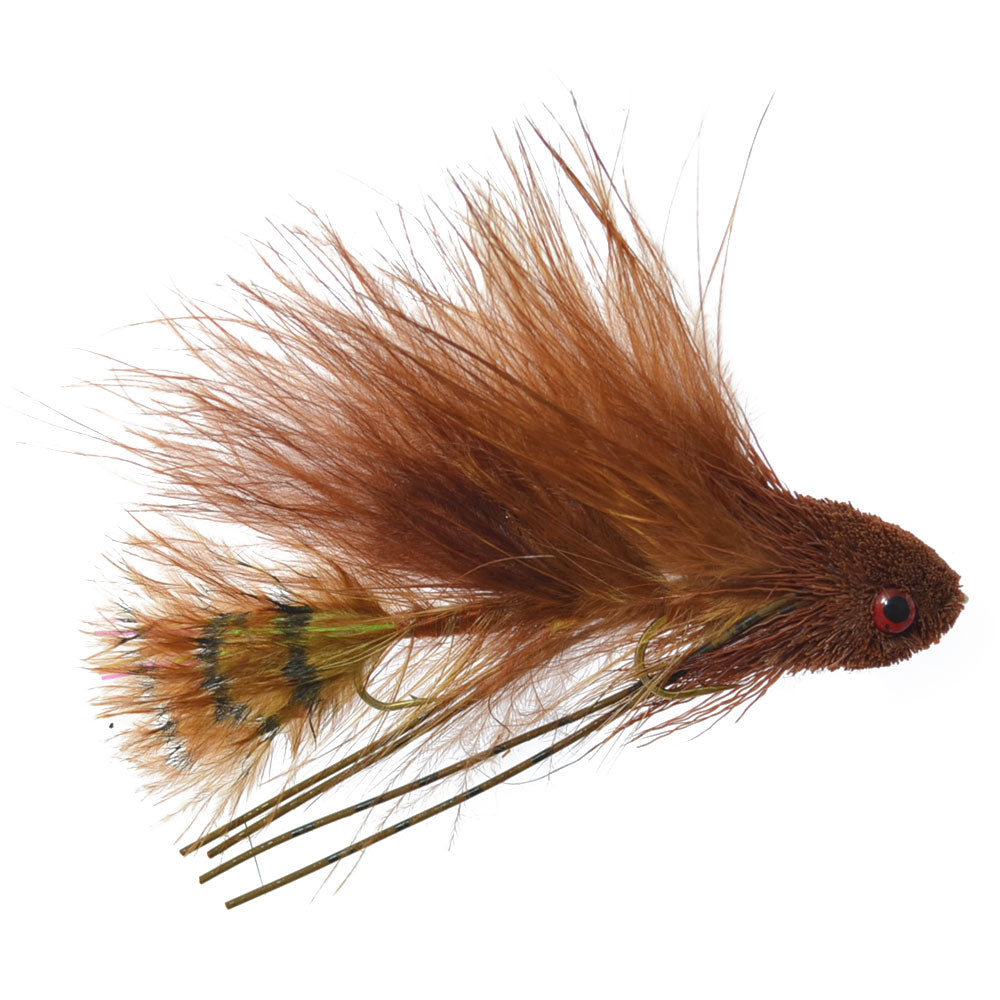
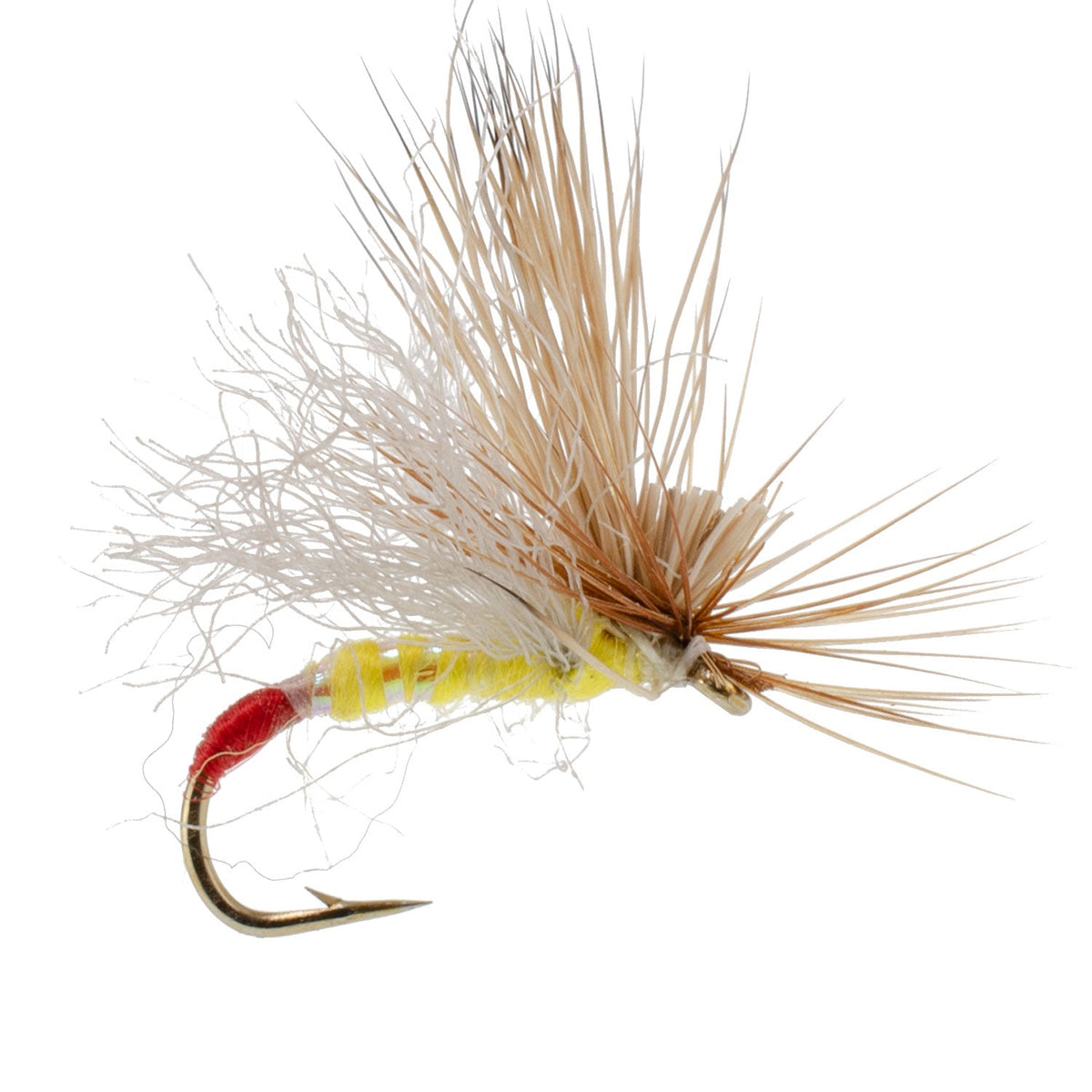
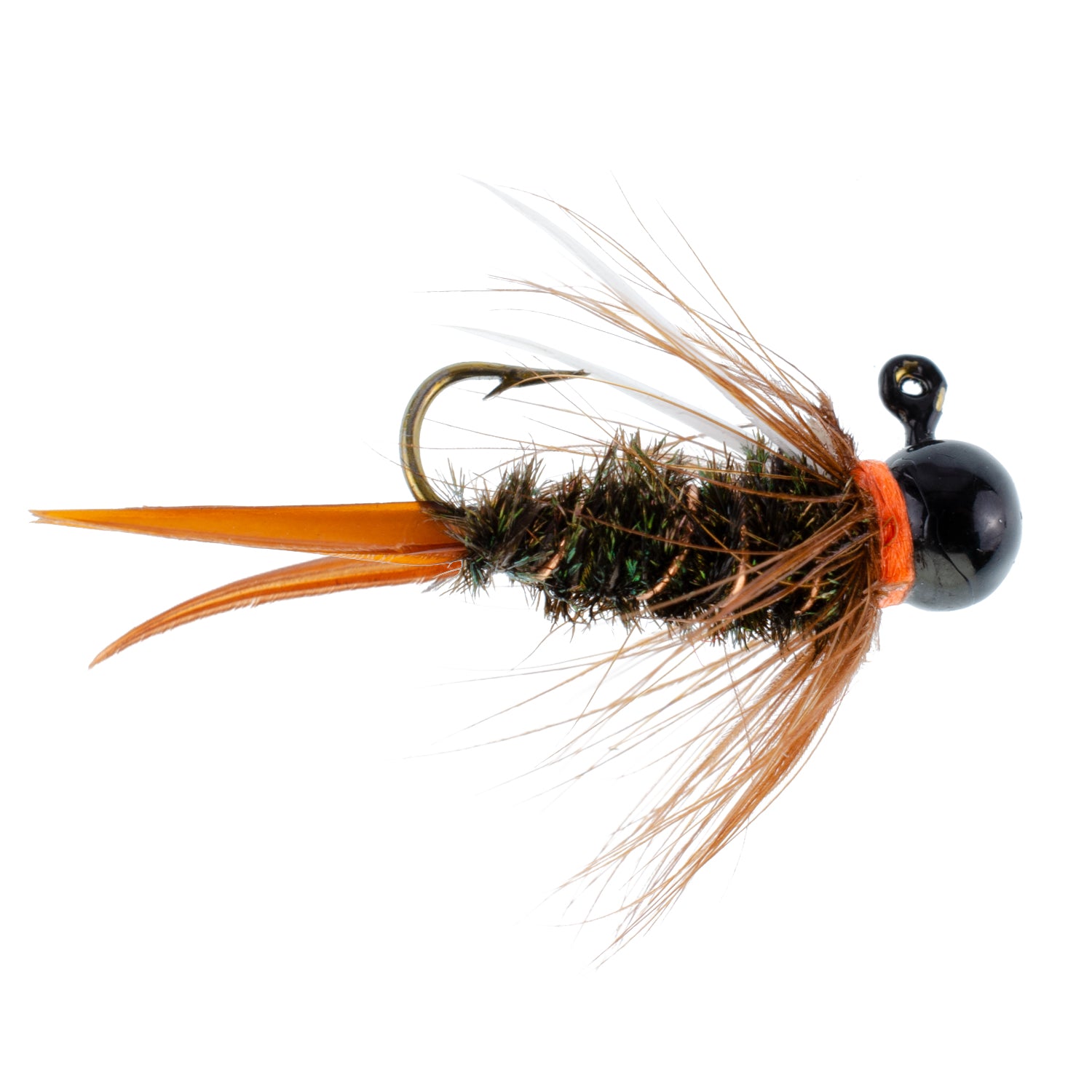
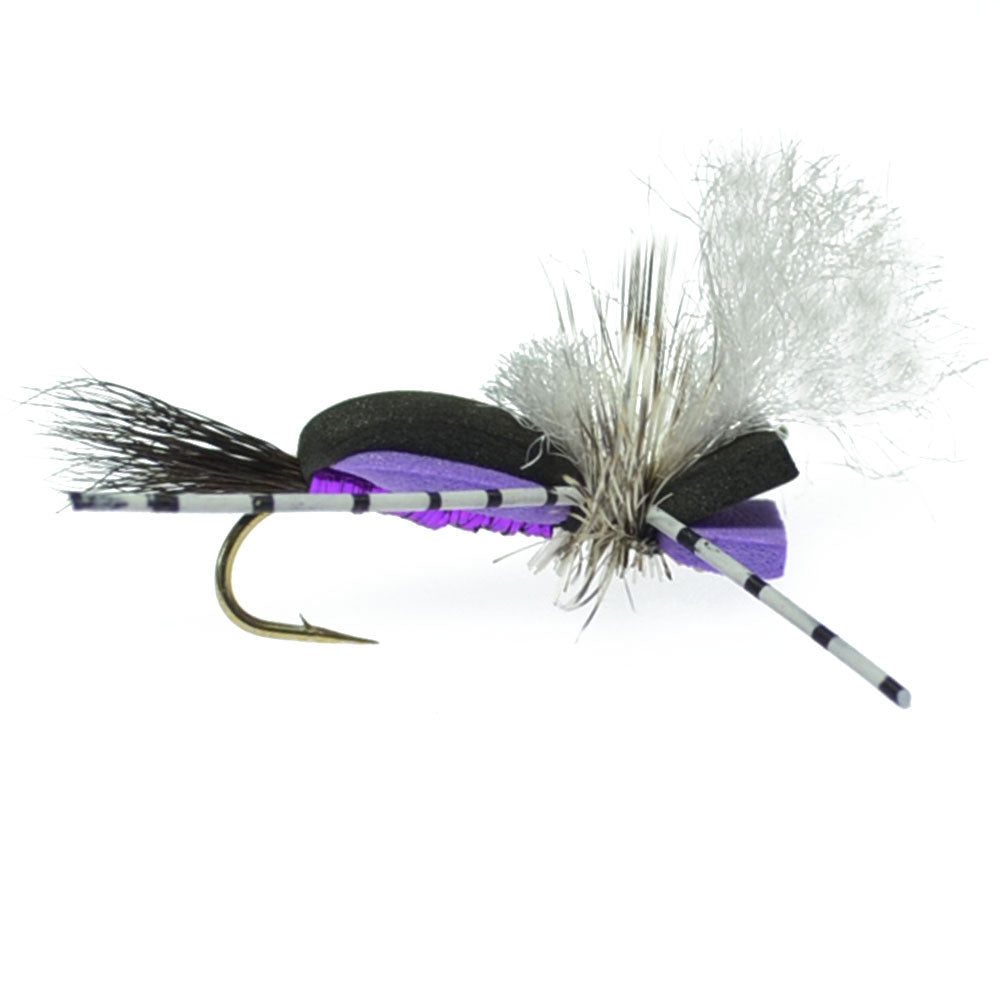
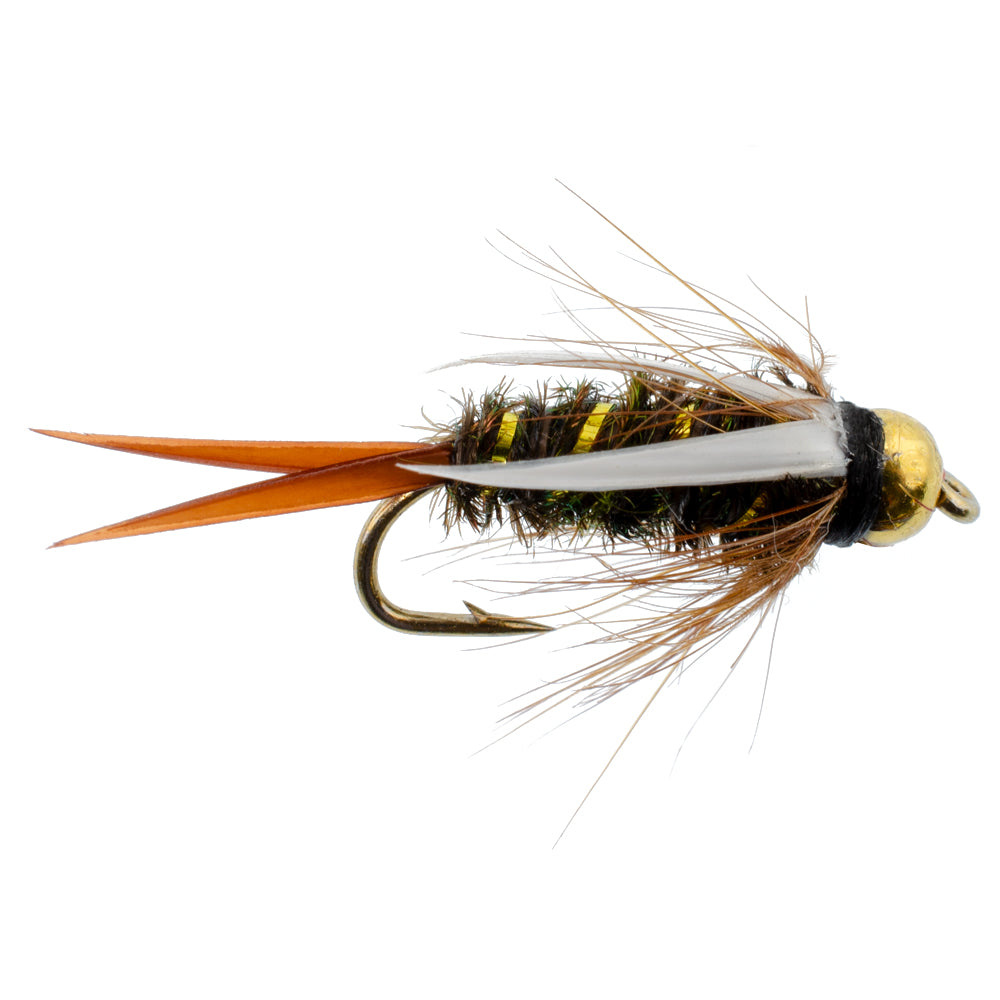
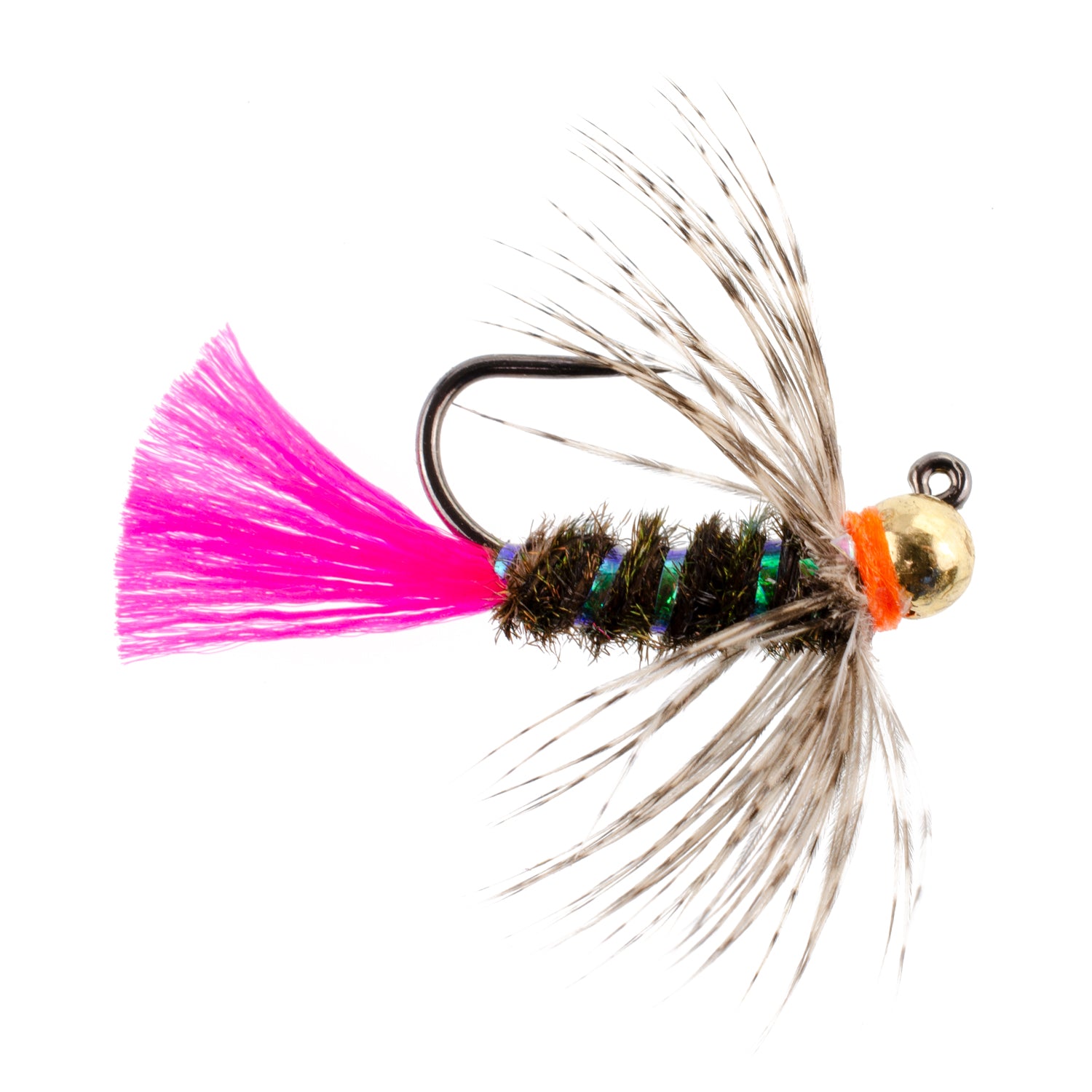
Shop by type: dry flies, nymphs, Euro nymphs, hoppers and terrestrials, streamers.
The river
The Metolius begins at Metolius Springs near Camp Sherman, where a full river comes out of the ground at the base of Black Butte. It runs about 29 miles through Deschutes National Forest to Lake Billy Chinook. The upper river around Camp Sherman is the most accessible water: clear flats, a trail on both banks, and the most pressure. That reach is also the seasonal reach. Below Allingham the river is open all year. Below Wizard Falls and Bridge 99 it gets bigger, steeper, and less crowded. The largest bulls and browns are usually in that deeper water.
The constant spring temperature of 46-48 degrees is the defining fact of the Metolius and shapes everything about how it fishes. The cold water keeps fish metabolisms lower than most Oregon rivers - fish feed selectively and deliberately, and the Metolius demands patience and precise presentation. Refusals are common and expected. A day where a handful of large fish are brought to hand is a genuinely successful outing. The same cold water that makes the fish difficult also makes the Metolius fishable year-round - no runoff closes the upper river in May, no summer warming shuts it down in August, and no winter ice makes it unfishable in January. When every other central Oregon stream is either blowing out or baking, the Metolius is fishing.
Wild redband rainbows are the fish you will hook most often on dries and nymphs. Mountain whitefish are common. Brown trout are in the system. Bull trout are the conservation story and the reason many anglers fish streamers, especially in fall when kokanee move up from Lake Billy Chinook. Bulls can run well over 20 inches. They are a threatened native char. Do not target them on spawning gravel, and do not take them out of the water. The Metolius is not a numbers river. A few good fish in this water is a full day.
.
Year at a glance
| Month | Primary hatches | Also carry | Typical sizes |
|---|---|---|---|
| Jan | Midges | Small nymphs, streamers | Midge 20-26 |
| Feb | Midges, BWO | Small nymphs, streamers | Midge 20-24, BWO 18-22 |
| Mar | BWO, midges, early caddis | Streamers | BWO 16-20, midge 20-24 |
| Apr | BWO, caddis, March brown | Streamers | BWO 16-20, caddis 14-16 |
| May | Caddis, BWO, PMD start, Green Drake | Golden stone, streamers | Caddis 14-16, PMD 16-18 |
| Jun | PMD, caddis, golden stone, Green Drake | Yellow sally, streamers | PMD 16-18, stone 6-10 |
| Jul | PMD, caddis, hoppers | Yellow sally, ants, streamers | PMD 16-18, hopper 8-12 |
| Aug | Hoppers, caddis, trico | Ants, beetles, late PMD, streamers | Hopper 8-12, trico 20-24 |
| Sep | BWO, hoppers, mahogany dun | Caddis, streamers | BWO 16-20, hopper 8-12 |
| Oct | BWO, Green Drake | Midges, streamers | BWO 16-20, Oct caddis 8-10 |
| Nov | BWO, midges | Small nymphs, streamers | BWO 18-22, midge 20-24 |
| Dec | Midges | Small nymphs, streamers | Midge 20-26 |
January - February
The Metolius's constant spring temperature is most valuable in January and February - when every other central Oregon stream is frozen, iced up, or simply too cold to fish effectively, the Metolius holds at 46-48 degrees and its fish remain active and catchable. Midges are the primary food source through both months and the river's cold, clear water makes even size 24 patterns visible to large fish holding in the slower runs. BWO begin on overcast February afternoons earlier than on most Oregon rivers - the spring-fed stability allows hatches to start before neighboring freestone streams show any surface activity. Streamers for bull trout and large browns are productive year-round and particularly effective through the winter months in the deeper runs below Wizard Falls.
- Midges - 20-26. Two-fly rig through the slower seams and deeper pools adjacent to the main current. The year-round constant on the Metolius.
- BWO - 18-22 on overcast February afternoons. Parachute and CDC emerger styles. Earlier than neighboring rivers due to the stable spring temperature.
- Small nymphs on a tight-line rig through the slower tailouts.
- Streamers year-round for bull trout and large browns in the deeper canyon runs below Wizard Falls.
March - April
BWO hatches strengthen through March and become the signature spring hatch on the Metolius. The ponderosa pine canyon creates natural shade and diffused light conditions that suit BWO emergence even on partially clear days - the river fishes well on days when other Oregon streams are too bright and clear for consistent surface activity. Early caddis arrive by late March. April is one of the best months to visit the Metolius - caddis build strongly through the evenings, BWO continue on overcast afternoons, March brown appears on the broader sections near Camp Sherman, and the river sees far less pressure than summer. Critically, the Metolius experiences no spring runoff - while nearby streams are blowing out from Cascade snowmelt in April, the Metolius runs at its typical clarity and fishability.
- BWO - 16-20 on overcast afternoons through March and April. Parachute and CDC emerger styles. The dominant spring hatch on the Metolius.
- Midges throughout both months - 20-24 subsurface through the day.
- Late March: first caddis - 14-16 on warm afternoons and evenings.
- April: caddis building - 14-16 evenings. The primary evening hatch through spring.
- March brown - 12-14 on the broader sections near Camp Sherman in April.
- Streamers for bull trout throughout both months.
May - June
The dry-fly season builds quickly through May with prolific evening caddis hatches and PMDs beginning on the flatter upper sections by late month. Golden stones arrive in the faster water below Wizard Falls - one of the few central Oregon rivers with a meaningful golden stone emergence. June is peak season on the Metolius: PMDs in the morning on the flat Camp Sherman sections, caddis filling the evenings throughout the river, golden stones and yellow sallies in the riffles, and the largest crowds of the year on the upper water. Fish the lower sections below Wizard Falls in June for solitude and the system's largest bull trout and browns with far less competition. Green Drakes in 10-12 will be on the menu.
- May: caddis - 14-16 evenings throughout the river. The workhorse Metolius hatch and the primary evening dry-fly option through the season.
- BWO on overcast days through May - 16-20 parachute and emerger styles.
- Late May: PMD beginning - 16-18 mornings on the flatter sections near Camp Sherman.
- June: PMD - 16-18 mornings. The dominant morning hatch on the upper sections through June and July.
- Golden stone - 6-10 in the faster water below Wizard Falls. One of the Metolius's most distinctive hatches.
- Yellow sally - 14-16 in the riffles on warm June afternoons.
- Streamers for bull trout in the deeper canyon runs throughout both months.
July - August
The cold spring water is the Metolius's greatest summer asset - bull trout and large browns remain active throughout the day in July and August while fish in warmer Oregon rivers become sluggish and stressed. PMDs continue into July, hoppers build along the forested and grassy banks from mid-July, and caddis evenings remain the most reliable dry-fly window through both months. The upper river near Camp Sherman is at its busiest in July and August - the lower sections below Wizard Falls offer superior fishing for large fish and essentially no crowds. Hopper season on the Metolius through August in the lower canyon is one of the most underrated summer dry-fly experiences in central Oregon.
- July: PMD - 16-18 mornings on the upper sections. Fading through the month as hoppers build.
- Yellow sally - 14-16 in the riffles through July.
- Caddis - 14-16 evenings throughout July and August. The reliable constant through the entire season.
- Hoppers - 8-12 along the forested banks and undercut logs from mid-July through August. Hopper-dropper with a small nymph is the standard rig on the Metolius.
- Ants and beetles midday along the banks - 14-16.
- August: trico - 20-24 early morning on the flat upper sections near Camp Sherman.
- Streamers for bull trout throughout - the cold July and August water keeps them aggressive all day.
September - October
September is the finest month on the Metolius. Crowds thin dramatically after Labor Day, BWO return with the cooling air temperatures and produce dense afternoon hatches in the ponderosa canyon, hoppers continue through mid-month, and the river takes on the golden light of early fall in one of the most beautiful forest settings in Oregon. Mahogany duns add a second afternoon option on overcast days. October extends the fall BWO season and adds October caddis for a large dry-fly option on warmer afternoons. Brown trout pre-spawn aggression builds through October and streamers produce the largest fish of the year. September and October on the Metolius with almost no other anglers is the best-kept secret in central Oregon fly fishing.
- Hoppers through mid-September - 8-12 along the forested canyon banks.
- BWO - 16-20 on overcast afternoons through September and October. The dominant fall hatch. Parachute and CDC emerger styles in the ponderosa canyon shade.
- Mahogany dun - 14-16 on overcast afternoons in September and October.
- Green Drake - 8-10 on warmer October afternoons. Aggressive takes from both trout and bull trout.
- Midges picking back up through October - 20-24 subsurface.
- Streamers for pre-spawn browns and aggressive bull trout through both months - the largest fish of the year in the deeper runs and below the log jams.
November - December
BWO and midges as the season returns to its winter program - and the Metolius remains fishable when every other central Oregon stream has shut down. BWO continue on overcast November afternoons, midges through the day, and streamers produce bull trout and large browns year-round in the deeper canyon runs. December on the Metolius with a streamer rod for bull trout in empty ponderosa forest is a genuinely unique winter experience that very few anglers take advantage of. The constant spring temperature means the fish are always there and always feeding - the only variable is whether you make the drive.
- BWO - 18-22 on overcast November afternoons. Parachute and CDC emerger styles.
- Midges - 20-26 throughout both months. Two-fly rig through the slower seams and deeper pools.
- Small nymphs on a tight-line rig through the deeper tailouts.
- Streamers year-round for bull trout and large browns - the cold winter water keeps them active when nothing else is moving.
A western dry and nymph assortment covers the core dry-fly and nymph season - add a dedicated streamer selection for bull trout year-round, as the Metolius is as much a streamer fishery as a dry-fly river. Size down on everything: the cold, clear spring water and the selective fish that live in it reward smaller flies and more precise presentation than most Oregon rivers require. The Metolius is a river that demands patience and rewards the angler who accepts that large, difficult fish in cold spring water will refuse more flies than they eat - and that a refusal from a 20-inch Metolius brown trout is worth more than a hookup on most other Oregon rivers.