North Platte River Wyoming Hatch Chart
Central Wyoming. The North Platte comes out of the Sierra Madres, runs the Saratoga valley, then a chain of reservoirs, and on toward Casper and Nebraska. The water most fly anglers mean is the tailwater below those dams: Miracle Mile, Fremont Canyon, and Grey Reef. Brown and rainbow trout grow large there, in numbers few rivers can match. The hatches are rich. The nymphs do most of the work.
Check current Wyoming Game and Fish regulations before you go. The North Platte changes at almost every dam. As of 2026, Miracle Mile, the Alcova afterbay, Grey Reef, and Fremont Canyon require single-point barbless hooks. On Grey Reef and Fremont Canyon, fishing is by artificial flies and lures only, and pegged attractors are prohibited. Grey Reef from the dam downstream: one trout, none under 20 inches. Two short Grey Reef reaches are closed April 1 through May 15 to protect spawning rainbows. On Miracle Mile, no watercraft from Kortes Dam to the Seminoe Road Bridge. Those 2026 rules may be revised - confirm the current pamphlet for the exact mile you intend to fish. A Wyoming fishing license is required.
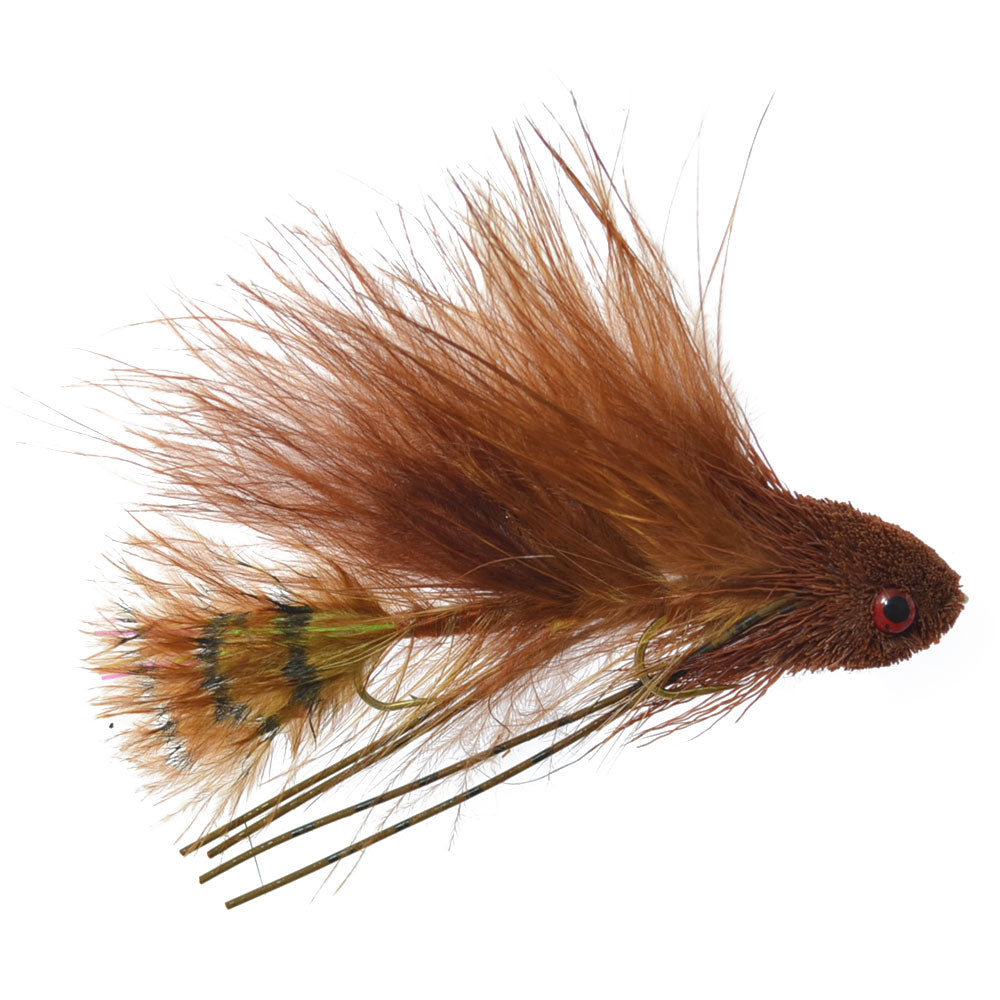
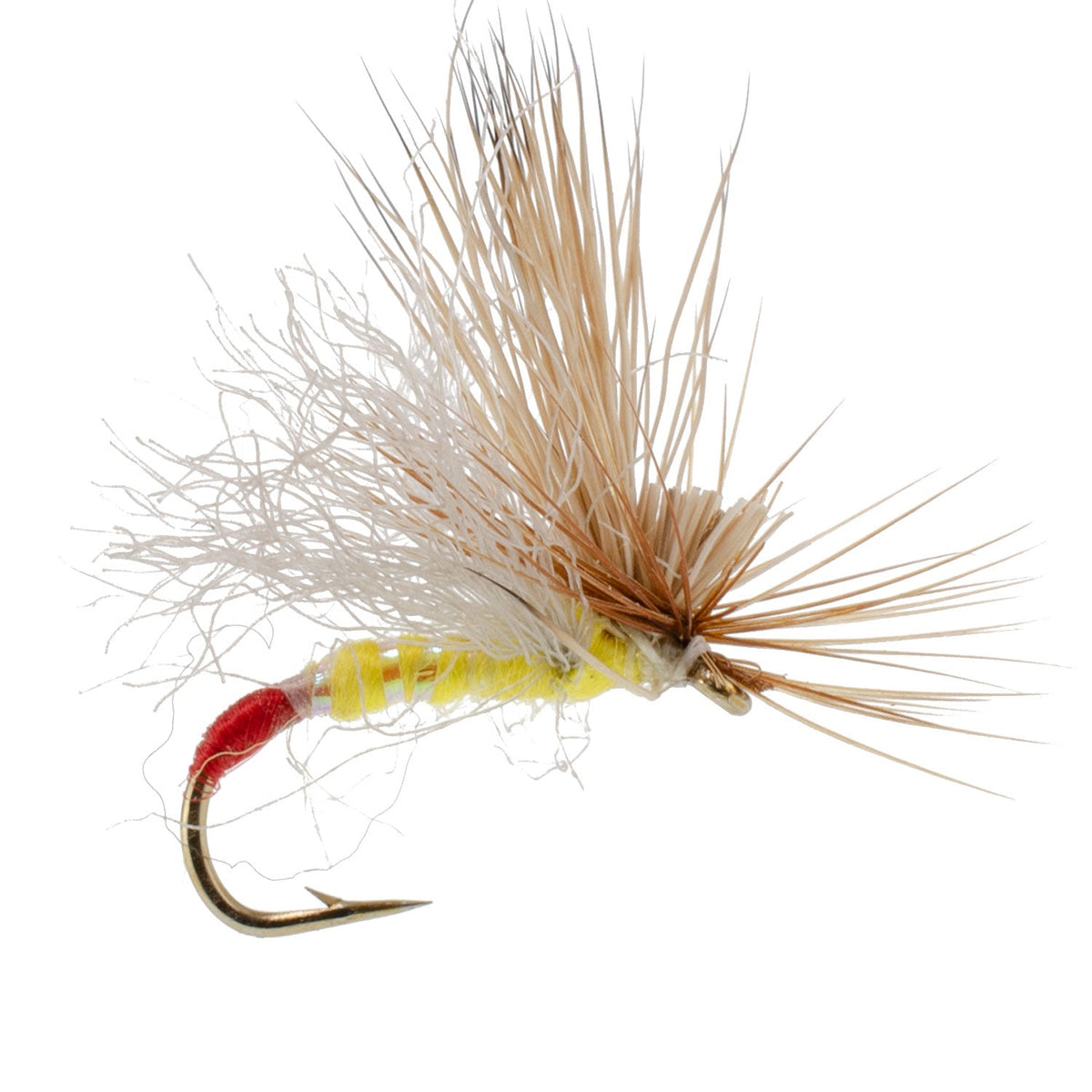
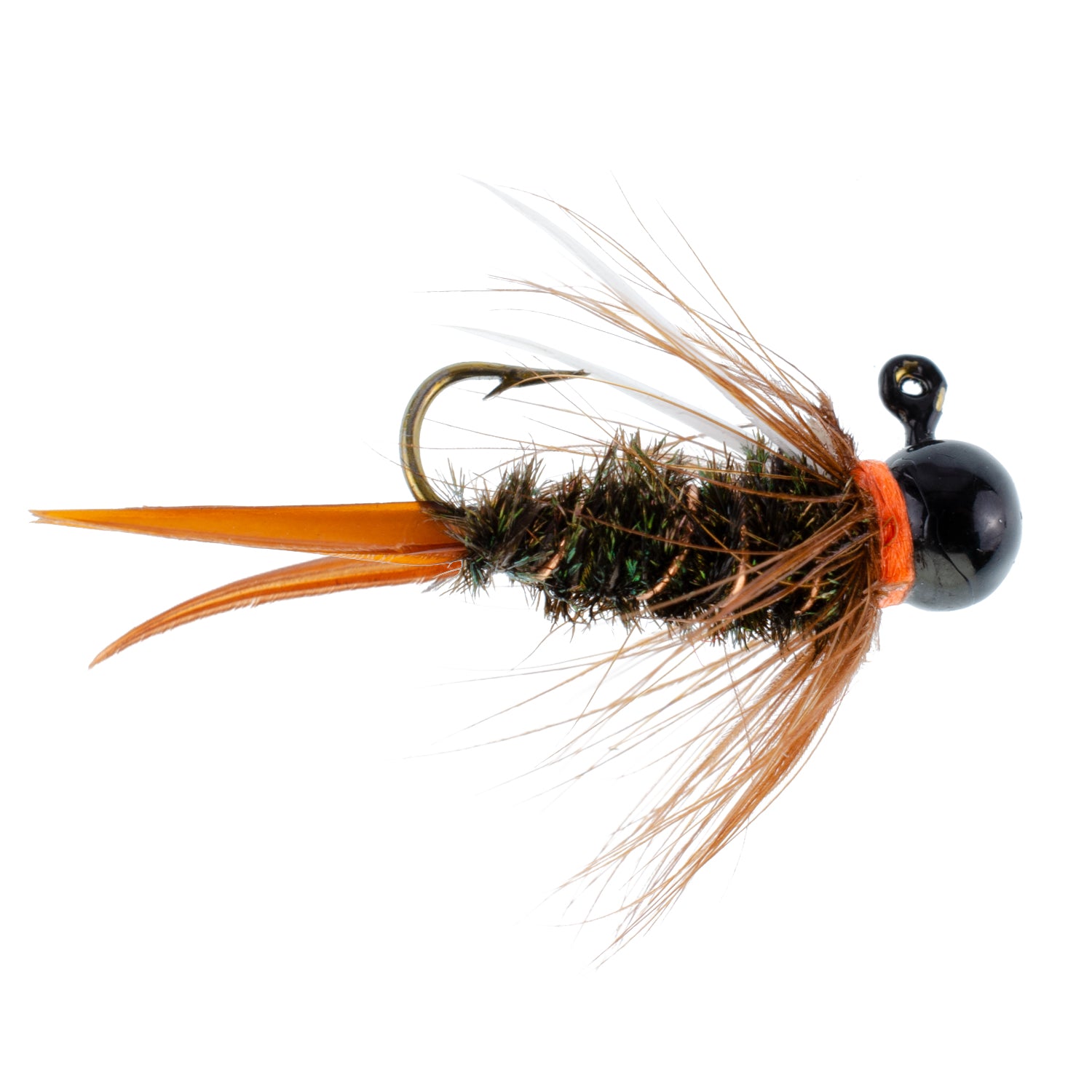
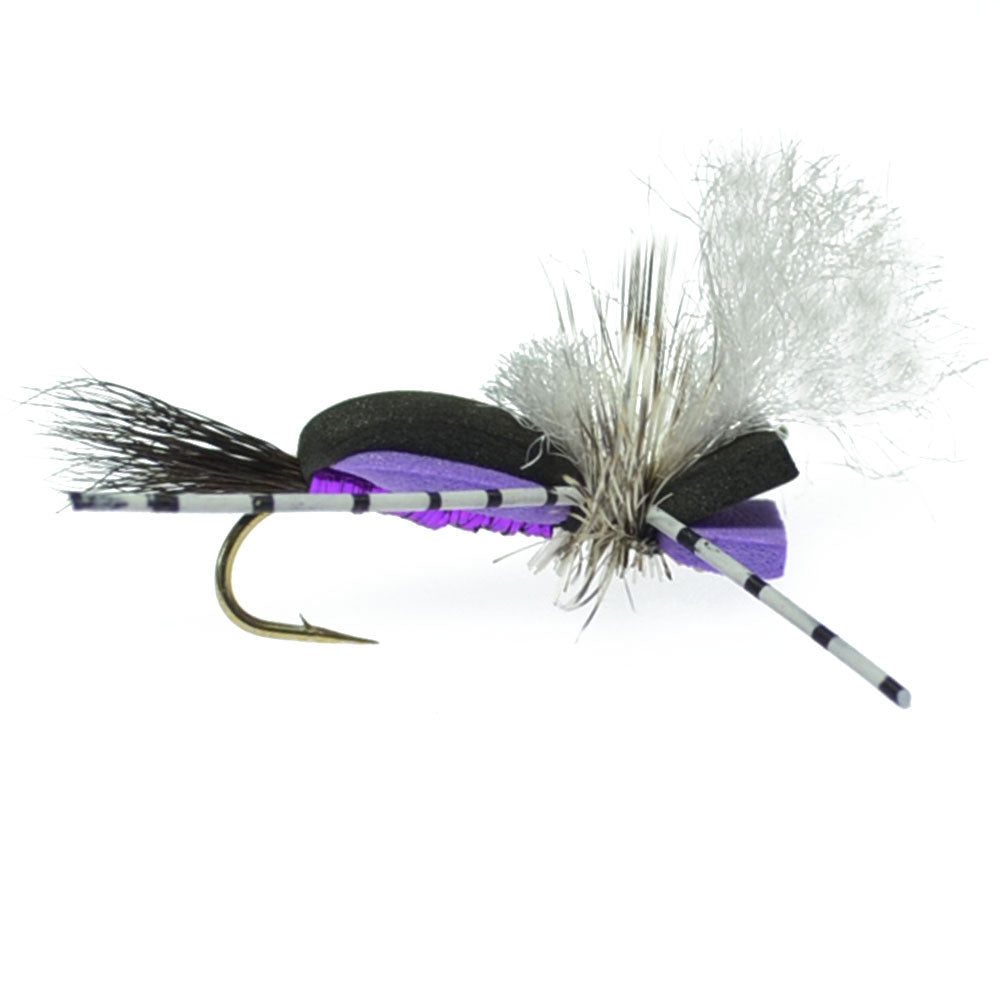
Shop by type: dry flies, nymphs, Euro nymphs, hoppers and terrestrials, streamers.
The river
The three celebrated tailwaters each have their own character. Miracle Mile, below Kortes Dam and above Pathfinder Reservoir, is a true year-round trophy reach: remote, a little wild, and capable of producing brown and rainbow trout over 20 inches on an ordinary day. Fremont Canyon, below Pathfinder Dam, is the narrow granite water with deep pools and streamer fishing for large browns. Grey Reef, below Grey Reef Dam near Alcova, is wide, wadeable, and technical: long flats, great numbers of fish, and trout that ask for a careful nymph and a fine tippet.
Brown trout are the signature species across all three sections, with rainbow trout sharing the system in significant numbers. The tailwater character of these reaches means stable, cold flows year-round - these rivers are fishable in every month and reward the angler willing to make the drive to Casper-area Wyoming in the off season when pressure is minimal and large fish are accessible.
The North Platte is a nymph fisherman's river first. The biomass of aquatic insects - midges, PMDs, BWO, caddis - is extraordinary and fish feed subsurface on nymphs and pupae throughout the year. Dry-fly fishing is excellent during the spring and fall BWO hatches and through the hopper season, but the angler who puts away the nymphs entirely will leave fish unfished on the North Platte.
Year at a glance - Grey Reef and Miracle Mile
| Month | Primary hatches | Also carry | Typical sizes |
|---|---|---|---|
| Jan | Midges | Small nymphs, streamers | Midge 20-26 |
| Feb | Midges, BWO | Small nymphs, streamers | Midge 20-26, BWO 18-22 |
| Mar | BWO, midges | Early caddis, streamers | BWO 16-20, midge 20-24 |
| Apr | BWO, caddis, midges | Streamers, March brown | BWO 16-20, caddis 14-16 |
| May | Caddis, PMD, BWO | Yellow sally, streamers | Caddis 14-16, PMD 16-18 |
| Jun | PMD, caddis, yellow sally | Golden stone, hoppers start | PMD 16-18, caddis 14-16 |
| Jul | PMD, hoppers, caddis | Ants, yellow sally, streamers | PMD 16-18, hopper 8-12 |
| Aug | Hoppers, PMD, caddis | Ants, beetles, trico | Hopper 8-12, PMD 16-18 |
| Sep | BWO, hoppers, caddis | Mahogany dun, streamers | BWO 16-20, hopper 8-12 |
| Oct | BWO, midges | Streamers, mahogany dun | BWO 16-20, midge 20-24 |
| Nov | Midges, BWO | Small nymphs, streamers | Midge 20-24, BWO 16-20 |
| Dec | Midges | Small nymphs, streamers | Midge 20-26 |
January - February
The Grey Reef and Miracle Mile fish year-round and January is the midge and streamer season. Stable tailwater temperatures keep fish active through the coldest Wyoming weather - the fish do not slow down even when the air temperature drops well below freezing. Midge larvae and pupae on a tight-line Euro rig is the most consistent winter approach. Streamer fishing for large browns in the deeper Fremont Canyon pools is outstanding in January with virtually no competition. BWO begin on overcast afternoons in February at Grey Reef - the tailwater stability makes this one of the earlier BWO sections in Wyoming. February on the North Platte with rising fish on a warm afternoon and no other anglers present is a genuinely exceptional experience.
- Midges - 20-26 throughout both months. Two-fly rig subsurface in the deeper pools. Midge cluster dry when fish are dimpling in flat tailouts.
- BWO - 18-22 on overcast February afternoons. Parachute and CDC emerger styles.
- Streamers for large browns in Fremont Canyon and the deeper Miracle Mile pools year-round.
March - April
BWO hatches strengthen significantly through March at Grey Reef and the Miracle Mile - the Grey Reef flats in March with BWO hatching and 20-inch browns rising is world-class dry-fly fishing. Early caddis begin on warmer afternoons by late March. March is one of the finest months on the North Platte: dense BWO hatches, large rising fish, and light pressure before the spring crowd arrives. Caddis build through April and overlap with continuing BWO. The tailwater character means April is reliably fishable when nearby freestone streams are blown out from snowmelt. March browns appear on the broader sections and evening caddis hatches in April can be outstanding.
- BWO - 16-20 on overcast afternoons through March and April. Parachute and CDC emerger styles.
- Midges throughout - 20-24 subsurface.
- Late March: first caddis - 14-16 on warm afternoons.
- April: caddis - 14-16 afternoons and evenings. March brown 12-14 on the broader Grey Reef flats.
- Streamers in the canyon for pre-spawn browns through both months.
May - June
Prime season. Caddis hatches peak and PMDs begin on the Grey Reef flats and Miracle Mile in May. The Grey Reef flats in a June PMD hatch with large fish rising across the flat is one of Wyoming's finest fly fishing experiences. Yellow sallies in the riffles. BWO continue on overcast days through May. Hoppers begin along the sage banks by late June. The North Platte sees its heaviest guide traffic in June and July - fish early morning and late evening for the best fish-to-angler conditions.
- Caddis - 14-16 evenings through both months.
- PMD - 16-18 mornings on the Grey Reef flats and Miracle Mile from May through June.
- BWO on overcast days through May. Yellow sally 14-16 in the riffles through June.
- Late June: first hoppers - 8-12 along the sage banks.
- Nymphs subsurface throughout - the North Platte's year-round anchor.
July - August
PMDs continue and hoppers build through July along the sage and grassy banks of the Miracle Mile and Grey Reef. Caddis evenings remain reliable. Ants and beetles midday. The tailwater temperatures keep fish active through the warmest July days - a significant advantage over nearby freestone rivers. Hopper season peaks in August and the Miracle Mile is exceptional terrestrial water - the wide sage flats along both banks concentrate hoppers and the large browns and rainbows respond aggressively. Trico spinner falls on the flatter Grey Reef sections by mid-August. August hopper fishing on the Miracle Mile is one of the finest terrestrial experiences in Wyoming.
- PMD - 16-18 mornings through July. Yellow sally 14-16 in the riffles.
- Caddis - 14-16 evenings through both months.
- Hoppers - 8-12 along the sage and grass banks mid-July through August. Hopper-dropper with a nymph dropper.
- August: trico - 20-24 early morning on the Grey Reef flats. Fine tippet essential.
- Ants and beetles midday through both months.
September - October
September rivals March as the finest month on the North Platte. Hoppers continue through mid-month. BWO return strongly with the cooling temperatures - the fall olive hatches on the Grey Reef flats produce outstanding afternoon dry-fly fishing with large fish rising selectively. Mahogany duns add variety on overcast days. Crowds drop sharply after Labor Day. October strengthens the BWO hatches and shifts the focus to streamers - the largest browns of the year become aggressive as pre-spawn instincts peak. October on the North Platte is one of the finest fall fly fishing experiences in Wyoming - large fish, excellent hatches, and virtually no pressure compared to summer.
- Hoppers through mid-September - 8-12 along the sage banks.
- BWO - 16-20 on overcast afternoons through September and October. Parachute and CDC emerger styles.
- Mahogany dun - 14-16 on overcast afternoons through September and October.
- Caddis evenings through mid-September - 14-16.
- Streamers for trophy pre-spawn browns through October in Fremont Canyon and the deeper Miracle Mile runs.
- Midges - 20-24 reasserting through October as temperatures drop.
November - December
BWO and midges as the season winds toward winter. Streamers remain the best option for the largest fish as brown trout pre-spawn and spawn activity continues through November - the North Platte in November with BWO hatching and large browns in the shallows is exceptional fishing for the angler willing to make the drive to central Wyoming in cold weather. December returns to the winter midge and streamer program. Complete solitude, stable flows, and active fish in world-class water - focus on the slower runs adjacent to the main current and the deep Fremont Canyon pools.
- BWO - 16-20 on overcast November afternoons. Parachute and CDC emerger styles.
- Midges - 20-26 throughout both months. Two-fly rig subsurface. Midge cluster dry when fish are dimpling.
- Streamers for large browns through November and December in Fremont Canyon and the deep Miracle Mile pools.
- Small nymphs subsurface through December.
A western dry and nymph assortment covers the core season. Add a dedicated streamer selection for year-round use - the North Platte's trophy browns respond to streamers in every month. The Grey Reef, Miracle Mile, and Fremont Canyon sections together make the North Platte one of the most diverse and productive tailwater systems in the Rocky Mountain West, capable of world-class fishing in every season for the angler who makes the commitment to fish it properly.