Owyhee River Oregon Hatch Chart
Southeast Oregon, in Malheur County below Owyhee Dam, near Adrian and Nyssa. The Owyhee tailwater is one of the most technical trout fisheries in the state: a desert canyon river with large brown trout, quality rainbows, and slow, clear water that rewards small flies, long leaders, and a quiet approach. Cold dam releases keep the upper miles fishable year-round. Midges and BWOs show in every season. Summer adds tricos, pale evening duns, and hoppers along the canyon edges. This is not a numbers river. It is a quality fishery in a place that looks nothing like a classic Oregon trout stream.
Check current Oregon Department of Fish and Wildlife regulations before you go. The Owyhee River is in the Southeast Zone. It is open all year. The limit is 5 rainbow trout per day, 8-inch minimum. Brown trout must be released. Bait is allowed. Browns spawn in late fall and winter; stay off gravel redds. Report tagged fish if ODFW asks. An Oregon fishing license is required.
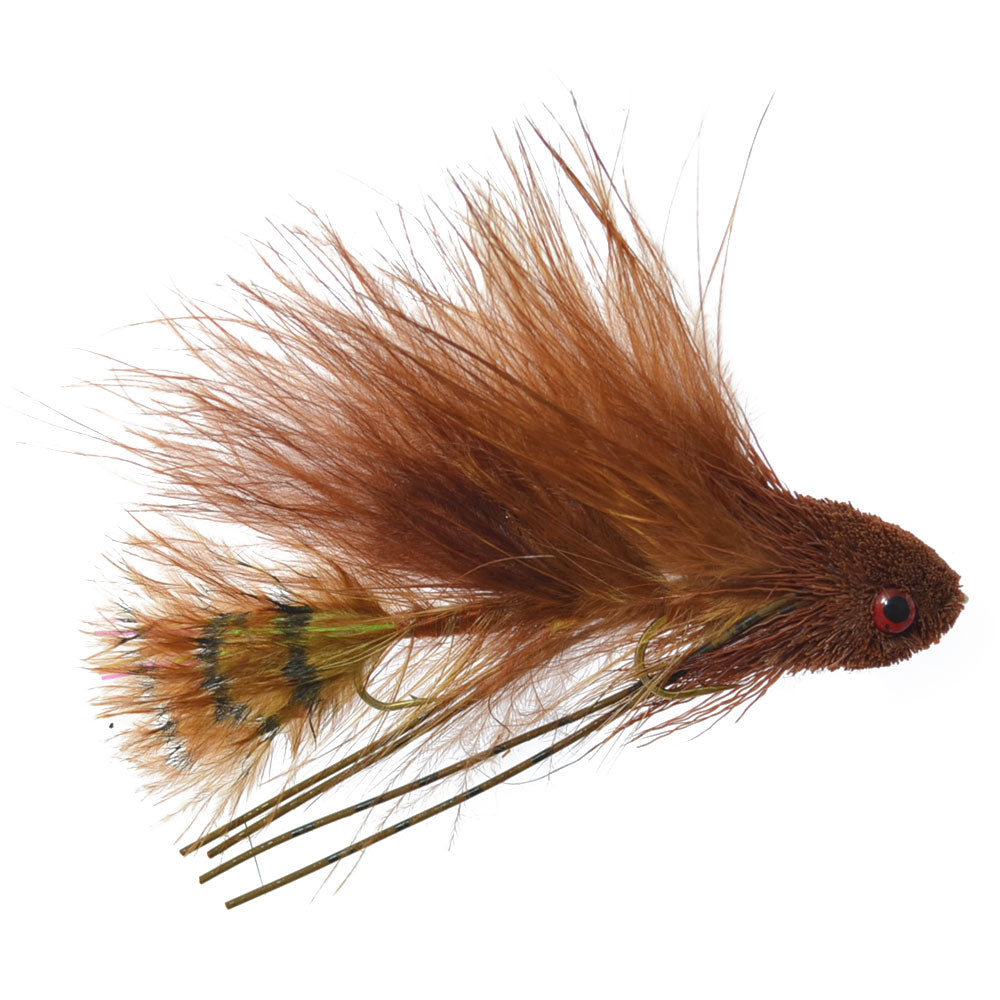
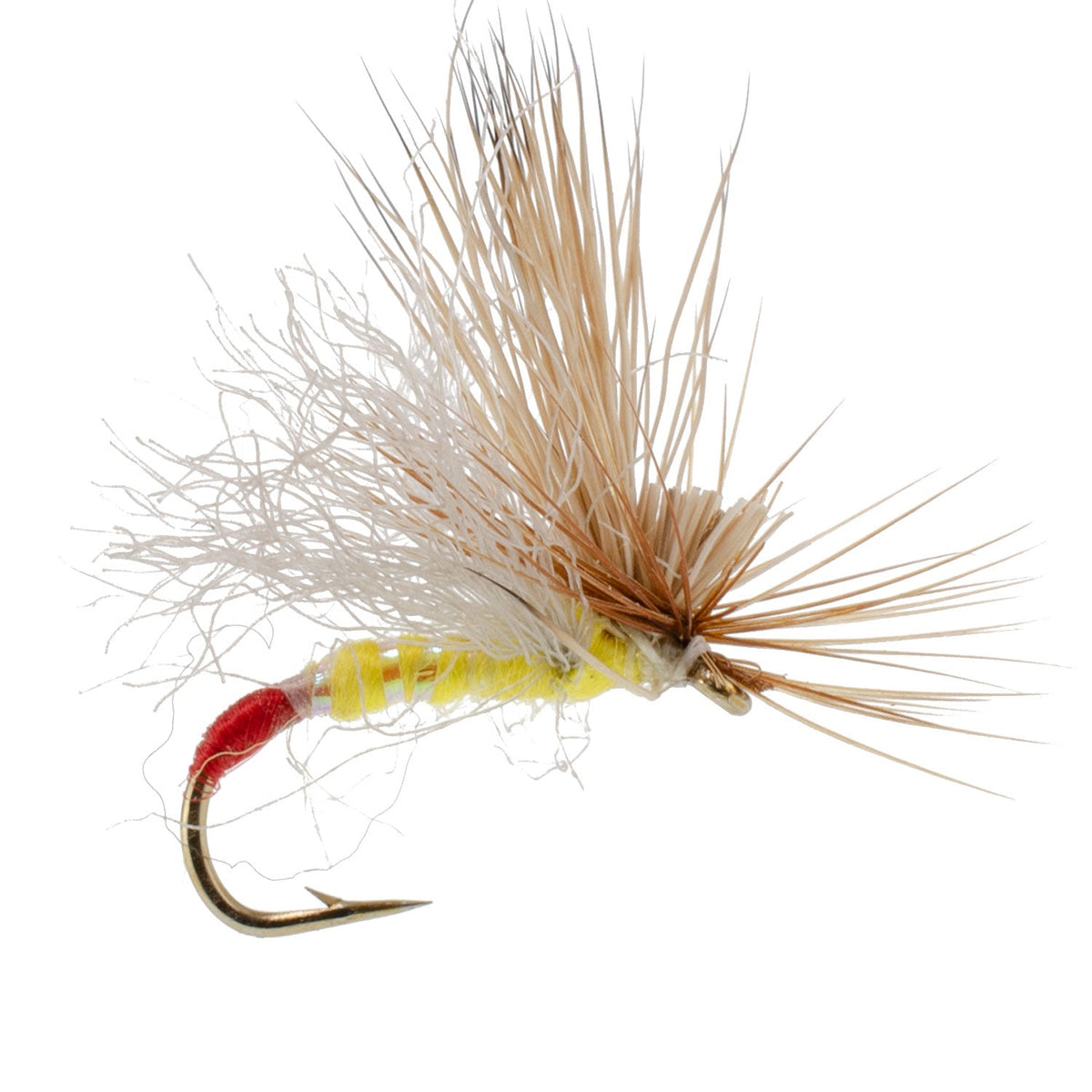
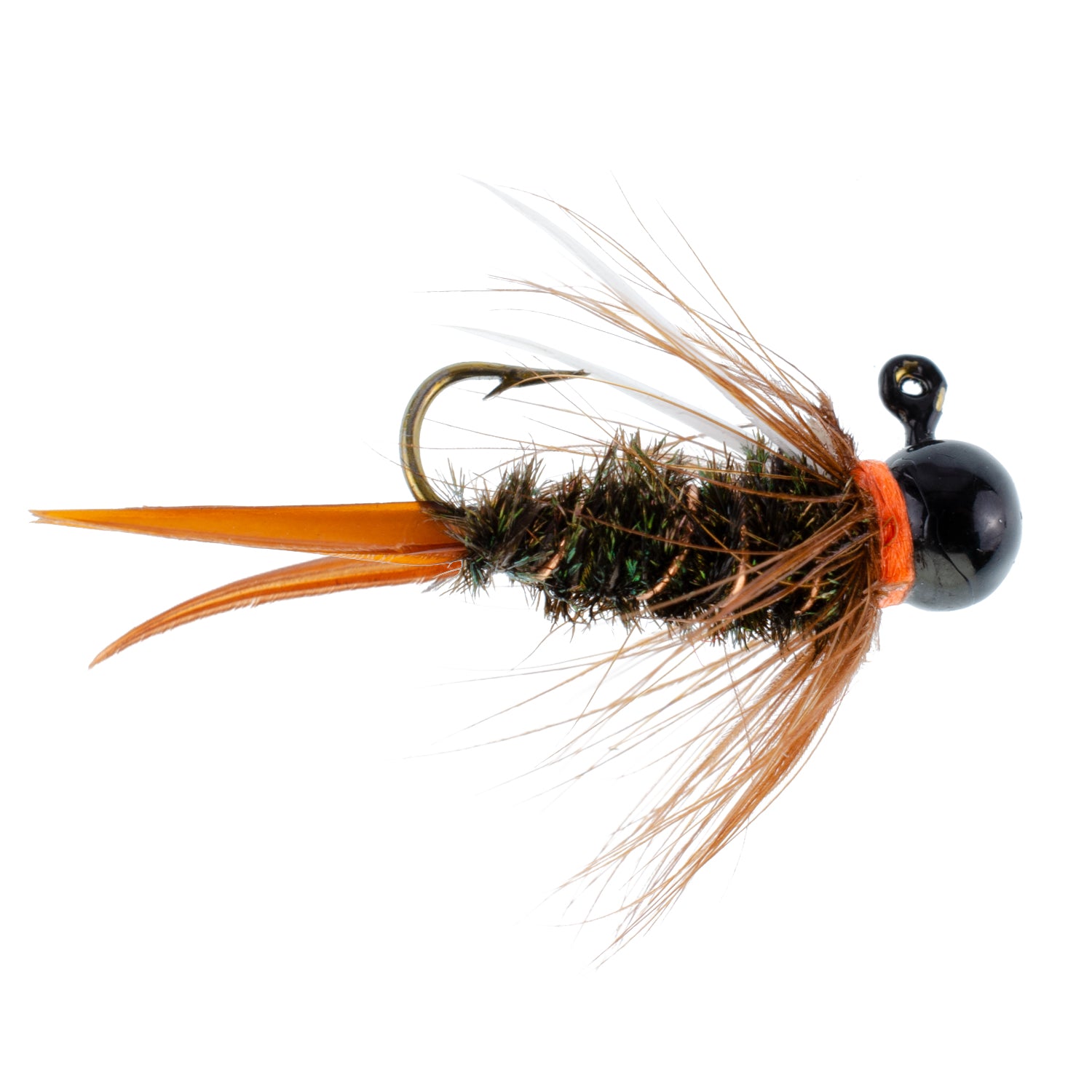
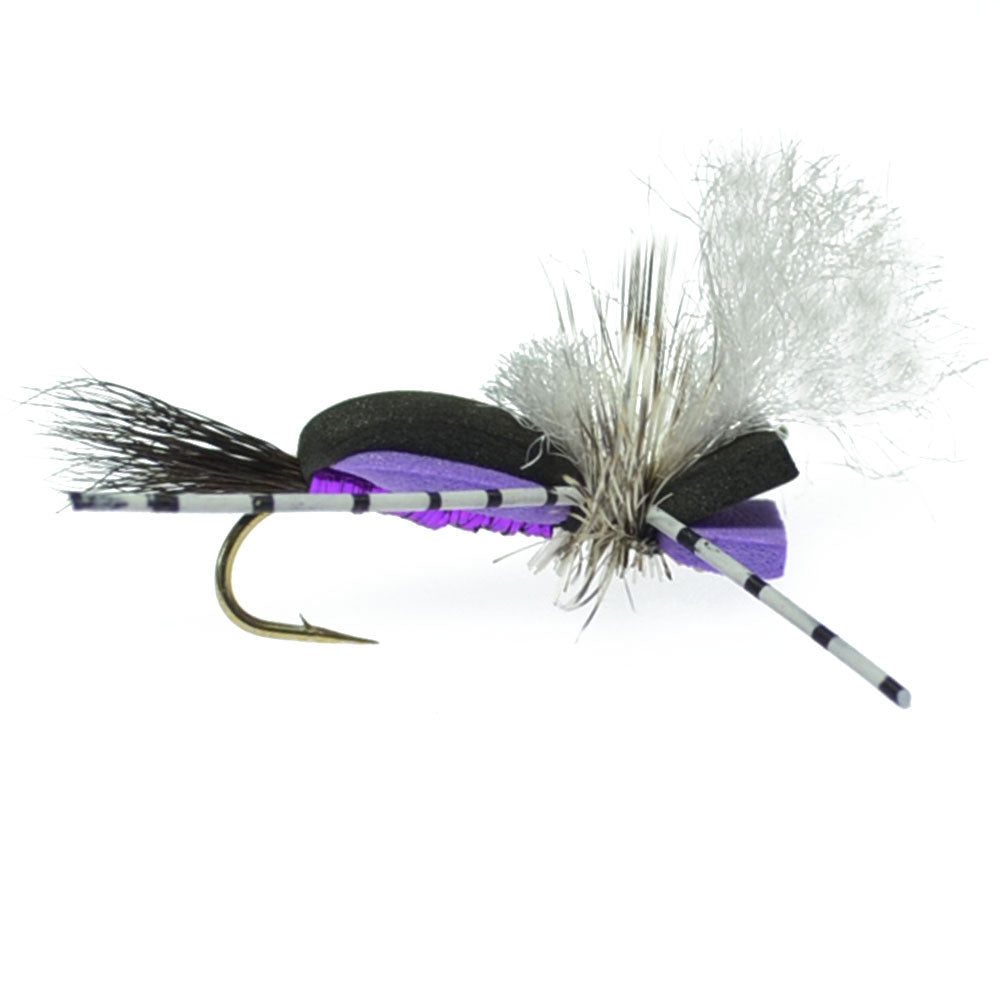
Shop by type: dry flies, nymphs, Euro nymphs, hoppers and terrestrials, streamers.

The river
Southeast Oregon, in Malheur County below Owyhee Dam, near Adrian and Nyssa. The Owyhee tailwater is one of the most technical trout fisheries in the state: a desert canyon river with large brown trout, quality rainbows, and slow, clear water that rewards small flies, long leaders, and a quiet approach. Cold dam releases keep the upper miles fishable year-round. Midges and BWOs show in every season. Summer adds tricos, pale evening duns, and hoppers along the canyon edges. This is not a numbers river. It is a quality fishery in a place that looks nothing like a classic Oregon trout stream.
Brown trout are the reason most anglers make the drive. They run large, and fish over 20 inches are regular for anglers who fish carefully. Rainbows are common closer to the dam, including heavy “football” fish. Average trout in the main access water often fall in the 14-18 inch range. The slow current, weed beds, and year-round midge and mayfly life make the fish selective. Fine tippet and a drag-free drift matter more here than on most Oregon rivers. Check the dam outflow before you leave. Low winter flows and high irrigation pulses fish like two different rivers.
The tailwater is easier to reach than the wild upper Owyhee, but it is still desert water. Owyhee Lake Road follows the river from the dam toward Snively Hot Springs. The road is usable in a regular vehicle when dry, though it can be rough. Rain and snow still matter. Check the forecast and the dam outflow before you leave Adrian or Ontario. Summer days in the canyon get hot and exposed. Fish early and late, carry more water than you think you need, and do not count on cell service in every bend. Help is closer than it is at Three Forks, but you are still a long way from a shop or a clinic. Plan the drive, the heat, and the flows, and the river is one of the most distinctive trout days in Oregon.
Year at a glance
| Month | Primary hatches | Also carry | Typical sizes |
|---|---|---|---|
| Jan | Midges | BWO on mild days | Midge 20-24, BWO 20-22 |
| Feb | Midges, BWO | Small nymphs | Midge 20-24, BWO 18-22 |
| Mar | Midges, BWO | Early caddis warm afternoons | Midge 18-22, BWO 18-22 |
| Apr | BWO, caddis, March brown | Midges, early PMD | BWO 16-20, caddis 14-16 |
| May | PMD, caddis, BWO | Pale evening dun | PMD 16-18, caddis 14-16 |
| Jun | PMD, pale evening dun, caddis | Yellow sally, BWO | PMD 16-18, PED 16-18 |
| Jul | Trico, pale evening dun, caddis | Hoppers, PMD mornings | Trico 20-24, PED 16-18 |
| Aug | Trico, hoppers, caddis | Ants, beetles, pale evening dun | Trico 20-24, hopper 8-12 |
| Sep | BWO, trico, mahogany dun | Hoppers, caddis | BWO 18-22, trico 20-24 |
| Oct | BWO, mahogany dun | October caddis, midges | BWO 18-22, midge 20-24 |
| Nov | Midges, BWO | Small nymphs | Midge 20-24, BWO 18-22 |
| Dec | Midges | BWO on mild days | Midge 20-24 |
January - February
The Owyhee tailwater fishes year-round and January and February are among the most productive months for anglers willing to make the desert drive. Midges are the primary food source and the flat, clear pools stack large fish in slow tailouts that make them visible and approachable. BWO begin on overcast February afternoons earlier and more reliably than on most Oregon rivers due to the stable tailwater temperatures. The canyon is uncrowded, the fish are in predictable locations, and the desert canyon in winter light is a genuinely beautiful place to spend a day. Road conditions are the primary logistical concern - check conditions before leaving Jordan Valley after any precipitation.
- Midges - 20-24. Two-fly midge rig through the slow pools and flat tailouts. The year-round constant on the Owyhee - go smaller than you think necessary and fish fine tippet.
- BWO - 18-22 on overcast afternoons through February. Parachute and CDC emerger styles. Earlier than neighboring freestone streams due to stable tailwater temperatures.
- Small nymphs on a tight-line rig through the deeper slots and slower runs.
March - April
BWO hatches strengthen through March and become the dominant dry-fly hatch into April. Early caddis begin on warm March afternoons. April is one of the best months on the Owyhee - BWO and caddis overlap, March brown appears on the broader sections, PMDs begin by late April, and the river sees lighter pressure than the summer peak. The tailwater keeps flows stable through the spring runoff period when other southeast Oregon rivers can be affected by snowmelt - a significant advantage for planning an April trip to the canyon.
- BWO - 18-22 on overcast afternoons through March and April. The dominant spring hatch. Parachute and CDC emerger styles on 6X tippet in the flat pools.
- Midges throughout both months - 20-24 subsurface through the day.
- Late March: early caddis - 14-16 on warm afternoons.
- April: caddis building - 14-16 evenings. March brown 14-16 on the broader sections.
- Late April: first PMD - 16-18 mornings. The beginning of the prime summer hatch calendar.
May - June
Peak spring and early summer fishing - PMDs and caddis are the workhorses through May and June, with pale evening duns adding an exceptional late-light option that can produce the most dramatic rising fish of the season. The PED hatch on the Owyhee in June at last light, with large fish rising freely in the flat pools of the desert canyon, is one of the finest dry-fly moments in southeast Oregon. Yellow sallies in the faster riffles. The desert canyon heats up quickly from June - plan to be on the water early and fish the evening hatch rather than midday through the summer months.
- PMD - 16-18 mornings through May and June. The primary morning hatch on the flat sections. Parachute and CDC emerger styles on 5X-6X tippet.
- Caddis - 14-16 afternoons and evenings through May and June. The reliable evening hatch throughout the season.
- BWO on overcast mornings through May.
- Pale evening dun - 16-18 at last light through June. One of the Owyhee's signature hatches - fish the flat pools in the last hour of light.
- Yellow sally - 14-16 in the faster riffled sections in June.
July - August
Trico spinner falls are the signature midsummer hatch on the Owyhee - technical, demanding, and uniquely rewarding. Large fish rise in the flat pools to size 22-24 spent-wing patterns on 7X tippet in early morning light before the desert canyon heats up. Pale evening duns continue into July at last light. Hoppers work the sparse desert grass and shrub edges along the canyon walls through August. Fish the first two hours of daylight and again from late afternoon into dark - midday in July and August in the exposed canyon can be very slow and very hot.
- Trico - 20-24. The most important midsummer hatch. Early morning spinner falls bring large fish to the surface in the flat pools - spent-wing patterns on 6X-7X tippet. Be on the water at first light.
- Pale evening dun - 16-18 at last light through July. Fish the flat pools in the final hour.
- Caddis - 14-16 evenings throughout July and August.
- Hoppers - 8-12 along the desert shrub and grass edges mid-July through August. A hopper-dropper with a small nymph covers both the surface and subsurface feeding.
- Ants and beetles in foam lines midday - 14-16.
- PMD mornings into early July on cooler days - 16-18.
September - October
The finest months on the Owyhee. Crowds thin dramatically after Labor Day, BWO return with cooling air temperatures and produce dense afternoon hatches in the flat pools, tricos continue through mid-September, and the desert canyon takes on the golden light of fall in a setting that is more spectacular in September and October than at any other time of year. Mahogany duns add an afternoon option on overcast days. October caddis appear on warmer afternoons. The combination of strong BWO fishing, virtually no other anglers, and exceptional desert light makes September and October on the Owyhee arguably the best dry-fly fishing of the entire calendar year.
- Trico through mid-September - 20-24 early morning spinner falls on the flat sections.
- Hoppers through mid-September - 8-12 along the canyon edges.
- BWO - 18-22 on overcast afternoons through September and October. The dominant fall hatch. Sparse parachute and CDC emerger styles on 6X tippet in the flat pools.
- Mahogany dun - 14-16 on overcast afternoons through September and October.
- October caddis - 8-10 on warmer October afternoons.
- Midges returning through October - 20-24 subsurface through the day.
November - December
Back to the winter midge and BWO program as the season completes its cycle. The Owyhee remains fishable year-round and November can produce exceptional dry-fly fishing to midging fish in the flat pools on calm, mild afternoons with essentially no other anglers in the canyon. December midge fishing is quiet and rewarding for the committed desert angler. Road conditions are again the primary consideration - check before leaving after any precipitation and be prepared for the canyon to be inaccessible after significant rain or snow.
- BWO - 18-22 on overcast November afternoons. Parachute and CDC emerger styles. Some of the best dry-fly fishing of the year with no pressure.
- Midges - 20-24 throughout both months. Two-fly rig through the slow pools and flat tailouts. Go smaller and finer than you think necessary.
- Small nymphs on a tight-line rig through the deeper slots.
A western dry and nymph assortment is the foundation - supplement with a deep midge selection in sizes 18-24, trico patterns in sizes 20-24 for midsummer, and pale evening dun patterns for the June and July evening hatch. Size down on everything: the Owyhee rewards anglers who err consistently toward smaller flies and finer tippet. The fish are large, the water is clear, and the margin for error is smaller than almost anywhere else in Oregon - which is exactly what makes it worth the drive.