Provo River Utah Hatch Chart
North-central Utah, from the Uinta Mountains above Heber City through the Heber Valley and Provo Canyon to Utah Lake. The Provo is Utah's premier trout river, and it fishes as three waters divided by Jordanelle and Deer Creek. All three lie within an easy drive of Salt Lake City. That is why the pressure is real, and why the hatches still draw people.
Check current Utah Division of Wildlife Resources regulations before you go. Upper Provo, from Jordanelle Reservoir upstream to the confluence of the north and south forks: two brown trout under 15 inches - release all cutthroat, rainbow, and hybrids. Middle Provo, Legacy Bridge on Midway Lane upstream to Jordanelle Dam: artificial flies and lures only, two trout under 15 inches. From Legacy Bridge down to Deer Creek: statewide regulations. Lower Provo, Olmsted Diversion Dam upstream to Deer Creek Dam: artificial flies and lures only, two trout under 15 inches. Below Olmsted, toward Utah Lake, the rules are different and include warm-water species. A Utah fishing license is required.
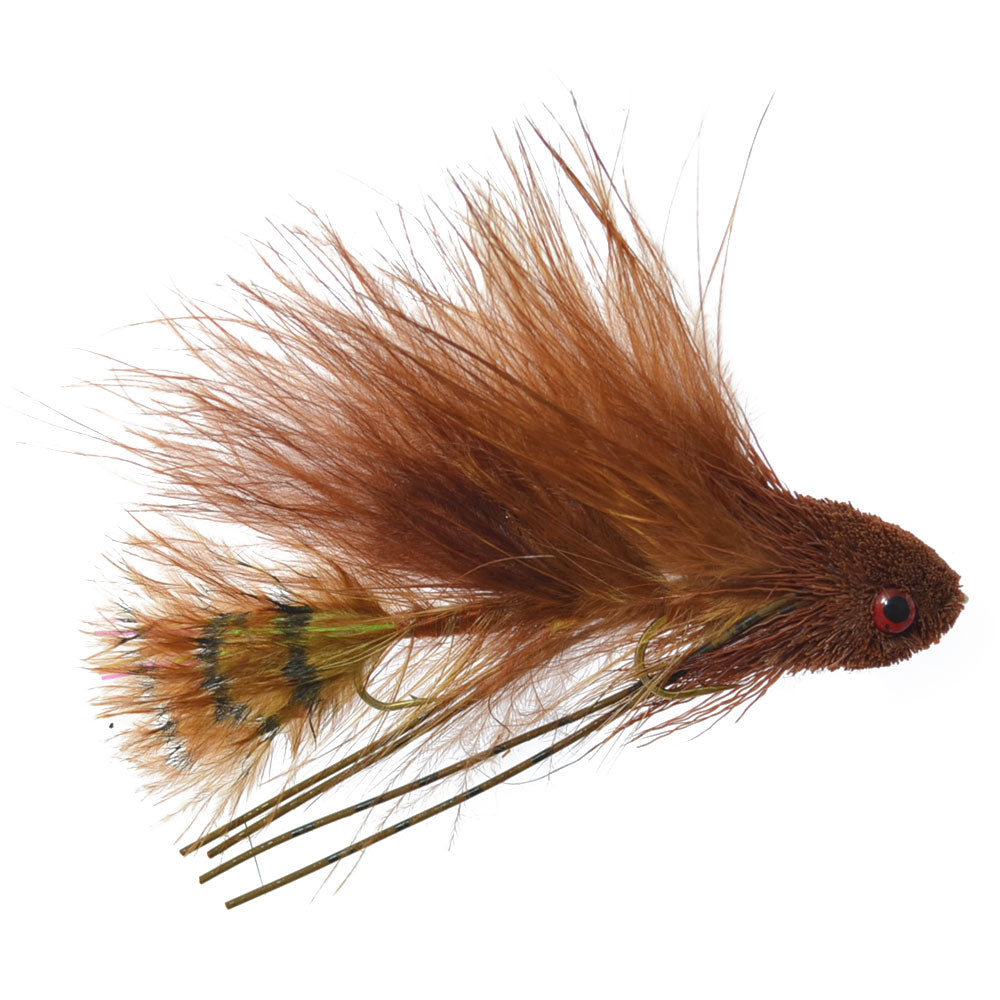
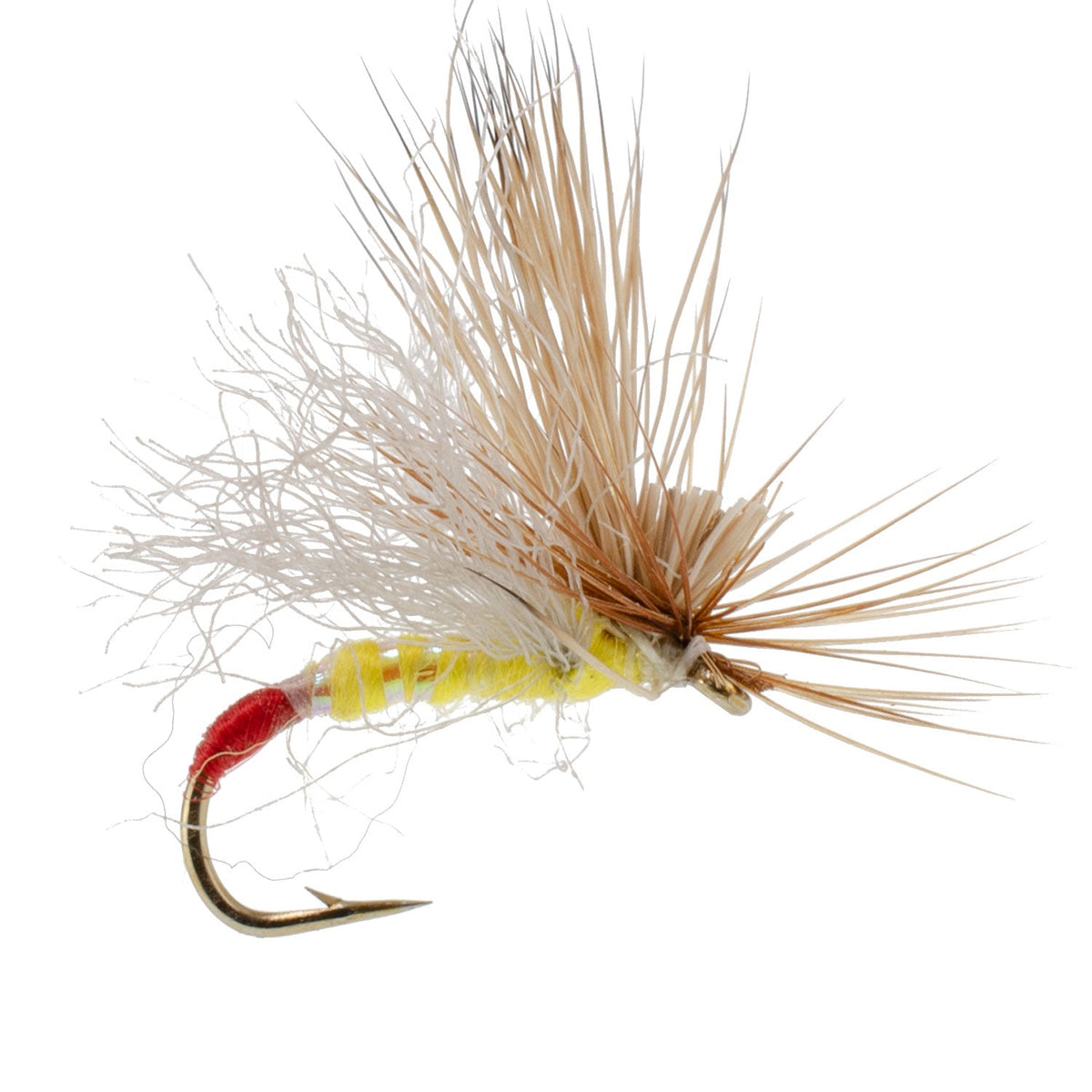
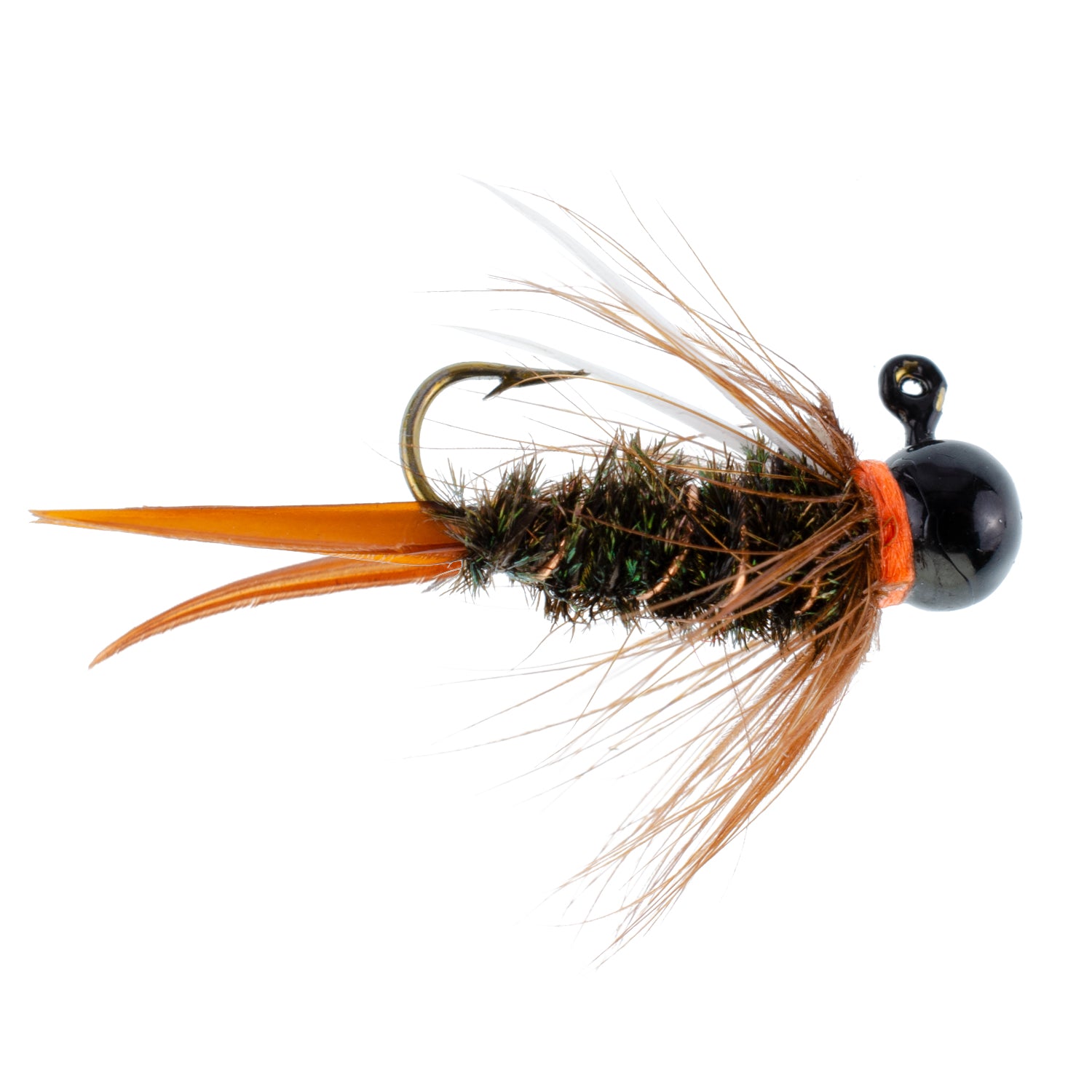
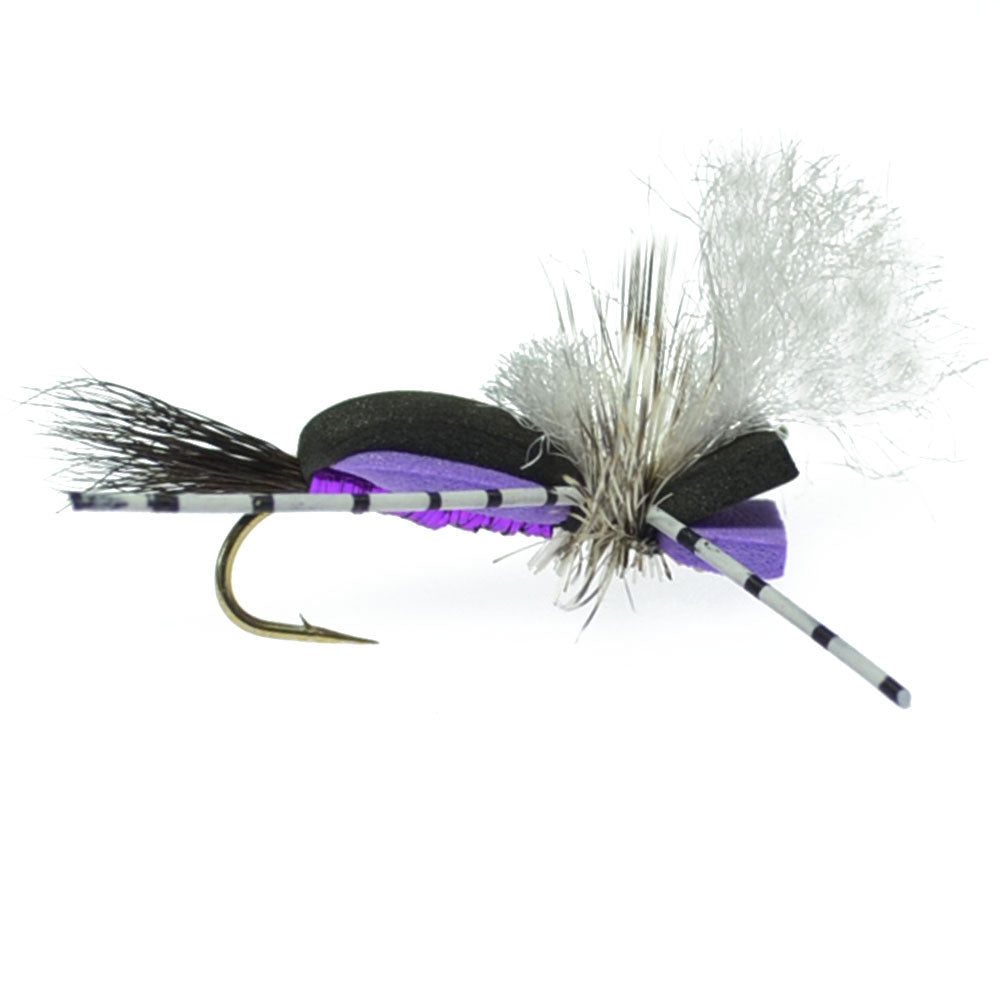
Shop by type: dry flies, nymphs, Euro nymphs, hoppers and terrestrials, streamers.
The three sections
Upper Provo - Woodland to Jordanelle Reservoir
The upper river from Woodland downstream to Jordanelle is a freestone stream flowing through open meadows and willowed banks in the Heber Valley. Smaller water than the middle section - wading is easy and the river is intimate in character. Wild brown trout dominate with some rainbows. The upper Provo is less pressured than the middle section and rewards the angler willing to explore. Hatches are typical of a high-elevation freestone stream - caddis, PMDs, hoppers, and BWO. The upper river is susceptible to runoff in May and June - check conditions before planning a spring trip.
Middle Provo - Jordanelle Dam to Deer Creek Reservoir
The middle Provo below Jordanelle Dam is the signature tailwater: cold, clear water across the Heber Valley floor, with public access off River Road. Wild brown and rainbow trout averaging a handsome fish, and larger ones in the better runs. The tailwater keeps temperatures honest year-round and produces consistent hatches. PMDs, caddis, and BWO are the dry-fly days. This is the water the Wasatch Front knows. Fish early, fish weekdays, and walk off the first pullout. Catch-and-release and artificial-only rules cover much of the prime water above Legacy Bridge.
Lower Provo - Deer Creek Dam through Provo Canyon
Below Deer Creek the river enters the limestone canyon on US-189. That is the water with Bridal Veil Falls in the backdrop, pocket water, and the same two-fish, artificial-only rule up to Olmsted. It is not the middle Provo. It is a third river, and a good one, if you treat the canyon as its own trip.
Year at a glance - middle Provo (tailwater)
| Month | Primary hatches | Also carry | Typical sizes |
|---|---|---|---|
| Jan | Midges | Small nymphs | Midge 20-26 |
| Feb | Midges, BWO | Small nymphs | Midge 20-24, BWO 18-22 |
| Mar | BWO, midges | Early caddis | BWO 16-20, midge 20-24 |
| Apr | BWO, caddis | PMD start late month | BWO 16-20, caddis 14-16 |
| May | PMD, caddis, BWO | March brown | PMD 16-18, caddis 14-16 |
| Jun | PMD, caddis, yellow sally | Golden stone, hoppers start | PMD 16-18, caddis 14-16 |
| Jul | PMD, caddis, hoppers | Yellow sally, ants | PMD 16-18, hopper 8-12 |
| Aug | Caddis, hoppers, PMD | Ants, beetles, trico | Hopper 8-12, caddis 14-16 |
| Sep | BWO, caddis, hoppers | Mahogany dun, trico | BWO 16-20, hopper 8-12 |
| Oct | BWO, midges | October caddis, mahogany dun | BWO 16-20, midge 20-24 |
| Nov | Midges, BWO | Small nymphs | Midge 20-24, BWO 18-22 |
| Dec | Midges | Small nymphs | Midge 20-26 |
January - February
The middle Provo tailwater fishes year-round. January is midge season - cold, clear water and fish concentrated in the slower runs and deeper pools. Focus on the flatter canyon sections and present midges slowly on a tight drift. BWO begin on overcast afternoons in February - the tailwater's stable temperatures mean hatches can start earlier here than on nearby freestone streams. One of the better winter dry-fly options along the Wasatch Front.
- Midges - 20-26 throughout both months. Two-fly Euro rig subsurface in the slower runs and pools. Midge cluster dry when fish are dimpling in slow tailouts.
- BWO - 18-22 on overcast February afternoons. Parachute and CDC emerger styles.
- Small nymphs 18-22 on a tight-line rig through the slots.
March - April
BWO hatches strengthen through March on the middle Provo - gray days in Provo Canyon can trigger outstanding afternoon hatches with rising fish along the entire canyon run. Early caddis begin by late March. April opens caddis season in earnest on both sections. BWO continue on overcast days. The upper Provo is subject to runoff in April - the middle canyon section is more protected due to Jordanelle regulation. PMDs can begin by late April in warm years.
- BWO - 16-20 on overcast afternoons through March and April. Parachute and CDC emerger styles.
- Midges throughout - 20-24 subsurface.
- Late March: first caddis - 14-16 on warm afternoons.
- April: caddis - 14-16 afternoons and evenings. Late April: first PMD - 16-18.
May - June
The prime season opens on the middle Provo in May. PMDs begin in earnest and caddis continue into the evenings. This is one of the best months on the middle Provo before summer crowds arrive. PMDs peak in June - morning hatches with rising fish throughout the canyon. Yellow sallies begin in the riffles. Golden stones in the upper river and lower canyon. The upper Provo clears from runoff by mid-June in most years and comes into prime condition. Pressure builds significantly on weekends - fish early.
- PMD - 16-18 mornings through both months. One of the Provo's signature hatches.
- Caddis - 14-16 afternoons and evenings through both months.
- BWO on overcast days through May.
- June: yellow sally 14-16 in the riffles. Golden stone 6-10 in the upper river and lower canyon.
July - August
PMDs continue into July on the middle Provo - a longer PMD window than most Utah rivers. Hoppers begin along the willowed banks of the upper river and the grassy canyon margins through July and peak in August. The upper Provo fishes exceptionally well in August - the willowed meadow banks concentrate hopper-eating fish and the pressure is less than the canyon. Caddis evenings continue on the middle section. Trico spinner falls on the flatter sections of the upper river by mid-August. Monitor water temperatures on the middle Provo in August - the canyon can warm and fish may seek deeper, cooler water. July is the busiest month - fish early morning or late evening.
- PMD - 16-18 mornings through July. Yellow sally 14-16 in the riffles through July.
- Caddis - 14-16 evenings through both months.
- Hoppers - 8-12 along the willowed and grassy banks from July through August. Hopper-dropper with a small nymph.
- August: trico 20-24 on flat upper river sections in the morning. Ants and beetles midday.
September - October
September is the best month on the Provo. Crowds thin after Labor Day, BWO return with the cooling temperatures, hoppers continue through mid-month, and the canyon is at its most beautiful. The fall BWO hatch on the middle Provo can be outstanding - dense afternoon hatches in the canyon with fish rising in every seam. October extends the BWO and adds October caddis on warmer days. Brown trout begin pre-spawn movement and streamers produce the largest fish of the year in the canyon runs. Midges reassert themselves as the primary food source by late October.
- Hoppers through mid-September - 8-12.
- BWO - 16-20 on overcast afternoons through September and October. Parachute and CDC emerger styles.
- Mahogany dun - 14-16 on overcast afternoons through September and October.
- October caddis - 8-10 on warmer October afternoons.
- Streamers for pre-spawn browns through October in the deeper canyon runs.
- Midges - 20-24 reasserting through October.
November - December
BWO and midges on the middle section through November - the canyon fishes well on mild days with very few other anglers. November is one of the most underrated months on the Provo for those willing to make the drive. December returns to the winter midge program. The tailwater character keeps the canyon fishable year-round - focus on the slower runs adjacent to the main channel seams.
- BWO - 16-20 on overcast November afternoons. Parachute style.
- Midges - 20-26 throughout both months. Two-fly rig subsurface. Midge cluster dry when fish are dimpling.
- Small nymphs on a tight-line rig through the deeper slots.
A western dry and nymph assortment covers the core season on both sections. Add a dedicated midge selection for winter and early spring, and a hopper and terrestrial box for July through September. The Provo rewards early risers - the best dry-fly fishing on the middle section happens in the first two hours of daylight before other anglers arrive.