Rock Creek Montana Hatch Chart
Southwest Montana, southeast of Missoula. Rock Creek drains a long corridor of the Sapphire Mountains before joining the Clark Fork near Clinton. One of Montana's most celebrated wild trout streams - westslope cutthroat, brown trout, and rainbow trout in clear, freestone water.
The lower canyon is accessible by road. The upper drainage above the narrows is more remote and holds native cutthroat in smaller, faster water. Brown trout dominate the middle and lower river, with the largest fish moving into feeding lanes during the salmonfly and hopper seasons.

Check current Montana Fish, Wildlife and Parks regulations before you go. From the confluence of the East and West Forks downstream to the mouth: three brown trout daily and in possession, none over 12 inches - release all rainbow and cutthroat trout - artificial lures only, except anglers 14 and younger may use bait. Closed to fishing from boats July 1 through November 30 - you may float for access and get out to wade. From December 1 to the third Saturday in May the mainstem stays open for mountain whitefish and catch-and-release trout, artificial lures and/or maggots only. Bull trout must be released. Watch for summer hoot-owl closures. A Montana fishing license is required.
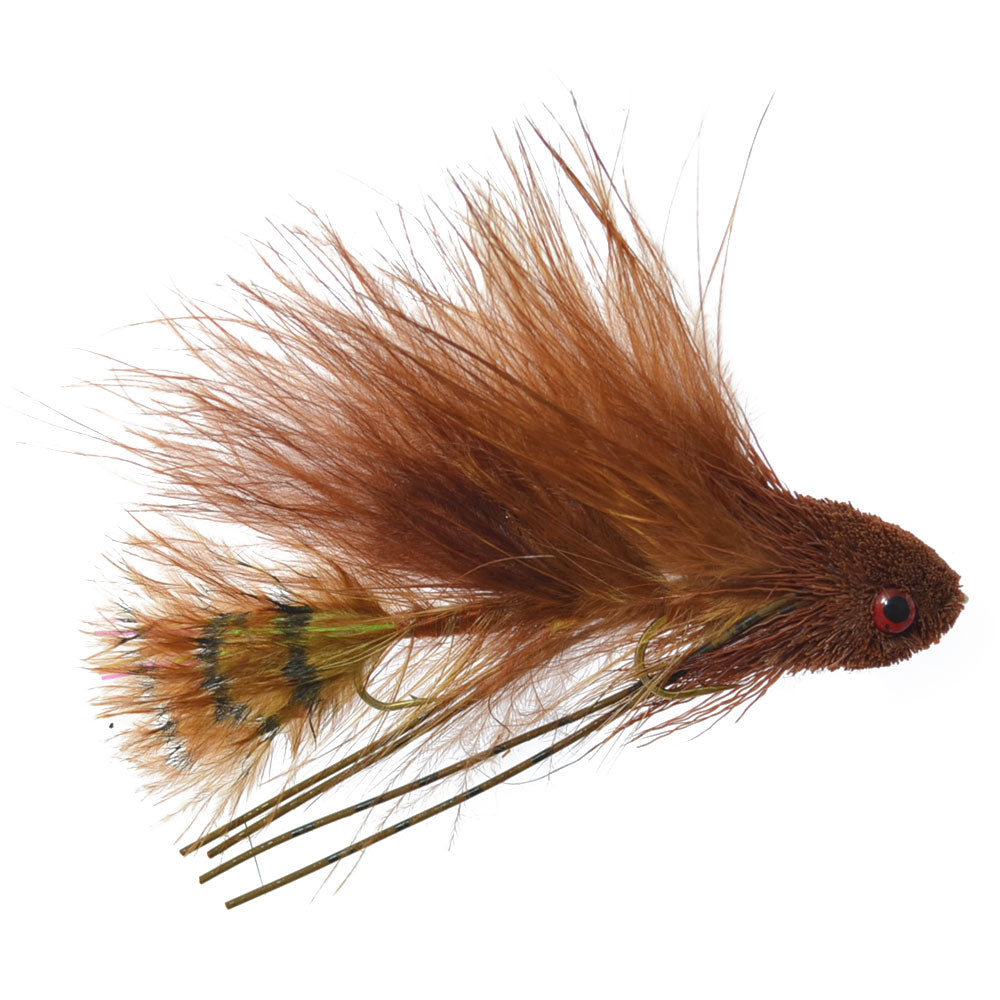
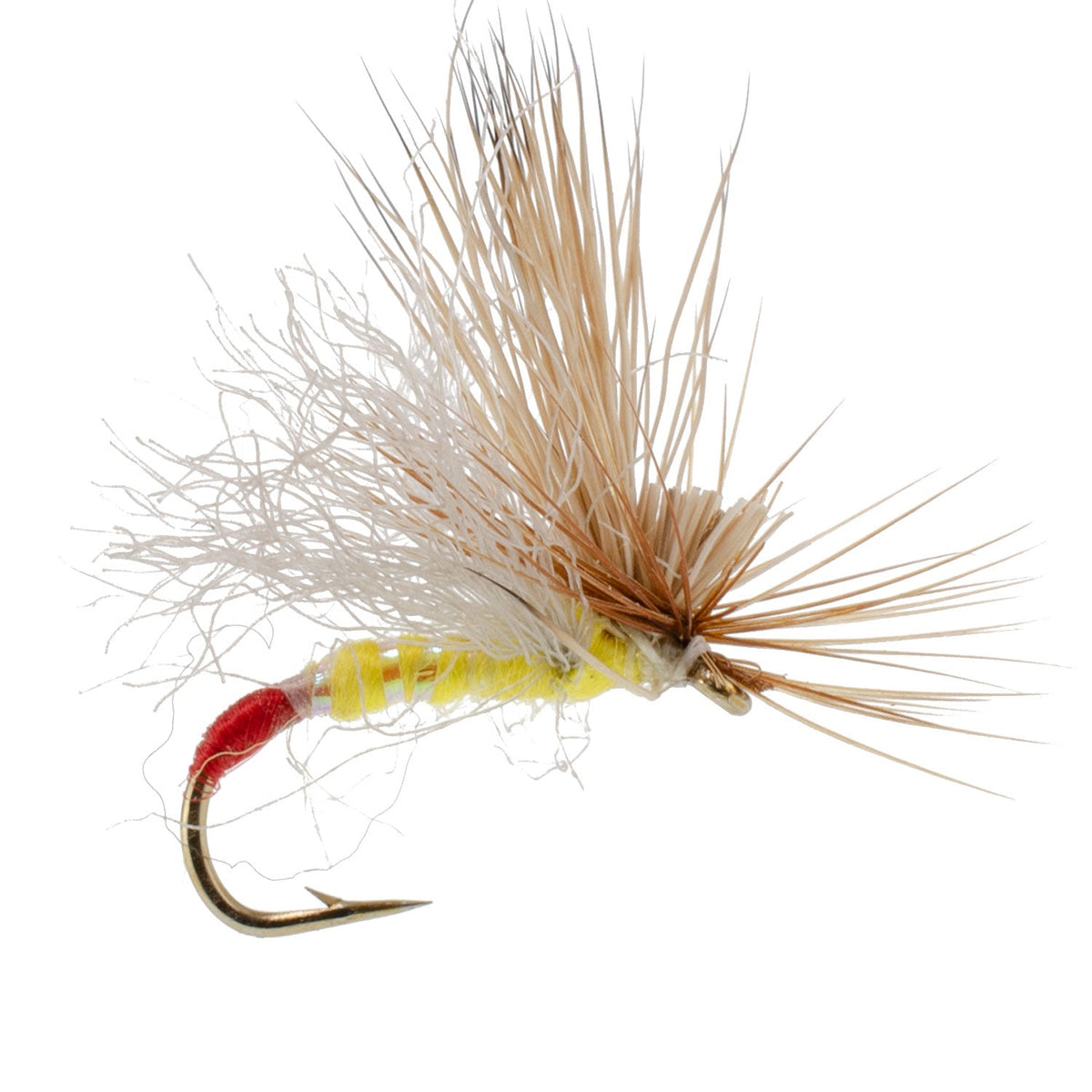
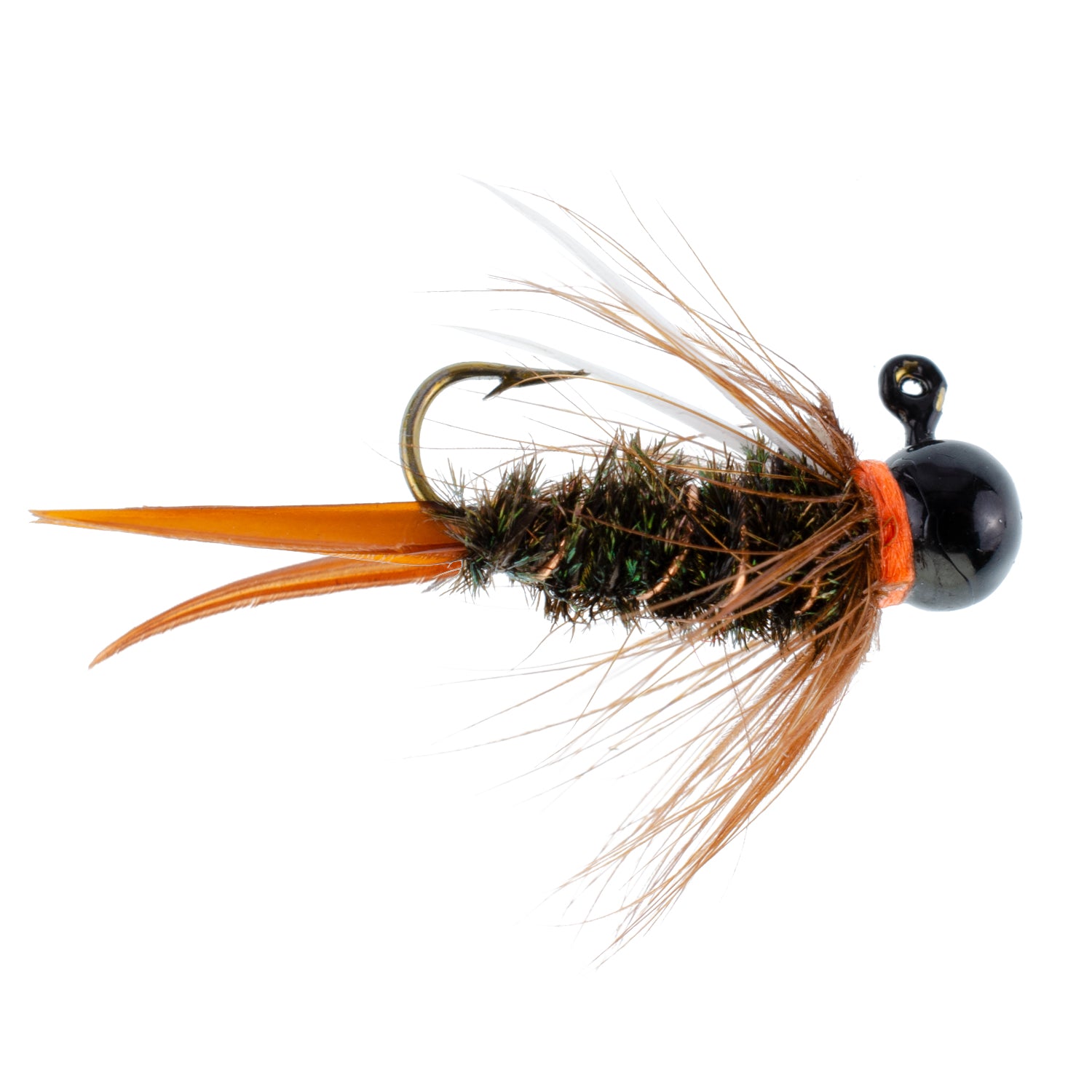
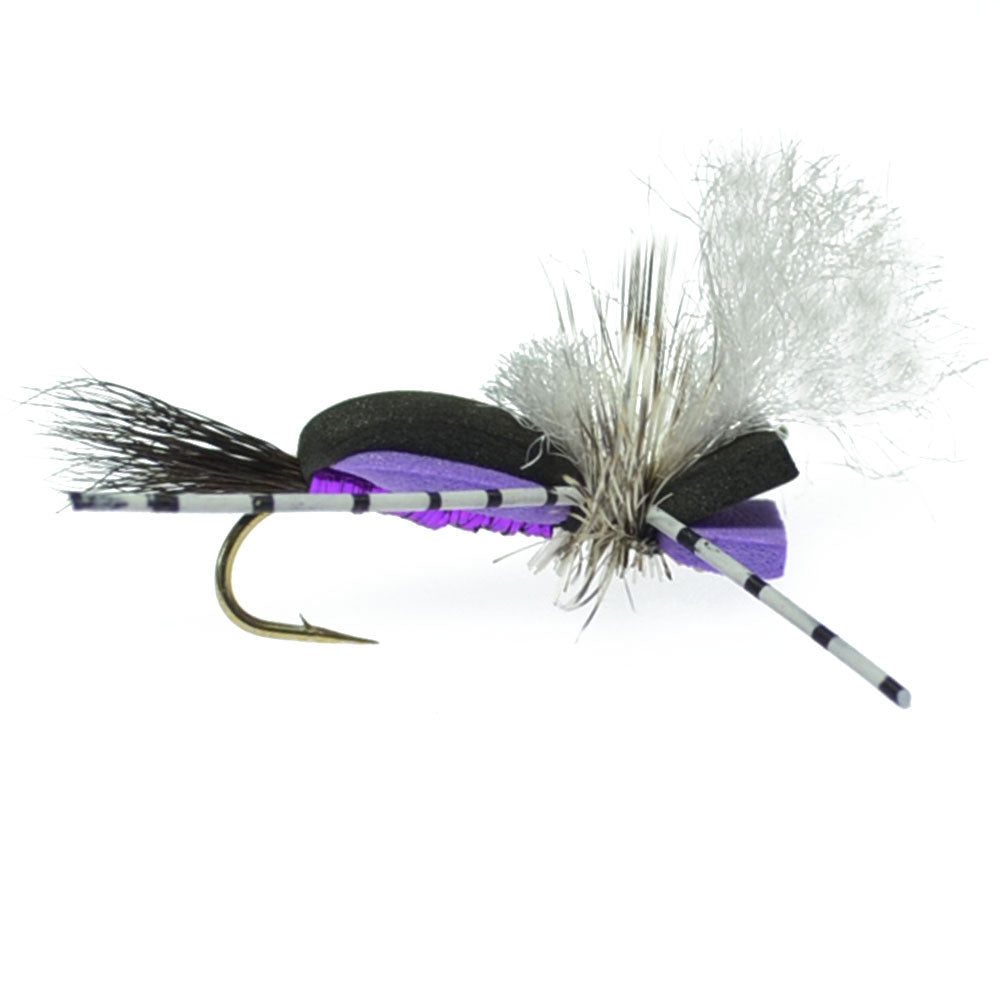
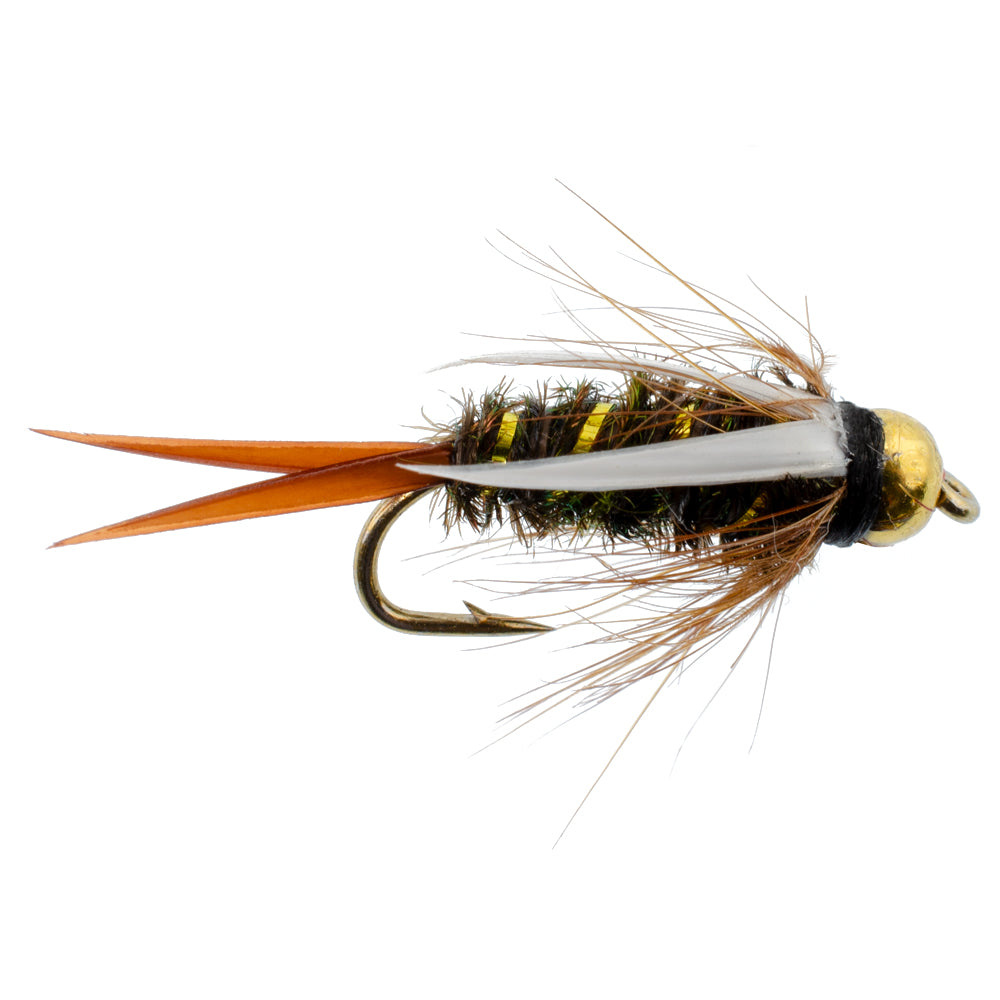
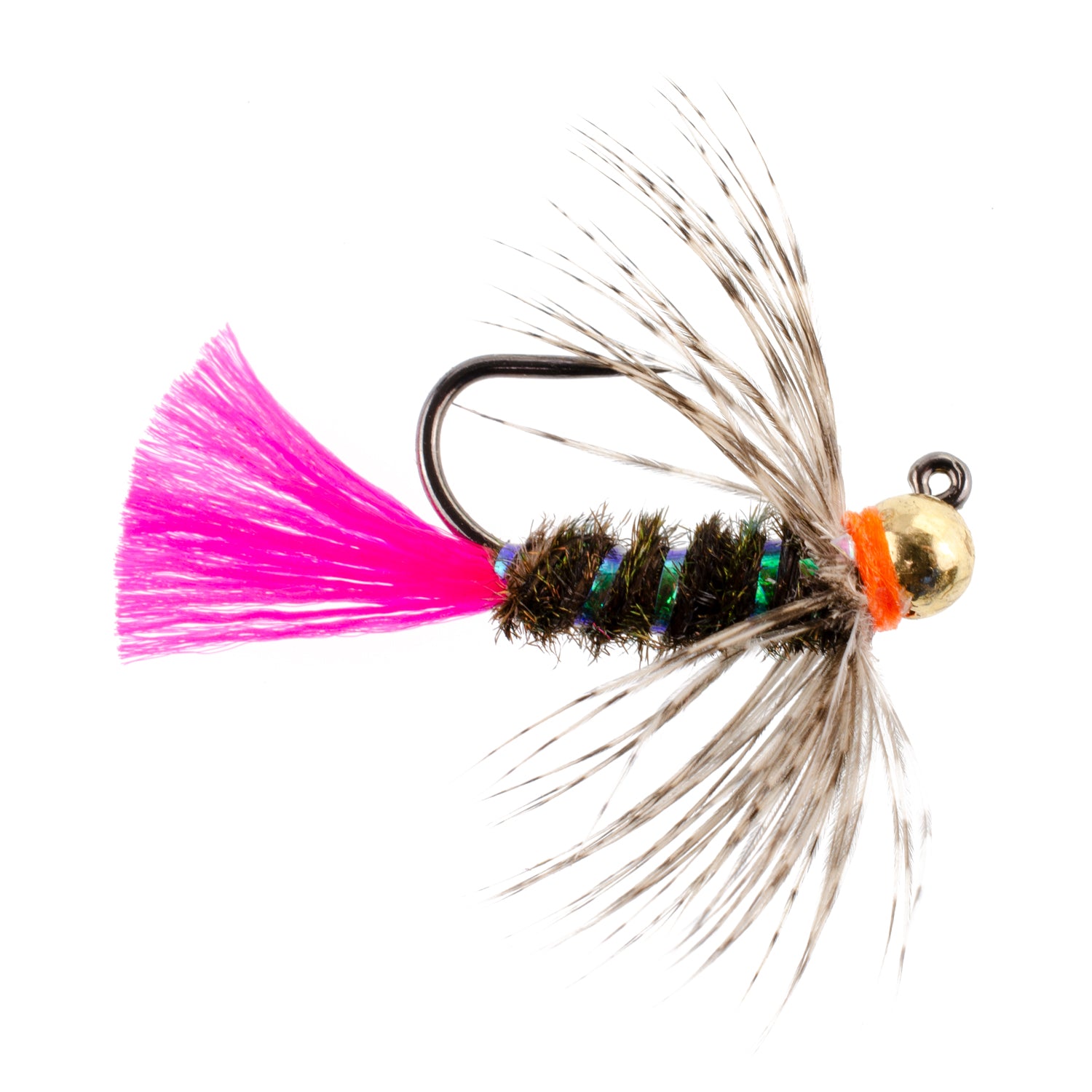
Shop by type: dry flies, nymphs, Euro nymphs, hoppers and terrestrials, streamers.
Year at a glance
| Month | Primary hatches | Also carry | Typical sizes |
|---|---|---|---|
| Jan | Midges | BWO on mild days, stonefly nymphs | Midge 18-22 |
| Feb | Midges, BWO | Small dark stonefly nymphs | Midge 18-22, BWO 16-20 |
| Mar | Skwala, BWO | Midges, March brown start | Skwala 8-12, BWO 14-20 |
| Apr | BWO, March brown, Skwala fading | Early caddis | BWO 12-18, caddis 14-16 |
| May | Caddis, stonefly nymphs | BWO, runoff mid-month | Caddis 14-16, stone 6-10 |
| Jun | Salmonfly, golden stone, caddis | PMD late month | Stone 4-10, caddis 14-16 |
| Jul | PMD, caddis, yellow sally | Hoppers start, golden stone fading | PMD 16-18, hopper 8-12 |
| Aug | Hoppers, ants, caddis | Trico, late PMD, beetles | Hopper 8-12, trico 20-22 |
| Sep | Hoppers, BWO, mahogany dun | October caddis, streamers | BWO 16-20, hopper 8-12 |
| Oct | October caddis, BWO, mahogany dun | Midges, streamers | Oct caddis 8-12, BWO 18-22 |
| Nov | BWO, midges | Streamers for post-spawn browns | BWO 18-22, midge 18-22 |
| Dec | Midges | Small nymphs, streamers | Midge 18-22 |
January - February
Cold and slow. Rock Creek fishes best in the warmest part of the afternoon through both months. Midges are the primary food source and fish hold in the deeper, slower runs. BWO begin on overcast February afternoons and midge adults cluster in back eddies and can bring fish to the surface on calm days.
- Midges - 18-22. Two-fly rig through the slow tailouts and deeper runs. Small dark stonefly nymphs along the cobble bottom in the faster water.
- BWO - 16-20 on overcast February afternoons. Parachute and CDC emerger styles.
- Pheasant tail nymphs subsurface for Baetis through both months.
March - April
Rock Creek's early season opens with the Skwala stonefly - a warmwater indicator hatch that brings bigger brown trout to the surface before most rivers in the region have anything dry-flyable. BWO continue alongside the Skwala. Skwala continue into early April and March brown adds a second dry-fly option on overcast days. Runoff typically begins in the second half of April - fish the first half of the month and then work the edges and clear water when flows push.
- Skwala - 8-12 through March and into early April. Rubber-leg nymph dead-drifted along the banks; Stimulator-style dry when adults are on the water.
- BWO - 14-20 on overcast afternoons through March and April. Parachute and CDC emerger styles.
- March brown - 12-16 on gray April afternoons.
- Early caddis - 14-16 at dusk through April.
May - June
Caddis build toward the salmonfly season. Runoff peaks mid-May and can blow the creek out for one to three weeks depending on snowpack - fish the first clear days after flows drop, as caddis hatches can be dense on the falling water. The salmonfly hatch is Rock Creek's most famous event and draws anglers from across the country. The hatch typically moves upstream through the canyon over two to three weeks, starting in the lower river in early June and reaching the upper stretches by late month. Golden stones follow close behind and extend the big-bug window into early July.
- May: caddis - 14-16 early in the month. Stonefly nymphs 6-10 subsurface before and during runoff. BWO on overcast days when flows allow.
- June: salmonfly - 4-8 hard against the bank, root wads, and cliff faces. Fish the water just ahead of where adults are landing - time the leading edge for the best action.
- Golden stone - 6-10. Overlaps and extends the salmonfly window. Stone nymph dropper below a large dry.
- Evening caddis - 14-16 throughout June.
- Late June: PMD - 16-18 in the riffles.

July - August
Rock Creek hits its stride for summer dry-fly fishing. PMDs in the morning, caddis evenings, and hoppers along the grassy banks through July. Brown trout are in full feeding mode. Pressure is high on weekends - go early or go deep into the upper canyon. Hopper season peaks in August with big browns sliding out in low light to eat a well-placed hopper. Tricos appear on the slower lower stretches in the mornings. Fish early and late; midday heat pushes fish deep.
- July: PMD - 16-18 mornings. Yellow sally 14-16 in the fast pocket water.
- Caddis - 14-16 evenings through July and August.
- Hoppers - 8-12 along the grassy banks from mid-July through August. Hopper-dropper with a small nymph is the workhorse rig.
- Trico - 20-22 early morning on the flat slower sections in August.
- Ants and beetles in the foam lines midday.
September - October
One of the best months on Rock Creek. Hoppers stay good through mid-September. Mahogany duns and olives add a second dry-fly window in the afternoon. Crowds thin considerably after Labor Day. October caddis and BWO extend the fall dry-fly season through October. Brown trout are staging for the fall spawn - handle carefully and avoid disturbing redds. Streamer fishing for non-spawning fish can be excellent in the deeper pools at low light.
- Hoppers and ants through mid-September.
- BWO - 16-20 on overcast afternoons through September and October. Parachute and CDC emerger styles.
- Mahogany dun - 14-16 on gray afternoons through September and October.
- October caddis - 8-12 on warmer afternoons through October. Large orange dry.
- Streamers at first and last light for pre-spawn and staging browns.
November - December
Spawning winds down and cold nights and short days settle in. BWO and midges on the warmest part of the November afternoon. Streamer fishing can be good for post-spawn browns recovering in holding water. December returns to the midge program - fish the warmest two hours of the afternoon in low, clear water with fine tippet and a careful approach.
- BWO - 18-22 on mild overcast November afternoons. Parachute and CDC emerger styles.
- Midges - 18-22 throughout both months. Two-fly rig through the slower, deeper runs.
- Streamers - olive and black in slower, deeper water for post-spawn browns through November.
- Small nymphs through the holding runs.
A western dry and nymph assortment covers the trout year. Add salmonfly patterns for June, hoppers and terrestrials for summer, mahogany duns and October caddis for fall, and a streamer selection for the full Rock Creek experience.