Silver Creek Idaho Hatch Chart
South-central Idaho, near Picabo, south of Sun Valley on the Snake River Plain. Silver Creek is a true spring creek: constant spring flow, clear flat water, and large rainbows and browns that refuse a sloppy fly. The Nature Conservancy Preserve is the famous meadow water. It is not the whole creek. Below Highway 20 the river stays open all year under a slot limit. Trico mornings in July and August are the image most people carry. Brown drakes, PMDs, callibaetis, and hoppers do as much real work.
Check current Idaho Fish and Game rules and Nature Conservancy Preserve rules before you go. They are not the same on every mile.
Nature Conservancy Silver Creek Preserve: fishing open Saturday of Memorial Day weekend through November 30. Sign in before you enter. Dawn to dusk. No dogs. Stay on marked trails and enter the creek only at designated access points. Fly fishing only. Catch-and-release. One barbless hook. No motors. Float tubes allowed. No rafts or hard boats. No camping. No fires.
From the Highway 20 bridge near milepost 187.2 west of Picabo upstream to the confluence of Grove Creek and Stalker Creek: no fishing from rafts or boats. Float tubes allowed. Closed December 1 through the Friday before Memorial Day. Memorial Day weekend through November 30: catch-and-release, fly fishing only, no bait, one barbless hook per fly.
From the mouth upstream to that Highway 20 bridge: open all year. Limit 2 trout per day, none between 12 and 16 inches.
An Idaho fishing license is required. Kilpatrick Bridge construction can close pond access. Check the preserve map the week you go.
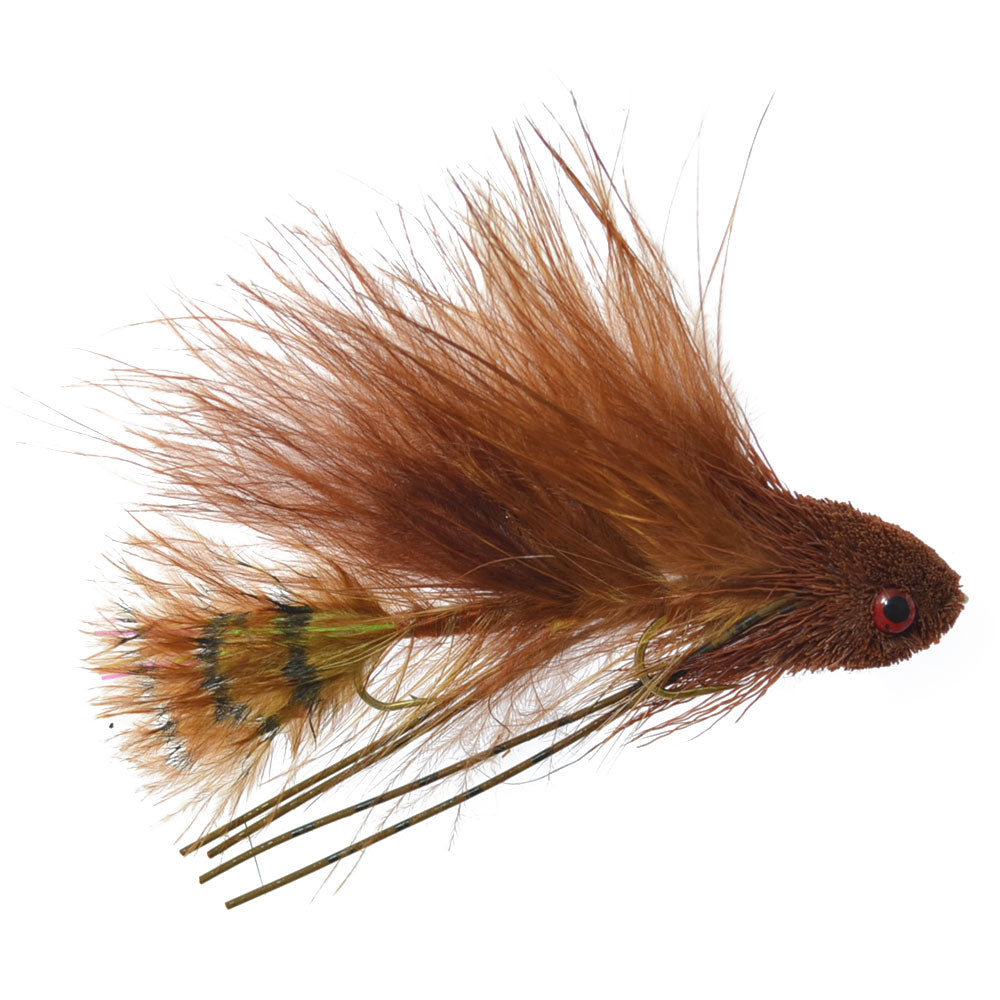
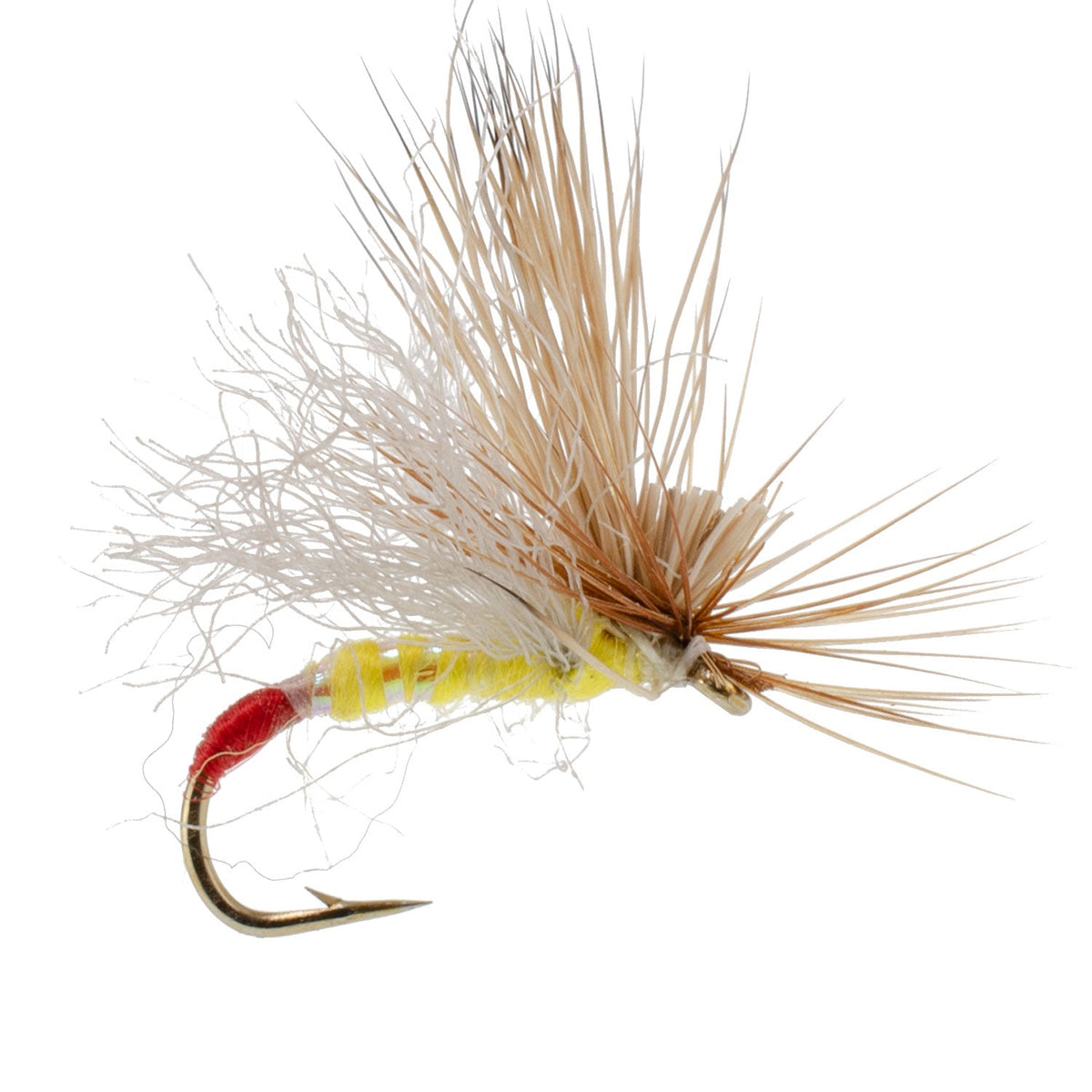
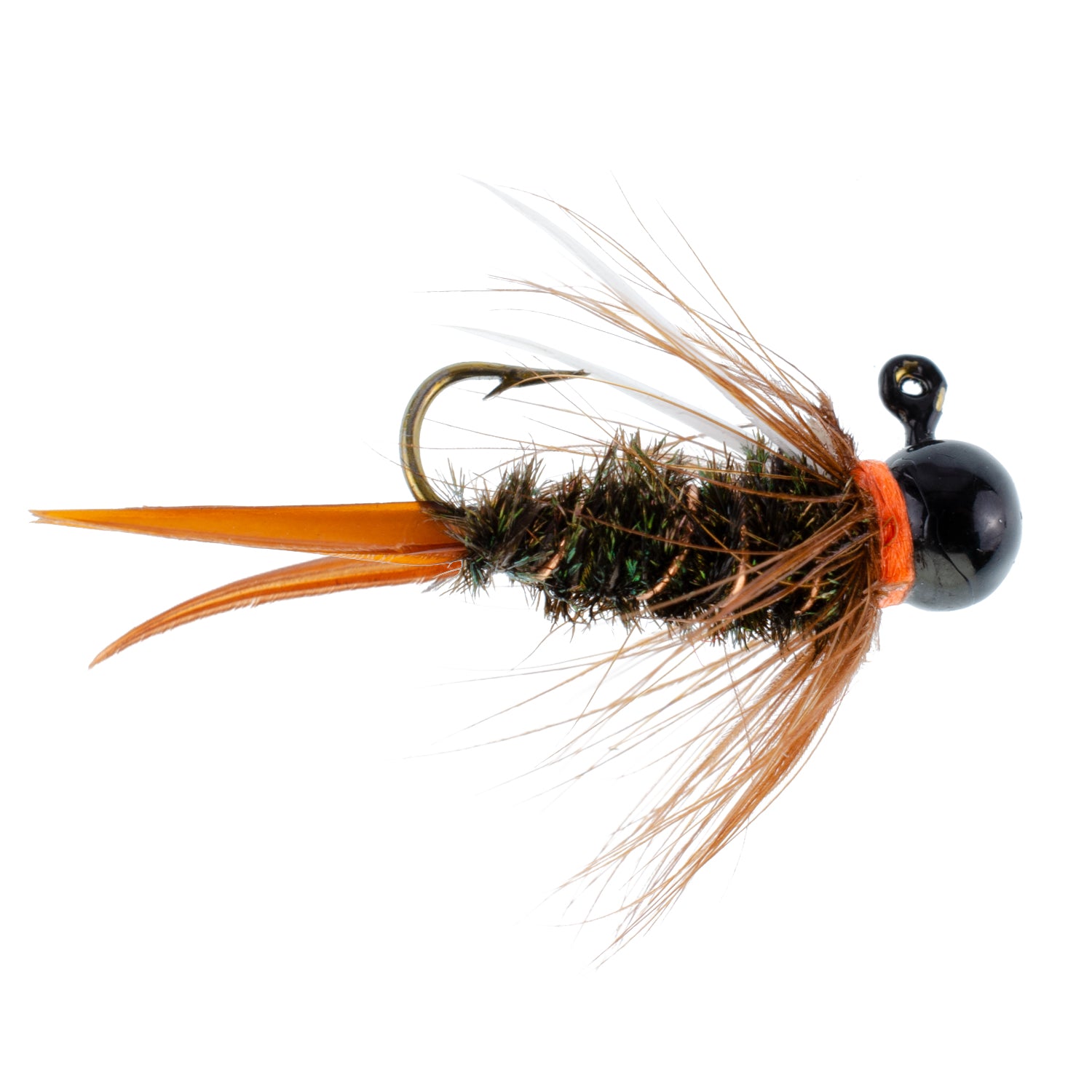
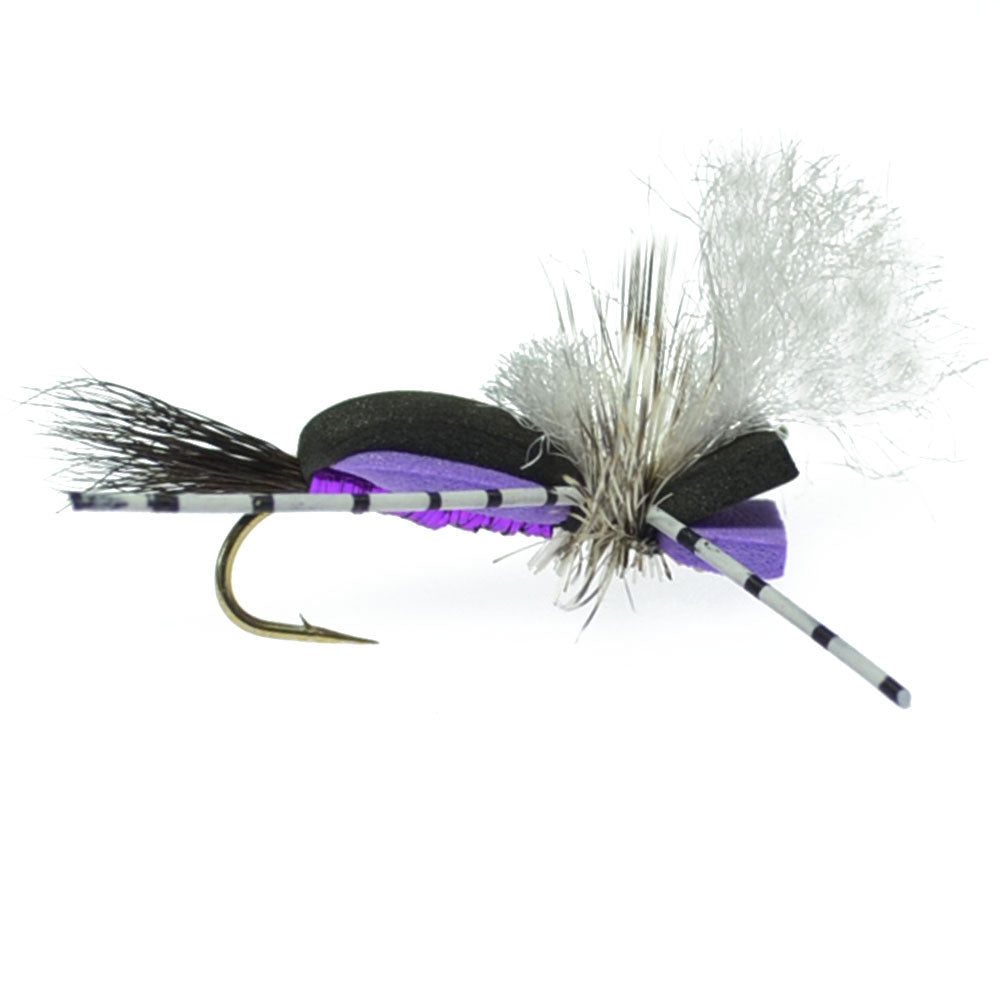
Shop by type: dry flies, nymphs, Euro nymphs, hoppers and terrestrials, streamers.
The river
Fish the section you are actually standing in. On the Preserve the water is slow, clear, and crowded in July. Fish are visible. Long leaders, 6X as a start, 7X for tricos. This is not a beginner creek and it is not open in winter. Below Highway 20 you can fish through the cold months. The fish are still selective.
The preserve itself is part of the experience - a working ranch and nature preserve managed by The Nature Conservancy with waterfowl, raptors, and the high desert landscape of the Snake River Plain as backdrop. The creek winds through open meadows with high grass banks that concentrate terrestrials in summer - the hopper fishing along the cut banks and grass margins is one of Silver Creek's most productive and approachable techniques, and a well-placed hopper can move fish that have refused everything else. The callibaetis spinner falls on the slower pool sections and the pale evening dun hatches at last light add complexity to an already demanding hatch calendar.
The most important tactical principle on Silver Creek is observation before casting. On a typical summer afternoon, two or three insects may be on the water simultaneously and the fish will be keyed to one specific stage of one specific species. Watch before you cast, identify what the fish are taking, and match it precisely. The angler who wades in and starts casting will spook fish and ruin water for everyone nearby - Silver Creek rewards the angler who moves slowly, observes carefully, and makes each presentation count.
Year at a glance
| Month | Primary hatches | Also carry | Typical sizes |
|---|---|---|---|
| Jan | Midges | BWO on mild days | Midge 20-24 |
| Feb | Midges, BWO | Small nymphs | Midge 20-24, BWO 18-22 |
| Mar | Midges, BWO | Early caddis on warm afternoons | Midge 20-24, BWO 18-22 |
| Apr | BWO, midges, caddis | Early PMD emergers | BWO 16-22, caddis 14-16 |
| May | PMD, caddis, BWO | Pale evening dun, callibaetis | PMD 16-18, caddis 14-16 |
| Jun | PMD, pale evening dun, callibaetis | Caddis, BWO | PMD 16-18, PED 16-18 |
| Jul | Tricos, callibaetis, pale evening dun | Hoppers, caddis | Trico 20-24, hopper 8-12 |
| Aug | Tricos, hoppers, callibaetis | Ants, beetles, pale evening dun | Trico 20-24, hopper 8-12 |
| Sep | Tricos, BWO, callibaetis | Hoppers, mahogany dun | Trico 20-24, BWO 18-22 |
| Oct | BWO, mahogany dun, midges | Callibaetis, streamers | BWO 18-22, midge 20-24 |
| Nov | Midges, BWO | Small nymphs | Midge 20-24, BWO 18-22 |
| Dec | Midges | BWO on mild days | Midge 20-24 |
January - February
Silver Creek in the Preserve opens on Memorial Day. Silver Creek below Highway 20 is open through the winter, and January and February are genuinely productive for the angler who can handle the cold and the technical challenge. Spring creek fish stack in the flat pools and tailouts and sip midge clusters with maddening selectivity on the calm, mild afternoons - the water is clear, the fish are visible, and the challenge is as real in January as it is in July. February brings increasing BWO activity on overcast afternoons. One of the least-pressured periods on the preserve - worth the visit for the solitude and the winter spring creek experience that few anglers ever seek out.
- Midges - 20-24. Two-fly midge rig - larva or pupa below, adult or cluster pattern on the surface. 7X tippet. Dead drift through the flat pools and tailouts.
- BWO - 18-22 on overcast February afternoons. Parachute and CDC emerger styles. Long leader essential on the flat water.
- Small dark nymphs subsurface in the deeper slower pools.
March - April
BWO hatches strengthen through March - reliable olive hatches on overcast afternoons with increasing fish activity as the preserve transitions toward spring. Midges remain the constant. Early caddis on the warmest March afternoons. April brings caddis more reliably and the first PMD emergers late in the month - the creek is stunning in April with waterfowl on the preserve ponds, green coming into the meadow margins, and fish beginning to look up for larger patterns after months of sipping midges. March and April are excellent times on Silver Creek - manageable hatches, minimal crowds, and fish that are active and willing relative to the difficult summer months.
- Midges - 20-24 throughout. The year-round Silver Creek constant.
- BWO - 18-22 on overcast afternoons. The dominant spring dry-fly hatch. CDC emerger and parachute styles.
- Late March: early caddis - 14-16 on the warmest afternoons.
- April: caddis building - 14-16. Early PMD emergers in the film late in the month.
May - June
The complexity of Silver Creek's hatch calendar builds in earnest through May - PMDs and caddis overlap, pale evening duns and callibaetis add more options, and on a good afternoon two or three insects may be on the water simultaneously with fish keyed to one specific stage. Observation before casting is essential. June is peak spring fishing - PMDs dominate the mornings, pale evening duns produce the most intense surface feeding of the year at last light, and callibaetis are important on the slower pool sections throughout the day. Crowds begin building in June - arrive early, pick water carefully, and be prepared to wait for rising fish rather than disturbing them.
- PMD - 16-18 mornings through May and June. The dominant spring hatch. Parachute and CDC emerger styles. Pheasant tail nymph dropper covers the subsurface stage.
- Caddis - 14-16 afternoons and evenings through May and into June.
- BWO on overcast mornings through May.
- Callibaetis - 14-16 on the slower pool sections. Parachute or sparkle dun in gray-olive.
- Pale evening dun - 16-18 at last light in June. Long leader, fine tippet, accurate cast - one chance per fish.
July - August
Trico season - the hatch Silver Creek is most famous for. Morning spinner falls bring every large fish in the preserve to the surface simultaneously, sipping size 20-24 spent flies in the flat mirror-smooth pools in one of the most visually spectacular and technically demanding dry-fly situations in western trout fishing. Be on the water at first light. Hoppers along the meadow cut banks and grass margins from mid-July through August - one of the few patterns that can provoke a reaction strike from otherwise lock-jawed Silver Creek fish. Ants and beetles in the foam lines. August is the busiest month on the preserve - the best fishing is in the first two hours of light before the crowds arrive.
- Tricos - 20-24. The signature Silver Creek hatch. Early morning spinner falls on flat water. Spent-wing pattern on 7X tippet, dead drift, no drag. Plan to be on the water at first light.
- Hoppers - 8-12 along the meadow margins, cut banks, and grass undercuts mid-July through August. Can move fish that nothing else will.
- Ants and beetles in foam lines and surface film along grassy banks - 16-18.
- Callibaetis - 14-16 on the slow pool sections through midday.
- Pale evening dun at last light through July - 16-18.
September - October
September is one of the finest months on the preserve - tricos continue into mid-September, BWO return with the cooling nights, callibaetis remain on the slower sections, hoppers hold through mid-month, and crowds drop sharply after Labor Day. The meadow turns gold, mornings are cold and clear, and the fish are as large and selective as they have been all season. October brings exceptional BWO fishing - dense hatches on gray afternoons with an almost empty preserve and the full fall colors of the high desert around the creek. Mahogany duns add a second dry-fly option. The creek in October with waterfowl staging on the preserve ponds and frost on the meadow grass is worth the trip for the setting alone.
- Tricos through mid-September - 20-24 on flat water in the morning.
- Hoppers and ants through mid-September - 8-12 and 16-18.
- BWO - 18-22 on overcast afternoons through September and October. The dominant fall hatch. Sparse patterns, fine tippet, precise presentation.
- Mahogany dun - 14-16 on overcast afternoons in September and October.
- Callibaetis - 14-16 on the slower pool sections through September.
- Streamers in the deeper bends and pools at last light in October.
November - December
Back to the midge and olive program as the preserve quiets for winter. BWO on overcast November afternoons - the creek in November is serene and largely untouched, with spring creek fish that have seen every pattern in the book still willing to eat a well-presented midge on a calm afternoon. December midge fishing on Silver Creek is a genuine option for the dedicated local angler - mild, calm, overcast afternoons are the conditions to look for, with fish stacked in the flat pools and tailouts and visible throughout the preserve even in the coldest months.
- BWO - 18-22 on overcast afternoons through November. CDC emerger and parachute styles.
- Midges - 20-24 throughout. Two-fly rig through slow water and tailouts. 7X tippet standard.
- Small nymphs subsurface in the deeper pools - sized 18-20.
A Silver Creek box is built around small flies and precise presentation - start with a deep midge selection in sizes 18-24, a strong BWO and trico selection, PMDs in 16-18, callibaetis, and pale evening dun patterns. Add hoppers for August and September. Go one tippet size finer than you think you need - 7X is standard, not unusual. A western dry and nymph assortment is a starting point - supplement with smaller sizes and the trico and callibaetis patterns that define the summer season. Silver Creek is one of the defining spring creek experiences in the American West - demanding, beautiful, and unforgettable for the angler willing to fish small and present precisely.