Spokane River Washington Hatch Chart
Eastern Washington, flowing west from Lake Coeur d’Alene in Idaho through Spokane Valley and the city of Spokane, then on to the Columbia at Lake Roosevelt. The Spokane is one of the most accessible wild trout fisheries in the inland Northwest: a dam-regulated river that still holds wild redband rainbows in a basalt gorge that happens to run through a city. The water does not fish like an urban ditch. The canyon walls take the town away. The evening caddis hatches from May through September are among the heaviest in eastern Washington, and the fish that rise to them are wild, colorful, and hard-fighting.
Check current Washington Department of Fish and Wildlife regulations before you go.
From Nine Mile Dam upstream to the Idaho line: selective gear rules. Open the Saturday before Memorial Day through March 15. Release all fish except hatchery rainbow trout, daily limit 2. Wild redbands go back. From mid-March until Memorial Day weekend the river is closed so those fish can spawn.
Access is a mix of city parks, the Centennial Trail, Riverside State Park, and private bank. Stay on public approaches. From the Idaho line to Upriver Dam, do not eat the fish. A Washington fishing license is required.
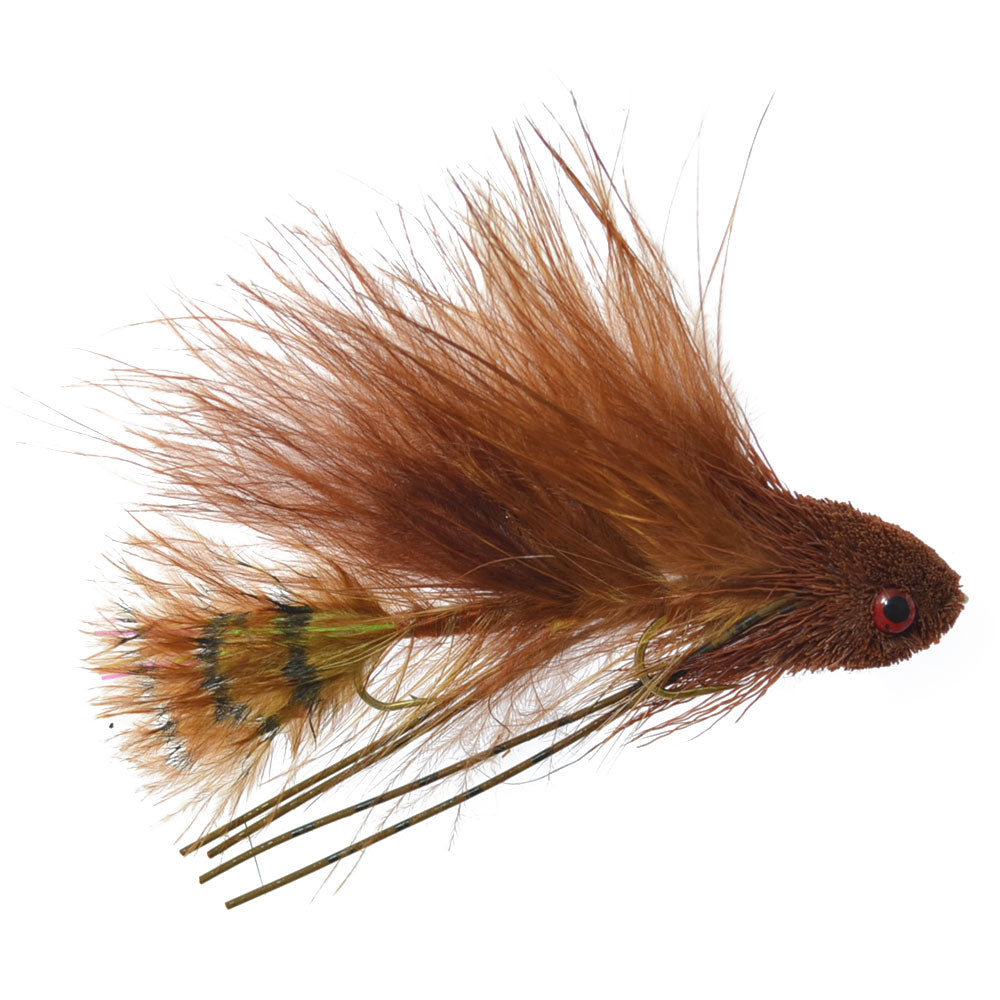
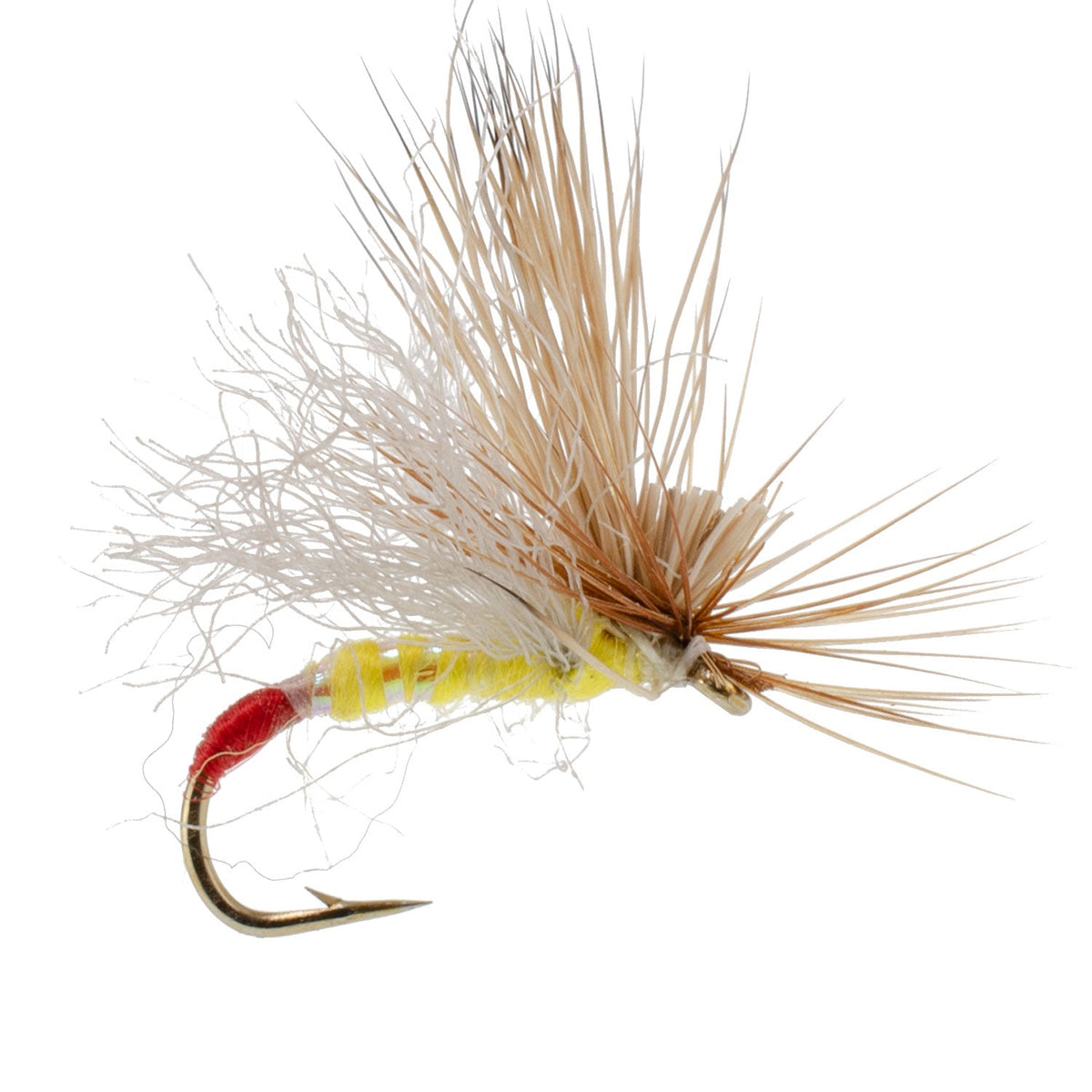
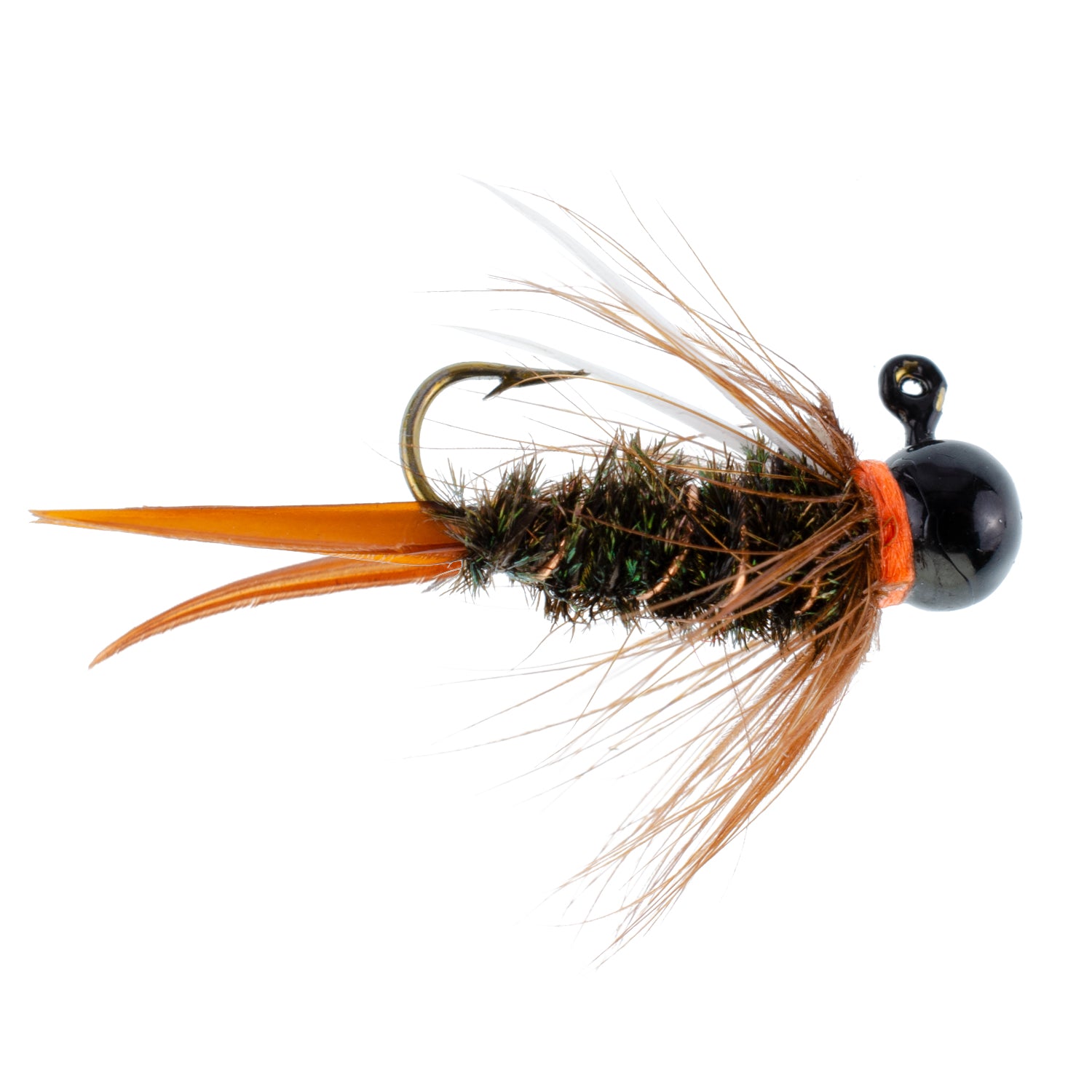
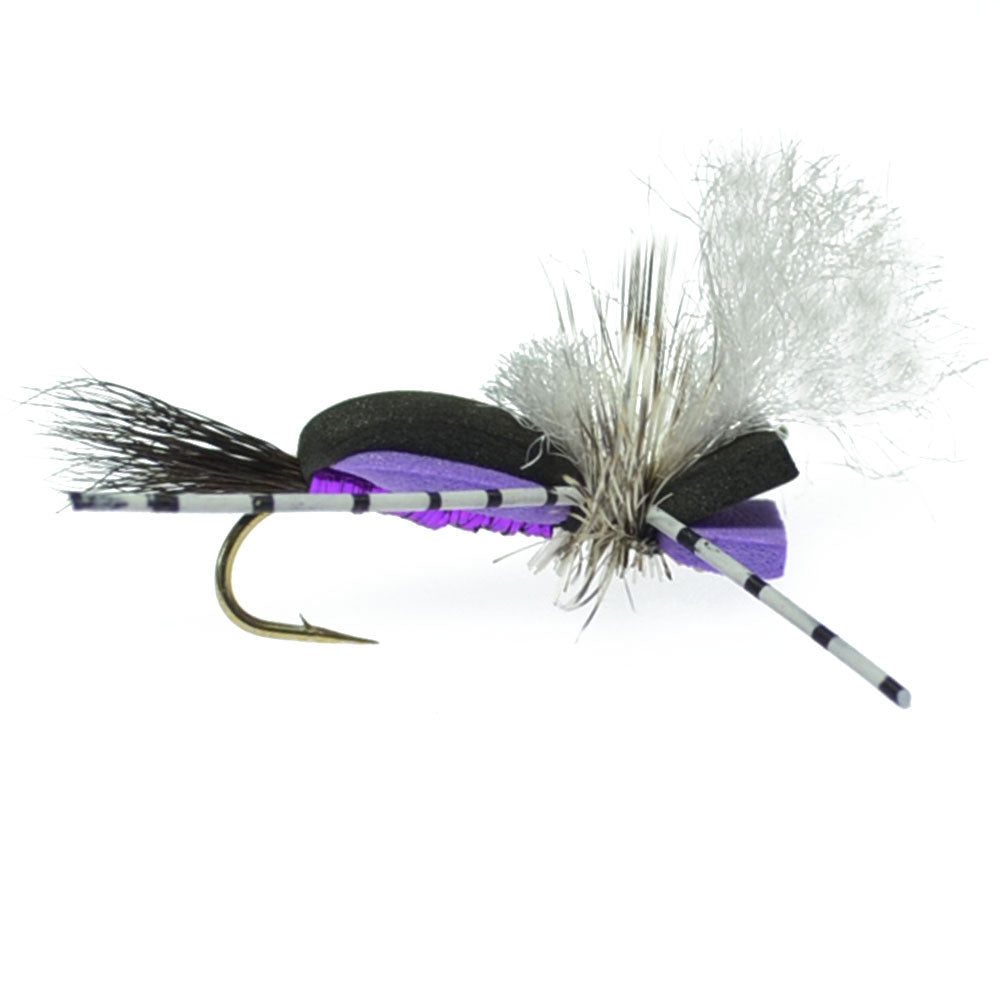
Shop by type: dry flies, nymphs, Euro nymphs, hoppers and terrestrials, streamers.
The river
The Spokane drops through a series of basalt canyon reaches as it crosses eastern Washington, producing fast, technical water with pocket water, riffles, and pools. The upper river from the Idaho line through Spokane Valley holds good numbers of fish when the water is cool. Through Riverfront Park and the gorge below Monroe Street Dam the river feels farther from town than it is. Wild redband rainbows are the fish: a native rainbow of the Columbia Plateau, more richly marked than a hatchery trout, eager to rise when the hatch is honest. Browns hold in some reaches. Whitefish are throughout.
The caddis hatch is the event of the Spokane year. From May through September the evenings can cover the river, and the redbands come up for it. Because the dams flatten the spring flood, the river often stays fishable when nearby freestones are out of shape. That is one of its quiet gifts. Skwalas in March open the dry-fly year. Fall BWOs close it. Plan a summer or fall evening around the caddis. That is the hour this river was made for.
Year at a glance
| Month | Primary hatches | Also carry | Typical sizes |
|---|---|---|---|
| Jan | Midges | Small nymphs | Midge 20-26 |
| Feb | Midges, BWO | Small nymphs | Midge 20-24, BWO 18-22 |
| Mar | Skwala, BWO, midges | Early caddis | Skwala 10-12, BWO 16-20 |
| Apr | BWO, caddis, March brown | Skwala nymphs | BWO 16-20, caddis 14-16 |
| May | Caddis, PMD, BWO | March brown, yellow sally | Caddis 14-16, PMD 16-18 |
| Jun | Caddis, PMD, yellow sally | Golden stone, hoppers start | Caddis 14-16, PMD 16-18 |
| Jul | Caddis, PMD, hoppers | Yellow sally, ants | Caddis 14-16, hopper 8-12 |
| Aug | Caddis, hoppers, trico | Ants, beetles, late PMD | Hopper 8-12, caddis 14-16 |
| Sep | BWO, caddis, hoppers | Mahogany dun, trico | BWO 16-20, hopper 8-12 |
| Oct | BWO, midges | October caddis, mahogany dun | BWO 16-20, midge 20-24 |
| Nov | Midges, BWO | Small nymphs, streamers | Midge 20-24, BWO 18-22 |
| Dec | Midges | Small nymphs | Midge 20-26 |
January - February
The Spokane fishes year-round and January and February are the midge and nymph season with increasing BWO activity through February. The tailwater character of the upper reaches keeps water temperatures stable and fish active through the coldest months - focus on the slower runs and deeper pools in the canyon reaches where fish hold tight to the bottom in January and respond to a slow, methodical nymph presentation. BWO begin appearing on overcast February afternoons, one of the earliest BWO rivers in Washington due to relatively low elevation and tailwater influence. Very few other anglers in January and February makes this an excellent time for solitude on water that is genuinely productive - a mild overcast afternoon in the Spokane gorge with rising fish and no other anglers is one of the better-kept secrets of eastern Washington fly fishing.
- Midges - 20-26. Two-fly rig through the deeper slots and slow tailouts. Midge cluster dry when fish are dimpling on calm afternoons.
- BWO - 18-22 on overcast February afternoons. Parachute and CDC emerger styles. The canyon fish rise to olives reliably on the right gray day even in February.
- Small nymphs 18-22 on a tight-line rig through the deeper slots throughout both months.
March - April
March brings the Skwala stonefly - the first significant dry-fly hatch of the year on the Spokane and one of the most anticipated events of the eastern Washington fishing calendar. Skwalas are large, dark stoneflies that hatch on warm afternoon days in March, triggering aggressive surface feeding from redbands that have seen no dry flies all winter. BWO continue on overcast days alongside the Skwala. April shifts to caddis and BWO overlapping, with March brown on the broader sections and the evening caddis hatch beginning to build. The Spokane's dam regulation means it stays fishable through April when nearby freestone streams are blown out by snowmelt - a significant advantage for the eastern Washington angler.
- Skwala - 10-12. The signature early-season Spokane hatch. Large dark stonefly dries on warm afternoons in March. Skwala nymph subsurface all day before and after the hatch window.
- BWO - 16-20 on overcast afternoons through March and April. Parachute and CDC emerger styles.
- March brown - 12-14 on the broader riffled canyon sections in April.
- April: caddis building - 14-16 afternoons and evenings as the signature Spokane season approaches.
May - June
The prime season opens in May and the evening caddis hatches that define the Spokane build quickly to their peak. Caddis emergences on the Spokane in May and June can be extraordinary - dense hatches with redbands rising aggressively throughout the canyon. PMDs begin on the flatter sections by mid-May. Yellow sallies in the faster riffles. BWO on overcast mornings. June adds golden stones in the heavier pocket water and the first hoppers along the canyon margins by late month. May and June are outstanding months - excellent overlapping hatches, stable regulated water, and lighter pressure than summer float season on nearby rivers.
- Caddis - 14-16 afternoons and evenings through May and June. The defining Spokane hatch. Plan your day around the evening emergence.
- PMD - 16-18 mornings on the flatter sections from mid-May through June.
- BWO on overcast mornings through May.
- Yellow sally - 14-16 in the faster riffles in May and June.
- Late June: first hoppers along the canyon margins and basalt walls.
July - August
Evening caddis remain the anchor of July and August fishing on the Spokane - the most reliable and dramatic dry-fly event on the river through the full summer season. Hoppers build along the basalt canyon walls and grassy margins above the gorge through July and peak in August - fish them tight to the banks in the afternoon before the evening caddis hatch begins. PMDs linger on the cooler upper sections in July. Trico spinner falls begin on the flatter sections by mid-August. Monitor water temperatures in July and August - the lower urban reaches can warm during midday heat and fish may seek the canyon depths. Fish early morning for tricos, afternoon for hoppers, evening for caddis - August on the Spokane gorge is a full day of dry-fly fishing.
- Caddis - 14-16 evenings throughout July and August. The defining Spokane experience.
- Hoppers - 8-12 afternoons along the basalt canyon walls and grassy margins mid-July through August. Hopper-dropper with a small nymph is the standard rig.
- PMD - 16-18 on the cooler upper sections in July.
- Yellow sally - 14-16 in the riffles through July.
- Trico - 20-24 early morning on the flat sections in August. Fine tippet essential.
- Ants and beetles midday along the banks - 14-16.
September - October
September is the finest month on the Spokane - crowds thin after Labor Day, BWO return strongly with the cooling temperatures, hoppers continue through mid-month, and the evening caddis hatch overlaps with the fall olives to produce outstanding mixed-hatch evenings in the canyon. The fall BWO fishing strengthens through October - consistent afternoon hatches with selective fish and an essentially empty river. October caddis add a large dry-fly option on warmer afternoons. Brown trout become more aggressive as pre-spawn instincts build and streamers in the deeper canyon runs produce the largest fish of the year in October. Mahogany duns overlap with the olives through both months.
- Hoppers through mid-September along the canyon - 8-12.
- BWO - 16-20 on overcast afternoons through September and October. The dominant fall hatch. Parachute and CDC emerger styles.
- Caddis evenings continuing through September - 14-16.
- Mahogany dun - 14-16 on overcast afternoons in September and October.
- October caddis - 8-10 on warmer afternoons in October.
- Streamers for fall browns in the deeper canyon runs through October.
November - December
BWO and midges as the season winds into winter. The urban canyon sections fish well on mild November afternoons with minimal competition - the city disappears once you are in the gorge and the fishing can be surprisingly good on a well-presented dry on the right overcast day. December returns to the midge program. The Spokane's tailwater sections remain fishable year-round and December in the canyon gorge offers genuine solitude and active fish for the angler willing to brave the cold - focus on the slower runs adjacent to the main current seams and present midges slowly on a tight drift.
- BWO - 18-22 on overcast afternoons through November. The canyon fish rise to olives well into late fall.
- Midges - 20-26 throughout both months. Two-fly rig through the deeper slots and slow tailouts.
- Small nymphs on a tight-line rig through the deeper canyon slots.
- Streamers for larger fish and fall browns through mid-November.
A western dry and nymph assortment covers the core season - add a Skwala pattern in sizes 10-12 for March and plan any summer or fall visit around the evening caddis hatch. The Spokane River is eastern Washington's most accessible wild trout fishery - native redband rainbows in a basalt canyon, year-round hatches, and evening caddis fishing that rivals any river in the Pacific Northwest.