Strawberry River Utah Hatch Chart
North-central Utah, flowing out of Strawberry Reservoir at Soldier Creek Dam, through the Strawberry River Canyon in Duchesne County, and on toward Starvation and the Duchesne River. The river below the dam is one of Utah's finer, quieter wild trout streams: a tailwater canyon of brown and rainbow trout, red rock and sage, far enough from the Wasatch Front that the pressure thins. Consistent releases, honest insects, and wild fish in that country make the drive worthwhile.
Check current Utah Division of Wildlife Resources regulations before you go. From the confluence with Red Creek, near the Pinnacles, upstream to Soldier Creek Dam, including the ponds and standing water in that reach: artificial flies and lures only. No overnight camping on Division land. The tributaries above the reservoir follow different rules, including year-round closures and midsummer closures - read that entry separately. Access below the dam is a mix of public trail and private ground. A Utah fishing license is required.
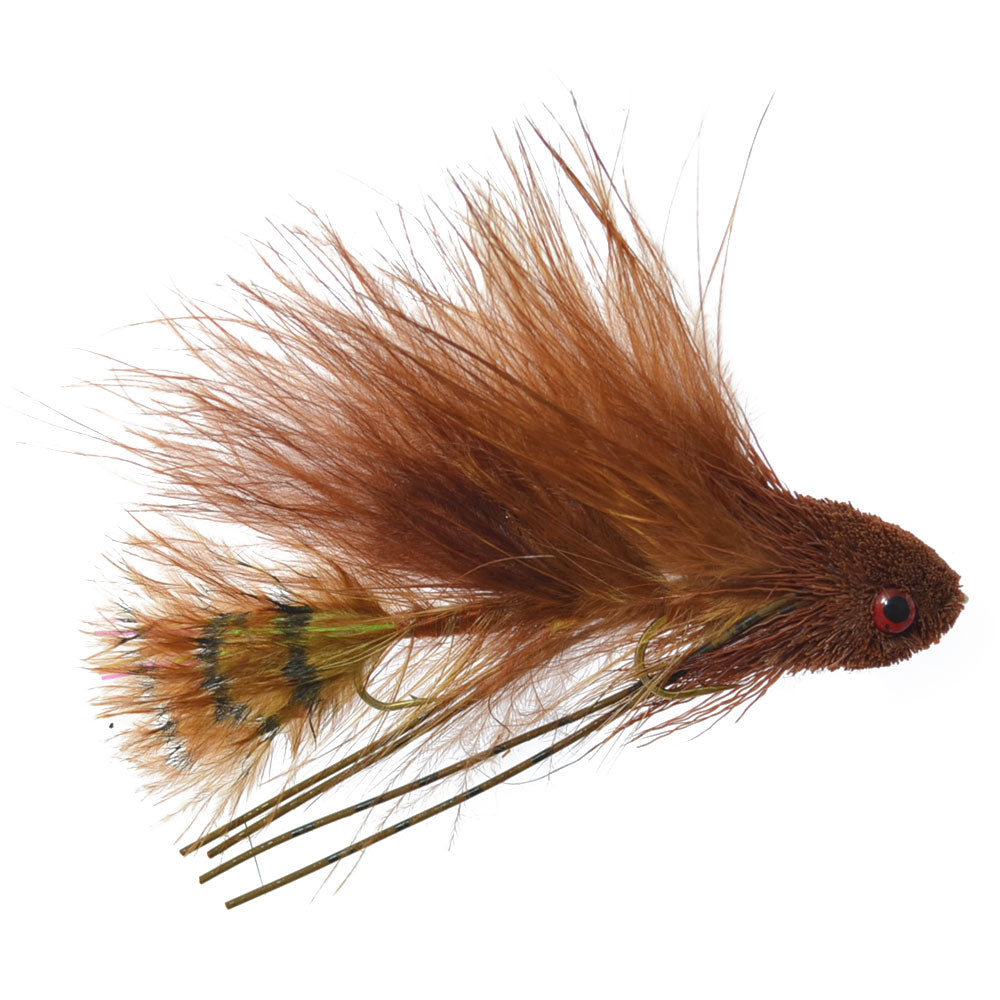
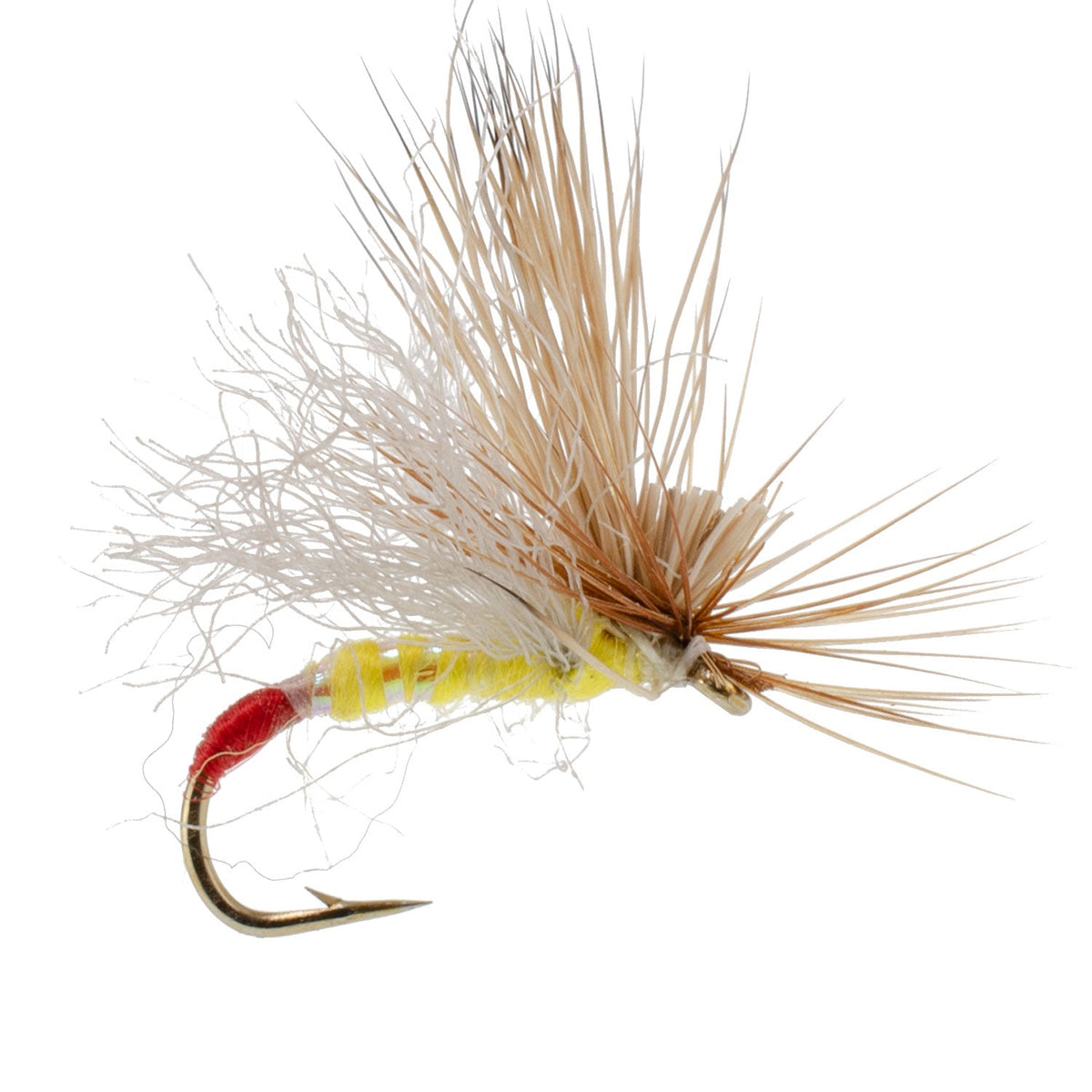
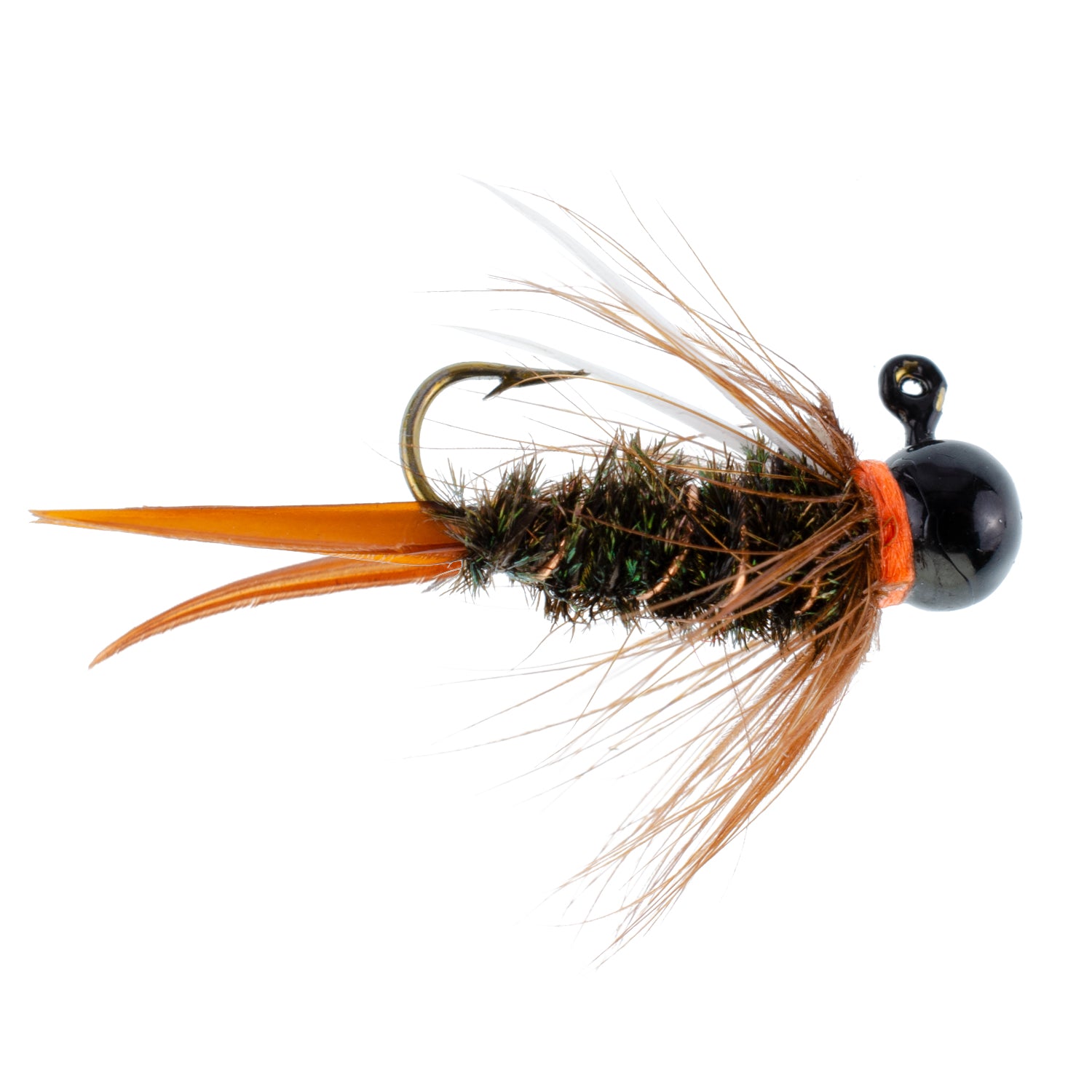
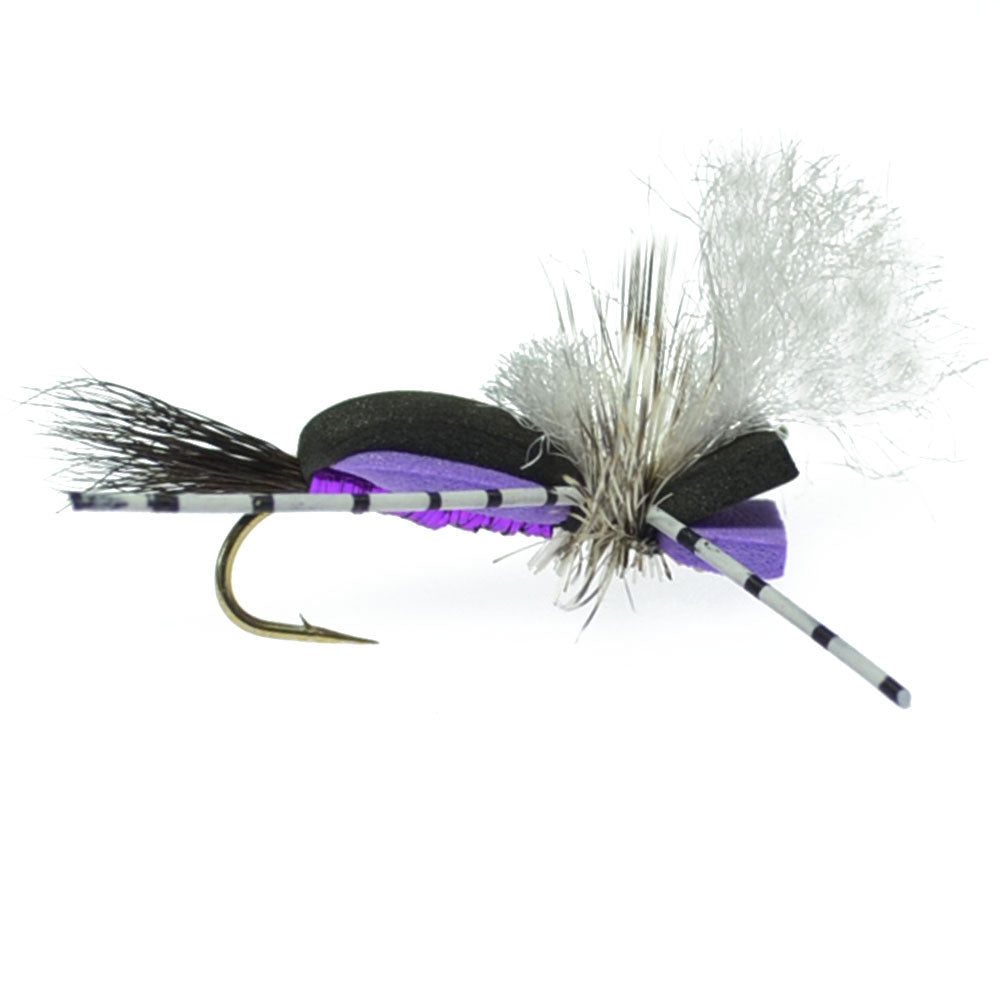
Shop by type: dry flies, nymphs, Euro nymphs, hoppers and terrestrials, streamers.
The river
The Strawberry River below the reservoir has the character of a high-desert tailwater - consistent flows from reservoir releases regardless of precipitation, water temperatures moderated by the deep reservoir draw, and excellent year-round insect populations that would not survive in a purely freestone system. The canyon sections from the reservoir outlet downstream through the Strawberry Valley are the primary destination - dramatic canyon walls, good wade access, and wild trout populations that have benefited from quality management and reduced pressure compared to the better-known Provo and Green Rivers.
Brown trout are the dominant species in the lower canyon sections, with rainbow trout more prevalent in the upper reaches below the outlet. The Strawberry is known for producing large wild browns - the tailwater influence and consistent flows support fish growth that exceeds what most Utah freestone streams can offer. The river also benefits from being genuinely remote by Wasatch Front standards - the drive through the Uinta Basin filters out casual pressure and the canyon sections receive a fraction of the angling effort of comparable Utah fisheries.
The BWO hatches on the Strawberry are excellent - a combination of the tailwater character and the canyon microclimate produces strong spring and fall olive hatches that draw the best fish to the surface. The summer PMD and hopper fishing in the canyon meadow sections is outstanding. This is a three-season destination that rewards repeat visits.
Year at a glance
| Month | Primary hatches | Also carry | Typical sizes |
|---|---|---|---|
| Jan | Midges, BWO | Small nymphs, streamers | Midge 20-24, BWO 18-22 |
| Feb | Midges, BWO | Small nymphs, streamers | Midge 20-24, BWO 18-22 |
| Mar | BWO, midges | Early caddis, stonefly nymphs | BWO 16-20, midge 20-24 |
| Apr | BWO, caddis, midges | Stonefly nymphs, PMD start | BWO 16-20, caddis 14-16 |
| May | PMD, caddis, BWO | Yellow sally, golden stone | PMD 16-18, caddis 14-16 |
| Jun | PMD, golden stone, caddis | Yellow sally, hoppers start | PMD 16-18, golden 8-12 |
| Jul | PMD, hoppers, caddis | Yellow sally, ants, beetles | PMD 16-18, hopper 8-12 |
| Aug | Hoppers, PMD, caddis | Ants, beetles, trico | Hopper 8-12, PMD 16-18 |
| Sep | BWO, hoppers, caddis | Mahogany dun, streamers | BWO 16-20, hopper 8-12 |
| Oct | BWO, midges | Streamers, mahogany dun | BWO 16-20, midge 20-24 |
| Nov | Midges, BWO | Streamers, small nymphs | Midge 20-24, BWO 16-20 |
| Dec | Midges, BWO | Small nymphs, streamers | Midge 20-24, BWO 18-22 |
January - February
The tailwater influence keeps the Strawberry River fishable through winter - consistent reservoir releases maintain stable flows and temperatures that support active fish and year-round midge and BWO activity. Winter on the Strawberry is excellent uncrowded fishing with minimal pressure. Midges throughout. BWO on overcast afternoons. Streamers for large browns in the deeper canyon pools. The canyon road access is generally passable in winter but verify conditions before making the drive in severe weather.
- Midges - 20-24 throughout both months. Two-fly Euro rig subsurface.
- BWO - 18-22 on overcast afternoons. Parachute and CDC emerger styles.
- Streamers for large browns in the deeper canyon pools year-round.
March - April
BWO hatches strengthen significantly through March and April - the canyon microclimate and tailwater temperatures produce strong early spring olive hatches that draw good fish to the surface on overcast afternoons. Caddis begin building in April. Stonefly nymphs building toward summer. PMDs begin by late April on the warmer sections. The spring pre-runoff window on the Strawberry can be outstanding - strong BWO hatches, fish in prime condition, and no summer pressure.
- BWO - 16-20 on overcast afternoons through March and April. Parachute and CDC emerger styles. The dominant spring hatch.
- Midges throughout - 20-24 subsurface.
- April: caddis - 14-16 afternoons. Stonefly nymphs subsurface building through April.
- Late April: first PMD - 16-18 on warm afternoons.
May - June
Prime season. PMDs build through May and June into the signature summer hatch - the canyon meadow sections produce good PMD fishing on the flatter water with willing wild browns and rainbows. Golden stones and caddis add variety. Hoppers begin along the canyon margins by late June. The Strawberry in May and June with PMD mornings and caddis evenings and virtually no other anglers is one of Utah's best-kept fly fishing opportunities.
- PMD - 16-18 mornings and midday on the flatter sections through both months.
- Caddis - 14-16 evenings through both months.
- Golden stone - 8-12 in the faster riffles and pocket water through June.
- Yellow sally - 14-16 in the riffles on warm afternoons through June.
- Late June: hoppers beginning along the canyon margins.
July - August
Hopper season on the Strawberry is excellent. The canyon walls and sagebrush margins concentrate grasshoppers and the wild browns respond aggressively - straightforward hopper fishing in beautiful Uinta Basin canyon country with minimal pressure. PMDs continue through July mornings. Caddis evenings remain reliable. Ants and beetles midday. The Strawberry in August with hopper fishing and virtually no crowds is one of Utah's most underrated summer fly fishing experiences.
- Hoppers - 8-12 along the canyon walls and sagebrush margins through both months.
- PMD - 16-18 mornings through July on the flatter sections.
- Caddis - 14-16 evenings through both months.
- Yellow sally - 14-16 in the riffles through July.
- Ants and beetles midday through both months.
September - October
Fall is the finest season on the Strawberry. BWO return strongly with the cooling temperatures and the canyon is spectacular in fall color. Hoppers continue through mid-September. Mahogany duns on overcast days. Streamers for pre-spawn browns as October progresses - the Strawberry's large wild browns become aggressive in fall and streamer fishing in the deeper canyon pools can produce the largest fish of the year. Minimal pressure throughout. The fall Strawberry is one of Utah's best and most private fly fishing experiences.
- Hoppers through mid-September - 8-12.
- BWO - 16-20 on overcast afternoons through September and October. Parachute and CDC emerger styles. The dominant fall hatch.
- Mahogany dun - 14-16 on overcast afternoons through September and October.
- Caddis evenings through September - 14-16.
- Streamers for pre-spawn browns through October in the deeper canyon pools and runs.
November - December
BWO and midges as the season closes. The tailwater influence extends the season - the Strawberry fishes well into November with strong BWO hatches and virtually no pressure. Streamers for large post-spawn browns through the month. December fishing is available for the committed angler willing to deal with cold Uinta Basin temperatures - midges and small nymphs in the deeper pools with the river essentially to yourself.
- BWO - 16-20 on overcast November afternoons. Parachute style.
- Midges - 20-24 throughout both months. Two-fly rig subsurface.
- Streamers for large browns in the canyon pools through November.
A western dry and nymph assortment covers the core season. Add a hopper and terrestrial box for July through September and a streamer selection for fall browns. The Strawberry River is Utah's most underappreciated quality wild trout fishery - consistent tailwater flows, excellent hatches, large wild browns, and a remote canyon setting that filters out most of the pressure that burdens the Provo and Green Rivers. Well worth the drive from Salt Lake or the Wasatch Front.