Tucannon River Washington Hatch Chart
Southeastern Washington. The Tucannon leaves the Blue Mountains and runs about 62 miles northwest to the Snake near Starbuck. It is a small, clear river: ponderosa forest up high, sage canyon down low. Wild rainbows and browns are the summer fish. Hatchery steelhead use the lower river in fall and winter when the season is open. The hatchery road is the line that matters. Above it you are on short-season trout water. Below it you are on a different set of rules.
Check current WDFW rules before you go.
All tributaries are closed except Pataha Creek.
From the mouth to Tucannon Hatchery Road Bridge: other game fish from the Saturday before Memorial Day through October 31. November 1 through April 15, release all fish except steelhead. Hatchery steelhead August 1 through April 15, daily limit 3, barbless hooks. A Columbia River Salmon and Steelhead Endorsement is required for steelhead. Release wild steelhead.
From the hatchery bridge upstream to 500 feet above the Rainbow Lake intake: closed.
From 500 feet above the Rainbow Lake intake to Cow Camp Bridge: Saturday before Memorial Day through August 31. Selective gear rules.
Above Cow Camp Bridge: closed.
A Washington fishing license is required.
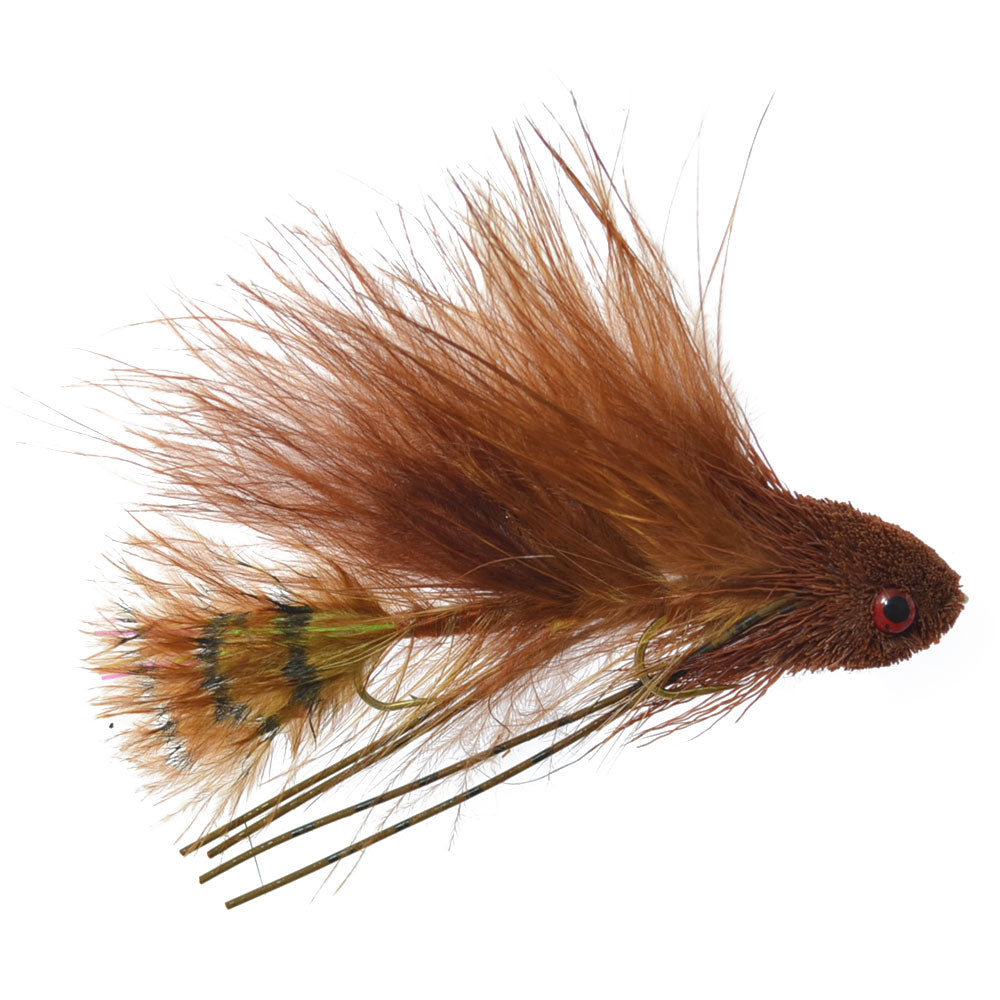
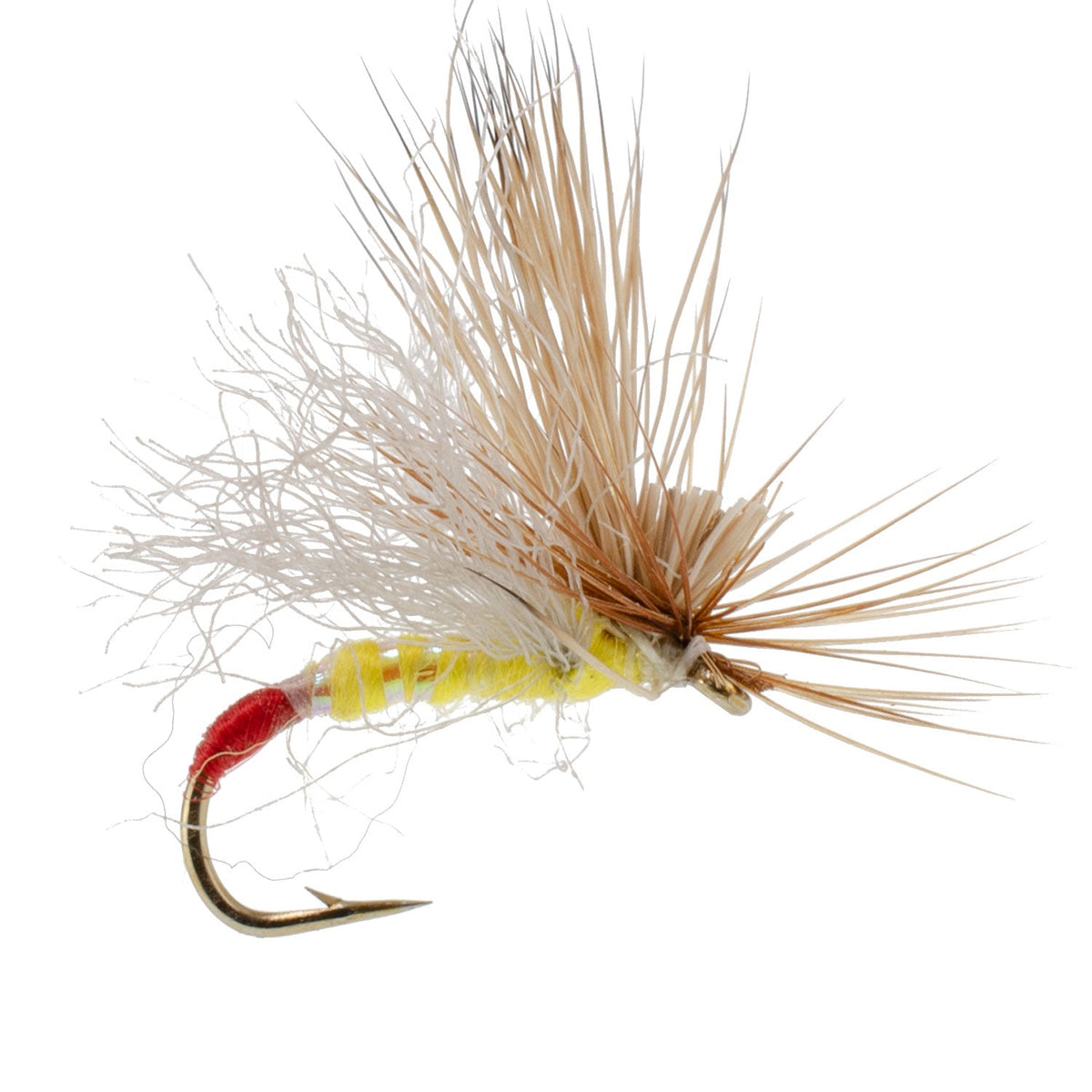
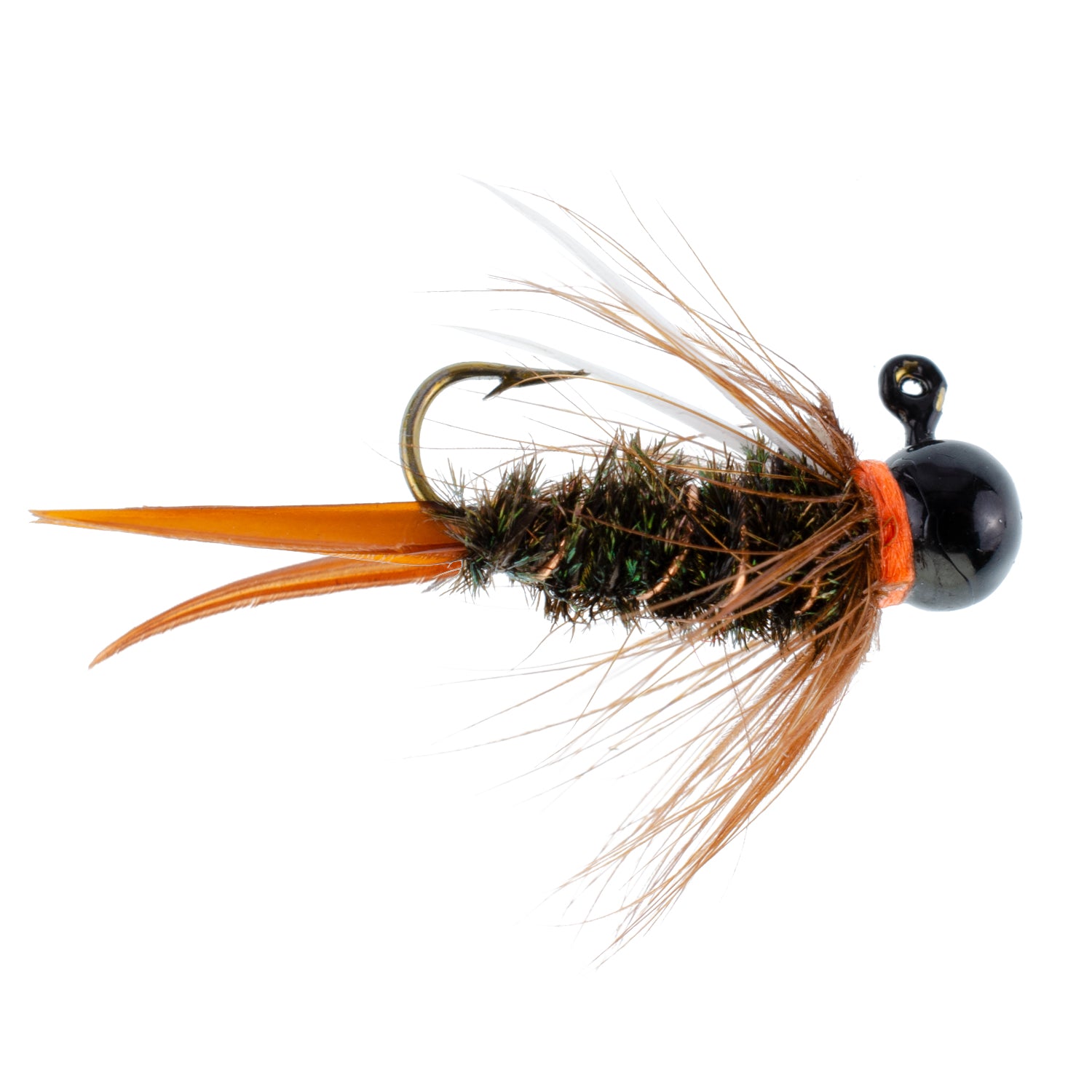
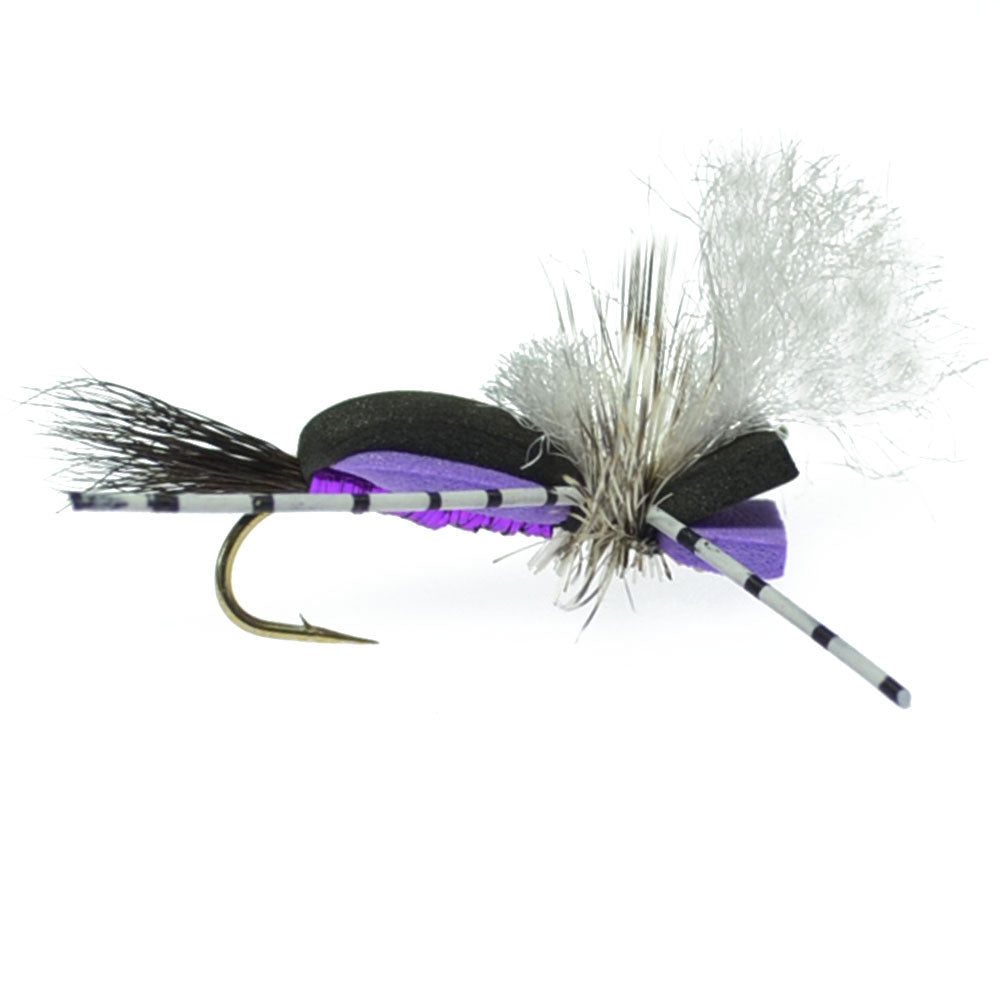
Shop by type: dry flies, nymphs, Euro nymphs, hoppers and terrestrials, streamers.
The river
This is small water, often 20 to 40 feet across. Short casts, quiet feet, and a drift of a few feet in the right seam will beat a long sloppy line. The fish are wild and they slide off if you stand up on the skyline. That is the pleasure of the Tucannon. You can cover a lot of river in a morning and see almost nobody.
Fish the forest water above the hatchery for resident trout from late May through August, while that section is open. Shade keeps it cooler when the lower canyon cooks. Below the hatchery the country opens into sage and grass. That is the steelhead water in fall and winter, and the trout water through October under the lower-river rules. Do not wade the closed hatchery pocket. Do not drive past Cow Camp expecting legal headwaters.
The hopper season from July through mid-September is the Tucannon's finest period for resident trout. The combination of sage flats, grassy margins, and wild fish that rarely see a fly makes for outstanding terrestrial fishing - fish hoppers and ants tight to the undercut banks and grassy edges with confidence. The fall BWO season through September and October rounds out the year with excellent afternoon dry-fly fishing on a nearly empty river as the Blue Mountain forest turns.
Year at a glance - upper river resident trout
| Month | Primary hatches | Also carry | Typical sizes |
|---|---|---|---|
| Jan | Midges | Small nymphs | Midge 20-26 |
| Feb | Midges, BWO | Small nymphs | Midge 20-24, BWO 18-22 |
| Mar | BWO, early stonefly | Midges, early caddis | BWO 16-20, stonefly 12-14 |
| Apr | BWO, caddis | March brown, stonefly nymphs | BWO 16-20, caddis 14-16 |
| May | Caddis, PMD, BWO | Golden stone, yellow sally | Caddis 14-16, PMD 16-18 |
| Jun | Caddis, PMD, golden stone | Yellow sally, hoppers start | Caddis 14-16, PMD 16-18 |
| Jul | Hoppers, caddis, PMD | Yellow sally, ants | Hopper 8-12, caddis 14-16 |
| Aug | Hoppers, caddis, ants | Beetles, trico | Hopper 8-12, caddis 14-16 |
| Sep | BWO, hoppers, caddis | Mahogany dun, ants | BWO 16-20, hopper 8-12 |
| Oct | BWO, midges | October caddis, streamers | BWO 16-20, midge 20-24 |
| Nov | Midges, BWO | Small nymphs | Midge 20-24, BWO 18-22 |
| Dec | Midges | Small nymphs | Midge 20-26 |
January - February
The upper Tucannon holds fish year-round but fishes slowly through the depths of winter. Midges are the primary food source - fish hold in the deeper pools and slower runs, feeding subsurface on midge larvae and pupae. BWO begin on overcast February afternoons. Access roads in the upper drainage can be snow-covered in January and February - check conditions before making the drive into the Blue Mountains. This is quiet, meditative fishing with no other anglers and beautiful winter scenery in the ponderosa forest.
- Midges - 20-26. Two-fly rig through the deeper pools and slower runs subsurface. Midge cluster dry when fish are dimpling on calm afternoons.
- BWO - 18-22 on overcast February afternoons. Parachute and CDC emerger styles.
- Small nymphs on a tight-line rig through the deeper slots throughout both months.
March - April
March opens the dry-fly season on the Tucannon with early stonefly activity and strengthening BWO hatches. Small dark stoneflies begin hatching on warm afternoons - not the dramatic salmonfly event of larger rivers, but enough to trigger surface feeding from wild rainbows that have seen no dry flies all winter. BWO strengthen through March and April on overcast days. April shifts to caddis beginning in earnest with evening hatches building quickly and March brown appearing on the broader lower sections. Spring runoff can affect the lower river in April - the upper ponderosa sections clear faster. April evening caddis on the upper Tucannon with rising wild rainbows and no other anglers is what small-stream dry-fly fishing is all about.
- BWO - 16-20 on overcast afternoons through March and April. Parachute and CDC emerger styles.
- Early stonefly - 12-14 on warm March afternoons. Stonefly nymph subsurface before and after the hatch window.
- March brown - 12-14 on the broader lower sections in April.
- April: caddis building - 14-16 afternoons and evenings.
May - June
The prime season opens in May and the Tucannon is at its best through May and June - full hatch activity, good water temperatures, and the ponderosa forest at its most vibrant. Caddis hatches build to peak intensity in May and PMDs begin on the flatter upper sections by mid-month. Golden stones in the faster riffles. Yellow sallies on warm afternoons. June adds the first hoppers along the grassy and sage margins of the lower canyon by late month. Fish the upper river above the hatchery for the best resident trout fishing - cooler, shadier, and more productive than the lower canyon through the warming summer weeks.
- Caddis - 14-16 afternoons and evenings through May and June. The defining evening hatch on the Tucannon.
- PMD - 16-18 mornings on the flatter upper sections from mid-May through June.
- Golden stone - 6-10 in the faster riffles through May and June.
- Yellow sally - 14-16 on warm afternoons through both months.
- Late June: first hoppers along the lower canyon margins and sage edges.
July - August
Hopper season arrives and the Tucannon is exceptional terrestrial water - the combination of sage flats, grassy margins, and wild fish that rarely see a fly makes for outstanding hopper fishing through July and August. Fish hoppers and ants tight to the undercut banks and grassy edges with confidence and short accurate casts. Caddis evenings continue strong through both months. PMDs linger on the shaded upper sections in July. Trico spinner falls begin on the flatter sections by mid-August. Monitor water temperatures in the lower canyon through July and August - the upper ponderosa sections stay significantly cooler and fish better through summer heat. Focus on the upper river and fish early morning for tricos, afternoon for hoppers, evening for caddis.
- Hoppers - 8-12 along the banks, undercuts, and sage margins mid-July through August. Hopper-dropper with a small nymph dropper is the standard rig.
- Caddis - 14-16 evenings throughout July and August.
- PMD - 16-18 on the shaded upper sections in July.
- Yellow sally - 14-16 in the faster riffles through July.
- Ants and beetles midday along the banks - 14-16.
- Trico - 20-24 early morning on the flatter upper sections in August.
September - October
September is the finest month on the Tucannon - hoppers continue through mid-month, BWO return strongly with the cooling temperatures, and the Blue Mountain forest begins to turn. Very few anglers after Labor Day on either section. The fall BWO hatch on the upper river produces excellent afternoon dry-fly fishing and mahogany duns add variety on overcast days. The lower river below the hatchery comes into its own in September and October as steelhead enter the system - confirm current regulations carefully for the lower section before targeting steelhead. October BWO and midges dominate the upper river with October caddis on warmer afternoons and streamers producing the largest resident browns of the year as pre-spawn aggression peaks.
- Hoppers through mid-September along the upper river - 8-12.
- BWO - 16-20 on overcast afternoons through September and October. The dominant fall hatch on the upper river.
- Mahogany dun - 14-16 on overcast afternoons in September and October.
- Caddis evenings through mid-September - 14-16.
- October caddis - 8-10 on warmer October afternoons.
- Streamers for pre-spawn browns in the deeper pools through October.
November - December
Midges and BWO as the season winds down on the upper river. Access roads in the upper Blue Mountains can become snow-covered in November and December - check conditions before making the drive. The lower river may hold steelhead through the fall and winter depending on run timing and current regulations. The Tucannon is a May through October fishery at its best for resident trout - the winter months are for the committed local angler who wants a quiet river and is prepared for the access challenges of the upper drainage in cold weather.
- BWO - 18-22 on overcast November afternoons. Parachute and CDC emerger styles.
- Midges - 20-26 throughout both months. Two-fly rig through the deeper pools and slower runs.
- Small nymphs subsurface in the deeper slots.
A western dry and nymph assortment covers the core season - add a strong hopper selection for July through September and a streamer selection for October browns. The Tucannon rewards the angler who slows down, approaches carefully, and makes precise short casts - wild fish in beautiful Blue Mountain country with almost no competition from other anglers is the Tucannon's greatest asset and its best-kept secret in eastern Washington fly fishing.