Wallowa River Oregon Hatch Chart
Northeast Oregon. The Wallowa River rises in the Eagle Cap Wilderness, flows through Wallowa Lake, then west and northwest through the Wallowa Valley and Minam Canyon to its confluence with the Grande Ronde at Rondowa, near Minam. It is one of eastern Oregon’s best trout and steelhead rivers: cold mountain water, wild rainbow trout that must be released, hatchery rainbows that may be kept, and bull trout throughout the colder reaches. The setting changes fast, from open meadow and ranch country near Joseph, Enterprise, and Wallowa to ponderosa and basalt canyon along Highway 82, then a remote lower canyon below Minam. Summer-run steelhead reach the Wallowa later than the Grande Ronde downstream. Fish show in the lower canyon in December, with the main fishing from January through April as far upstream as Trout Creek. The upper valley can fish well, but access is often limited by private land. The canyon from Wallowa town to Minam has the best roadside trout water. The lower canyon below Minam is steelhead water and good trout water when flows and temperatures allow
Check current Oregon Department of Fish and Wildlife regulations before you go. On the Wallowa River, trout season is open all year. The daily limit is 5 hatchery rainbow trout. Wild rainbow trout must be released. Hatchery steelhead may be kept from the mouth to Trout Creek from January 1 through April 30 and from September 1 through December 31. Wild steelhead must be released. Bull trout are protected and closed to angling; release them immediately if hooked. Bait is allowed on the Wallowa. Seasons and bag limits can change in-season. An Oregon fishing license is required. A Combined Angling Tag is required to fish for steelhead.
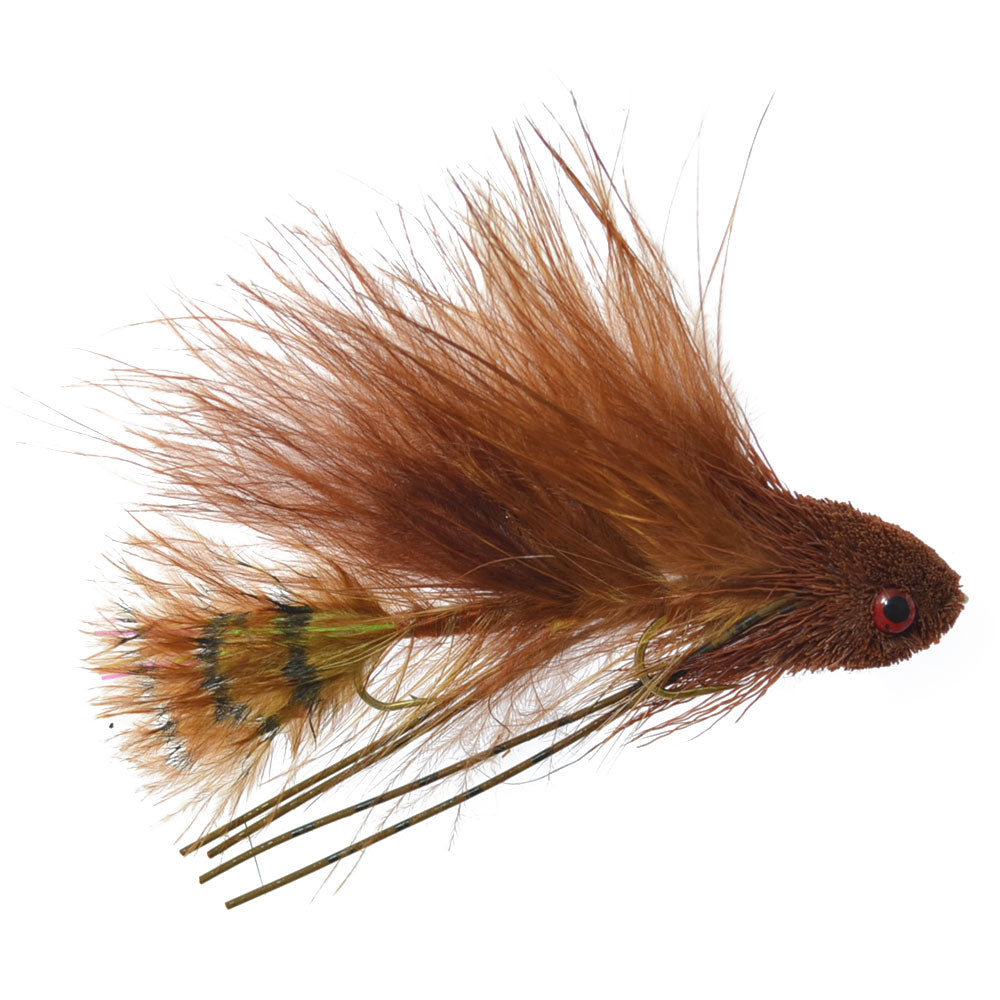
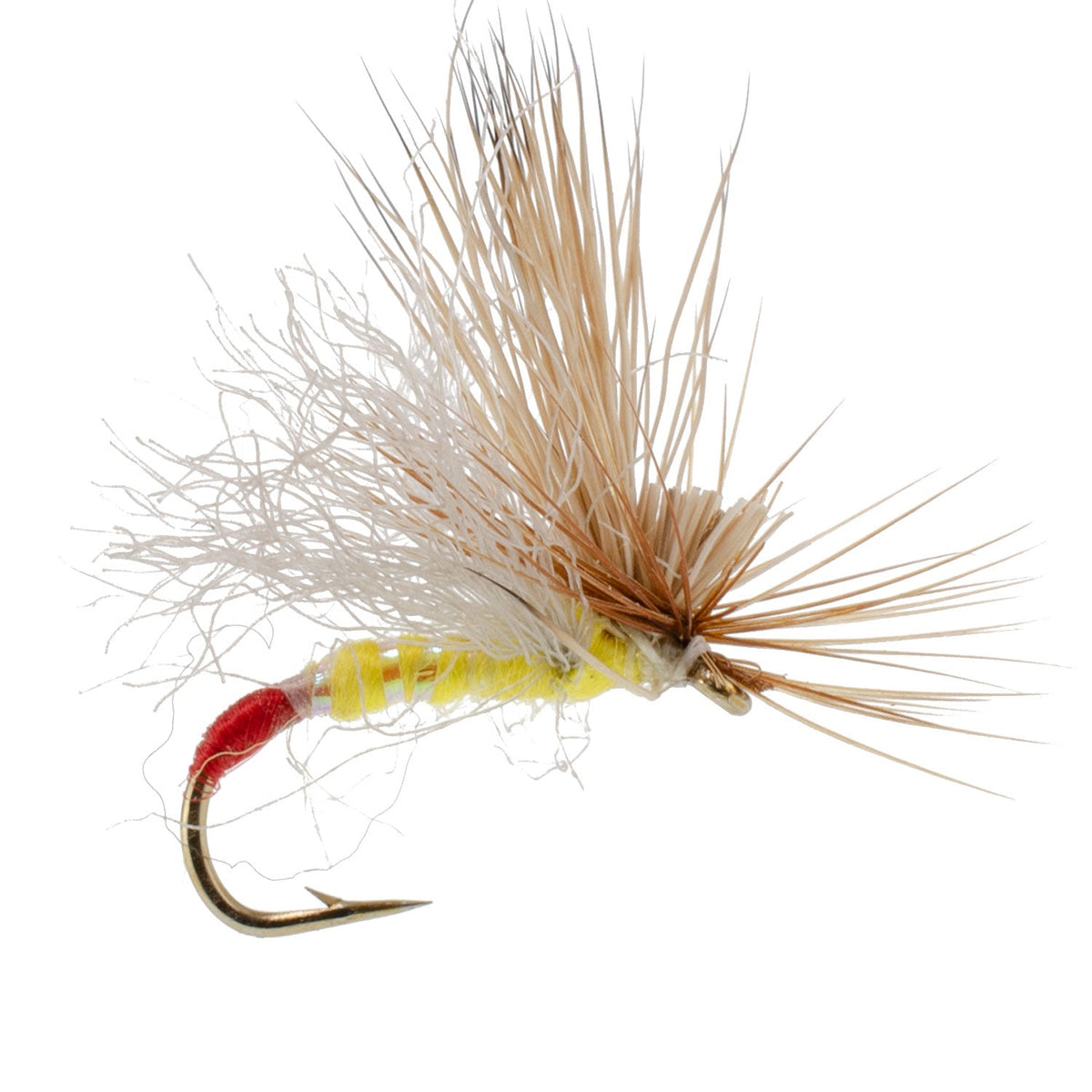
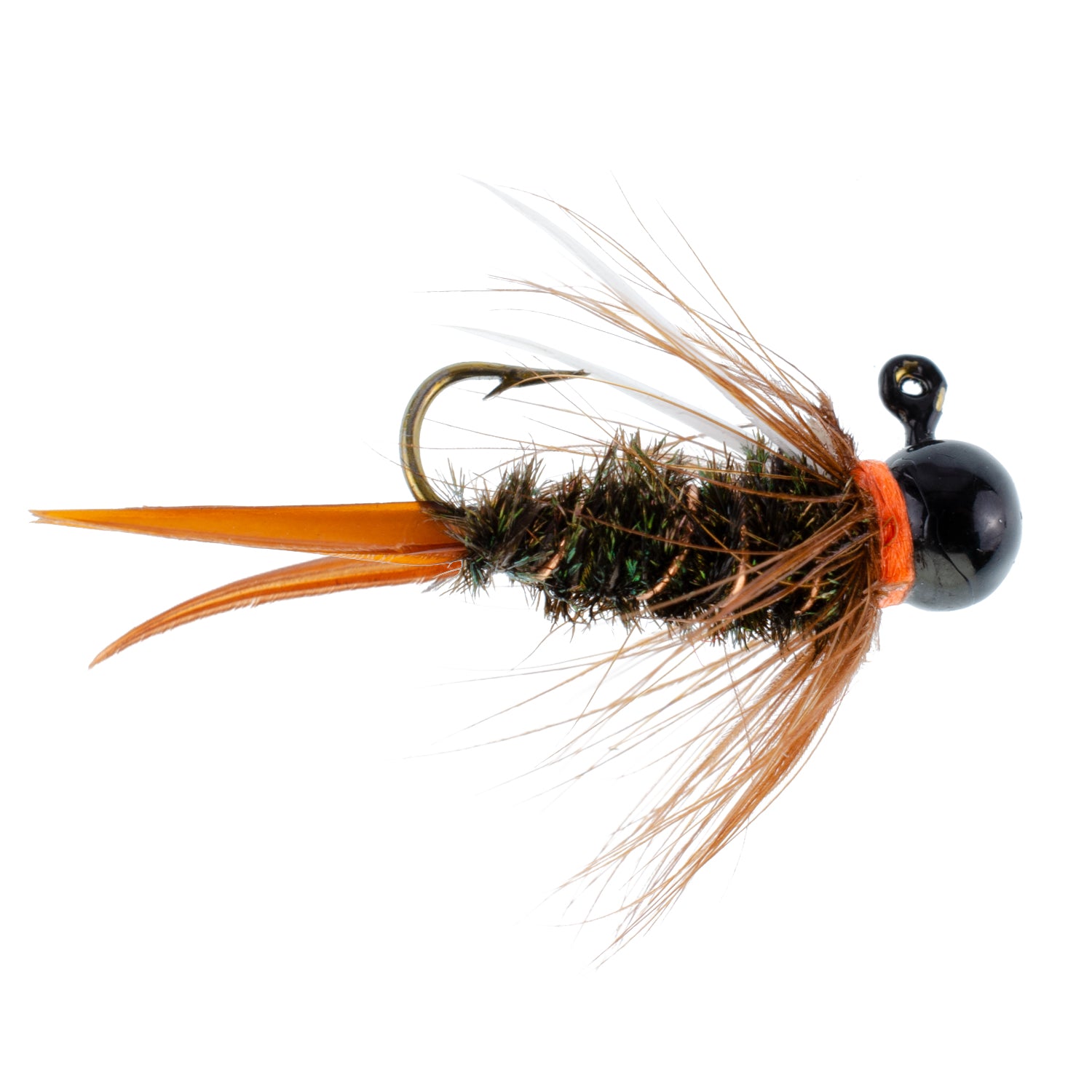
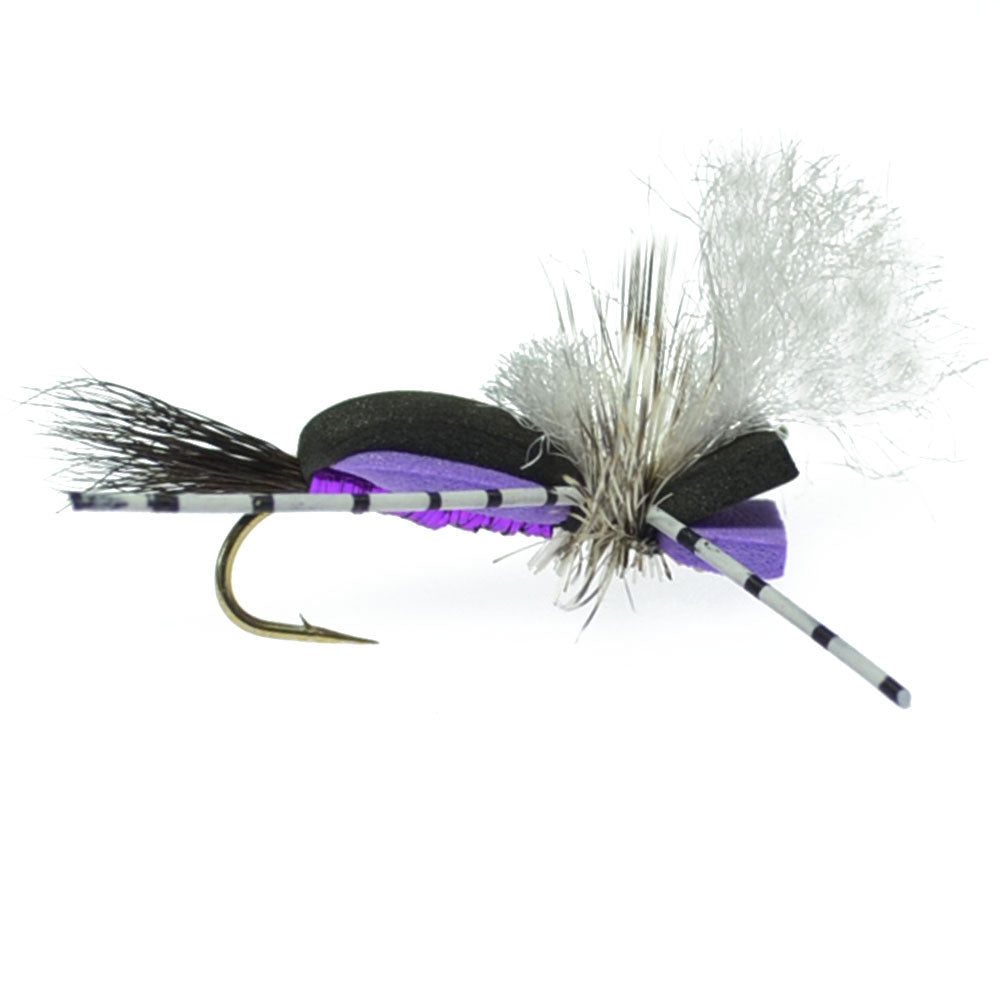
Shop by type: dry flies, nymphs, Euro nymphs, hoppers and terrestrials, streamers.
The river
The Wallowa divides into three fishing environments downstream of the Eagle Cap. Above Wallowa Lake, the forks are small wilderness water with rainbows and brook trout. Below the lake, the upper river through the Wallowa Valley flows through open meadow and ranch country. The water is cold and fishable, but public access is limited. The middle canyon from Wallowa town down Highway 82 toward Minam is the most useful resident trout stretch: ponderosa pine, basalt walls, a full eastern Oregon hatch calendar, and multiple wade-access points. Wild rainbows here often run 10-14 inches, with larger fish in the deeper pools. Hatchery rainbows, including residualized hatchery steelhead, also show in this reach. Bull trout are present throughout the system and most common in the coldest water. They are a protected species and must be released.
The lower canyon from Minam to the Grande Ronde confluence is trout and steelhead water. It is a remote canyon section reached by trail or by floating from the Minam area. Summer-run steelhead enter the Columbia in summer and migrate up the Snake and Grande Ronde before reaching the Wallowa. Most fish arrive in the lower canyon in December. The fishery usually builds through January and February and continues into April as fish push upstream toward Trout Creek. This late-winter window sees less pressure than the Grande Ronde below Rondowa, but it is still a hatchery-steelhead harvest fishery. Keep only adipose-clipped hatchery fish. Release wild steelhead and any bull trout or salmon you hook.
The hatch calendar on the Wallowa follows the eastern Oregon Blue Mountain pattern closely - early Skwala and BWO in March, Mother's Day caddis in May, salmonfly and golden stone in June after flows drop, PMDs and terrestrials through summer, and October caddis and BWO returning in fall. Timing is closely tied to snowmelt from the Eagle Cap - the upper valley can run high and off-color through May in heavy snowpack years, pushing the best fishing to June. The canyon sections below Wallowa town clear faster and are more reliable through the runoff period.
Year at a glance
| Month | Primary hatches | Also carry | Typical sizes |
|---|---|---|---|
| Jan | Midges, BWO | Steelhead peak lower river | Midge 18-22, BWO 18-20 |
| Feb | Midges, BWO | Steelhead peak lower river | Midge 18-22, BWO 16-20 |
| Mar | BWO, Skwala, March brown | Early caddis, steelhead late | Skwala 8-12, BWO 16-20 |
| Apr | BWO, caddis, March brown | Skwala fading, stonefly nymphs | BWO 14-18, caddis 14-16 |
| May | Caddis, BWO, stonefly nymphs | Early PMD upper valley | Caddis 14-16, stone 6-10 |
| Jun | Salmonfly, golden stone, PMD | Caddis, yellow sally | Stone 6-10, PMD 16-18 |
| Jul | PMD, yellow sally, caddis | Hoppers start, golden stone fading | PMD 16-18, caddis 14-16 |
| Aug | Hoppers, caddis, ants | Late PMD, beetles | Hopper 8-12, ant 14-16 |
| Sep | Hoppers, BWO, October caddis | Mahogany dun, ants | Hopper 8-12, BWO 16-20 |
| Oct | October caddis, BWO | Midges, streamers | Oct caddis 8-12, BWO 18-22 |
| Nov | BWO, midges | Streamers, small nymphs | BWO 18-22, midge 18-22 |
| Dec | Midges | Streamers, steelhead arriving | Midge 18-22 |
January - February
Cold, quiet fishing on the upper and middle river with midges and BWO as the primary trout food - and the peak of the steelhead season on the lower canyon below Minam. The late-winter steelhead window is the most distinctive feature of the Wallowa calendar: summer-run fish that have been traveling since summer finally reach the lower canyon in December and January, with the main push typically peaking through February and into March before fish begin moving toward upper river. BWO hatch on overcast afternoons on the middle canyon sections throughout both months. The upper valley can be slow and icy in January and February - the middle canyon sections below Wallowa are the most reliably accessible and productive trout water through the winter months.
- Midges - 18-22. Two-fly rig through the deeper pools and slower runs. The year-round trout constant on the Wallowa.
- BWO - 18-20 on overcast afternoons through both months. Parachute and CDC emerger styles on the middle canyon sections.
- Small nymphs on a tight-line rig through the deeper slots and tailouts.
- Lower canyon steelhead peak: streamers and heavy stonefly nymphs through the deep canyon pools.
Hatchery fish may be kept; wild steelhead must be released. Remote access. Plan accordingly.
March - April
March is the transition month - BWO strengthen, Skwala stoneflies arrive on the canyon sections when water temperatures climb into the mid-40s, and the steelhead season on the lower river begins to wind down as fish push into the upper drainage toward the Eagle Cap. The Wallowa Skwala is part of the same early-season eastern Oregon pattern as the Grande Ronde and Imnaha - olive-brown stonefly dries on warm March afternoons over winter-conditioned rainbows that have not seen a dry fly in months. March brown arrives late month on the broader canyon sections. April shifts to caddis building strongly in the evenings, BWO continuing on overcast days, and stonefly nymphs migrating ahead of the June salmonfly. Monitor snowmelt timing on the upper Wallowa in April - the canyon sections below Wallowa town clear fastest after runoff peaks.
- Skwala - 8-12 on warm March and early April afternoons. Stimulator-style dry along the canyon walls; Skwala nymph subsurface all day before and after the hatch window.
- BWO - 16-20 on overcast afternoons through March and April. Parachute and CDC emerger styles.
- March brown - 12-14 on the broader canyon sections in late March and April.
- April: caddis building - 14-16 evenings on the canyon sections.
- Stonefly nymphs 6-10 subsurface through both months.
May - June
May is the Mother's Day caddis month on the Wallowa - one of the better caddis hatches in northeast Oregon, arriving as snowmelt flows begin to drop and clear through the canyon. Stonefly nymphs are migrating toward the banks in force through May ahead of the June emergence. The salmonfly and golden stone hatch arrives in June after flows drop - the signature big-bug event of the Wallowa year, with large wild rainbows feeding aggressively on stonefly dries tight to the canyon walls. PMDs begin in the riffles as the stonefly hatch progresses. Heavy snowpack years in the Eagle Cap can push the best June fishing into late June or early July - the canyon sections below Wallowa town are the most reliable early-season water and clear fastest.
- May: caddis - 14-16 afternoons and evenings. The dominant May hatch throughout the canyon.
- BWO on overcast mornings through May.
- Stonefly nymphs 6-10 subsurface through May - building toward the June emergence.
- June: salmonfly - 6-10. Large stonefly dries tight to the canyon walls after flows drop. Salmonfly nymph subsurface all day before and during the emergence.
- Golden stone - 6-10 extending the large-dry-fly window through June. The more consistent and longer-lasting of the two stonefly hatches.
- PMD - 16-18 in the riffles from mid-June through July. Parachute and CDC emerger styles.
July - August
Reliable dry-fly fishing through the full summer on the upper valley and middle canyon - PMDs in the morning, yellow sallies in the fast riffles, caddis evenings, and hoppers building along the canyon walls and meadow margins from mid-July through August. The Wallowa is excellent terrestrial water and the wild rainbows of the canyon sections respond aggressively to hoppers and ants fished along the undercut banks and grass margins. Fish the middle canyon for the coolest water in summer - the lower canyon below Minam warms more through July and August. Hopper fishing on the Wallowa through August in the canyon sections with almost no pressure is one of the more underrated summer experiences in northeast Oregon.
- July: PMD - 16-18 mornings on the upper valley and middle canyon sections.
- Yellow sally - 14-16 in the fast riffles and pocket water through July.
- Caddis - 14-16 evenings throughout July and August.
- Hoppers - 8-12 along the canyon walls and meadow margins mid-July through August. Hopper-dropper with a small nymph is the standard rig.
- Ants and beetles midday along the banks - 14-16.
- Late PMD on cooler upper valley mornings through August.
September - October
The finest period of the Wallowa year - hoppers through mid-September, BWO returning strongly as nights cool, October caddis beginning on the canyon sections, and the largest rainbows of the year feeding aggressively as they put on weight before winter. September on the Wallowa with fall olives and essentially no other anglers in the canyon is one of the best-kept secrets in northeast Oregon fly fishing. October caddis through October produces aggressive takes from both trout and the first steelhead beginning to move into the lower canyon from the Grande Ronde. Mahogany duns add a second afternoon option on overcast days.
- Hoppers through mid-September - 8-12 along the canyon margins and meadow banks.
- BWO - 16-20 on overcast afternoons through September and October. The dominant fall trout hatch. Parachute and CDC emerger styles.
- Mahogany dun - 14-16 on overcast afternoons in September and October.
- October caddis - 8-12. Large orange patterns through October. Aggressive takes from trout throughout the canyon.
- Streamers at last light through September and October for larger fish in the deeper pools.
November - December
Short days and cold canyon water as the season winds toward winter. BWO continue on overcast November afternoons on the middle canyon sections. December returns to the midge and streamer program. The first steelhead of the new late-winter run begin arriving in the lower canyon in December - the advance fish of the January and February peak. The middle canyon sections near Wallowa town are the most accessible through late fall and winter; the upper valley slows significantly as temperatures drop and snow arrives in the Eagle Cap drainage.
- BWO - 18-22 on overcast November afternoons. Parachute and CDC emerger styles on the middle canyon sections.
- Midges - 18-22 throughout both months. Two-fly rig through the deeper pools and slower runs.
- Streamers at last light through November and December for larger trout and the first steelhead arrivals on the lower river.
A western dry and nymph assortment covers the core season - add salmonfly and golden stone patterns in sizes 6-10 for June, a strong hopper selection for July through September, October caddis in sizes 8-12 for fall, and a deep BWO selection in sizes 16-20 for both spring and fall. The Wallowa River is home water for a reason - wild rainbows in cold Eagle Cap mountain water, a full eastern Oregon hatch calendar, and a late-winter steelhead fishery in a remote canyon that sees far less pressure than its quality deserves.