Wenatchee River Washington Hatch Chart
North-central Washington. The Wenatchee leaves Lake Wenatchee and runs about 53 miles southeast through Plain, Tumwater Canyon, Leavenworth, and the orchard towns to the Columbia at Wenatchee. When it is open, it is a strong Cascades freestone: rainbows and cutthroat, a real salmonfly hatch in Tumwater Canyon in late May and June, then caddis, PMDs, and hoppers. Before you plan a trip, confirm that the mainstem is actually open. In the current WDFW special rules the river has been listed closed.
As printed in the current Columbia Basin special rules: mouth to Icicle Road Bridge is closed to game-fish fishing. Icicle Road Bridge upstream to Lake Wenatchee is listed as closed waters. That covers the mainstem most visiting anglers want.
If WDFW opens a reach by emergency rule, follow that order exactly. Release all wild steelhead. Bull trout are closed unless a rule says otherwise. Icicle Creek is a separate water with its own season and low-flow closures. A Washington fishing license is required.
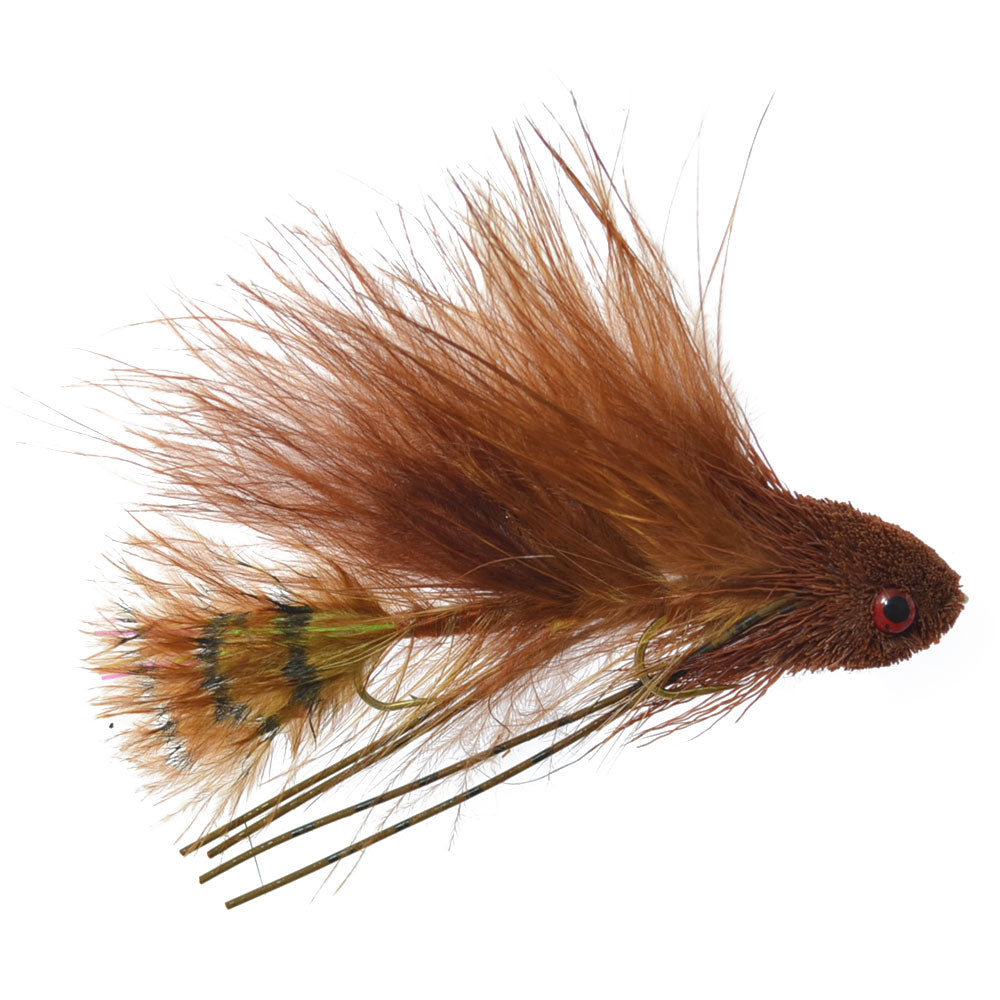
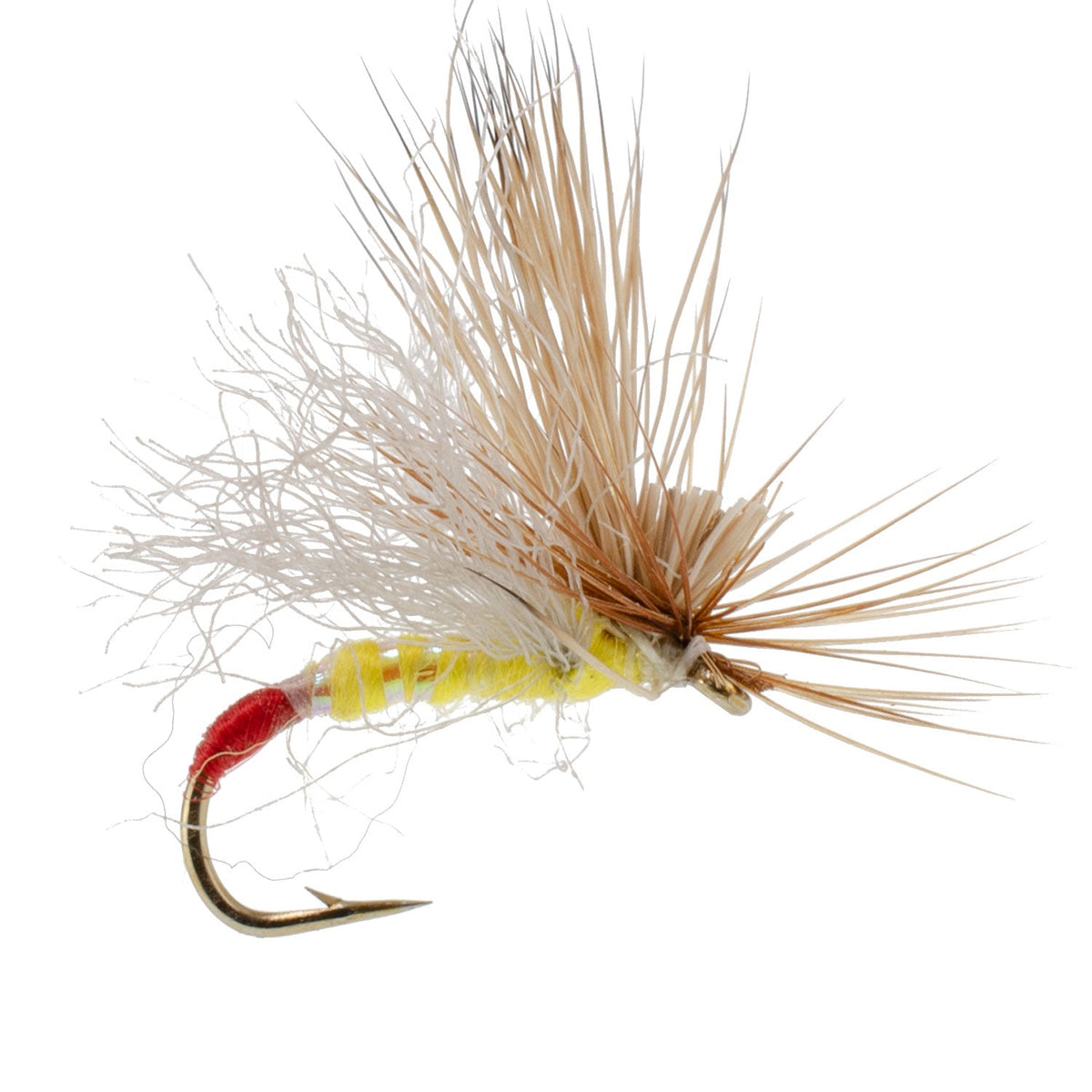
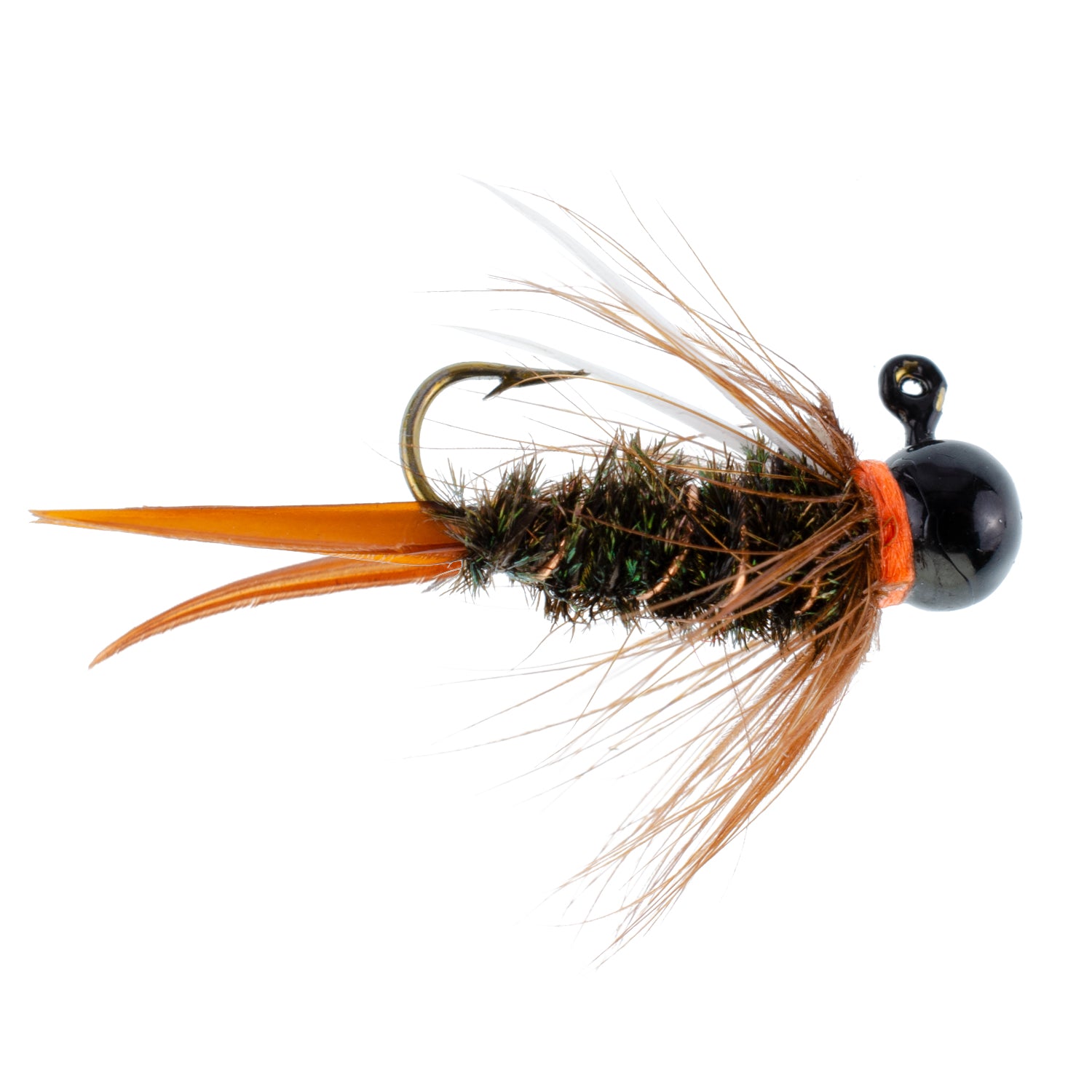
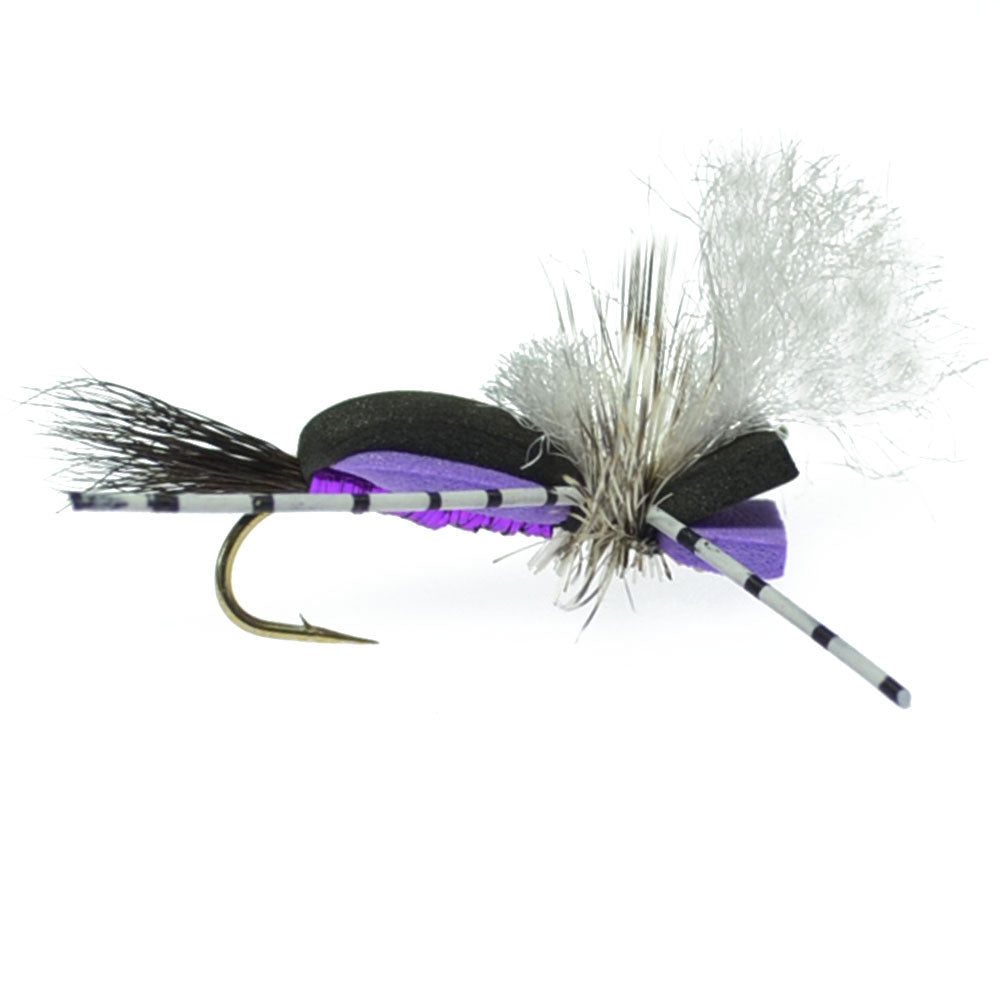
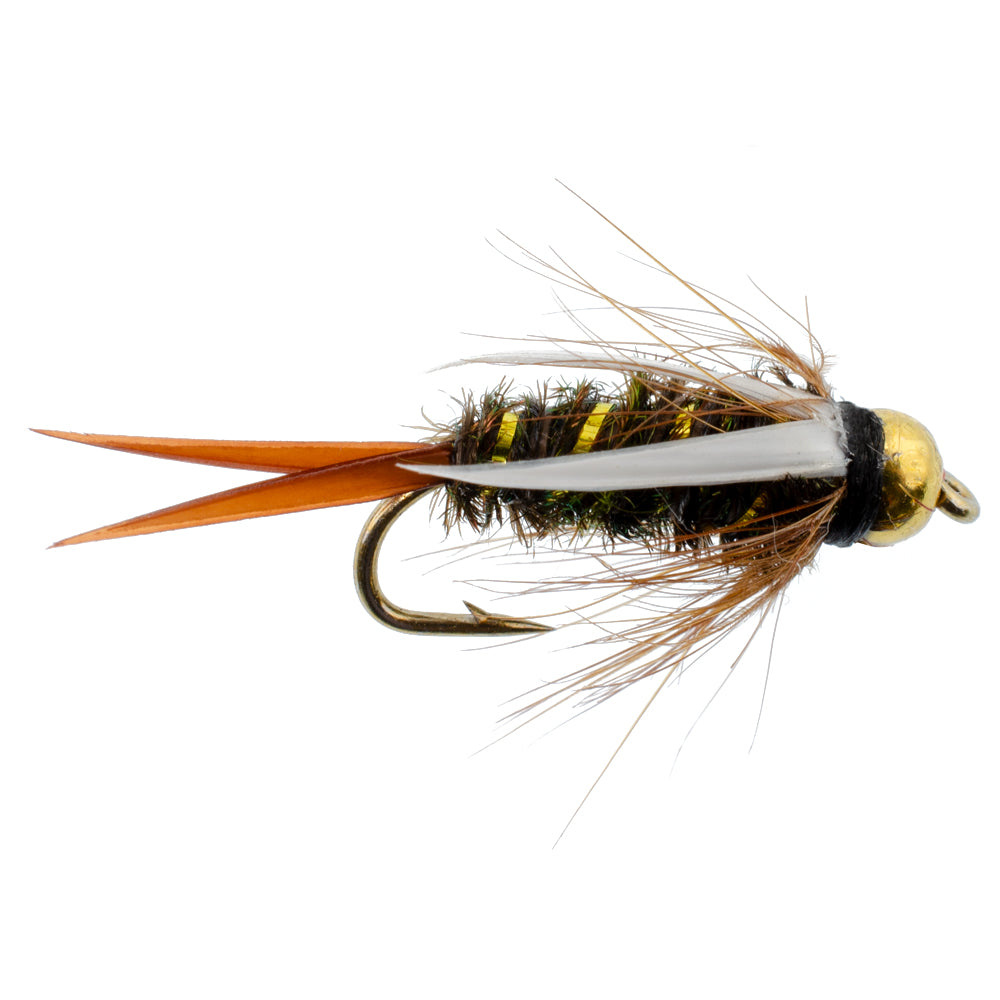
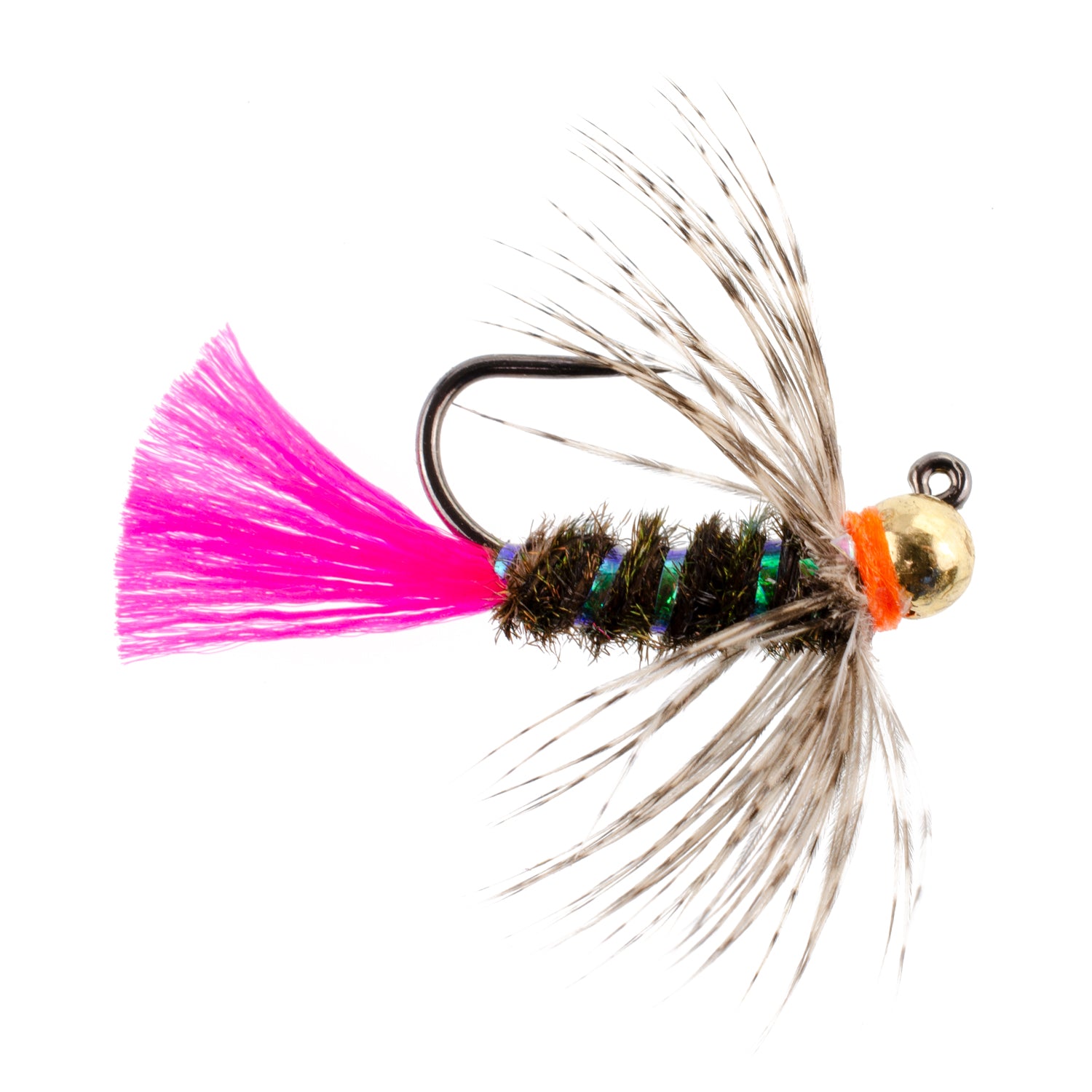
Shop by type: dry flies, nymphs, Euro nymphs, hoppers and terrestrials, streamers.
The river
The Wenatchee starts at Lake Wenatchee and runs southeast. Plain sits at the upper end. Below that the river drops through Tumwater Canyon on US-2, the steep water above Leavenworth that holds the salmonfly hatch. Through town and Peshastin the valley opens. Cashmere, Monitor, and the Columbia confluence are the lower river, warmer in summer and the steelhead reach when a season is open. When the mainstem is fishable, most visiting anglers work the canyon and the water around Leavenworth.
The salmonfly hatch is the defining event of the Wenatchee year - typically arriving in Tumwater Canyon in late May and progressing through the upper river into early June as temperatures warm. The Wenatchee salmonfly is one of the strongest in Washington, producing the large-dry-fly surface feeding that most Pacific Northwest fly anglers consider the pinnacle of the season. Timing the hatch correctly is essential - the window on any given section is typically one to two weeks and the fish feed aggressively on large stonefly dries only during the active emergence period. Monitor water temperatures and check with local Leavenworth fly shops for current hatch reports before making the drive.
Icicle Creek meets the Wenatchee at Leavenworth. It is colder and smaller than the main river, with rainbows and cutthroat in pocket water and short pools. May, June, and September are the usual windows. In late summer the creek can drop to stressful levels and WDFW may close it. Check that status before you leave the parking lot. When it is open, fish early and stay off the redds.
Year at a glance
| Month | Primary hatches | Also carry | Typical sizes |
|---|---|---|---|
| Jan | Midges | Small nymphs | Midge 18-24 |
| Feb | Midges, BWO | Small nymphs | Midge 18-24, BWO 18-22 |
| Mar | BWO, Skwala, midges | Early caddis | Skwala 8-12, BWO 16-20 |
| Apr | BWO, caddis, March brown | Skwala, stonefly nymphs | BWO 14-18, caddis 14-16 |
| May | Salmonfly, caddis, PMD | Golden stone, BWO, stonefly nymphs | Salmonfly 4-8, PMD 16-18 |
| Jun | Golden stone, PMD, caddis | Yellow sally, salmonfly upper canyon | Stone 6-10, PMD 16-18 |
| Jul | PMD, caddis, hoppers | Yellow sally, ants | PMD 16-18, hopper 8-12 |
| Aug | Hoppers, caddis, ants | Beetles, late PMD, trico | Hopper 8-12, caddis 14-16 |
| Sep | BWO, hoppers, caddis | Mahogany dun, steelhead | BWO 16-20, hopper 8-12 |
| Oct | BWO, mahogany dun | October caddis, steelhead peak | BWO 16-20, caddis 8-10 |
| Nov | Midges, BWO | Small nymphs, steelhead | Midge 18-24, BWO 18-22 |
| Dec | Midges | Small nymphs | Midge 18-24 |
January - February
The Wenatchee holds fish year-round in the canyon and middle sections but fishes slowly through the depths of winter. Midges are the primary food source through January and BWO begin on overcast February afternoons on the middle valley sections. The upper Tumwater Canyon is accessible year-round via US-2 but wading is demanding and cold in winter - the middle river sections near Leavenworth are more approachable for winter fishing. January and February on the Wenatchee are quiet and uncrowded with very few other anglers and wild fish that have not seen a fly since fall.
- Midges - 18-24. Two-fly rig through the deeper pools and slower runs throughout both months.
- BWO - 18-22 on overcast February afternoons on the middle valley sections. Parachute and CDC emerger styles.
- Small nymphs on a tight-line rig through the deeper slots and tailouts.
March - April
March opens the dry-fly season with Skwala stoneflies on the middle river sections when water temperatures climb into the mid-40s - typically mid-to-late March in average snowpack years. BWO strengthen through March and April on overcast days. The Wenatchee Skwala is less concentrated than the Yakima's given the river's power and canyon character but produces good early-season fishing with aggressive winter-conditioned rainbows on warm afternoons. April shifts to caddis building strongly in the evenings and BWO overlapping, with March brown on the broader middle sections. April is also when stonefly nymphs begin migrating in force ahead of the May salmonfly emergence - large weighted nymphs through the canyon seams produce well all month. Monitor snowmelt on the upper drainage in April - Tumwater Canyon can run high and off-color through April runoff.
- Skwala - 8-12 on warm March afternoons. Stimulator-style dry along the canyon edges; Skwala nymph subsurface all day before and after the hatch window.
- BWO - 16-20 on overcast afternoons through March and April. Parachute and CDC emerger styles.
- March brown - 12-14 on the broader middle valley sections in April.
- April: caddis building - 14-16 evenings on the middle and lower sections.
- Stonefly nymphs 4-10 subsurface through both months - building toward the May salmonfly emergence.
May - June
The salmonfly hatch is the event most Wenatchee anglers plan their season around - typically arriving in Tumwater Canyon in the last week of May and progressing through the upper river into early June as water temperatures warm. The Wenatchee salmonfly is one of the strongest in Washington, producing surface feeding from large wild rainbows and cutthroat on big stone dries in the dramatic Tumwater Canyon setting. Golden stones overlap and extend the large-dry-fly window into June on the upper sections. PMDs begin on the broader middle sections by mid-May. The Icicle Creek tributary is excellent in May before summer low-flow conditions arrive. Monitor the salmonfly timing in real time - call local Leavenworth fly shops for current hatch reports before making the trip as the window on any given section is narrow.
- Salmonfly - 4-8. The signature Wenatchee hatch. Large stonefly dries tight to the canyon walls in Tumwater Canyon in late May and early June. Salmonfly nymph subsurface all day before and during the emergence.
- Golden stone - 6-10 extending the large-dry-fly window through June on the upper sections.
- PMD - 16-18 mornings on the middle valley sections from mid-May through June.
- Caddis - 14-16 evenings throughout May and June.
- BWO on overcast mornings through May.
- Yellow sally - 14-16 in the faster riffle water from mid-May through June.
July - August
Full summer dry-fly season on the upper and middle river - PMDs in the morning, yellow sallies in the fast water, caddis evenings, and hoppers building along the canyon walls and valley margins from mid-July through August. The Wenatchee is excellent terrestrial water and the wild rainbows respond well to hoppers fished tight to the banks. Fish the upper Tumwater Canyon and middle valley sections for the coolest water and most active fish - the lower river toward the Columbia confluence warms significantly in July and August. Check Icicle Creek emergency closure status before fishing that tributary in late summer. Monitor water temperatures and fish early morning and evening during the hottest weeks of August.
- July: PMD - 16-18 mornings on the upper canyon and middle valley sections.
- Yellow sally - 14-16 in the fast riffles and pocket water through July.
- Caddis - 14-16 evenings throughout July and August.
- Hoppers - 8-12 along the canyon walls and valley margins mid-July through August. Hopper-dropper with a small nymph is the standard rig.
- Ants and beetles midday along the banks - 14-16.
- August: trico - 20-24 early morning on the flatter middle valley sections.
September - October
September is one of the finest months on the Wenatchee - BWO return strongly as nights cool, hoppers continue through mid-month, crowds thin significantly after Labor Day, and the upper canyon is at its most beautiful as the Cascades begin to turn. The fall BWO fishing through September and October produces consistent afternoon hatches on an essentially empty river. Mahogany duns add a second option on overcast days. October caddis appear on the lower and middle sections. The steelhead fishery in the lower river enters its fall season in September and October - check current regulations carefully for the lower Wenatchee steelhead season as rules and open dates vary by year.
- Hoppers through mid-September - 8-12 along the canyon and valley margins.
- BWO - 16-20 on overcast afternoons through September and October. The dominant fall hatch. Parachute and CDC emerger styles.
- Mahogany dun - 14-16 on overcast afternoons in September and October.
- Caddis evenings through mid-September - 14-16.
- October caddis - 8-10 on warmer October afternoons on the lower and middle sections.
- Lower river steelhead: swing streamers through the pools and runs in September and October. Check current regulations before targeting steelhead.
November - December
Midges and BWO as the season winds into winter on the upper and middle river. US-2 over Stevens Pass remains open year-round making the Wenatchee Valley accessible through winter, though Tumwater Canyon wading is demanding in cold conditions. November can produce good BWO fishing on overcast afternoons with almost no other anglers on the water. December returns to the midge and nymph program on the deeper pools and slower runs of the middle valley sections.
- BWO - 18-22 on overcast November afternoons on the middle valley sections. Parachute and CDC emerger styles.
- Midges - 18-24 throughout both months. Two-fly rig through the deeper pools and slower runs.
- Small nymphs on a tight-line rig through the deeper slots and tailouts.
A western dry and nymph assortment covers the core season - add salmonfly patterns in sizes 4-8 and golden stone dries and nymphs in sizes 6-10 for the May and June hatch window, a Skwala in sizes 8-12 for March, a strong hopper selection for July through September, and a deep BWO selection in sizes 16-20 for the fall season. The Wenatchee River is one of Washington's finest wild trout destinations - Tumwater Canyon salmonfly fishing, a full Cascades freestone hatch calendar, and wild fish in a dramatic mountain valley setting that rewards the angler who times the season correctly.