Yakima River Washington Hatch Chart
Central Washington. The Yakima leaves the east-slope Cascades, runs the Kittitas Valley, then drops through the Yakima Canyon to Roza Dam before continuing to the Columbia near Richland. The trout river people mean is the water from Easton and Cle Elum down to Roza. Reservoirs upstream keep that reach fishable most of the year. Wild rainbows, some browns and cutthroat. Skwala in March, caddis and PMDs through spring, hoppers in summer, BWOs in fall. Below Roza is a different river.
Check current WDFW rules before you go.
On the main trout water from the upper Yakima reservoirs downstream to Roza Dam: release wild trout. Selective gear rules. Artificial flies and lures only. Single barbless hook. No bait. Whitefish may have a separate limit. Confirm the current pamphlet for your exact mile.
Below Roza Dam the rules change by reach. Some water has closed zones around dams and powerhouses. Steelhead, when open, is hatchery fish only. Release wild steelhead. A Washington fishing license is required.
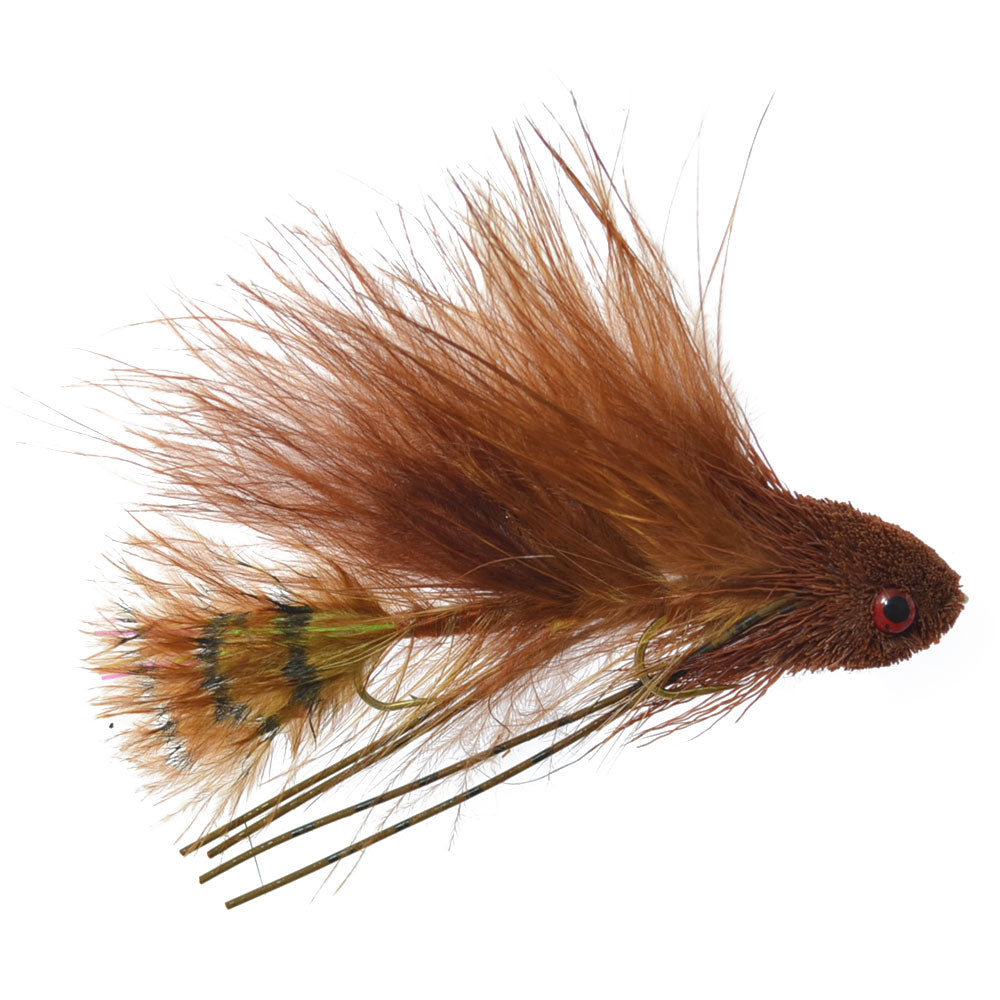
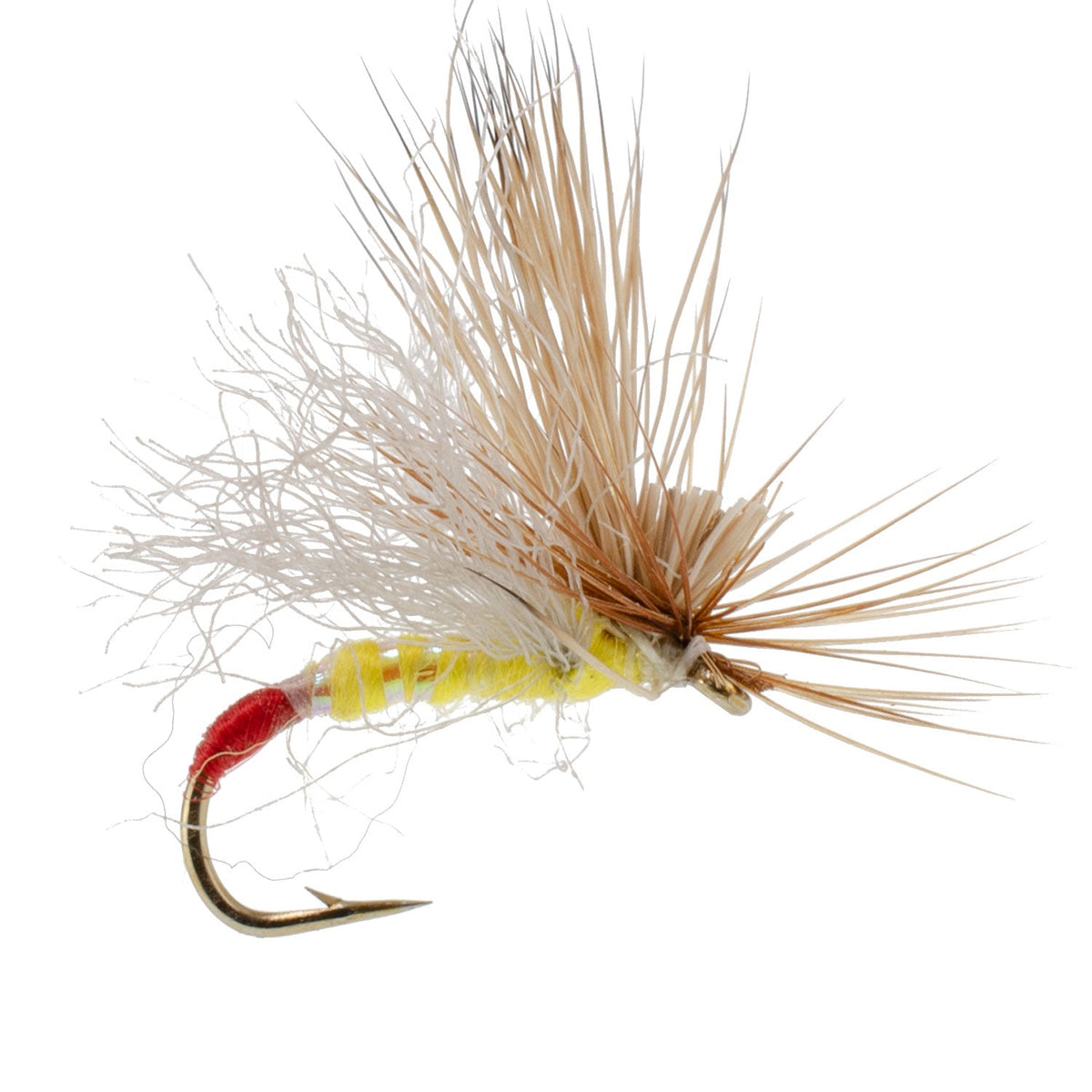
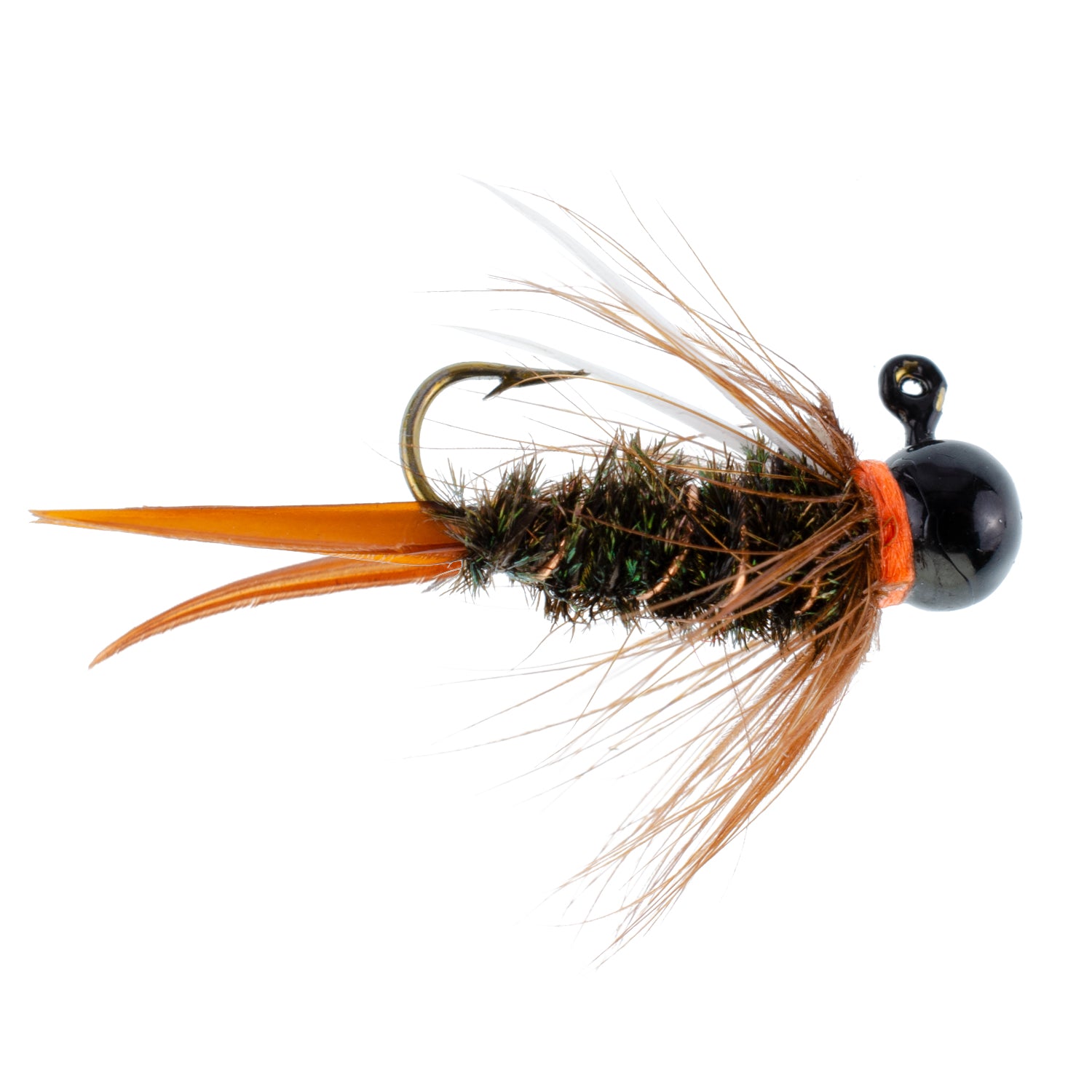
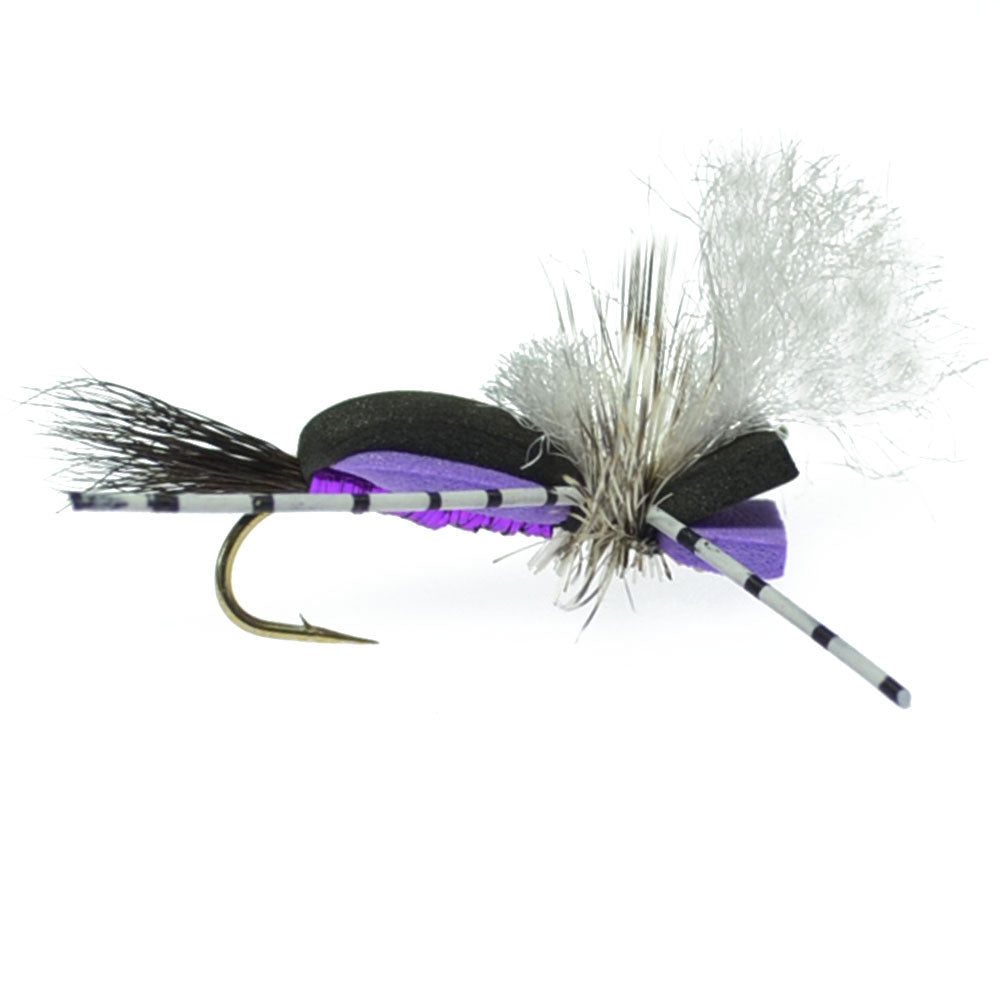
Shop by type: dry flies, nymphs, Euro nymphs, hoppers and terrestrials, streamers.
The river
The upper river from Cle Elum toward Ellensburg is valley water: riffles, glides, more wade access, less boat traffic. Rainbows often run 12-16 inches. The canyon from Ellensburg to Roza is the postcard water: about 25 miles of basalt, Highway 821 pullouts, and a float-first culture. Fish there run larger on average. Below Roza the river warms and the trip changes. Do not plan a canyon trout day below the dam.
The Skwala stonefly hatch in March is the event that puts the Yakima on the map for most Pacific Northwest fly anglers - one of the earliest significant dry-fly opportunities in the region, drawing serious attention from anglers throughout Washington and Oregon when the water temperatures climb into the mid-40s and large stoneflies begin appearing on the canyon walls and cliff edges. The combination of early-season timing, large-ish flies, and aggressive winter-conditioned rainbows makes the Skwala window one of the most anticipated hatch events in the Pacific Northwest. The fall BWO season is equally compelling - dense olive hatches on gray October afternoons with an essentially empty canyon and large selective rainbows that have had the summer to recover from fishing pressure.
The Yakima does not have a significant salmonfly hatch - PMDs, yellow sallies, caddis, tricos, and BWO are the primary hatch calendar. Presentation matters throughout the season; the canyon fish are wild, see significant pressure, and reward careful approach and accurate casting. Float trips cover the most water and access the best canyon sections - wade-anglers should target early mornings, the upper river, and the canyon edges that floaters pass too quickly.
The two sections
Upper Yakima - Cle Elum to Ellensburg
The upper river runs through the broad Kittitas Valley with slower, meandering water, good road access, and a mix of riffles, pools, and flat glides. Wild rainbows average 12-16 inches with larger fish present. Less pressure than the canyon. Good caddis and PMD water in summer; excellent fall BWO fishing. A good option when the canyon is crowded or when you want more room to wade and fewer boats.
Yakima Canyon - Ellensburg to Roza Dam
The signature trout water. The river drops into basalt below Ellensburg and runs to Roza Dam, not past it. Flows come from the Cascade reservoirs upstream. Roza is the take-out, not the cold-water source. Wild rainbows and browns. Most anglers float. Wade the BLM sites and the edges the boats skip. Pressure is real from March through June. Fall is quieter.
Year at a glance
| Month | Primary hatches | Also carry | Typical sizes |
|---|---|---|---|
| Jan | Midges, BWO | Small nymphs | Midge 18-22, BWO 18-22 |
| Feb | Midges, BWO | Early stonefly nymphs | Midge 18-22, BWO 16-20 |
| Mar | Skwala, BWO, midges | Early caddis | Skwala 8-12, BWO 16-20 |
| Apr | Skwala, BWO, March brown | Caddis, streamers | Skwala 8-12, BWO 14-18 |
| May | Caddis, PMD, BWO | Stonefly nymphs, March brown | PMD 16-18, caddis 14-16 |
| Jun | PMD, caddis, yellow sally | Golden stone, BWO | PMD 16-18, yellow sally 14-16 |
| Jul | PMD, caddis, trico | Hoppers start, yellow sally | PMD 16-18, trico 20-24 |
| Aug | Trico, hoppers, caddis | Ants, beetles, late PMD | Trico 20-24, hopper 8-12 |
| Sep | BWO, trico, hoppers | Mahogany dun, streamers | BWO 16-20, trico 20-24 |
| Oct | BWO, mahogany dun | October caddis, midges, streamers | BWO 16-20, caddis 8-10 |
| Nov | BWO, midges | Small nymphs, streamers | BWO 18-22, midge 18-22 |
| Dec | Midges, BWO | Small nymphs | Midge 18-22, BWO 18-22 |
January - February
The Yakima Canyon fishes year-round and January and February can be outstanding on mild, overcast days - one of the most consistent winter dry-fly rivers in the Pacific Northwest. Midge clusters bring fish to the surface in the flat tailouts and BWO hatch on gray afternoons throughout both months. The tailwater influence in the lower canyon keeps water temperatures stable and fish active even in the coldest months. The upper river is slower to warm but fishable on calm days. January and February in the Yakima Canyon reward the angler willing to make the drive - large fish, almost no pressure, and classic winter dry-fly conditions on the right day.
- Midges - 18-22. Two-fly rig through the slow tailouts and seams. The year-round Yakima constant.
- BWO - 16-22 on overcast afternoons. Parachute and CDC emerger styles. The canyon fish rise reliably to olives even in January on the right day.
- Small stonefly nymphs subsurface in February as nymphs begin moving.
March - April
March is one of the finest months on the Yakima. The Skwala stonefly hatch - the event the Yakima is most famous for - begins on the canyon when water temperatures reach the mid-40s, typically in mid-to-late March. The Skwala is the first significant dry-fly hatch of the Pacific Northwest year and draws serious attention from anglers throughout the region - time it right and you can fish large dries to aggressive winter-conditioned rainbows in canyon conditions that remain largely uncrowded early in the window. BWO strengthen throughout March and April. Skwala continues into April as March brown appears on the broader canyon sections. Caddis build through April ahead of the full spring season. Monitor the upper river in April as snowmelt can push flows - the canyon below Roza stays cleaner longer due to tailwater influence.
- Skwala - 8-12. The signature Yakima hatch. Canyon walls and cliff edges on warm afternoons. Stimulator-style or rubber-leg dry; Skwala nymph subsurface all day.
- BWO - 16-20 on overcast afternoons through March and April. CDC emerger and parachute styles.
- March brown - 12-14 on overcast April afternoons in the canyon.
- April: caddis building - 14-16 at dusk on the lower canyon sections.
- Streamers in off-color upper river water during April runoff.
May - June
Caddis and PMDs overlap through May and June - one of the most productive and diverse dry-fly periods of the year on the Yakima. PMDs hatch in the morning, caddis in the afternoon and evening, and the combination keeps fish rising throughout the day. The canyon comes into full form through May - stonefly nymphs active subsurface, BWO on overcast mornings, and the upper river near Cle Elum fishing well before summer heat arrives. June adds yellow sallies in the faster canyon riffles and golden stones in the heavier pocket water. The canyon sees heavy float traffic in June - wade-anglers should target early mornings and the upper river. The Yakima does not have a significant salmonfly hatch - PMDs, yellow sallies, and caddis are the primary June events.
- PMD - 16-18 mornings through May and June. The dominant spring hatch on both sections.
- Caddis - 14-16 afternoons and evenings. The reliable evening hatch on both sections through the full spring season.
- BWO on overcast mornings through May.
- Stonefly nymphs 6-10 subsurface through May.
- June: yellow sally - 14-16 in the fast canyon riffles and pocket water.
- Golden stone - 8-12 in the heavier canyon water in June.
July - August
PMDs continue into mid-July as tricos begin on the slower upper river and flat canyon sections - the transition from PMD to trico marks the shift to the late-summer program. Hoppers build along the canyon walls and grass banks through July and are at their best in August. The canyon is at peak float season through July - early morning wade fishing and the upper river offer the best solitude. August trico spinner falls on the flat upper river and canyon pools are the highlight of late summer, often producing the most consistent rising fish of the day. Check water temperatures in August - if canyon temps are elevated, the upper river near Cle Elum stays cooler and is the better option through the warmest weeks.
- July: PMD - 16-18 mornings through mid-month.
- Trico - 20-24. Early morning spinner falls on the slower upper river and flat canyon pools. Fine tippet essential.
- Hoppers - 8-12 along canyon walls and grass banks mid-July through August. Hopper-dropper with a small nymph is the standard rig.
- Ants and beetles in foam lines along the banks - 14-16.
- Caddis evenings throughout July and August.
September - October
September is many local anglers' favorite month on the Yakima - BWO return strongly as nights cool, tricos continue into mid-September, hoppers hold through mid-month, and crowds drop sharply after Labor Day. The canyon is largely empty and the fall fishing improves week by week through the month. October BWO fishing on the Yakima is some of the best in the West - dense hatches on gray afternoons, large selective rainbows, and an essentially empty canyon. October caddis add a large dry-fly option on warmer afternoons. Mahogany duns overlap with the olives. The Yakima's October olive fishing is worth planning a trip around - it is one of the finest and most underrated fall fisheries in the Pacific Northwest.
- Trico through mid-September on flat upper river and canyon pools - 20-24.
- Hoppers and ants through mid-September along the canyon - 8-12 and 14-16.
- BWO - 16-20 on overcast afternoons through September and October. The dominant fall hatch. Sparse patterns and fine tippet.
- Mahogany dun - 14-16 on overcast afternoons in September and October.
- October caddis - 8-10 on warmer afternoons in October.
- Streamers in deeper canyon slots at last light through September and October.
November - December
BWO and midges through the warmest part of overcast afternoons in November - the canyon is quiet, uncrowded, and the wild rainbows that have been sipping flies all season are still willing on a well-presented dry. The upper river slows significantly in November and December. December midge and BWO fishing in the Yakima Canyon on a calm, overcast afternoon with rising fish is as good as it gets for winter dry-fly fishing in the Pacific Northwest - cold mornings, short days, and a nearly empty river that rewards the angler willing to make the drive.
- BWO - 18-22 on overcast afternoons through November and into December. The Yakima canyon fish rise to olives well into winter.
- Midges - 18-22 throughout. Two-fly rig through slow tailouts and seams.
- Small nymphs subsurface in the deeper canyon slots and tailouts.
A western dry and nymph assortment covers the core season - add Skwala patterns in sizes 8-12 for March, a strong hopper selection for August, trico patterns in sizes 20-24 for late summer, and a deep BWO selection in sizes 16-20 for the fall canyon season. The Yakima River is Washington's finest wild trout fishery - year-round dry-fly fishing in a basalt canyon, the earliest significant stonefly hatch in the Pacific Northwest, and fall olive fishing that rivals any river in the West.