
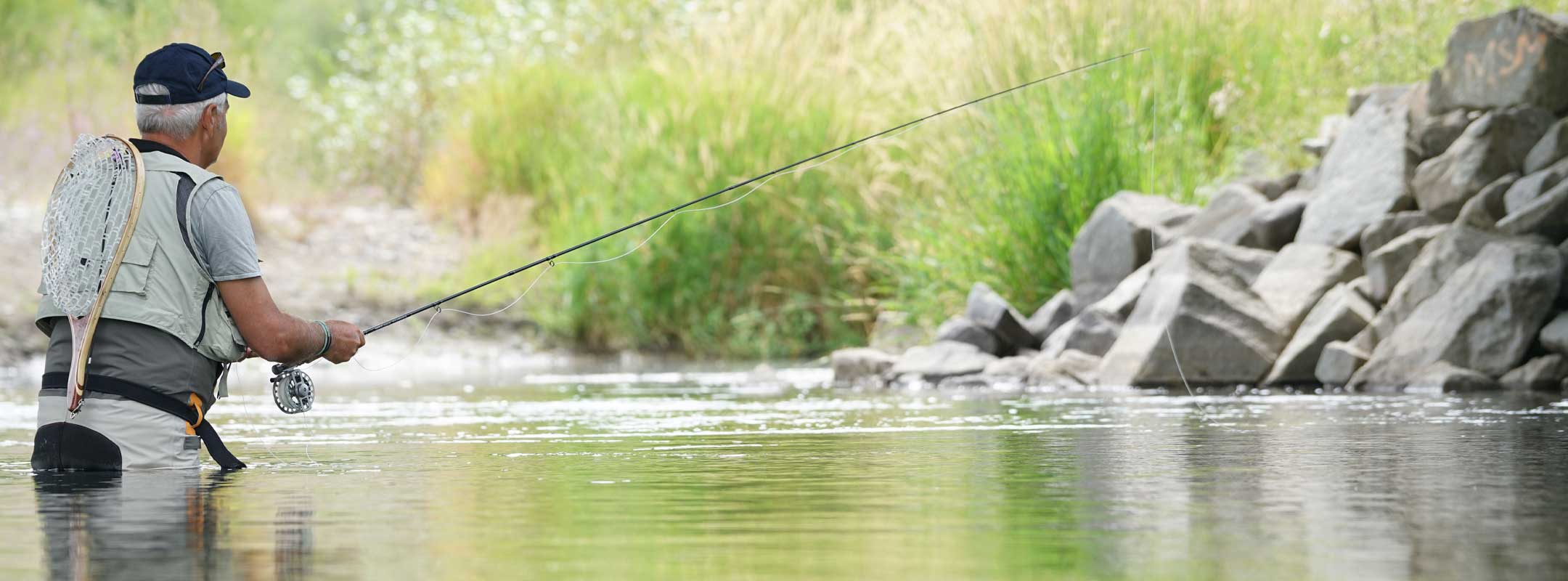
As any angler knows, the right flies can make all the difference on the water. These five classic dry fly patterns have proven effective across generations, conditions, and water types. Whether you're a seasoned pro or just getting started, these are the flies that belong in every dry fly box.
Mosquito Dry Fly

One classic dry fly that should be in every angler's box is the Mosquito. This grayish-tinted fly is especially effective in slow-moving water and is a go-to for early morning or late evening fishing. It imitates many small aquatic insects commonly found near the water's surface, making it a natural target for trout and panfish alike. It's absolutely deadly on high mountain lakes — don't go hiking without them.
Pale Morning Dun (PMD)

The Pale Morning Dun is a must-have for any dry fly angler. Particularly effective in slower-moving water during morning and evening mayfly hatches, the PMD's light yellow or cream body with lighter wings makes it an excellent imitation of natural light-colored mayflies. Trout feed selectively on PMDs during hatches, and since they're widespread across many different bodies of water, this is one of the most reliable patterns you can carry.
Blue Winged Olive (BWO)

Trout can shift their feeding preferences in a moment's notice — which is exactly why you should always have Blue Winged Olives in sizes 14 through 20. This fly mimics the small olive-colored Baetis mayfly, an important food source for trout found across a wide variety of water types and regions. BWO hatches can trigger a selective feeding frenzy, and here's an old trick that works: try fishing a size smaller than the hatch appears to be.
Adams Dry Fly

Perhaps the best-known classic dry fly pattern, the Adams mimics many types of mayflies and is especially effective during hatches. First tied in 1922 by Michigan fly tier Leonard Halladay as a general mayfly imitation, it was first fished by his friend Charles F. Adams — and the name stuck. For over a century, its subtle blend of colors has made it stand out on the water, attracting trout even in murky or choppy conditions.
Light Cahill Dry Fly

The Light Cahill mimics the Ephemerella invaria mayfly, commonly found in Eastern streams and rivers, though it has proven universally effective wherever trout swim. It's particularly productive during the late spring and early summer E. invaria hatch. Its upright and divided Wood Duck wings create a realistic profile on the water's surface. When presenting the Light Cahill, aim for a drag-free drift by mending upstream or using a reach cast — and if a trout rises nearby without taking, try a slight twitch of the rod tip to trigger the strike.
These five classic dry flies have been proven effective across generations and conditions. With them in your vest, you'll be prepared for whatever hatch the water throws at you.
Ready to stock your dry fly box? Browse our full Dry Flies Collection — over 700 patterns for every hatch and every season.
2 comments
Jilly
My Dad always loved his Light Cahill flies – it was the only fly in his vest!
Jake Lowden
I love these older classic ties!