
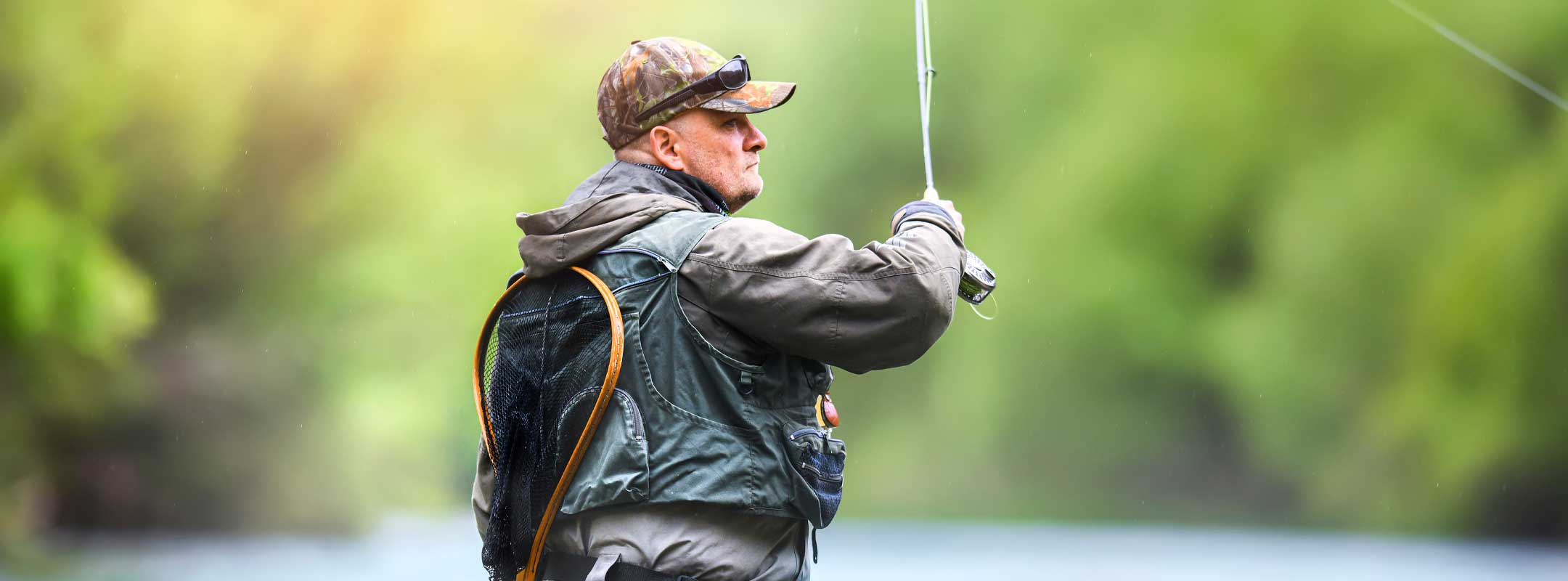
Nymphing is one of the most effective techniques in fly fishing — targeting fish that are feeding below the surface where most of the action happens. Here's what you need to know to fish nymphs well.
Fishing with nymph flies can elevate your angling experience, providing a real edge in targeting fish holding underwater. The right setup, the right depth, and the right pattern make all the difference. Here's a practical guide to getting it right.
Copper John Assortment — 10 Flies, 5 Patterns, Sizes 14–18

Ten hand-tied bead head Copper Johns across five of the most effective color patterns, in hook sizes 14, 16, and 18. The bead head construction gets the flies down quickly to the feeding zone, and the variety of patterns lets you adapt to what fish are keying on throughout the day. Effective for trout, bass, and panfish across a wide range of water types.
Tips for Fishing Nymph Flies
- Choose the right depth — use a strike indicator to dial in the depth where fish are feeding; adjust as conditions change throughout the day
- Maintain a natural drift — let the nymph drift naturally with the current; a subtle twitch can mimic the movement of a real insect but drag kills the presentation
- Experiment with colors and sizes — vary your patterns to find what's working; fish can be surprisingly selective even on nymphs
- Use split shot when needed — add weight above the fly to sink quickly in faster or deeper water and maintain contact with the bottom
- Set the hook decisively — when you feel a take or see the indicator move, set firmly but smoothly; hesitation loses fish
Frequently Asked Questions
What is nymphing?
Nymphing is a fly fishing technique that uses nymph flies — imitations of aquatic insects in their larval stage — to catch fish feeding below the surface. It's one of the most productive methods for trout in rivers and streams.
What species can I catch with nymph flies?
Nymph flies are effective for trout, bass, and panfish across a wide range of freshwater environments. Trout are the primary target, but bead head nymphs will draw strikes from almost any species feeding on aquatic insects.
How do I know what depth to fish?
Start with your nymph set at roughly 1.5x the water depth below your indicator. Adjust shallower or deeper based on where you're getting strikes. In faster water, go deeper; in slower pools, fish can be suspended higher in the column.
How can I improve my nymphing?
Focus on the drift first — a drag-free presentation beats pattern selection almost every time. After that, work on reading water to identify where fish are holding: seams, drop-offs, and the tail-outs of pools are prime spots.
Is the Copper John a good beginner nymph?
Yes — the Copper John is one of the best all-around nymphs for beginners. It sinks fast, looks like something edible in almost any water, and comes in enough color variations to cover most situations without needing a huge fly box.
Ready to build out your nymph selection? Browse our full Euro Tactical Nymphs Collection — barbless jigged flies, Czech nymphs, Perdigons, and more for deadly sub-surface presentations in any water.