
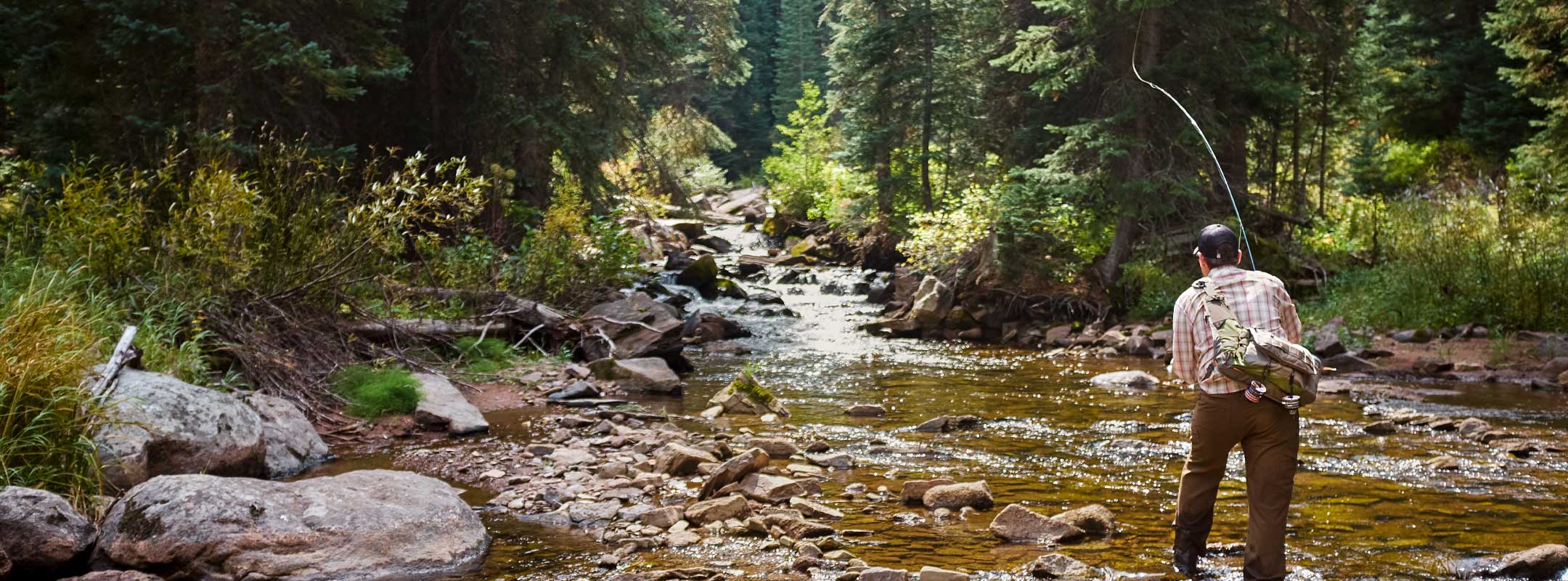
Sylvester Nemes, a legendary figure in the world of fly fishing, is renowned for his innovative approach to fly tying - particularly his emphasis on soft hackle flies. Nemes developed a distinctive philosophy that revolutionized traditional fly patterns and techniques, earning him recognition as a pioneer in the field.
At the core of Nemes' soft hackle philosophy is the belief in simplicity and the naturalistic imitation of aquatic insects. Unlike many fly tiers who focus on intricately detailed imitations, Nemes preferred a minimalist approach, crafting flies with sparse materials that captured the essence of insect movement and behavior. His soft hackle patterns often consisted of just a few basic materials, allowing for quick and effective fly tying.
Why Soft Hackles Work
Nemes believed that soft hackle flies possessed a unique lifelike quality, mimicking the subtle movements of emerging insects in the water. By incorporating soft, flowing fibers from game bird feathers as hackle, these patterns exhibit a pulsating, undulating motion underwater that entices even the most selective trout. This emphasis on natural movement and presentation set Nemes' soft hackle flies apart from other patterns - and it's why they still produce fish decades later.
Classic Soft Hackle Patterns
Partridge & Pheasant Tail

One of the most versatile soft hackles in the box. The pheasant tail body imitates a wide range of mayfly nymphs, while the partridge hackle pulses with every current variation. Fish it on the swing or dead drift - it produces in both presentations.
Partridge & Green
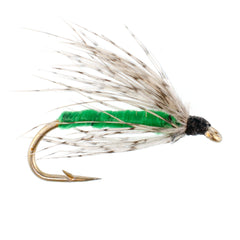
A classic North Country wet fly that imitates caddis pupae and small stoneflies. The green body is particularly effective in spring and early summer when caddis are active. One of Nemes' personal favorites and a staple in any soft hackle selection.
Partridge & Orange

Perhaps the most famous soft hackle pattern of all. The orange body is highly visible and works as both an attractor and an imitation of emerging insects. Deadly on the downstream swing, especially in faster water where fish need to make a quick decision.
March Brown Partridge
A time-tested pattern that imitates the March Brown mayfly - one of the most important early-season hatches on many trout streams. The mottled partridge hackle and brown body create a convincing profile that fish recognize as food. A must-have for spring fishing.
Adaptability: The Other Half of Nemes' Philosophy
Another key aspect of Nemes' philosophy was adaptability. He encouraged fly anglers to experiment with different soft hackle patterns, sizes, and colors based on the specific conditions they encountered on the water. Nemes believed in the importance of observation and adaptation — urging anglers to closely observe the behavior of insects and the feeding patterns of fish. This approach allowed for a more intuitive and responsive approach to fly selection, enhancing the angler's chances of success.
Nemes' influence extended beyond the tying bench. He emphasized the importance of presentation and technique on the water, advocating for a delicate and lifelike drift - letting the current dictate the movement of the fly and replicating the natural flow of insects in the water.
Sylvester Nemes' soft hackle philosophy is characterized by simplicity, naturalistic imitation, adaptability, and a focus on lifelike presentation. His innovative approach has left an indelible mark on the world of fly fishing, inspiring generations of anglers to appreciate the effectiveness and artistry of soft hackle flies.
Ready to fish soft hackles? Browse our full Soft Hackle Flies Collection — classic North Country wets, partridge patterns, and modern soft hackle nymphs for every situation.