
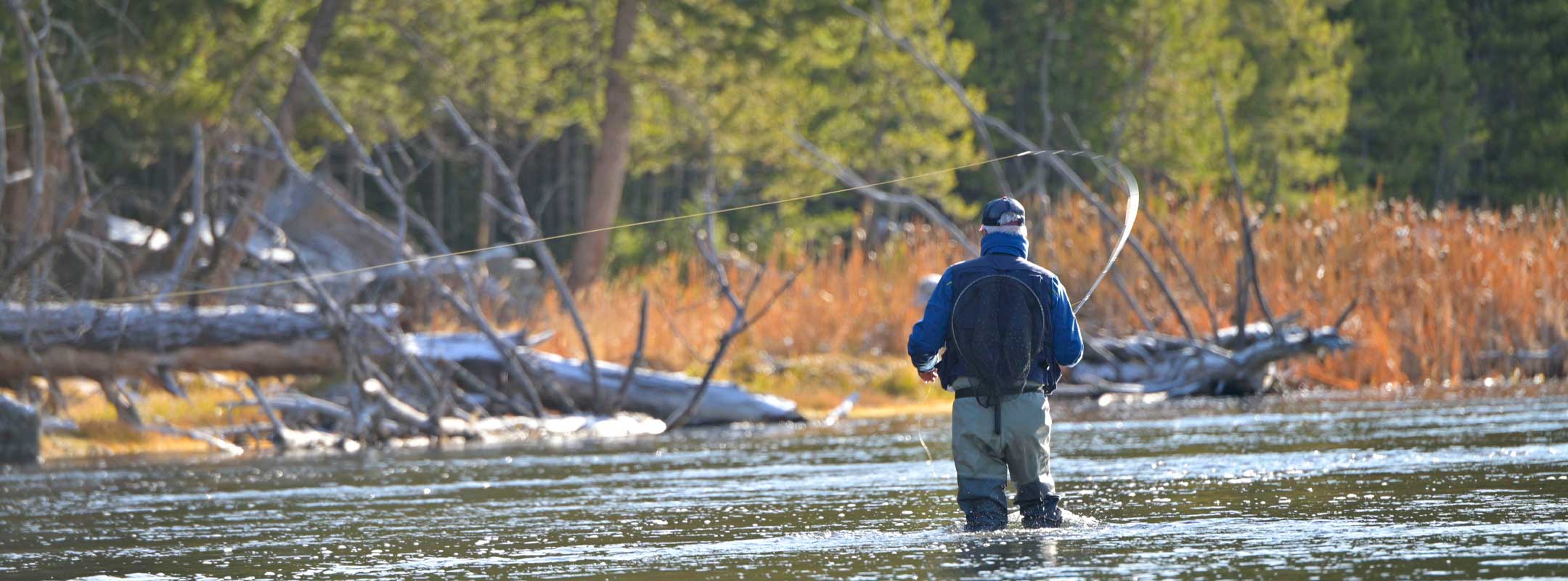
Hopper season gets the attention. By September, a lot of the obvious foam is chewed, sun-faded, or sitting in the bottom of the box. Trout have not stopped looking up. On Western rivers and high lakes, flying ants and beetles keep working after the big hopper bite settles down.
These are small-food days. A size 14 or 16 ant often out-fishes a size 8 hopper once the banks have been hammered for six weeks.
Why Ants and Beetles Matter Now
Terrestrial season is longer than hopper season. Ants blow onto the water after warm afternoons. Beetles drop from willows, alders, and grass. Both sit low and look like easy calories. Trout that refused a large hopper at noon will still eat a black ant in the film along the bank.
September also brings shorter windows. Midday can still be bright and high. The reliable water is shade lines, foam seams against structure, and the first two feet off the bank.
When to Tie One On
- Warm afternoons after the wind comes up
- The hour after a brief rain shower
- Any stretch with overhanging grass or brush
- High lakes and meadow streams where hoppers have already made an appearance
If you see dimples instead of slashing rises, drop down in size. A smaller ant is often the difference between refusals and eats.
How to Fish Them
Keep the leader longer than you think. A 9-foot 4X or 5X leader with a couple feet of tippet gives a terrestrial a chance to sit still.
Cast tighter to the bank than feels polite. Let it drift. If nothing happens after a clean pass, give one short twitch - enough to dimple the surface, not enough to skate it like a hopper.
A useful September rig is a high-floating hopper or small foam beetle on top and a small nymph or ant pattern 16-24 inches below. You already know the hopper-dropper idea; in September the "hopper" can be a beetle and the dropper can be a sinking ant or a thin nymph.
Barbless versions are worth carrying on catch-and-release water. They pin well in the surface film and come out of a trout's mouth without a wrestling match. See the barbless collection if that is how you fish.
What to Carry
You do not need twenty terrestrial patterns. You need a few that cover color and profile:
- Black ant, winged and unwinged
- Cinnamon or brown ant
- Foam beetle in black or peacock
- One smaller hopper or cricket as a searching fly
Fish them from the hoppers and terrestrial flies collection, and keep a few standard dry flies in the same box for the BWO and caddis evenings that show up as soon as the air cools.
Ready to restock the late-summer box? Browse our Hopper and Terrestrial Flies Collection and add a few ants and beetles before the first real cold snap.