Arkansas River Colorado Hatch Chart
Central Colorado, flowing east and southeast from its headwaters near Leadville through Buena Vista, Salida, and the Royal Gorge before reaching Pueblo and the plains. The Arkansas River is Colorado's most diverse trout fishery - a river with distinct personalities across its length, from the high-altitude freestone water above Buena Vista through the famous Bighorn Sheep Canyon Gold Medal section near Salida to the Pueblo tailwater below Pueblo Reservoir. The Arkansas draws more Colorado anglers than any other river in the state and for good reason - it offers exceptional wild trout fishing in multiple settings, the most dramatic canyon scenery of any Colorado trout river, and the famous salmonfly hatch that brings large fish to the surface in a dramatic limestone canyon.
Check current Colorado Parks and Wildlife regulations before you go. The Arkansas has multiple sections with different regulations - the Gold Medal section in Bighorn Sheep Canyon has special regulations including artificial flies and lures only and catch-and-release for brown trout. The Pueblo tailwater has its own regulations. Verify current rules for your target section before every trip. The river runs through a mix of public land and private land corridors - the Bighorn Sheep Canyon section has good public access along US-50, while some upper and middle river sections have limited public water. A Colorado fishing license is required.
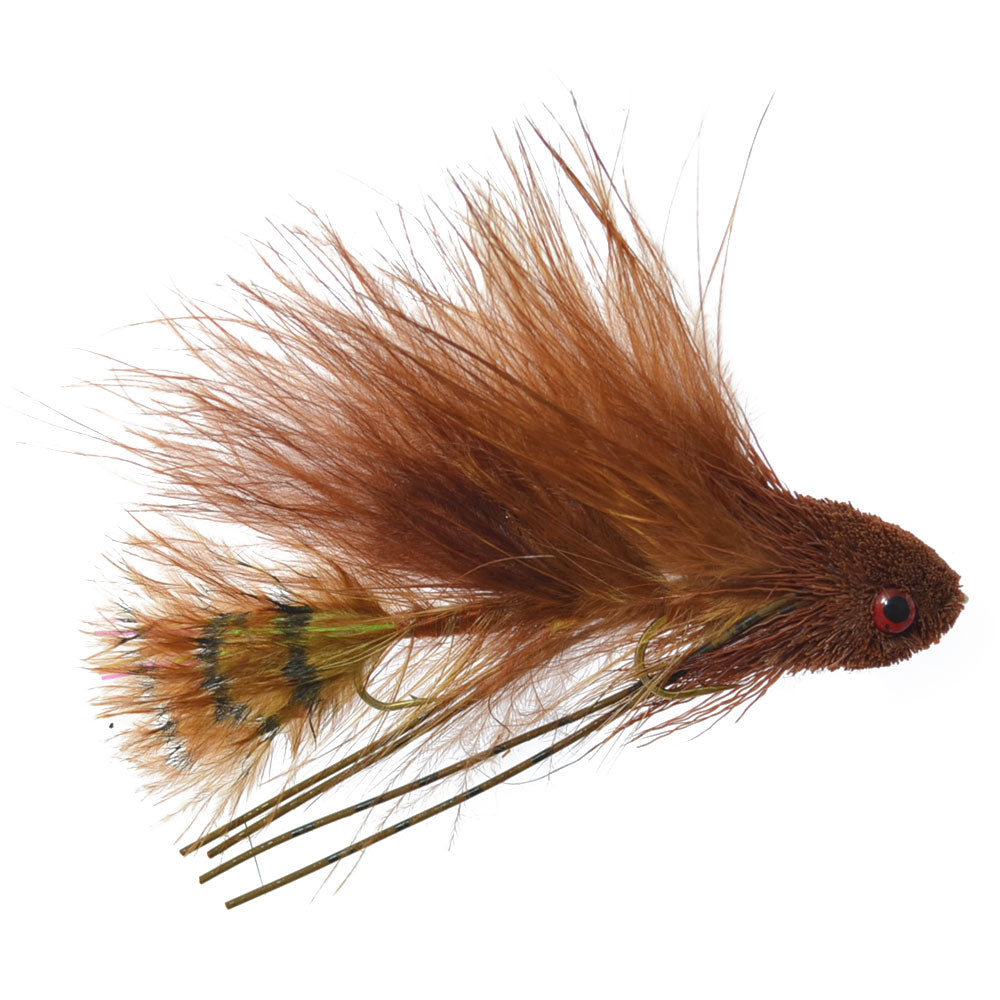
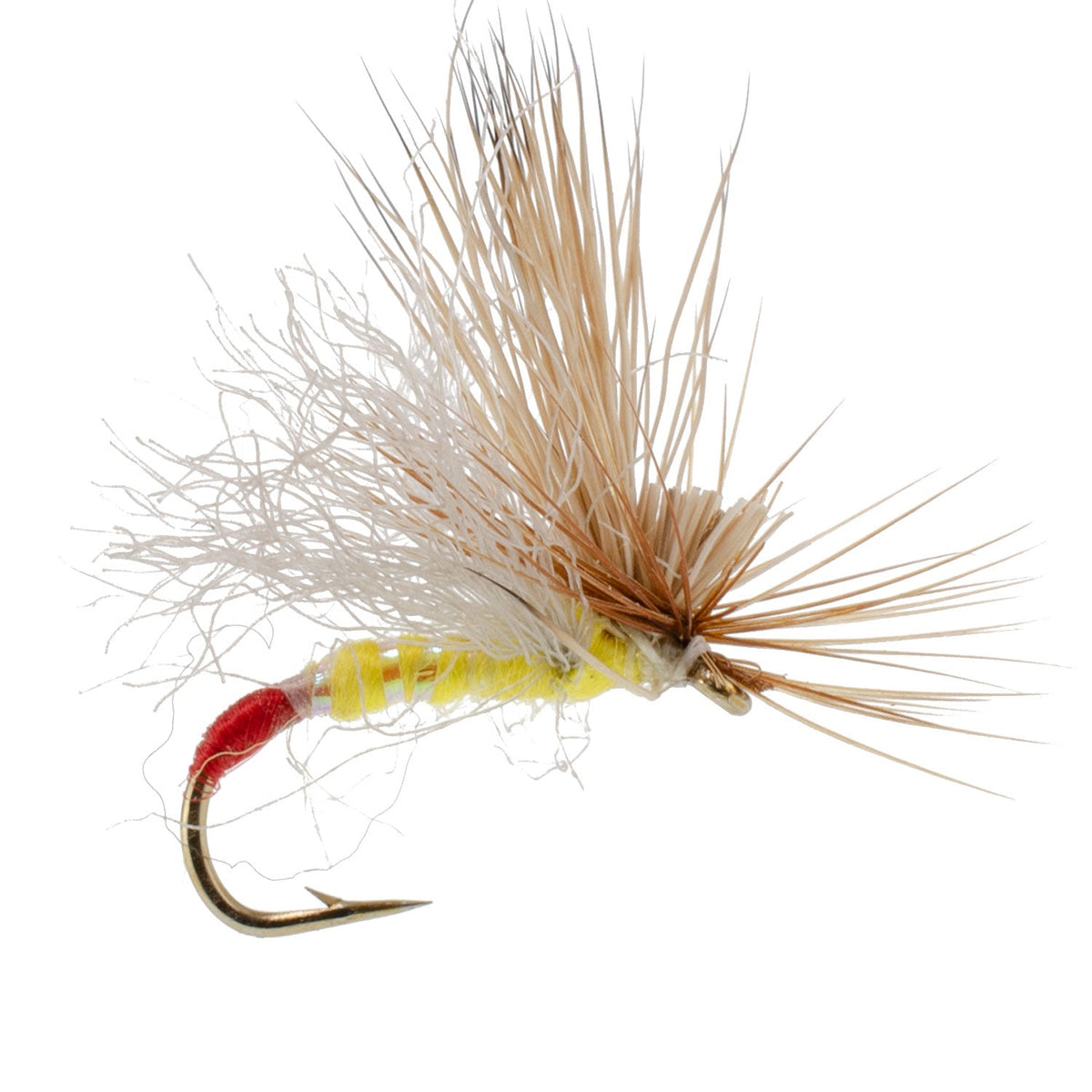
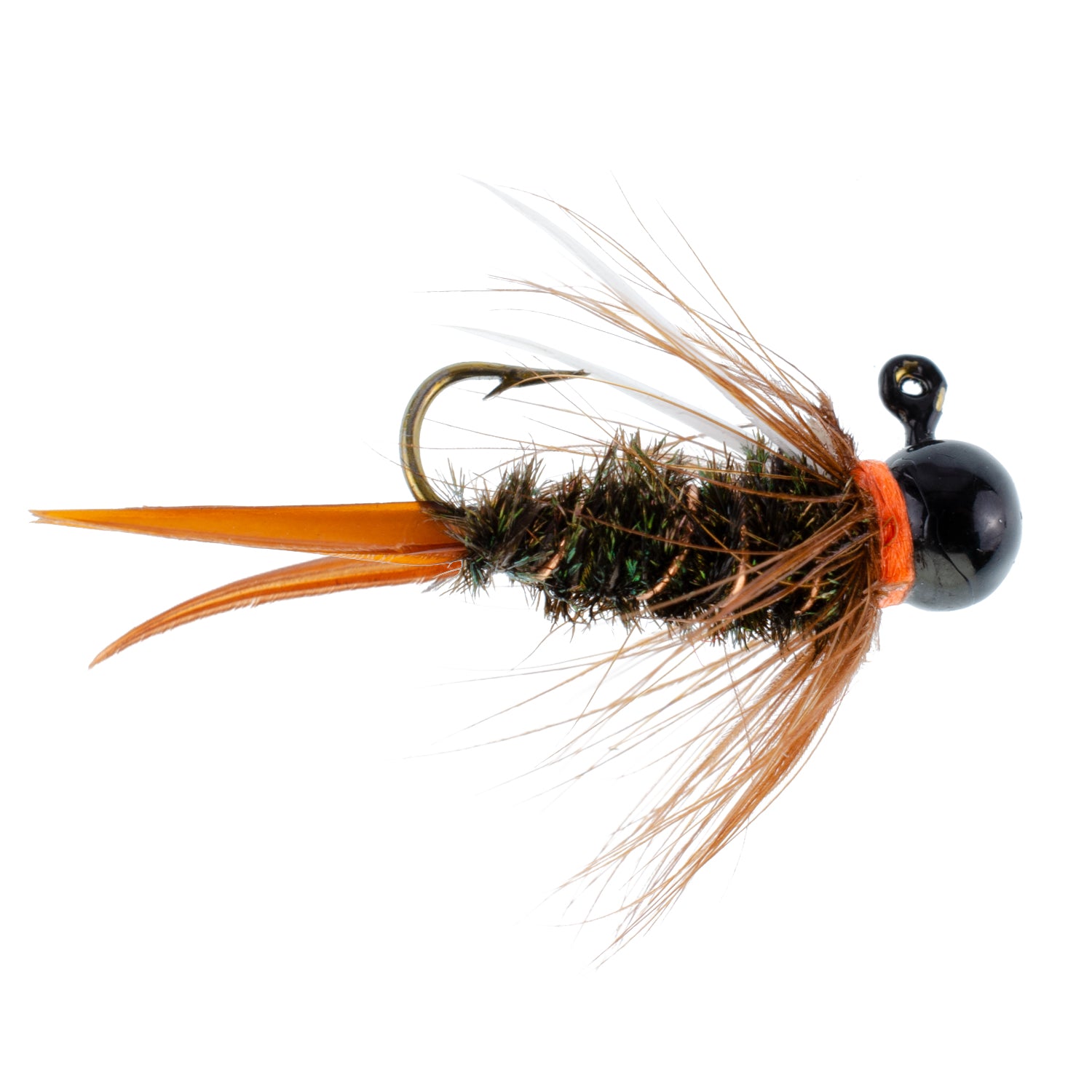
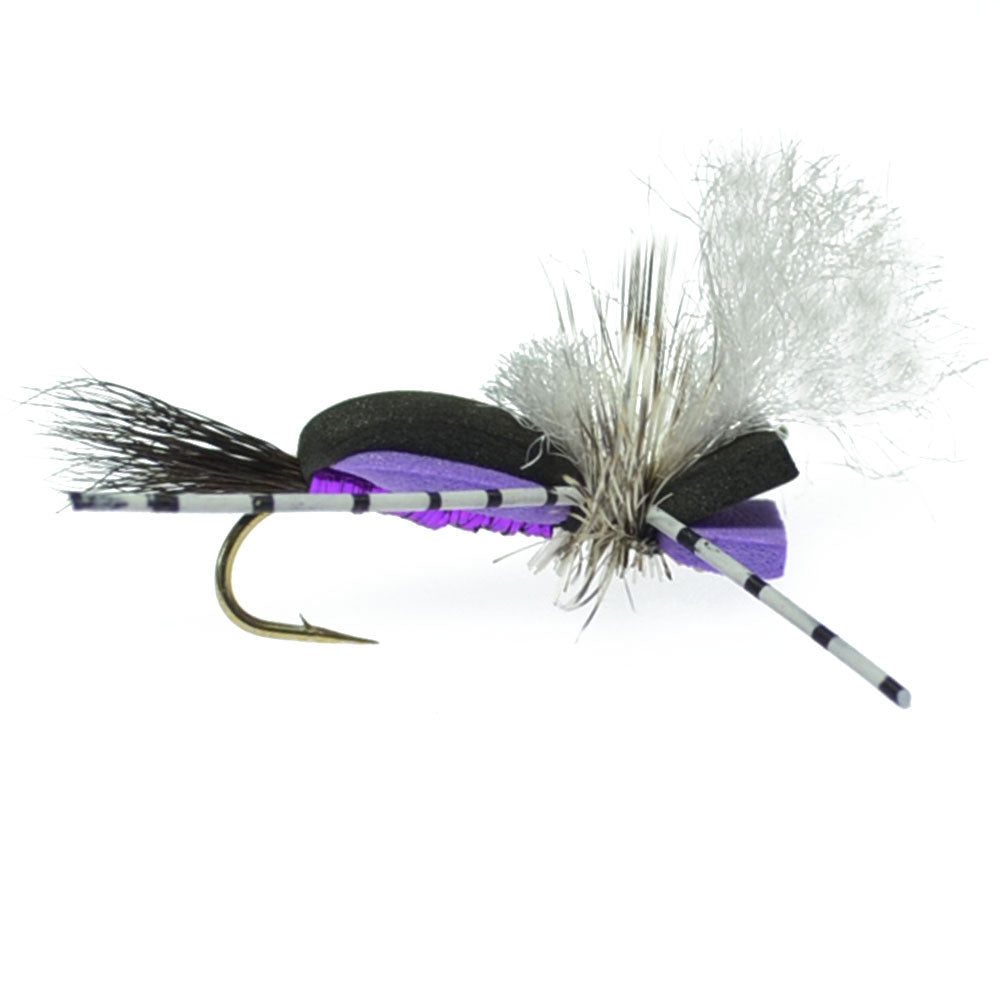
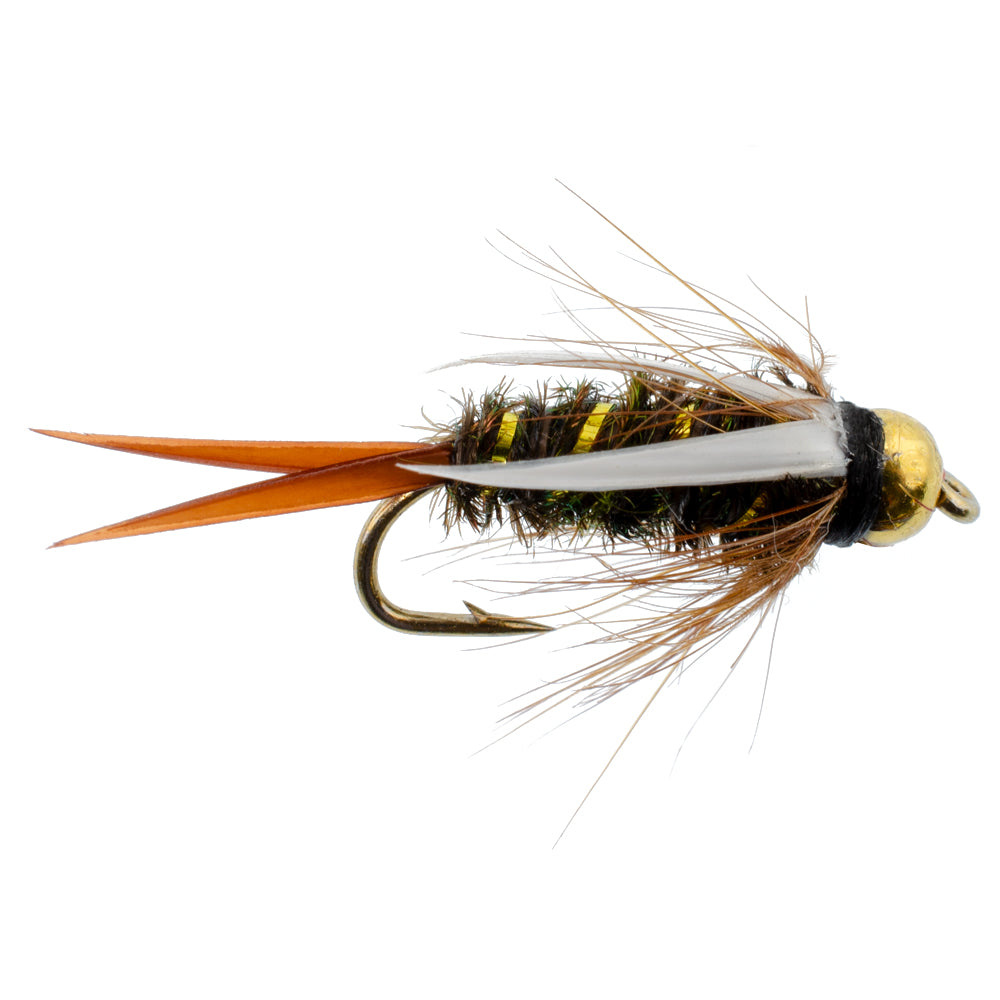
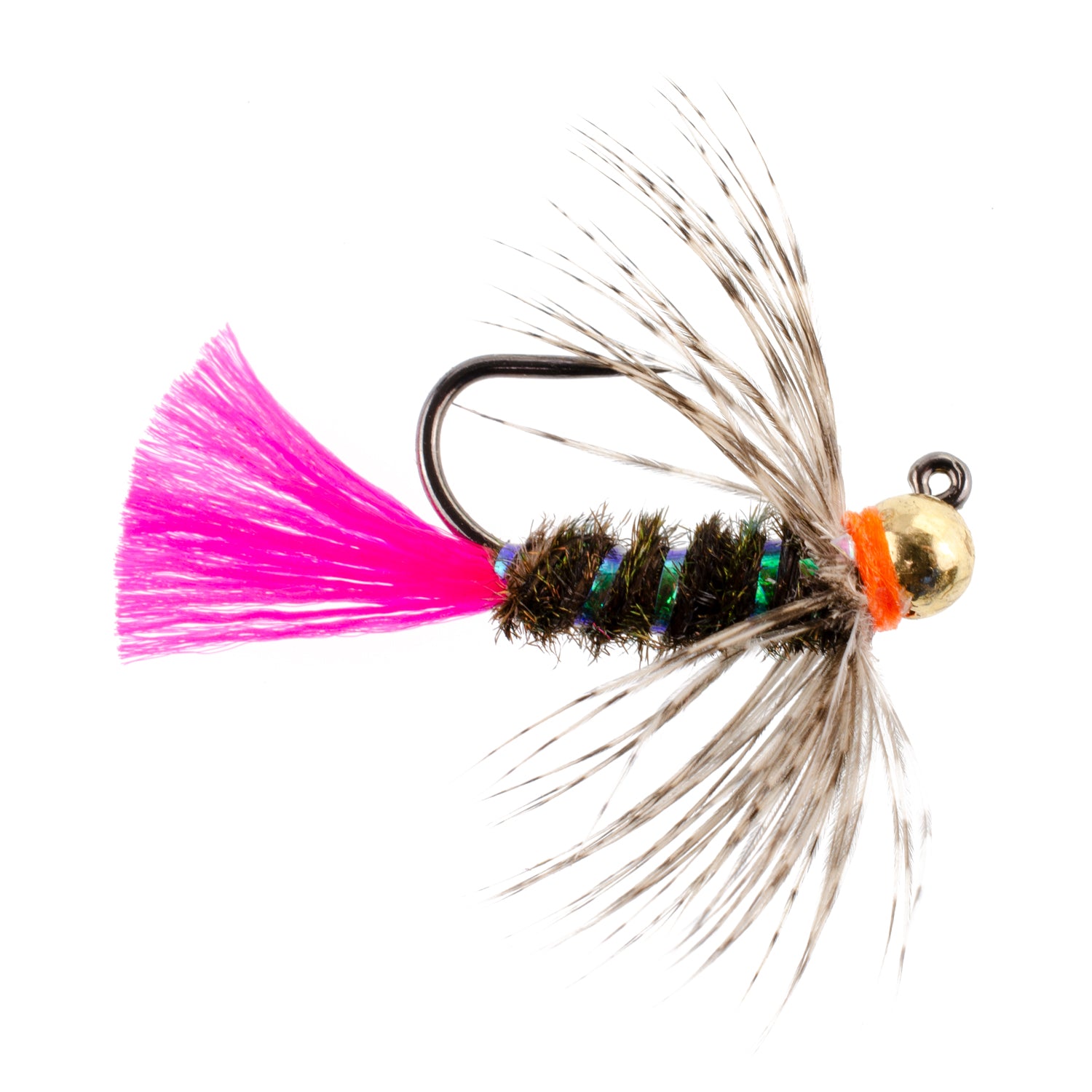
Shop by type: dry flies, nymphs, Euro nymphs, hoppers and terrestrials, streamers.
The river
The Arkansas above Buena Vista is classic high-altitude freestone water - rocky, fast, and productive for smaller wild rainbow and brown trout in a spectacular mountain setting above 8,000 feet. The Arkansas from Buena Vista downstream through Salida is the most popular wade-fishing corridor in the state - good public access, consistent hatches, and the combination of freestone character and good fish populations that makes it one of the most satisfying day-trip rivers in Colorado. The river here is broad, swift, and varied with productive riffle-run-pool sequences that reward systematic coverage.
Bighorn Sheep Canyon below Salida is the heart of the Arkansas fishery - a dramatic limestone canyon where US-50 parallels the river through miles of roadside access to Gold Medal water with exceptional populations of wild brown and rainbow trout. The canyon sections are where the famous salmonfly hatch occurs in late May and early June, bringing large fish up to the surface in a spectacle that has made the Arkansas one of the most sought-after rivers in the West during hatch season. The canyon browns are the primary target - large, well-conditioned fish that respond to the right presentation during hatches and to streamers in the deeper canyon pools.
The Pueblo tailwater below Pueblo Reservoir is a distinct third fishery - cold, clear dam releases through the lower canyon provide year-round trout fishing with a character more similar to a tailwater than the freestone river above. The Pueblo section is less famous than Bighorn Sheep Canyon but provides consistent year-round fishing when the upper river is in runoff or low summer conditions. Together the three distinct sections of the Arkansas River offer a fly fishing range unmatched by any other single river system in Colorado.
Year at a glance
| Month | Primary hatches | Also carry | Typical sizes |
|---|---|---|---|
| Jan | Midges, BWO | Small nymphs, streamers | Midge 20-26, BWO 18-22 |
| Feb | Midges, BWO | Small nymphs, streamers | Midge 20-26, BWO 18-22 |
| Mar | BWO, midges, blue quill | Small nymphs, streamers | BWO 16-20, midge 20-24 |
| Apr | BWO, caddis, midges | Blue quill, small nymphs | BWO 16-20, caddis 14-16 |
| May | Salmonfly, caddis, PMD | Golden stone, BWO | Salmonfly 4-8, caddis 14-16 |
| Jun | Caddis, PMD, golden stone | Yellow sally, ants | Caddis 14-16, PMD 16-18 |
| Jul | Caddis, hoppers, PMD | Ants, beetles, yellow sally | Hopper 6-12, caddis 14-16 |
| Aug | Hoppers, caddis, trico | Ants, beetles, PMD | Hopper 6-12, caddis 14-16 |
| Sep | BWO, caddis, hoppers | Mahogany dun, ants | BWO 16-20, hopper 8-12 |
| Oct | BWO, midges, caddis | Mahogany dun, streamers | BWO 16-20, midge 20-24 |
| Nov | BWO, midges | Small nymphs, streamers | BWO 18-20, midge 20-26 |
| Dec | Midges, BWO | Small nymphs, streamers | Midge 20-26, BWO 18-22 |
January - February
The Pueblo tailwater fishes well through winter - cold dam releases keep the lower canyon open and productive with midge and BWO activity on the warmer afternoons. The upper river and Bighorn Sheep Canyon sections are accessible but slow in the coldest months - focus on the deeper canyon pools in Bighorn Sheep Canyon where fish stack up through winter. Streamers for large browns in the deeper holds. The Pueblo tailwater is the most reliable winter destination on the Arkansas system.
- Midges - 20-26. Pueblo tailwater year-round; Bighorn Sheep Canyon on warmer afternoons. Subsurface and surface on midge clusters.
- BWO - 18-22 on overcast afternoons. Parachute and CDC emerger styles.
- Streamers for large browns in the deeper Bighorn Sheep Canyon pools.
- Small nymphs subsurface throughout.
March - April
BWO hatches strengthen through March across all sections of the Arkansas. Blue quill begin on the warmer canyon afternoons. Caddis begin building in April - the early caddis activity in Bighorn Sheep Canyon is a reliable signal that the prime season is approaching. Monitor flows carefully in late April as snowmelt begins - the Arkansas can rise and color quickly during runoff and the timing varies significantly year to year. The pre-runoff April window on the canyon sections is some of the finest fishing of the year.
- BWO - 16-20 on overcast afternoons. The dominant early spring hatch across all sections.
- Blue quill - 16-18 on the warmer canyon afternoons.
- Midges throughout - 20-24.
- April: caddis building - 14-16 afternoons in Bighorn Sheep Canyon.
- Small stonefly nymphs subsurface building through April.
May - June
The salmonfly hatch on the Arkansas River is one of the great dry-fly events in Colorado - dense hatches of Pteronarcys californica in the Bighorn Sheep Canyon limestone canyon sections in late May and early June bring large browns to the surface in the kind of aggressive feeding rarely seen on other Colorado rivers. The salmonfly window is typically two to three weeks and timing varies with water temperature - early May at lower elevations, progressing upstream through the canyon through June. Caddis throughout. Golden stones following the salmonfly. PMDs building. The post-runoff Arkansas in June with golden stones and caddis and clear canyon water is the river at its most diverse.
- Salmonfly - 4-8 in Bighorn Sheep Canyon late May through early June. The signature Arkansas hatch. Large foam and deer hair patterns. Fish the canyon edges and shallow riffles during the hatch.
- Golden stone - 6-10 following the salmonfly through June in the faster canyon sections.
- Caddis - 14-16 evenings throughout. Building strongly through May and June.
- PMD - 16-18 mornings building through June.
- BWO on overcast days through May.
July - August
Hopper season on the Arkansas - the broad valley sections between Buena Vista and Salida and the canyon edges below Salida concentrate hoppers along the river margins from mid-July through August. Large Arkansas browns respond aggressively to hopper presentations along the cut banks and canyon walls. Caddis evenings throughout. The Arkansas in August with hopper fishing and caddis evenings in the canyon is classic Colorado summer dry-fly fishing. Trico on the slower Pueblo tailwater sections in August. Monitor flows through summer - the Arkansas is a popular whitewater river and irrigation demands can affect levels on the upper sections.
- Hoppers - 6-12 along the canyon margins, cut banks, and valley edges mid-July through August. The signature summer pattern.
- Caddis - 14-16 evenings. The most consistent summer hatch throughout the canyon.
- Ants and beetles midday - 16-18.
- Trico - 20-24 early morning on the Pueblo tailwater slower sections in August.
- PMD - 16-18 mornings through July on the canyon sections.
September - October
Fall is outstanding on the Arkansas. BWO return strongly with the cooling temperatures - excellent afternoon olive hatches through September and October in the Bighorn Sheep Canyon sections with reduced pressure and the canyon walls in autumn color. Hoppers through mid-September. Mahogany duns on overcast days. Streamers for large pre-spawn browns in October. The fall brown trout run concentrates fish in the canyon pools and makes October one of the best streamer months of the year on the Arkansas. The canyon in October with golden cottonwoods along the river margins and large browns in the deep pools is one of Colorado's finest fall fly fishing experiences.
- Hoppers through mid-September - 8-12 along the canyon margins.
- BWO - 16-20 on overcast afternoons. The dominant fall dry-fly hatch in the canyon.
- Mahogany dun - 14-16 on overcast afternoons.
- Caddis evenings through September - 14-16.
- Streamers - October into November for large pre-spawn browns in the canyon pools and deeper runs.
November - December
BWO and midges as the season closes, with streamer fishing for large browns extending into November in Bighorn Sheep Canyon. The Pueblo tailwater remains the most reliable winter destination - consistent flows and sheltered lower canyon conditions keep it fishable through December. The upper canyon sections slow through November but remain accessible along US-50 with midge and BWO activity on the warmer afternoons.
- Streamers through mid-November in Bighorn Sheep Canyon for large pre-winter browns.
- BWO - 18-20 on overcast afternoons through November across all sections.
- Midges - 20-26 throughout. Pueblo tailwater year-round; canyon sections on warmer days.
- Small nymphs subsurface in the deeper canyon holds.
A western dry and nymph assortment covers the core season - add salmonfly patterns in sizes 4-8 for late May and June in Bighorn Sheep Canyon and a strong hopper selection for July and August. The Arkansas River is Colorado's most complete trout fishery - salmonfly hatch, hopper season, year-round tailwater, and Gold Medal canyon water in a setting defined by dramatic limestone canyon walls and the peaks of the Sawatch Range above Salida. One of the essential Colorado fly fishing rivers.