Big Wood - Little Wood Rivers Idaho Hatch Chart
South-central Idaho, in the Wood River Valley around Ketchum, Sun Valley, Hailey, and Bellevue. The Big Wood rises in the Smoky and Boulder country, runs the valley, then enters Magic Reservoir. The Little Wood is a separate river to the east, with its own reservoir near Carey. Both hold rainbows and browns. The Big Wood is the main fishery: town water above Magic, a canyon below Bellevue when there is water, and a tailwater below Magic Dam that irrigation can empty. The Little Wood is smaller and quieter.
Check current Idaho Fish and Game rules before you go. Limits change by bridge.
On much of the Big Wood above Magic Reservoir: closed April 1 through the Friday before Memorial Day weekend. From Memorial Day weekend through November 30, harvest limits vary by section. Some water is 6 trout. Some is 2 trout with a slot. Some is catch-and-release with no bait and one barbless hook. From December 1 through March 31 many sections are catch-and-release. Tributaries above Magic follow similar winter and spring rules.
Below Magic Dam the river is a different fishery. Flows depend on irrigation. In dry years it can go nearly dry. Confirm whether a salvage order or special limit is in effect.
On the Little Wood, the Taylor “Bear Tracks” Williams State Recreation Area on Highway 93 is catch-and-release, fly fishing only, barbless hooks. From Baugh Creek upstream, including tributaries, the trout limit is 2. Stay off private land. An Idaho fishing license is required.
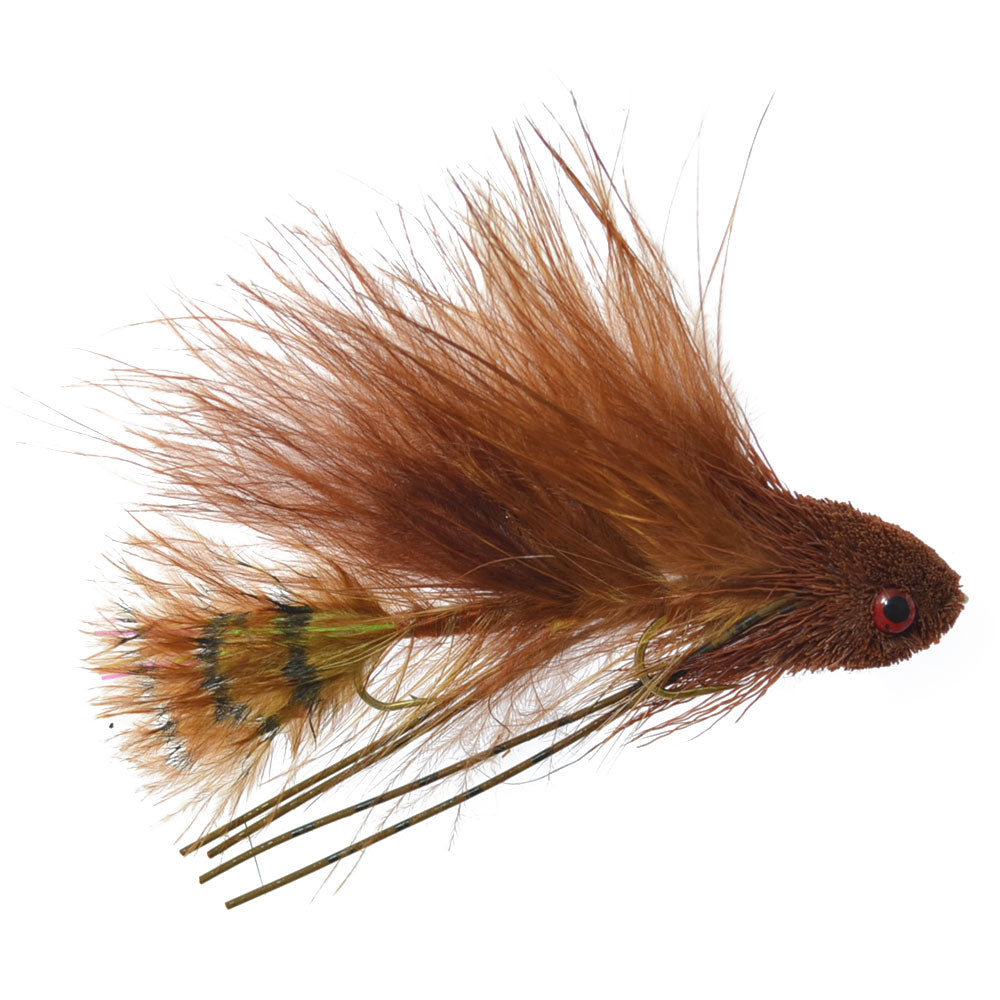
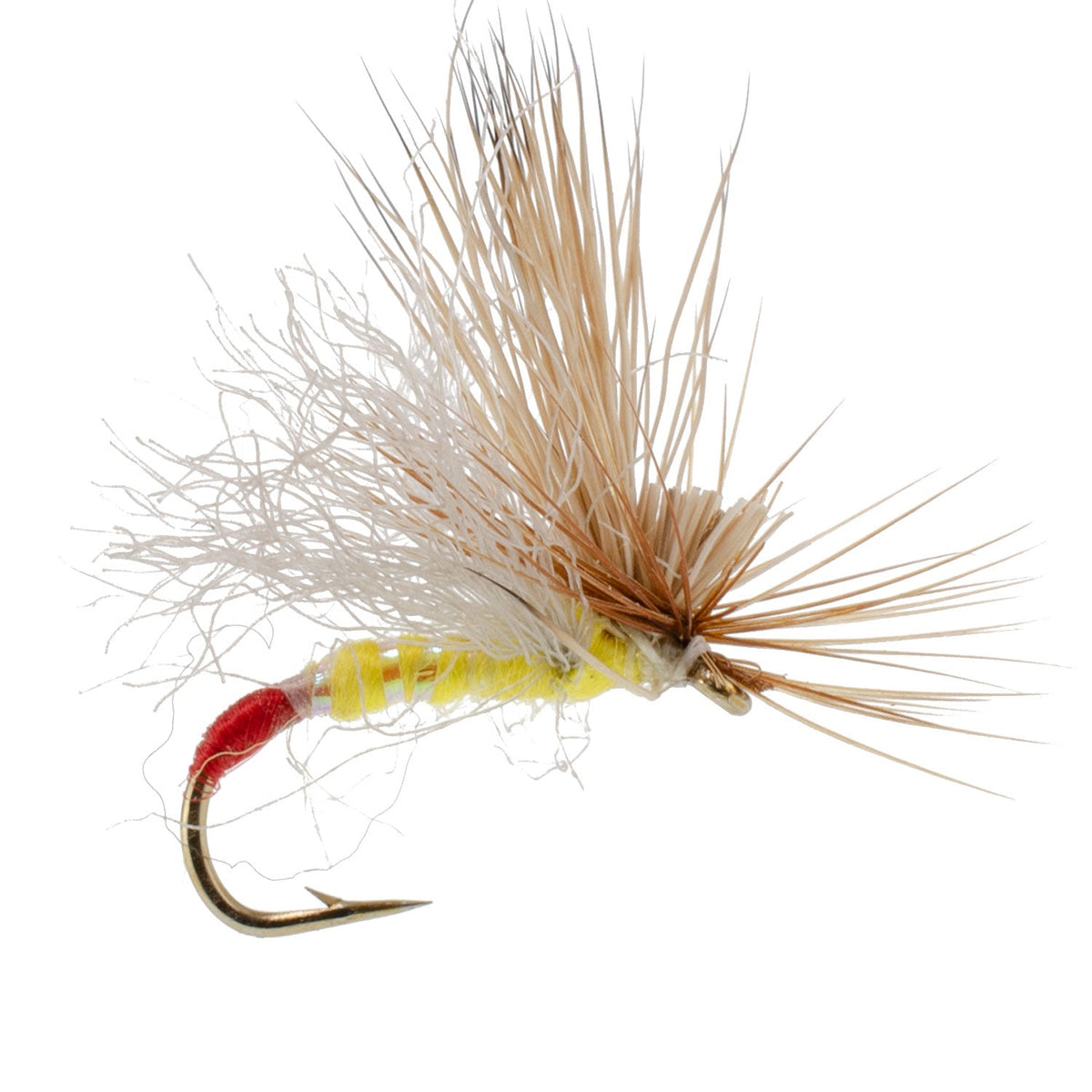
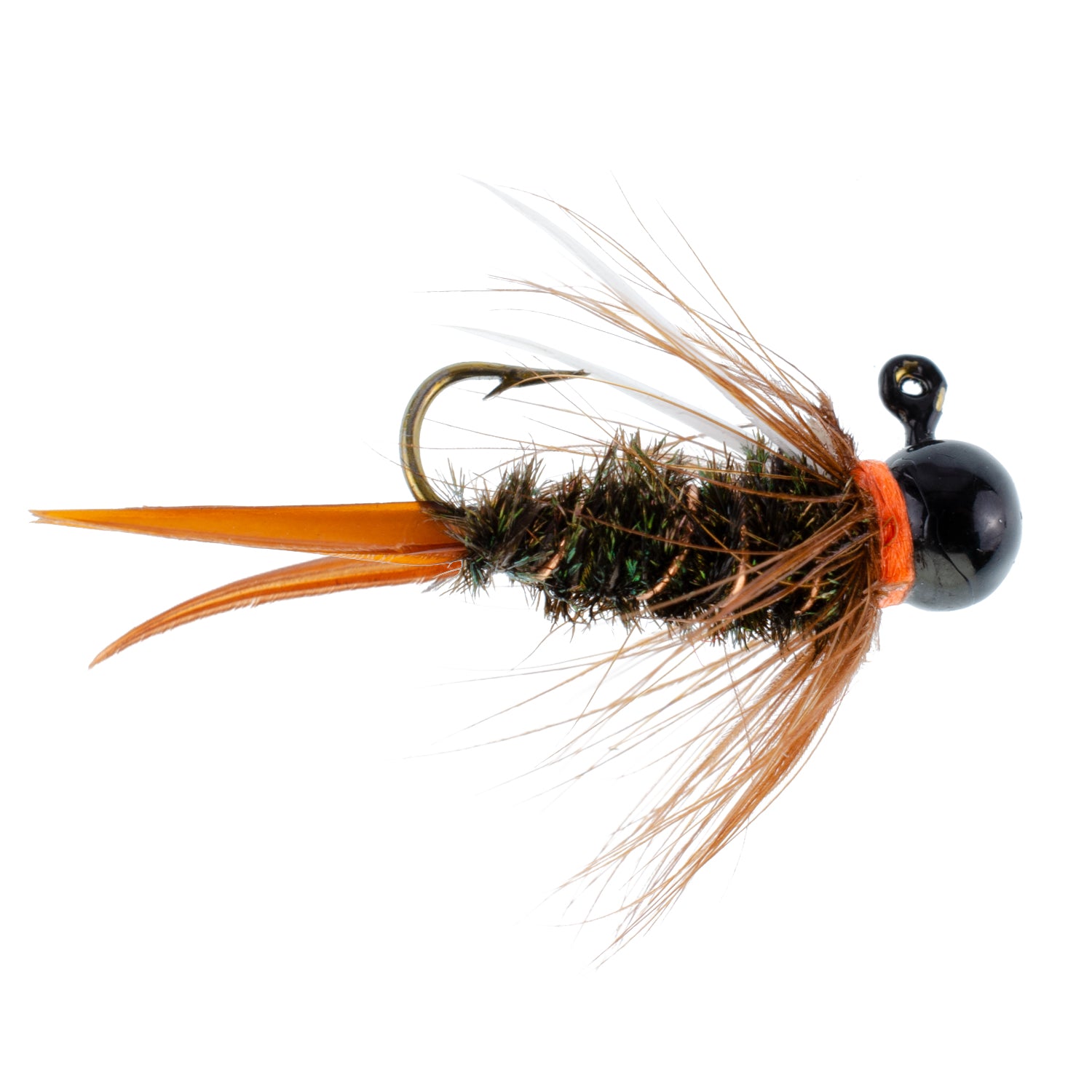
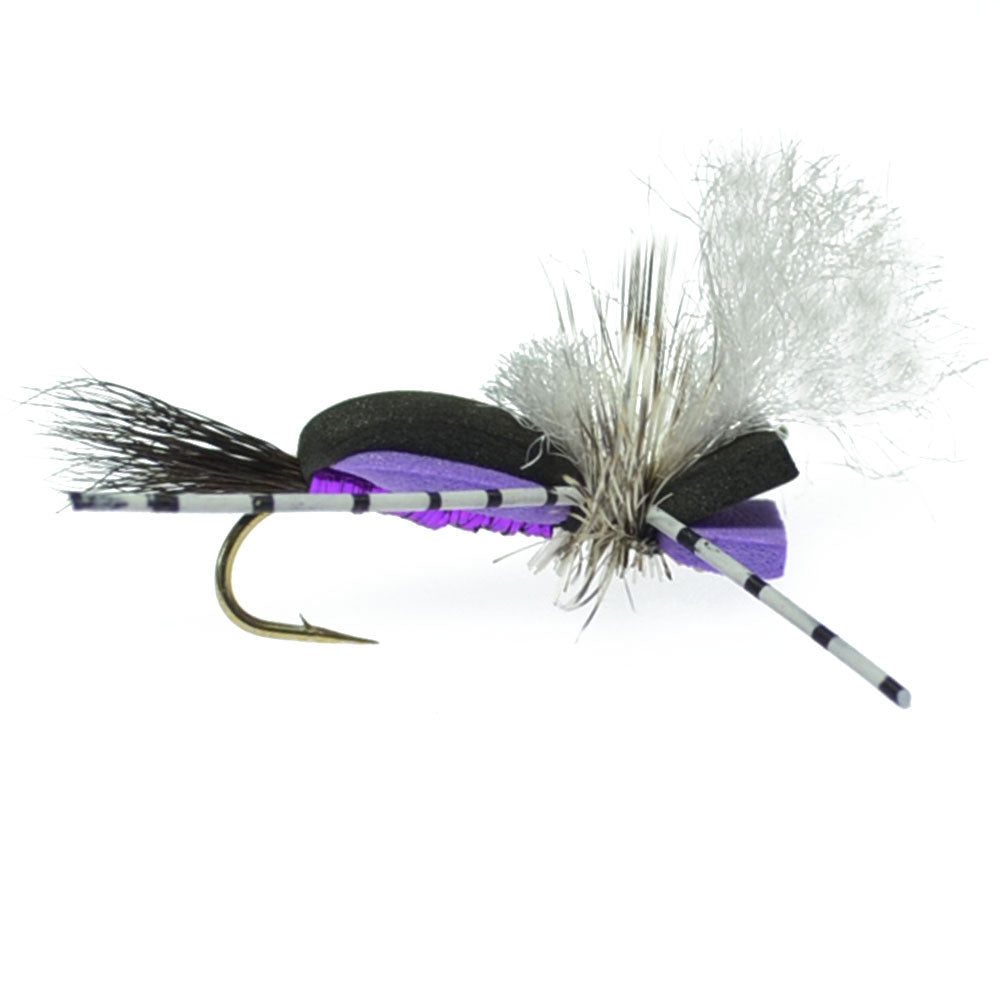
Shop by type: dry flies, nymphs, Euro nymphs, hoppers and terrestrials, streamers.
The two rivers
Big Wood River
The primary valley fishery. Above Ketchum and through town it is pocket water and short public approaches. Through Hailey and Bellevue it opens into longer riffles and deeper bends, with more private bank. Rainbows dominate the colder upper water. Browns increase as you move down toward Magic Reservoir. The canyon between Bellevue and the reservoir is the best big-stone water when June flows drop. Below Magic Dam, fish only when there is water. Stay off redds in fall.
Little Wood River
A smaller river east of the Big Wood, not a side channel of it. Upper water holds rainbows. Browns show lower, near Little Wood Reservoir. The posted recreation-area water on Highway 93 is the fly-only, catch-and-release piece. The rest fishes like a small desert freestone. It warms faster than the upper Big Wood. In August, fish early or move up.
Year at a glance
| Month | Primary hatches | Also carry | Typical sizes |
|---|---|---|---|
| Jan | Midges | BWO on mild days | Midge 18-22 |
| Feb | Midges, BWO | Small stonefly nymphs | Midge 18-22, BWO 16-20 |
| Mar | BWO, Skwala | Midges, early caddis | BWO 16-20, Skwala 8-12 |
| Apr | BWO, Skwala, March brown | Early caddis, runoff begins | BWO 14-18, Skwala 8-12 |
| May | Caddis, stonefly nymphs | BWO, high runoff typical | Caddis 14-16, stone 6-10 |
| Jun | Salmonfly, golden stone, caddis | PMD late month | Salmonfly 4-8, caddis 14-16 |
| Jul | PMD, caddis, yellow sally | Hoppers start, golden stone fading | PMD 16-18, caddis 14-16 |
| Aug | Hoppers, ants, caddis | Late PMD, beetles | Hopper 8-12, ant 14-16 |
| Sep | Hoppers, BWO, October caddis | Mahogany dun, streamers | Hopper 10-12, BWO 18-20 |
| Oct | October caddis, BWO | Midges, streamers for browns | Oct caddis 8-12, BWO 18-22 |
| Nov | BWO, midges | Small nymphs, streamers | BWO 18-22, midge 18-22 |
| Dec | Midges | Small nymphs, streamers | Midge 18-22 |
January - February
Both rivers fish year-round and January and February provide midge and BWO opportunities on the milder afternoons. The Big Wood near Ketchum is the most accessible winter option - fish hold in the deeper slots and slow tailouts through the coldest months and will rise to midge clusters on calm afternoons when temperatures moderate. The Wood River Valley in winter with the Pioneer Mountains above and midging fish in the Big Wood is a quiet and productive off-season outing for the local or Sun Valley area angler. Midday is the productive window in January and February - cold mornings and evenings are slow.
- Midges - 18-22. Subsurface through the deeper slower pools; surface on calm afternoons when fish are dimpling.
- BWO - 16-20 on overcast February afternoons. Parachute and CDC emerger styles.
- Small dark stonefly nymphs along the bottom in the deeper runs.
March - April
BWO hatches strengthen through March across both rivers - reliable olive hatches on overcast afternoons with increasing fish activity as the canyon warms toward spring. Skwala stoneflies are one of the Big Wood's early-season signatures - appearing on the canyon section between Bellevue and Carey when water temperatures climb out of the low 40s, earlier than most southern Idaho rivers. The Little Wood tends to run colder longer and sees lighter Skwala activity. March brown in April. Caddis begin building in late April as snowmelt starts pushing flows - the pre-runoff window is some of the finest fishing of the year. Monitor flows carefully in late April as the Big Wood can rise and color quickly with snowmelt.
- BWO - 16-20 on overcast afternoons. The dominant spring dry-fly hatch on both rivers.
- Skwala - 8-12 on the Big Wood canyon section in March and April. Rubber-leg nymph subsurface; Stimulator-style dry on warming afternoons.
- March brown - 12-14 on overcast April afternoons.
- Midges throughout - 18-22.
- Late April: early caddis building - 14-16 on the lower canyon sections.
May - June
May brings caddis on the lower river when flows allow - but both rivers typically blow out mid-month with snowmelt and the Big Wood canyon clears faster than the upper Ketchum water. Check stream gauges before making the trip in May. The salmonfly hatch is the signature event on the Big Wood - as flows drop and clear in mid-to-late June the hatch moves through the canyon section between Bellevue and Carey with far less pressure than better-known Idaho rivers. Large browns and rainbows respond aggressively to salmonfly dries in the canyon - fish the leading edge of the hatch as it progresses upstream. Golden stones follow and extend the big-bug window. The Little Wood sees golden stone activity but lighter salmonfly numbers than the Big Wood canyon.
- May: caddis - 14-16 on the lower river when flows allow. Stonefly nymphs 6-10 subsurface throughout.
- Salmonfly - 4-8. The signature Big Wood hatch. Canyon section between Bellevue and Carey mid-to-late June. Large foam and deer hair patterns against the banks and woody debris.
- Golden stone - 6-10 overlapping and following the salmonfly on both rivers through June.
- Caddis - 14-16 evenings throughout June. The reliable constant as the salmonfly window closes.
- Late June: PMD start - 16-18 in the riffles.
July - August
Classic summer dry-fly fishing across both rivers in July - PMDs in the morning, yellow sallies in the fast riffles, caddis in the evening, and willing rainbows and browns throughout the day. The upper Big Wood near Ketchum fishes well in July with good public access and consistent fish. August transitions to terrestrial season - hoppers along the sage and grass margins of the Big Wood canyon and valley sections are outstanding, with the kind of aggressive hopper takes from browns along cut banks that define the best of Idaho summer fishing. Restrict Little Wood fishing to early morning in August and focus on the upper sections as the lower river warms.
- July: PMD - 16-18 mornings. The dominant July hatch on both rivers.
- Yellow sally - 14-16 in the fast pocket water and riffle edges.
- Caddis - 14-16 evenings throughout July and August.
- August: Hoppers - 8-12 along the sage and grass margins, canyon edges, and cut banks. The signature summer pattern on the Big Wood.
- Ants and beetles midday - 14-16.
- Late PMD continuing through early August on the upper river and canyon sections - 16-18.
September - October
September is outstanding on both rivers - crowds thin after Labor Day, terrestrials continue through mid-month, and BWO return with the cooling temperatures. Brown trout in the lower Big Wood begin feeding aggressively ahead of the fall spawn and streamer fishing in the deeper runs picks up significantly through September and October. October caddis begin on both rivers in September - large orange patterns that produce some of the most aggressive takes of the year. October brings the full fall transition with October caddis, BWO, and the Big Wood canyon in fall color - one of the finest and least-crowded months of the year in the Wood River Valley. Handle brown trout carefully in October and avoid disturbing fish on spawning redds.
- Hoppers and ants through mid-September - 8-12 and 14-16.
- BWO - 18-20 on overcast afternoons. The dominant fall dry-fly hatch on both rivers.
- October caddis - 8-12. Large orange patterns from September through October. Aggressive takes on both rivers.
- Mahogany dun - 14-16 on overcast afternoons.
- Streamers - September through November for pre-spawn browns in the deeper Big Wood canyon runs and lower valley pools.
November - December
Short days, cold mornings, and the Wood River Valley settling into winter. BWO on the warmest part of overcast November afternoons - the Big Wood near Ketchum is the most accessible and reliable late-fall option. Midges throughout. December midge and nymph fishing on the Big Wood near town is a practical option for the local angler - cold and quiet, but genuine wild trout fishing in a valley that sees almost no other fly fishers through the winter months.
- BWO - 18-22 on overcast afternoons through November.
- Midges - 18-22 throughout. Subsurface and surface when fish are dimpling.
- Small nymphs subsurface in the deeper slots and tailouts.
- Streamers in the deeper Big Wood runs for browns through mid-November.
A western dry and nymph assortment covers the core season on both rivers - add salmonfly patterns in sizes 4-8 for the June Big Wood canyon hatch, a strong hopper selection for August, and October caddis in sizes 8-12 for the fall season. The Wood River Valley near Sun Valley is one of south-central Idaho's most complete fly fishing destinations - salmonfly canyon, summer hoppers, fall browns, and year-round access in a setting defined by the Pioneer and Smoky Mountains above Ketchum.