Blackfoot River Montana Hatch Chart
Western Montana, flowing west from its headwaters on the Continental Divide northeast of Lincoln, through the Blackfoot Valley, before joining the Clark Fork River near Milltown. The Blackfoot River is one of Montana's great recovery stories - a river that suffered decades of mining pollution and agricultural degradation, restored through the Blackfoot Challenge partnership to become one of the finest wild trout fisheries in the state. Norman Maclean fished the Blackfoot and wrote about it in A River Runs Through It; the river that inspired the book is now fishing better than it has in generations.

Check current Montana Fish, Wildlife and Parks regulations before you go. On the Blackfoot mainstem and its tributaries, except the Clearwater River, the general season runs from the third Saturday in May through November 30 - catch-and-release for cutthroat trout - combined trout: three daily and in possession, only one rainbow over 14 inches, brown trout any size - artificial lures only within 100 yards of the mouths of Belmont Creek, Copper Creek, Gold Creek, Monture Creek, and the North Fork Blackfoot River. From the mouth of Landers Fork downstream to the Clark Fork, brook trout are catch-and-release. Bull trout are present and must be released. From December 1 to the third Saturday in May the mainstem stays open for mountain whitefish and catch-and-release trout, tributaries are closed in that window, artificial lures and/or maggots only. Watch for summer hoot-owl closures when the water warms. A Montana fishing license is required.
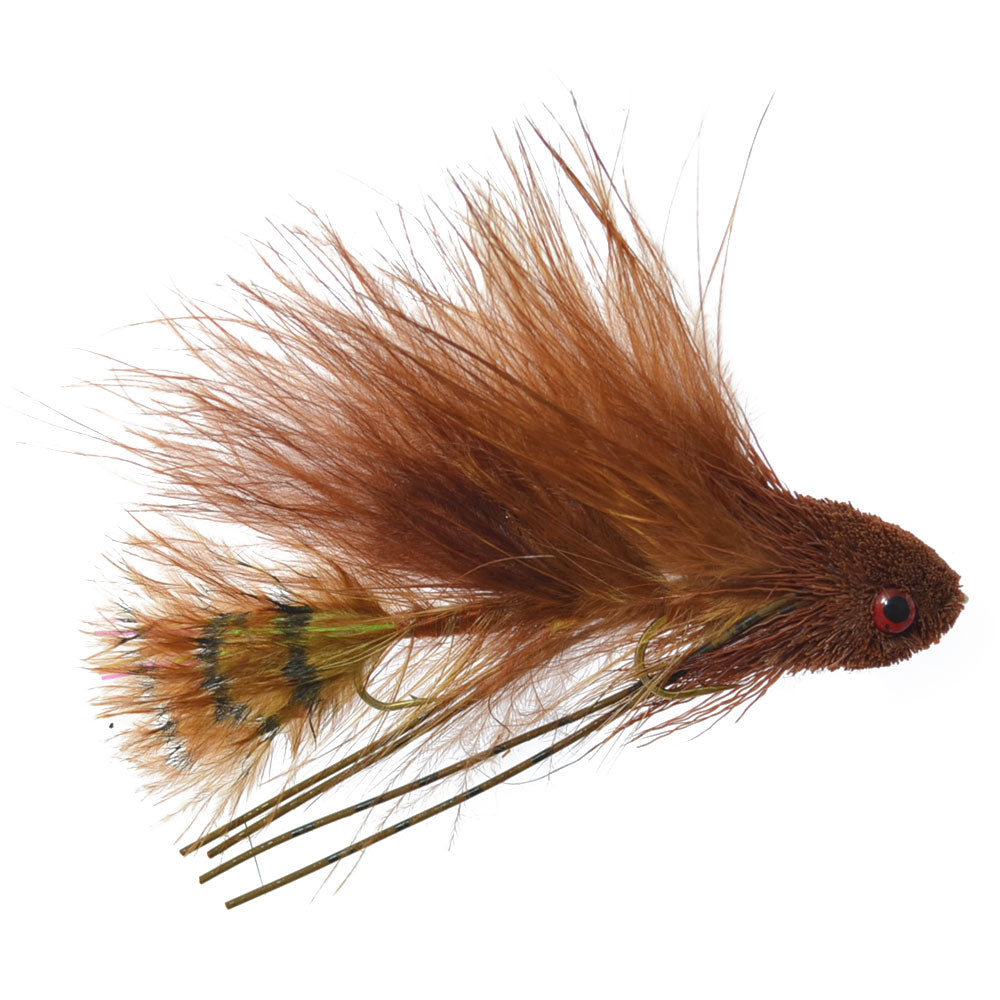
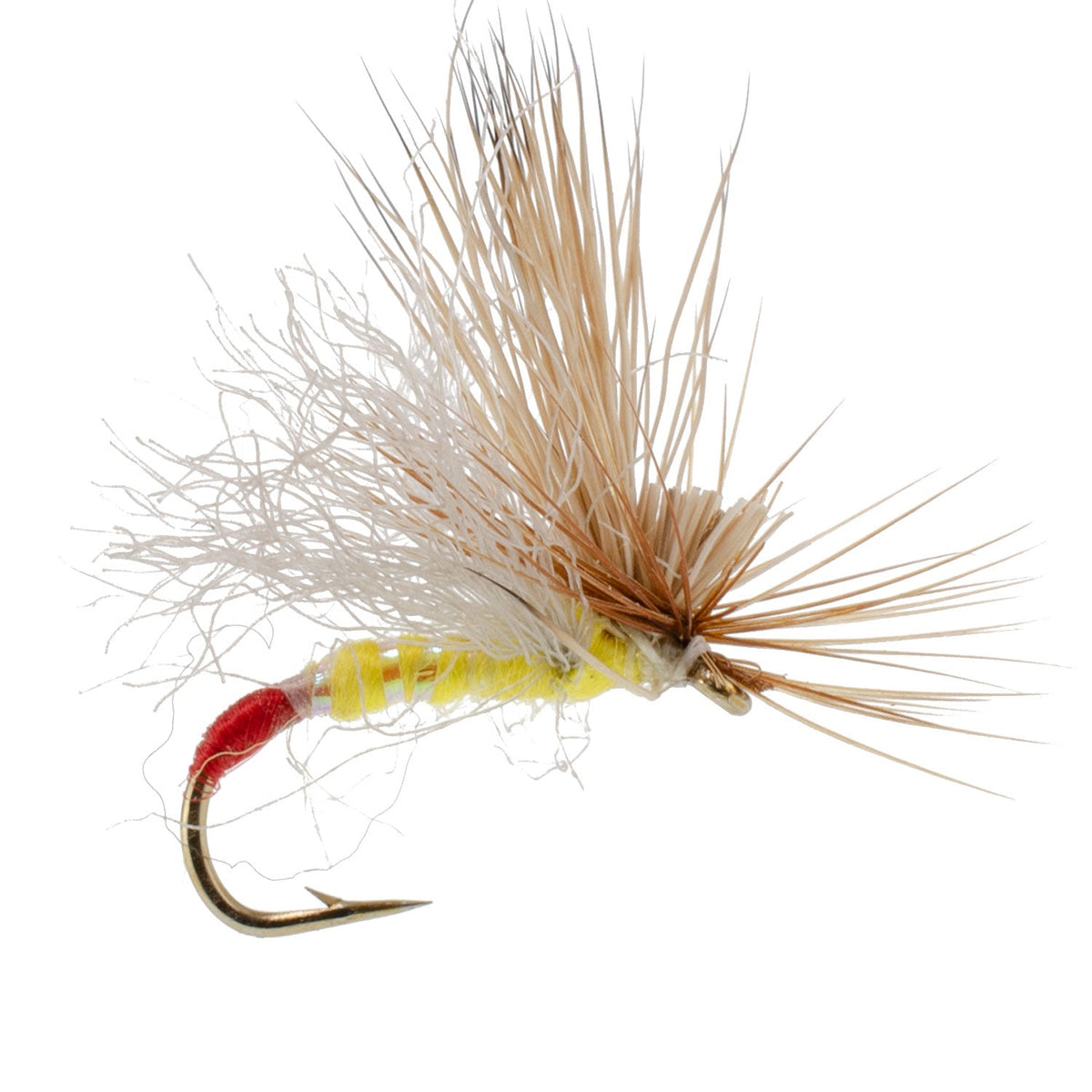
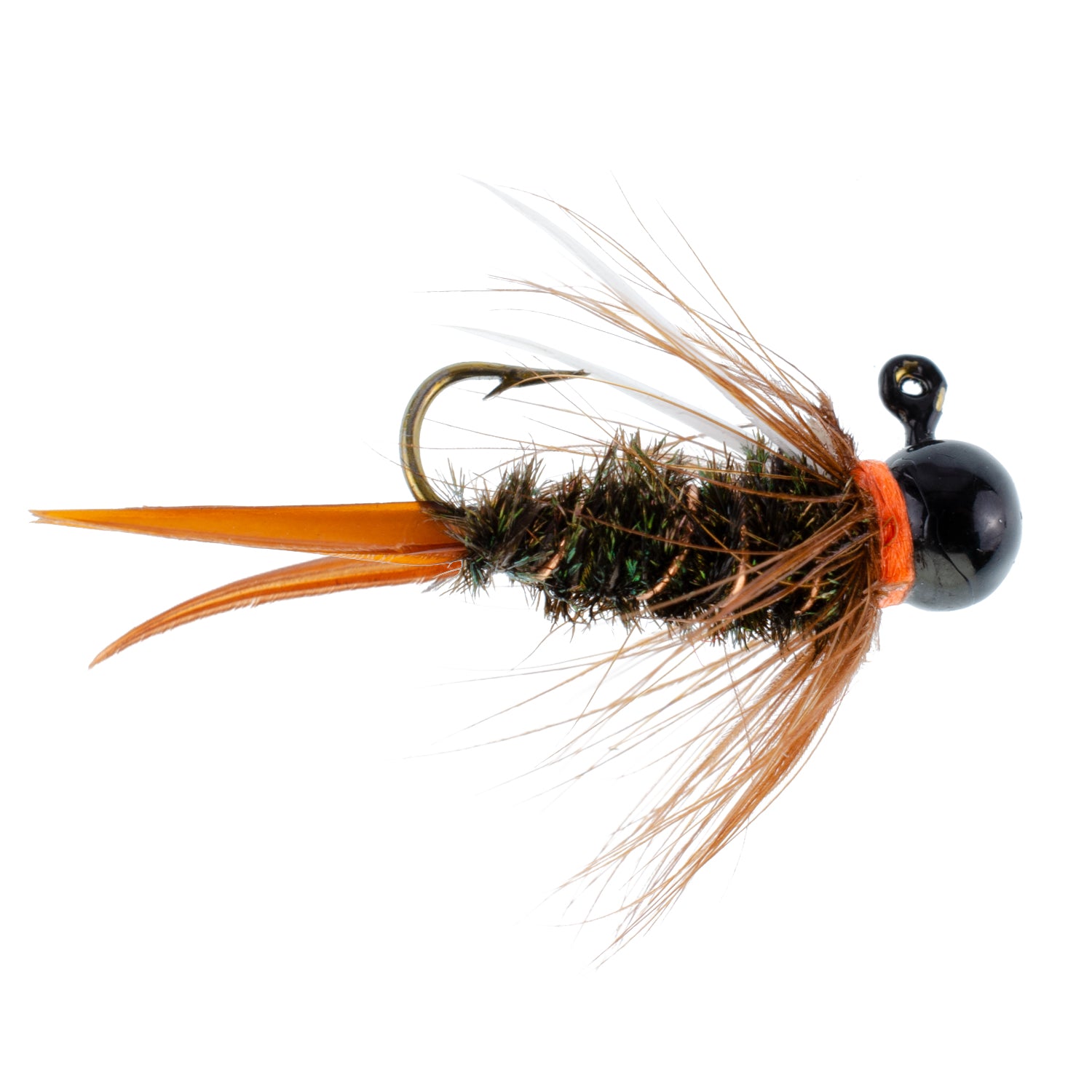
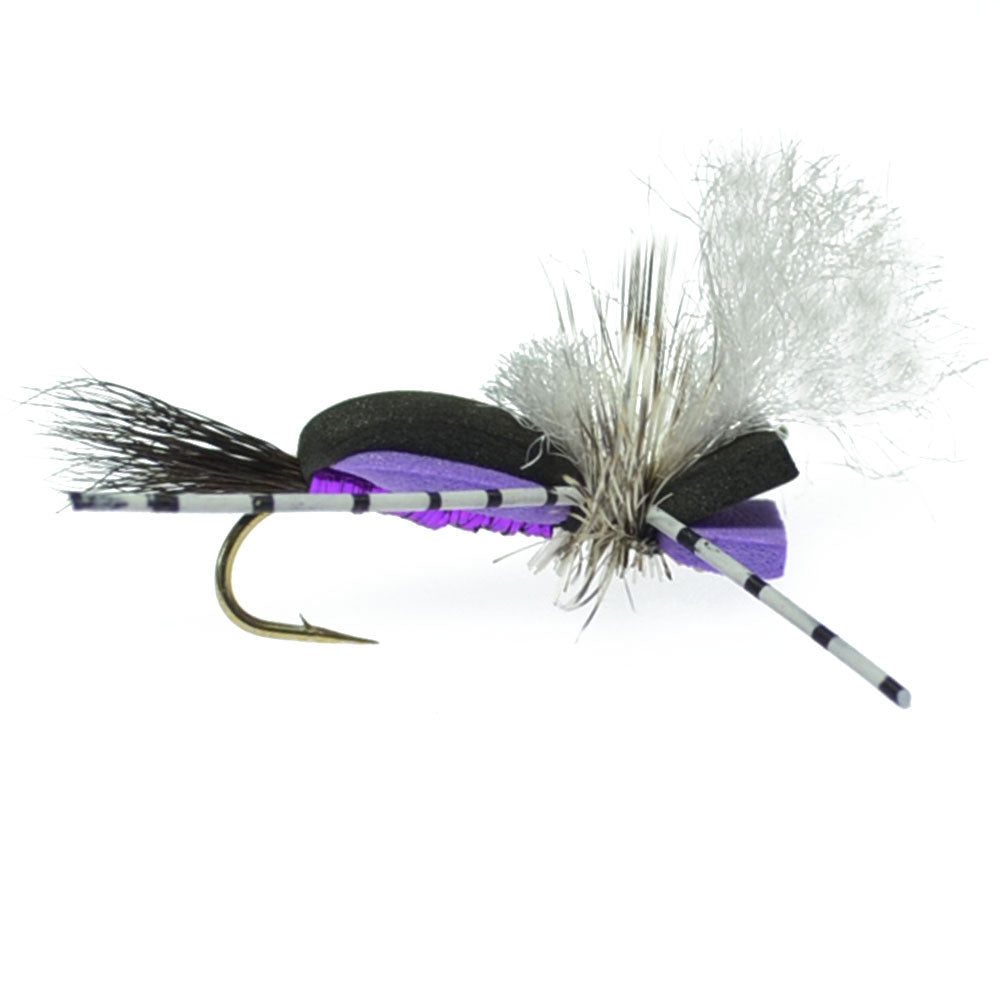
Shop by type: dry flies, nymphs, Euro nymphs, hoppers and terrestrials, streamers.
The river
The Blackfoot flows approximately 130 miles from its headwaters to the Clark Fork confluence. The primary fly fishing water runs from Lincoln downstream through the Blackfoot Valley - a freestone river with classic riffle, pool, and run structure set in a broad ponderosa pine and cottonwood valley with the Mission Mountains visible to the north. The river is larger than most Montana trout streams and wading requires care in higher flows - float fishing is the preferred way to cover water efficiently, but wade access from the numerous Montana FWP fishing access sites provides excellent opportunities for foot anglers throughout the season.
Brown trout are the dominant species in the lower river with rainbow trout more prevalent in the upper sections above Lincoln. Westslope cutthroat trout - the native species and the one Maclean wrote about - are present in the upper river and tributaries and have benefited significantly from the restoration work of recent decades. Bull trout are present in certain sections and are strictly catch-and-release. The Blackfoot supports genuine populations of large wild fish - browns over 20 inches are caught regularly in the lower river, particularly during the fall streamer season.
The Blackfoot corridor is one of the best RV-accessible wild trout rivers in Montana. Montana FWP maintains multiple fishing access sites along the river with parking suitable for rigs with trailers, and Lolo National Forest manages dispersed camping on forest land throughout the upper valley. The combination of good road access via Highway 200, numerous developed and dispersed camping options, and exceptional fishing makes the Blackfoot an outstanding destination for anglers traveling by RV or truck and camper. The upper valley above Lincoln has the most dispersed camping opportunities on national forest land - check with the Lincoln Ranger District of Helena-Lewis and Clark National Forest for current road conditions and dispersed camping rules before heading up.
The salmonfly hatch on the Blackfoot is one of Montana's best and one of the most accessible - the river's size and the highway corridor make it easier to intercept the hatch than on more remote systems. The summer hopper fishing in the broad valley sections is outstanding. Fall streamer fishing for large browns in the lower river is world-class.

Year at a glance
| Month | Primary hatches | Also carry | Typical sizes |
|---|---|---|---|
| Jan | Midges | Small nymphs, streamers | Midge 20-26 |
| Feb | Midges, BWO | Small nymphs, streamers | Midge 20-26, BWO 18-22 |
| Mar | BWO, Skwala, midges | Stonefly nymphs building | BWO 16-20, Skwala 8-12 |
| Apr | Skwala, BWO, midges | Caddis start, stonefly nymphs | Skwala 8-12, BWO 16-20 |
| May | Salmonfly, caddis, BWO | Golden stone, PMD start | Salmonfly 2-6, caddis 14-16 |
| Jun | Salmonfly, golden stone, PMD | Caddis, yellow sally | Salmonfly 2-6, PMD 16-18 |
| Jul | PMD, hoppers, caddis | Yellow sally, ants, golden stone | PMD 16-18, hopper 6-12 |
| Aug | Hoppers, PMD, caddis | Ants, beetles, trico | Hopper 6-12, PMD 16-18 |
| Sep | BWO, hoppers, caddis | Mahogany dun, streamers | BWO 16-20, hopper 6-12 |
| Oct | BWO, streamers | Mahogany dun, midges | BWO 16-20, streamer 2-6 |
| Nov | Streamers, midges | BWO, small nymphs | Streamer 2-6, midge 20-24 |
| Dec | Midges | Small nymphs, streamers | Midge 20-26 |
January - February
Winter on the Blackfoot is midge and nymph fishing in the deeper pools and slower runs of the lower valley sections. Highway 200 stays open year-round providing access to the lower river through the coldest months. BWO begin on overcast afternoons by mid-February. Streamers for large browns in the deeper pools throughout. The Blackfoot in winter sees minimal pressure and the large wild browns in the lower river are catchable on patient midge and nymph presentations.
- Midges - 20-26. Two-fly rig subsurface in the deeper pools and slower runs.
- BWO beginning mid-February - 18-22 on overcast afternoons. Parachute and CDC emerger styles.
- Streamers for large browns in the deeper lower river pools throughout both months.
March - April
The Blackfoot is a legitimate Skwala river - the large early stonefly that hatches on western Montana rivers in March and April when water temperatures first begin to climb. BWO hatches strengthen through March on overcast afternoons. The Skwala hatch occurs from mid-March through April and produces some of the best early-season dry-fly fishing on the river - large stonefly adults on cold water with hungry browns that have been off the surface since October. Caddis begin building by late April and stonefly nymphs subsurface are building toward the May salmonfly.
- Skwala - 8-12. The early-season stonefly event. Large stonefly dries on the slower runs and pools mid-March through April.
- BWO - 16-20 on overcast afternoons through March and April. Parachute and CDC emerger styles.
- Midges throughout - 20-24 subsurface.
- Late April: caddis - 14-16 beginning. Stonefly nymphs subsurface building toward May.
May - June
The salmonfly hatch is the Blackfoot's signature event and one of the most accessible in Montana. The hatch moves up the river from the lower sections near Milltown through the upper valley over 2-3 weeks in late May and into June - the Highway 200 corridor makes it practical to follow the hatch upstream day by day. Giant salmonfly adults bring the largest fish to the surface. Golden stones overlap throughout June. PMDs build on the flatter valley sections by late May. The combination of accessible camping and the salmonfly hatch makes late May and June the peak season for visiting anglers on the Blackfoot.
- Salmonfly - 2-6. The signature hatch. Large adult stonefly dries when the hatch is active. Stonefly nymphs below the hatch front.
- Golden stone - 6-10 in the faster riffles and pocket water through June.
- Caddis - 14-16 evenings through both months.
- Yellow sally - 14-16 in the riffles on warm afternoons.
- Late May - June: PMD - 16-18 on the flatter valley sections.
July - August
The Blackfoot Valley's broad grasslands and agricultural margins produce outstanding hopper fishing from July through August. The large river and open valley concentrate wind-blown hoppers along the banks and the wild browns and cutthroat respond aggressively. This is float-trip country in summer - a full-day float through the valley sections covers the best hopper water and puts anglers on fish that wade anglers never reach. PMDs continue through July mornings. Caddis evenings throughout. The Blackfoot in August with a drift boat and a hopper box is one of Montana's classic summer fly fishing experiences.
- Hoppers - 6-12 along the banks and cutbanks through July and August. Float fishing covers the best water. Hopper-dropper with a small nymph.
- PMD - 16-18 mornings through July.
- Caddis - 14-16 evenings through both months.
- Yellow sally - 14-16 in the riffles through July.
- Ants and beetles midday. Trico on slower sections in August.
September - October
September and October are the finest months on the Blackfoot for the angler who wants both dry-fly and streamer fishing. BWO return strongly with the cooling temperatures - good afternoon olive hatches with minimal pressure after Labor Day. Hoppers continue through mid-September. Mahogany duns on overcast days. By October the focus shifts to streamers - large articulated patterns for the big wild browns that become aggressive in the pre-spawn period. The lower river holds the largest fish and the best fall streamer water. October on the Blackfoot with a sink-tip line and large streamers is world-class trophy brown trout fishing.
- Hoppers through mid-September along the valley banks.
- BWO - 16-20 on overcast afternoons through September and October. Parachute and CDC emerger styles.
- Mahogany dun - 14-16 on overcast afternoons through September and October.
- Caddis evenings through September - 14-16.
- Streamers - October on a sink-tip for large pre-spawn browns in the lower river pools and runs. World-class fall trophy fishing.
November - December
Streamers and midges as the season closes. November is excellent uncrowded streamer fishing for large post-spawn browns in the deeper lower river pools - the fish are still aggressive and the pressure is minimal. BWO on overcast afternoons through mid-November. The river closes down to midge and nymph fishing by December as temperatures drop. Highway 200 stays open year-round providing access to the lower river throughout winter.
- Streamers through November for large post-spawn browns in the deeper lower river pools.
- BWO through mid-November on overcast afternoons - 18-22 parachute style.
- Midges - 20-26 throughout both months. Two-fly rig subsurface.
- Small nymphs in the deeper pools through December.
A western dry and nymph assortment covers the core season. Add a salmonfly pattern for May and June, a hopper and terrestrial selection for July through September, and a streamer box for fall. The Blackfoot River is one of Montana's most complete wild trout fisheries - Skwala in March, salmonfly in June, hoppers in August, and trophy streamer fishing in October, all on a river that Maclean put on the literary map and restoration has returned to its full glory.