Chewaucan River Oregon Hatch Chart
South-central Oregon, in Lake County between Summer Lake and Lake Abert. The Chewaucan River above Paisley is a high-desert forest and meadow stream with wild redband rainbow trout and light pressure. It is not a destination river in the usual sense. There is no famous hatch and no crowd. The best water is the Fremont-Winema National Forest reach above town and the tributaries that feed it. Some of that water is roadside. Some of it rewards a walk. For the right angler, that mix is the point.
Check current Oregon Department of Fish and Wildlife regulations before you go. The Chewaucan is in the Southeast Zone. Streams are open all year. The limit is 2 trout per day, 8-inch minimum. Above Highway 31 at Paisley, angling is restricted to artificial flies and lures. Below Highway 31 at Paisley, bait is allowed. Much of the river below Paisley is private. Stay on public land or get permission. An Oregon fishing license is required.
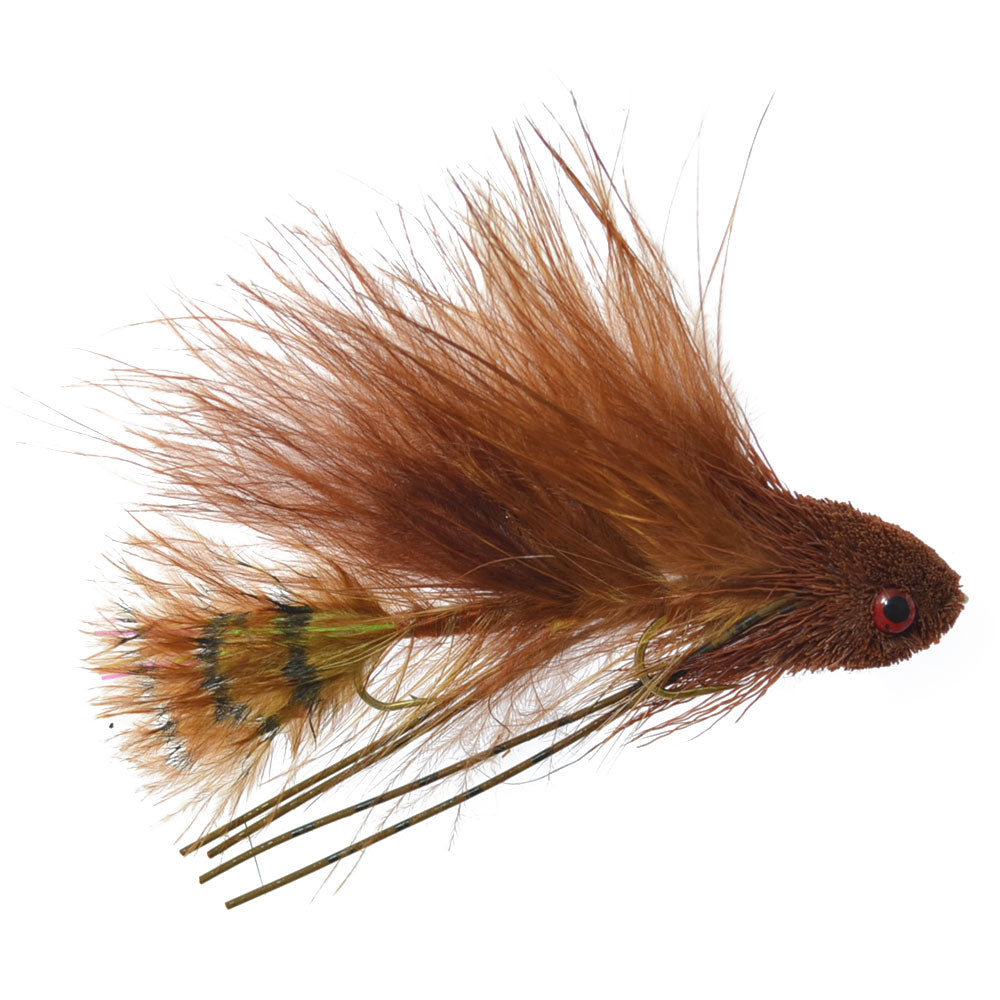
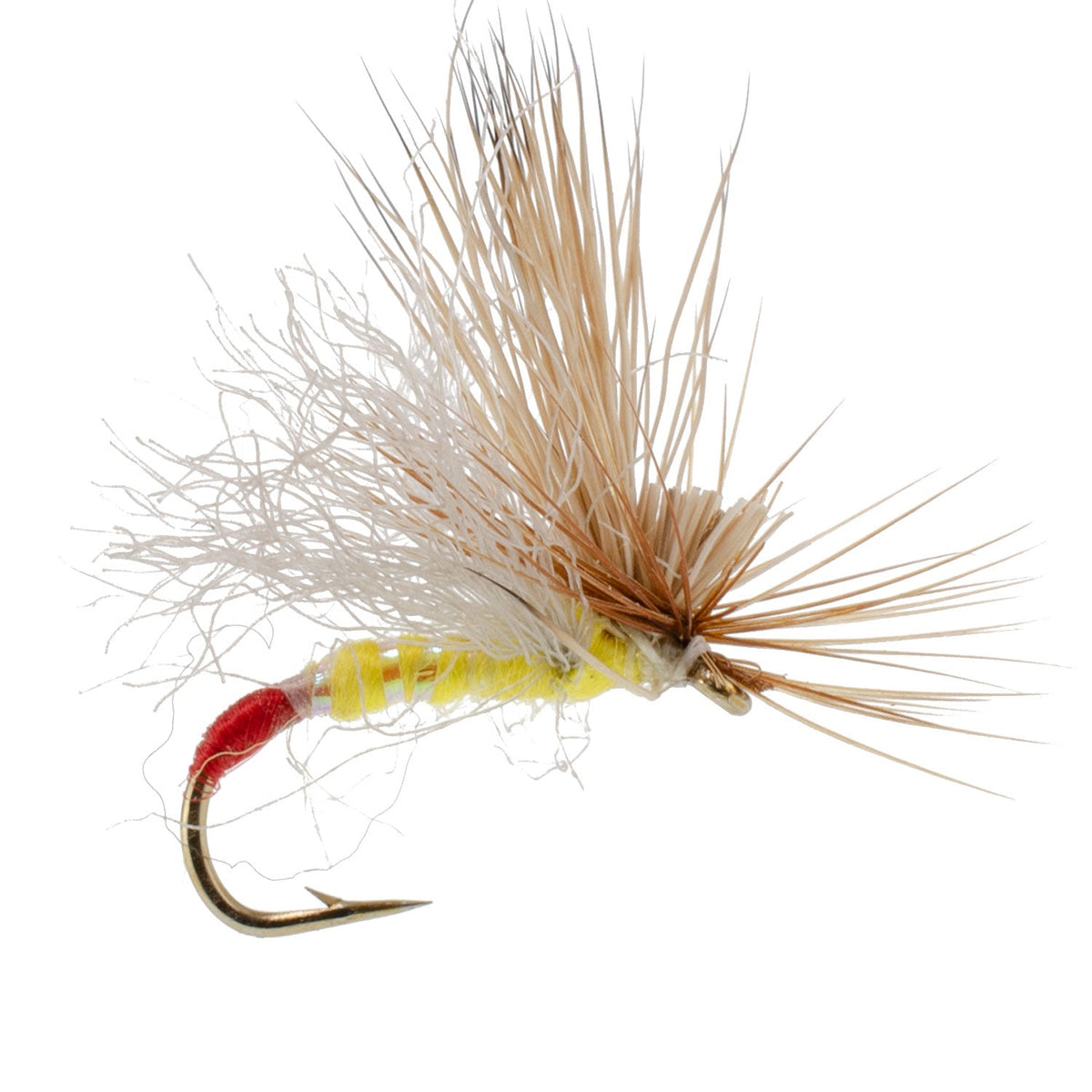
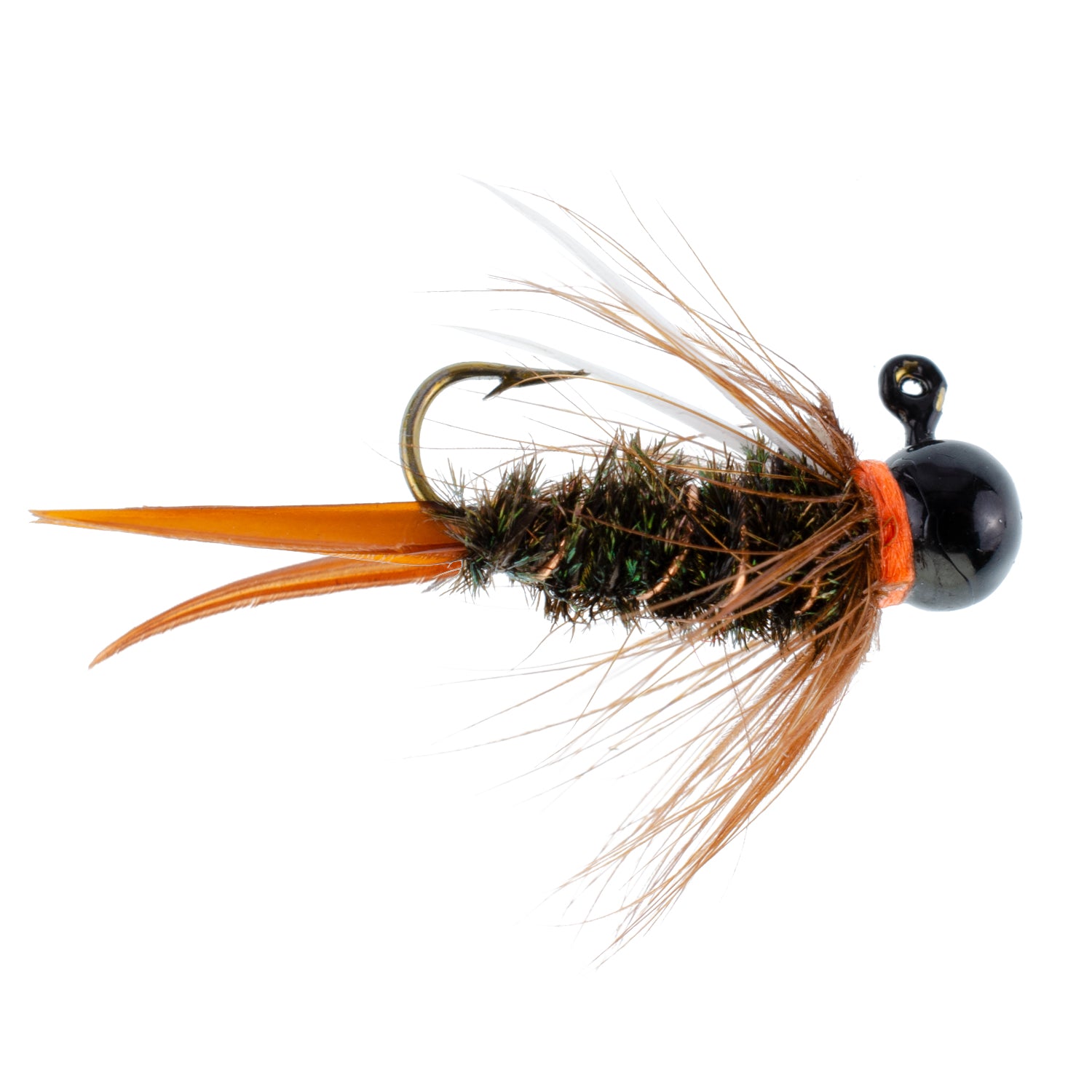
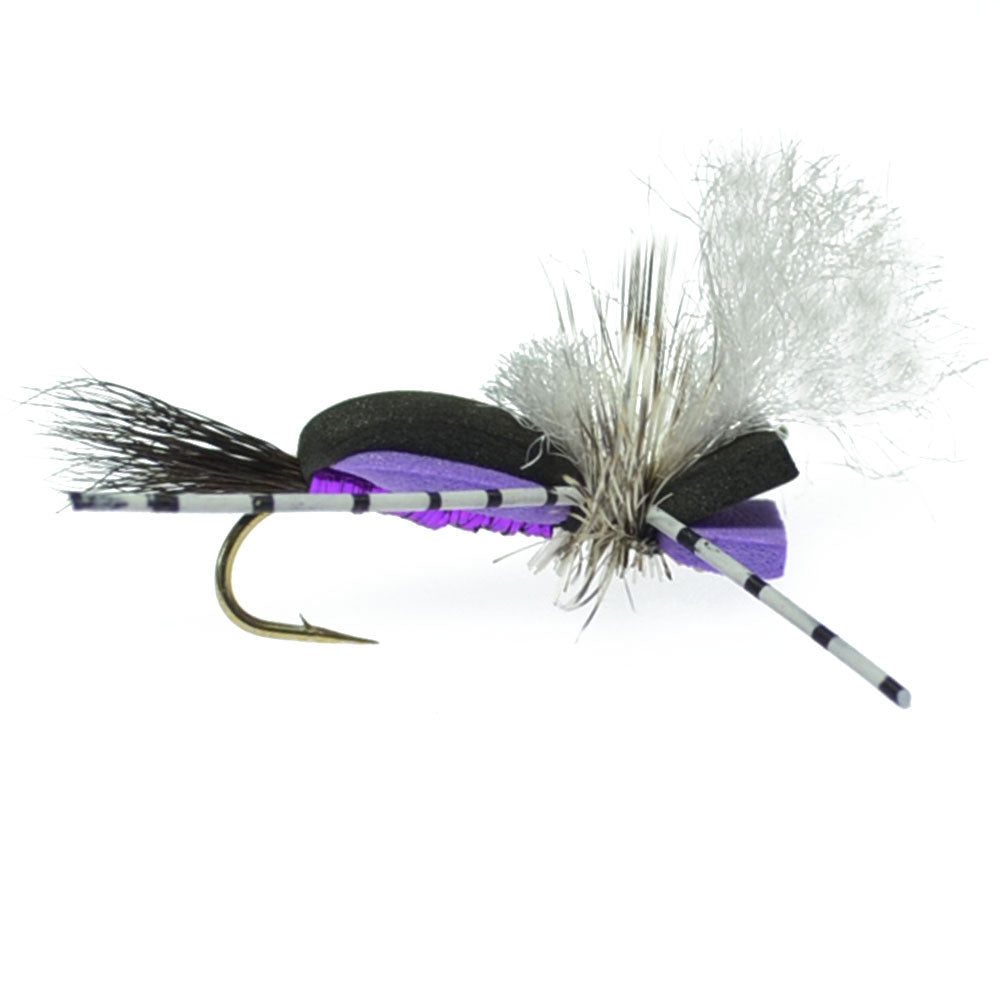
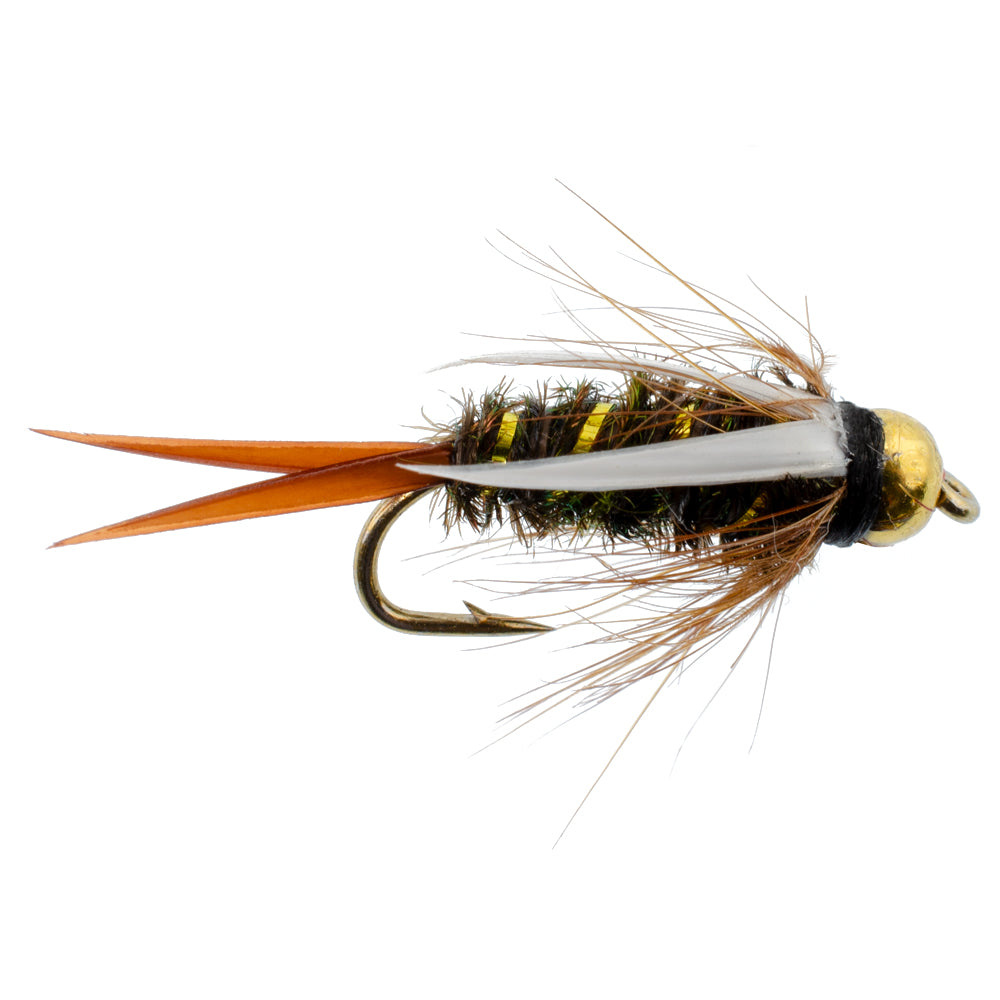
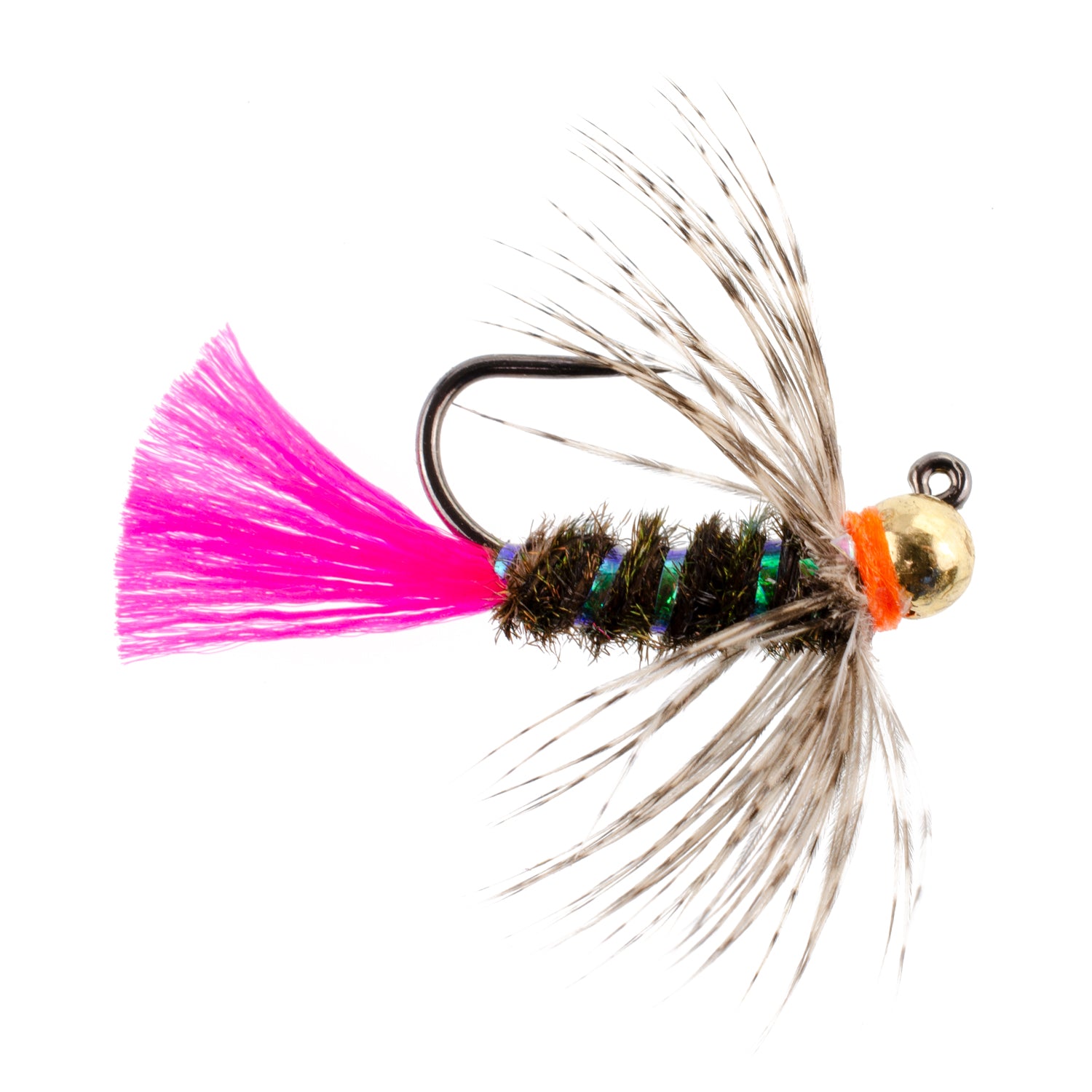
Shop by type: dry flies, nymphs, Euro nymphs, hoppers and terrestrials, streamers.
The river
The Chewaucan drains a closed basin. It begins at the confluence of Dairy and Elder creeks on the east side of Gearhart Mountain, flows north through Fremont-Winema National Forest, passes Paisley, then turns southeast through the Chewaucan Marsh and into Lake Abert. The water that matters for fly fishing is the national forest and BLM water above Paisley. Forest Road 33 follows much of that reach. Chewaucan Crossing, Marster Spring, and Jones Crossing are the usual starting points. The river below Paisley crosses private ranch and marsh land, warms in summer, and is mostly closed to public access.
The character of the upper Chewaucan shifts through its length. The highest reaches in the national forest are classic small-stream pocket water - steep gradient, abundant cover, small but aggressive redbands that will take a well-presented dry fly with little hesitation. Moving downstream toward the upper valley the river opens into meadow sections with slower bends, undercut banks, and larger, more selective fish holding in the seams and against the cut banks. These meadow sections require the same low-and-slow approach that applies to any spring creek or spring-influenced meadow water - approach from downstream, stay off the banks, and fish specific targets rather than covering water.
Wild redband rainbow trout are the reason to fish the upper Chewaucan. These are native fish adapted to alkaline high-desert water. They run smaller than Deschutes or Crooked River redbands. Most fish are in the 8-14 inch range, with larger fish in the deeper meadow bends. Brook trout also show in some upper forest water. The tributaries offer the most consistent pocket-water fishing if you want to leave the road. Bring a map, respect private land, and expect snow to shut forest roads late fall through spring.
Year at a glance
| Month | Primary hatches | Also carry | Typical sizes |
|---|---|---|---|
| Jan | Midges | Small nymphs | Midge 18-22 |
| Feb | Midges, BWO | Small nymphs | Midge 18-22, BWO 16-20 |
| Mar | BWO, Skwala | Midges, March brown | BWO 16-20, Skwala 8-12 |
| Apr | BWO, March brown, caddis | Skwala fading, midges | BWO 14-18, caddis 14-16 |
| May | Caddis, stonefly nymphs | BWO, yellow sally | Caddis 14-16, stone 6-10 |
| Jun | PMD, caddis, golden stone | Yellow sally | PMD 16-18, stone 6-10 |
| Jul | PMD, hoppers, caddis | Yellow sally, ants | PMD 16-18, hopper 8-12 |
| Aug | Hoppers, ants, beetles | Caddis evenings, late PMD | Hopper 8-12, ant 14-16 |
| Sep | BWO, hoppers, October caddis | Ants, mahogany dun | BWO 16-20, hopper 8-12 |
| Oct | October caddis, BWO | Midges | Oct caddis 8-12, BWO 18-22 |
| Nov | BWO, midges | Small nymphs | BWO 18-22, midge 18-22 |
| Dec | Midges | Small nymphs | Midge 18-22 |
January - February
Low, clear winter flows and cold water. The upper Chewaucan fishes quietly through January and February - accessible sections in the national forest hold fish in the deeper slots and slower bends, and midge fishing can be productive on calm, mild afternoons when fish move into the tailouts. BWO begin on overcast February afternoons on the meadow sections. This is the off-season on the Chewaucan in every practical sense - road access into the upper drainage can be limited by snow, and February is better spent confirming access and planning the season ahead than making the drive.
- Midges - 18-22. Two-fly rig through the deeper slots and slower bends. The subsurface anchor through both months.
- BWO - 16-20 on overcast February afternoons. Parachute and CDC emerger styles on the meadow sections when fish are rising.
- Small nymphs on a tight-line rig through the deeper holding water.
March - April
BWO hatches strengthen through March and the Skwala stonefly arrives on the warmer meadow sections when water temperatures climb out of the low 40s. Skwala on the upper Chewaucan meadow sections is subtle but real: olive-brown stonefly dries on warm afternoons over winter-conditioned redbands that have not seen a dry fly in months. March brown arrives late month. April can be complicated by runoff from the national forest - fish the clearest water available, tributary mouths, and the edges of off-color flows. Caddis build through April evenings on the sections that clear first.
- BWO - 16-20 on overcast afternoons through March and April. Parachute and CDC emerger styles on the meadow sections.
- Skwala - 8-12 on warm March afternoons. Stimulator-style dry along the meadow banks; Skwala nymph subsurface all day.
- March brown - 12-14 on the broader meadow sections in late March and April.
- April: caddis building - 14-16 evenings on sections that clear earliest after runoff.
May - June
The primary fishing season on the upper Chewaucan opens in earnest once runoff clears - typically late May into June depending on snowpack in the national forest. Caddis and stonefly nymphs dominate May as flows drop and the meadow sections come into shape. June is the best month of the year on the upper river: PMDs in the riffles and meadow edges, golden stones in the faster pocket water, caddis evenings, and visible fish actively feeding in clear water for the first time since fall. Access into the national forest sections is at its most reliable in June after the roads dry out. Fish the upper tributaries in June for the most consistent pocket water action away from any other pressure.
- May: caddis - 14-16 evenings as flows drop and clear. The signal that the meadow sections are coming into shape.
- Stonefly nymphs - 6-10 subsurface through May, migrating toward the banks ahead of the June emergence.
- BWO on overcast days through May.
- June: PMD - 16-18 in the riffles and meadow edges. The primary summer morning hatch on the upper Chewaucan.
- Golden stone - 6-10 in the faster pocket water sections. Stimulator-style dry tight to the banks.
- Caddis - 14-16 evenings throughout June.
- Yellow sally - 14-16 in the riffles on warm June afternoons.
July - August
Terrestrial season on the upper Chewaucan - hoppers along the meadow grass and willow margins, ants and beetles in the foam lines, and PMDs still producing on cooler mornings in the upper forest sections. The meadow sections can warm by midday in July and August - fish early and late, and move upstream into the forest and upper tributaries for the coldest and most active water through the summer heat. The upper tributary pocket water is the best midsummer option: shaded by the forest, colder than the meadow main stem, and holding aggressive redbands that have seen almost no pressure. Caddis evenings remain the reliable dry-fly option through both months on any section with enough flow.
- Hoppers - 8-12 along the meadow grass and willow margins through July and August. The primary terrestrial on the Chewaucan. Hopper-dropper with a small nymph covers two feeding lanes.
- PMD - 16-18 on cooler mornings in the upper forest sections through July.
- Yellow sally - 14-16 in the riffles through July.
- Caddis - 14-16 evenings through July and August on sections with adequate flow.
- Ants and beetles midday - 14-16 in the foam lines and along the undercut banks.
September - October
The fall season on the upper Chewaucan is its most underrated period - hoppers through mid-September, BWO returning strongly as nights cool, and October caddis through October on the meadow sections. The river sees essentially no pressure after Labor Day and the upper forest sections fish with wild, unpressured redbands in the best conditions of the year. September BWO on the meadow sections of the upper Chewaucan in the high-desert light with no other anglers is the river at its finest.
- Hoppers through mid-September - 8-12 along the meadow margins.
- BWO - 16-20 on overcast afternoons through September and October. The dominant fall hatch. Parachute and CDC emerger styles on the meadow sections.
- Mahogany dun - 14-16 on overcast afternoons in September and October.
- October caddis - 8-12 on the meadow sections through October. Large orange patterns, aggressive takes.
- Midges in the slower pools and tailouts through October.
November - December
The season closes with BWO and midges on the accessible national forest sections - and road access into the upper drainage becomes the limiting factor as early snow can close forest roads by November. Fish the lowest accessible national forest sections on mild November days when roads allow. December is midge and small nymph fishing in low, clear water for the small number of anglers who make the drive. Fine tippet and deliberate presentations - winter fish in clear low water are spooky and will not chase.
- BWO - 18-22 on overcast November afternoons when roads allow access. Parachute and CDC emerger styles.
- Midges - 18-22 throughout both months. Two-fly rig through the deeper slots. Fine tippet essential in low clear water.
- Small nymphs on a tight-line rig through the deeper holding water.
A western dry and nymph assortment covers the season - add golden stone and stonefly nymph patterns in sizes 6-10 for June, a strong hopper selection for July through September, and October caddis in sizes 8-12 for fall. The upper Chewaucan above Paisley is a river that rewards the explorer willing to verify access, read a topo, and walk for water in a part of Oregon that most fly anglers drive through without stopping. The redbands are wild, native, and entirely unpressured - which, on a river with this much high-desert character and this little competition, is reason enough to make the trip.