Deschutes River Oregon Hatch Chart
Central Oregon, from Little Lava Lake in the Cascades north to the Columbia River at I-84 near Biggs Junction. The Deschutes runs about 252 miles and is Oregon’s best-known trout and steelhead river: cold volcanic water, basalt canyon, and native redside rainbows. It is not one fishery. The upper river above Bend is irrigation-influenced tailwater and spring-fed meadow water for browns and rainbows. The middle river from Benham Falls through Bend to Lake Billy Chinook is a separate year-round trout reach. The lower river from the Pelton Reregulating Dam to the Columbia is the big canyon fishery for redsides and, when the season is open, summer steelhead.
Check current ODFW regulations and in-season updates before you go. Rules change by section.
Lower Deschutes, I-84 to the Warm Springs Reservation boundary: open all year for trout. Limit is 2 rainbow trout per day, 10-inch minimum and 13-inch maximum. No angling from a floating device. Artificial flies and lures only, except bait is allowed from Sherars Falls downstream to the upper railroad trestle, about 3 miles. Closed from Sherars Falls to Buck Hollow Creek April 1 through July 31.

From the north boundary of the Warm Springs Reservation to the Pelton Reregulating Reservoir: open April 22 through December 31. Same trout slot. No angling from a floating device. A tribal permit is required to fish reservation land.
Lake Billy Chinook to Benham Falls: open all year. No harvest of rainbow trout over 20 inches.
Benham Falls to Little Lava Lake: open May 22 through September 30. 2 trout per day, 8-inch minimum. Wild rainbow trout must be released.
Wild steelhead must be released. Hatchery steelhead may be kept only when the steelhead season is open. In 2026 the lower river is closed to steelhead angling and retention from August 15 through December 31. The mouth from Moody Rapids to I-84 is a thermal sanctuary closed to all angling July 15 through September 15. A Combined Angling Tag is required to fish for steelhead or salmon. A Columbia River Basin Endorsement is required in Columbia tributaries. A Lower Deschutes Boater Pass is required to float. Bull trout must be released.
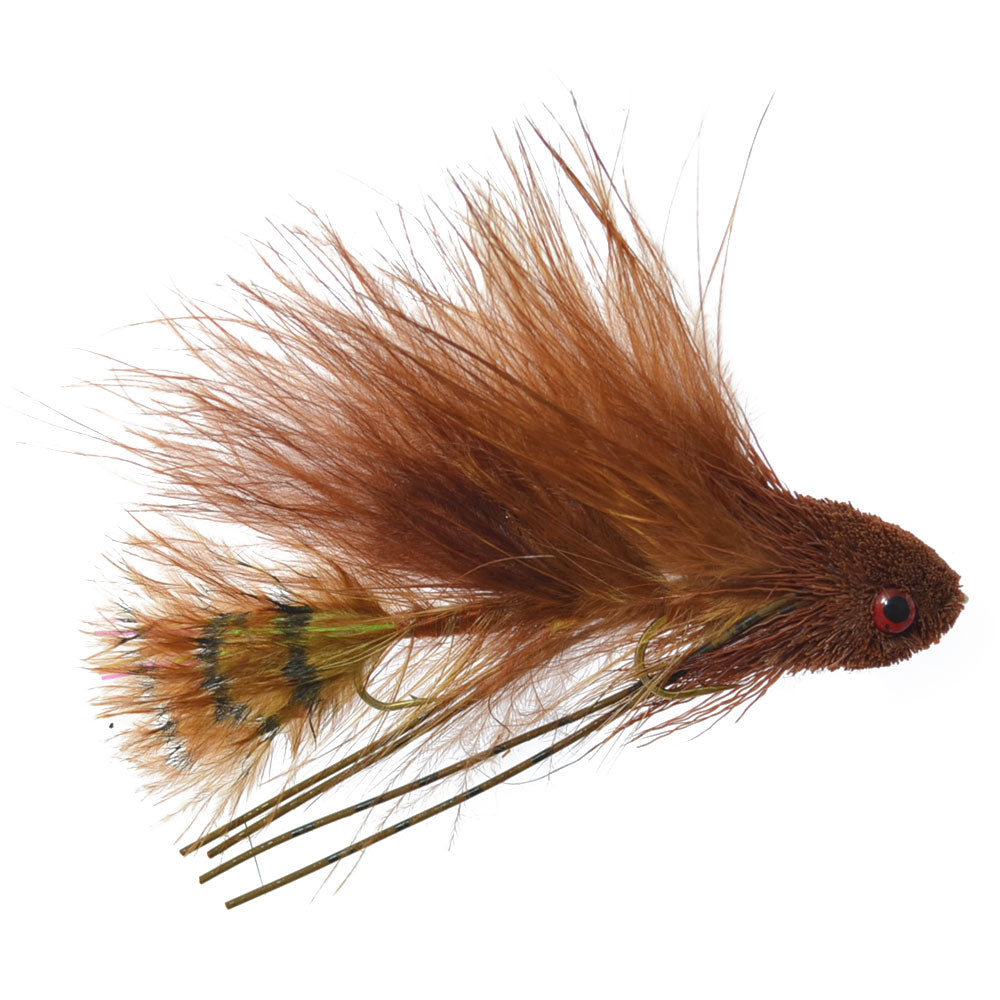
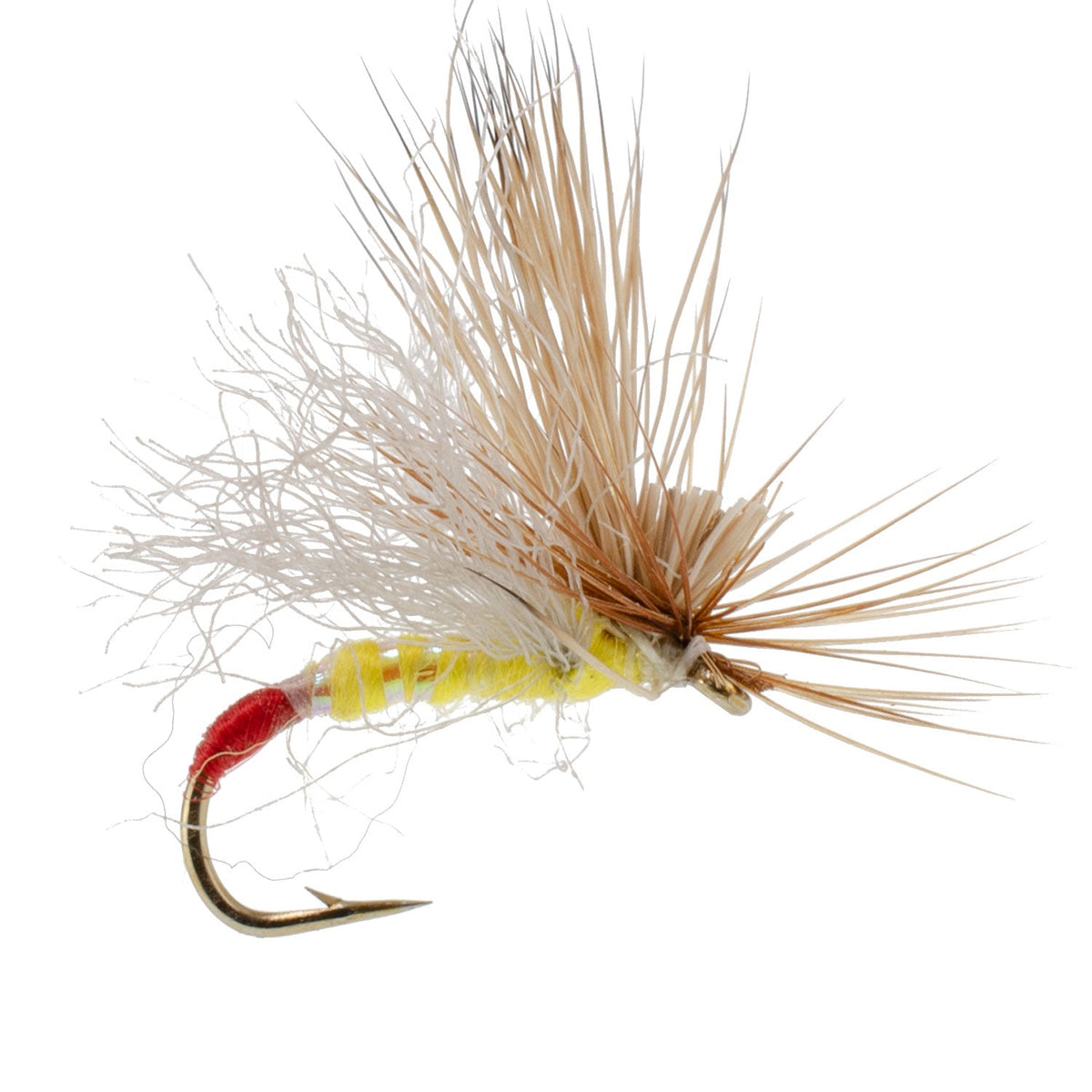
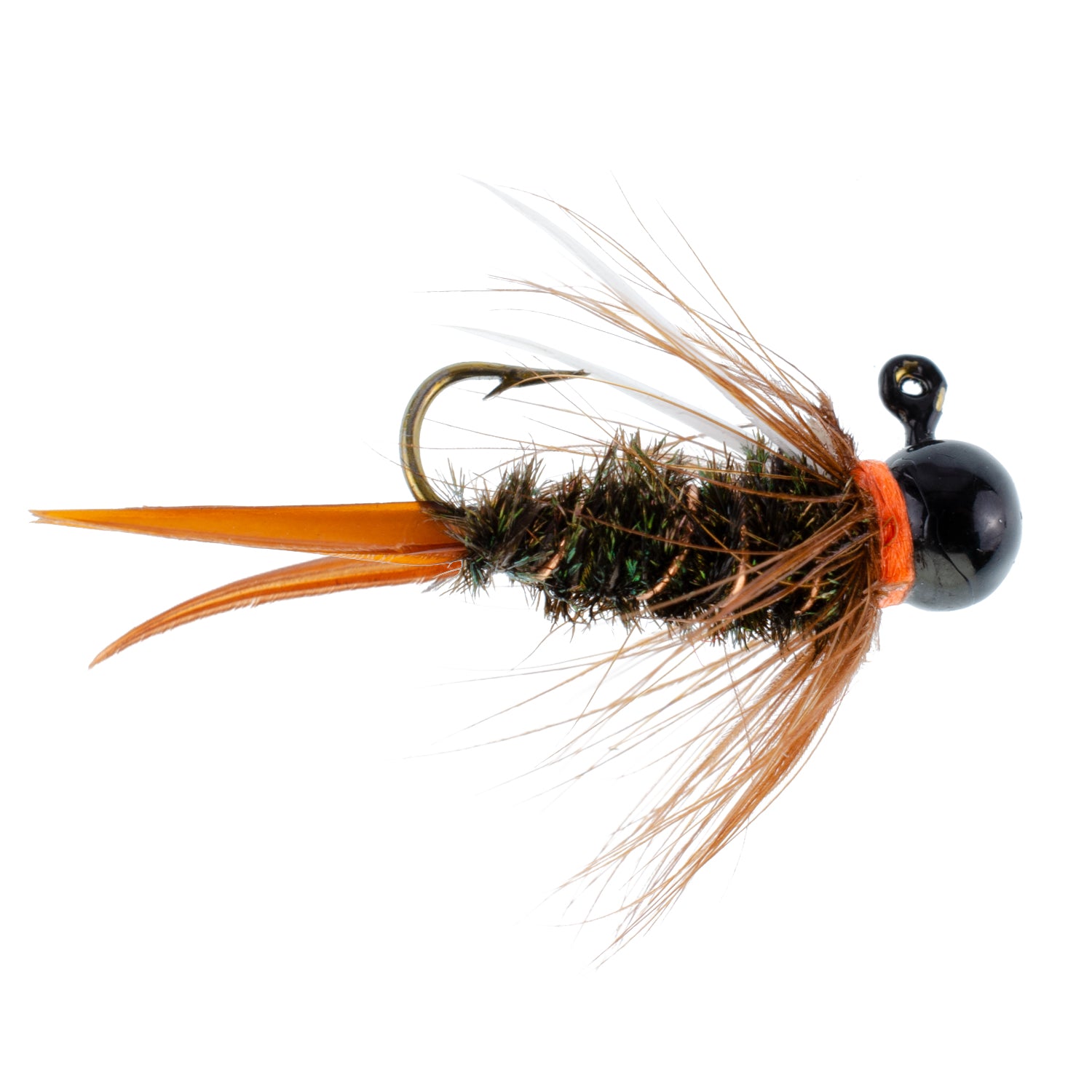
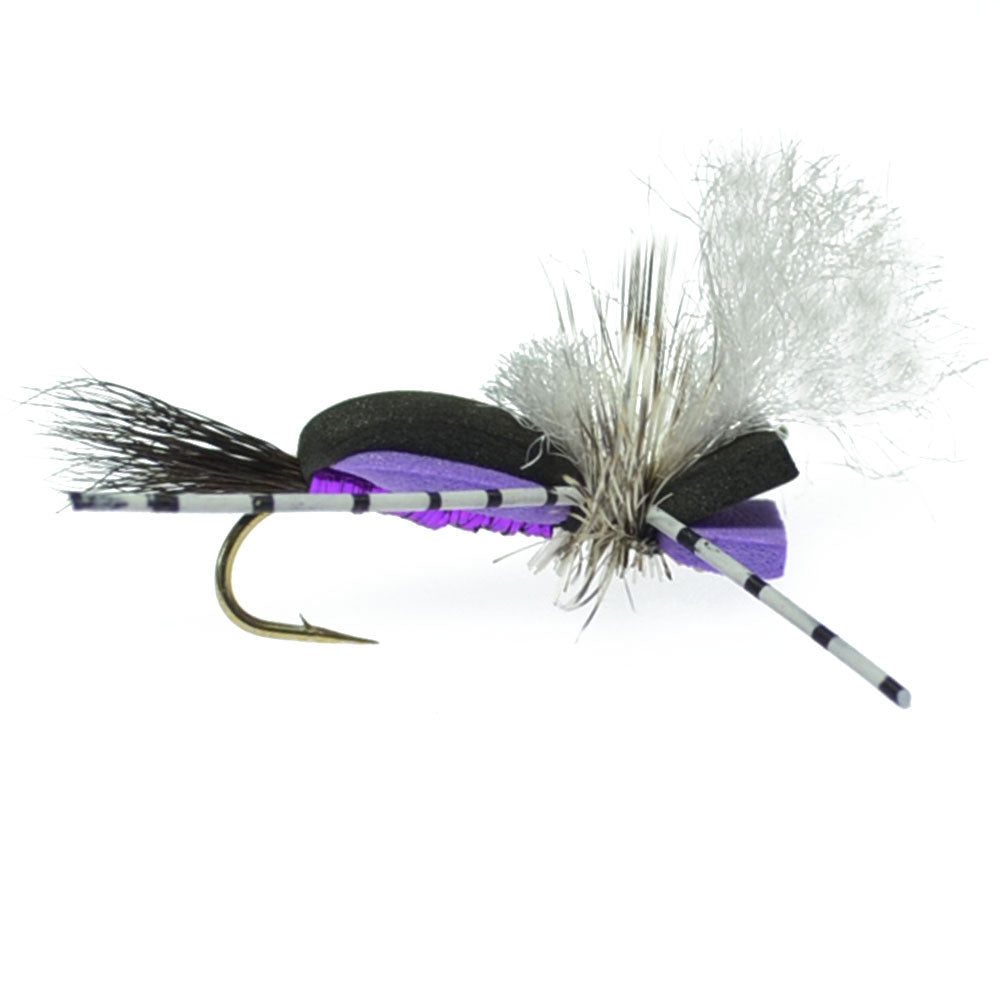
Shop by type: dry flies, nymphs, Euro nymphs, hoppers and terrestrials, streamers.
The river
Treat the Deschutes as three pieces of water.
The upper river runs from the headwaters at Little Lava Lake through Crane Prairie and Wickiup, then north past La Pine and Sunriver to Benham Falls. Below Wickiup it is a tailwater. Summer irrigation can push flows up. Fall and winter can drop them hard. Browns are the headline fish in the Wickiup tailwater. Rainbows, brook trout, and whitefish show too. This is not fly-only water, and it is not a true spring creek, even where it looks like one.
The middle river from Benham Falls through Bend to Lake Billy Chinook fishes more like town and canyon trout water. It is open all year. Rainbows over 20 inches must be released. Access is good around Bend, Tumalo, and the state parks. Presentations still need to be clean. Pressure is higher than on the forest water above Benham.
The lower river starts at the Pelton Reregulating Dam and runs about 100 miles to the Columbia. This is the canyon people mean when they say “the Deschutes”: native redsides, whitefish, the June stonefly hatch, and steelhead when ODFW leaves the season open. Average redsides often run 12-16 inches, with larger fish in the deeper slots. The west bank from Pelton to the north reservation boundary is Warm Springs land. The classic float is Warm Springs or Trout Creek to Maupin, or Maupin to Heritage Landing. You can also wade from the road and the campgrounds. You may not fish from a floating device.
Steelhead — lower Deschutes
Summer steelhead enter the Columbia in summer and move into the lower Deschutes from July into fall. In a normal year the fishing builds through August and is best from September into October, with some fish still in the canyon in November. Low, clear water and waking dries are the reputation of the river.
That is the pattern only when the season is open. ODFW manages the Deschutes steelhead fishery under a return framework tied to wild counts at Bonneville Dam. In low-return years the river closes to steelhead, sometimes for the rest of the calendar year. In 2026 it closed to steelhead angling and retention on August 15 from the Pelton Reregulating Dam to the Columbia. Trout fishing remained open. Confirm the current steelhead status before you plan a trip around swung flies.
When the season is open:
- Keep only adipose-clipped hatchery steelhead. Release every wild fish.
- Swing a wet fly or skate a dry at first and last light through tailouts, boulder seams, and the inside of canyon bends.
- Midday, go deeper with a sink-tip if the water has color or speed.
- Evening caddis can move both trout and steelhead in summer.
Year at a glance — upper Deschutes (trout)
| Month | Primary hatches | Also carry | Typical sizes |
|---|---|---|---|
| Jan | Midges, BWO | Small nymphs | 18-22 |
| Feb | Midges, BWO | Small nymphs | 18-22 |
| Mar | BWO, midges | Early caddis | 16-22 |
| Apr | BWO, caddis, March Brown | PMD start late month | 14-20 |
| May | PMD, caddis, BWO | March Brown | PMD 16-18, caddis 14-16 |
| Jun | PMD, caddis, pale evening dun | Trico start, yellow sally | 14-18 |
| Jul | Trico, PMD, caddis | Hoppers start, pale evening dun | Trico 20-24, PMD 16-18 |
| Aug | Trico, hoppers, caddis | Ants, beetles, late PMD | Trico 20-24, hopper 8-12 |
| Sep | BWO, trico, hoppers | Mahogany dun | BWO 16-20, trico 20-24 |
| Oct | BWO, mahogany dun | October caddis, midges | 16-22, caddis 8-10 |
| Nov | BWO, midges | Small nymphs | 18-22 |
| Dec | Midges, BWO | Small nymphs | 18-22 |
Year at a glance — lower Deschutes (redsides + steelhead)
| Month | Primary hatches | Also carry | Typical sizes |
|---|---|---|---|
| Jan | Midges | Small nymphs | 18-22 |
| Feb | Midges, BWO | Small nymphs | 16-22 |
| Mar | BWO, early caddis | Skwala, stonefly nymphs | BWO 16-20, Skwala 8-12 |
| Apr | Caddis, BWO, March Brown | Skwala, stonefly nymphs | 14-18 |
| May | Caddis, BWO, stonefly nymphs | PMD late month | Caddis 14-16, BWO 16-20 |
| Jun | Salmonfly, golden stone, caddis | PMD, yellow sally | Stones 4-10, caddis 14-16 |
| Jul | Caddis, PMD, yellow sally | Steelhead arrive, hoppers start | 14-18 |
| Aug | Caddis, hoppers, ants | Steelhead peak building | Hopper 8-12, caddis 14-16 |
| Sep | Caddis, BWO, hoppers | Steelhead peak, streamers | BWO 16-20, hopper 8-12 |
| Oct | BWO, October caddis | Steelhead, streamers, midges | BWO 16-20, caddis 8-10 |
| Nov | BWO, midges | Late steelhead, streamers | 18-22 |
| Dec | Midges | Small nymphs | 18-22 |
January
Upper: Midge and BWO fishing on the spring creek water near Bend and Sunriver. Midday is the window. Fish hold in slower, deeper runs and the inside edges of bends. Technical presentations on fine tippet.
Lower: Midge program in the canyon. The lower river fishes year-round but January is slow — focus on the warmer midday hours in slow tailouts.
- Midges - 18-22. Red zebra midge or small Euro nymph through slow tailouts.
- BWO - 18-22 on overcast afternoons. Parachute BWO on the upper river when fish are rising.
February
Upper: Same midge and BWO program. The spring creek character of the upper river means consistent temperatures and predictable afternoon hatches even in winter. One of the better winter dry-fly options in Oregon.
Lower: BWO begin picking up on gray afternoons in the lower canyon. Fish are concentrated and catchable on the right day.
- Midges and BWO on gray days.
- Small nymphs subsurface for Baetis and midge larvae.
March
Upper: BWO hatches strengthen through March. One of the best months for dry-fly fishing on the spring creek water — large fish rising to small flies in cold, clear conditions. Early caddis begin by late month on the warmer sections.
Lower: Skwala stoneflies begin on the lower canyon in March, often earlier than other Oregon rivers due to the canyon's exposure and warmer microclimate. BWO overlap. Caddis start appearing by late month. Streamer fishing for pre-season redsides can be strong.
- BWO - 16-20. Parachute BWO and CDC Baetis emerger.
- Skwala (lower) - 8-12. Rubber-leg nymph subsurface, Stimulator-style dry on warm afternoons. See nymphs and dry flies.
- Streamers in the lower canyon for aggressive early-season redsides.
April
Upper: Caddis and BWO overlap. March Browns appear on the larger water. PMDs begin by late April on the upper river — the start of the prime season. This is one of the best months on the upper Deschutes before summer crowds arrive.
Lower: Caddis hatches build significantly in April — the lower Deschutes is one of the premier caddis rivers in the West and April marks the beginning of the caddis season. BWO continue on gray days. March Browns on the broader canyon sections.
- Caddis - 14-16. Elk hair caddis and the caddis assortment.
- BWO and March Brown on overcast days.
- Late April upper river: first PMD - 16-18. Pale Morning Dun.
May
Upper: PMDs are the centerpiece of May on the upper river. Morning PMD hatches with caddis afternoons and evenings. The spring creek water near Sunriver and the Bend urban reach fish exceptionally well. This is the month most upper Deschutes regulars plan around.
Lower: Caddis dominate. Stonefly nymphs active subsurface ahead of the June adults. Late month PMD begins in the riffles. One of the most reliable dry-fly months in the lower canyon before the salmonfly crowds arrive.
- PMD - 16-18. Pale Morning Dun mornings with a small nymph dropper.
- Caddis - 14-16 afternoons and evenings. Elk hair.
- BWO on overcast mornings.
- Stonefly nymphs 6-10 in the lower canyon.
June
Upper: PMDs continue. Pale evening duns begin on the upper river in June — a hatch unique to the upper Deschutes system that can produce outstanding evening dry-fly fishing. Tricos begin on the slower, flatter sections by late month. Yellow sallies in faster riffles.
Lower: The salmonfly hatch is the defining event of the lower Deschutes year. As flows settle from spring levels, the hatch moves upstream through the canyon — typically beginning near the Columbia in late May and reaching Maupin and above through June. Golden stones follow. Book guides and raft trips well in advance; this is the most sought-after hatch window on the river.
- Salmonfly (lower) - 4-8. A West Fork Salmonfly hard against the canyon walls and cliff bases. Fish the leading edge upstream of the adults.
- Golden stone (lower) - 6-10. Overlaps and follows the salmonfly. Drop a stone nymph below a dry.
- PMD (upper) - 16-18. Pale Morning Dun.
- Evening caddis both sections. Elk hair.
July
Upper: Trico spinner falls are the signature hatch of summer on the upper Deschutes — technical, rewarding, and best fished early morning on the flat spring creek sections. PMDs continue into mid-July. Pale evening duns in the evening. Hoppers start along the grassy banks by mid-month.
Lower: Caddis dominate the lower canyon through July — the evening caddis hatch on the lower Deschutes is legendary. PMDs in the morning. Yellow sallies in the riffles. First steelhead arrive in the lower canyon in July. Lower river steelhead only if the current ODFW season is open. Trout fishing is a separate regulation.
- Trico (upper) - 20-24. Early morning spinner falls on flat spring creek water. Fine tippet essential.
- PMD mornings both sections. Pale Morning Dun.
- Early hoppers along grass banks - hoppers and terrestrials.
- Caddis evenings both sections. Elk hair.
- Lower: first steelhead — begin swinging streamers.
August
Upper: Trico fishing at its peak on the upper river. Hoppers along the banks. The spring creek sections stay cool even in August due to the volcanic groundwater source. Ants and beetles in the foam lines.
Lower: The evening caddis hatch continues as the main event. Hoppers along the canyon walls. Steelhead numbers build through August — early morning and evening are the best windows for waking a dry. Monitor water temperatures; the lower canyon can warm significantly in August during hot years. Lower river steelhead only if the current ODFW season is open. Trout fishing is a separate regulation.
- Trico (upper) - 20-24. Morning spinner falls on slow spring creek water.
- Hoppers, ants, beetles - hoppers and terrestrials. Hopper-dropper with a small nymph along the banks.
- Evening caddis. Elk hair.
- Lower: steelhead building — swing streamers or skate a dry at first and last light.
September
Upper: Outstanding month. BWO return strongly as nights cool. Tricos continue into mid-September. Mahogany duns add an afternoon option. Crowds thin after Labor Day.
Lower: September is the prime steelhead month on the lower Deschutes. Low, clear water, fresh fish, and the caddis hatch still running in the evenings. BWO pick up as the month progresses. One of the best months of the year on the lower river for both trout and steelhead. Lower river steelhead only if the current ODFW season is open. Trout fishing is a separate regulation.
- Tricos through mid-September (upper) on flat water.
- Hoppers and ants through mid-September.
- BWO - 16-20. Parachute BWO and CDC Baetis emerger.
- Mahogany dun - 14-16 on overcast afternoons.
- Lower: steelhead peak — streamers and skating dries.
October
Upper: Fall BWO fishing on the upper Deschutes is exceptional — dense hatches on gray afternoons over technical spring creek fish. October caddis add a large dry-fly option. Mahogany duns overlap with the olives.
Lower: BWO and October caddis for trout. Steelhead continue into October with fresh fish still entering the system. The lower canyon in October is dramatic — fall colors, cold mornings, and aggressive fish.
- BWO - 16-20. The dominant hatch on both sections.
- Mahogany dun - 14-16 on overcast afternoons.
- October caddis - 8-10 on warmer afternoons in the lower canyon.
- Midges - 18-22 in slow tailouts.
- Lower: steelhead — streamers through canyon slots.
November
BWO and midges on both sections. The upper river is quiet and productive on mild days. The lower canyon sees the last of the steelhead push and post-season trout fishing in the deeper runs.
- BWO - 16-20 on overcast afternoons. Parachute BWO.
- Midges - 18-22 in slow tailouts.
- Small nymphs subsurface.
- Lower: late steelhead — streamers swung slowly through deeper runs.
December
Midge and BWO program on both sections. The upper spring creek water near Bend fishes year-round and December can produce outstanding midday dry-fly action on mild, overcast days. The lower canyon is cold and quiet.
- Red zebra midge and small nymphs - 18-22.
- BWO on overcast afternoons. Parachute BWO.
A western dry and nymph assortment covers the core trout season on both sections. Add trico patterns and pale evening dun imitations for the upper river in summer, a salmonfly pattern for the lower canyon in June, and a full streamer selection for steelhead. The Deschutes rewards the angler who matches the section — spring creek precision above, canyon boldness below.