Firehole River Wyoming - Yellowstone National Park Hatch Chart
Yellowstone National Park, Wyoming. The Firehole is one of the strangest and finest trout rivers on earth: a geothermally warmed stream that runs through the Upper, Midway, and Lower Geyser Basins, past Old Faithful, and on to the Gibbon at Madison Junction, where the two become the Madison. No other trout river flows through an active geyser basin. Wild brown and rainbow trout live in that heat and those insects. The setting does the rest.
A Yellowstone National Park fishing permit is required. A Wyoming state license is not. The Firehole opens May 1 and closes October 31 (this can vary by year - this is for the 2026 season). It is fly fishing only. Two reaches stay closed all season: from the road bridge half a mile upstream of Old Faithful to the Biscuit Basin road bridge, and 200 yards either side of the Midway footbridge. High summer often brings a thermal closure when the water climbs past what trout can bear - check the National Park Service fishing page the week you go. The park entrance fee applies year-round.
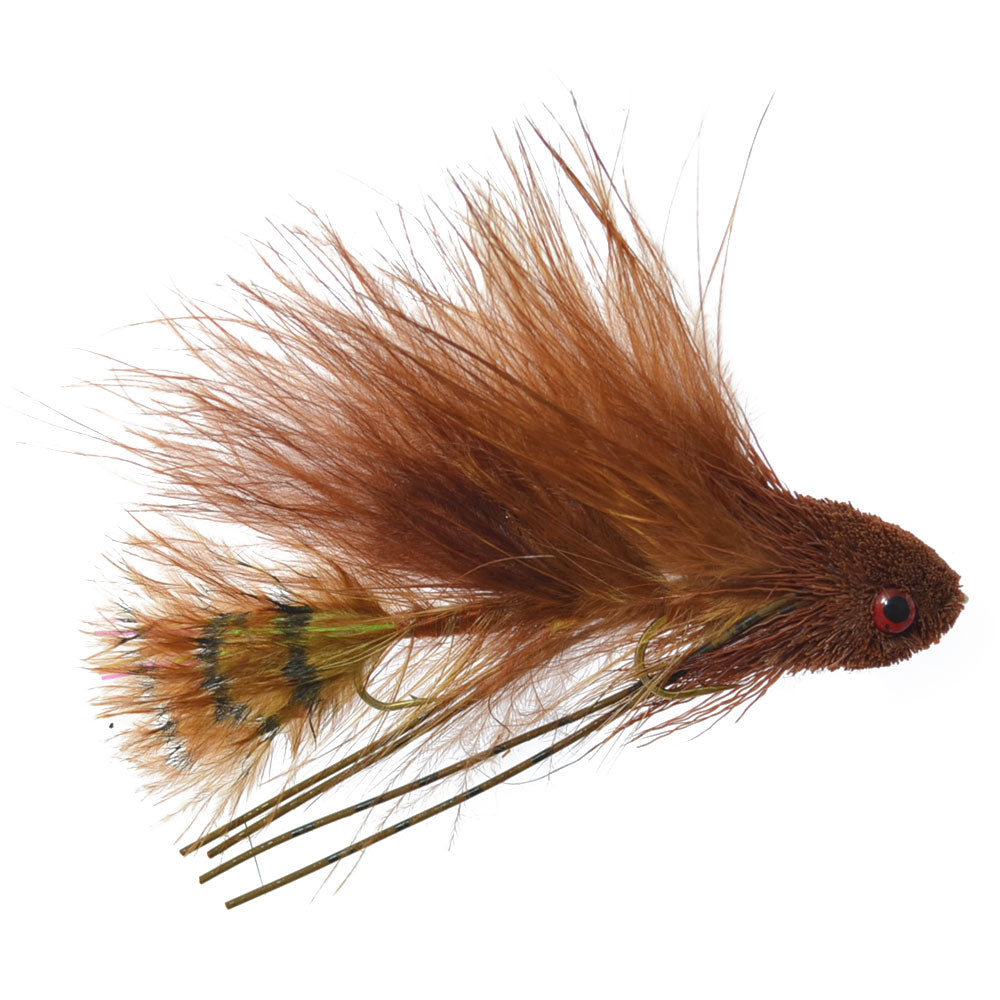
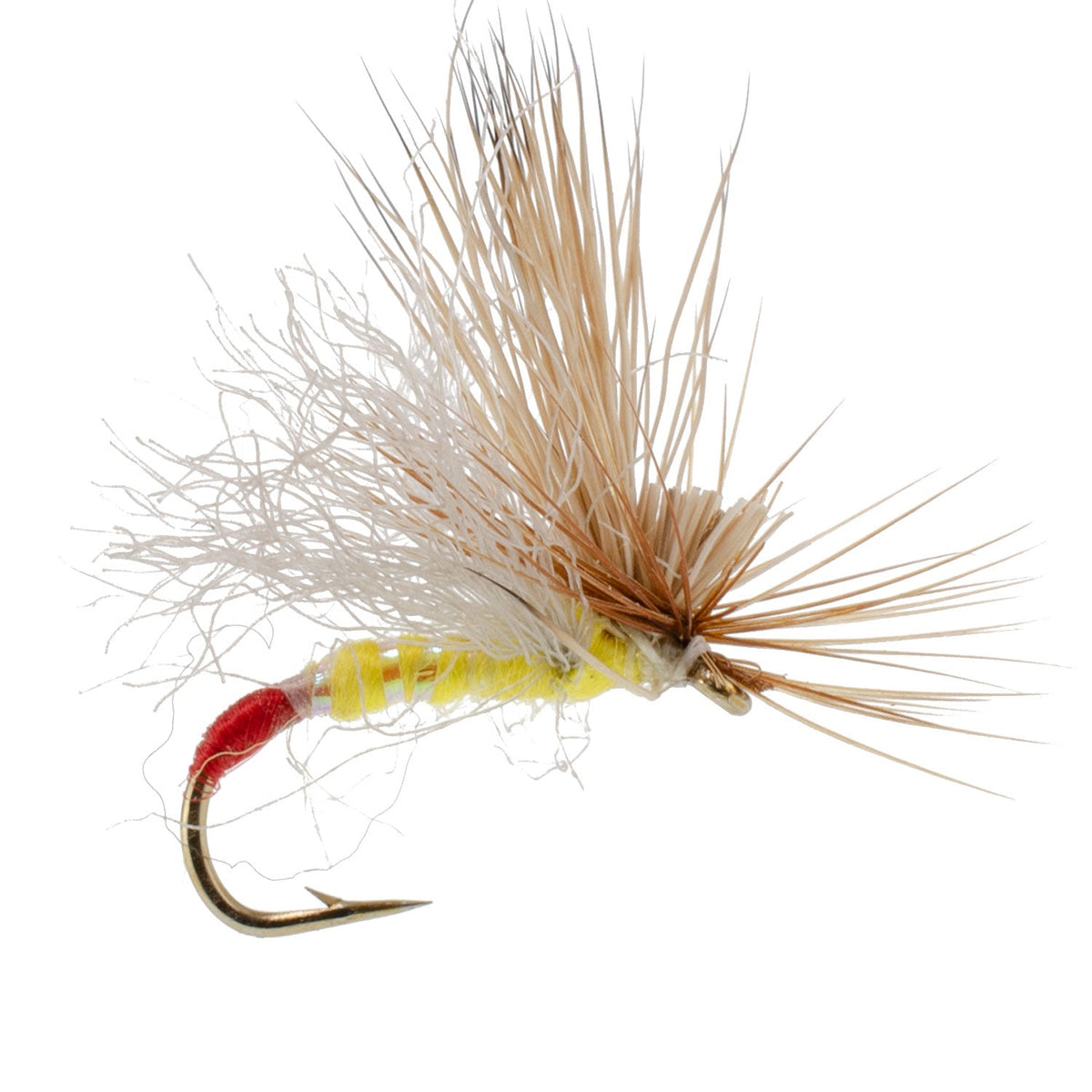
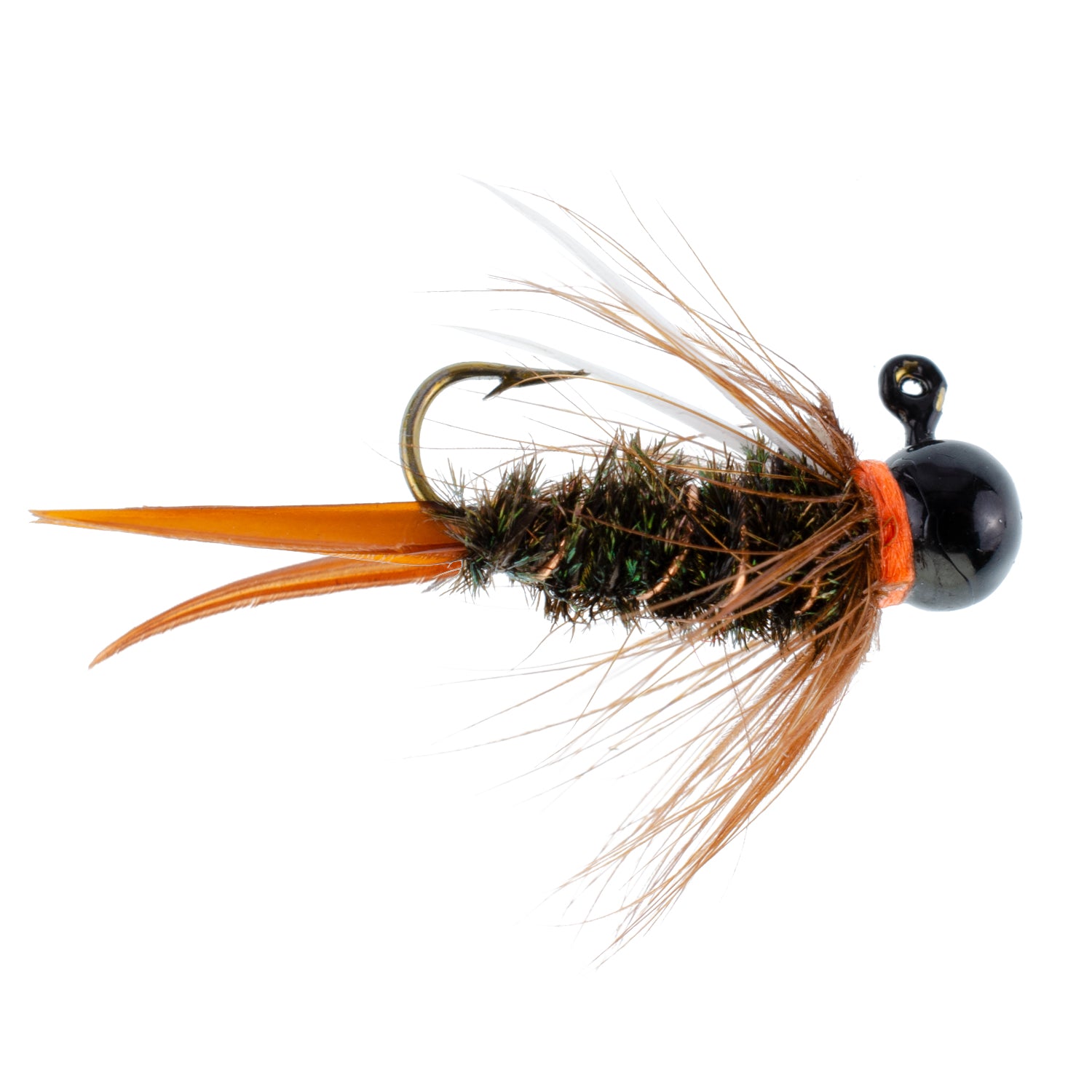
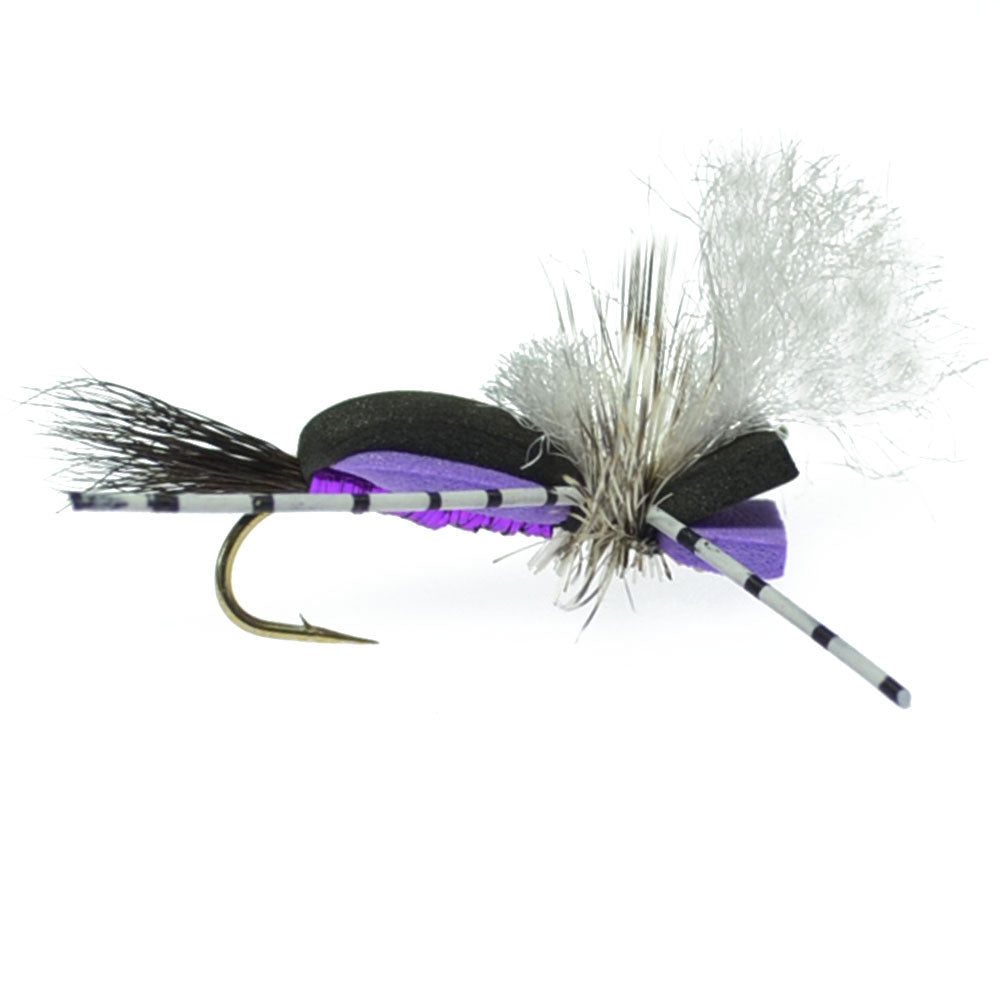
Shop by type: dry flies, nymphs, Euro nymphs, hoppers and terrestrials.

The river
The Firehole flows approximately 20 miles from its headwaters near Old Faithful north to its confluence with the Gibbon at Madison Junction. The upper river through the geyser basins is the most iconic water - meadow character with slow, clear flows past steaming thermal features, bison on the banks, and wild trout rising in improbable surroundings. The lower river through Firehole Canyon has faster pocket water and a more conventional freestone character, with excellent brown trout populations and fewer visitors than the famous meadow sections.
Brown trout are the primary fish, with rainbows throughout. Both are wild fish that have made a life in water no ordinary freestone would offer. The geothermal springs warm the Firehole early in spring and hold the hatches later into fall. The same heat turns against the fish in July. When the river runs too warm, the park closes it. That closure is an act of care, not a mark on a hatch chart. September, when the nights lengthen and the steam hangs in cold air, is the Firehole returned to itself.
The Firehole's PMD hatch is legendary - one of the finest in Wyoming and perhaps the finest in Yellowstone National Park. The meadow sections in late June and July produce dense PMD hatches with large, selective rising trout in spectacular geyser basin scenery. This is the Firehole at its most celebrated and most demanding.
Year at a glance
| Month | Primary hatches | Also carry | Typical sizes |
|---|---|---|---|
| Jan - Apr | Closed (park season) | - | - |
| May | BWO, midges, caddis start | Small nymphs | BWO 16-20, midge 20-24 |
| Jun | PMD, caddis, BWO | Yellow sally, midges | PMD 16-18, caddis 14-16 |
| Jul | PMD, caddis, hoppers start | Yellow sally, ants, midges | PMD 16-18, caddis 14-16 |
| Aug | Closed - thermal stress | - | - |
| Sep | BWO, caddis, hoppers | Mahogany dun, midges | BWO 16-20, hopper 8-12 |
| Oct | BWO, midges | Mahogany dun | BWO 16-20, midge 20-24 |
| Nov | Closes early November | - | - |
May
The Firehole opens with the general park season on May 1. The geothermal heating gives the Firehole an advantage over surrounding park streams in May - hatches begin earlier and fish are more active in the warmer water. BWO hatch well on overcast afternoons from opening day. Midges throughout. Caddis begin building by late May. The meadow sections above and below Old Faithful are beautiful in May with minimal summer crowds and excellent early-season fishing.
- BWO - 16-20 on overcast afternoons. Parachute and CDC emerger styles.
- Midges - 20-24 subsurface throughout. Two-fly rig in the deeper meadow runs.
- Late May: first caddis - 14-16 on warm afternoons.
- Small nymphs in the deeper meadow runs and tailouts.
June - July
June is the beginning of the Firehole's finest season. PMDs begin hatching in the meadow sections and quickly become the dominant event - the combination of the geyser basin setting, rising wild browns and rainbows, and dense PMD hatches makes June on the Firehole one of Yellowstone's most sought-after fly fishing experiences. Caddis evenings are excellent throughout. The river is at ideal temperatures in June - come before the July heat pushes temperatures up. PMDs continue through early July in the cooler morning hours. The Firehole's geothermal heating becomes a liability as July progresses - water temperatures rise above comfortable trout levels in the afternoon heat. Fish early morning and evening in July. The National Park Service monitors temperatures and closes the Firehole when thermal stress thresholds are reached - typically by mid to late July. Check current closure status before making the drive.
- PMD - 16-18 mornings and midday in the meadow sections. The signature hatch. Fish early in July before temperatures rise.
- Caddis - 14-16 evenings through both months.
- BWO on overcast days through June. Yellow sally 14-16 in the Firehole Canyon riffles.
- July: hoppers beginning along the meadow margins - 8-12.
- Ants and beetles midday through July.
- Midges subsurface throughout both months.
August - thermal closure
The Firehole is typically closed to fishing through most of August due to thermal stress on the fish. The National Park Service closes the river when temperatures exceed safe levels for trout - this closure protects the wild fish population and is strictly enforced. Check the NPS Yellowstone fishing regulations page for current closure status and reopening dates. The Gibbon, Madison, and other park streams remain open during the Firehole closure.
- The Firehole is closed to fishing in August in most years - check current NPS closure status before visiting.
- Alternative during the closure: the Madison River in Yellowstone National Park remains open and fishes well in August.
September - October
The Firehole reopens in September when temperatures drop to safe levels - typically in the first two weeks of the month - and September is arguably the finest month on the river. The summer crowds are gone, the geothermal setting is at its most dramatic with cool morning air and steaming thermal features, BWO return strongly, hoppers continue through mid-month, and the wild trout have rested through the August closure. October extends the BWO fishing with minimal pressure and the river's geothermal character holding hatches later than surrounding freestone streams. The river closes in early November - check current NPS regulations for exact dates. October on the Firehole with steam rising from the geyser features, fall colors on the meadow margins, and large wild browns rising to BWO is one of the most memorable experiences in Yellowstone fly fishing.
- BWO - 16-20 on overcast afternoons through September and October. Outstanding fall olive fishing. Parachute and CDC emerger styles.
- Hoppers through mid-September - 8-12 along the meadow margins.
- Mahogany dun - 14-16 on overcast afternoons through September and October.
- Caddis evenings through September - 14-16.
- Midges - 20-24 building through October. Two-fly rig subsurface.
- Season closes early November - check NPS regulations for exact date.
A western dry and nymph assortment covers the core season. The Firehole does not require an extensive box - PMDs, BWO, caddis, and midges cover most situations. Bring 5X tippet as the meadow fish can be selective. The Firehole River is unlike any other trout stream on earth - fish it at least once. June for PMDs, September for fall BWO and complete solitude.