Madison River Yellowstone National Park Hatch Chart
Inside Yellowstone National Park. The Madison is born at Madison Junction where the Firehole and the Gibbon meet, then runs west through a wide, warm valley to the park boundary near West Yellowstone. It is a short river, some 19 miles, and one of the most storied pieces of trout water in the world. Rainbows and browns are the fish. The Firehole's heat comes with them, so hatches start early and the river can grow too warm in high summer. This page is the park water only. The Madison below the park is another river.
A Yellowstone National Park fishing permit is required. A state license is not, inside the park. In 2026 the Madison from Madison Junction to the Montana-Wyoming line opens May 1 and closes October 31. Those dates may change from year to year - confirm the current park fishing pamphlet before you go. The river is fly fishing only. Release trout. Brook trout may be kept, up to five. From Seven Mile Bridge upstream 250 yards the water is closed. High summer often brings a thermal closure or shortened hours when the river runs too warm - check the National Park Service fishing page the week you fish. Hours are sunrise to sunset. Stay well clear of bison.
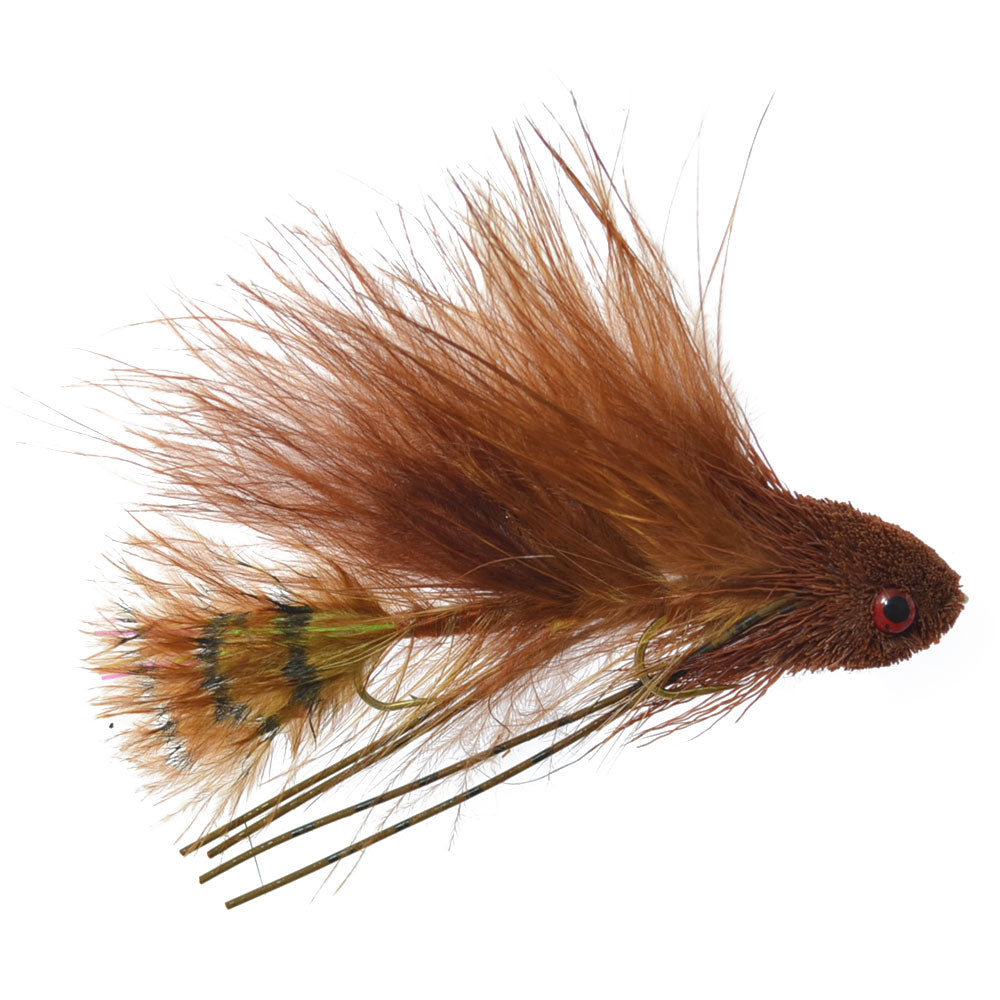
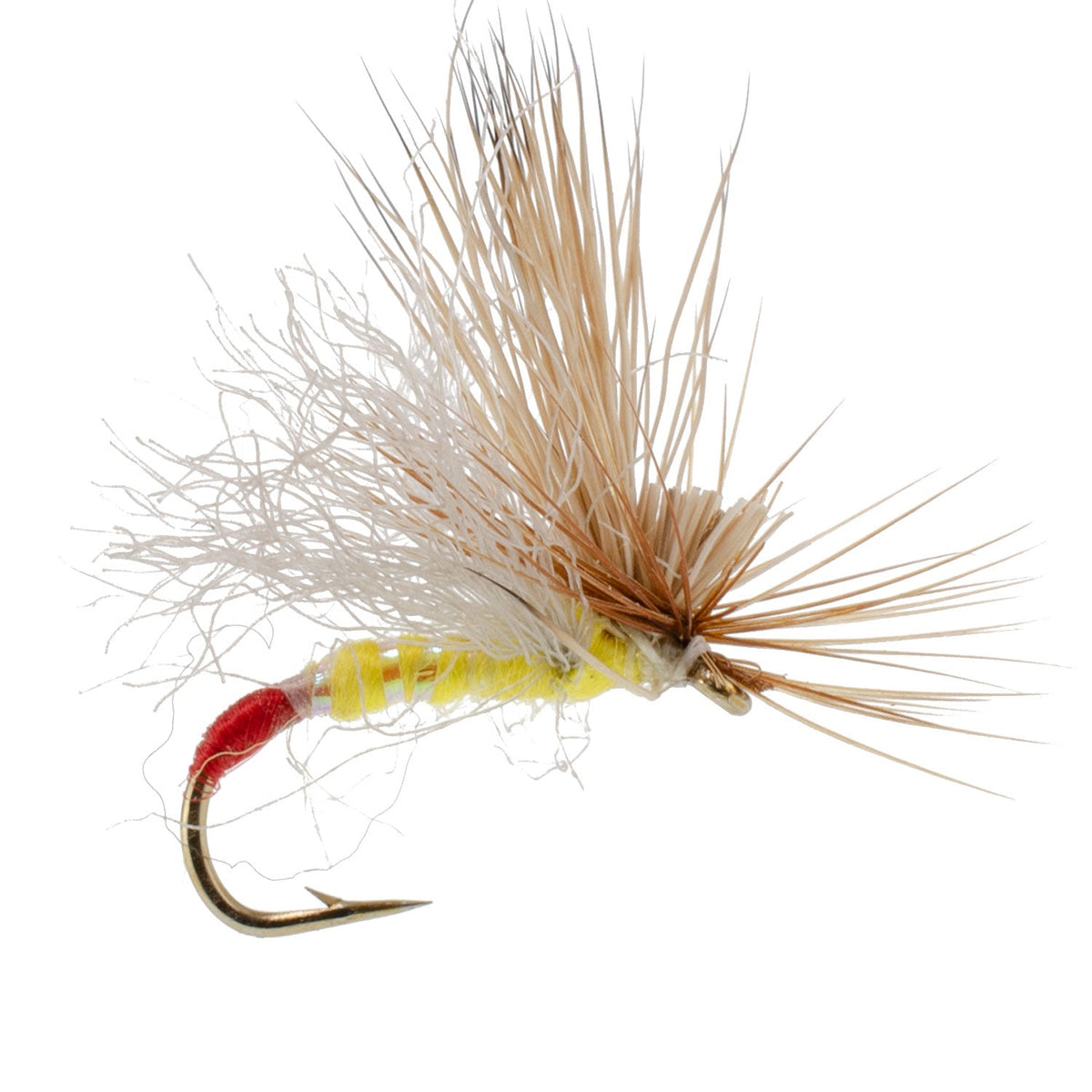
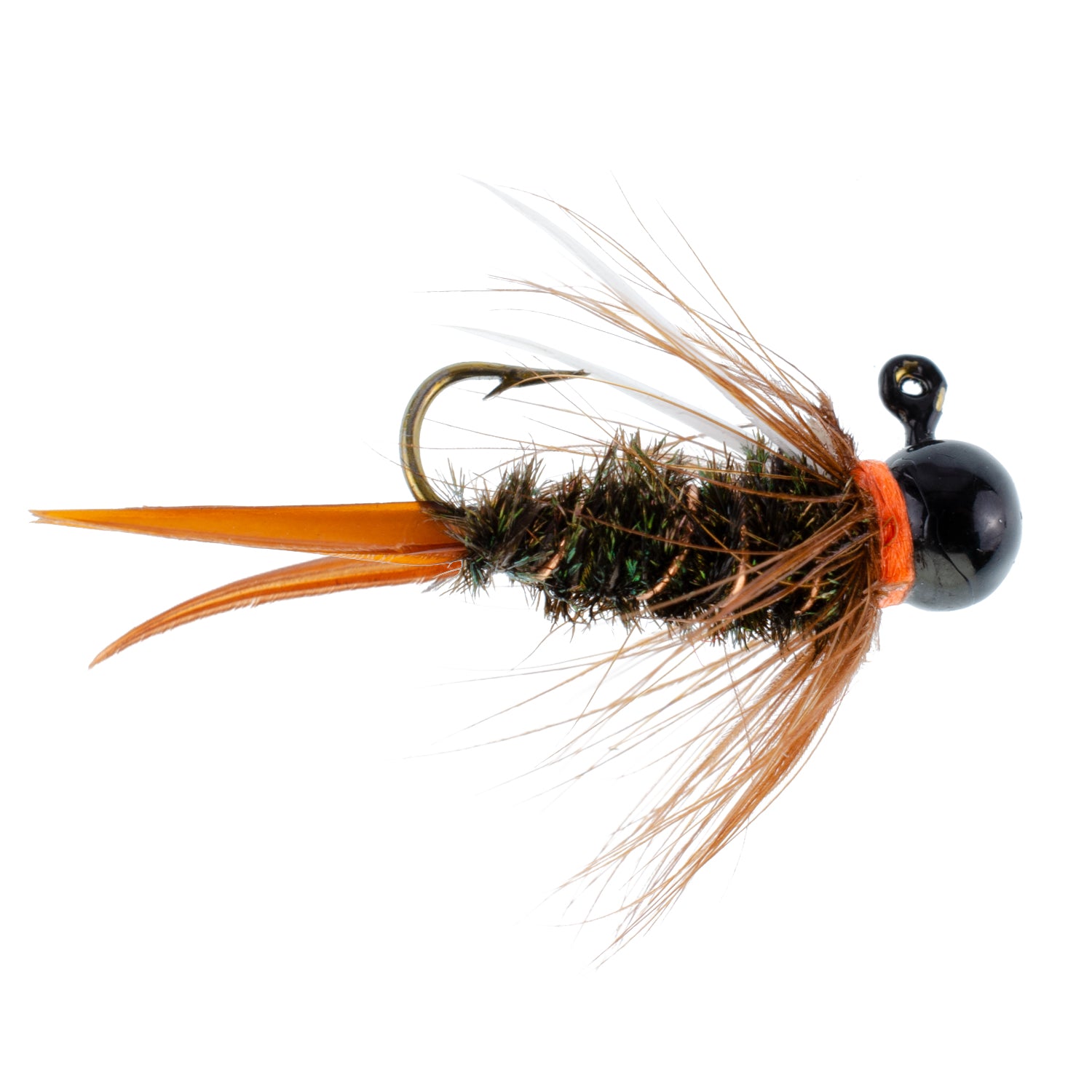
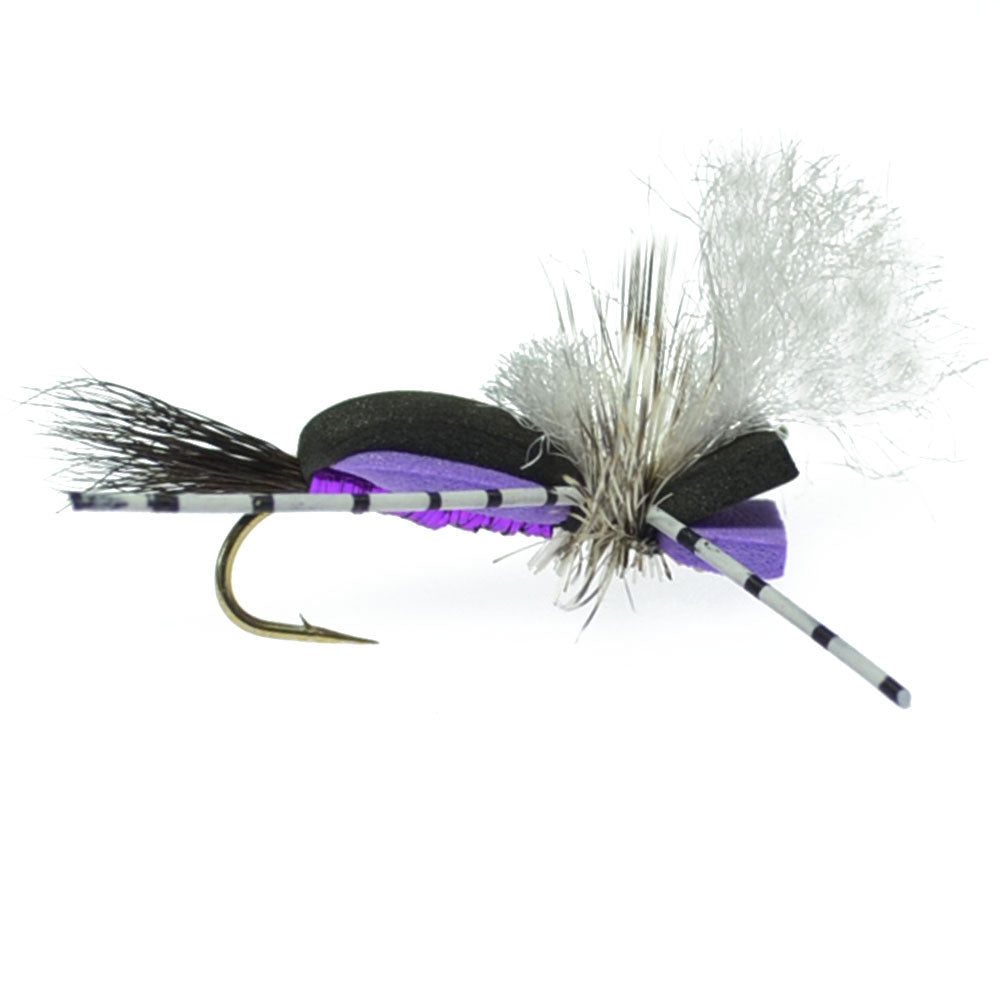
Shop by type: dry flies, nymphs, Euro nymphs, hoppers and terrestrials, streamers.
The river
The park Madison runs 19 miles through one of the most open and dramatic valleys in Yellowstone - a wide, flat-bottomed meadow river with excellent visibility for sight-fishing to rising trout and bison on the banks throughout the season. The Firehole's thermal influence keeps the upper river warmer than most park streams, which accelerates hatch timing in spring and creates thermal stress in the hottest weeks of July and August. Rainbows and brown trout dominate, with fish averaging 12-18 inches and larger browns present particularly in fall. Brook trout occur in the upper reaches.
The Madison valley is one of the great dry-fly venues in American trout fishing - an open meadow river where you can see fish rising across the flat in a PMD hatch, stalk individual fish in low summer flows, and watch bison crossing the current 100 yards upstream. The wide valley fishes best when you move away from the main roadside pullouts and work the middle and lower sections on foot. September and early October, after summer crowds disperse and brown trout begin their pre-spawn aggression, is the finest window on the park Madison.
Year at a glance
| Month | Primary hatches | Also carry | Typical sizes |
|---|---|---|---|
| Jan - Apr | Closed to fishing inside the park | - | |
| May | Opens May 1 - BWO, caddis | Stonefly nymphs | BWO 16-20, caddis 14-16 |
| Jun | PMD, caddis, golden stone | Yellow sally, BWO | PMD 16-18, caddis 14-16 |
| Jul | PMD, caddis, hoppers start | Trico, yellow sally, ants | PMD 16-18, hopper 8-12 |
| Aug | Hoppers, trico, caddis | Ants, beetles, late PMD | Hopper 8-12, trico 20-22 |
| Sep | BWO, hoppers, mahogany dun | Streamers for browns | BWO 18-20, hopper 8-12 |
| Oct | BWO, mahogany dun, midges | Streamers, October caddis | BWO 18-22, caddis 8-12 |
| Nov+ | Closed to fishing inside the park | - | |
May - June
The Madison opens May 1. Early season conditions vary - some years see clear, fishable water immediately; others have elevated flows from snowmelt. The Firehole influence helps, keeping the upper Madison warmer and more stable than most opening-day rivers in the region. BWO and caddis are the early anchors. PMDs begin in earnest in the second week of June and quickly become the dominant event - the wide, open valley makes sight-fishing to rising fish possible on calm mornings and evenings. Golden stones and caddis evenings through June. Bison are common along the banks throughout.
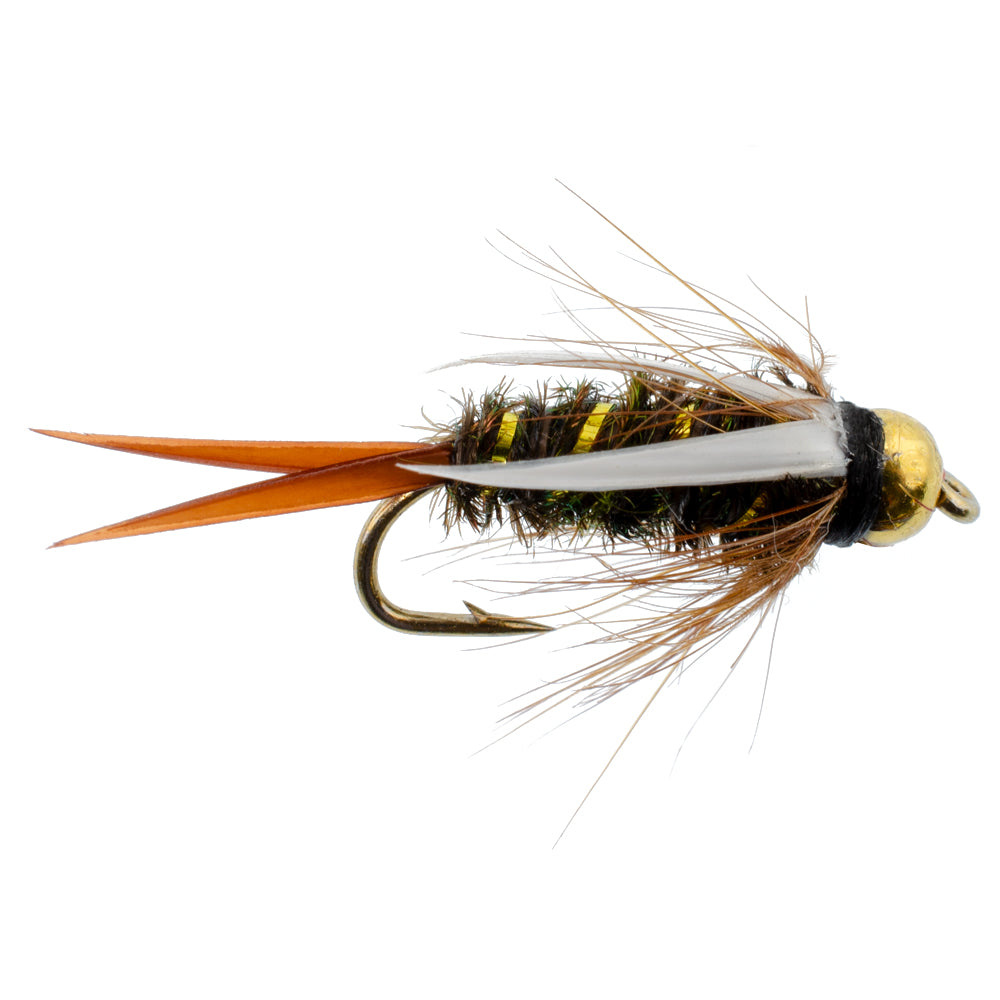
- May: BWO - 16-20 on overcast afternoons. Caddis 14-16 emerging. Stonefly nymphs 6-10 in the faster runs.
- June: PMD - 16-18 mornings. The signature early-summer hatch on the park Madison.
- Caddis - 14-16 evenings through both months.
- Golden stone - 8-10 through June. Yellow sally 14-16 in the riffled sections.
July - August
The Madison valley in July and August is one of the great dry-fly experiences in American trout fishing. PMDs continue through mid-July. Tricos begin on the slower, flatter water near the west end of the valley. Hoppers build along the grassy edges from mid-July and peak in August - the open meadow character makes hopper fishing highly visual. Watch for subtle sips near the bank and cast tight to the grass. Ants and beetles midday. Crowds peak in July - arrive early and pick water away from the main pullouts. Fish early in August as afternoon thunderstorms are common.
- PMD - 16-18 mornings through mid-July.
- Trico - 20-22 early morning spinner falls, especially on the lower flatter valley sections.
- Caddis evenings through both months - 14-16.
- Hoppers - 8-12 along the grassy banks from mid-July through August. Hopper-dropper with a small nymph underneath covers both surface and subsurface feeders.
- Ants and beetles in the foam lines and back eddies through August.
September - October
The finest months on the park Madison. Hoppers hold through mid-September. Mahogany duns and BWO take over on the afternoon water. Brown trout begin moving and feeding aggressively ahead of the spawn - the largest fish of the year are caught in September on both dries and streamers. Crowds thin significantly after Labor Day. October extends the BWO and mahogany dun fishing into the final weeks of the season with fall colors in the valley and almost no other anglers. The season closes October 31 - October on the park Madison is a bucket-list window.
- Hoppers and ants through mid-September - 8-12.
- Mahogany dun - 14-16 on overcast afternoons through September and October.
- BWO - 18-20 on overcast afternoons through September and October. Parachute and emerger styles.
- Streamers at first and last light for staging brown trout through September and October. Olive, black, and brown in 3-5 inch patterns.
- October: midges 18-22 in the slow water. October caddis - large orange dry 8-12 on warmer days.
A western dry and nymph assortment covers the core season. Add hoppers and terrestrials for summer, trico patterns, mahogany duns, and a streamer box for the full Madison experience. The park Madison is one of the most iconic trout rivers in America - fish it in June for PMDs, September for fall browns, or any time the park gates are open.