Gallatin River Montana Hatch Chart
Southwest Montana and northwest Wyoming. The Gallatin River rises at Gallatin Lake in the northwest corner of Yellowstone National Park, flows north through the park, and then drops into a narrow granite canyon as it crosses into Montana near West Yellowstone. From there it runs about 120 miles north through the Gallatin Canyon and the Gallatin Valley before joining the Madison and Jefferson at Three Forks to form the Missouri River.
The Gallatin holds wild rainbow and brown trout throughout, with cutthroat in the upper park water. The canyon section between Big Sky and Bozeman is the most accessible and most fished reach - a fast, technical freestone river with good hatches and fish that see significant pressure. The upper river in the park is slower, meadow-like, and holds mostly cutthroat. The lower valley below Bozeman is warmer and slower, with larger brown trout but less consistent surface fishing in summer.
Check current Montana Fish, Wildlife and Parks regulations before you go. Inside Yellowstone National Park the river follows National Park Service rules - a park fishing permit is required and a Montana license does not cover that water. The park season on the Gallatin is the Saturday of Memorial Day weekend through October 31 - confirm current dates in the pamphlet. From the Yellowstone boundary downstream to the confluence with the East Gallatin River, the Gallatin is closed to fishing from boats or vessels - recreational floating is allowed, wading after you beach the boat is allowed, casting from a moving boat is not. Below Gallatin Forks toward Three Forks, float fishing is legal. Portions of the river can take hoot-owl restrictions in warm summers - check conditions before you fish in July and August. A Montana fishing license is required on the Montana water.
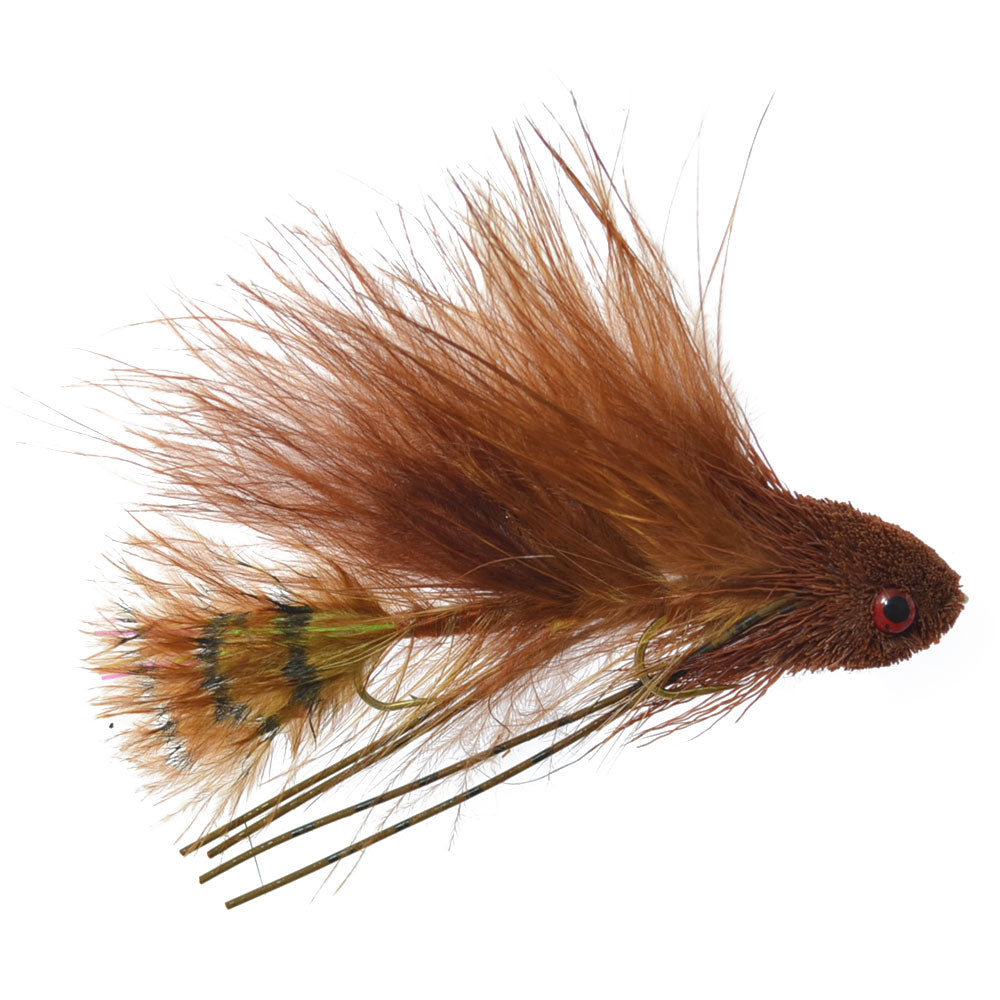
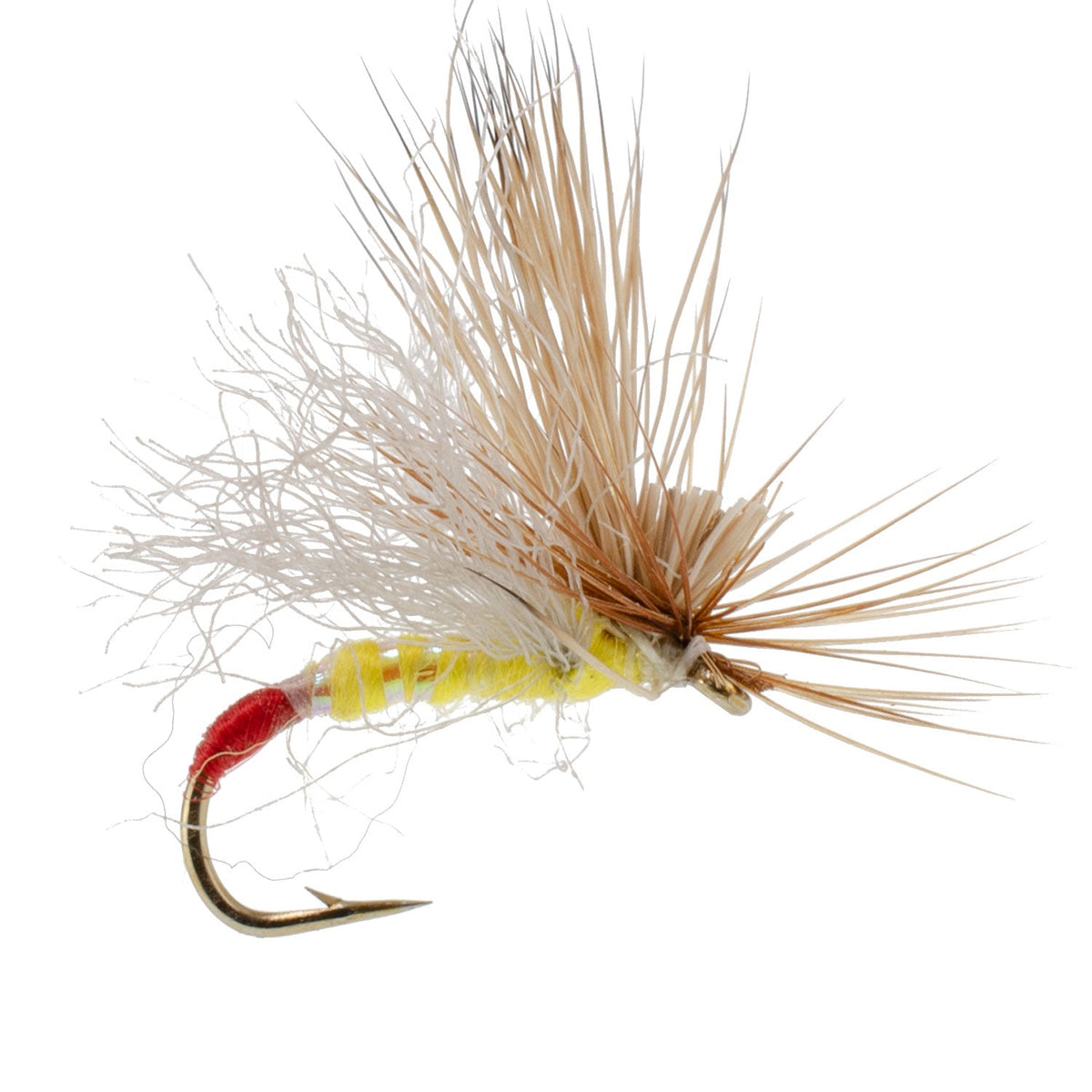
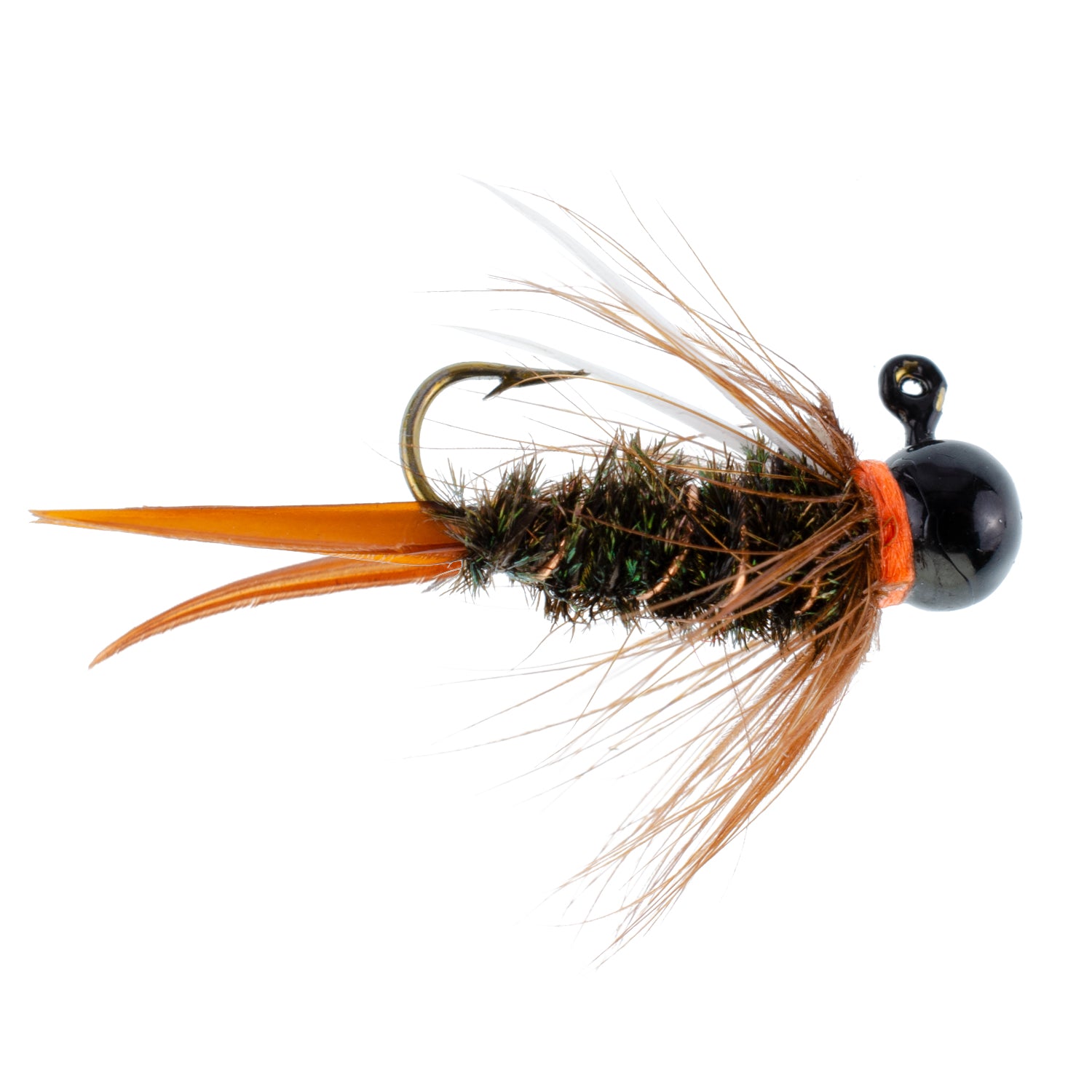
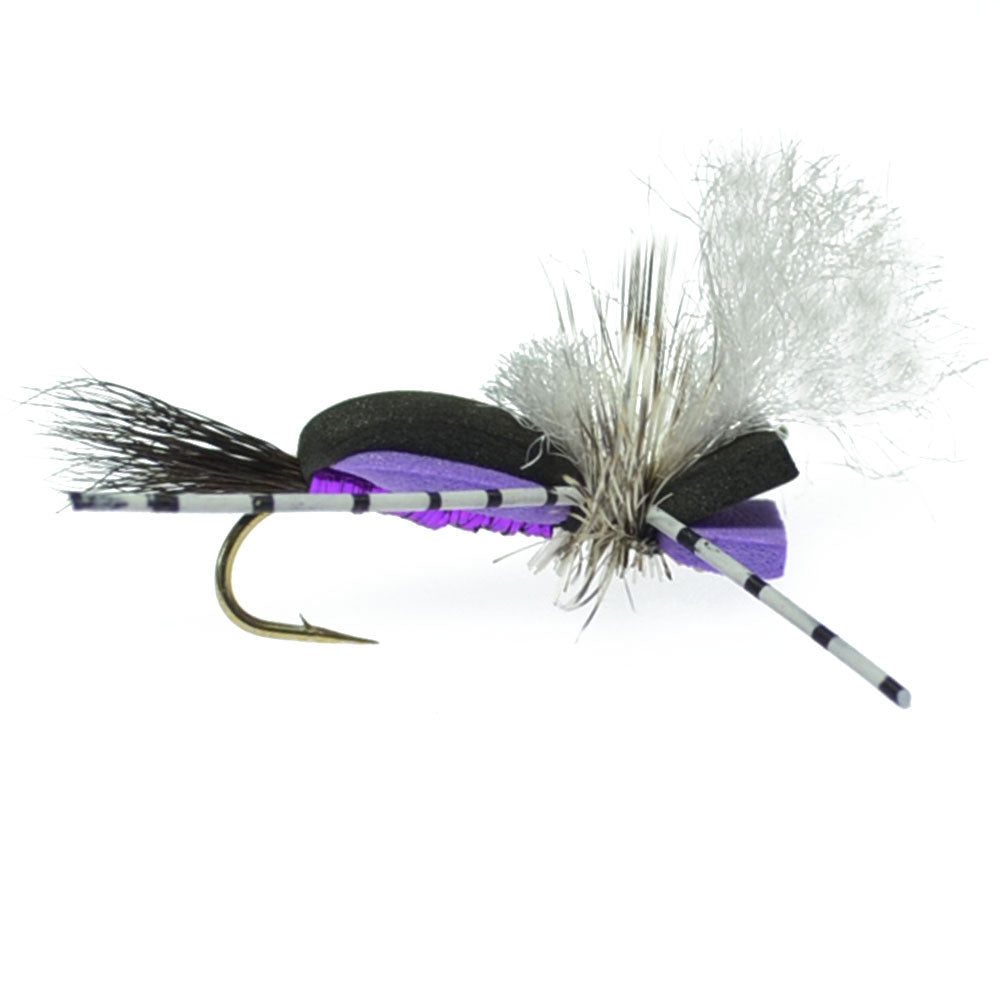
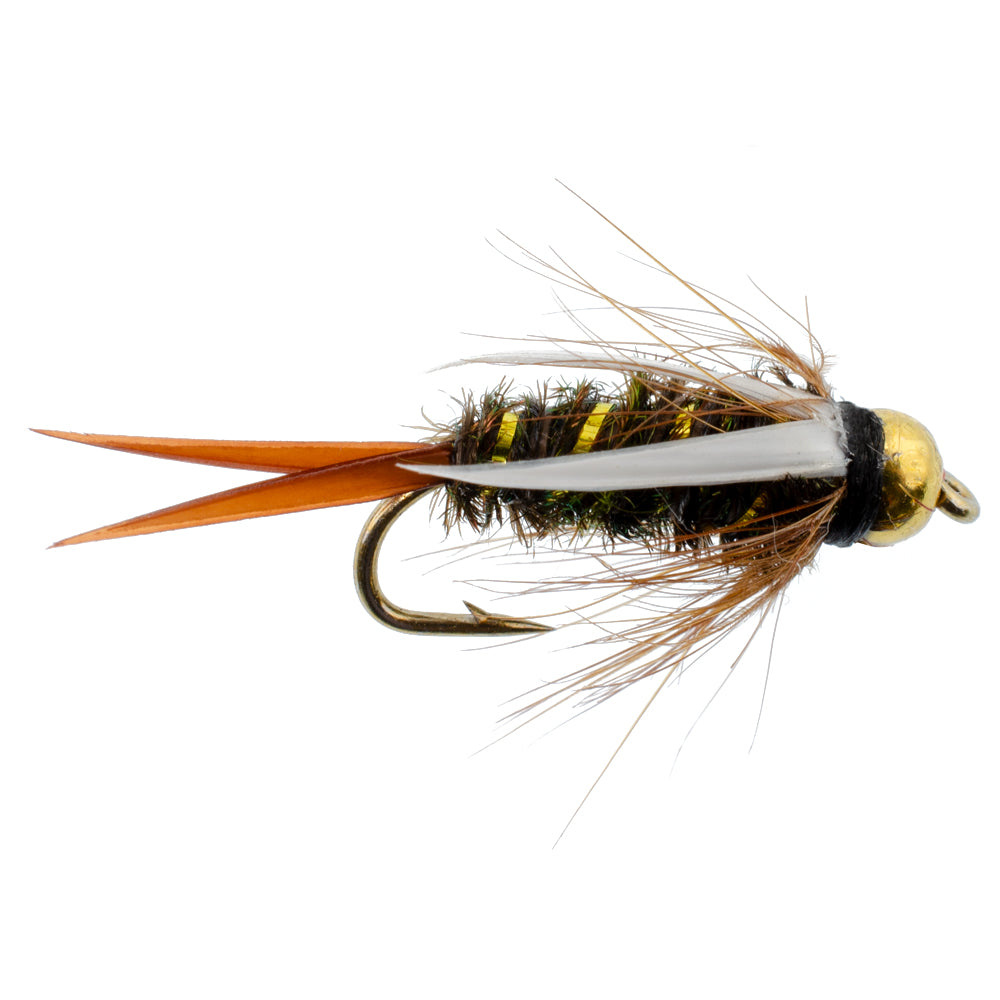
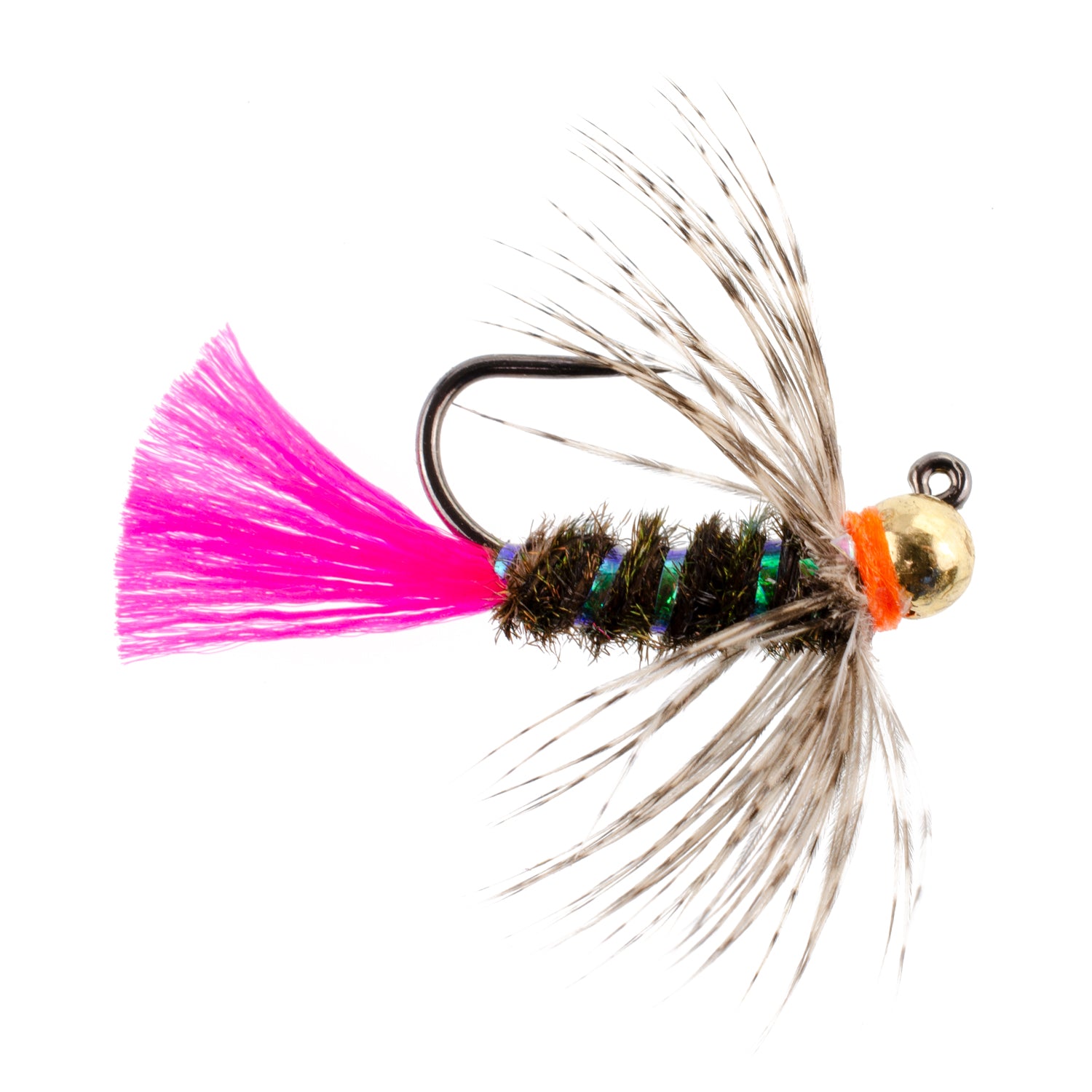
Shop by type: dry flies, nymphs, Euro nymphs, hoppers and terrestrials, streamers.
The two sections
Park stretch (Wyoming) - Yellowstone National Park
Slow meadow water in the upper park, flowing through open flats near the Yellowstone Lake plateau before entering the canyon at the Montana border. Mostly Yellowstone cutthroat with some rainbow. Backcountry access; the upper reaches require significant hiking. Hatches run two to three weeks behind the canyon below. A Yellowstone National Park fishing permit is required - no Montana fishing license applies here.
Canyon and valley (Montana) - West Yellowstone to Bozeman
The primary fishery. Fast, rocky canyon water from the park boundary through Big Sky and down to Manhattan. Wild rainbows and brown trout, good road access along US-191, and one of the most productive freestone hatch calendars in Montana. The canyon narrows dramatically below Big Sky - steep walls, pocket water, and fast riffles. Below Bozeman the river slows and warms; best early season and fall.
Year at a glance
| Month | Primary hatches | Also carry | Typical sizes |
|---|---|---|---|
| Jan | Midges | BWO on mild days, stonefly nymphs | Midge 18-22 |
| Feb | Midges, BWO | Small dark stonefly nymphs | Midge 18-22, BWO 16-20 |
| Mar | BWO, Skwala, midges | Streamers | BWO 16-20, Skwala 8-12 |
| Apr | BWO, Skwala, March brown | Early caddis, streamers | BWO 12-18, Skwala 8-12 |
| May | Caddis, BWO, stonefly nymphs | Runoff builds mid-month | Caddis 14-16, BWO 16-20 |
| Jun | Salmonfly, golden stone, caddis | PMD late month | Stone 4-10, caddis 14-16 |
| Jul | PMD, caddis, yellow sally | Hoppers start, monitor temps | PMD 16-18, hopper 8-12 |
| Aug | Hoppers, caddis, ants | Late PMD, beetles - monitor temps | Hopper 8-12, ant 14-16 |
| Sep | Hoppers, BWO, mahogany dun | Streamers for pre-spawn browns | BWO 16-20, hopper 8-12 |
| Oct | BWO, mahogany dun, October caddis | Midges, streamers for browns | BWO 18-22, caddis 8-12 |
| Nov | BWO, midges | Streamers for post-spawn browns | BWO 18-22, midge 18-22 |
| Dec | Midges | Small nymphs, streamers | Midge 18-22 |
January - February
The canyon fishes year-round. January midge activity can be good on calm, mild afternoons in the lower canyon near Bozeman. The upper canyon near Big Sky is cold and often iced along the edges. Fish hold in the slower inside bends and deep tailouts. The park stretch is closed to fishing in winter. BWO increase on overcast February afternoons and the lower canyon and valley near Bozeman can produce good midday fishing on milder days.
- Midges - 18-22. Two-fly rig through the slow tailouts and inside bends. Small dark stonefly nymphs along the bottom in the faster runs.
- BWO - 16-20 on overcast February afternoons. Parachute and CDC emerger styles.
- Small nymphs subsurface for Baetis through both months.
March - April
BWO pick up as days lengthen and the Skwala stonefly begins on the lower canyon when water temperatures climb out of the low 40s - the Gallatin is one of the better early Skwala rivers in Montana. Streamer fishing for pre-runoff browns picks up through the canyon in March. April adds March brown and early caddis before runoff builds toward month's end - fish the first half of April. The park section opens to fishing on the Saturday of Memorial Day weekend.
- BWO - 16-20 on overcast afternoons through March and April. Parachute and CDC emerger styles.
- Skwala - 8-12 through March and into April. Rubber-leg nymph along the banks, Stimulator-style dry on warm afternoons on the lower canyon.
- Streamers - swung through the deeper runs for brown trout through March.
- April: March brown 12-18 on cloudy afternoons, early caddis 14-16 at dusk.
May - June
Caddis hatches can be excellent in early May before runoff peaks. The Gallatin canyon typically blows out mid-month with snowmelt from the Gallatin Range - the lower valley near Bozeman clears earlier than the canyon. The park stretch opens late May and is worth visiting for uncrowded cutthroat fishing once runoff settles. The salmonfly hatch is the signature event on the Gallatin. As flows drop and clear in mid-to-late June the hatch moves upstream through the canyon - the narrow canyon walls concentrate fish and the best dry-fly fishing often happens on the leading edge upstream of the main hatch. Golden stones follow and extend the big-bug window into early July.
- May: caddis - 14-16 early in the month. Stonefly nymphs 6-10 subsurface. BWO on overcast days when flows allow.
- June: salmonfly - 4-8 tight to the canyon walls and undercut banks. Fish the leading edge upstream of where adults are thickest.
- Golden stone - 6-10. Overlaps and follows the salmonfly. Drop a stone nymph below a large dry.
- Evening caddis - 14-16 throughout June.
- Late June: PMD - 16-18 in the riffles.
July - August
Classic summer dry-fly fishing in the canyon. PMDs in the morning, caddis evenings, hoppers building along the grass banks through July. The canyon sees heavy traffic - early morning is the best window for solitude and rising fish. The park stretch is at its best in July: uncrowded meadow water, willing cutthroat, and excellent caddis and PMD hatches. The Gallatin's fast canyon water stays cooler than valley rivers in August, but temperatures in the lower canyon can still reach stress levels in hot years - fish the upper canyon and park stretch for cooler conditions and fish early, release quickly.
- July: PMD - 16-18 mornings. Yellow sally 14-16 in the fast pocket water and riffles.
- Caddis - 14-16 evenings through July and August.
- Hoppers - 8-12 along the grass and sage banks from mid-July through August. Hopper-dropper with a small nymph covers both feeding lanes along the canyon walls.
- Ants and beetles in the foam lines midday. Late PMD on cool August mornings in the upper canyon.
September - October
One of the best months on the Gallatin. Hoppers hold through mid-September. Mahogany duns and olives arrive as nights cool. Brown trout in the canyon begin staging ahead of the spawn - the largest fish of the year move into feeding lanes and respond to dries and streamers. The park stretch closes at the end of October - fish it early in October while it's still open. Fall colors in the canyon and aggressive pre-spawn brown trout through October. Handle spawning fish carefully.
- Hoppers and ants through mid-September.
- BWO - 16-20 on overcast afternoons through September and October. Parachute and CDC emerger styles.
- Mahogany dun - 14-16 on gray afternoons through September and October.
- October caddis - 8-12 on warmer October afternoons.
- Streamers at first and last light through September and October for staging and pre-spawn browns in the deeper canyon holding water.
- Midges in the slow tailouts and pools through October.
November - December
Spawning winds down and cold mornings and short days settle in. BWO and midges in the warmest part of the November afternoon. Post-spawn browns hold in the deeper canyon runs and respond to streamers swung slowly through the slower water. December returns to the midge and nymph program - the lower canyon near Bozeman is the most accessible option in cold weather.
- BWO - 18-22 on mild overcast November afternoons. Parachute and CDC emerger styles.
- Midges - 18-22 throughout both months. Two-fly rig through the slow tailouts and inside bends.
- Streamers - in the deeper, slower canyon runs for post-spawn browns through November.
- Small nymphs through the holding lies.
A western dry and nymph assortment covers the core season. Add a salmonfly pattern for June, hoppers and terrestrials for summer, mahogany duns and October caddis for fall, and a streamer selection for the complete Gallatin experience - and don't overlook the park stretch in July for uncrowded cutthroat on small dries.