Gibbon River Yellowstone National Park Hatch Chart
Northwest Wyoming, inside Yellowstone National Park. The Gibbon River flows southwest from its headwaters near Grebe Lake through Norris Geyser Basin, across the open thermal meadows of Gibbon Meadows and Elk Park, over Gibbon Falls, and down a short forested canyon to Madison Junction where it meets the Firehole to form the Madison. Two rivers in one drainage - the upper geothermal meadow fishery above the falls and the cooler canyon stretch below.
In the 2026 pamphlet the Gibbon from the Grand Loop Road bridge at the Norris Campground entrance downstream to Madison Junction, including its tributaries, is open May 1 through October 31. Water above that bridge follows the general park season, the Saturday of Memorial Day weekend through October 31. Those opening and closing days are for the current pamphlet and may change yearly.
Below Gibbon Falls the river is fly fishing only. Above the falls, lead-free artificial flies or lures are legal. Hooks must be barbless parkwide. Rainbow and brown trout are catch-and-release on the lower Gibbon. Up to five brook trout may be kept there. Release all native fish. Hours are sunrise to sunset. Stay well clear of thermal features and bison. Confirm the current park fishing pamphlet before you go.
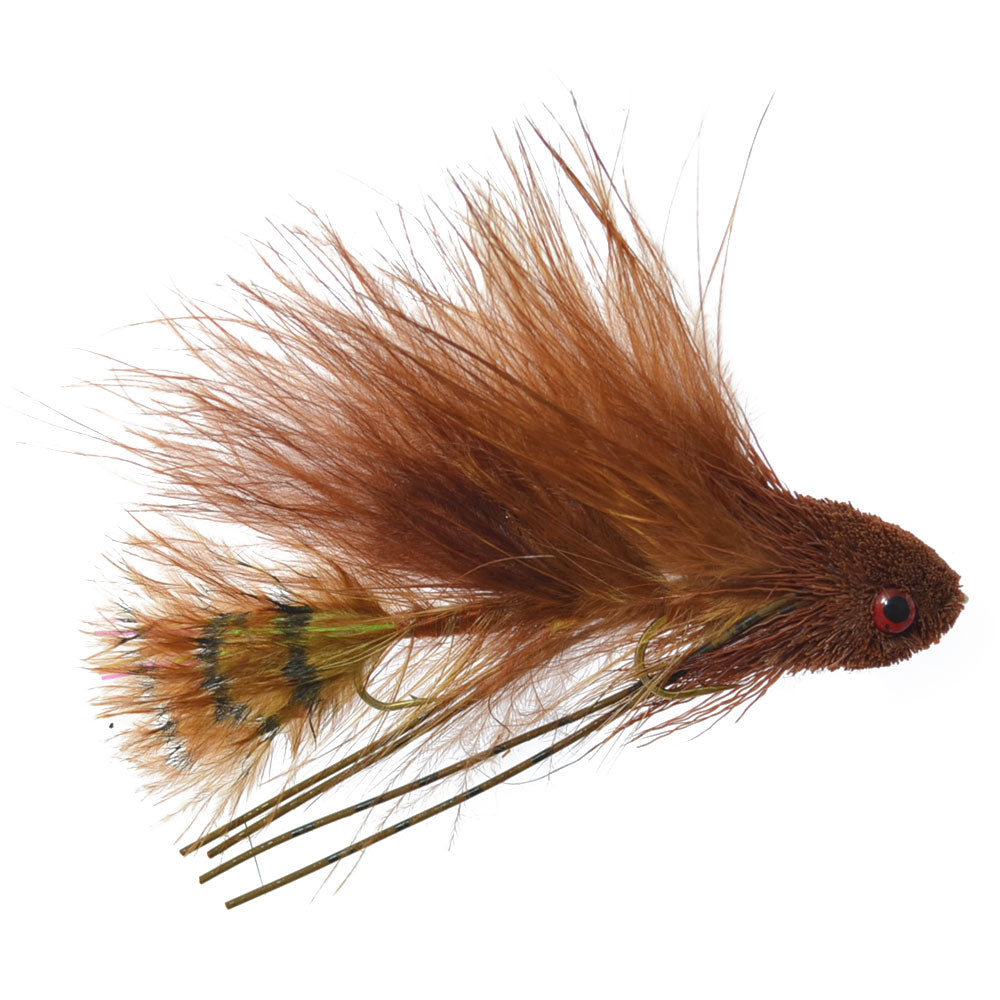
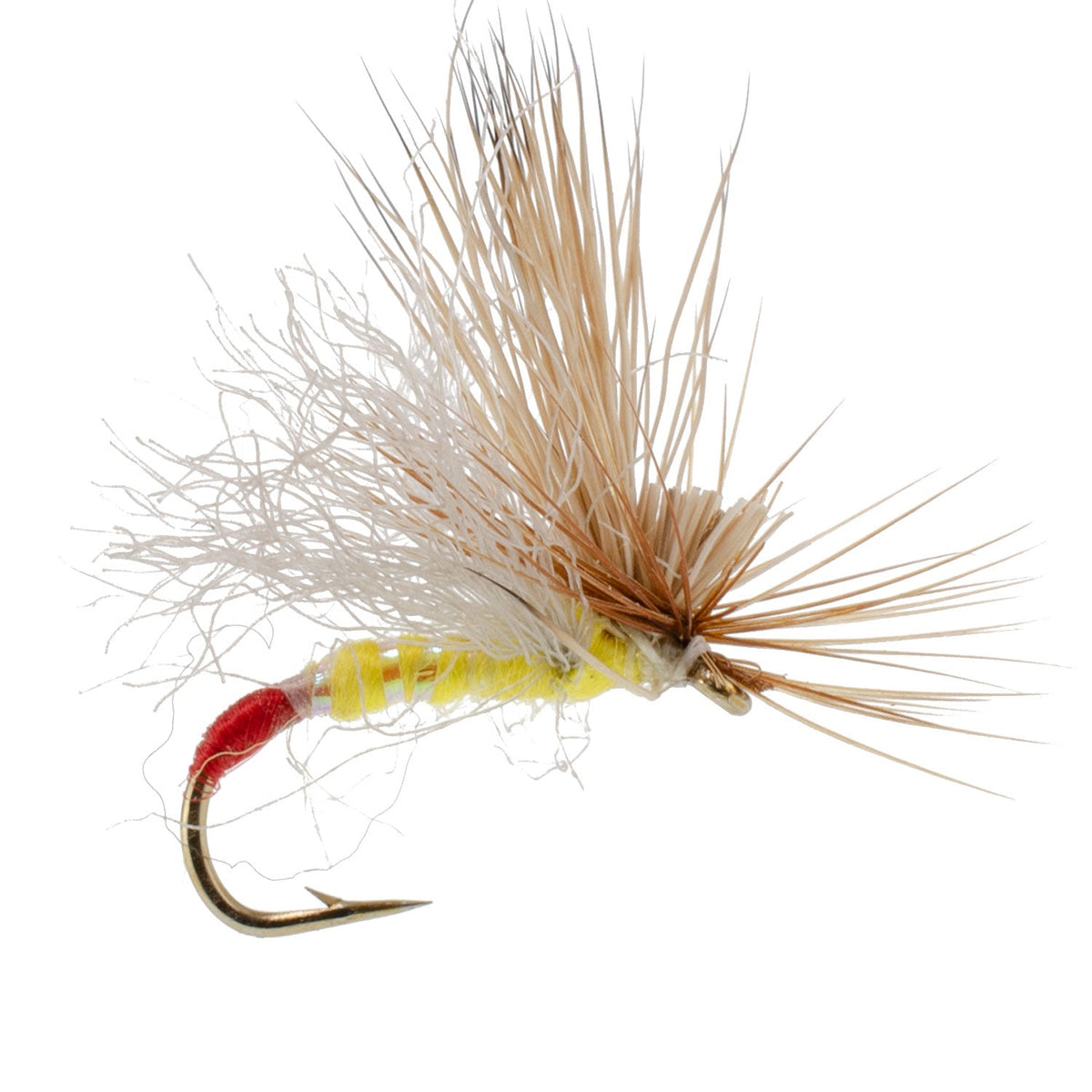
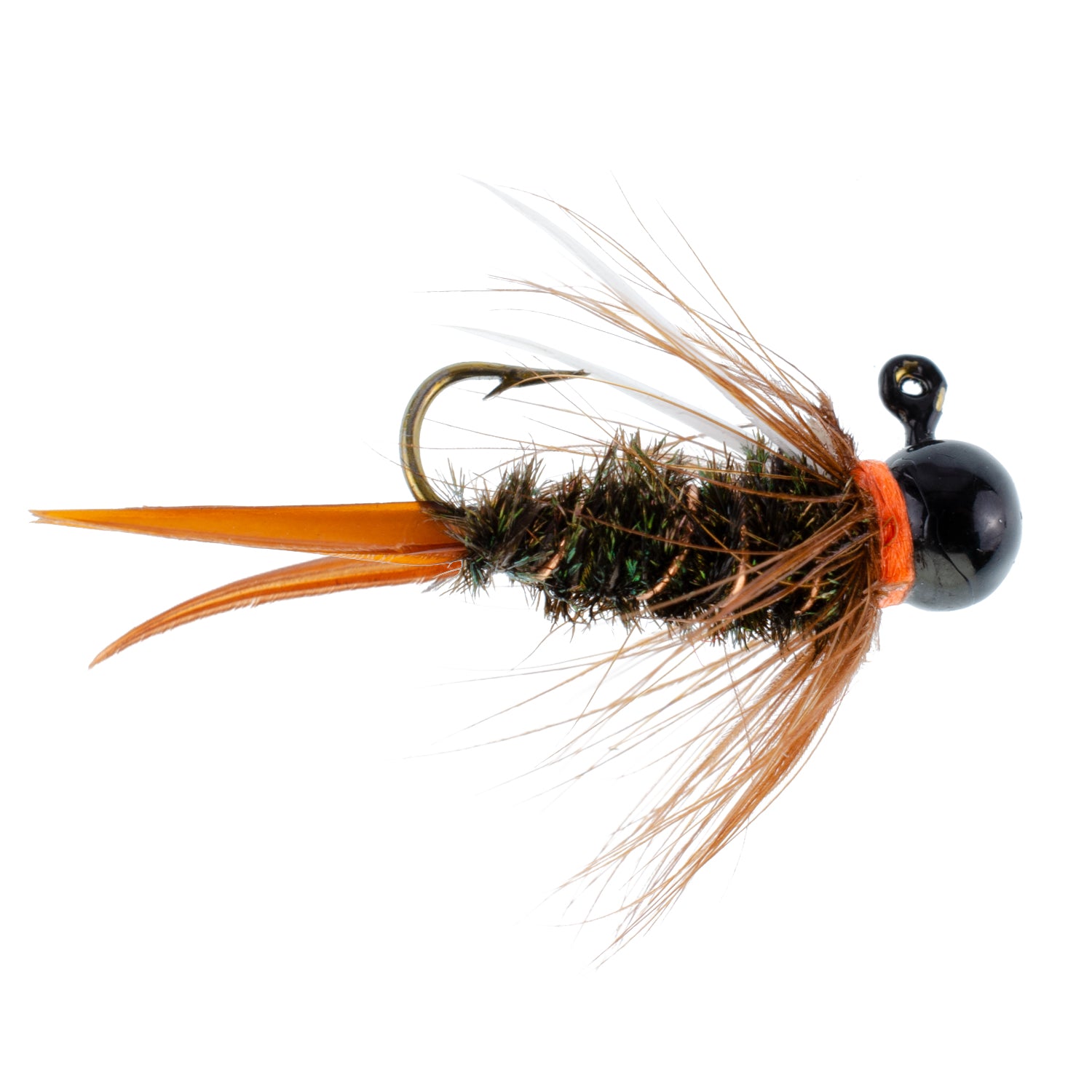
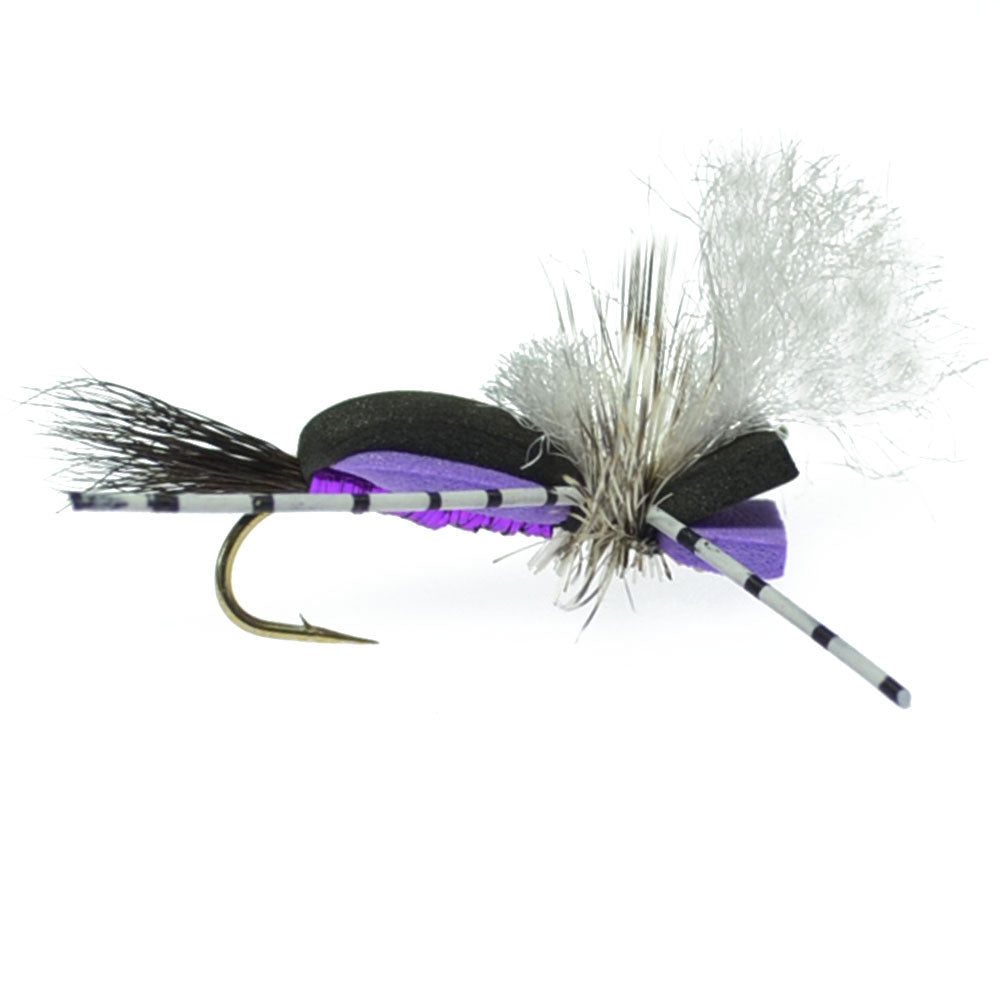
Shop by type: dry flies, nymphs, Euro nymphs, hoppers and terrestrials, streamers.
The river
Upper Gibbon - Norris Geyser Basin to Gibbon Falls
The upper Gibbon is a geothermal meadow river - warm, mineral-rich water flowing through open thermal flats at Norris, across the broad meadows of Elk Park, and through the willow-lined channels of Gibbon Meadows before reaching the falls. The geothermal influence keeps water temperatures elevated above what the elevation would suggest, accelerating hatch timing and creating a river character closer to the Firehole than to a standard high-elevation park stream. Brown trout dominate the meadow sections with rainbow trout present in the cooler upper reaches. Fish average 10-15 inches in the meadows with larger browns in the deeper willow channels and pools.
The upper Gibbon is a technical meadow fishery - slow, clear water with visible fish that require careful approach and accurate presentation. The wide-open Elk Park and Gibbon Meadows sections offer exceptional sight-fishing to rising trout on PMD and BWO hatches, but the same open character means fish are easily spooked. Long leaders, fine tippet, and careful wading or bank stalking produce far better results than a direct wade-up approach. This is some of the finest spring creek-style dry-fly fishing in the park on the right summer morning.
From the Norris Campground bridge downstream, Elk Park and Gibbon Meadows open May 1 under the current pamphlet. The river fishes as a geothermal meadow dry-fly stream: early olives and caddis in June, PMDs and caddis in July, hoppers along the meadow margins in August, and BWO hatches through September. The Norris basin sections above Elk Park fish differently - hotter water, fewer fish, and limited access due to thermal features. Focus on Elk Park and Gibbon Meadows.
Lower Gibbon - Gibbon Falls to Madison Junction
Below Gibbon Falls the river enters a forested canyon and the character changes completely. Cooler water temperatures away from the geothermal influence, pocket water and small pools in a tight tree-lined canyon, and a mix of brown and rainbow trout that receive far less pressure than the meadow sections above or the Madison below. This canyon is on the same May 1 opening as the meadows below Norris Campground. It offers early-season fishing in a setting most park visitors never reach.
The lower canyon's most significant event is the fall brown trout spawn. As September progresses into October, brown trout from Madison Junction move up into the lower Gibbon canyon to spawn - fish that have spent the summer feeding in the more productive Madison arrive in the canyon in pre-spawn condition, aggressive and territorial. The deeper pools and undercut banks of the lower canyon hold these fish and streamer fishing at first and last light can produce the largest browns of the year in this section of the park. The lower canyon in October with spawning browns, fall color, and minimal other anglers is the most underappreciated fall fishing window on the Wyoming park rivers. Handle fish carefully and minimize time out of water during the spawn.
Year at a glance - upper Gibbon (meadow sections)
| Month | Primary hatches | Also carry | Typical sizes |
|---|---|---|---|
| Jan - Jun | Upper Gibbon closed July 1 opener - lower canyon open late May | - | |
| Jul | PMD, caddis, callibaetis | Yellow sally, ants, hoppers start | PMD 16-18, caddis 14-16 |
| Aug | Hoppers, PMD, caddis | Ants, beetles, callibaetis | Hopper 8-12, PMD 16-18 |
| Sep | BWO, hoppers, caddis | Mahogany dun, streamers (lower canyon) | BWO 16-20, hopper 8-12 |
| Oct | BWO, midges | Streamers (lower canyon spawn), mahogany dun | BWO 18-22, midge 20-24 |
| Nov+ | Closed to fishing inside the park | - | |
Late May - June: lower canyon only
The lower Gibbon canyon below the falls opens with the general park season on the Saturday of Memorial Day weekend (This may vary - check current YNP dates) - the upper meadow sections remain closed until July 1. The canyon is cool, shaded, and fishable while the upper river is still in its pre-spawn closure. Early season caddis and BWO on the lower canyon water with minimal competition - most park anglers don't know this section opens early or how to access it. Fish the deeper pools and runs in the canyon with nymphs and early dry-fly patterns. Check road and trail access before making the drive.
- BWO - 16-20 on overcast afternoons in the canyon. Parachute and CDC emerger styles.
- Caddis - 14-16 evenings as flows stabilize through June.
- Stonefly nymphs subsurface in the faster canyon runs - 8-12.
- No fishing within 100 yards of Gibbon Falls from either section.
July - August
The upper Gibbon opens July 1 and the meadow dry-fly season begins. PMDs are the first strong hatch on the upper river - morning hatches on the Elk Park and Gibbon Meadows flats with visible rising fish in the slow channels. Callibaetis on the broader, slower water. Caddis evenings. Hoppers begin along the meadow margins by mid-July and build through August - the Gibbon Meadows section with open grassy banks concentrates grasshoppers and the browns respond. The upper Gibbon in August with hopper fishing in a geothermal meadow setting and bison on the flats is one of the most distinctive dry-fly experiences in the park. Approach carefully - the open meadow gives fish a long view of approaching anglers. The lower canyon continues to fish through both months with less pressure than the meadow sections.
- Upper: PMD - 16-18 mornings on the meadow flats from July 1 through both months. Approach low and present carefully to visible rising fish.
- Callibaetis - 14-16 on the slower flatter meadow water through both months.
- Caddis - 14-16 evenings through both months.
- Yellow sally - 14-16 in the faster upper reaches through July.
- Hoppers - 8-12 along the meadow margins from mid-July through August. Low profile presentations to bank-feeding browns.
- Ants and beetles midday through both months.
- Lower canyon: nymphs and dries in the pools and pocket water throughout.
September - October
September is the finest month on the upper Gibbon. Crowds drop sharply after Labor Day, BWO return strongly on the meadow sections, hoppers continue through mid-month, and the geothermal flats are spectacular in the cool fall air. The combination of hopper mornings, BWO afternoons, and mahogany dun evenings with bison on the meadow and almost no other anglers is what the upper Gibbon is all about. In the lower canyon, the fall brown trout spawn begins in earnest through September into October - fish moving up from Madison Junction into the canyon pools are pre-spawn aggressive and streamer fishing at first and last light produces the largest browns of the year in this drainage. October closes the upper meadow season with the finest BWO hatches of the year. The season closes October 31.
- Hoppers through mid-September - 8-12 along the meadow margins.
- BWO - 16-20 on overcast afternoons through September and October on the meadow sections. Parachute and CDC emerger styles.
- Mahogany dun - 14-16 on overcast afternoons through September and October.
- Caddis evenings through September - 14-16.
- Lower canyon: streamers at first and last light for pre-spawn and spawning brown trout through September and into October. Olive, black, and brown patterns in the deeper pools and undercut banks. Handle fish carefully during the spawn.
- October: midges 20-24 reasserting on the upper meadow sections. BWO continues as the primary dry-fly hatch through season close.
A western dry and nymph assortment covers the core upper Gibbon season. Add hoppers and terrestrials for the meadow margins in August and September, and a streamer selection for the lower canyon fall spawn. The Gibbon is one of the most undervisited quality trout fisheries in Yellowstone - the upper meadow sections offer genuine spring creek-style dry-fly fishing in a geothermal setting unlike anything else in the park, and the lower canyon fall spawn gives the committed angler a reason to be in Wyoming in October.