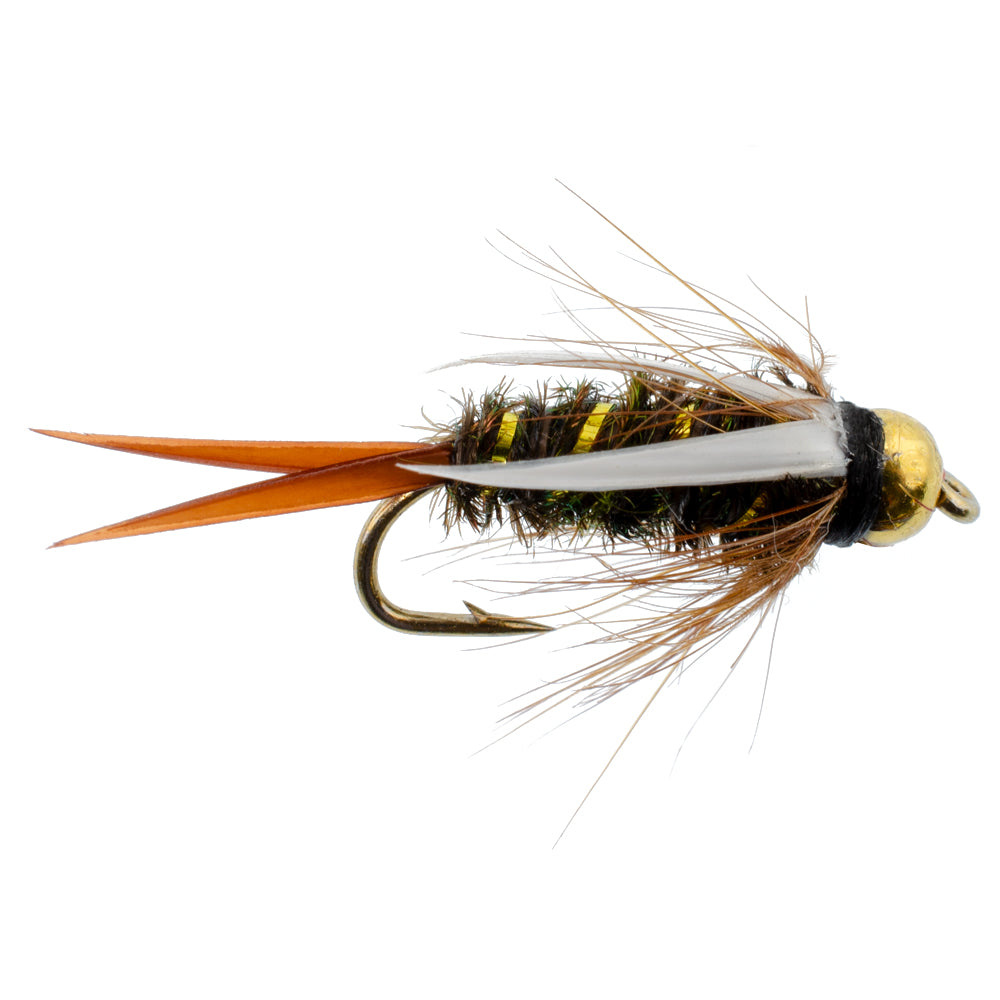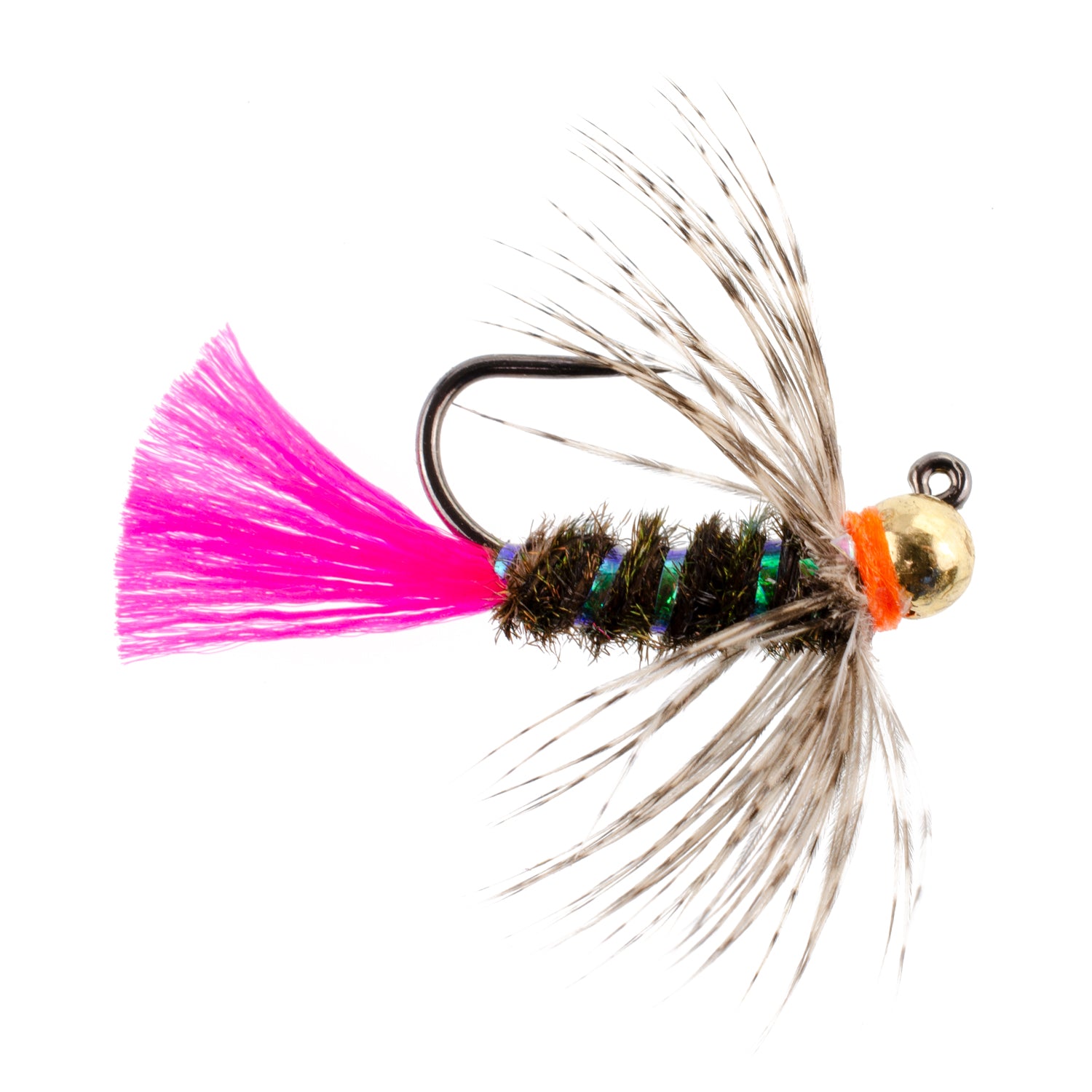
Grande Ronde River Oregon and Washington Hatch Chart
Northeast Oregon and southeast Washington. The Grande Ronde rises in the Blue Mountains near Anthony Lakes, flows through Hilgard and the Grande Ronde Valley at La Grande and Elgin, then cuts a long basalt canyon to the Snake River in Asotin County, Washington. The Wallowa River joins at Rondowa. That is a different river. The Grande Ronde is three fisheries: wild and hatchery trout in the upper and middle water, summer steelhead in the canyon below the Wallowa confluence, and smallmouth in the warmest lower miles. The upper river through Union County is the quiet trout water. The canyon below Troy is the steelhead water most people mean.

Check current Oregon and Washington rules before you go. The river crosses the state line below Troy. You need the license for the state you are standing in.
Oregon, state line to Clark Creek Road at Elgin: open all year for trout. Limit is 5 hatchery rainbow trout per day. Wild rainbow trout must be released. Hatchery steelhead are open January 1 through April 30 and September 1 through December 31. Coho are open September 1 through November 30. Bait is allowed.
Oregon, Clark Creek Road to the upstream end of Hilgard State Park: open all year for trout. Same hatchery steelhead dates.
Above Hilgard, use Northeast Zone stream seasons unless an exception says otherwise.
Wild steelhead must be released in both states. Keep only adipose-clipped hatchery steelhead when that season is open. An Oregon Combined Angling Tag is required to fish for steelhead or salmon in Oregon. Confirm current WDFW rules for the Washington miles. Seasons change in low-return years.
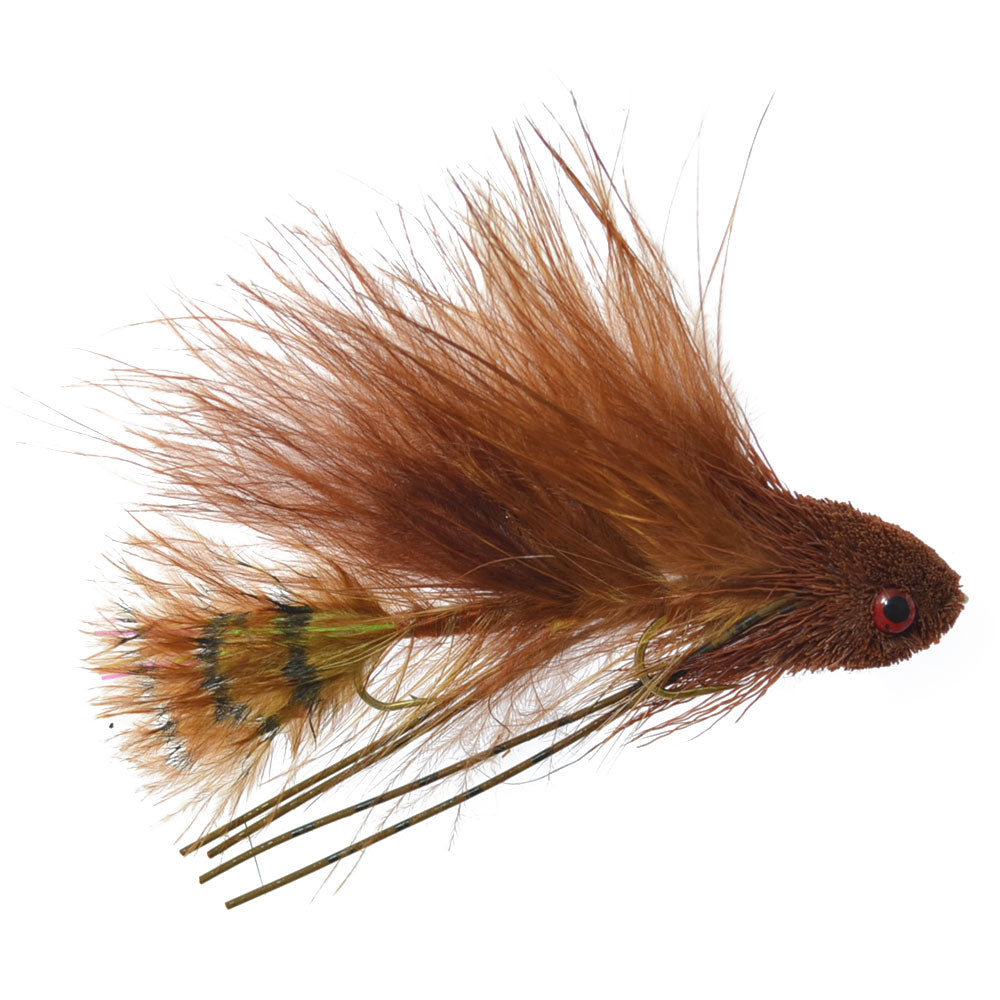
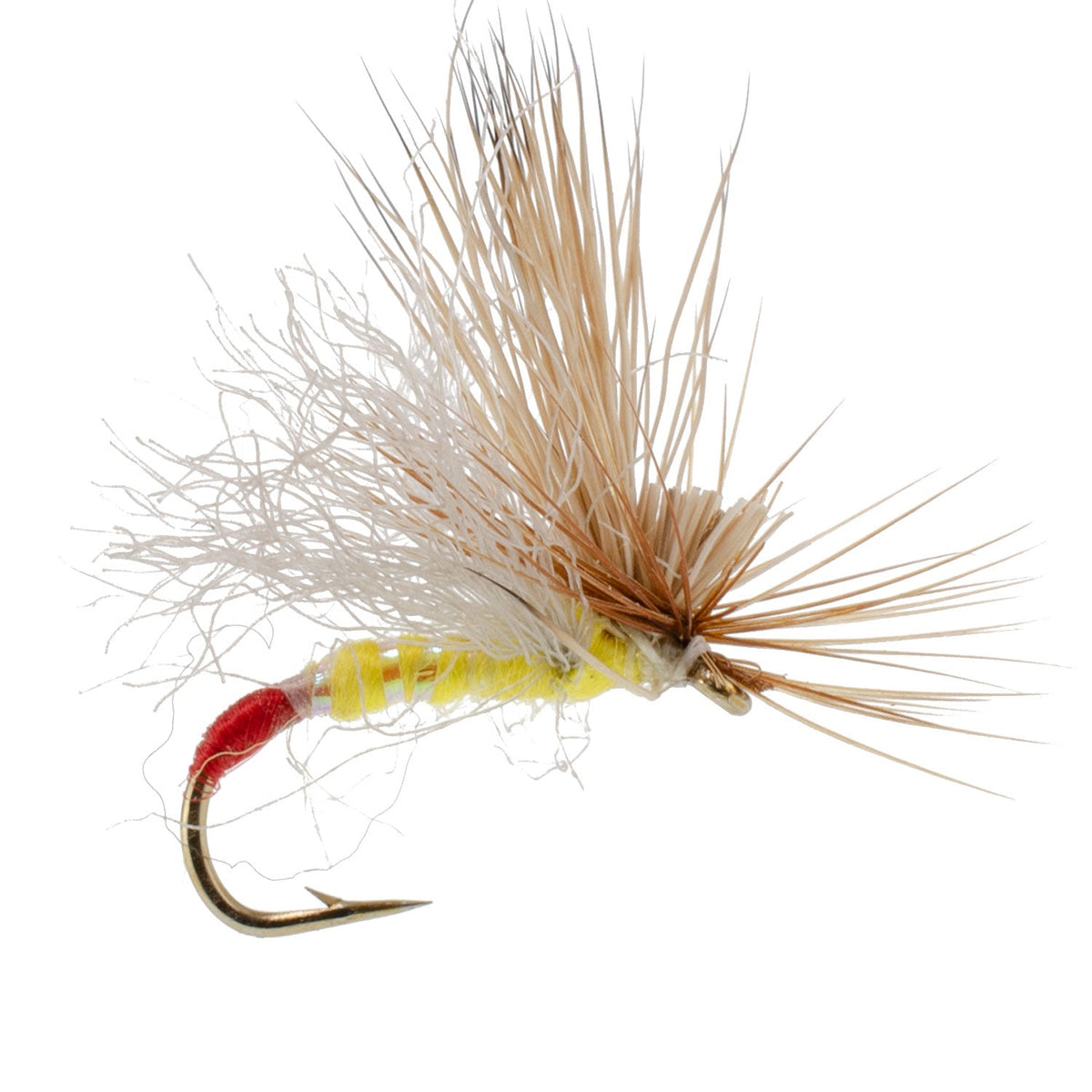
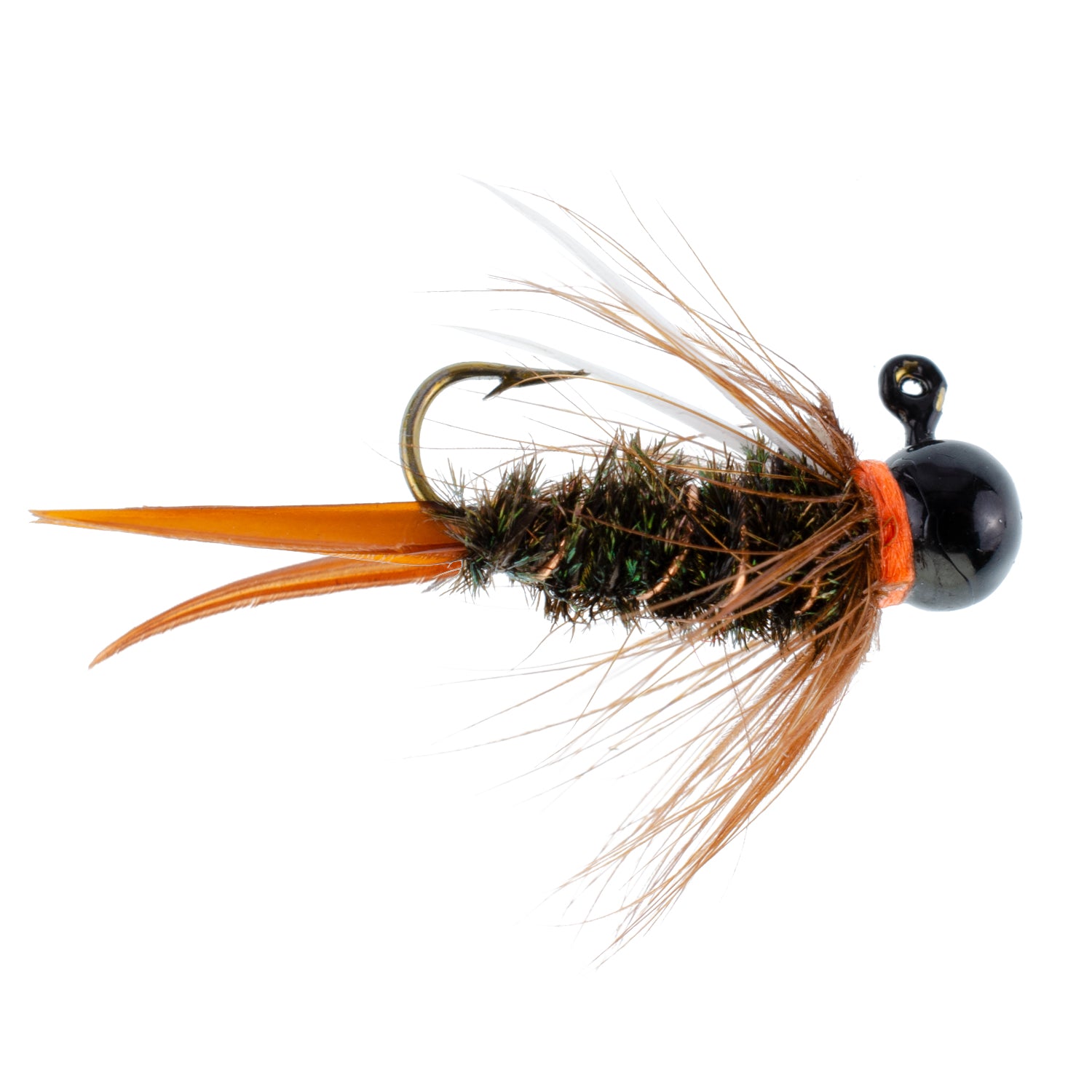
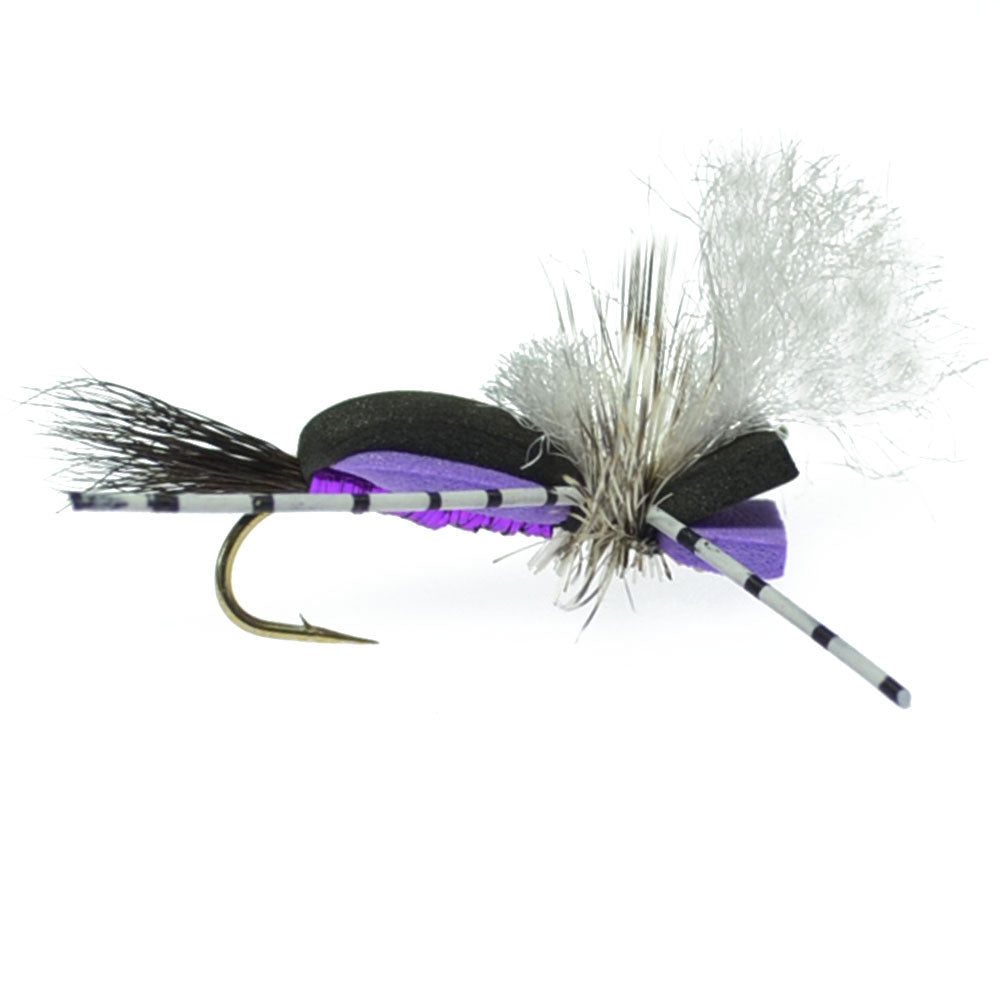
Shop by type: dry flies, nymphs, Euro nymphs, hoppers and terrestrials, streamers.
The river
The upper river from the Blue Mountain headwaters through Hilgard, La Grande, and the valley toward Elgin is the main resident trout water. It is cooler in summer than the lower canyon and gets less steelhead traffic. Redbands average 10-14 inches, with larger fish in the deeper pools and undercuts. Hatchery rainbows are also in the Elgin-to-state-line water and are the only rainbows you may keep there. This is willing dry-fly water after June runoff drops, not a spring-creek puzzle.
Below the Wallowa confluence the river becomes the canyon fishery. Summer steelhead reach the lower Grande Ronde in early fall. A few fish show in late August. September starts the push. October is the classic month for fresh fish and for skating a dry when the water is low and clear. Fish hold through winter and move toward the Wallowa and other tributaries by late winter. The roadless water from Rondowa toward Troy is the wild-and-scenic float. Bank access improves at Troy and on the Washington side.
The lower canyon also holds smallmouth bass in the warmest sections through the summer months - an often-overlooked fishery that produces aggressive fish on streamers and poppers when the trout are pushed to the deeper, cooler pools by summer heat. The Grande Ronde is a river worth understanding section by section - the upper trout water, the middle canyon transition, and the lower steelhead canyon each reward different approaches, different timing, and different fly selections.
Year at a glance - upper and middle river trout
| Month | Primary hatches | Also carry | Typical sizes |
|---|---|---|---|
| Jan-May | Upper river slow to inaccessible - lower canyon steelhead primary fishery | Midge 18-22 | |
| Jun | Golden stone, light salmonfly, PMD | Caddis, yellow sally | Stone 6-10, PMD 16-18 |
| Jul | PMD, caddis, yellow sally | Hoppers start, smallmouth lower river | PMD 16-18, caddis 14-16 |
| Aug | Hoppers, caddis, ants | Late PMD, beetles, first steelhead | Hopper 8-12, caddis 14-16 |
| Sep | Hoppers, BWO, October caddis | Steelhead arrive, mahogany dun | Hopper 8-12, BWO 16-20 |
| Oct | October caddis, BWO | Steelhead peak, midges | Oct caddis 8-12, BWO 18-22 |
| Nov-Dec | Trout fishing slow - lower canyon steelhead primary fishery | Midge 18-22 | |
January - April
The upper Grande Ronde through the Wallowa Valley is slow to inaccessible through the winter and early spring - snowpack in the Wallowas keeps the upper drainage cold and the river high and often off-color through April runoff. The lower canyon below Troy is the primary fishery through this period, with steelhead holding in the deep pools and runs through March before beginning to push into tributaries. Midges and BWO on the lower sections on mild days, with stonefly nymphs and streamers the primary steelhead tools. Skwala stoneflies begin on the lower canyon in late March on warm afternoons - the first significant dry-fly opportunity of the year on the lower river. April runoff can color the entire system - fish the edges and any clear seam you can find.
- Midges - 18-22. Subsurface in the deeper slower pools on the lower canyon sections.
- BWO - 16-20 on overcast afternoons through February, March, and April. Parachute and CDC emerger styles.
- Late March: Skwala - 8-12 on warm lower canyon afternoons. Rubber-leg dry along the canyon walls; Skwala nymph subsurface all day.
- Steelhead through March: streamers and heavy stonefly nymphs in the deeper lower canyon pools and runs.
May - June
May is the transition month - caddis and stonefly nymphs build on the lower river as flows begin to drop from peak runoff, but the upper river remains high and off-color through most of the month. June is the trout month most Grande Ronde anglers plan around. As the river drops and clears through June, the golden stone hatch arrives on the upper and middle canyon sections - the signature trout event on this river and one of the better golden stone hatches in northeast Oregon. Golden Stone are present in sections of the upper canyon in June. PMDs begin in the riffles. Evening caddis build through the month. June on the upper Grande Ronde after the river clears is as good as dry-fly trout fishing gets in eastern Oregon - remote canyon, willing wild redbands, and hatches that overlap and keep fish looking up throughout the day.
- May: caddis - 14-16 building on the lower river. Stonefly nymphs 6-10 subsurface throughout.
- June: golden stone - 6-10. The signature Grande Ronde trout hatch. Large stone dry tight to the canyon walls; golden stone nymph as a dropper.
- Salmonfly - 4-8 in the upper canyon sections in June where present.
- PMD - 16-18 in the riffles through June. Parachute and CDC emerger styles.
- Caddis - 14-16 evenings throughout June on both upper and lower sections.
July - August
Reliable dry-fly trout water on the upper and middle river through July and August - PMDs in the morning, yellow sallies in the fast riffles, caddis in the evenings, and hoppers building along the canyon walls and grass margins from mid-July through August. The lower canyon can get low and warm through summer midday - smallmouth bass show in the warmest lower sections and are worth targeting on streamers and poppers. Hoppers peak in August and the Grande Ronde is excellent terrestrial water - wild redbands respond aggressively to a well-placed hopper along the undercut banks. A few early steelhead can show in the lower canyon in late August. Fish the upper canyon through summer heat for the coolest water and most active trout.
- July: PMD - 16-18 mornings. Yellow sally - 14-16 in the fast riffles. Caddis - 14-16 evenings.
- July lower river: smallmouth bass on streamers and poppers in the warmest sections.
- Hoppers - 8-12 along the canyon walls and grass margins mid-July through August. Hopper-dropper with a small nymph is the standard rig.
- August: ants and beetles midday along the banks - 14-16.
- Late August: caddis evenings continuing; late PMD on cool upper canyon mornings.
- Late August: first steelhead possible in the lower canyon - begin swinging streamers.
September - October
The finest period on the Grande Ronde - trout and steelhead overlap in one of the most satisfying mixed fisheries in the Pacific Northwest. September brings hoppers through mid-month, BWO returning with the cooling temperatures, October caddis beginning on the lower canyon, and the first significant steelhead push into the river from the Columbia. October is the peak month for the Grande Ronde steelhead fishery - fresh fish in low, clear water, October caddis and BWO for trout on the upper and middle canyon, and the possibility of skating a dry fly to a summer steelhead at first or last light in the lower canyon. The combination of October caddis for trout and waking flies for steelhead on the same stretch of river is one of the defining experiences of Pacific Northwest fall fly fishing.
- Hoppers through mid-September - 8-12 along the canyon margins.
- BWO - 16-20 on overcast afternoons through September and October. The dominant fall trout hatch.
- October caddis - 8-12. Large orange patterns from September through October. Aggressive takes from both trout and steelhead on the lower canyon.
- Mahogany dun - 14-16 on overcast afternoons in September and October.
- September steelhead: swing streamers through the lower canyon pools. Keep a waking or skating dry for low, clear evenings.
- October steelhead peak: skate a dry at first and last light; swing a streamer or heavy nymph through the day.
November - December
Short days and cold canyon water. Steelhead still hold in the lower canyon through November and into December when the season is open and water conditions allow - high, dirty water from winter storms shuts the canyon down quickly. BWO and midges for trout on mild days but the upper river is largely off-season through November and December. The lower canyon is the primary fishery through this period for the dedicated steelhead angler willing to work through the cold and variable conditions of a Pacific Northwest canyon river in late fall and early winter.
- BWO - 16-20 on overcast afternoons through November. Parachute and CDC emerger styles.
- Midges - 18-22 in the slower pools and tailouts throughout.
- Steelhead: streamers and heavy stonefly nymphs in the deeper lower canyon pools. The primary fishery through both months when conditions allow.
A western dry and nymph assortment covers the core trout season - add golden stone patterns in sizes 6-10 for June, a strong hopper selection for August and September, and October caddis in sizes 8-12 for fall. Add streamers for the lower canyon steelhead fishery and a skating or waking dry for the October low-water opportunity. The Grande Ronde rewards the angler who understands which section of the river they are fishing and what it demands - upper trout water in summer, lower canyon steelhead in fall, and the overlap window in September and October when both fisheries are at their best simultaneously.