Green River Utah Hatch Chart
Northeastern Utah, below Flaming Gorge Dam near Dutch John. The Green River is one of the premier tailwater fisheries in the American West - a cold, clear, nutrient-rich river flowing through the high desert canyon country of the Uinta Mountains before crossing into Colorado. Flaming Gorge Dam creates ideal year-round trout habitat with stable temperatures and exceptional water clarity. The result is trophy-class brown and rainbow trout in extraordinary numbers, with fish averaging 15-20 inches and specimens over 24 inches present throughout the system.
Check current Utah Division of Wildlife Resources regulations before you go. From Flaming Gorge Dam down to the Colorado line in Browns Park, including Gorge Creek at Little Hole: artificial flies and lures only. Limit three trout, two under 15 inches and one over 22 inches - release every trout from 15 to 22 inches. No fishing from a boat with a motor. Kill any burbot, northern pike, smallmouth bass, or walleye you catch. The river is in the Flaming Gorge National Recreation Area. A Utah fishing license is required.
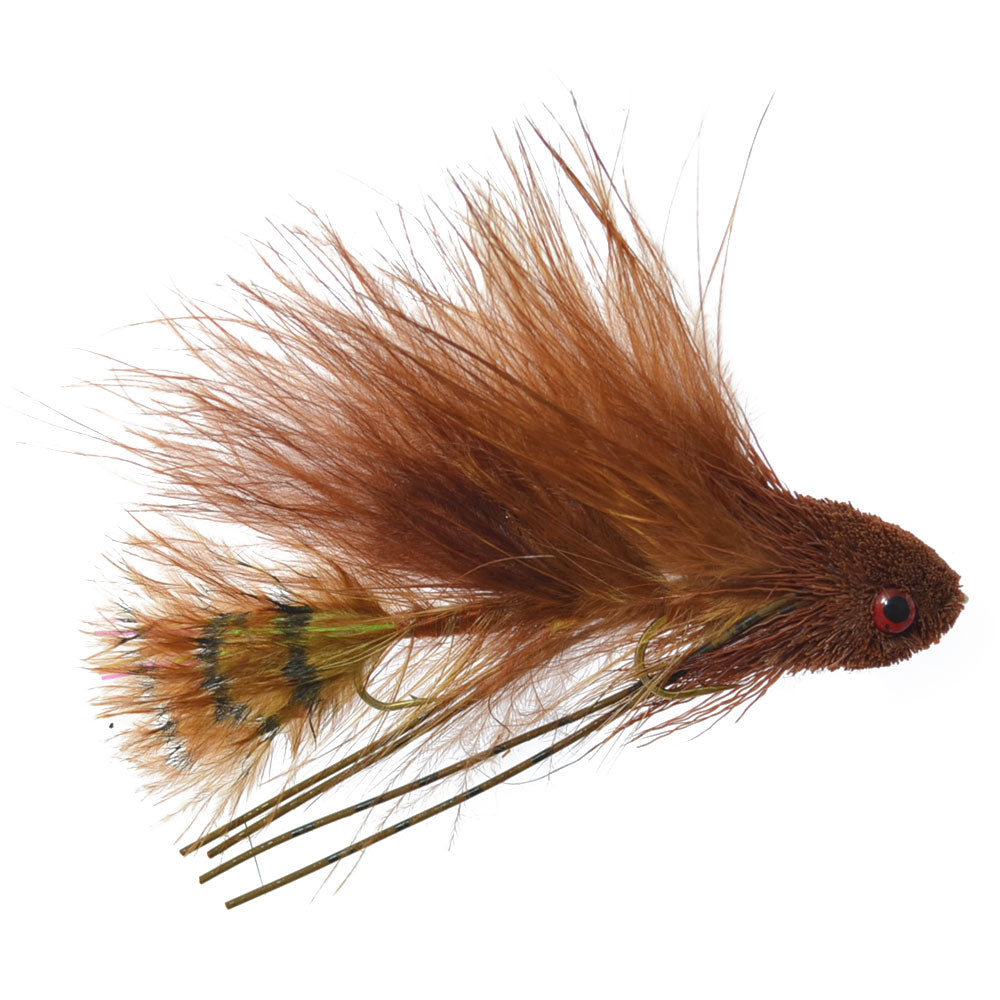
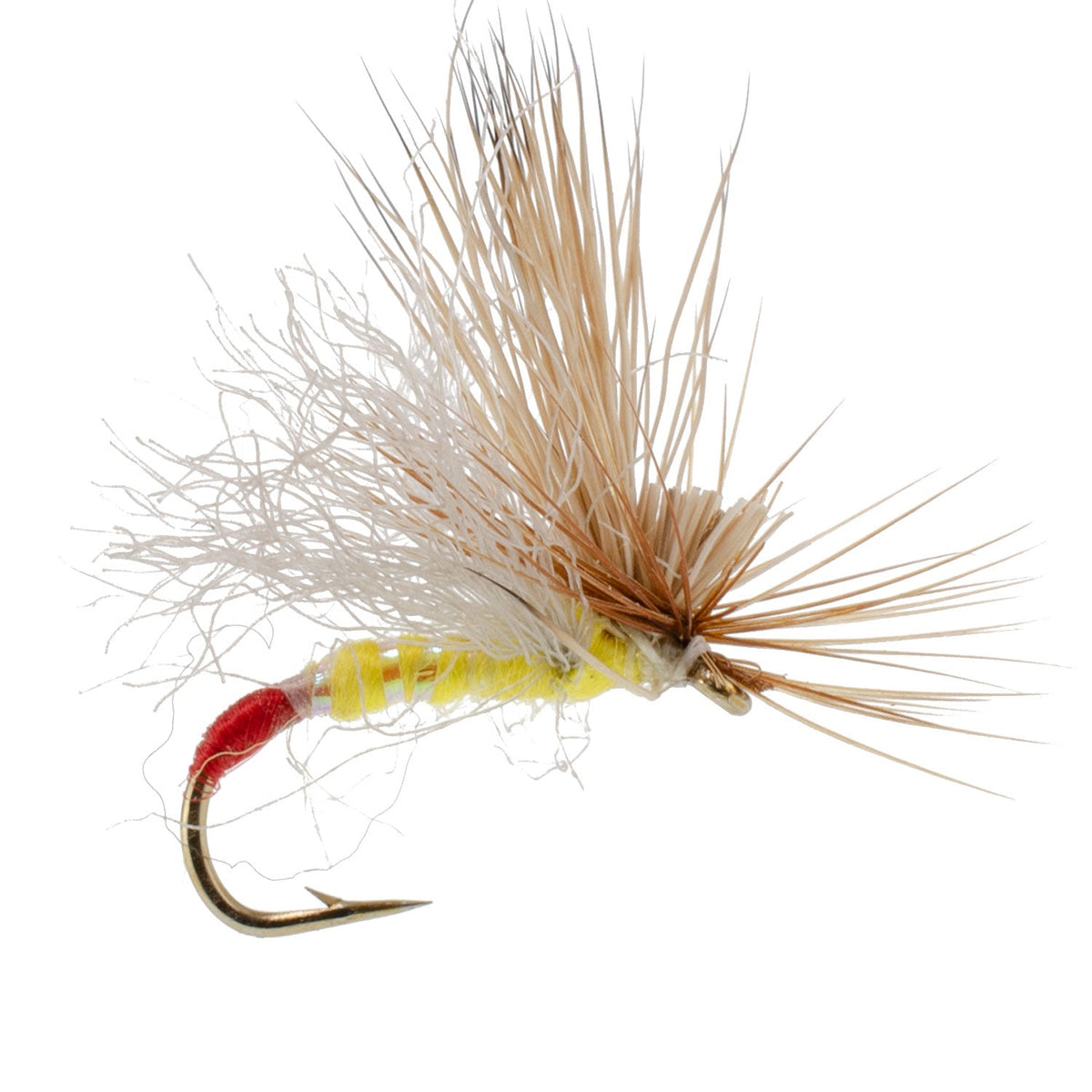
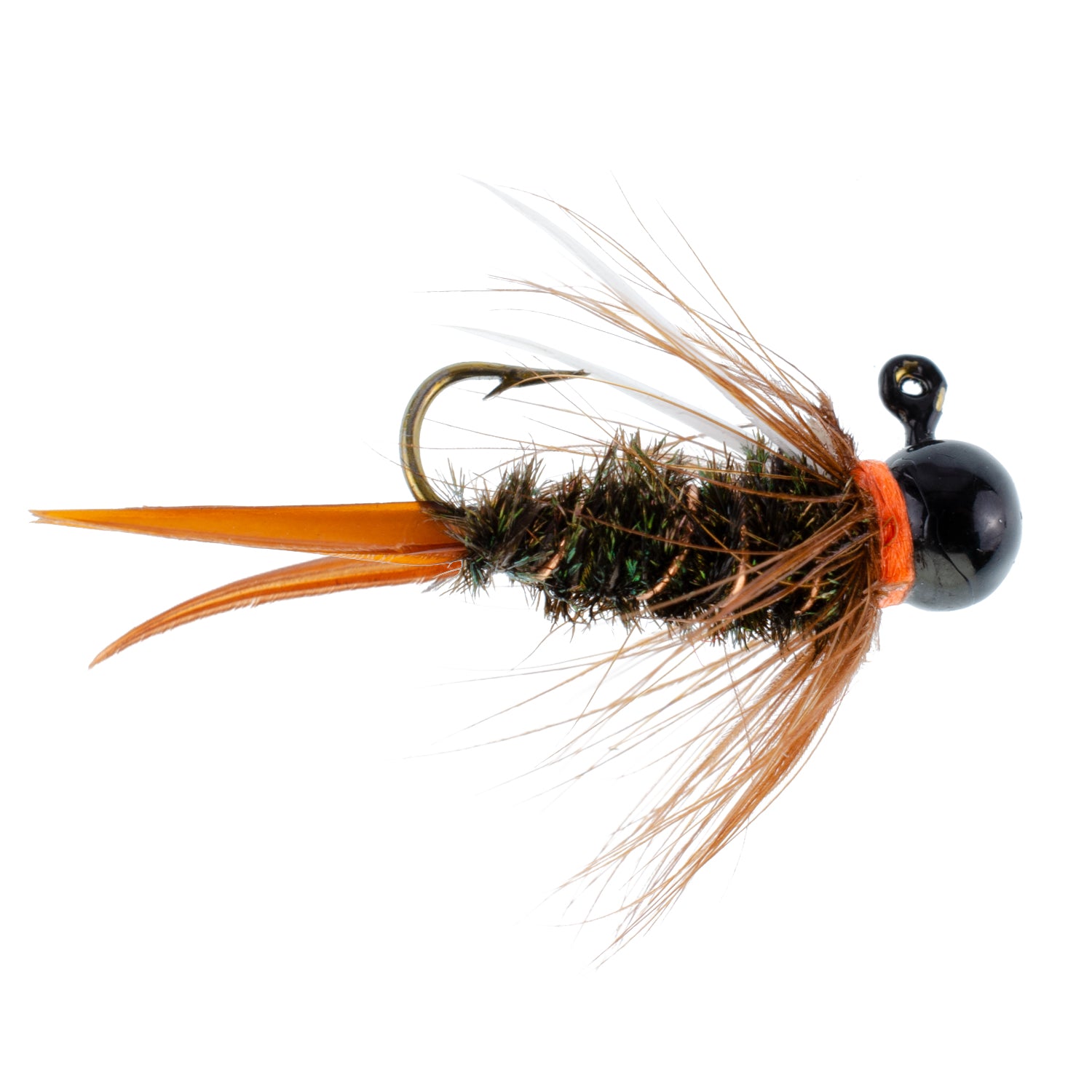
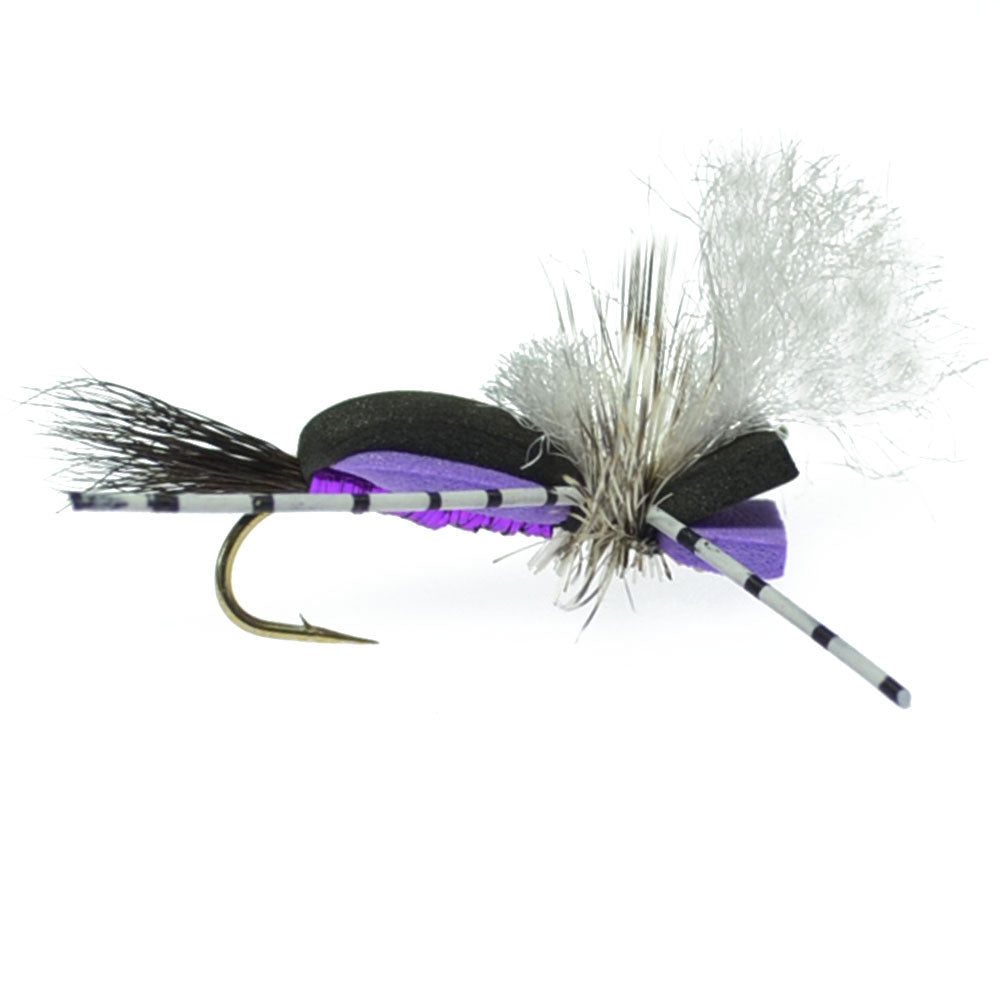
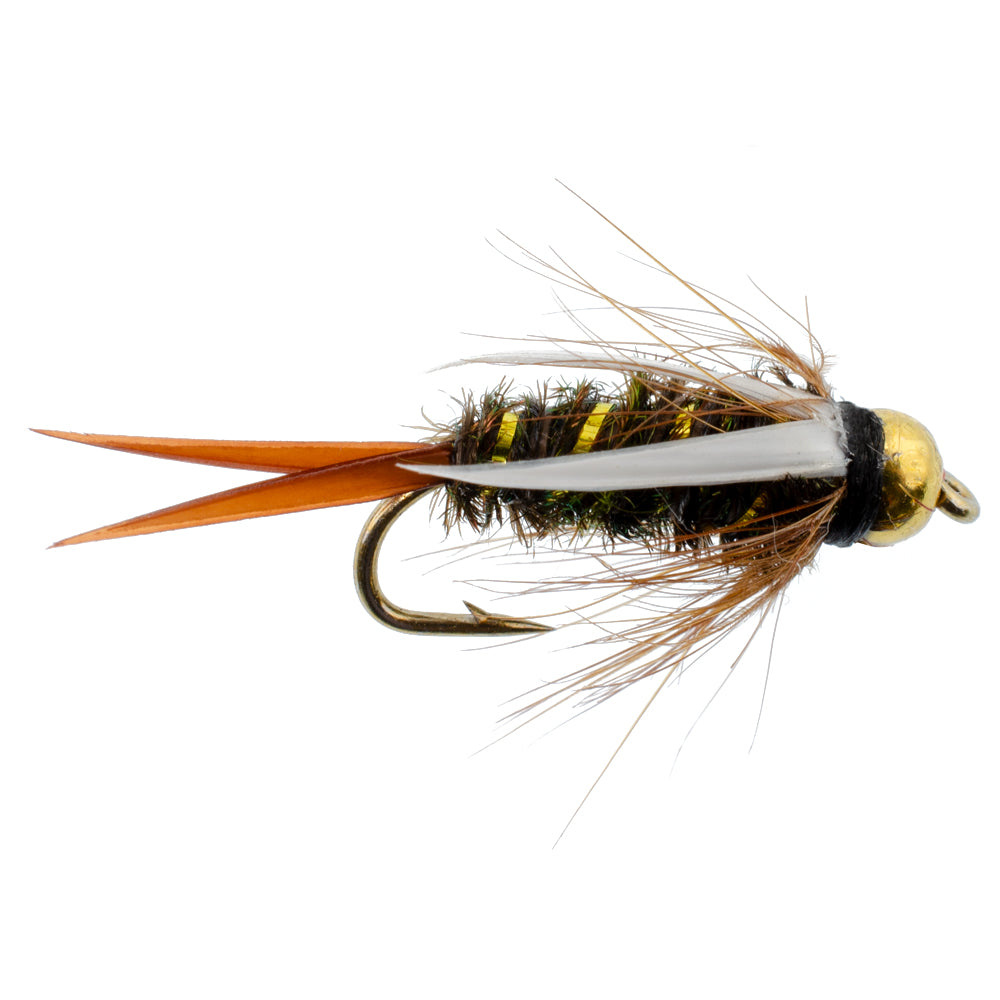
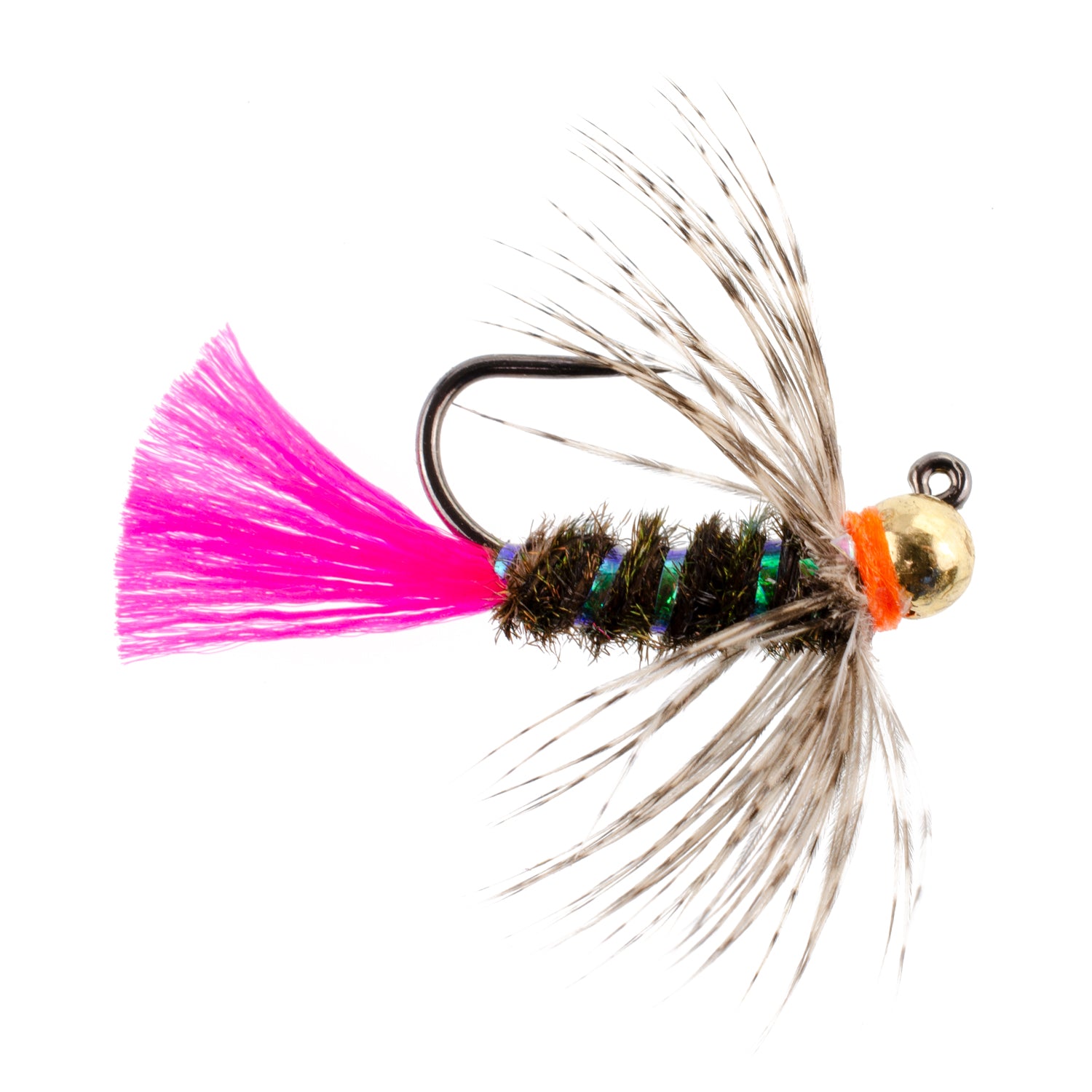
Shop by type: dry flies, nymphs, Euro nymphs, hoppers and terrestrials, streamers.

The three sections
Section A - Little Hole to the dam (7 miles)
The premier section. From the base of Flaming Gorge Dam downstream 7 miles to Little Hole, Section A flows through a narrow, spectacular canyon accessible only by foot trail or drift boat. The coldest, clearest water on the river - temperatures rarely exceed 55 degrees even in August. The highest density of large fish on the Green River, with browns and rainbows averaging 16-20 inches. Artificial flies and lures only. The trail from the dam to Little Hole provides wade access throughout - the hike in pays dividends in fish-to-angler ratios on busy weekends. Section A is at its best early morning before day-use foot traffic arrives.
Section B - Little Hole to Indian Crossing (9 miles)
Below Little Hole the canyon opens and the character changes - more riffles, gravel bars, and wading access than Section A. Wild browns and rainbows continue in strong numbers. Harvest is allowed with slot limit restrictions - check current regulations. Less pressure than Section A on weekdays and a good option when the upper section is crowded. Hoppers and caddis are particularly productive here in summer due to the more open, grassy character.
Section C - Indian Crossing downstream
Below Indian Crossing the river transitions to a warmer, more braided character as it moves toward the Colorado border. Brown trout dominate over rainbows. Less pressure, different character, and good streamer and hopper fishing for larger browns in fall. A float trip through Section C provides access to water rarely seen by wading anglers.
Year at a glance - Sections A and B
| Month | Primary hatches | Also carry | Typical sizes |
|---|---|---|---|
| Jan | Midges | Small nymphs | Midge 20-26 |
| Feb | Midges, BWO | Small nymphs | Midge 20-24, BWO 18-22 |
| Mar | BWO, midges | Early caddis | BWO 16-20, midge 20-24 |
| Apr | BWO, caddis | PMD start late month | BWO 16-20, caddis 14-16 |
| May | PMD, caddis, BWO | Pale evening dun | PMD 16-18, caddis 14-16 |
| Jun | PMD, caddis, pale evening dun | Yellow sally, hoppers start | PMD 16-18, PED 16-18 |
| Jul | Caddis, hoppers, PMD | Yellow sally, ants | Hopper 8-12, caddis 14-16 |
| Aug | Caddis, hoppers, trico | Ants, beetles, pale evening dun | Hopper 8-12, trico 20-24 |
| Sep | BWO, caddis, hoppers | Mahogany dun, trico | BWO 16-20, hopper 8-12 |
| Oct | BWO, midges | October caddis, mahogany dun | BWO 16-20, midge 20-24 |
| Nov | Midges, BWO | Small nymphs | Midge 20-24, BWO 18-22 |
| Dec | Midges | Small nymphs | Midge 20-26 |
January - February
Section A is one of the finest winter midge fisheries in the West. Stable dam-release temperatures keep fish active year-round and January crowds are minimal. Focus on the slow, deep runs in the upper canyon - fish hold in the seams adjacent to the main current. BWO begin on overcast afternoons in February - the Green's tailwater character and clear water make it one of the earlier BWO rivers in Utah. February can produce outstanding dry-fly fishing on the right gray afternoon with very few other anglers present.
- Midges - 20-26 throughout both months. Two-fly Euro rig subsurface in the deeper slots and slow runs. Midge cluster dry in size 18-20 when fish are dimpling in flat tailouts.
- Small nymphs 18-22 on a tight-line rig through the deeper slots.
- BWO - 18-22 on overcast February afternoons. Parachute and CDC emerger styles.
March - April
BWO hatches strengthen in March and become the primary dry-fly opportunity - gray canyon days trigger dense afternoon hatches and the high canyon walls create overcast conditions even on partially sunny days. Early caddis begin by late March on the warmer Section B water. April is a transition month - BWO continue strongly and caddis build through the month. The Green does not experience significant runoff due to dam regulation, making April reliably fishable when nearby freestone streams are blown out. PMDs can begin by late April in warm years. One of the best months to visit for dry-fly fishing with lighter pressure than the summer peak.
- BWO - 16-20 on overcast afternoons through March and April. Parachute and CDC emerger styles.
- Midges - 20-24 through the day throughout both months.
- Late March: first caddis - 14-16 on warm Section B afternoons.
- April: caddis - 14-16 afternoons and evenings. Late April: first PMD - 16-18.
May - June
The prime dry-fly season opens in May. PMDs begin in earnest and are the Green's signature summer hatch - morning hatches with large fish rising across the flats in Section A and the riffles of Section B. Pale evening duns add an evening option distinct from caddis. May is one of the best months on the river - excellent hatches, good weather, and lighter crowds than June and July. PMDs continue strong through June. Yellow sallies begin in the Section B riffles. Hoppers can start by late June along the grassy canyon margins. The Green sees its heaviest pressure in June and July - fish Section A early morning or book a midweek trip.
- PMD - 16-18 mornings through both months. The Green's defining hatch.
- Caddis - 14-16 afternoons and evenings through both months.
- BWO on overcast May days. Pale evening dun 16-18 evenings on flat water through both months.
- June: yellow sally 14-16 in Section B riffles. Late June: first hoppers along the canyon margins.
July - August
Hopper season arrives in July and the Green is one of Utah's premier hopper rivers - the canyon walls concentrate grasshoppers along the banks and fish take them aggressively. Caddis evenings remain strong. PMDs linger on Section A's cold water into July. Hopper fishing peaks in August - fish them tight to the canyon walls and undercut banks. Trico spinner falls begin on the flatter sections by mid-August. Monitor water temperatures in Sections B and C in August - Section A stays cold due to dam proximity. July is the busiest month - an early start on Section A before the day-use hikers arrive makes a significant difference.
- Hoppers - 8-12 hard against the canyon walls and undercut banks through both months. Hopper-dropper with a small nymph.
- Caddis - 14-16 evenings through both months.
- PMD - 16-18 on Section A mornings through July. Yellow sally 14-16 in Section B riffles through July.
- August: trico 20-24 early morning on flat sections - fine tippet essential. Ants and beetles midday.
September - October
September is the finest month on the Green River. Crowds drop sharply after Labor Day, BWO return with the cooling temperatures, hoppers continue through mid-month, and the canyon is spectacular in early fall color. The fall BWO hatch on the Green is outstanding - dense afternoon hatches with selective but catchable fish. One of the most rewarding months to visit anywhere in the Intermountain West. Fall BWO fishing strengthens through October. October caddis add a large dry-fly option on warmer afternoons in Sections B and C. Streamers produce the largest fish of the year as brown trout begin pre-spawn aggression.
- Hoppers through mid-September - 8-12.
- BWO - 16-20 on overcast afternoons through September and October. Parachute and CDC emerger styles.
- Mahogany dun - 14-16 on overcast afternoons through September and October.
- Trico through mid-September on flat sections - early morning spinner falls.
- October caddis - 8-10 in Sections B and C on warmer October afternoons.
- Streamers for pre-spawn browns through October in the deep canyon runs and undercut walls.
- Midges - 20-24 reasserting through October.
November - December
November on the Green is exceptional for the angler who makes the trip - very few anglers, stable tailwater temperatures, and fish that are completely unpressured. The midge and BWO dry-fly fishing on mild afternoons in the canyon can be outstanding. One of the most underrated late-season destinations in the West. December returns to the full winter midge program - Section A fishes reliably year-round and offers some of the finest winter tailwater fishing in the region with minimal competition.
- BWO - 16-20 on overcast November afternoons. Parachute style.
- Midges - 20-26 throughout both months. Two-fly Euro rig subsurface. Midge cluster dry when fish are dimpling in slow tailouts.
- Small nymphs 18-22 on a tight-line rig through the deeper slots.
A western dry and nymph assortment covers the core season. Add a dedicated midge selection for winter and early spring, and a hopper and terrestrial box for July through September. The Green rewards early risers and midweek visitors - Section A before 8am in summer is some of the finest trophy tailwater dry-fly fishing in North America.