Madison River Ennis to Three Forks Montana Hatch Chart
Southwest Montana. Below Ennis Lake dam the Madison transforms - it emerges as a wide, braided, powerful river that cuts through Bear Trap Canyon before spreading into broad gravel flats on its way to Three Forks, where it joins the Jefferson and Gallatin to form the Missouri River.
The lower Madison is defined by its brown trout, including some of the largest in Montana. Rainbows are present throughout but browns dominate, particularly in the canyon and the lower braids. The Bear Trap Canyon section is wilderness - walk-in only, physically demanding, and rewarding. The water from the canyon mouth to Three Forks is more accessible with multiple public fishing access sites.
This stretch is famous for its fall brown trout fishing, when large fish move in the river and up from the Missouri country toward their spawning water. September and October can produce exceptional streamer and dry-fly fishing for trophy-class browns. Summer hatches are solid but less celebrated than the upper valley - the river is wide and fast, and fish are spread out.
Check current Montana Fish, Wildlife and Parks regulations before you go. From Ennis Dam to Three Forks the Madison is generally open year-round under Central District trout limits: three trout daily and in possession - confirm the current size rules in the pamphlet. Bait is allowed on this reach unless a posted exception says otherwise. Bear Trap Canyon is wilderness - review BLM and FWP access rules before you walk in, no vehicle along the inner canyon. This water warms sooner than the Madison above Ennis Lake and hoot-owl closures (2 p.m. to midnight) are common in midsummer. A Montana fishing license is required.
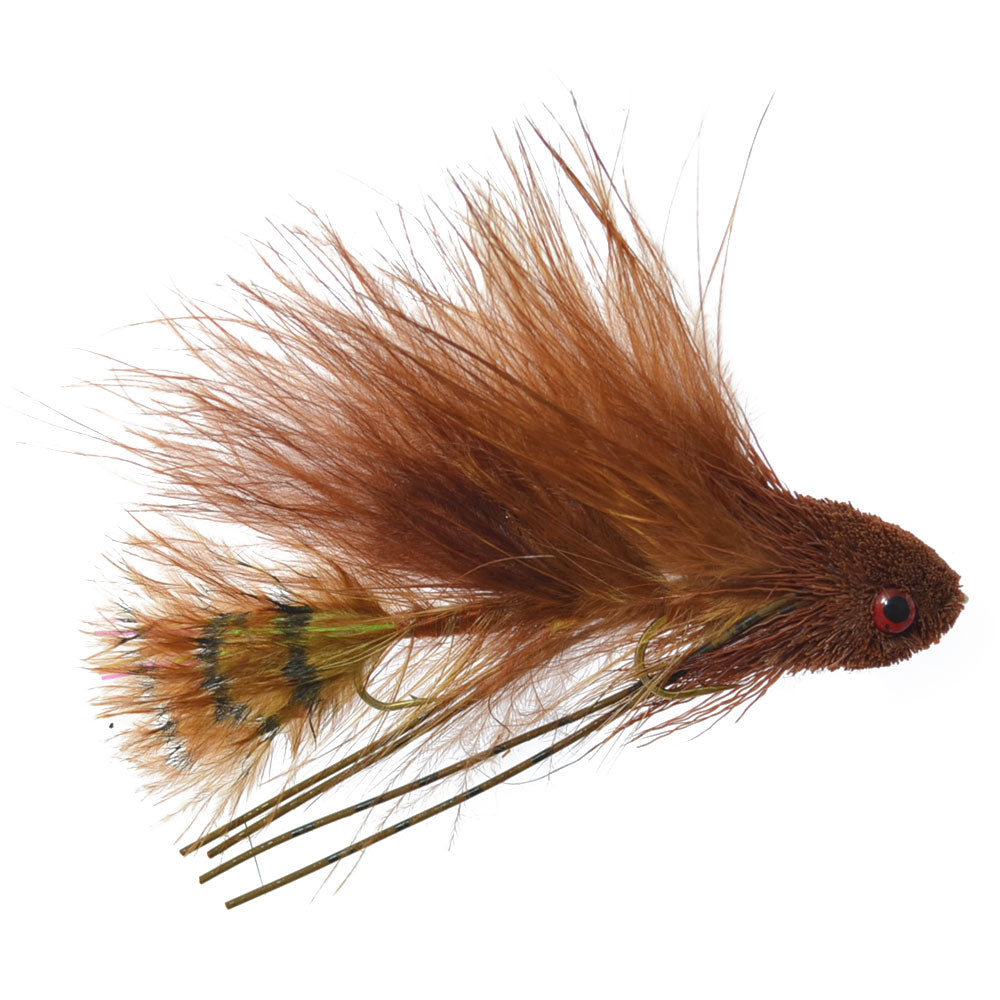
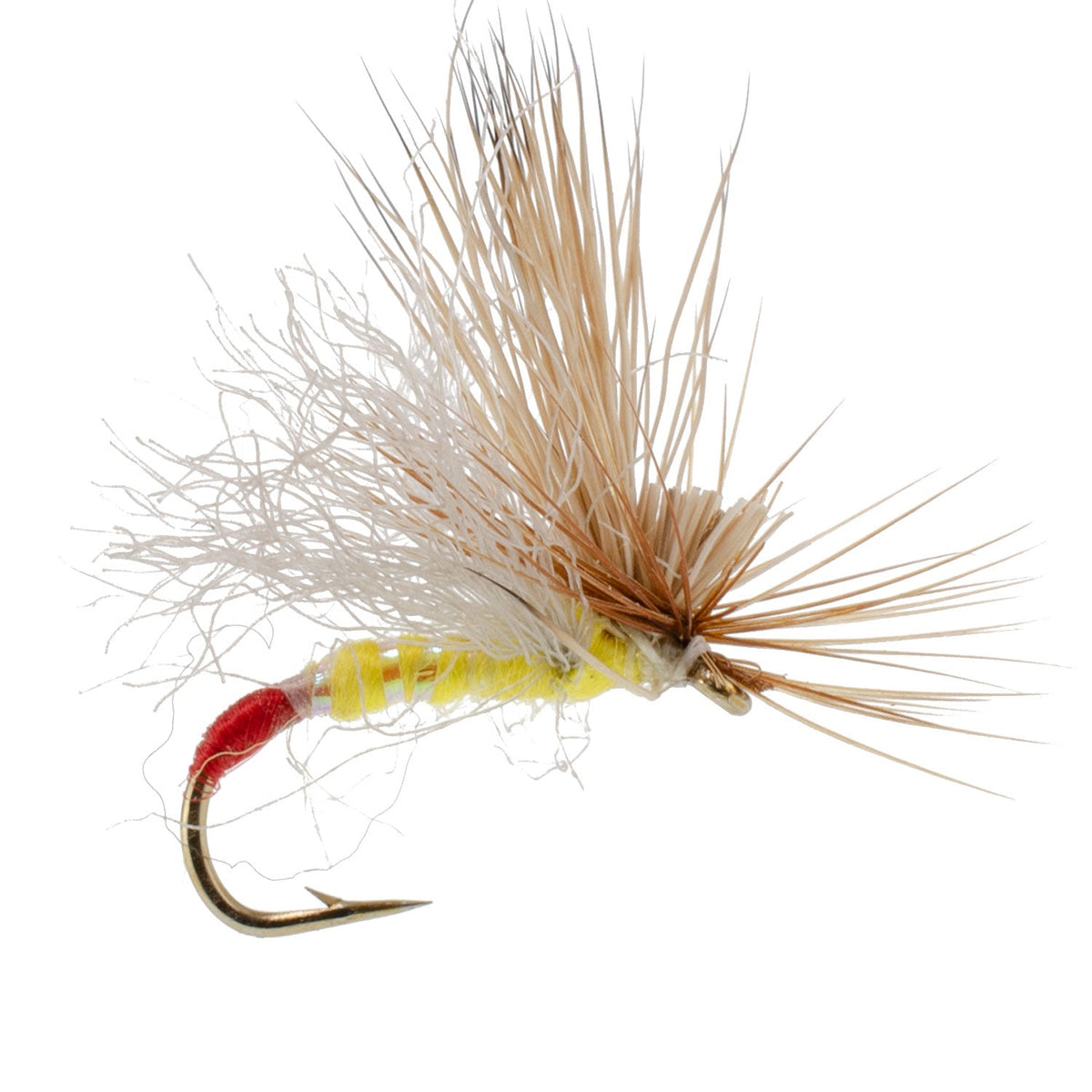
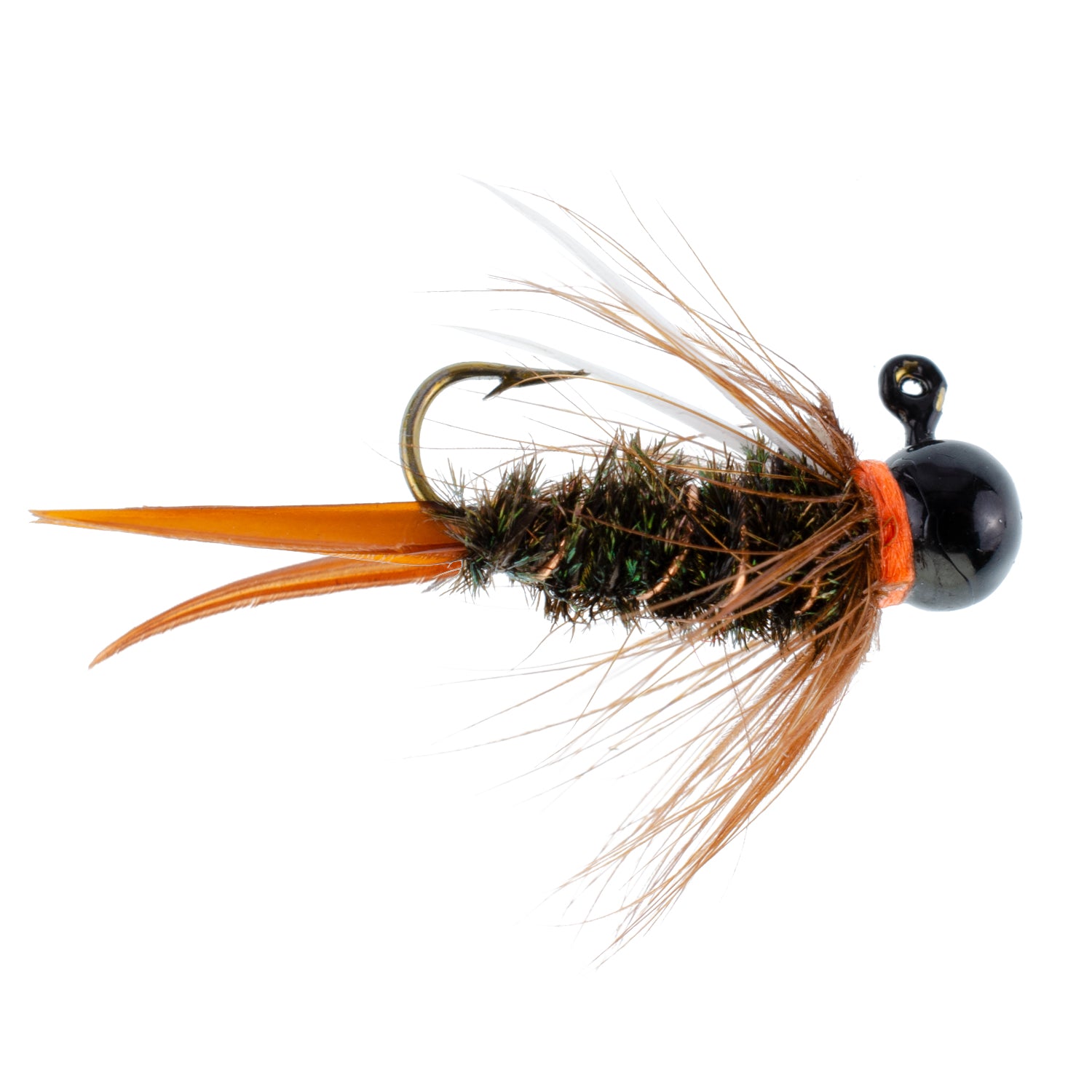
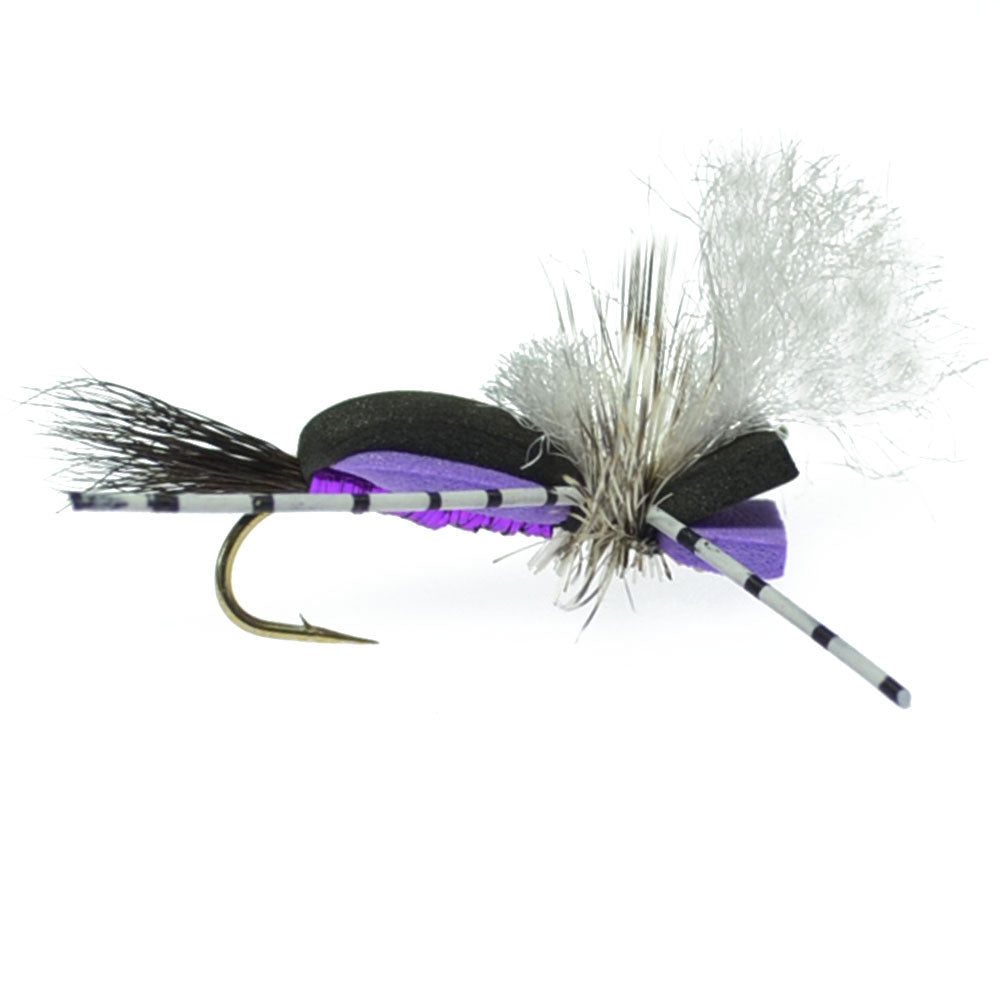
Shop by type: dry flies, nymphs, Euro nymphs, hoppers and terrestrials, streamers.
Year at a glance
| Month | Primary hatches | Also carry | Typical sizes |
|---|---|---|---|
| Jan | Midges | Streamers for post-spawn browns | Midge 18-22 |
| Feb | Midges, BWO | Small stonefly nymphs, streamers | Midge 18-22, BWO 16-20 |
| Mar | BWO, midges | Streamers, stonefly nymphs | BWO 16-20, midge 18-22 |
| Apr | BWO, March brown | Early caddis, streamers | BWO 12-18, caddis 14-16 |
| May | Caddis, BWO | Stonefly nymphs, runoff likely | Caddis 14-16, BWO 16-20 |
| Jun | Caddis, PMD, golden stone | Salmonfly possible in canyon | PMD 16-18, stone 6-10 |
| Jul | PMD, caddis, yellow sally | Hoppers start, trico flat water | PMD 16-18, hopper 8-12 |
| Aug | Hoppers, caddis, trico | Ants, beetles, late PMD | Hopper 8-12, trico 20-22 |
| Sep | Hoppers, BWO, mahogany dun | Streamers - brown trout run begins | BWO 16-20, hopper 8-12 |
| Oct | BWO, mahogany dun, streamers | October caddis, midges | BWO 18-22, caddis 8-12 |
| Nov | Midges, BWO | Streamers for post-spawn fish | Midge 18-22, BWO 18-22 |
| Dec | Midges | Small nymphs, streamers | Midge 18-22 |
January - February
Cold water and post-spawn fish recovering in deep holding water. Midge fishing can produce on calm afternoons. The lower braids near Three Forks are often more accessible and fishable than the canyon in winter. Olives begin on overcast February afternoons and midge adults cluster in back eddies and can bring fish to the surface on warmer days.
- Midges - 18-22. Two-fly rig through the slow tailouts and deeper runs. Small stonefly nymphs along the bottom in the faster water.
- BWO - 16-20 on overcast February afternoons. Parachute and CDC emerger styles.
- Streamers - dark and heavy in the slow, deep runs and canyon pools through both months.
March - April
BWO pick up on cloudy afternoons through March and the river begins to show life. Streamer fishing is productive as water temperatures slowly rise and browns become more active. April adds March brown and early caddis. Runoff typically starts building toward the end of April - fish while you can before flows push.
- BWO - 16-20 on overcast afternoons through March and April. Parachute and CDC emerger styles.
- Streamers - olive and black swung through the runs and braids. Best pre-runoff window of the year through March.
- Small dark stonefly nymphs along the bottom through March.
- April: March brown 12-18 on gray afternoons, early caddis 14-16 at dusk.
May - June
Caddis can be excellent in early May before runoff peaks. The river typically blows out mid-month - the lower braids near Three Forks clear faster than the canyon, so check stream gauges before making the trip. As runoff clears in mid-to-late June the lower Madison comes into form. Caddis and PMDs provide the primary dry-fly action. Some salmonfly activity occurs in Bear Trap Canyon, though less concentrated than the upper valley. The lower braids fish well for nymphing when flows are still elevated.
- May: caddis - 14-16 early in the month. Stonefly nymphs 6-10 before and during runoff. BWO on overcast days when flows allow.
- June: caddis - 14-16 evenings as flows clear.
- June: PMD - 16-18 mornings.
- Golden stone - 6-10 in the canyon and faster runs. Salmonfly dry if adults are on the water.
- Yellow sally - 14-16 in the riffled sections.
July - August
Solid summer fishing throughout. PMDs taper off mid-July as hoppers take over. Tricos on the flatter lower braids near Three Forks in the morning. The canyon is worth the hike for solitude and aggressive fish. Hopper fishing is good but the lower Madison's character - wide, fast, and braided - means hoppers work best tight to grassy banks and in the slower side channels rather than the main current. Fish early through August - the canyon can be brutally hot by afternoon.
- July: PMD - 16-18 mornings. Yellow sally 14-16 in the faster riffles.
- Caddis - 14-16 evenings through July and August.
- Hoppers - 8-12 from mid-July through August. Focus on slower edges, side channels, and bank structure. Hopper-dropper with a small nymph.
- Trico - 20-22 early morning on the flat water near Three Forks through July and August.
- Ants and beetles in the foam lines midday.
September - October
The lower Madison's signature months. Large brown trout begin moving and staging for the spawn in the canyon and lower braids - fish often 18-24 inches or better, aggressive and responding to streamers, large dries, and well-placed nymphs. Hoppers hold through mid-September with mahogany duns and BWO providing afternoon dry-fly action. October is peak month for trophy brown trout. Target pre-spawn fish holding and feeding, not fish actively on redds. October caddis and olives on warmer afternoons. Streamer fishing through the canyon and the deep braids can be the best of the year.
- Hoppers and ants through mid-September.
- BWO - 16-20 on overcast afternoons through September and October. Parachute and CDC emerger styles.
- Mahogany dun - 14-16 on gray afternoons through September and October.
- October caddis - 8-12 on warmer October afternoons.
- Streamers - the primary tool for big migrating browns through September and October. Olive, black, and brown at first and last light and through the shaded deep runs and canyon pools.
- Midges in the slow water and tailouts through October.
November - December
Spawn winding down and post-spawn fish recovering in the deeper, slower water. BWO and midges on calm afternoons through November. Streamer fishing remains productive as fish are still concentrated from the run. December returns to the midge and nymph program - the lower braids near Three Forks are the most accessible option in cold weather.
- BWO - 18-22 on calm overcast November afternoons. Parachute and CDC emerger styles.
- Midges - 18-22 throughout both months. Two-fly rig through the slower, deeper runs.
- Streamers - in the deep runs and canyon pools for post-spawn browns through November.
- Small nymphs through the tailouts.
A western dry and nymph assortment covers the summer season. Add a full streamer selection, hoppers and terrestrials, mahogany duns, and trico patterns for the complete lower Madison experience - and bring your biggest brown trout flies for September and October.