McCloud River California Hatch Chart
Northern California, rising on the flanks of Mount Shasta and running southwest through Shasta-Trinity forest to McCloud Reservoir, then down the canyon toward Shasta Lake. The McCloud is one of the West’s historic trout rivers: the strain of rainbow that went around the world in the nineteenth century still lives in this water. The lower river below the dam is the fly-fishing destination: a cold canyon, wild rainbows, evening caddis, and enough remoteness to keep the day honest.
Check current California Department of Fish and Wildlife regulations before you go.
On the lower McCloud from the dam downstream, the season is generally the last Saturday in April through November 15. Artificial lures with barbless hooks only. Confirm the current limit in the pamphlet.
The Nature Conservancy’s Kerry Landreth Preserve, below Ah-Di-Na, is permit water with a daily angler cap. Reserve it, or take a walk-in slot if they still hold them. Ash Camp to Ah-Di-Na is public forest water. Below the preserve the banks turn private again. A California fishing license is required.
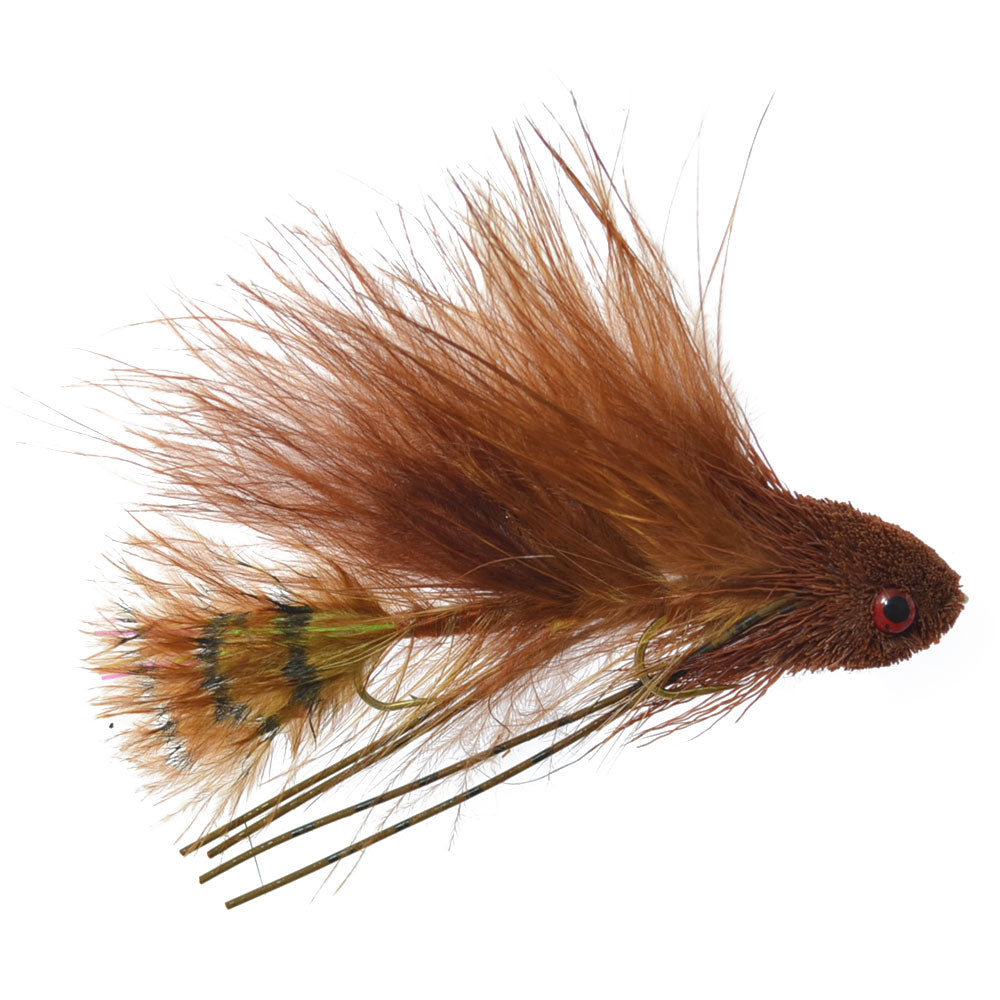
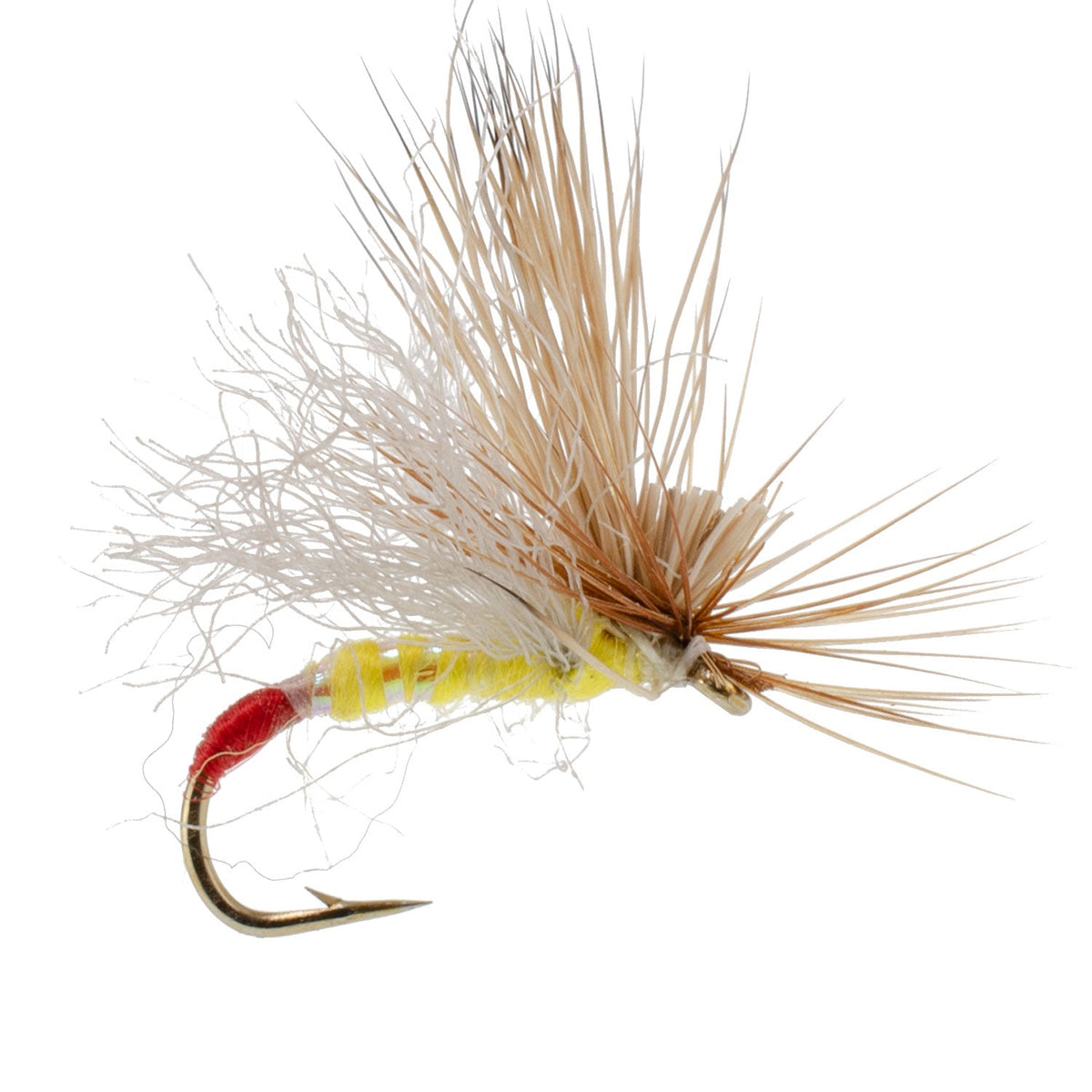
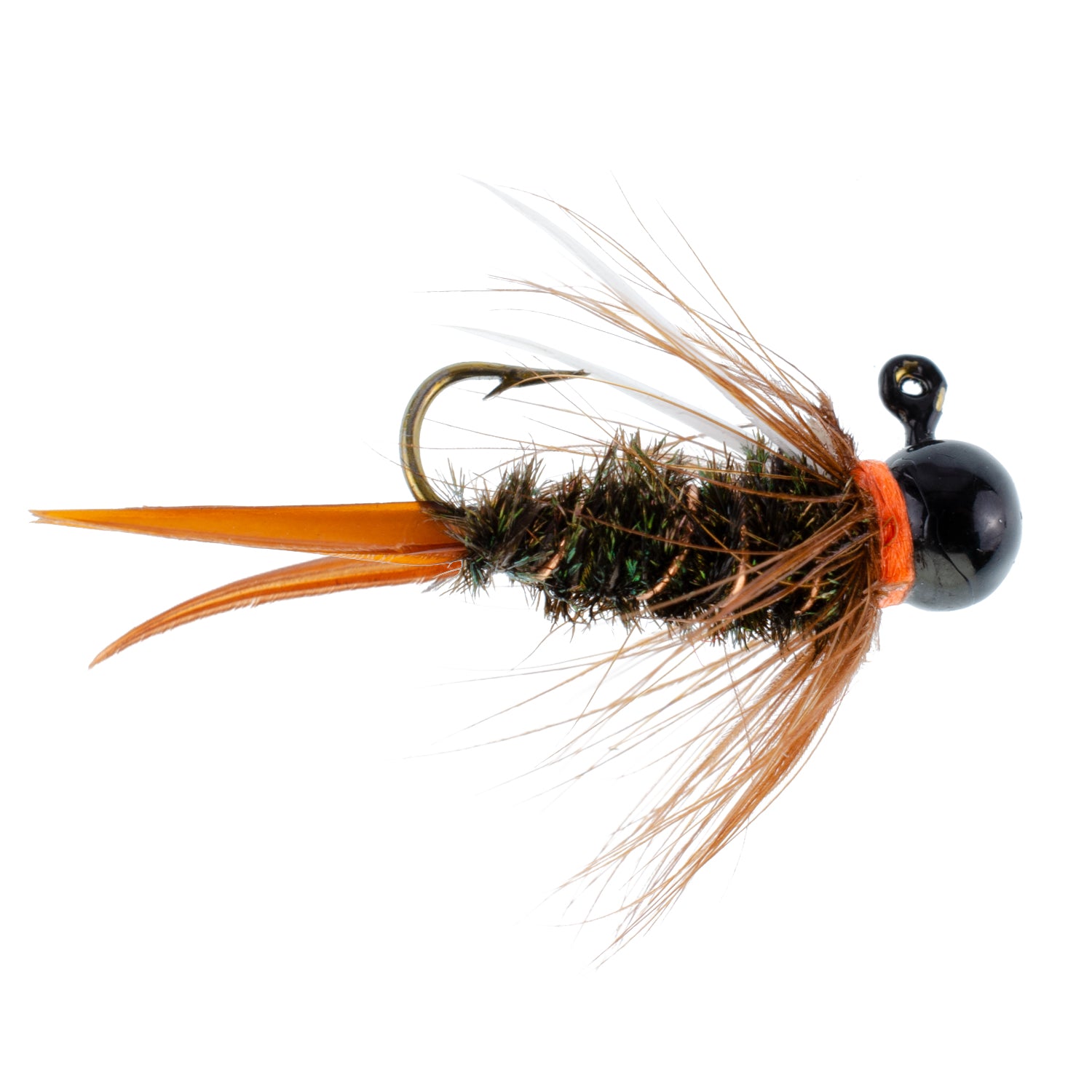
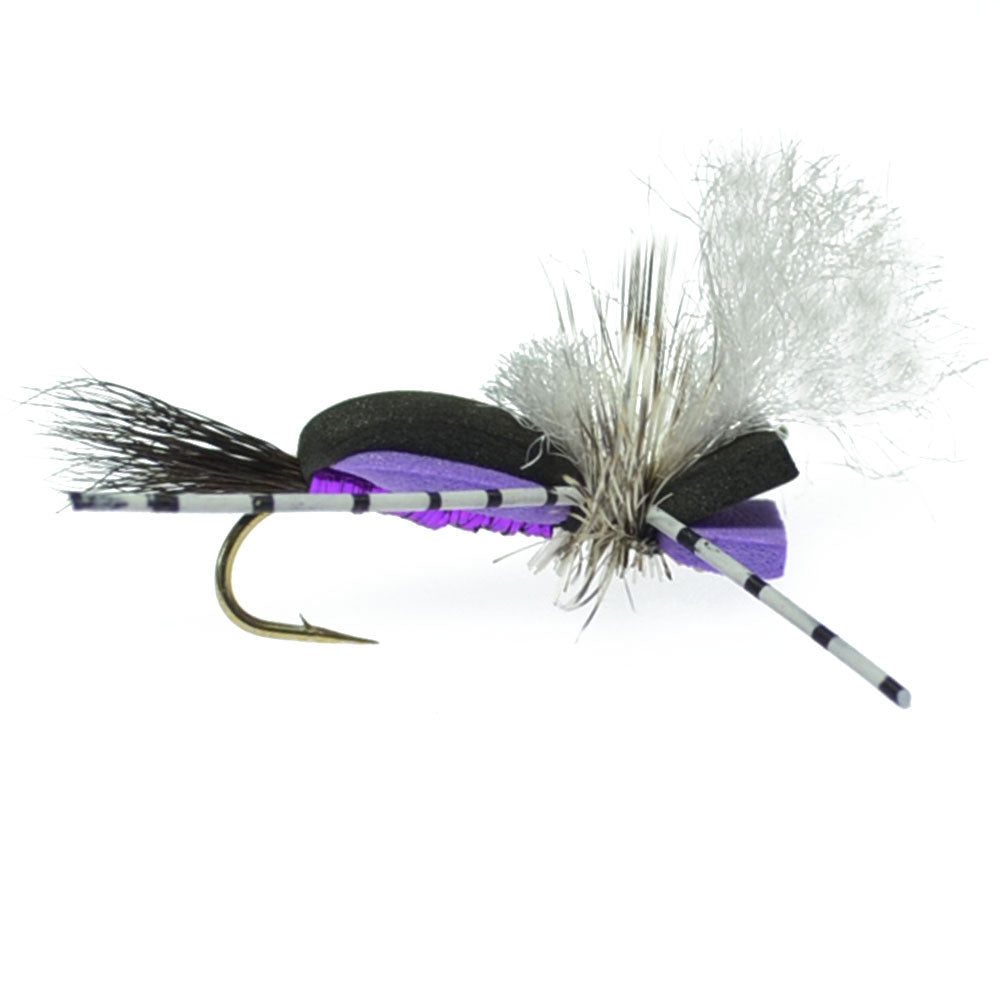
Shop by type: dry flies, nymphs, Euro nymphs, hoppers and terrestrials, streamers.
The river
The McCloud below the reservoir is a genuine spring creek - cold, clear, and consistent regardless of season, fed by the volcanic aquifer of the Mount Shasta system that produces some of the purest water in California. The canyon setting is dramatic: basalt walls, deep pools, and cascading runs through old-growth forest in a remote corner of Siskiyou County that feels genuinely wild. The river requires hiking to access the best water and the Nature Conservancy's permit system ensures that any given stretch sees very limited angling pressure.
Wild rainbow trout are the dominant and defining species - native McCloud rainbows with the characteristic pink lateral stripe and spotted flanks that made this strain famous worldwide. The fish are wild, strong, and selectively conditioned by the spring creek environment and light pressure. Brown trout are also present in the lower river sections. Fish over 16 inches are common in the prime canyon pools and the river holds genuinely large wild rainbows for anglers willing to put in the miles to reach the most productive water.
The McCloud's remoteness is both its greatest asset and its primary challenge. Plan for a full day on the water to justify the access - a permit for the Nature Conservancy preserve sections and a willingness to hike deliver one of the finest wild trout experiences in California. The upper river above the reservoir, accessible from the town of McCloud, provides more casual access to smaller wild rainbows in a less dramatic setting and is a good option for the angler who wants a taste of the McCloud without the permit complexity of the lower canyon.
Year at a glance
| Month | Primary hatches | Also carry | Typical sizes |
|---|---|---|---|
| Jan | Midges, BWO | Small nymphs | Midge 20-26, BWO 18-22 |
| Feb | Midges, BWO | Small nymphs | Midge 20-26, BWO 18-22 |
| Mar | BWO, early caddis, midges | Small nymphs, stonefly nymphs | BWO 16-20, caddis 14-16 |
| Apr | Caddis, BWO, midges | Stonefly nymphs, PMD start | Caddis 14-16, BWO 16-20 |
| May | Caddis, PMD, BWO | Yellow sally, golden stone | Caddis 14-16, PMD 16-18 |
| Jun | Caddis, PMD, golden stone | Yellow sally, ants | Caddis 14-16, PMD 16-18 |
| Jul | Caddis, hoppers, PMD | Ants, beetles, yellow sally | Caddis 14-16, hopper 8-12 |
| Aug | Caddis, hoppers, PMD | Ants, beetles, trico | Hopper 8-12, caddis 14-16 |
| Sep | BWO, caddis, hoppers | Mahogany dun, ants | BWO 16-20, hopper 8-12 |
| Oct | BWO, caddis, midges | Mahogany dun, small nymphs | BWO 16-20, caddis 14-16 |
| Nov | BWO, midges | Small nymphs | BWO 18-20, midge 20-26 |
| Dec | Midges, BWO | Small nymphs | Midge 20-26, BWO 18-22 |
January - February
The spring-fed McCloud flows cold and clear year-round and is fishable through winter for the angler willing to make the trip to the remote canyon. January and February are midge and BWO months - the volcanic spring source keeps water temperatures stable even through the coldest months and overcast winter afternoons can produce good surface activity in the deeper pools and slower runs. Access in winter requires checking road conditions to the canyon trailheads - snow can close access roads at elevation. The winter McCloud with rising wild rainbows and no other anglers is as good as California trout fishing gets.
- Midges - 20-26. Subsurface in the deeper pools; surface on midge clusters when fish are dimpling.
- BWO - 18-22 on overcast afternoons. Parachute and CDC emerger styles. Fine tippet on the spring creek surface.
- Small nymphs subsurface in the deeper canyon pools and runs.
March - April
BWO hatches strengthen through March as the canyon warms toward spring. The early caddis season begins in March on the lower canyon sections - the McCloud's caddis hatches are legendary and begin earlier here than on most Northern California rivers due to the spring creek temperatures. Stonefly nymphs subsurface building through April. PMDs begin by late April on the flatter canyon sections. The spring McCloud before the summer permit crowds is the best time to access the Nature Conservancy sections with more flexibility.
- BWO - 16-20 on overcast afternoons. The early spring anchor. CDC emerger and parachute styles.
- Caddis - 14-16 afternoons and evenings. Building through March into the dominant spring and summer hatch.
- Midges throughout - 20-24.
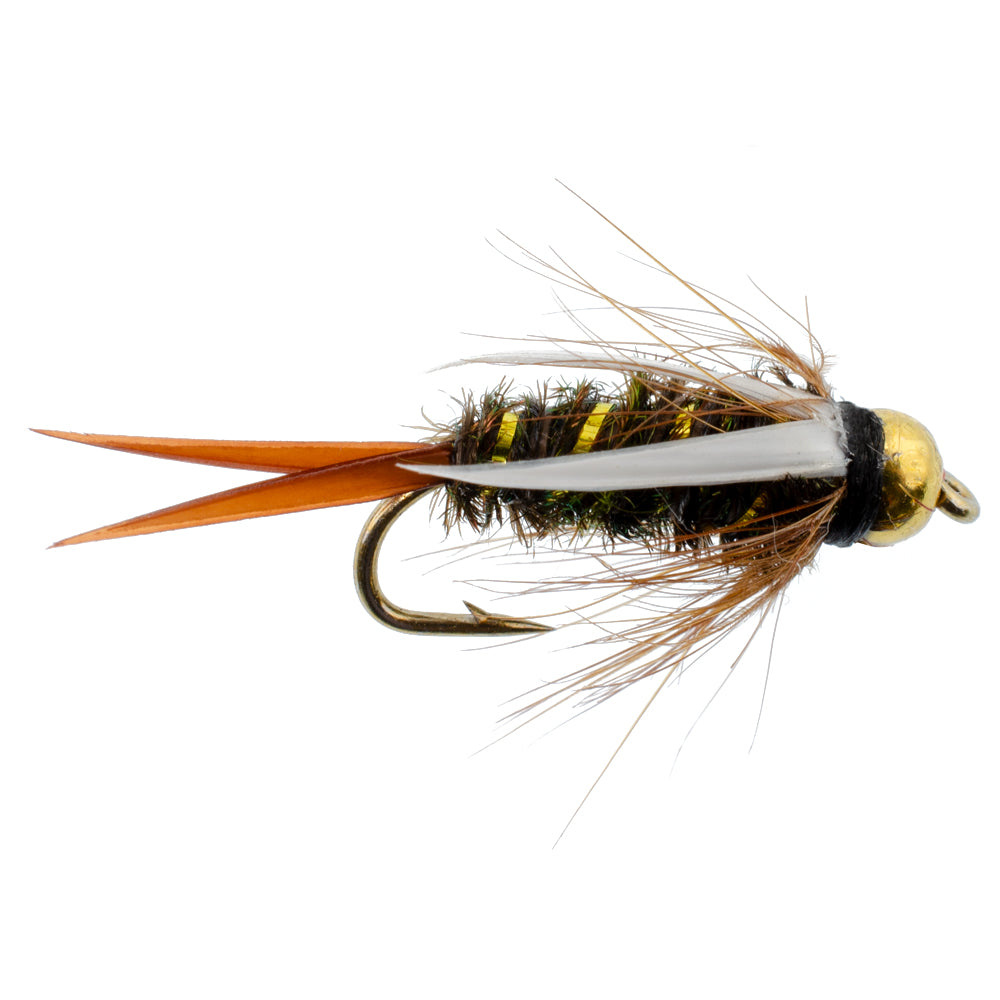
- Stonefly nymphs subsurface building through April.
- Late April: PMD start - 16-18 on the flatter canyon sections.
May - June
Prime season on the McCloud. Caddis hatches are the defining event of the spring and summer McCloud calendar - dense evening hatches in the canyon that bring wild rainbows up across the full width of the river. PMDs build through May mornings. Golden stones in the fast runs and pocket water through June. Yellow sallies in the riffles. The combination of PMD mornings, caddis evenings, and golden stones in June represents the McCloud at its most diverse and productive. Secure Nature Conservancy permits well in advance for June - it is the most sought-after month on the lower canyon.
- Caddis - 14-16 evenings. The signature McCloud hatch. Dense evening activity in the canyon sections. Elk hair and soft hackle emerger styles.
- PMD - 16-18 mornings and midday. Wild McCloud rainbows rising in the pools and flatter runs.
- Golden stone - 6-10 in the fast runs and pocket water through June.
- Yellow sally - 14-16 in the riffles on warm afternoons.
- BWO on overcast days through May.
July - August
Summer on the McCloud is caddis and hopper season in a spectacular canyon setting. The evening caddis hatches remain strong through July and August - the spring creek temperatures moderate the summer heat that shuts down many Northern California rivers. Hoppers along the canyon margins from July through August. PMDs continue through July mornings. Ants and beetles midday. The McCloud in August with dense evening caddis hatches and no road noise in the lower canyon is one of the finest summer fly fishing experiences in California.
- Caddis - 14-16 evenings. Reliable through the summer canyon. The most consistent surface fishing of the day.
- PMD - 16-18 mornings through July.
- Hoppers - 8-12 along the canyon margins and basalt ledges July through August.
- Ants and beetles midday - 16-18.
- Yellow sally - 14-16 in the riffles through July.
September - October
Fall is outstanding on the McCloud. BWO return strongly with the cooling temperatures and the canyon setting produces excellent fall olive hatches on overcast afternoons with minimal pressure after Labor Day. Hoppers through mid-September. Mahogany duns on overcast days. Caddis evenings through October. The lower canyon in fall color with rising wild rainbows is the McCloud at its most beautiful. Nature Conservancy permit access is generally more available in September and October than during the summer peak.
- Hoppers through mid-September - 8-12 along the canyon margins.
- BWO - 16-20 on overcast afternoons. The dominant fall hatch. CDC emerger and parachute styles.
- Mahogany dun - 14-16 on overcast afternoons in September and October.
- Caddis - 14-16 evenings through October. Reliable into late fall on the spring creek sections.
- Ants through mid-September along the canyon margins.
November - December
BWO and midges as the season closes. The spring creek character of the McCloud keeps it fishable well into November with strong BWO hatches and virtually no pressure. Check road conditions to canyon trailheads before the late-season trip - early snow can close access roads. December fishing is available in the lower accessible sections for the committed angler who wants wild McCloud rainbows in a winter canyon setting.
- BWO - 18-20 on overcast afternoons through November. The late-season anchor.
- Midges - 20-26 throughout. Subsurface and surface when fish are dimpling in the deeper pools.
- Small nymphs subsurface in the canyon pools and slower runs.
A western dry and nymph assortment covers the core season - weight your caddis selection heavily and carry golden stone patterns for May and June. Fine tippet down to 5X-6X is essential on the spring creek surface. The McCloud River is one of California's great wild trout fisheries and one of the most historically significant trout streams in the world - plan the access carefully, secure permits early, and experience the river that put California rainbow trout on the map.