Missouri River Montana Hatch Chart - Holter Dam to Craig
North-central Montana, flowing north from Holter Dam through the limestone canyon and open prairie valley to Craig. The Upper Missouri River from Holter Dam to Craig is one of the most celebrated tailwater trout fisheries in the American West - a broad, spring creek-like river with exceptional populations of large wild brown and rainbow trout, legendary PMD and trico hatches, and the kind of consistent year-round fishing that only a major dam-controlled tailwater can produce. This is destination water that draws serious dry-fly anglers from across the country, and for good reason.
Check current Montana Fish, Wildlife and Parks regulations before you go. From Holter Dam downstream, the printed trout rule is three fish daily and in possession, only one over 18 inches, and only one brown trout - confirm the current pamphlet. Dam releases can change the river in a hurry - check the USGS gauge below Holter Dam near Wolf Creek before you wade. A Montana fishing license is required.
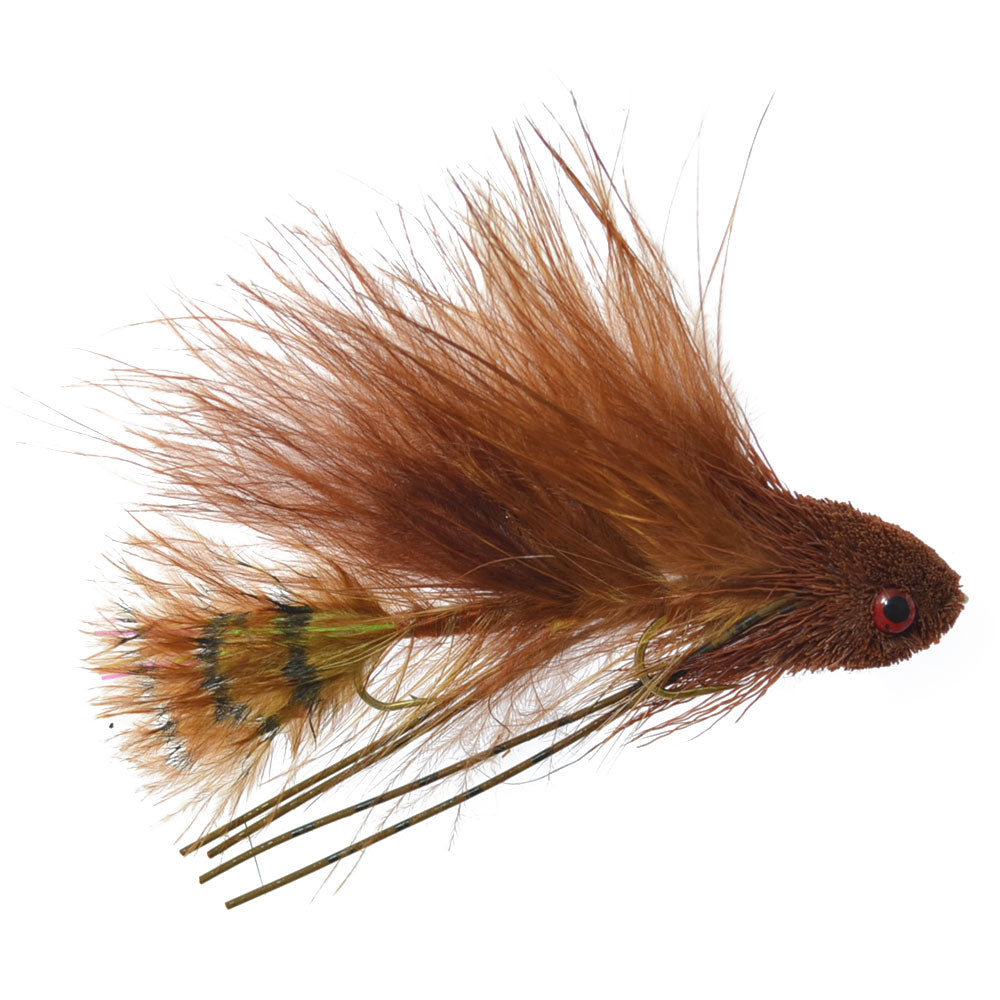
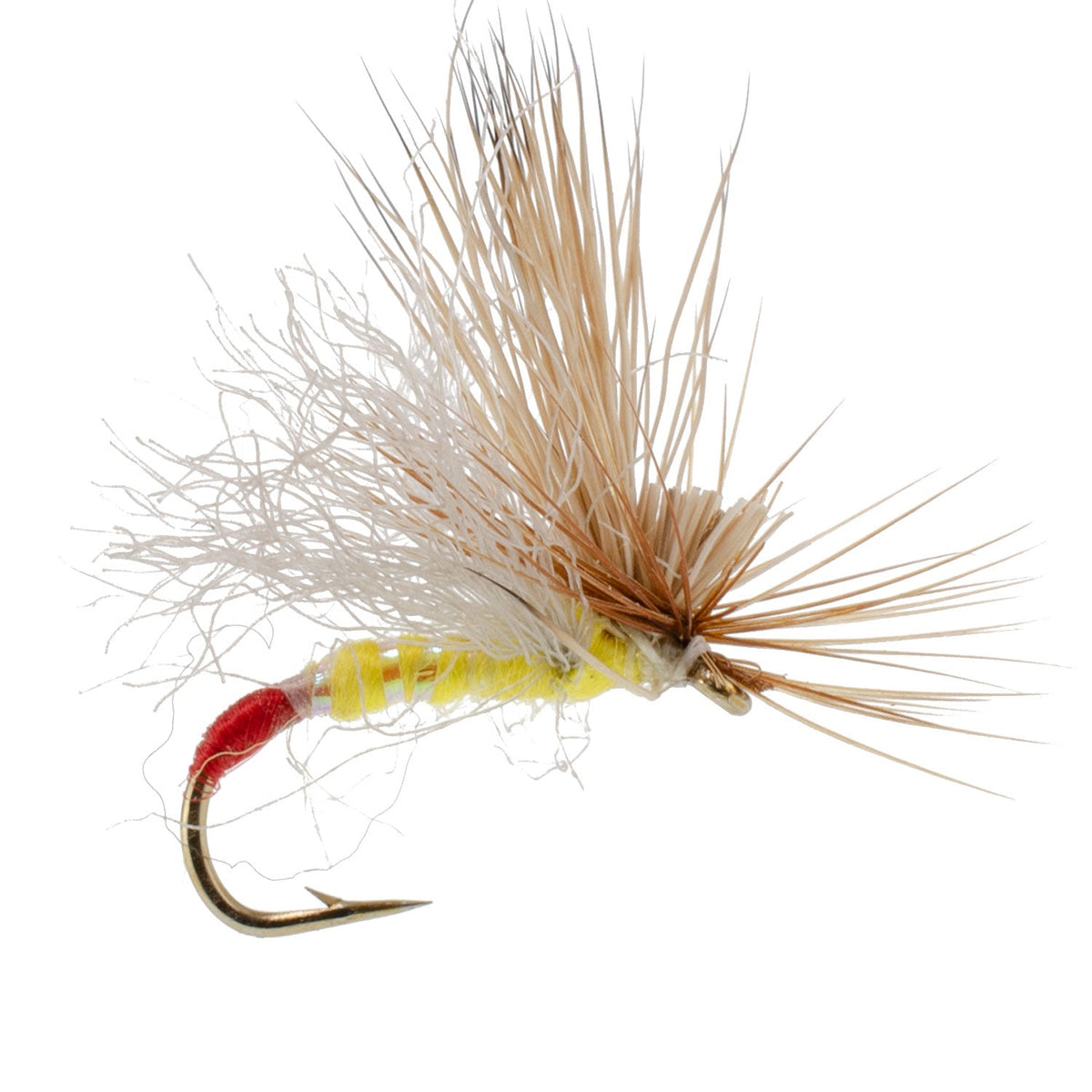
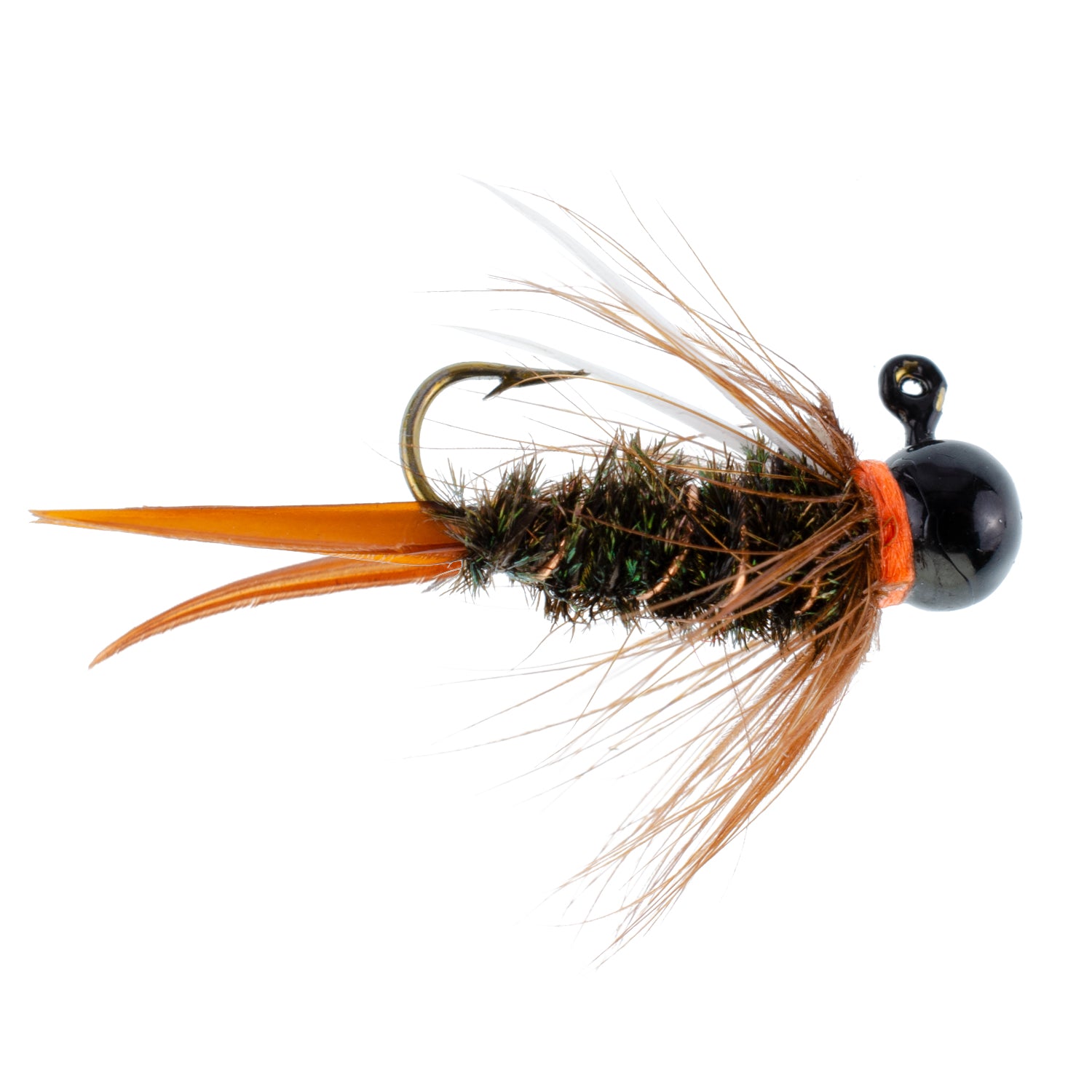
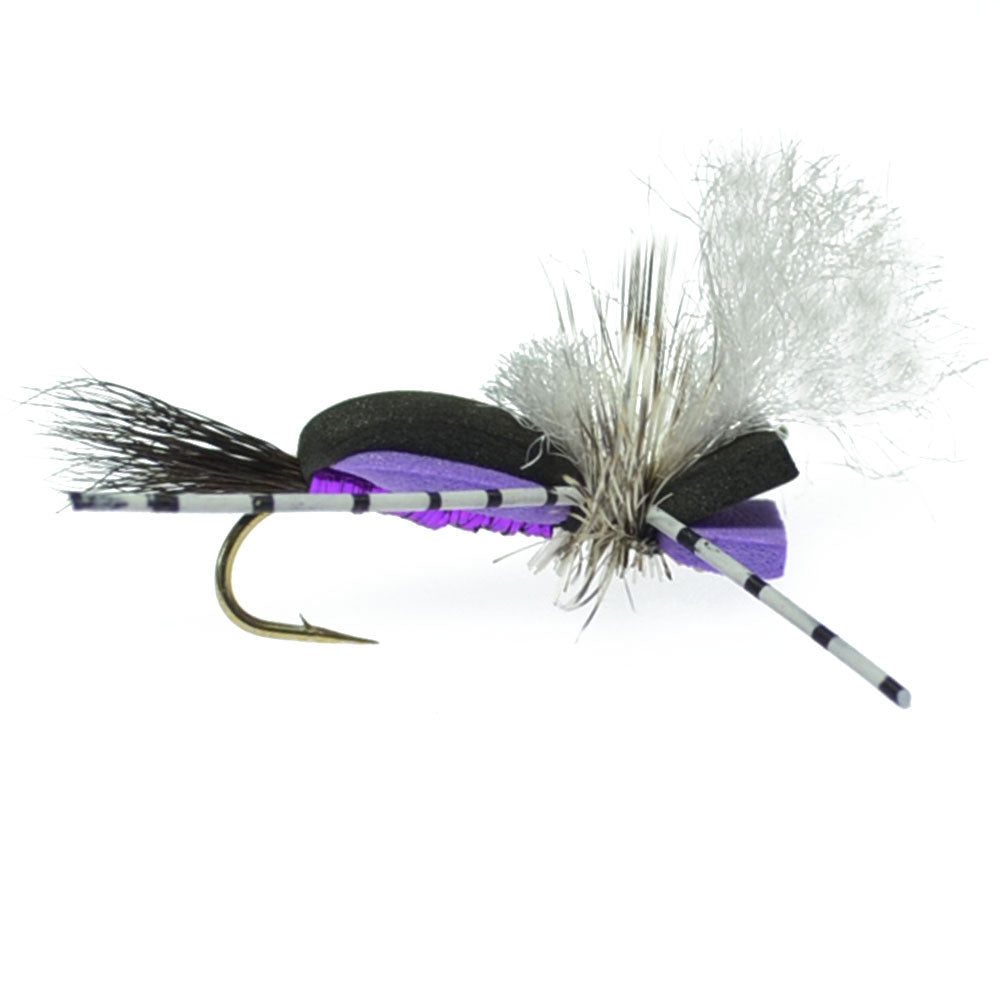
Shop by type: dry flies, nymphs, Euro nymphs, hoppers and terrestrials, streamers.
The river
The Missouri from Holter Dam to Craig is a short, celebrated tailwater, roughly eight miles through limestone canyon and open valley. The dam regulates flows and temperatures year-round - cold, clear water from the bottom of Holter Reservoir produces the consistent conditions that allow exceptional insect populations and fish growth. The river in this section is wide and flat by Montana standards, with long glassy runs, shallow riffles, and the kind of spring creek surface that makes presentation everything. This is not forgiving water - the fish are large, educated, and selective, and they will refuse a dragging fly or a fly that doesn't match what's hatching.
Brown trout and rainbow trout are both present in exceptional numbers and sizes. The Missouri is one of the few rivers in Montana where legitimate double-digit fish counts per mile are documented in FWP surveys. The combination of tailwater stability, abundant insect life, and consistent angling pressure has produced a population of fish that are simultaneously large and highly selective - a combination that makes the Missouri simultaneously one of the most rewarding and most humbling fisheries in Montana.
Craig is the hub - a small town on the river with outfitters, lodging, and boat ramps that serves as the base for most Missouri River anglers. The river is excellent for both wade fishing and float fishing. The wade fishing from the numerous public access points along the canyon and valley sections is outstanding for anglers willing to put in the time to read the water and present precisely. Float fishing with a drift boat or raft opens up the full river and is the preferred way to efficiently cover the productive riffles and runs between access points.
The Missouri is also among the most RV-friendly blue-ribbon tailwaters in Montana. Montana FWP maintains several fishing access sites with good parking along the corridor, and the Craig area has RV-accessible camping options that put anglers within minutes of the best water. Highway 434 and the river road provide good access throughout the section.
Year at a glance
| Month | Primary hatches | Also carry | Typical sizes |
|---|---|---|---|
| Jan | Midges | Small nymphs, streamers | Midge 20-26 |
| Feb | Midges, BWO | Small nymphs, streamers | Midge 20-26, BWO 18-22 |
| Mar | BWO, midges | Skwala start, small nymphs | BWO 16-20, midge 20-24 |
| Apr | BWO, Skwala, caddis | Midges, small nymphs | BWO 16-20, Skwala 8-12 |
| May | Caddis, BWO, PMD start | Midges, small nymphs | Caddis 14-16, BWO 16-18 |
| Jun | PMD, caddis, BWO | Yellow sally, midges | PMD 16-18, caddis 14-16 |
| Jul | PMD, trico, caddis | Hoppers, yellow sally, ants | PMD 16-18, trico 20-24 |
| Aug | Trico, PMD, hoppers | Caddis, ants, beetles | Trico 20-24, hopper 8-12 |
| Sep | BWO, trico, caddis | Hoppers, mahogany dun | BWO 16-20, trico 20-24 |
| Oct | BWO, midges | Streamers, mahogany dun | BWO 16-20, midge 20-24 |
| Nov | Midges, BWO | Streamers, small nymphs | Midge 20-24, BWO 18-22 |
| Dec | Midges | Small nymphs, streamers | Midge 20-26 |
January - February
The Missouri is a year-round fishery and winter is genuinely productive. The tailwater keeps water temperatures consistent and the midge populations that define winter Missouri River fishing are dense - this is some of the finest winter midge dry-fly fishing in Montana when conditions align. BWO begin on overcast afternoons by mid-February. Small nymphs subsurface in the deeper runs. Streamers for large browns in the deeper pools. The Missouri in January and February with midging fish and minimal pressure is a compelling experience for the angler willing to deal with cold prairie temperatures.
- Midges - 20-26. Two-fly rig subsurface in the deeper runs and pools. Midge cluster or spent midge dry when fish are dimpling on the surface - which happens even in January on the Missouri.
- BWO beginning mid-February - 18-22 on overcast afternoons. Parachute and CDC emerger styles.
- Streamers for large browns in the deeper pools.
March - April
BWO hatches strengthen significantly through March - the flat Missouri surface in a strong BWO hatch with rising fish in the canyon sections is early-season dry-fly fishing at its best. The Skwala hatch arrives in late March and April, bringing the largest fish to the surface on the slower runs and flats. Caddis begin building by mid-April and overlap with the continuing BWO and Skwala activity. The spring Missouri before the PMD season begins is excellent fishing with manageable pressure compared to the summer crowds.
- BWO - 16-20 on overcast afternoons through March and April. Parachute and CDC emerger styles. Fine tippet required on the flat water.
- Skwala - 8-12 late March through April. Large early stonefly adults on the slower runs and flats.
- Midges throughout - 20-24 subsurface.
- Mid-April: caddis - 14-16 beginning on afternoons and evenings.
May - June
May is the caddis month on the Upper Missouri - dense evening caddis hatches that bring fish up across the full width of the river in the canyon and valley sections. BWO continue through May on overcast days. PMDs begin by late May and build through June into the signature summer hatch that defines the Missouri River experience. The combination of caddis evenings and PMD mornings in June is what draws serious dry-fly anglers from across the country to Craig. June is the finest month on the upper Missouri for the angler who wants consistent dry-fly action with a variety of hatches and still-manageable crowds.
- Caddis - 14-16 evenings through May and June. Dense evening hatches.
- BWO - 16-18 on overcast days through May. Parachute style.
- Late May - June: PMD - 16-18 mornings and midday on the flat runs. Fish rising in pods across the full width of the river - approach carefully and present precisely.
- Yellow sally - 14-16 in the faster riffles through June.
- Midges and small nymphs subsurface throughout.
July - August
The Missouri in July and August is the most famous dry-fly fishery in Montana. PMDs continue through July mornings. The trico spinner fall begins in July and dominates August - dense early morning falls of tiny trico spinners with fish rising in concentrated pods across the river flats. This is the hatch that separates committed Missouri River regulars from occasional visitors - tiny size 20-24 trico spinners require 6X tippet minimum, precise presentation, and patience. Hoppers begin along the prairie margins in July and build through August. The combination of trico mornings and hopper afternoons makes July and August the most complete season on the river.
- PMD - 16-18 mornings through July. Fish rising in pods - approach carefully and present precisely.
- Trico - 20-24 early morning spinner falls July through August. Spent-wing trico spinner. 6X tippet minimum. The signature Missouri River summer hatch.
- Caddis - 14-16 evenings through both months.
- Hoppers - 8-12 along the prairie margins from mid-July through August.
- Ants and beetles midday in the foam lines.
September - October
September is the finest month on the Upper Missouri. Tricos continue through mid-September. BWO return strongly with the cooling temperatures - excellent afternoon olive hatches on the flat river with minimal pressure after Labor Day. Mahogany duns on overcast days. Hoppers through mid-September. By October the river belongs to streamers and BWO - pre-spawn browns becoming aggressive in the deeper runs and pools. The Missouri in October with BWO afternoons and streamer evenings is world-class fall fishing with dramatically reduced crowds from the summer peak.
- Trico through mid-September. Spent-wing spinner early morning, 6X tippet.
- BWO - 16-20 on overcast afternoons through September and October. Parachute and CDC emerger styles. The dominant fall hatch.
- Mahogany dun - 14-16 on overcast afternoons through September and October.
- Hoppers through mid-September along the prairie margins.
- Caddis evenings through September - 14-16.
- Streamers through October for pre-spawn browns in the deeper runs and pools.
November - December
BWO and midges as the season closes. November is excellent uncrowded fishing with strong BWO hatches and virtually no pressure - the Missouri in November is one of Montana's best-kept late-season secrets. Streamers for large post-spawn browns through November. December midge fishing in the deeper pools with the river essentially to yourself is a genuine option for the angler willing to deal with cold north-central Montana temperatures.
- BWO through mid-November on overcast afternoons - 18-22 parachute style.
- Midges - 20-26 year-round. Two-fly rig subsurface. Midge dry when fish are dimpling.
- Streamers for post-spawn browns through November in the deeper pools and runs.
- Small nymphs subsurface through December.
A western dry and nymph assortment is a starting point, but the Missouri demands dedicated trico and midge patterns in sizes 20-24 and fine tippet down to 6X and 7X. Bring a full PMD selection for June and July, a hopper and terrestrial box for summer, and a streamer selection for fall. The Upper Missouri from Holter Dam to Craig is the finest tailwater dry-fly fishery in Montana. See also the Missouri River - Craig to Cascade for the lower section hatch chart.