Missouri River Montana Hatch Chart - Craig to Cascade
North-central Montana, flowing north from Craig through the broad prairie valley to Cascade. The Lower Missouri River from Craig to Cascade is the quieter, less-pressured half of the Missouri River blue-ribbon corridor - a wide freestone-like tailwater with excellent wild brown and rainbow trout, strong BWO and caddis hatches, and outstanding wade fishing access from numerous public sites along the valley. While the Holter Dam to Craig section draws most of the destination traffic, the Craig to Cascade water rewards the angler willing to explore downstream with genuine solitude and fish that have seen far fewer flies.
Check current Montana Fish, Wildlife and Parks regulations before you go. From Holter Dam downstream, including this reach, the printed trout rule is three fish daily and in possession, only one over 18 inches, and only one brown trout - confirm the current pamphlet. The lower river carries real volume - check the USGS gauge below Holter Dam near Wolf Creek and wade with care when the dam is up. A Montana fishing license is required.
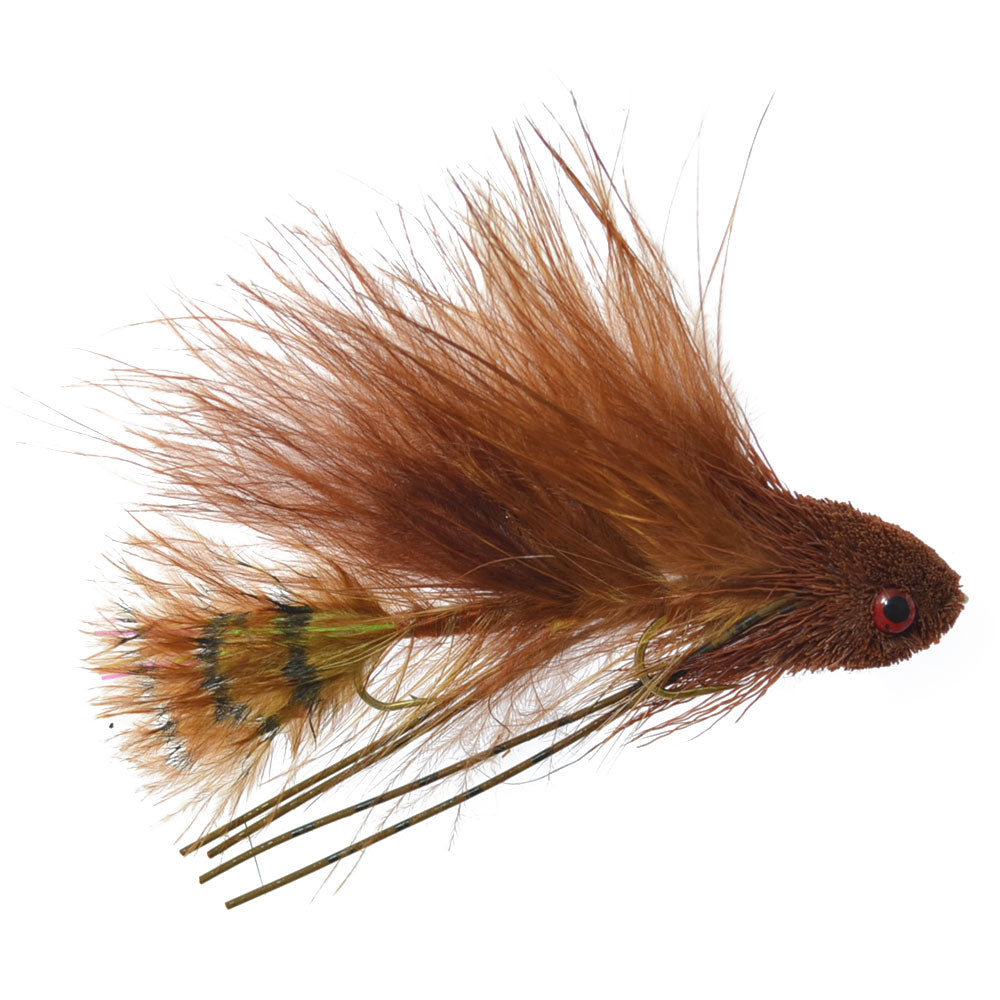
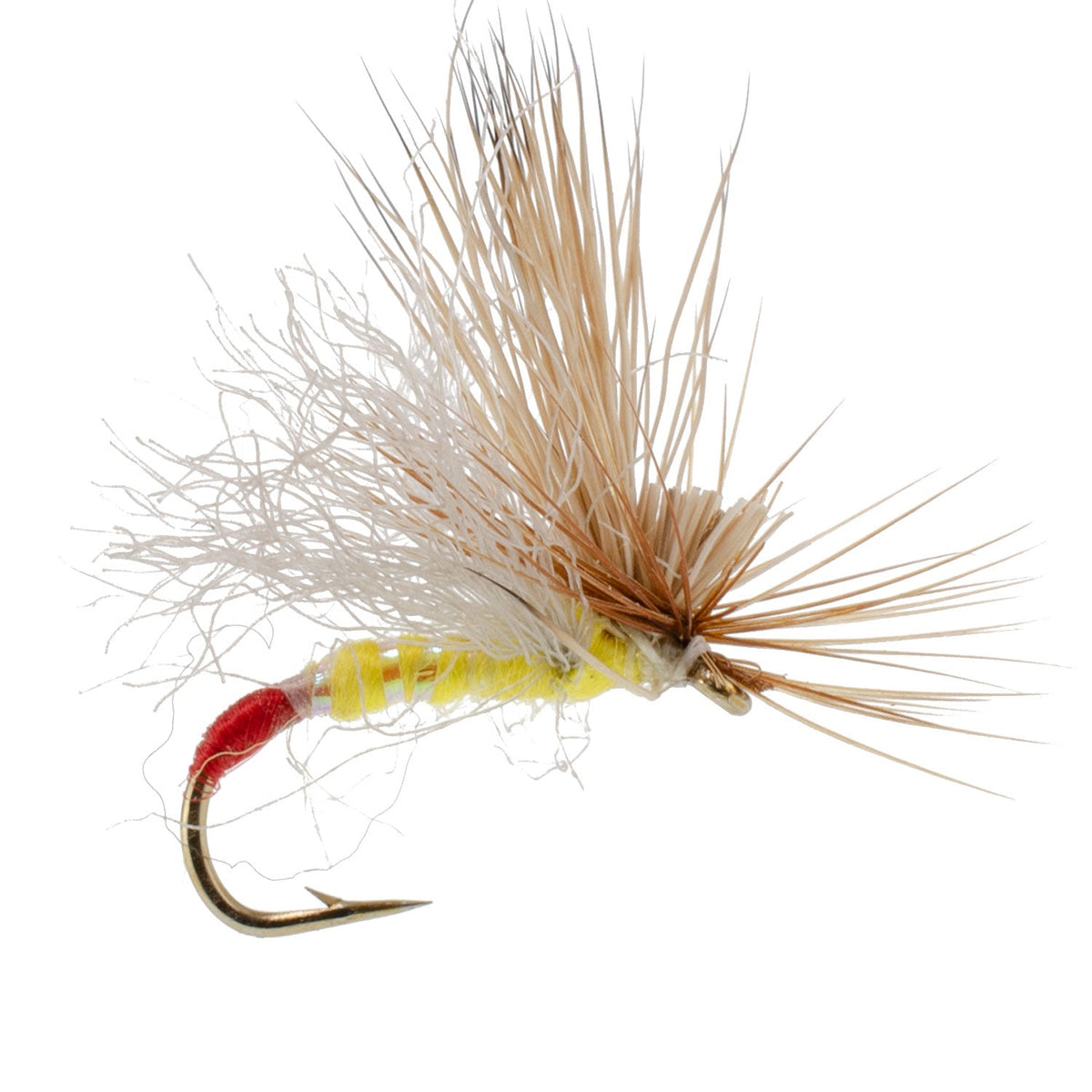
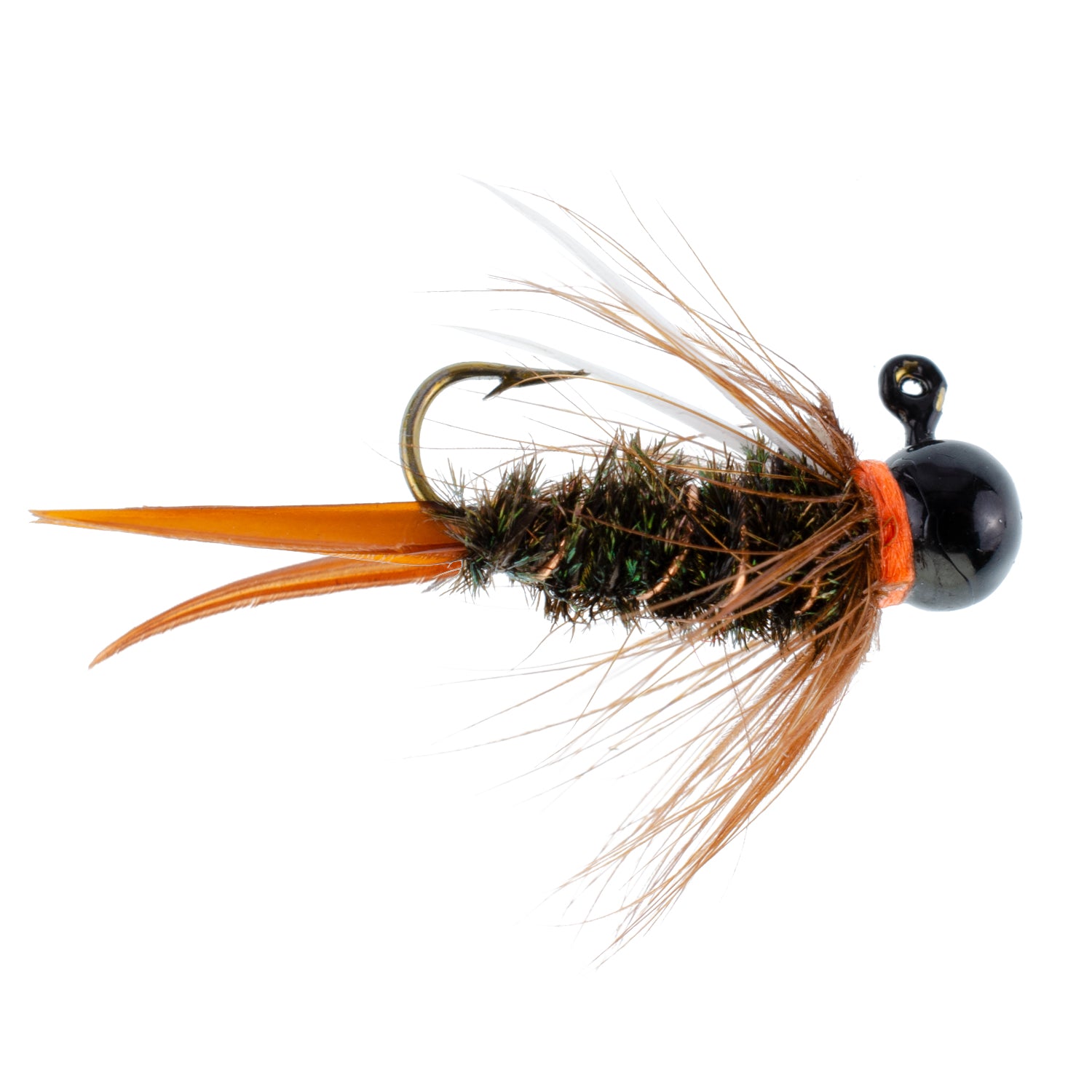
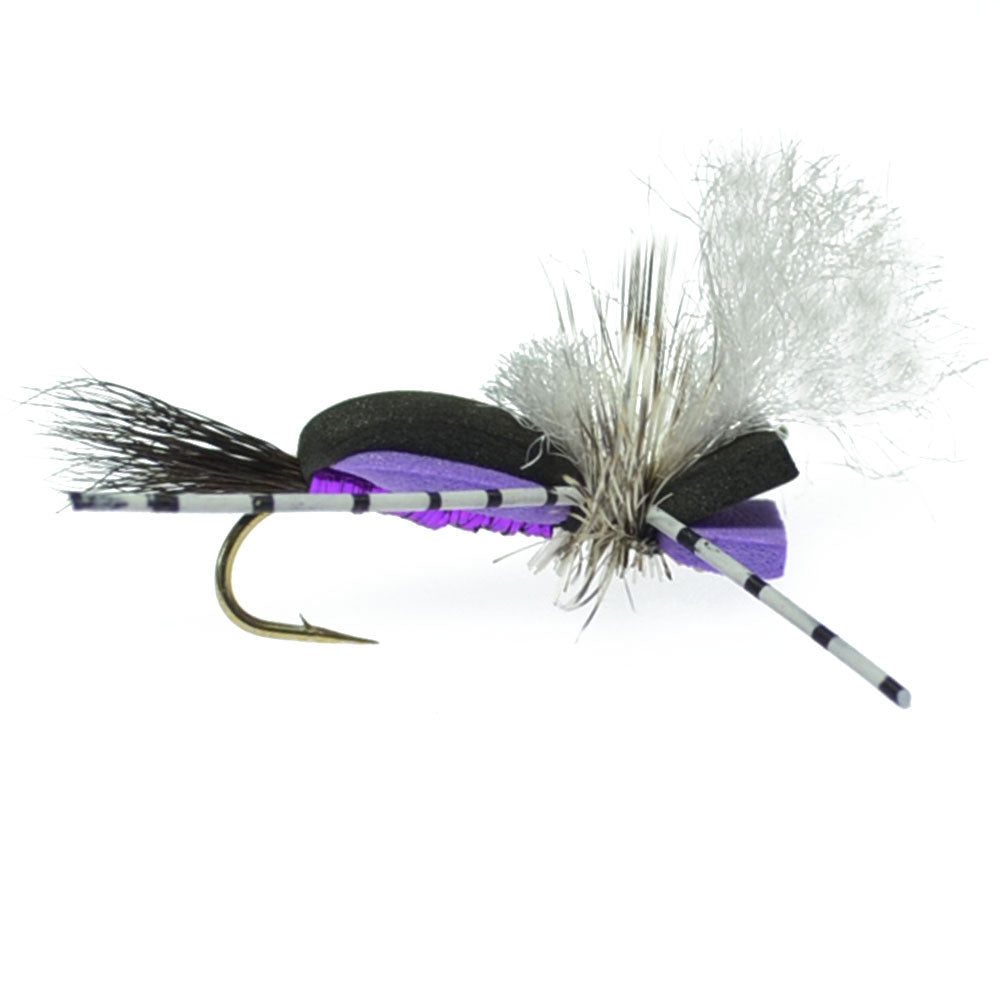
Shop by type: dry flies, nymphs, Euro nymphs, hoppers and terrestrials, streamers.
The river
Below Craig the Missouri broadens and slows into a wide, braided prairie river with extensive gravel bars, long flat runs, and the kind of open water that rewards patient anglers who wade carefully and read the feeding lanes. The tailwater influence from Holter Dam moderates temperatures and flows through this section, but the character shifts noticeably from the canyon and flats fishing above Craig - this is more open, more wadeable, and in many stretches more forgiving water than the technical flats of the upper section.
Brown trout dominate the lower section with rainbow trout present throughout. Fish density is lower than the famous upper section but average size is comparable and the pressure differential is dramatic - an angler on the Craig to Cascade water on a summer weekend will encounter a fraction of the drift boats and wade anglers present in the Craig area. The lower river is ideal for the angler who values uncrowded water over proximity to the most famous hatch water in Montana.
Wade access is excellent throughout the Craig to Cascade corridor. Montana FWP maintains multiple fishing access sites with good parking and boat ramps, and the flat open character of the lower river means that access site parking areas give wade anglers reach into productive water without the need to float. Interstate 15 and the river access roads follow much of the section and provide easy road access. The lower Missouri is one of the most walkable and explorable stretches of blue-ribbon tailwater in Montana.
The hatches on the Craig to Cascade section generally mirror the upper river - the same insect populations are present throughout the tailwater corridor - but the lower river tends to fish slightly later in the hatch progression as the water warms incrementally downstream. BWO and caddis are particularly strong in the lower section. The PMD and trico hatches are present but less concentrated than on the upper flats. See also the Missouri River - Holter Dam to Craig for the upper section hatch chart.
Year at a glance
| Month | Primary hatches | Also carry | Typical sizes |
|---|---|---|---|
| Jan | Midges | Small nymphs, streamers | Midge 20-26 |
| Feb | Midges, BWO | Small nymphs, streamers | Midge 20-26, BWO 18-22 |
| Mar | BWO, midges | Small nymphs, streamers | BWO 16-20, midge 20-24 |
| Apr | BWO, caddis, midges | Small nymphs | BWO 16-20, caddis 14-16 |
| May | Caddis, BWO | PMD start, midges | Caddis 14-16, BWO 16-18 |
| Jun | PMD, caddis, BWO | Yellow sally, midges | PMD 16-18, caddis 14-16 |
| Jul | PMD, hoppers, caddis | Trico, yellow sally, ants | PMD 16-18, hopper 8-12 |
| Aug | Hoppers, caddis, trico | PMD, ants, beetles | Hopper 8-12, trico 20-24 |
| Sep | BWO, caddis, hoppers | Mahogany dun, streamers | BWO 16-20, hopper 8-12 |
| Oct | BWO, midges | Streamers, mahogany dun | BWO 16-20, midge 20-24 |
| Nov | Midges, BWO | Streamers, small nymphs | Midge 20-24, BWO 18-22 |
| Dec | Midges | Small nymphs, streamers | Midge 20-26 |
January - February
The tailwater influence keeps the lower Missouri fishable year-round. Winter is midge and nymph fishing in the deeper runs and pools - the flat open character of the lower river means fish concentrate in predictable holding lies that patient winter anglers can locate and work methodically. BWO begin on overcast afternoons in February. Streamers for large browns in the deeper channel runs. Virtually no pressure through the winter months.
- Midges - 20-26. Two-fly rig in the deeper runs and pools. The year-round constant on the lower Missouri.
- BWO beginning mid-February - 18-22 on overcast afternoons. Parachute and CDC emerger styles.
- Streamers for large browns in the deeper channel runs.
March - April
BWO hatches strengthen through March and April and the lower Missouri produces excellent spring olive fishing with far less pressure than the upper section. The open prairie valley setting means wind can be a factor - fish the sheltered bends and runs on windy days and the open flats on calm overcast afternoons when the BWO are most concentrated. Caddis begin building in April. The spring lower Missouri is some of the most underrated dry-fly fishing in Montana.
- BWO - 16-20 on overcast afternoons through March and April. Parachute and CDC emerger styles. The dominant spring hatch.
- Midges throughout - 20-24 subsurface.
- April: caddis - 14-16 building through afternoons and evenings.
- Small nymphs subsurface throughout.
May - June
Caddis and PMD season. The lower Missouri caddis hatches in May and June are excellent - dense evening caddis activity across the broad river with fish working the surface in the long flat runs and along the gravel bar edges. PMDs build through June and produce good morning dry-fly fishing throughout the section. The pressure on the lower river in May and June is a fraction of what Craig sees - an angler who sets up camp on the Craig to Cascade water during the PMD season is getting comparable hatches with dramatically fewer boats.
- Caddis - 14-16 evenings through May and June. Dense hatches on the lower river.
- BWO - 16-18 on overcast days through May. Parachute style.
- June: PMD - 16-18 mornings on the flatter runs and gravel bar edges.
- Yellow sally - 14-16 in the faster riffles through June.
- Nymphs subsurface throughout.
July - August
Hopper season on the lower Missouri is excellent. The broad prairie margins and agricultural edges of the Craig to Cascade corridor concentrate grasshoppers and the wild browns respond aggressively to hopper presentations along the cutbanks and gravel bar edges. PMDs continue through July mornings. Trico spinner falls are present in the lower section but less concentrated than on the upper flats - early morning trico fishing can be excellent in the slower, flatter reaches. Caddis evenings throughout. Ants and beetles midday.
- Hoppers - 8-12 along the cutbanks, gravel bar edges, and prairie margins through July and August.
- PMD - 16-18 mornings through July.
- Trico - 20-24 early morning in the slower reaches. Spent-wing spinner, 6X tippet.
- Caddis - 14-16 evenings through both months.
- Ants and beetles midday in the foam lines.
September - October
Fall is the finest season on the lower Missouri. BWO return strongly with the cooling temperatures and the broad open river produces excellent afternoon olive hatches with minimal pressure after Labor Day. Hoppers through mid-September. Mahogany duns on overcast days. Caddis evenings through September. Streamers for pre-spawn browns in October - the lower river's deep channel runs and undercut banks hold large fish that become aggressive in fall. The Craig to Cascade water in October with streamers and BWO and virtually no other anglers is one of Montana's best-kept fall fishing experiences.
- Hoppers through mid-September along the prairie margins.
- BWO - 16-20 on overcast afternoons through September and October. Parachute and CDC emerger styles. The dominant fall hatch.
- Mahogany dun - 14-16 on overcast afternoons through September and October.
- Caddis evenings through September - 14-16.
- Streamers through October for pre-spawn browns in the deep channel runs and undercut banks.
November - December
BWO and midges through November with virtually no pressure. The lower Missouri in late fall is accessible, fishable, and empty - the combination of tailwater stability and prairie valley setting means the river stays open and fishable long after more remote rivers have shut down for winter. Streamers for post-spawn browns through November. December midge and nymph fishing in the deeper channel runs.
- BWO through mid-November on overcast afternoons - 18-22 parachute style.
- Midges - 20-26 year-round. Two-fly rig subsurface throughout both months.
- Streamers for post-spawn browns through November in the deeper channel runs.
- Small nymphs subsurface through December.
A western dry and nymph assortment covers the core season. Add a hopper and terrestrial selection for July through September and a streamer box for fall. Fine tippet (5X-6X) is essential on the flat Missouri surface. The Craig to Cascade section is Montana's most underappreciated blue-ribbon tailwater - comparable hatches, comparable fish, and a fraction of the pressure of the famous upper section. See also the Missouri River - Holter Dam to Craig for the upper section hatch chart.