Naches River Washington Hatch Chart
Central Washington, rising in the Cascades west of Yakima and flowing east through the Naches Valley to the Yakima River at the city of Yakima. The Naches is a freestone tributary of the Yakima system, smaller and more intimate than the Yakima Canyon, with wild rainbows and browns in cold mountain water. The finest resident trout fishing is above the Tieton, through the ponderosa canyon toward Cliffdell and up into the Little Naches, Bumping, and American country. It fishes from late spring through October and is a welcome alternative when the Yakima Canyon is busy with boats.
The Naches drainage experienced significant flood damage in November 2021 when an atmospheric river event caused severe channel disruption throughout the system - particularly on the upper Naches and the Tieton River tributary. Flooding altered channel structure, moved substantial gravel, damaged riparian areas, and affected fish populations and access on some sections. Recovery has been ongoing and fish populations have been rebuilding steadily through 2023-2026, but some sections fish differently than pre-flood conditions and some historical access points were affected. Check with local fly shops in Yakima or Naches for current access and conditions before planning a trip, particularly to the upper drainage.
Check current Washington Department of Fish and Wildlife regulations before you go. The Naches, Tieton, Little Naches, Bumping, and American each carry their own lines in the pamphlet.
On the Naches from the mouth to the Little Naches: selective gear rules. No fishing from a floating device with an internal-combustion motor. From the mouth to the Tieton, trout may be kept: daily limit 2, minimum 14 inches, Saturday before Memorial Day through October 31. From the Tieton upstream to the origin of the Naches at the Little Naches and Bumping, release all trout.
From the mouth to the Tieton, December 1 through the last day of February is open for whitefish only, under whitefish gear rules.
Watch for late-summer tributary closures. A Washington fishing license is required.
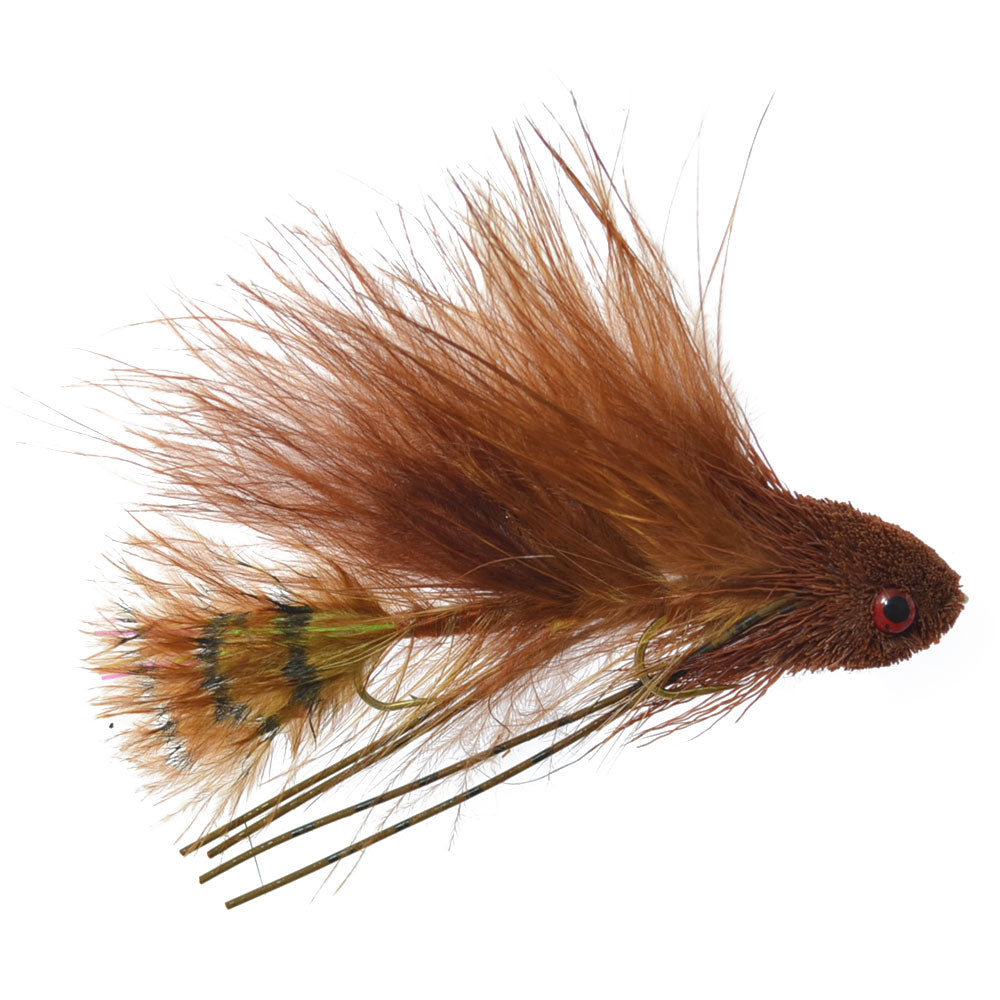
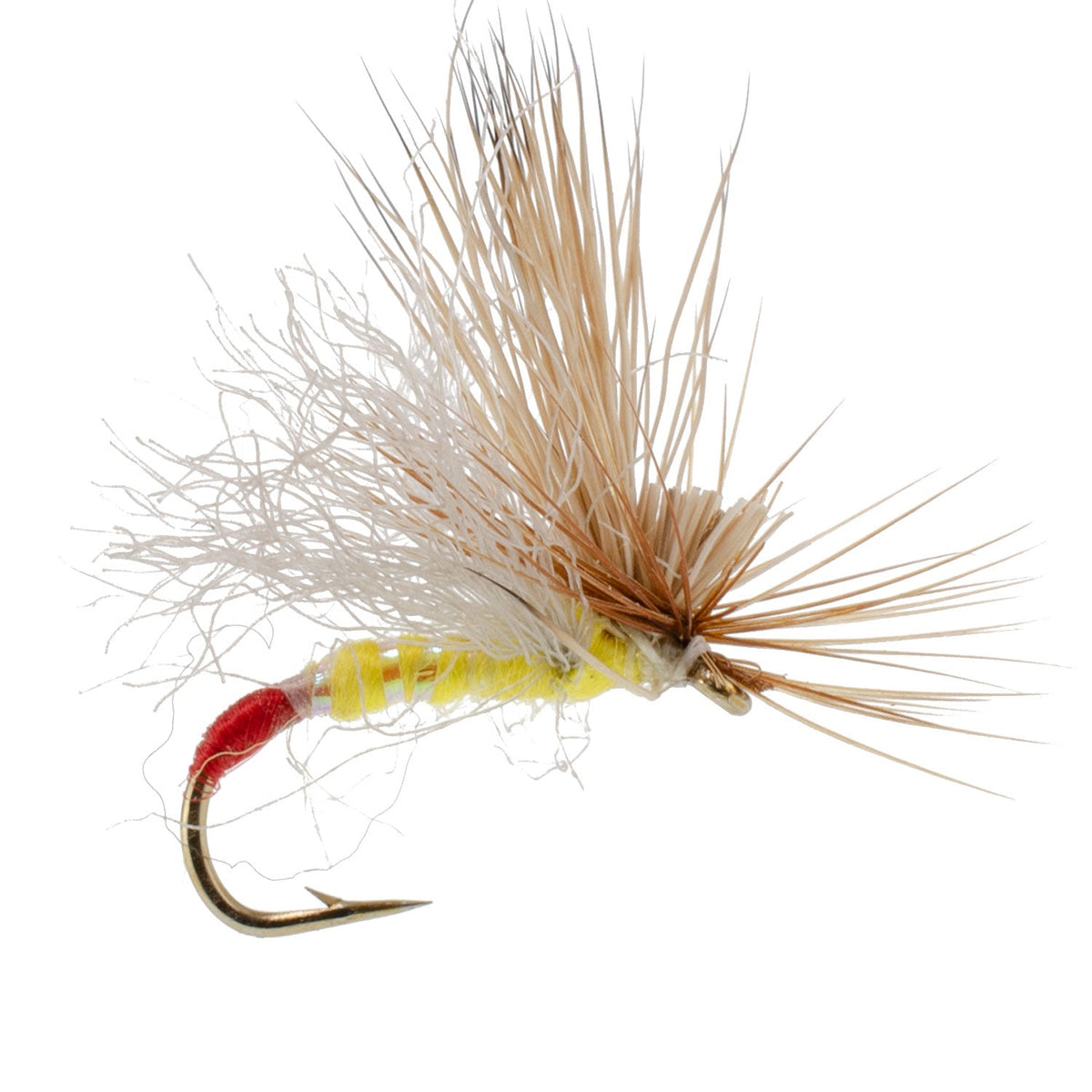
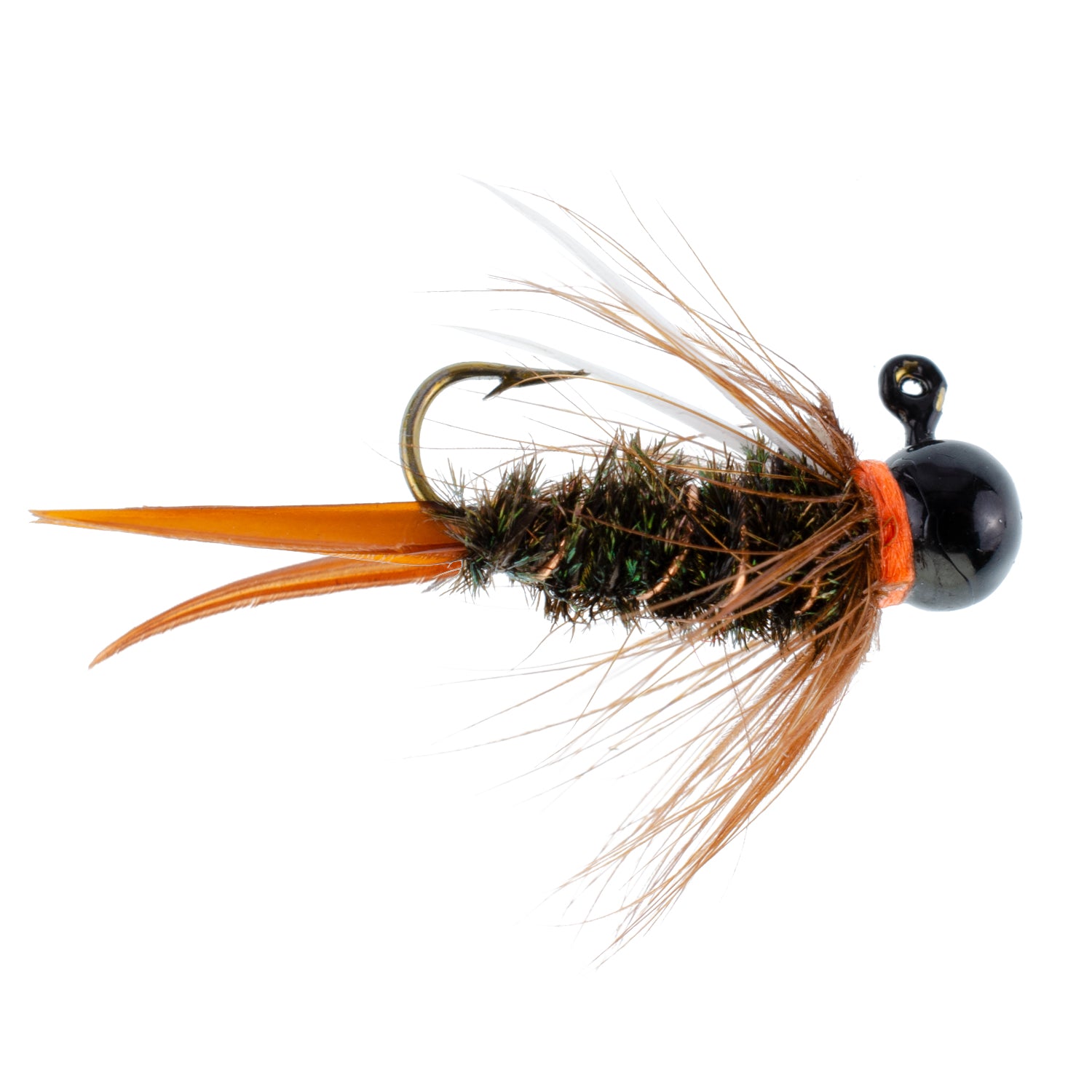
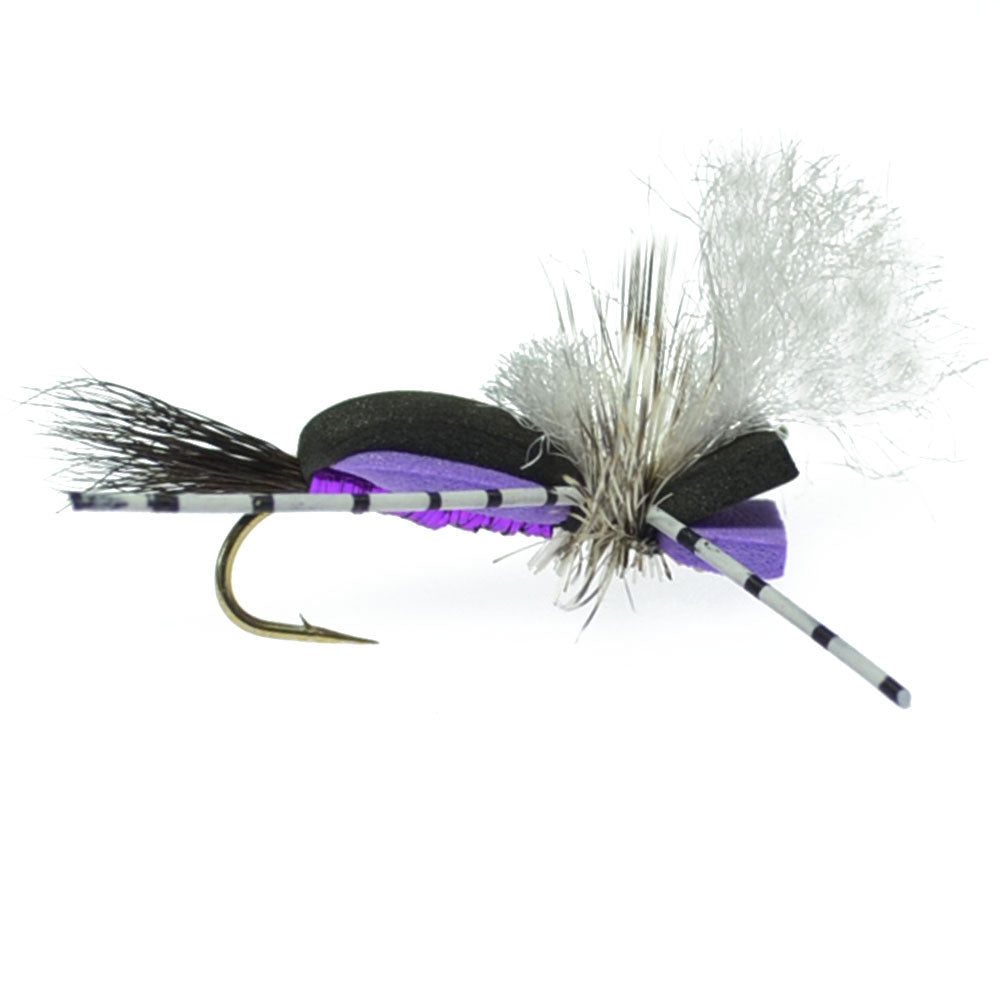
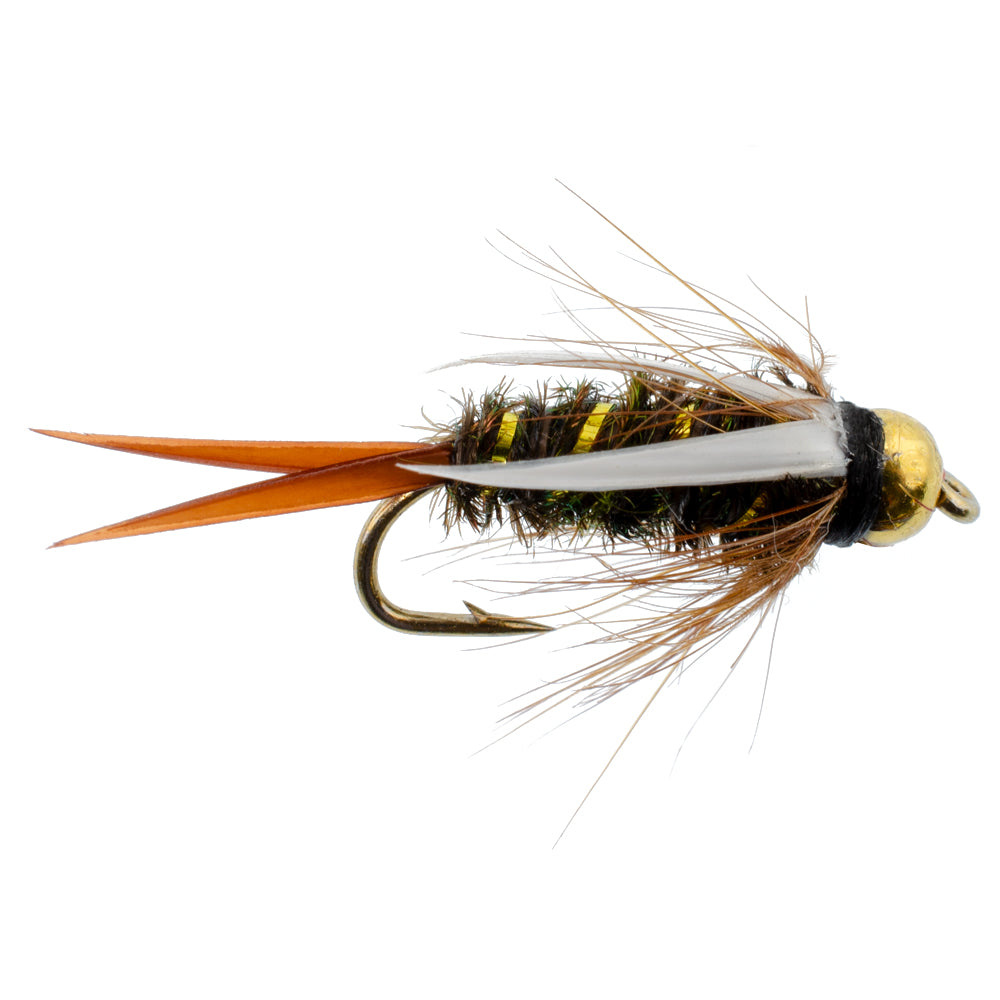
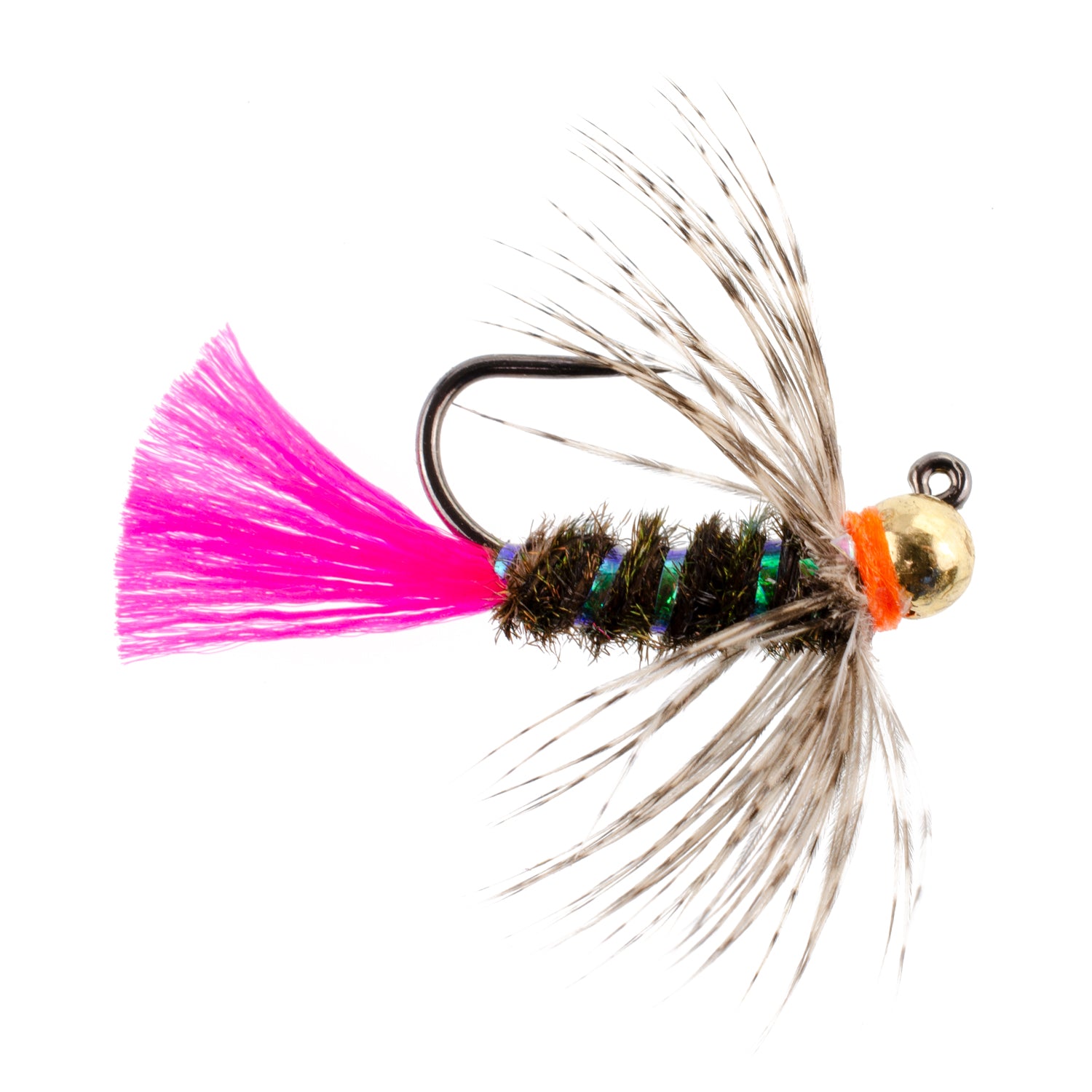
Shop by type: dry flies, nymphs, Euro nymphs, hoppers and terrestrials, streamers.
The river
The Naches changes character as you leave Yakima. The lower river through the valley is warmer and slower, better in spring and fall than in the heat. From town upstream toward Cliffdell the canyon tightens into ponderosa water with good wade access, wild rainbows and browns, and a hatch calendar much like the Yakima’s, with fewer boats. Above Cliffdell, and in the Little Naches, Bumping, and American country that forms the river, the water is colder and smaller. That is the prettiest fishing in the drainage, and it is catch-and-release for trout.
The 2021 flood event is part of the Naches story that any visiting angler should understand. The November atmospheric river caused channel-altering flooding throughout the drainage - gravel bars shifted, pools filled or moved, riparian vegetation was scoured in places, and some sections that previously held reliable fish concentrations changed character significantly. The river has been recovering naturally and Washington Department of Fish and Wildlife has monitored fish population recovery - by 2025 and 2026 populations have been rebuilding well in most sections, but the river fishes as a recovering system in some reaches rather than the pre-flood benchmark that older guidebooks or online reports may describe. Approach the Naches with fresh eyes, consult local shops for current conditions, and expect some sections to fish better than expected and others to still be working toward full recovery.
The Tieton River tributary below Rimrock Lake is a separate fishery - a regulated tailwater with its own hatch timing, access conditions, and regulation status. The Tieton also experienced flood impacts in 2021 and has been recovering. Check current WDFW rules specifically for the Tieton before fishing it as regulations can differ significantly from the main Naches. The hatch calendar below covers the main Naches system.
Year at a glance
| Month | Primary hatches | Also carry | Typical sizes |
|---|---|---|---|
| Jan | Midges | Small nymphs | Midge 18-24 |
| Feb | Midges, BWO | Small nymphs | Midge 18-24, BWO 18-22 |
| Mar | BWO, Skwala, midges | Early caddis | Skwala 8-12, BWO 16-20 |
| Apr | BWO, Skwala, caddis | March brown, stonefly nymphs | Skwala 8-12, BWO 14-18 |
| May | Caddis, PMD, BWO | Stonefly nymphs, March brown | Caddis 14-16, PMD 16-18 |
| Jun | PMD, caddis, yellow sally | Golden stone, BWO | PMD 16-18, caddis 14-16 |
| Jul | PMD, caddis, hoppers | Yellow sally, ants | PMD 16-18, hopper 8-12 |
| Aug | Hoppers, caddis, ants | Beetles, late PMD, trico | Hopper 8-12, caddis 14-16 |
| Sep | BWO, hoppers, caddis | Mahogany dun, ants | BWO 16-20, hopper 8-12 |
| Oct | BWO, mahogany dun | October caddis, midges | BWO 16-20, caddis 8-10 |
| Nov | Midges, BWO | Small nymphs | Midge 18-24, BWO 18-22 |
| Dec | Midges | Small nymphs | Midge 18-24 |
January - February
The Naches holds fish year-round in the canyon sections but fishes slowly through winter. Midges are the primary food source through January and BWO begin on overcast February afternoons on the middle canyon sections. The lower river is the most accessible in winter - upper canyon access can be affected by snow and ice on the roads above Cliffdell. Fish the deeper pools and slower runs subsurface through both months. January and February on the Naches are quiet and uncrowded - very few other anglers and wild fish that have not seen a fly since fall.
- Midges - 18-24. Two-fly rig through the deeper pools and slower runs. The year-round constant on the Naches.
- BWO - 18-22 on overcast February afternoons on the middle canyon sections. Parachute and CDC emerger styles.
- Small nymphs on a tight-line rig through the deeper slots and tailouts throughout both months.
March - April
March opens the dry-fly season with Skwala stoneflies on the middle canyon sections when water temperatures climb into the mid-40s - typically mid-to-late March in average snowpack years. The Naches Skwala is less celebrated than the Yakima's but produces the same early-season excitement with aggressive winter-conditioned rainbows responding to large stonefly dries on warm afternoons. BWO strengthen through March and April on overcast days. April extends the Skwala into the upper sections, adds March brown on the broader canyon water, and sees caddis beginning to build in the evenings. Monitor snowmelt on the upper drainage in April - the middle canyon sections clear faster than the upper river after runoff begins.
- Skwala - 8-12. Stimulator-style or rubber-leg stonefly dry on warm March and April afternoons. Skwala nymph subsurface all day before and after the hatch window.
- BWO - 16-20 on overcast afternoons through March and April. Parachute and CDC emerger styles.
- March brown - 12-14 on the broader middle canyon sections in April.
- April: caddis building - 14-16 evenings on the lower and middle sections.
- Stonefly nymphs 6-10 subsurface through both months.
May - June
The prime season opens in May with overlapping caddis and PMDs through the canyon - one of the most productive dry-fly periods on the Naches. PMDs hatch in the morning on the flatter upper sections and caddis fill the evenings throughout the canyon. BWO on overcast mornings. Yellow sallies begin in the faster pocket water in June. Golden stones in the heavier middle canyon riffles. Monitor snowmelt timing on the upper Naches and American River in May - high runoff years can push the best fishing into late May or early June on the upper sections. The middle canyon from Naches to Cliffdell is the most reliable early-season water and clears fastest after runoff.
- PMD - 16-18 mornings through May and June. The dominant spring hatch on the upper river and American River tributary.
- Caddis - 14-16 afternoons and evenings through May and June. The reliable evening constant on both sections.
- BWO on overcast mornings through May.
- Stonefly nymphs 6-10 subsurface through May.
- June: yellow sally - 14-16 in the faster pocket water and riffle edges.
- Golden stone - 6-10 in the heavier middle canyon riffles in June.
July - August
Full summer dry-fly season through July and August - PMDs in the morning, yellow sallies in the fast water, caddis evenings, and hoppers building along the ponderosa margins from mid-July through August. The Naches canyon is excellent terrestrial water and the wild rainbows respond well to hoppers and ants along the undercut banks. Fish the upper canyon and American River tributary for the coolest water and most active fish through summer heat - the lower Naches toward the Yakima confluence warms significantly in July and August. Check for emergency tributary closures before fishing the American River or Tieton in late summer. The middle canyon sections are the most reliable through summer with the best combination of access and water temperature.
- July: PMD - 16-18 mornings on the upper sections and American River tributary.
- Yellow sally - 14-16 in the fast riffles and pocket water through July.
- Caddis - 14-16 evenings throughout July and August.
- Hoppers - 8-12 along the ponderosa margins and canyon banks mid-July through August. Hopper-dropper with a small nymph is the standard rig.
- Ants and beetles midday along the banks - 14-16.
- August: trico - 20-24 early morning on the flatter upper sections when conditions allow.
September - October
September is the finest month on the Naches - BWO return strongly as nights cool, hoppers continue through mid-month, crowds thin after Labor Day, and the canyon is largely empty. The fall BWO fishing through September and October produces consistent afternoon hatches with selective but catchable wild fish on an essentially uncrowded river. Mahogany duns add a second afternoon option on overcast days. October caddis appear on the lower and middle sections in October. The Naches in October with fall olives and almost no other anglers is one of the more underrated late-season experiences in the Yakima drainage.
- Hoppers through mid-September - 8-12 along the canyon margins and undercut banks.
- BWO - 16-20 on overcast afternoons through September and October. The dominant fall hatch. Parachute and CDC emerger styles.
- Mahogany dun - 14-16 on overcast afternoons in September and October.
- Caddis evenings through mid-September - 14-16.
- October caddis - 8-10 on warmer October afternoons on the lower and middle sections.
- Streamers at last light through September and October for larger browns.
November - December
Midges and BWO as the season winds into winter. The middle canyon sections remain accessible and fishable on mild November afternoons with almost no competition. The upper Naches and American River slow significantly in November as temperatures drop and days shorten. December returns to the midge and nymph program on the deeper pools and slower runs of the accessible middle canyon sections. Check road conditions before driving to the upper drainage in late fall and winter.
- BWO - 18-22 on overcast November afternoons on the middle canyon sections. Parachute and CDC emerger styles.
- Midges - 18-24 throughout both months. Two-fly rig through the deeper pools and slower runs.
- Small nymphs on a tight-line rig through the deeper slots and tailouts.
A western dry and nymph assortment covers the core season - add Skwala patterns in sizes 8-12 for March and April, a strong hopper selection for July through September, and a deep BWO selection in sizes 16-20 for the fall canyon season. The Naches is a recovering river with good fish, minimal pressure, and a full Cascades freestone hatch calendar - an excellent complement to the Yakima for the angler who wants more room and fewer boats.