Roaring Fork River Colorado Hatch Chart
Western Colorado, flowing northwest from its headwaters near Independence Pass through Aspen, Basalt, and Carbondale before joining the Colorado River at Glenwood Springs. The Roaring Fork is Colorado's most celebrated valley river - a freestone stream with exceptional populations of wild brown and rainbow trout flowing through the heart of the Roaring Fork Valley past some of the most spectacular mountain scenery in the American West. The Gold Medal water from Basalt downstream to the confluence with the Colorado at Glenwood Springs is the primary destination - public access via the Rio Grande Trail and numerous river access points makes the lower Roaring Fork one of Colorado's most accessible quality wild trout fisheries. Pair it with the Fryingpan River for a complete Roaring Fork Valley fly fishing trip.
Check current Colorado Parks and Wildlife regulations before you go. The Gold Medal section from Basalt to the confluence has special regulations including artificial flies and lures only and catch-and-release for brown trout on designated reaches - verify current rules for your target section. Much of the river flows through private land above Basalt - the Gold Medal water below Basalt provides the most consistent public access via the Rio Grande Trail corridor. A Colorado fishing license is required.
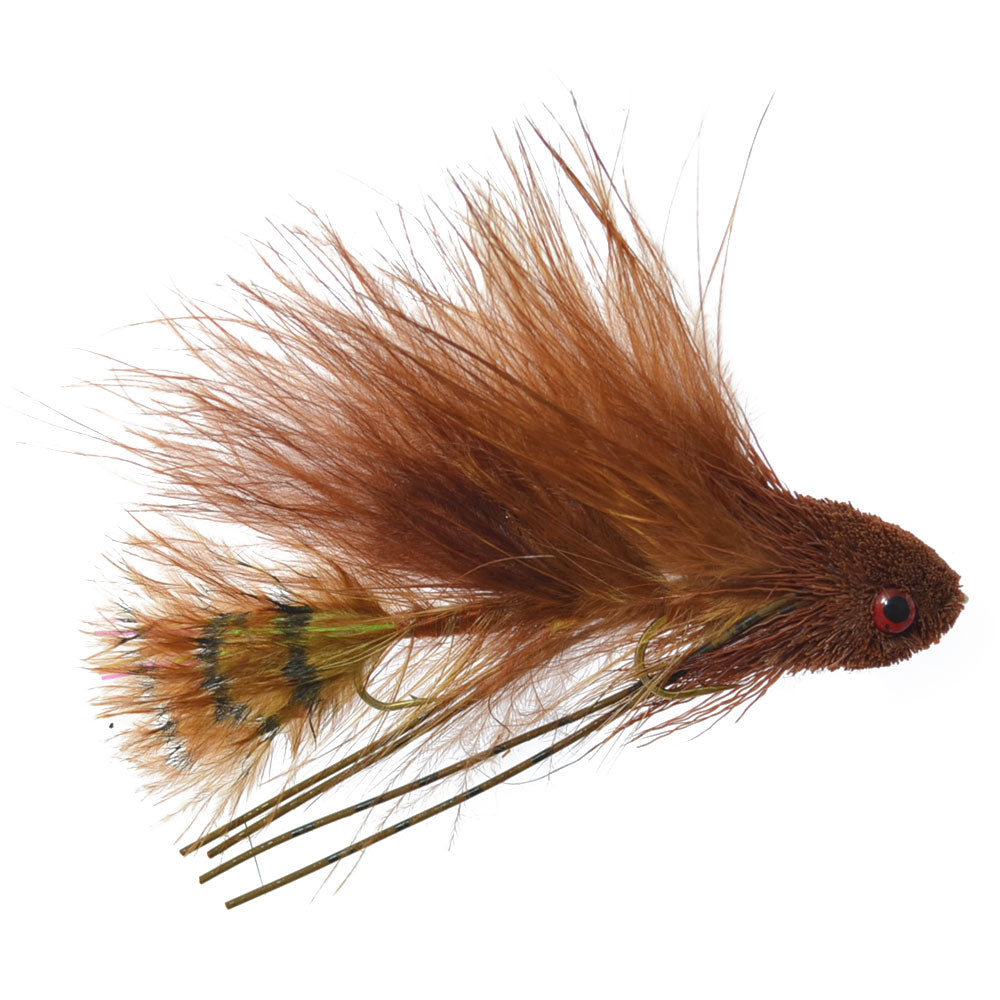
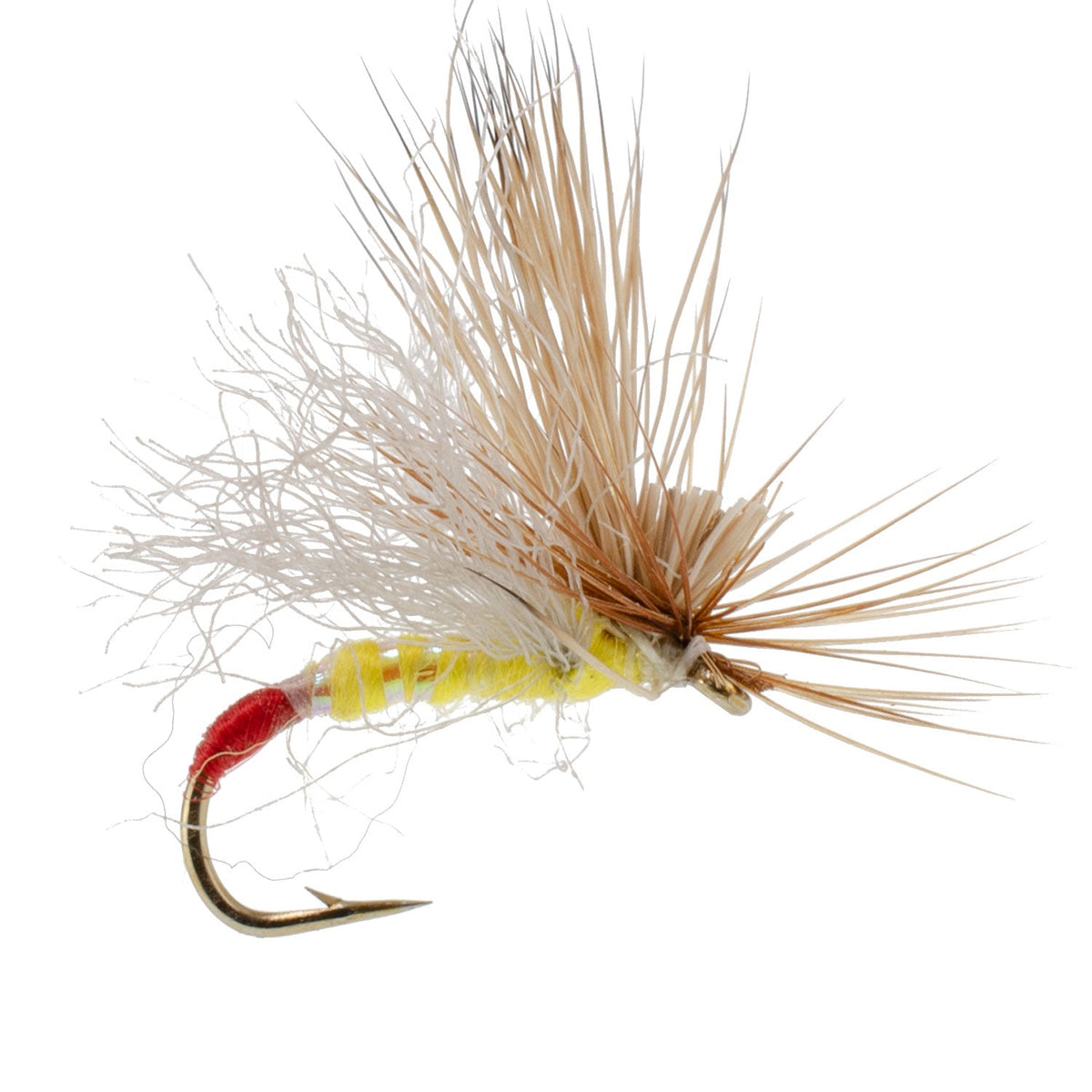
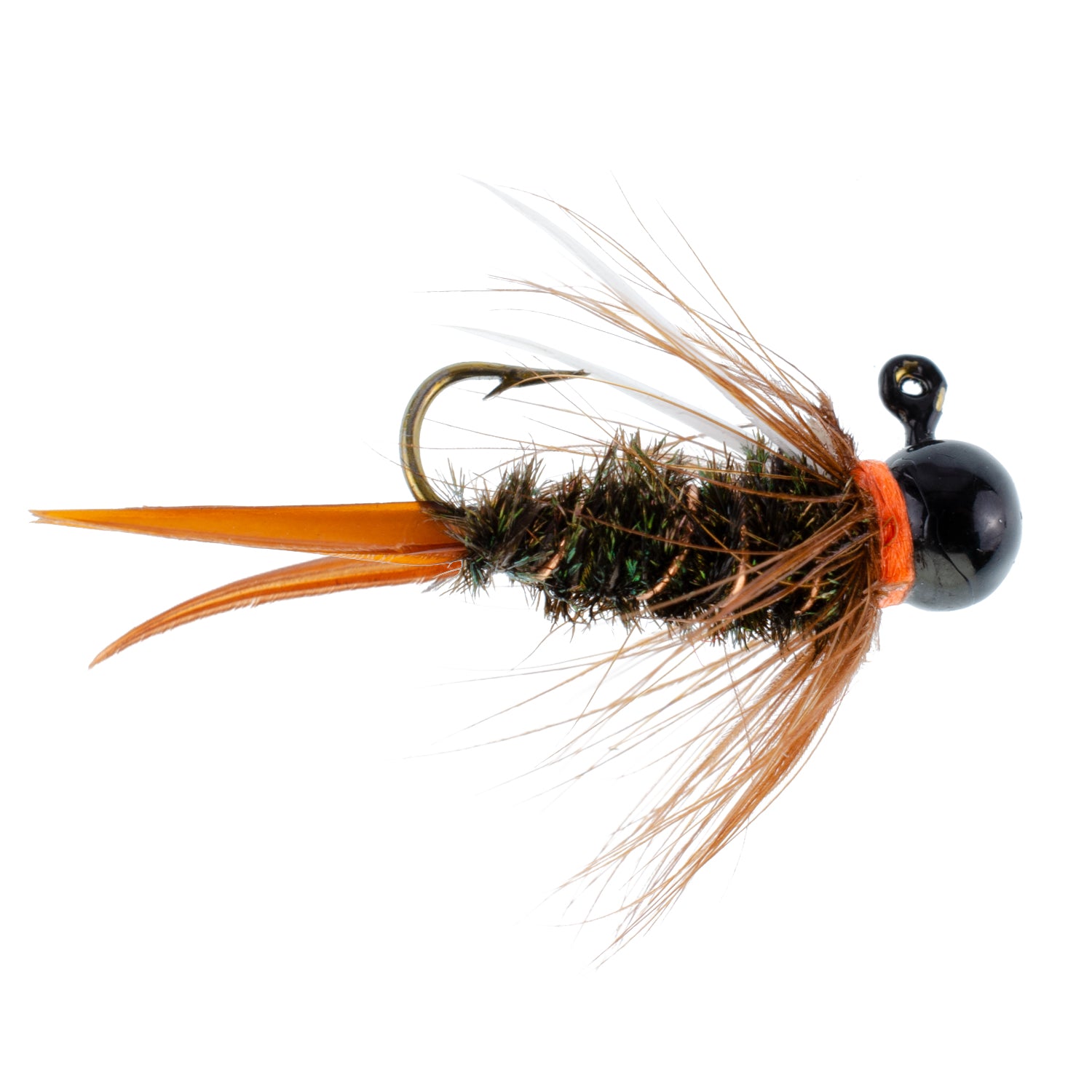
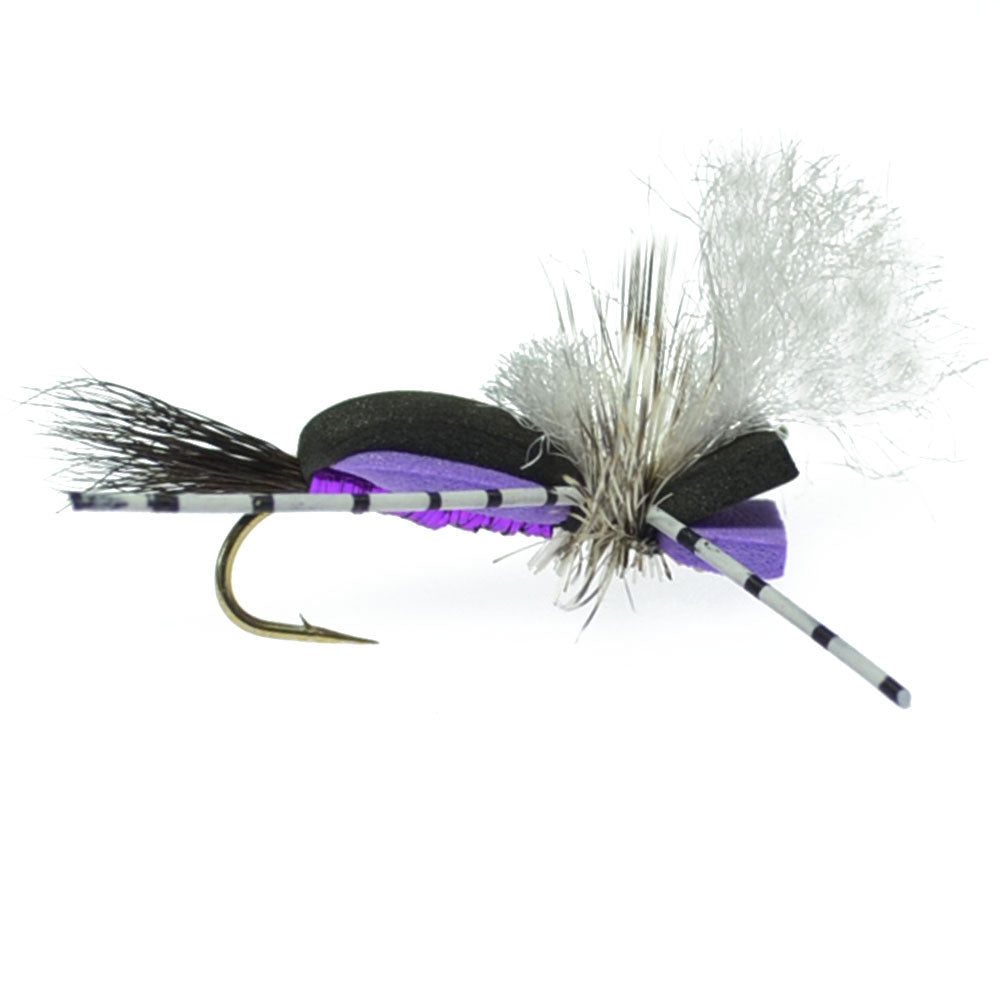
Shop by type: dry flies, nymphs, Euro nymphs, hoppers and terrestrials, streamers.
The river
The Roaring Fork below Basalt is a classic Colorado freestone river - clear, moderately fast, and varied in character with long riffle sections, deeper pools behind boulders and along undercut banks, and the kind of braided structure in the lower valley sections that holds large brown trout in predictable lies. The Gold Medal designation reflects genuine fish quality - browns over 18 inches are caught regularly in the deeper pools and runs by anglers who fish the evening caddis hatches and hopper season carefully, and the river holds a credible population of large wild fish by any standard.
Brown trout dominate the Gold Medal water with rainbow trout present throughout. The Roaring Fork browns are the primary target - well-conditioned, selectively educated by the pressure of the Aspen corridor but still catchable on the right pattern at the right time. The river fishes best with a systematic approach - covering the productive riffle edges and pool tailouts during hatches and swinging or drifting streamers through the deeper holds for large fish outside hatch windows.
The Roaring Fork Valley setting is one of the finest in Colorado fly fishing - the Elk Mountains rising above the valley, the Rio Grande Trail paralleling the river through the cottonwood corridor below Basalt, and the contrast between the world-class ski resort character of Aspen and the genuine wild trout fishing a short drive downstream. The river is within easy reach of Aspen, Basalt, Carbondale, and Glenwood Springs - all with full services and fly shops that track current conditions. The Fryingpan River enters the Roaring Fork at Basalt and the two rivers together form the most productive fly fishing corridor in western Colorado.
Year at a glance
| Month | Primary hatches | Also carry | Typical sizes |
|---|---|---|---|
| Jan | Midges, BWO | Small nymphs, streamers | Midge 20-26, BWO 18-22 |
| Feb | Midges, BWO | Small nymphs, streamers | Midge 20-26, BWO 18-22 |
| Mar | BWO, midges, blue quill | Small nymphs, streamers | BWO 16-20, midge 20-24 |
| Apr | BWO, caddis, blue quill | PMD start, small nymphs | BWO 16-20, caddis 14-16 |
| May | Caddis, PMD, BWO | Yellow sally, salmonfly start | Caddis 14-16, PMD 16-18 |
| Jun | Caddis, PMD, golden stone | Yellow sally, ants | Caddis 14-16, PMD 16-18 |
| Jul | Caddis, hoppers, PMD | Ants, beetles, yellow sally | Caddis 14-16, hopper 6-12 |
| Aug | Hoppers, caddis, PMD | Ants, beetles, trico | Hopper 6-12, caddis 14-16 |
| Sep | BWO, caddis, hoppers | Mahogany dun, ants | BWO 16-20, hopper 8-12 |
| Oct | BWO, midges, caddis | Mahogany dun, streamers | BWO 16-20, midge 20-24 |
| Nov | BWO, midges | Small nymphs, streamers | BWO 18-20, midge 20-26 |
| Dec | Midges, BWO | Small nymphs, streamers | Midge 20-26, BWO 18-22 |
January - February
The Gold Medal water below Basalt fishes through winter with midge and BWO activity on the warmer afternoons. The Roaring Fork Valley floor stays accessible most winters - the lower canyon sections between Carbondale and Glenwood Springs are the most reliable winter water, protected from wind and with enough depth to hold fish through the cold months. Streamers for large browns in the deeper pools. Midges throughout in sizes 20-26. BWO on overcast afternoons. The winter Roaring Fork with rising fish and the snow-capped Elk Mountains as backdrop is a genuine western Colorado experience.
- Midges - 20-26 throughout both months. Subsurface in the deeper pools and runs; midge cluster dry when fish are dimpling.
- BWO - 18-22 on overcast afternoons. Parachute and CDC emerger styles.
- Streamers for large browns in the deeper canyon pools and undercut banks.
- Small nymphs subsurface throughout.
March - April
BWO hatches strengthen through March - the Roaring Fork spring olive hatches on overcast afternoons are among the most reliable in Colorado's western valleys. Blue quill hatches begin in March on the warmer sections. Caddis begin building in April and PMDs begin by late April on the lower Gold Medal sections. The spring Roaring Fork before runoff is excellent fishing - good hatches, fish in prime condition, and the valley coming alive after winter. Monitor flows carefully in late April and May as snowmelt begins - the river can rise and color quickly and runoff timing varies significantly year to year.
- BWO - 16-20 on overcast afternoons through March and April. CDC emerger and parachute styles.
- Blue quill - 16-18 on the warmer spring afternoons through March and April.
- Midges throughout - 20-24 subsurface.
- April: caddis building - 14-16 afternoons and evenings.
- Late April: PMD start - 16-18 on the lower Gold Medal sections.
May - June
Post-runoff prime season. The Roaring Fork typically clears from runoff by late May or early June depending on snowpack - watch the USGS gauge at Basalt and plan arrival for when flows drop and clarity returns. Caddis hatches build strongly through June and become the dominant evening event. PMDs through June mornings. Golden stones in the faster riffle sections. The post-runoff Roaring Fork in June with caddis evenings and clear water and the valley in full summer green is the river at its best. The Fryingpan tailwater above Basalt fishes through runoff when the main Roaring Fork is off-color - a significant advantage of the two-river corridor.
- Caddis - 14-16 evenings through both months. The dominant post-runoff hatch. Elk hair and soft hackle emerger styles.
- PMD - 16-18 mornings through June on the lower Gold Medal sections.
- Golden stone - 6-10 in the faster riffle sections through June.
- Yellow sally - 14-16 in the riffles on warm afternoons.
- BWO on overcast days through May.
July - August
Hopper season on the Roaring Fork is among the finest in Colorado - the broad valley with agricultural margins, cottonwood corridors, and grassy banks concentrates hoppers along the river edges from mid-July through August. Large Roaring Fork browns respond aggressively to hopper presentations along the cut banks and under the cottonwood canopy. Caddis evenings remain strong throughout. PMDs continue through July mornings. Ants and beetles midday. The summer Roaring Fork below Basalt with hopper fishing and caddis evenings and the Elk Mountains rising above the valley is Colorado dry-fly fishing at its most classic.
- Hoppers - 6-12 along the cut banks, cottonwood margins, and agricultural edges mid-July through August. The signature Roaring Fork summer pattern.
- Caddis - 14-16 evenings through both months. Reliable through summer.
- PMD - 16-18 mornings through July.
- Ants and beetles midday - 16-18.
- August: trico - 20-24 early morning on the slower flat sections.
September - October
Fall is the finest season on the Roaring Fork for large brown trout. BWO return strongly with the cooling temperatures - excellent afternoon olive hatches through September and October with the Elk Mountains in fall color and dramatically reduced angler pressure after Labor Day. Hoppers through mid-September. Mahogany duns on overcast days. Streamers for large pre-spawn browns in October - the fall brown trout run on the Roaring Fork concentrates fish and makes October one of the best streamer months of the year. The Roaring Fork Valley in October with golden aspens on the mountain slopes and large browns chasing streamers in the canyon pools is one of Colorado's signature fly fishing experiences.
- Hoppers through mid-September - 8-12.
- BWO - 16-20 on overcast afternoons through September and October. The dominant fall dry-fly hatch. Parachute and CDC emerger styles.
- Mahogany dun - 14-16 on overcast afternoons through September and October.
- Caddis evenings through September - 14-16.
- Streamers - October into November for large pre-spawn and spawning browns. Articulated patterns in the deeper pools and runs.
November - December
BWO and midges as the season closes, with streamer fishing for large browns extending into November. The lower canyon sections between Carbondale and Glenwood Springs stay accessible and productive through most of November - BWO on overcast afternoons and midges throughout. December is midge fishing in the most protected canyon water for the committed angler. The Fryingpan tailwater above Basalt provides consistent winter fishing when the main Roaring Fork slows - the two-river corridor extends the productive season significantly.
- Streamers through mid-November for large browns in the canyon pools.
- BWO - 18-20 on overcast November afternoons. Parachute and CDC emerger styles.
- Midges - 20-26 throughout both months. Subsurface and midge cluster dry when fish are dimpling.
- Small nymphs subsurface in the deeper holding water.
A western dry and nymph assortment covers the core season - add a strong hopper and terrestrial selection for July and August and streamers for October browns. The Roaring Fork River is Colorado's most complete valley trout fishery - Gold Medal water, exceptional wild browns, and the finest hopper season in the state in a setting defined by the Elk Mountains and the cottonwood corridors of the Roaring Fork Valley. Fish it alongside the Fryingpan River for the definitive western Colorado fly fishing experience.