Fryingpan River Colorado Hatch Chart
Western Colorado, flowing west from Ruedi Reservoir through a narrow canyon before joining the Roaring Fork River at Basalt. The Fryingpan River is one of Colorado's most celebrated tailwaters - cold, clear releases from Ruedi Dam sustain exceptional populations of trophy brown and rainbow trout in a dramatic red rock canyon setting that draws serious fly anglers from across the country. The upper Fryingpan from the dam downstream through the Toilet Bowl and Flats sections is the heart of the fishery - a Gold Medal, catch-and-release tailwater with some of the largest wild trout in Colorado and the year-round midge and PMD hatches that define technical tailwater dry-fly fishing. The Fryingpan is the natural companion to the Roaring Fork River - together they form the most productive fly fishing corridor in western Colorado.
Check current Colorado Parks and Wildlife regulations before you go. The upper Fryingpan from Ruedi Dam downstream is Gold Medal water with artificial flies and lures only and catch-and-release regulations - one of the most protective designations on any Colorado river. The lower Fryingpan from the Gold Medal boundary to the Roaring Fork confluence has standard regulations. The upper canyon is accessed via Fryingpan Road from Basalt - a paved road parallels the river to the dam providing easy access to the full Gold Medal section. A Colorado fishing license is required.
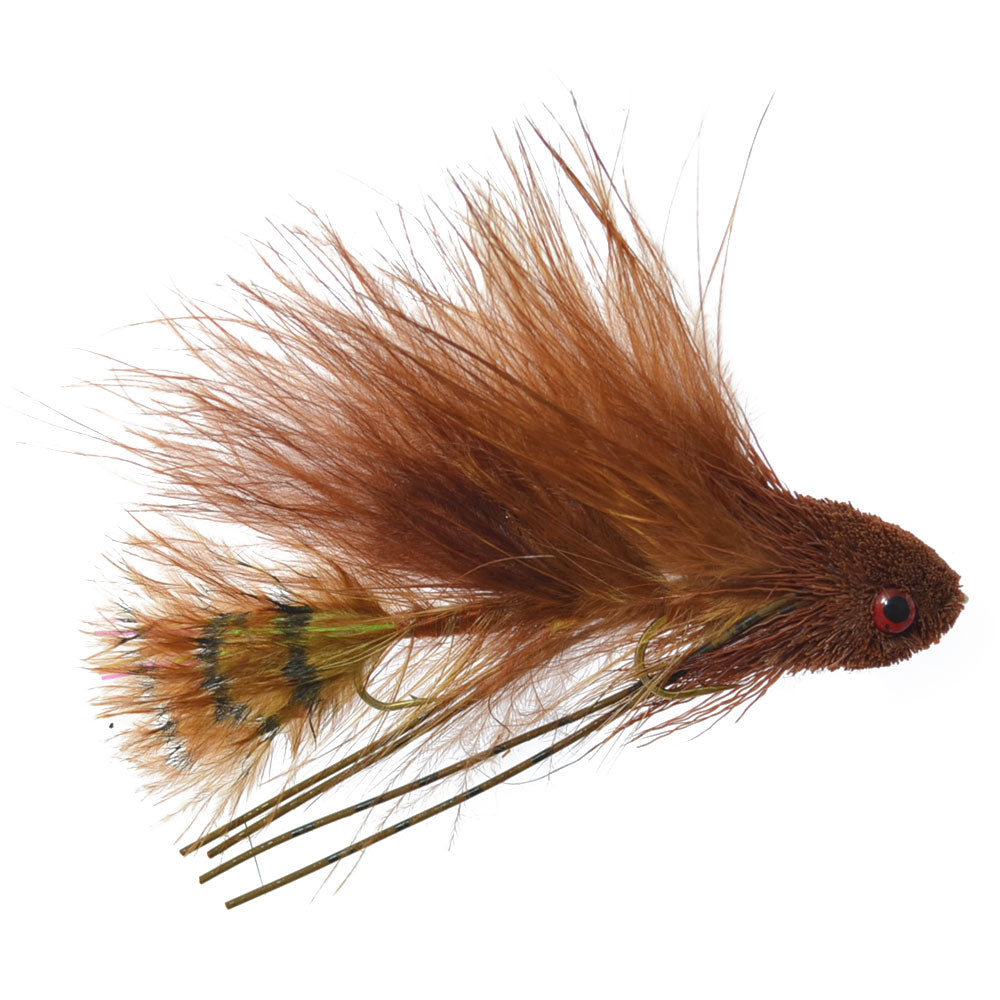
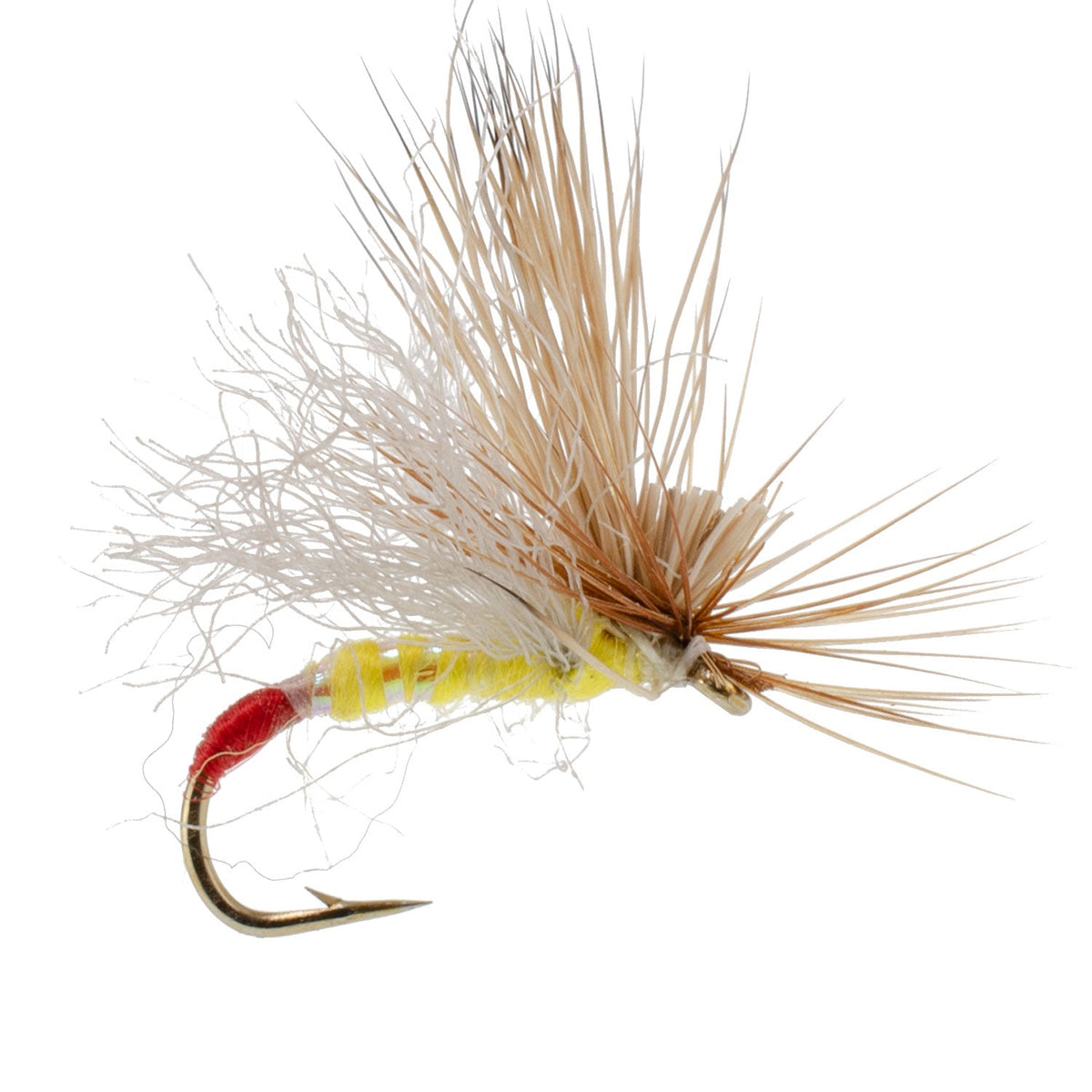
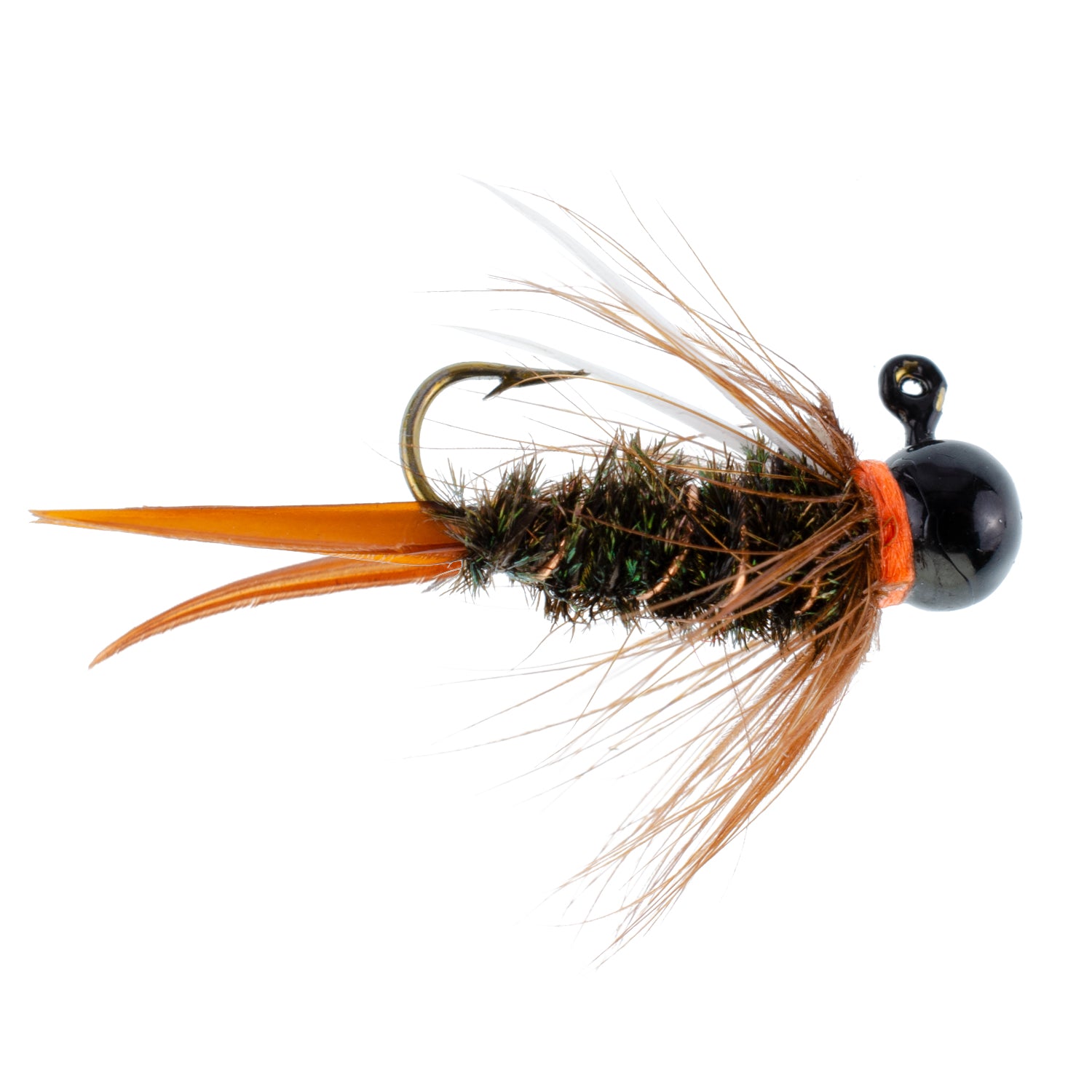
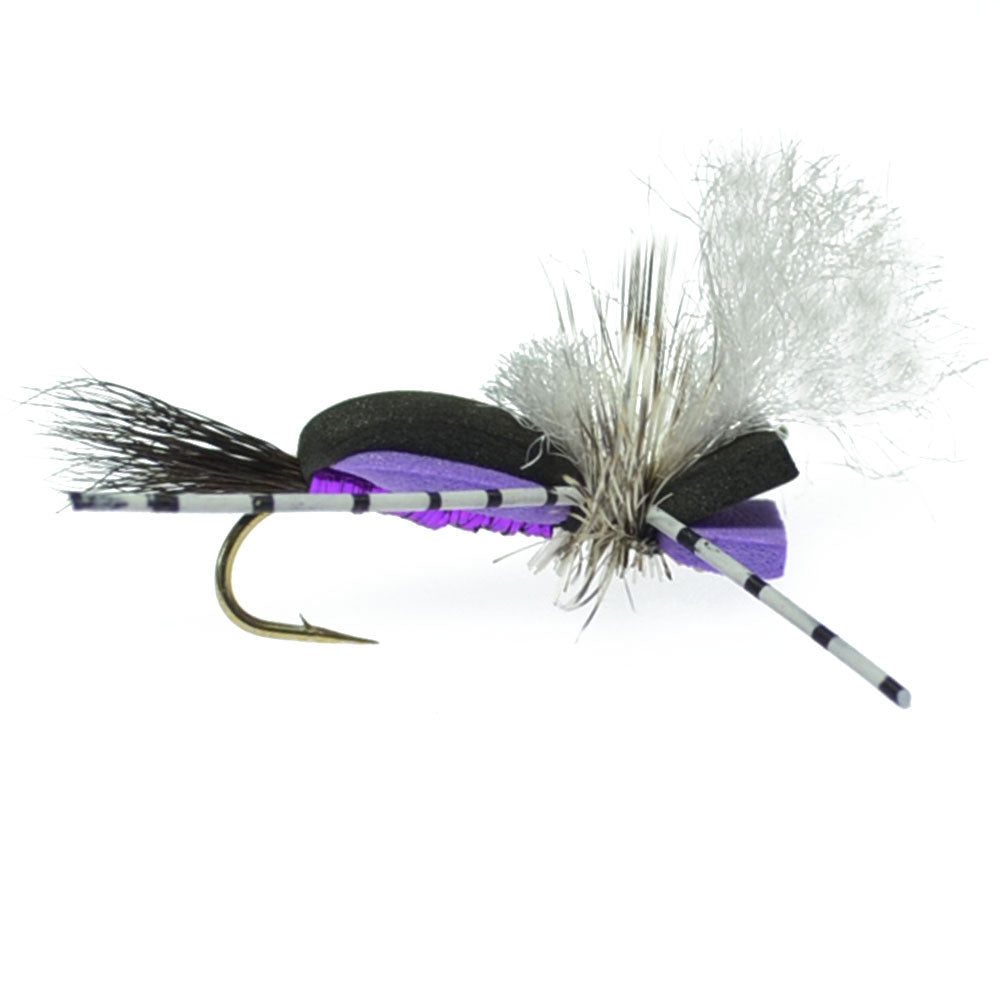
Shop by type: dry flies, nymphs, Euro nymphs, hoppers and terrestrials, streamers.
The river
The Fryingpan below Ruedi Dam is the quintessential Colorado tailwater - the dam-regulated releases produce constant cold, clear flows that support one of the densest populations of large trout in the state. The upper canyon sections from the dam through the famous Toilet Bowl area and into the broader Flats section below are the primary fishing destination, with the river character transitioning from the technical pocket water directly below the dam through flatter, weedier sections where fish rise more predictably to the dense midge and PMD hatches. The canyon walls of red Maroon Formation sandstone add a visual drama that makes the Fryingpan one of the most scenic tailwaters in the American West.
Trophy browns and rainbows define the Fryingpan - the tailwater stability and year-round midge production support fish of exceptional size. Browns over 20 inches are caught regularly and the river holds a credible population of fish over five pounds for anglers who target the right sections with the right approach. The fish are educated by constant pressure and the clear tailwater conditions - this is not a river where generic patterns work consistently. Matching the midge or PMD precisely, presenting on fine tippet with a drag-free drift, and targeting specifically rising fish are the skills that separate productive Fryingpan days from frustrating ones.
The Fryingpan's roadside access via Fryingpan Road is one of its great advantages - the entire Gold Medal section is accessible from the paved road without significant hiking, making it possible to walk the river, observe rising fish, and select a productive section before rigging up. The Basalt area fly shops have daily condition reports and guide services that are invaluable for the first-time Fryingpan visitor. The river fishes year-round and is one of Colorado's most productive winter tailwaters when the Roaring Fork and other freestone rivers slow down significantly.
Year at a glance
| Month | Primary hatches | Also carry | Typical sizes |
|---|---|---|---|
| Jan | Midges, BWO | Small nymphs | Midge 20-26, BWO 18-22 |
| Feb | Midges, BWO | Small nymphs | Midge 20-26, BWO 18-22 |
| Mar | Midges, BWO, blue quill | Small nymphs | Midge 20-26, BWO 16-20 |
| Apr | BWO, midges, caddis | PMD start, small nymphs | BWO 16-20, midge 20-24 |
| May | PMD, caddis, BWO | Midges, yellow sally | PMD 16-18, caddis 14-16 |
| Jun | PMD, caddis, midges | Yellow sally, ants | PMD 16-18, caddis 14-16 |
| Jul | PMD, caddis, midges | Hoppers, ants, beetles | PMD 16-18, midge 20-24 |
| Aug | Midges, PMD, caddis | Hoppers, ants, trico | Midge 20-26, PMD 16-18 |
| Sep | BWO, midges, PMD | Mahogany dun, hoppers | BWO 16-20, midge 20-24 |
| Oct | BWO, midges | Mahogany dun, small nymphs | BWO 16-20, midge 20-26 |
| Nov | Midges, BWO | Small nymphs | Midge 20-26, BWO 18-22 |
| Dec | Midges, BWO | Small nymphs | Midge 20-26, BWO 18-22 |
January - February
The Fryingpan is one of Colorado's premier winter fisheries - the tailwater flows keep the river open and productive year-round and January and February see genuinely good midge and BWO fishing on the upper Gold Medal sections. The canyon is sheltered from the worst winter weather and the roadside access via Fryingpan Road remains open most winters. Fish the midge clusters in the flatter Flats sections on calm afternoons and the BWO on overcast days. The winter Fryingpan with rising trophy fish and clear canyon air is a Colorado tailwater experience that rewards the angler willing to fish through the cold months.
- Midges - 20-26. The year-round Fryingpan staple. Subsurface in the deeper canyon pools; surface on midge clusters when fish are dimpling. 6X tippet minimum.
- BWO - 18-22 on overcast afternoons. Parachute and CDC emerger styles. Long fine leader on the tailwater surface.
- Small nymphs subsurface - midge pupa and emerger patterns in the deeper runs.
March - April
BWO hatches strengthen through March as the canyon warms toward spring - the Fryingpan spring olive hatches are among the most reliable in Colorado's tailwater system. Blue quill begin in March on the warmer afternoons. Caddis begin building in April on the lower Gold Medal sections. PMDs begin by late April - a significant event that signals the transition to the prime season. The spring Fryingpan before the summer crowds is excellent fishing with strong hatches and the best access to the most productive sections. The Roaring Fork main stem is typically in runoff through May and June, making the Fryingpan tailwater the only reliable option in the valley during that period.
- BWO - 16-20 on overcast afternoons. CDC emerger and parachute styles. The dominant spring dry-fly hatch.
- Midges throughout - 20-26. Year-round relevance on the Fryingpan.
- Blue quill - 16-18 on the warmer spring afternoons.
- April: caddis beginning - 14-16 on the lower Gold Medal sections.
- Late April: PMD start - 16-18. The beginning of the prime season.
May - June
Prime season on the Fryingpan. PMD hatches build strongly through May and June - the Fryingpan PMD hatch is one of the finest on any Colorado tailwater, with consistent morning and midday hatches that bring fish up across the full width of the Flats sections. Midges remain relevant throughout. Caddis evenings on the lower Gold Medal sections. The combination of PMD mornings and the reliable tailwater flows during Roaring Fork runoff makes May and June the most important months for the dedicated Fryingpan angler. Secure Basalt area lodging well in advance for June - it is the busiest month on the river.
- PMD - 16-18 mornings and midday. The signature Fryingpan hatch. CDC and parachute styles. 5X-6X tippet. Fish specific rising trout in the Flats sections.
- Midges - 20-26 throughout. Still essential between PMD hatches.
- Caddis - 14-16 evenings on the lower Gold Medal sections.
- BWO on overcast days through May.
- Yellow sally - 14-16 in the faster canyon sections above the Flats.
July - August
PMDs continue through July on the Fryingpan - the tailwater temperature stability extends the PMD season well past what freestone rivers sustain. Midges remain the constant through the summer heat. Hoppers along the canyon margins from mid-July through August in smaller sizes - the narrow canyon limits hopper opportunity compared to the open Roaring Fork valley sections but fish will take them along the grass and willow edges. Caddis evenings. The summer Fryingpan with consistent PMD hatches and trophy fish is best fished early morning and evening to avoid the peak summer heat in the canyon.
- PMD - 16-18 mornings through July. Extended by the tailwater - longer than any nearby freestone river.
- Midges - 20-26 throughout. The reliable constant on any summer Fryingpan day.
- Caddis - 14-16 evenings.
- Hoppers - 10-14 along the canyon grass and willow margins mid-July through August.
- Ants and beetles midday - 16-18.
September - October
Fall returns the Fryingpan to its finest form. BWO hatches strengthen through September and October - the tailwater produces excellent fall olive hatches on overcast afternoons with the red canyon walls in autumn light and dramatically reduced pressure after Labor Day. PMDs continue through early September. Mahogany duns on overcast days. Midges throughout. The fall Fryingpan with BWO hatches and trophy fish and the aspens turning gold on the canyon rim is one of Colorado's great seasonal fly fishing experiences - arguably the finest time of year on the river.
- BWO - 16-20 on overcast afternoons. The dominant fall hatch. CDC emerger and parachute styles. 5X-6X tippet.
- PMD continuing through early September - 16-18.
- Mahogany dun - 14-16 on overcast afternoons in September and October.
- Midges - 20-26 throughout. Year-round relevance intensifies in fall as other hatches taper.
- Hoppers through mid-September along the canyon margins.
November - December
The Fryingpan tailwater fishes productively through November and December when most Colorado rivers have slowed significantly. BWO through mid-November on overcast afternoons. Midges year-round - the winter tailwater midge fishing on the Fryingpan is among the finest in Colorado with active fish and clear water in the protected canyon setting. The roadside access remains open through most winters. December midge fishing on the Fryingpan is a genuine option for the Front Range or western Colorado angler who needs a quality winter outing.
- BWO - 18-22 on overcast afternoons through November. CDC emerger and parachute styles.
- Midges - 20-26 year-round. The winter anchor on the Fryingpan tailwater. Subsurface and surface when fish are dimpling. 6X tippet.
- Small nymphs subsurface - midge pupa and emerger patterns throughout winter.
The Fryingpan demands fine tippet - 5X for PMDs and caddis, 6X-7X for midges and BWO on the flat Flats sections. A western dry and nymph assortment provides the foundation - supplement with dedicated midge patterns in sizes 20-26 and a full PMD selection for May through July. The Fryingpan River is Colorado's most technically demanding and most consistently productive tailwater - trophy fish, year-round hatches, and a canyon setting that makes every season worth fishing. Combine it with the Roaring Fork River for the complete western Colorado fly fishing experience.