Selway River Idaho Hatch Chart
North-central Idaho. The Selway runs about 100 miles from the Bitterroot crest to Lowell, where it meets the Lochsa and becomes the Middle Fork Clearwater. Most of that water is Selway-Bitterroot Wilderness. Wild westslope cutthroat are the fish. They eat dries. Getting to them takes a plan. The salmonfly hatch in June and hoppers through August and September are the two reasons most people go.
Check current Idaho Fish and Game rules and Nez Perce-Clearwater National Forest conditions before you go.
From the mouth upstream to the Selway Falls cable car: barbless hooks required. December 1 through the Friday before Memorial Day weekend: catch-and-release. No bait except maggots. Saturday of Memorial Day weekend through November 30: 2 trout per day, none under 14 inches, no bait.
From the Selway Falls cable car upstream to Selway Falls Bridge at Meadow Creek: closed to fishing.
Above Meadow Creek, the trout limit is 2 unless a current brochure says otherwise. Bull trout must be released everywhere. A wilderness float from Paradise to Race Creek needs a river permit. Magruder Corridor is seasonal and often closed by snow into June. An Idaho fishing license is required.
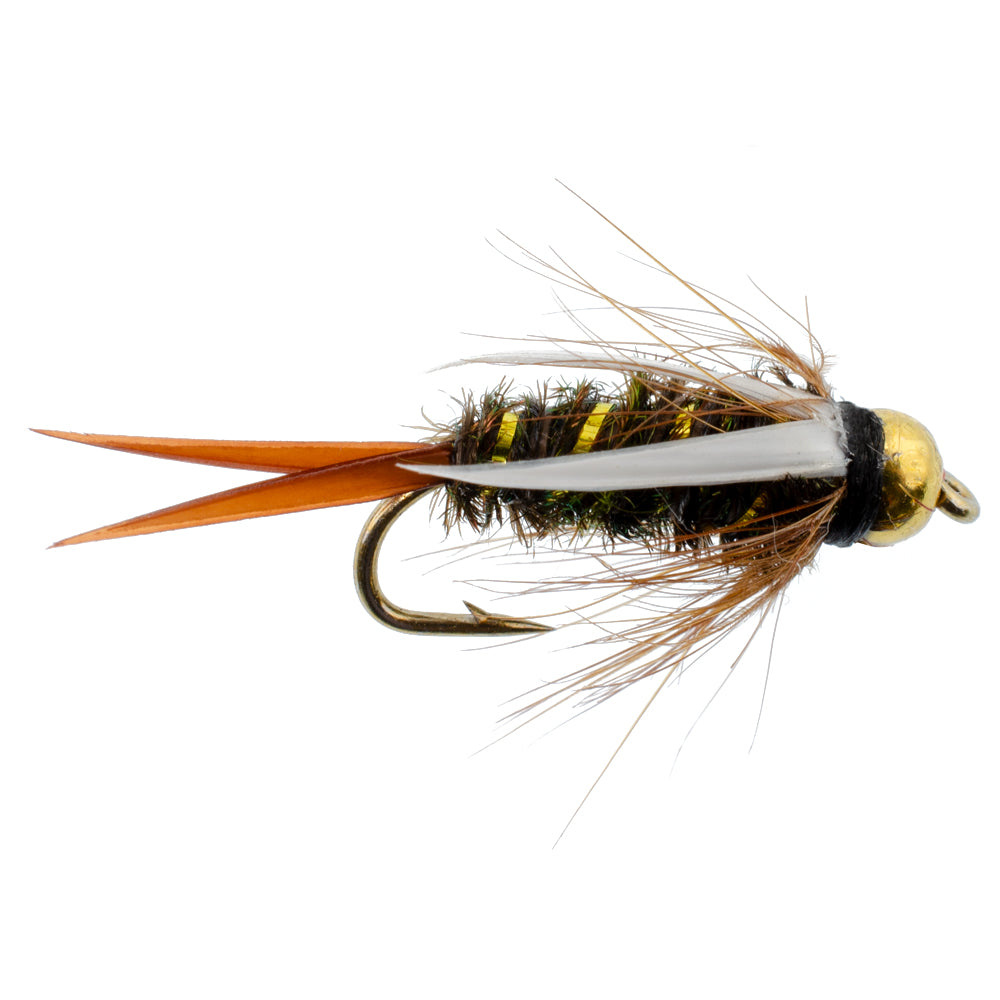
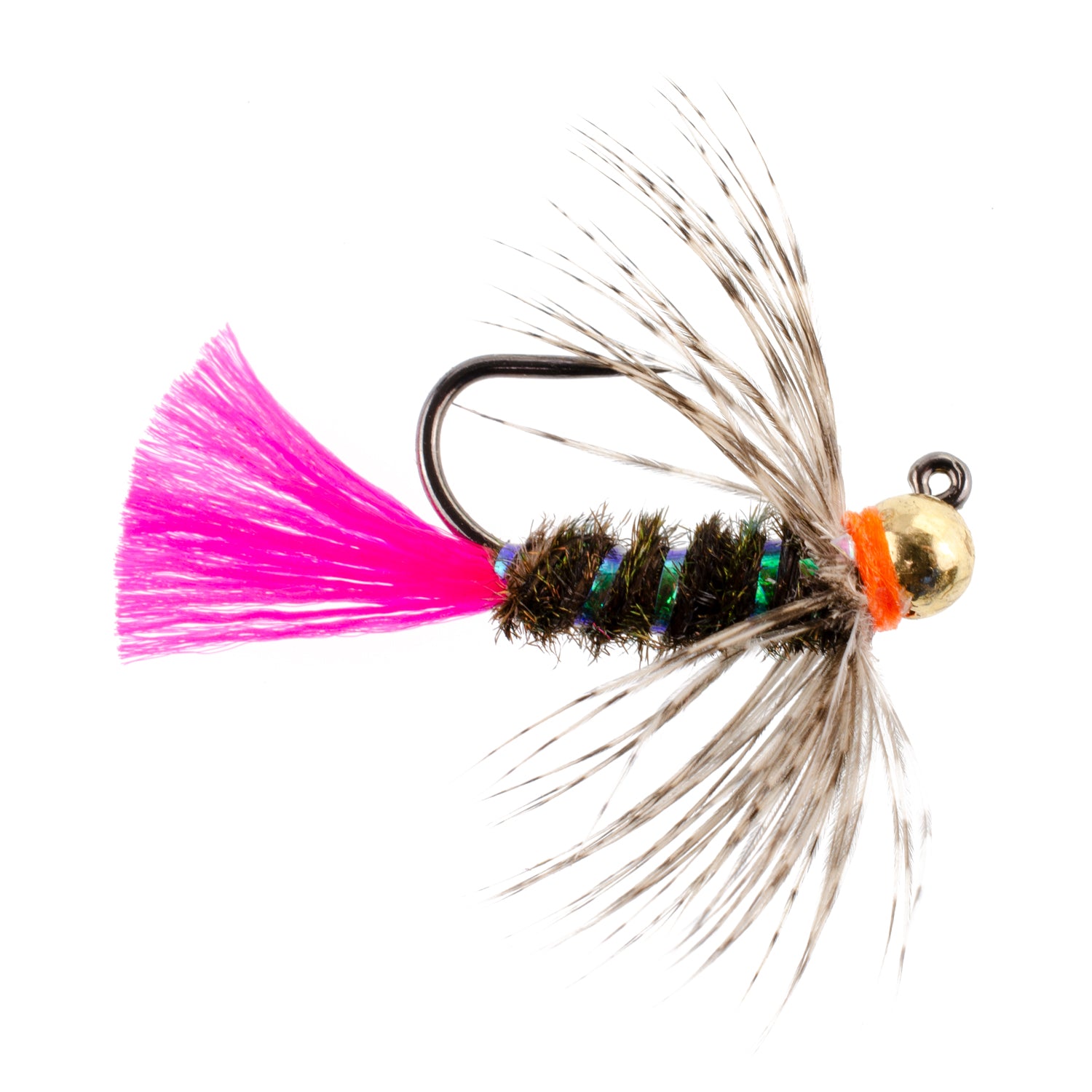
Shop by type: dry flies, nymphs, Euro nymphs, hoppers and terrestrials, streamers.

The river
The upper river above Selway Falls is the wilderness fishery: trail or permit float, cold water, and cutthroat that have not been educated on a crowded bank. Fish often run 10-14 inches, with larger fish in the deeper pools. Bull trout hold in the same water. Do not pull them out to photograph. The Magruder Corridor gives limited high-country access. It is a rough seasonal road between two wildernesses
The lower river is Forest Road 223 from Lowell to Selway Falls, about 19 miles. This is the walk-and-wade Selway most first-timers fish. Cutthroat and rainbows. Some brook trout. Salmonflies hit this water first in early June, then move upstream as runoff drops. You can reach it in a day from the Highway 12 corridor. You cannot fish the closed falls pocket.
Plan the trip by section. The lower river from Lowell to Selway Falls is a forest road corridor. You can wade, camp at developed sites, and get out the same day. Above the falls it is wilderness. That water takes a trail, stock, or a permitted float. Carry bear sense, watch afternoon lightning on open ridges, and do not count on a cell signal. The cutthroat fishing is the same idea on both stretches: willing fish in cold water. The difference is how hard you work to stand in it.
Year at a glance
| Month | Primary hatches | Also carry | Typical sizes |
|---|---|---|---|
| Jan-Apr | Upper river inaccessible - lower river near Lowell on mild days only | Midge 18-22 | |
| May | Caddis, stonefly nymphs | BWO, high runoff typical | Caddis 14-16, stone 6-10 |
| Jun | Salmonfly, golden stone, caddis | PMD late month | Salmonfly 4-8, caddis 14-16 |
| Jul | PMD, caddis, yellow sally | Hoppers start, golden stone fading | PMD 16-18, caddis 14-16 |
| Aug | Hoppers, ants, caddis | Late PMD, beetles | Hopper 8-12, ant 14-16 |
| Sep | Hoppers, BWO, October caddis | Ants, streamers | Hopper 10-12, BWO 18-20 |
| Oct | October caddis, BWO | Midges, streamers | Oct caddis 8-12, BWO 18-22 |
| Nov-Dec | Upper river inaccessible - lower river near Lowell midges and small nymphs | Midge 18-22 | |
January - April
The upper Selway is buried under snow and inaccessible by road or trail from November through late spring - most of the drainage remains closed until late May or June depending on snowpack. The lower river near Lowell can be fished in mild winter and early spring weather with midges and small nymphs, but it receives almost no attention from fly anglers during this period. Most Selway anglers plan their trips entirely around the salmonfly hatch window in June - the winter and early spring lower river is for the committed local angler who wants a quiet river to themselves.
- Midges - 18-22 on the lower river near Lowell on mild days. Subsurface in the deeper slower pools.
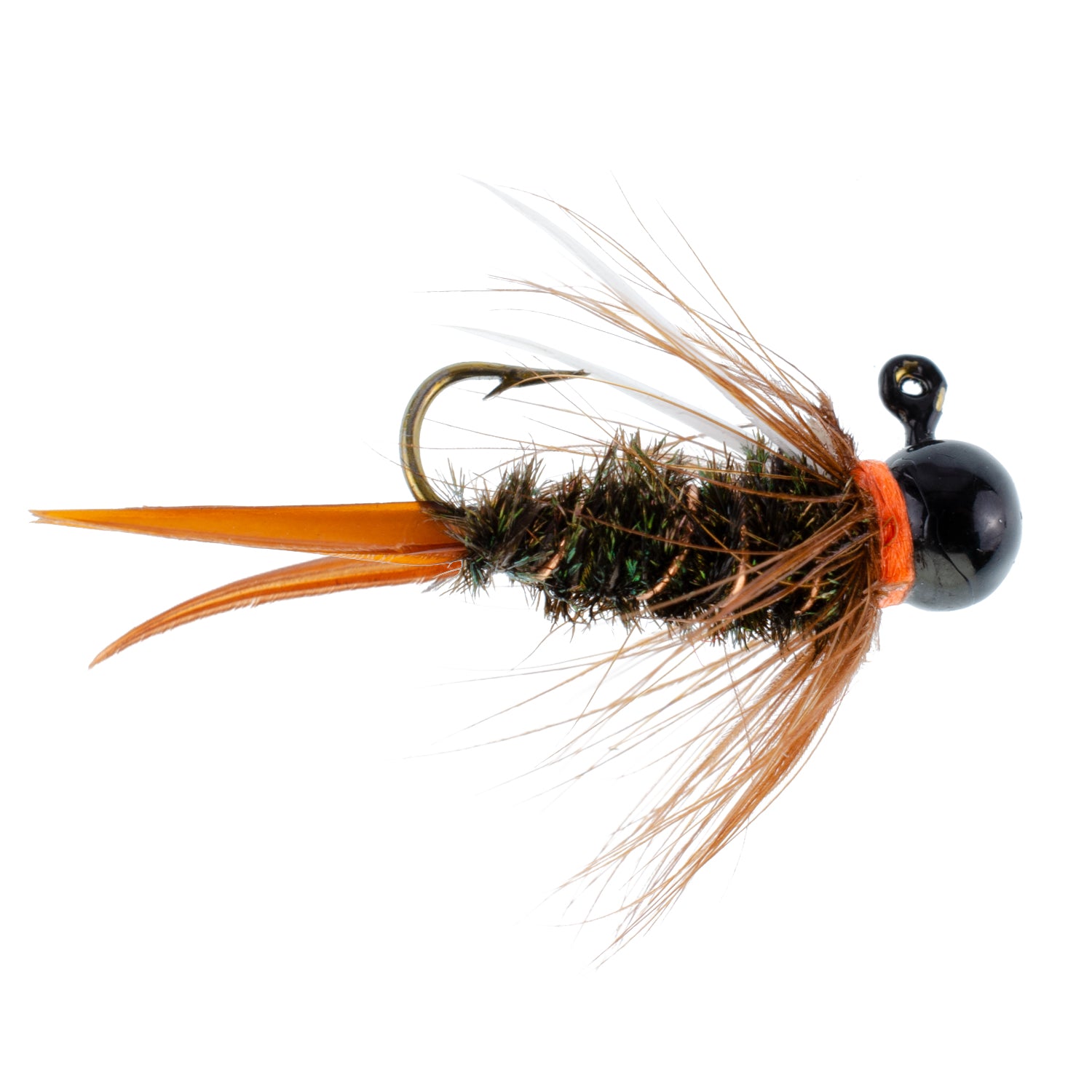
- Small dark stonefly nymphs along the bottom in the deeper runs.
May - June
May is high water month on the Selway - the upper river is blown out by snowmelt and even the lower river can be challenging. Caddis build on the lower river when flows allow and stonefly nymphs are migrating through the drift. The salmonfly hatch is the event that most Selway anglers plan their year around - beginning on the lower river in early June and progressing upstream through the wilderness canyon as flows drop. Timing the leading edge of the hatch is everything - call local fly shops in Kooskia or Lowell for current conditions before committing to the drive. Upper river road and trail access typically opens in late May or early June depending on snowpack - confirm with the Nez Perce-Clearwater National Forest before planning access to the upper drainage.
- May: caddis - 14-16 on the lower river when flows allow. Stonefly nymphs 6-10 subsurface throughout.
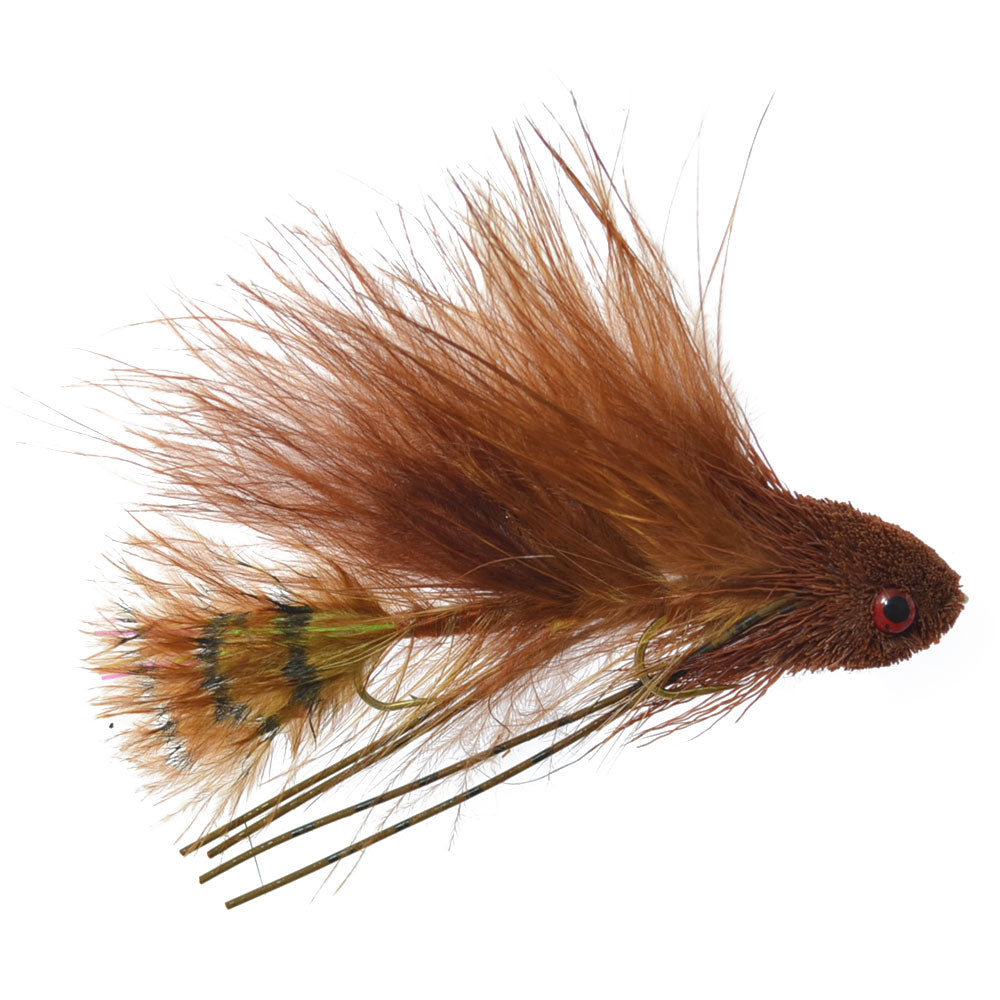
- Salmonfly - 4-8. The signature Selway hatch. Lower river early June, upper wilderness canyon mid-to-late June. Large foam and deer hair patterns tight to the bank and under overhanging brush. Fish the leading edge upstream of where adults are thickest.
- Golden stone - 6-10 overlapping and following the salmonfly through June into early July.
- Caddis - 14-16 evenings throughout June. The reliable constant as the salmonfly window progresses.
- Late June: PMD start - 16-18 in the riffles.
July - August
Classic wilderness cutthroat fishing through July and August - the finest months on the upper Selway for the angler willing to make the hike or the float. July brings PMDs in the morning, yellow sallies in the fast pocket water, and caddis in the evening with wild cutthroat that rise eagerly to well-presented dries throughout the day. August is terrestrial season - hoppers along the grassy benches and slide-alder banks, ants and beetles midday, caddis evenings. The Selway cutthroat are not selective - a well-placed hopper near the bank will bring fish up from surprisingly deep lies. Fish early and late in August as the canyon can heat up by midday. Be aware of afternoon thunderstorms and lightning exposure on open ridge trails in the upper wilderness.
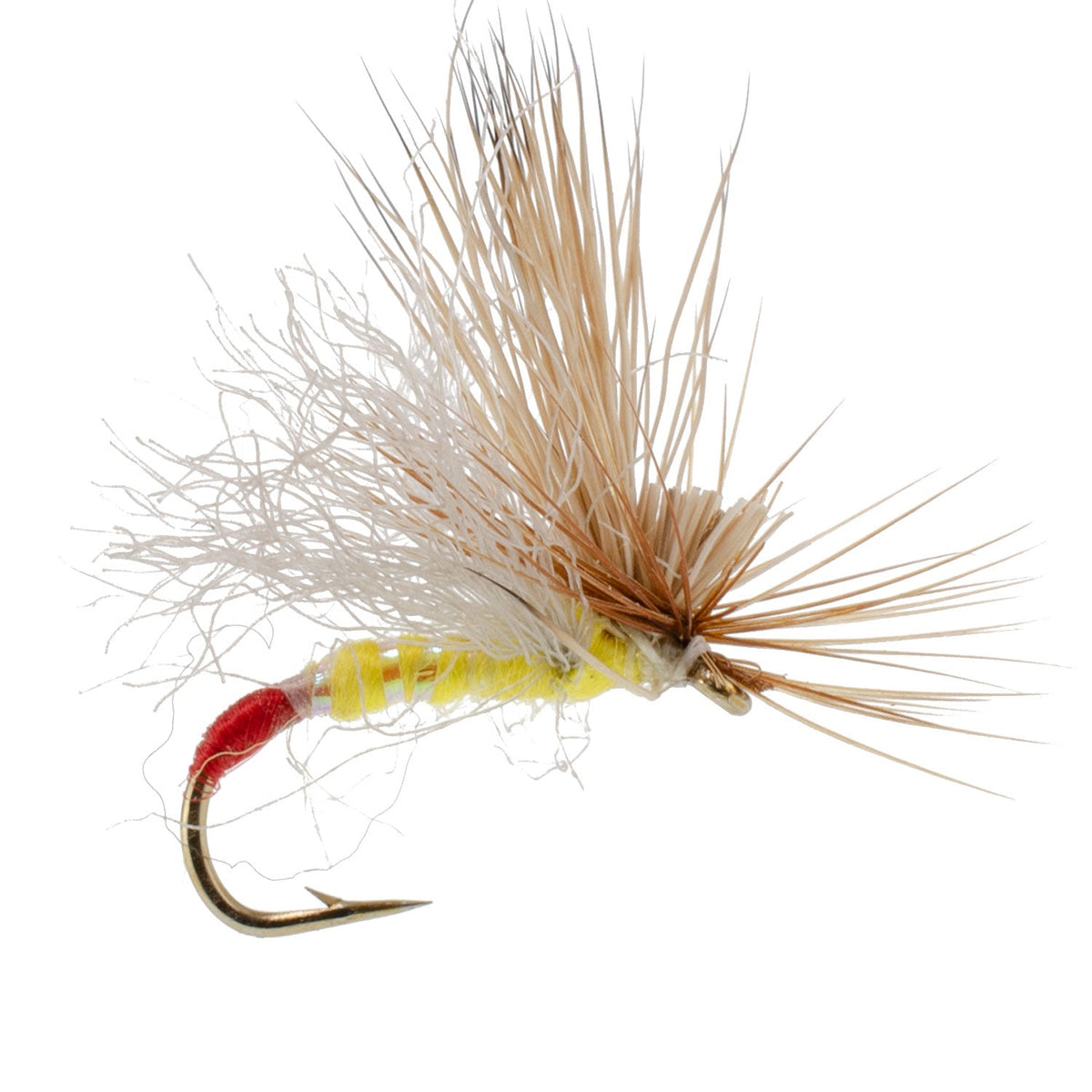
- July: PMD - 16-18 mornings. The dominant July hatch on the upper river.
- Yellow sally - 14-16 in the fast pocket water and riffle edges.
- Caddis - 14-16 evenings throughout July and August.
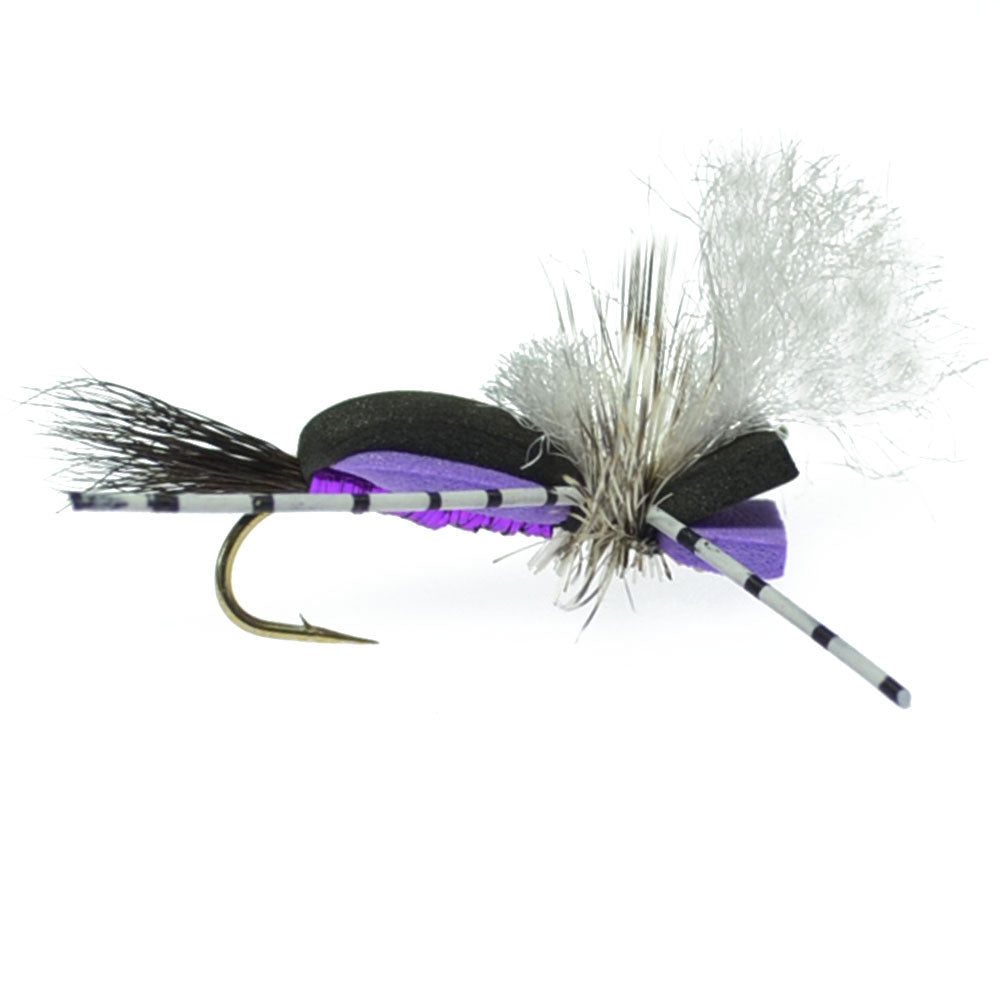
- August: Hoppers - 8-12 along the grassy benches, alder banks, and canyon margins. The signature late-summer Selway pattern.
- Ants and beetles midday - 14-16.
- Late PMD continuing through early August on the upper river - 16-18.
September - October
September is one of the finest months on the Selway - crowds drop to near zero after Labor Day, terrestrials continue through mid-month, and BWO return with the cooling temperatures. Bull trout become more active in the deeper pools and streamers at last light produce some of the largest fish of the season. October caddis begin on the lower river in September - large orange patterns that produce aggressive takes from cutthroat and browns in the lower sections. The wilderness in September with color in the western larches, cold mornings, and empty trails is among the finest fly fishing settings in the American West. October brings October caddis and BWO on the lower river - upper river access can close with early snow, so check road and trail conditions carefully before planning any October trips to the upper drainage.
- Hoppers and ants through mid-September - 8-12 and 14-16.
- BWO - 18-20 on overcast afternoons through September and October. The dominant fall dry-fly hatch.
- October caddis - 8-12. Large orange patterns from September through October. Aggressive takes on both the upper and lower river.
- Streamers at last light in September and October for bull trout and large cutthroat in the deeper pools.
November - December
The upper river closes with snow and the Selway returns to its winter inaccessibility. The lower river near Lowell remains fishable on mild days with midges and small nymphs - almost no angling pressure and wild cutthroat in a canyon that sees virtually no other fly fishers through the winter months. Short days, cold water, and the quiet of the Selway-Bitterroot drainage in late fall.
- Midges - 18-22. Subsurface in the deeper slower pools on the lower river near Lowell.
- Small nymphs subsurface in the deeper runs.
A Selway box is simpler than most western rivers - cutthroat are not selective and presentation matters less than fly choice. A western dry and nymph assortment covers the core season - add salmonfly patterns in sizes 4-8 for the June hatch, golden stone dry and nymph, a strong hopper selection for August and September, and October caddis in sizes 8-12 for fall.