St. Joe River Idaho Hatch Chart
Northern Idaho. The St. Joe starts at St. Joe Lake near the Montana line and runs about 140 miles west through the Bitterroots to Coeur d’Alene Lake at St. Maries. It is one of Idaho’s best wild westslope cutthroat rivers. The water most anglers fish is the canyon road from St. Maries through Calder and Avery to Spruce Tree Campground. Above Spruce Tree the river is trail water. Cutthroat eat dries. Salmonflies in June and hoppers in August are the two events that fill the calendar.

Check current Idaho Fish and Game rules before you go.
From Coeur d’Alene Lake upstream to and including the North Fork St. Joe: trout limit is 6. No harvest of any trout with a red or orange slash below the jaw. Release every cutthroat.
From the North Fork upstream, including tributaries: same slash rule. No bait. Barbless hooks required.
Bull trout must be released everywhere. The St. Maries River has its own winter and summer limits. The upper road past Avery can stay closed by snow into June. An Idaho fishing license is required.
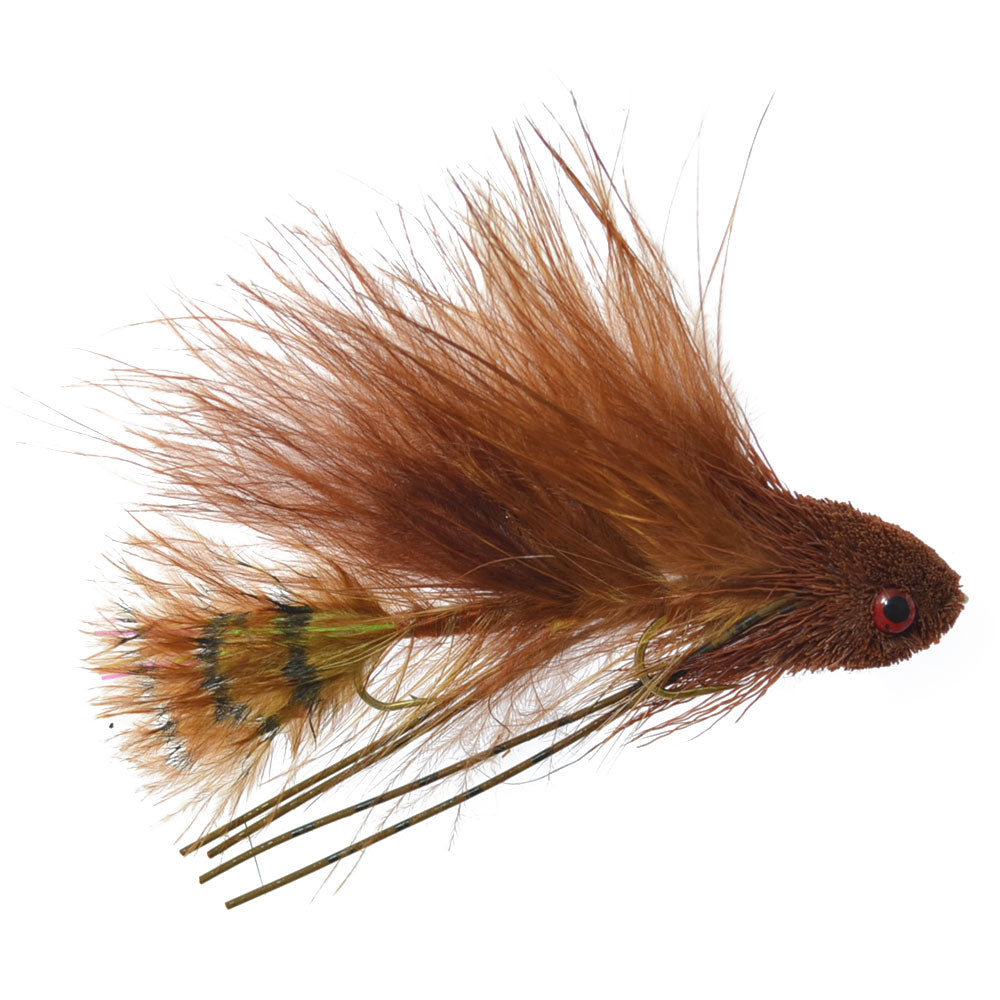
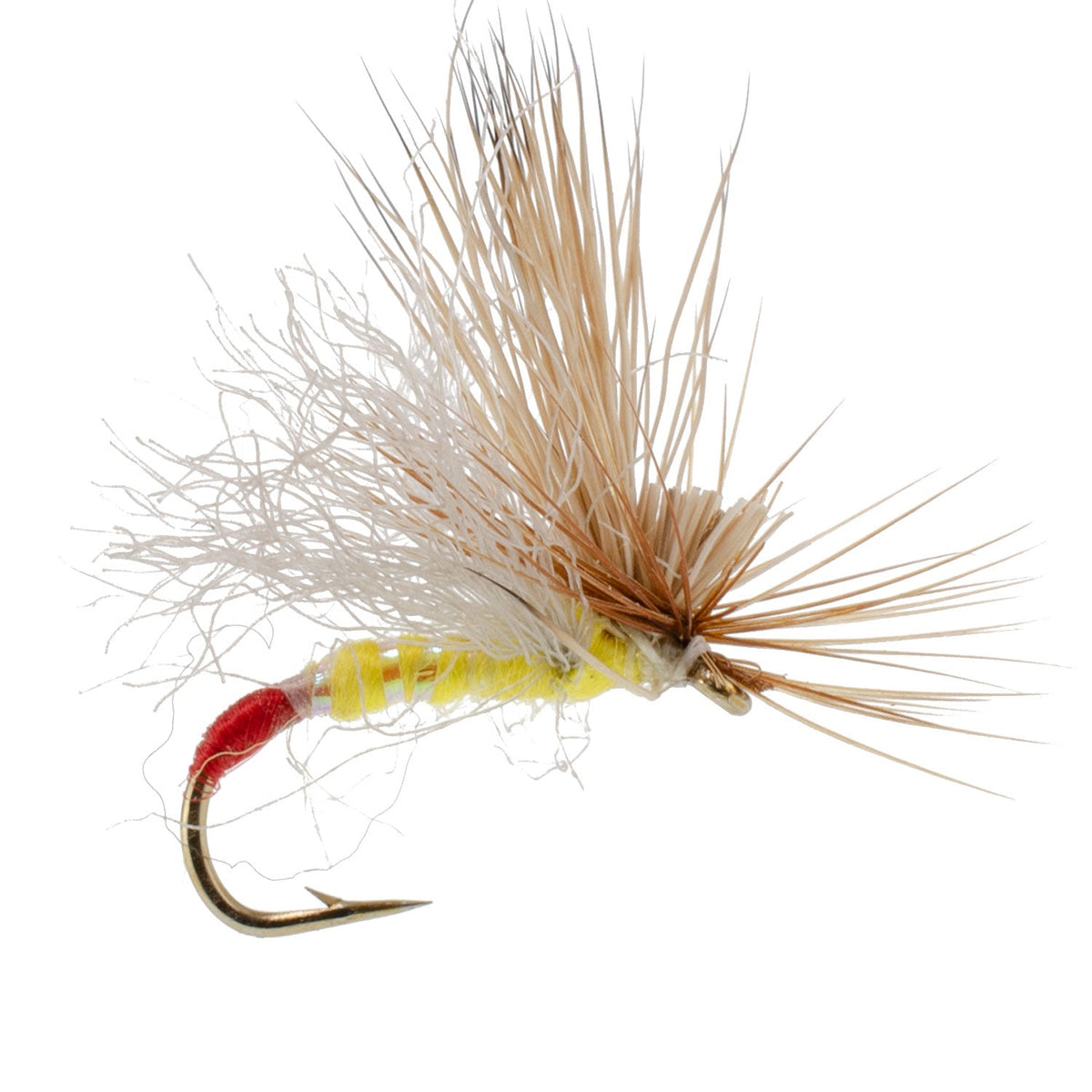
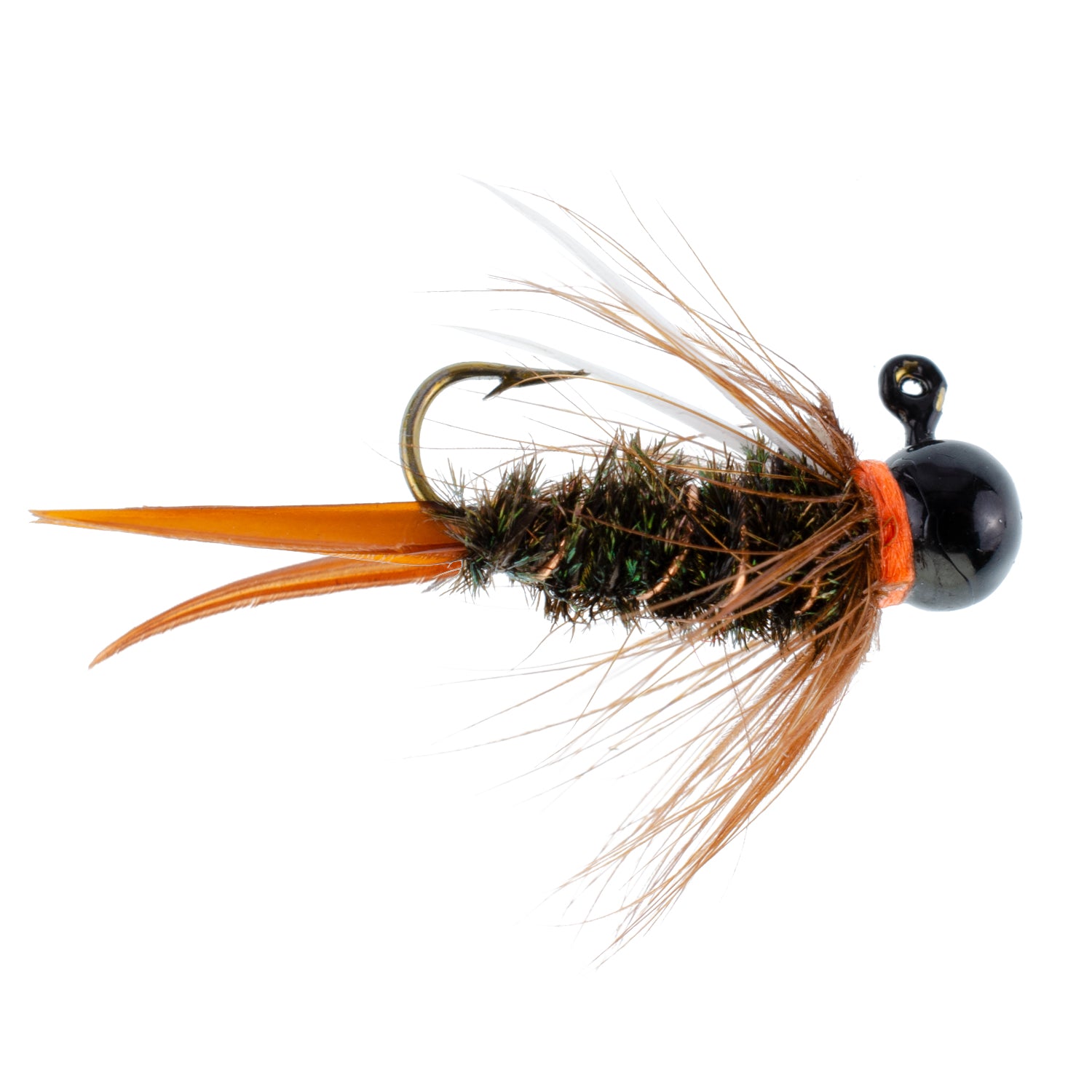
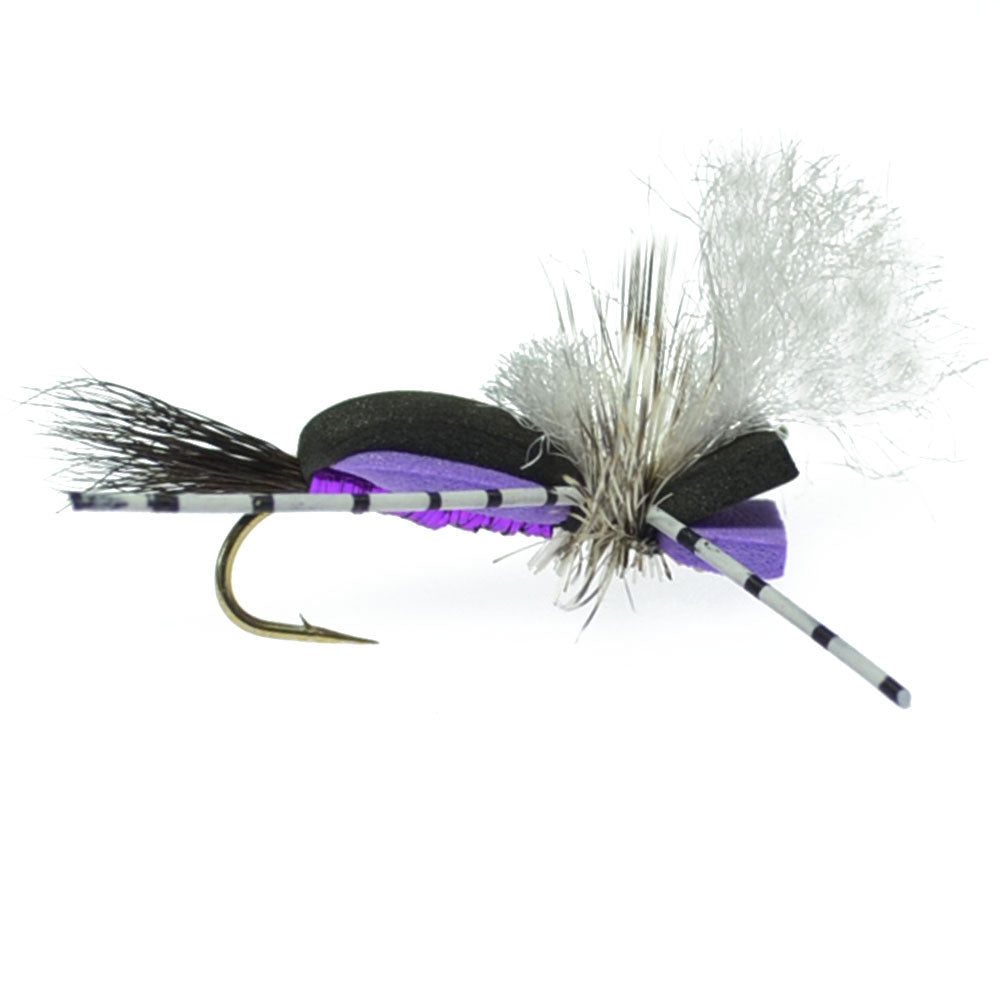
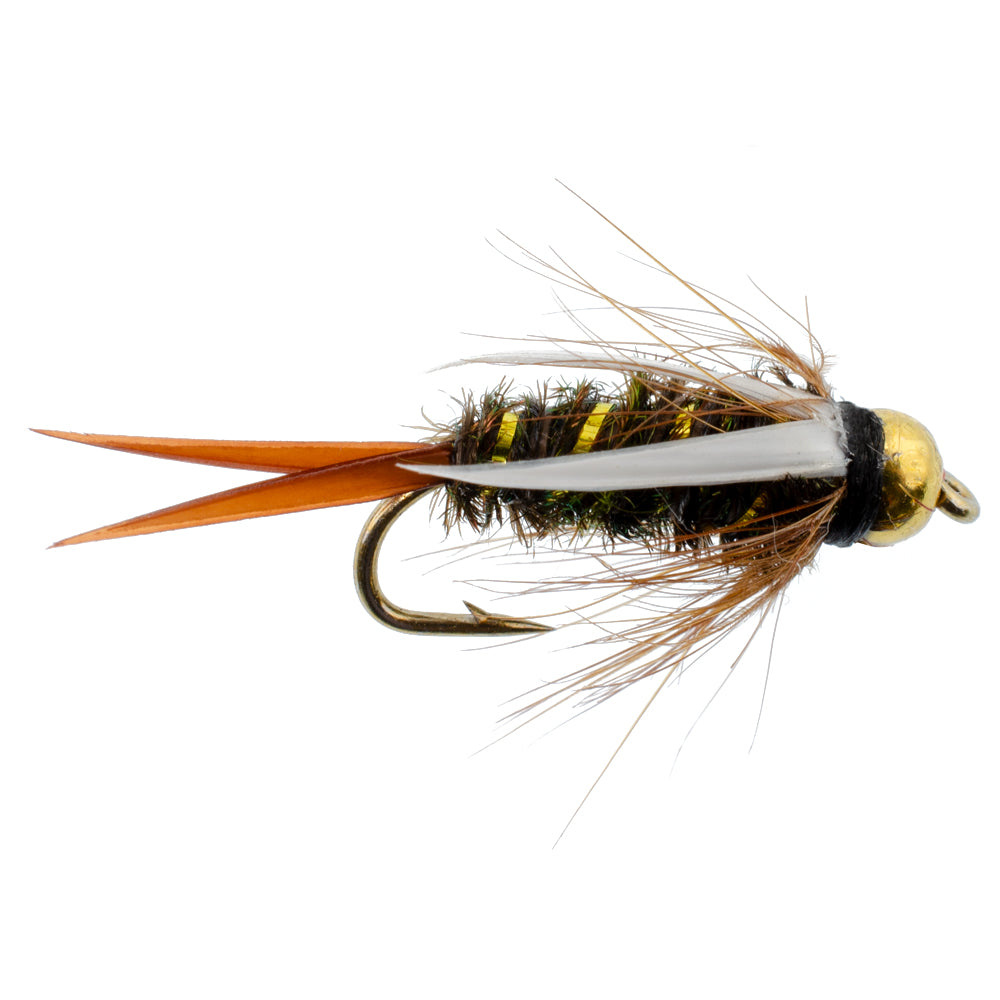
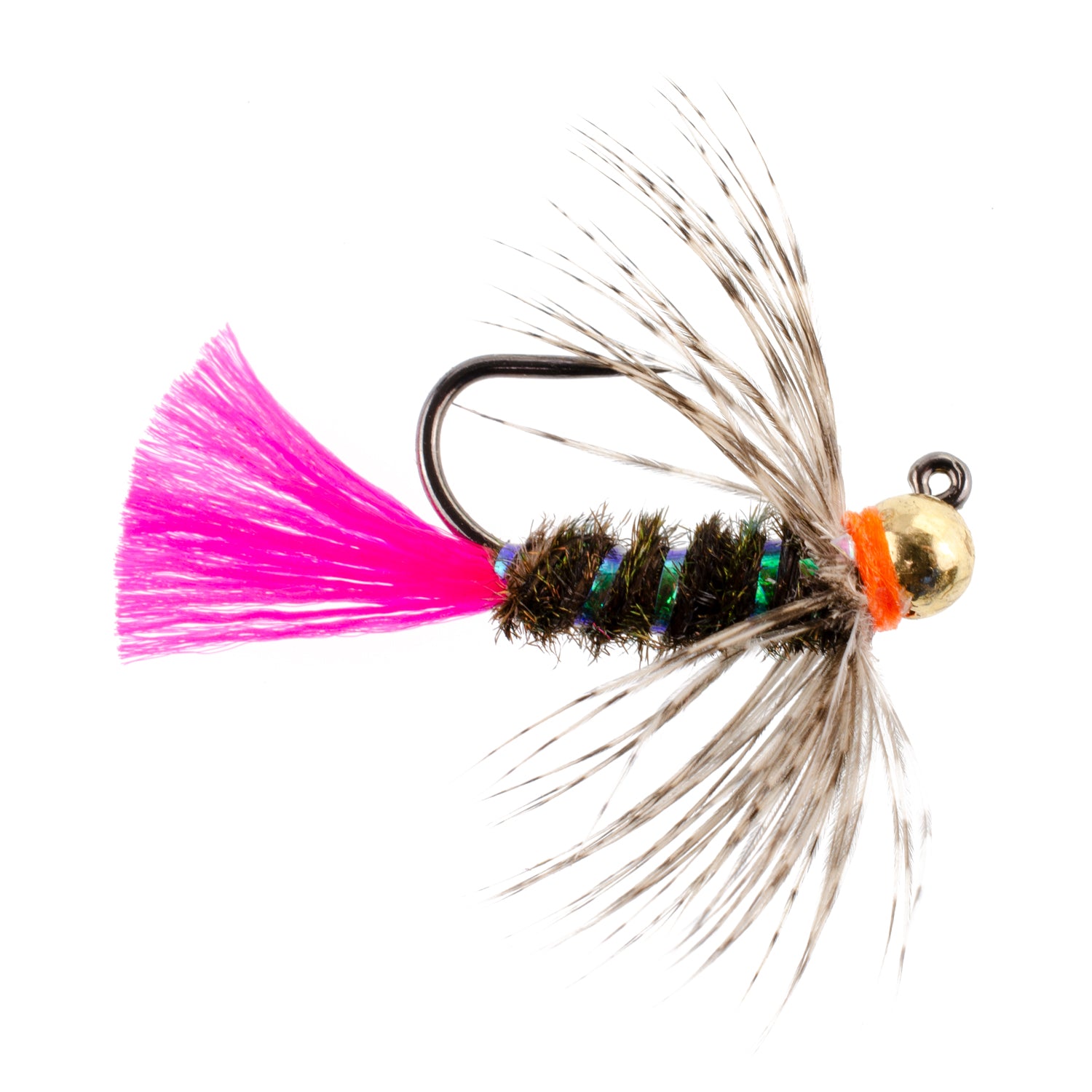
Shop by type: dry flies, nymphs, Euro nymphs, hoppers and terrestrials, streamers.
The river
The St. Joe that most people mean is the canyon from Avery toward Spruce Tree: pocket water, plunge pools, and long riffles with willing cutthroat. Fish often run 10-16 inches. They eat a dry if you put it on the seam. The road follows the river here. Above Spruce Tree you walk. That water is quieter and the fish have seen fewer flies.
Bull trout are present throughout the St. Joe drainage and are encountered regularly by anglers working streamers in the deeper pools and runs - a reminder that the St. Joe watershed retains the ecological integrity that supports apex predators. All bull trout are strictly catch-and-release and should be handled with minimum disturbance. The presence of bull trout throughout the drainage is one of the clearest indicators of the St. Joe's exceptional water quality and the health of the native fish community that makes it worth protecting.
Below Avery the river is easier to reach from St. Maries. It is still a cutthroat river. Rainbows show. The lower water sees salmonflies first in early June. It warms sooner in August, so fish early. Do not plan a winter trip to the upper canyon. Plan it on the lower river, or wait for the road to open.
Year at a glance
| Month | Primary hatches | Also carry | Typical sizes |
|---|---|---|---|
| Jan | Midges | Small stonefly nymphs | Midge 18-22 |
| Feb | Midges, BWO | Small stonefly nymphs | Midge 18-22, BWO 16-20 |
| Mar | BWO, Skwala | Midges, early caddis | BWO 16-20, Skwala 8-12 |
| Apr | BWO, Skwala, March brown | Early caddis, runoff begins | BWO 14-18, Skwala 8-12 |
| May | Caddis, stonefly nymphs | BWO, high runoff typical | Caddis 14-16, stone 6-10 |
| Jun | Salmonfly, golden stone, caddis | PMD late month | Salmonfly 4-8, caddis 14-16 |
| Jul | PMD, caddis, yellow sally | Hoppers start, golden stone fading | PMD 16-18, caddis 14-16 |
| Aug | Hoppers, ants, caddis | Late PMD, beetles | Hopper 8-12, ant 14-16 |
| Sep | Hoppers, BWO, October caddis | Ants, streamers | Hopper 10-12, BWO 18-20 |
| Oct | October caddis, BWO | Midges, streamers | Oct caddis 8-12, BWO 18-22 |
| Nov | BWO, midges | Small nymphs, streamers | BWO 18-22, midge 18-22 |
| Dec | Midges | Small nymphs | Midge 18-22 |
January - February
The upper river is locked under snow and the canyon road is closed in most years. The lower St. Joe near St. Maries is accessible on mild days and provides limited but genuine midge and BWO fishing in the slower pools and runs. January and February on the lower St. Joe are for the committed local angler - slow presentations, small flies, and the reward of wild cutthroat in a winter canyon setting that few anglers ever see.
- Midges - 18-22. Subsurface in the deeper slower pools. Surface on midge clusters on calm afternoons when fish are dimpling.
- BWO - 16-20 on overcast afternoons in February. Parachute and CDC emerger styles.
- Small dark stonefly nymphs along the bottom in the deeper runs.
March - April
BWO hatches strengthen through March on the lower river - the St. Joe spring olive hatches on overcast afternoons are reliable and can produce excellent dry-fly fishing in the lower canyon before runoff begins. Skwala stoneflies appear on the warmer lower river stretches in March - one of the earliest dry-fly opportunities of the season. March brown in April. Caddis begin building in April as snowmelt starts pushing flows - the window before high water is some of the finest fishing of the year on accessible lower sections. Monitor flows carefully as runoff begins - the upper canyon road typically remains closed through April in normal snowpack years.
- BWO - 16-20 on overcast afternoons. The dominant early spring dry-fly hatch on the lower river.
- Skwala - 8-12 on the warmer lower river sections in March and April. Rubber-leg nymph subsurface; Stimulator-style dry on warming afternoons.
- March brown - 12-14 on overcast April afternoons.
- Midges throughout - 18-22.
- April: early caddis building - 14-16 on the lower river.
May - June
May is high water month on the St. Joe - the upper river is typically blown out through most of May and even the lower river can be challenging. Caddis build on the lower river when flows allow and stonefly nymphs are migrating through the drift. The salmonfly hatch is the signature event on the St. Joe - beginning on the lower river in early June and progressing upstream through the canyon as flows drop and water temperatures rise. The upper canyon road typically opens in late May or early June depending on snowpack - confirm access before committing to the upper river. The salmonfly window on the St. Joe is one of the finest in Idaho - the remote upper canyon with minimal pressure and wild cutthroat responding aggressively to large stonefly dries is the kind of fishing anglers return to year after year.
- May: caddis - 14-16 on the lower river when flows allow. Stonefly nymphs 6-10 subsurface throughout.
- Salmonfly - 4-8. The signature St. Joe hatch. Lower river early June, upper canyon late June. Large foam and deer hair patterns along the banks. Fish the leading edge of the hatch upstream.
- Golden stone - 6-10 overlapping and following the salmonfly through June.
- Caddis - 14-16 evenings throughout June. The reliable constant as the salmonfly fades.
- Late June: PMD start - 16-18 in the riffles.
July - August
Classic summer cutthroat fishing on the upper St. Joe. July is the finest month on the upper river - PMDs in the morning, yellow sallies in the fast riffles, caddis in the evening, and wild cutthroat that rise eagerly to well-presented dries throughout the day. The upper canyon is at its most accessible and the fish are in peak summer condition. August transitions to terrestrial season - hoppers along the grassy and brushy bank margins, ants and beetles midday, caddis evenings. The St. Joe cutthroat respond to hoppers with the aggressive confidence of fish that rarely see them - some of the finest hopper-dry-fly fishing on any Idaho river. Fish the lower river early in the day during August as it warms toward midday.
- July: PMD - 16-18 mornings. The dominant July hatch on the upper river.
- Yellow sally - 14-16 in the fast pocket water and riffle edges.
- Caddis - 14-16 evenings throughout July and August.
- August: Hoppers - 8-12 along the brushy and grassy bank margins. The signature late-summer St. Joe pattern.
- Ants and beetles midday - 14-16.
- Late PMD continuing through early August on the upper river - 16-18.
September - October
September is one of the finest months on the St. Joe - crowds thin dramatically after Labor Day, terrestrials continue through mid-month, and BWO return with the cooling temperatures. The upper canyon is at its most peaceful and the cutthroat are in prime fall condition. October caddis begin on the lower river in September - large orange patterns that elicit aggressive takes from cutthroat and browns in the lower sections. October brings the full fall transition - October caddis and BWO on the lower river, the upper canyon accessible until early snows close the road. Check road conditions carefully in October before committing to the upper canyon.
- Hoppers and ants through mid-September - 8-12 and 14-16.
- BWO - 18-20 on overcast afternoons through September and October. The dominant fall dry-fly hatch.
- October caddis - 8-12. Large orange patterns on the lower river from September through October. One of the most distinctive hatches on the St. Joe.
- Streamers in the deeper slots and pools at last light for larger fish and bull trout water.
November - December
Lower river only as the upper canyon closes with snow. Short days, cold water, and the quiet of the St. Joe drainage in late fall and winter. BWO on overcast November afternoons on the lower river. Midges throughout. The lower St. Joe near St. Maries provides accessible winter fishing for the local angler willing to work through cold conditions for wild cutthroat in a canyon that sees almost no other fly fishers through the winter months.
- BWO - 18-22 on overcast afternoons through November.
- Midges - 18-22 throughout. Subsurface and surface when fish are dimpling.
- Small nymphs subsurface in the deeper slower pools.
- Small streamers for larger fish in the deeper lower river holds.
A western dry and nymph assortment covers the core season - add salmonfly patterns in sizes 4-8 for the June canyon hatch, a strong hopper selection for August, and October caddis in sizes 8-12 for the fall lower river. The St. Joe River is Idaho's finest wild cutthroat stream - native westslope cutthroat in roadless canyon water, the most spectacular salmonfly hatch in northern Idaho, and a remote river setting that rewards the angler willing to make the drive into the Bitterroot Range.